|

|

|

|

|

|
|
|
|
|
|
|
|
|
|

|

|

|

|
 8
8


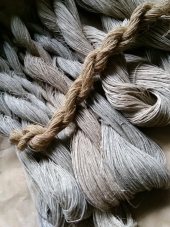
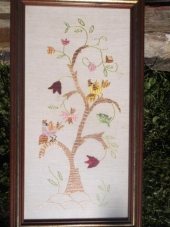
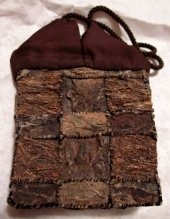
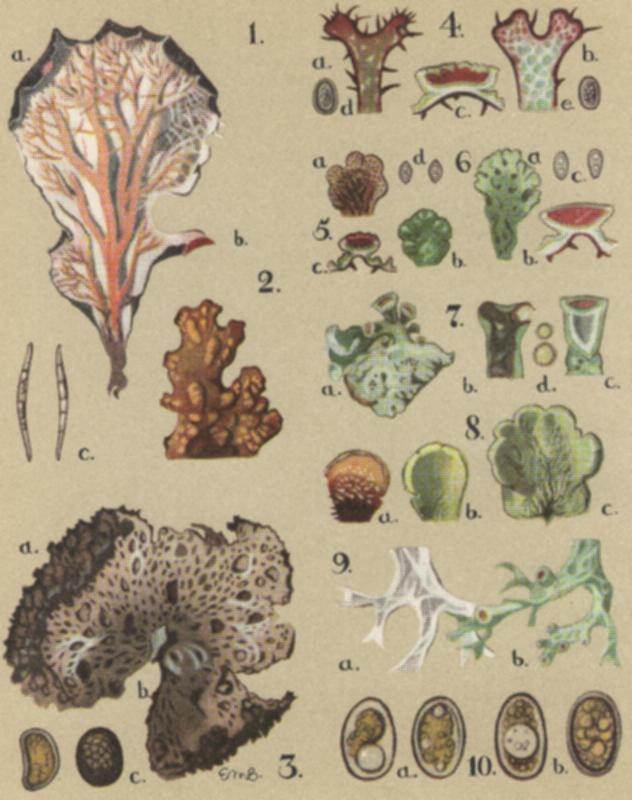
I've just uploaded my aunt's book on Vegetable Dyes. She willed me its copyright and it really deserves being made available and used. It has her paintings of the specimens. She was a hermit, living in a National Trust weaver's cottage in Wales on a trout stream. She dyed, spun, wove and sewed her clothes in these lovely colours, so much more beautiful than the modern aniline ones. - Julia Holloway

"We're all just walking each other home." -Ram Dass
"Be a lamp, or a lifeboat, or a ladder."-Rumi
"It's all one song!" -Neil Young
1
Lichens have been described as 'humble little handmaids of Nature'! They are the most grasping, tenacious and dogged little plants in all the vegetable kingdom. They have a way of doing a vanishing trick in dry weather, so that one can walk about the countryside without realising their existence. When once they arrest the eye and hold one's interest, there is no more fascinating occupation than looking for them, while the high-altitude lichens will lead the searcher into some of the most glorious regions of the world. -Eileen Bolton
"We're all just walking each other home." -Ram Dass
"Be a lamp, or a lifeboat, or a ladder."-Rumi
"It's all one song!" -Neil Young


 2
2
QuickBooks set up and Bookkeeping for Small Businesses and Farms - jocelyncampbell.com
1
If the wind doesn't blow, row.
Best luck: satisfaction
Greatest curse, greed
2
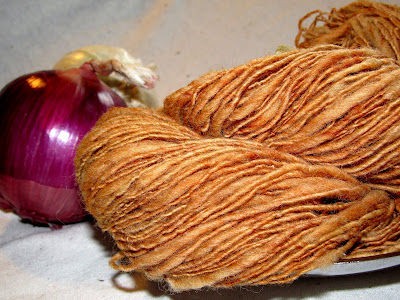
Thekla McDaniels wrote:Mordants are also commonly used on many natural fibers. The dye stuffs that yield a permanent color without a mordant are much rarer. Often the mordant determines color you get from a dye stuff, meaning wool dyed with marigold petals for example that is mordanted with alum will give a different color than mordanted with chrome, or iron or the countless mineral salts used as mordant. I think what happens is the mordants act on the fiber creating a place the color dye can attach.
This looks like a fascinating book, I'd love to get those colors from natural dyes.
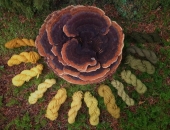
Jocelyn Campbell wrote:Ooohhh! If only I had more time!! I collected some vivid lime green wolf lichen from around here and heard that was a decent natural dye. I experimented with some fabric scraps but only had mediocre results.
I would love to hear more about this!!
2



|
ice is for people that are not already cool. Chill with this tiny ad:
A rocket mass heater heats your home with one tenth the wood of a conventional wood stove
http://woodheat.net
|