|

|

|

|

|

|
|
|
|
|
|
|
|

|

|

|

|
|
 8
8


Education: "the ardent search for truth and its unselfish transmission to youth and to all those learning to think rigorously, so as to act rightly and to serve humanity better." - John Paul II
10
 10
10
![[Thumbnail for 20250804_083705.jpg]](/t/69668/a/290263/20250804_083705.jpg "Filename: 20250804_083705.jpg
Description:") 10
10
![[Thumbnail for 20250903_121456.jpg]](/t/69668/a/290264/20250903_121456.jpg "Filename: 20250903_121456.jpg
Description:") 7
7
M.J. Wayne wrote:Not sure what this is...
(Southern Missouri between Black, and Current Rivers).
4
Anna Hutchins wrote:
M.J. Wayne wrote:Not sure what this is...
(Southern Missouri between Black, and Current Rivers).
I'm pretty sure that's a dobsonfly. We were just looking at pictures of those in my daughter's bug book. The larva are aquatic and the pincers are for mating, not biting. I've never seen one in person so I'm jealous.
10
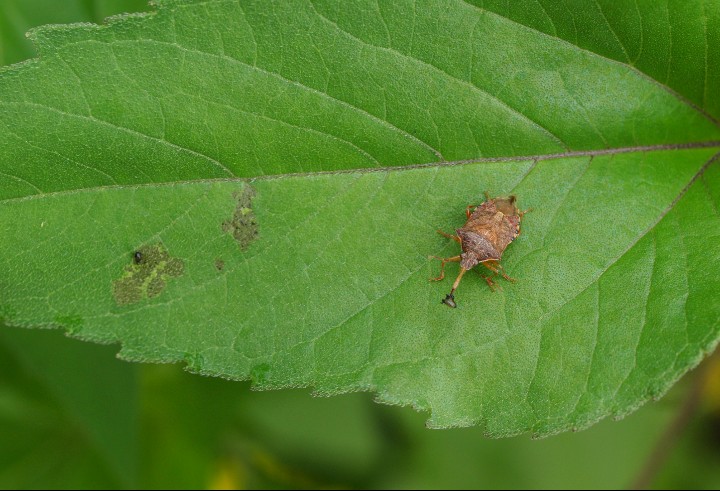
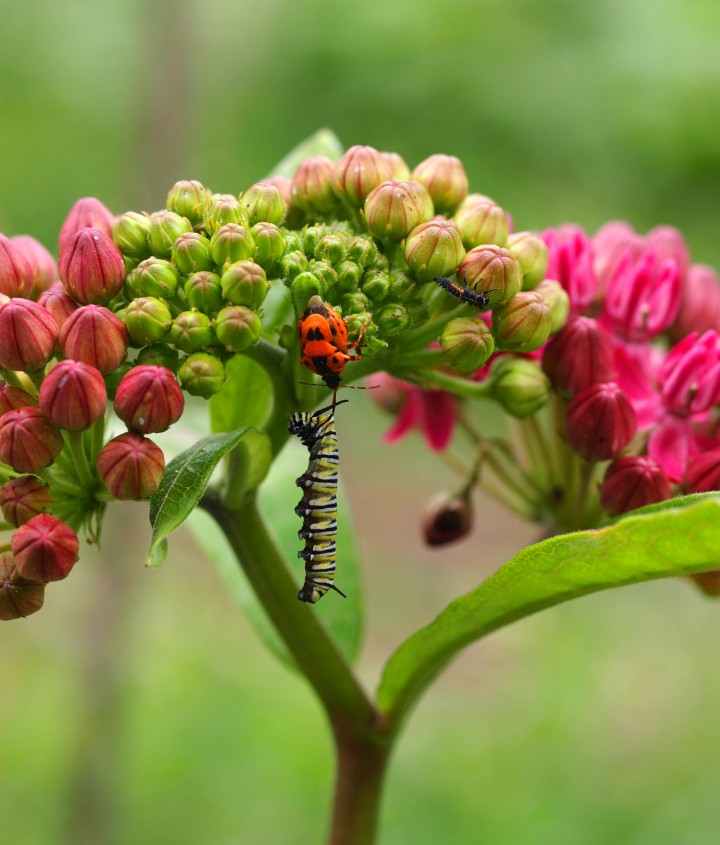
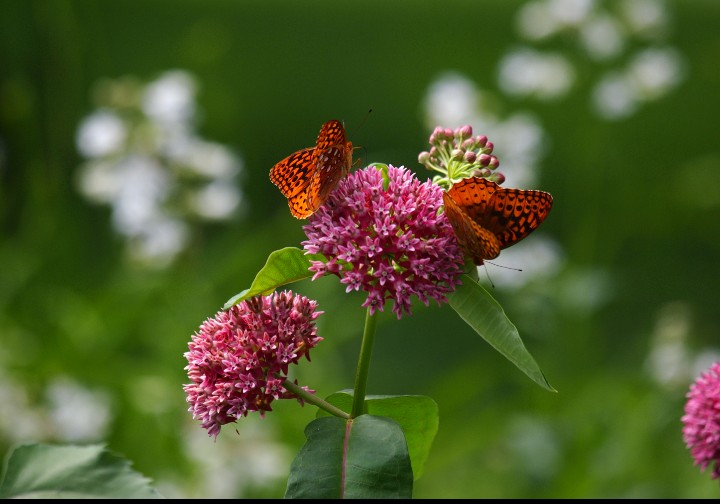
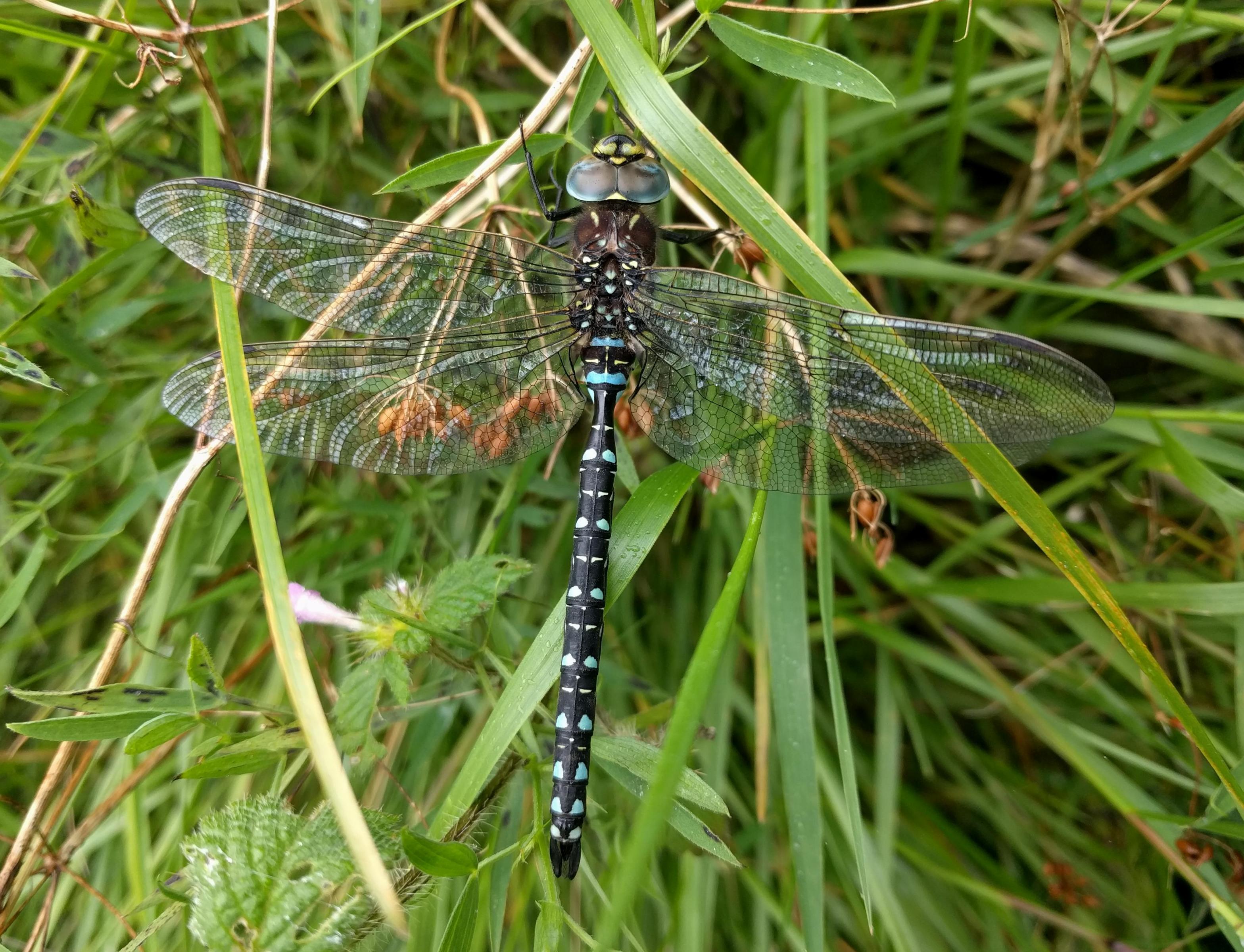
Zone 6, 45 inches precipitation, hard clay soil


 9
9

How Permies works: https://permies.com/wiki/34193/permies-works-links-threads
My projects on Skye: The tree field, Growing and landracing, perennial polycultures, "Don't dream it - be it! "
8
Best luck: satisfaction
Greatest curse, greed
10
"The only thing...more expensive than education is ignorance."~Ben Franklin. "We can easily forgive a child who is afraid of the dark; the real tragedy of life is when men are afraid of the light." ~ Plato
16

Trying to achieve self-reliance on a tiny suburban plot: http://gardenofgaladriel.blogspot.com
12
![[Thumbnail for IMG_5395.jpeg]](/t/69668/a/294821/IMG_5395.jpeg "Filename: IMG_5395.jpeg
Description:")
![[Thumbnail for IMG_5394.jpeg]](/t/69668/a/294822/IMG_5394.jpeg "Filename: IMG_5394.jpeg
Description:")
![[Thumbnail for IMG_5393.jpeg]](/t/69668/a/294823/IMG_5393.jpeg "Filename: IMG_5393.jpeg
Description:")
Best luck: satisfaction
Greatest curse, greed
10
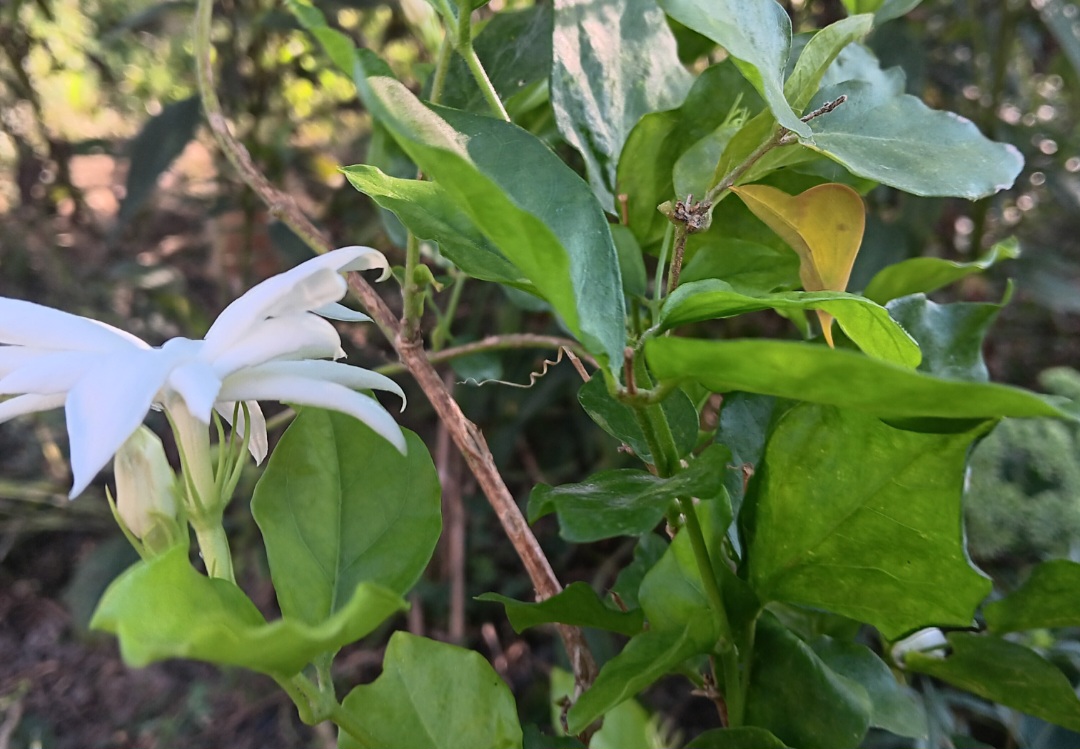
Zone 6, 45 inches precipitation, hard clay soil
10

![[Thumbnail for 20260825_132415.jpg]](/t/69668/a/294908/20260825_132415.jpg "Filename: 20260825_132415.jpg
Description:") 7
7
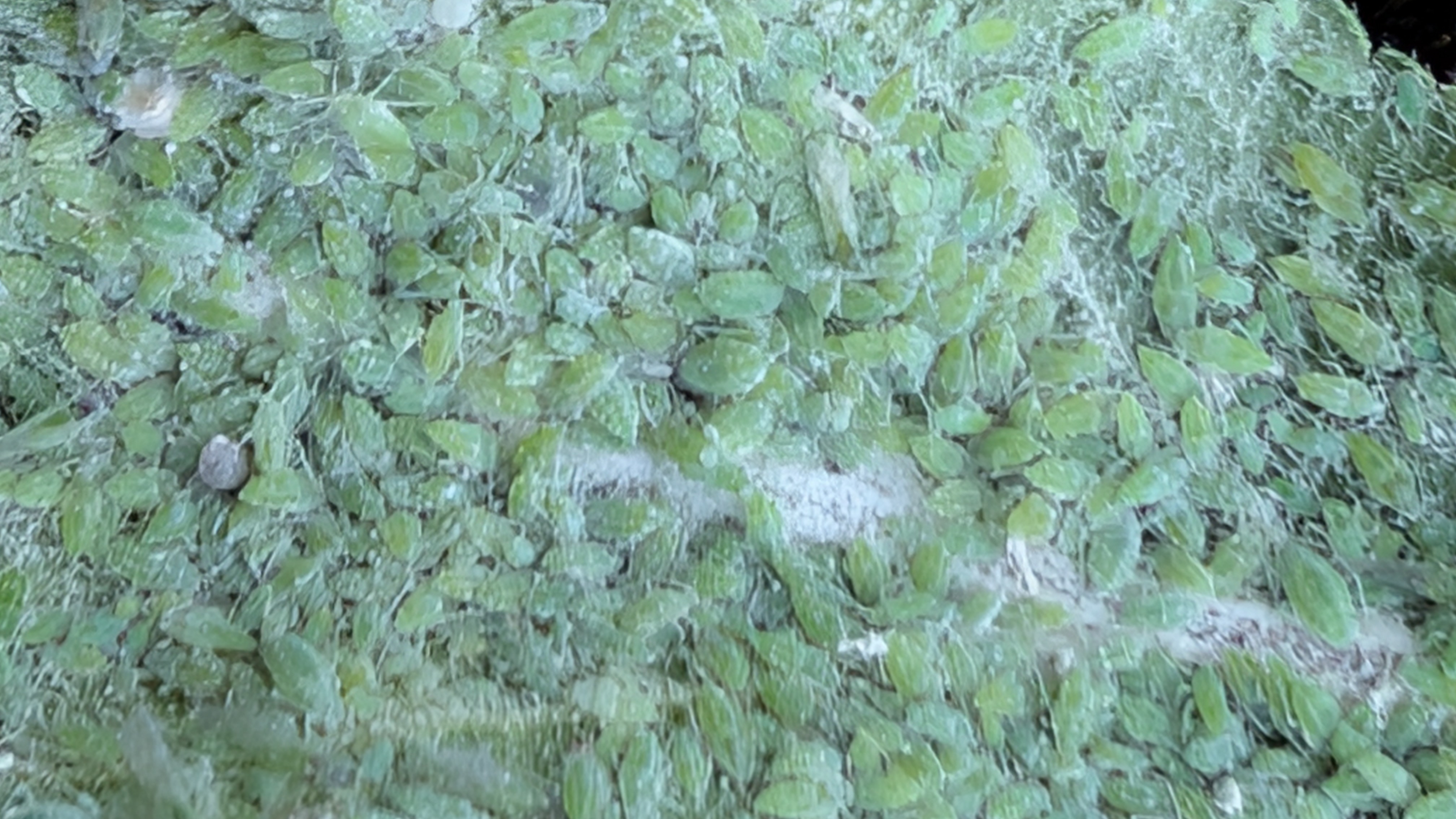
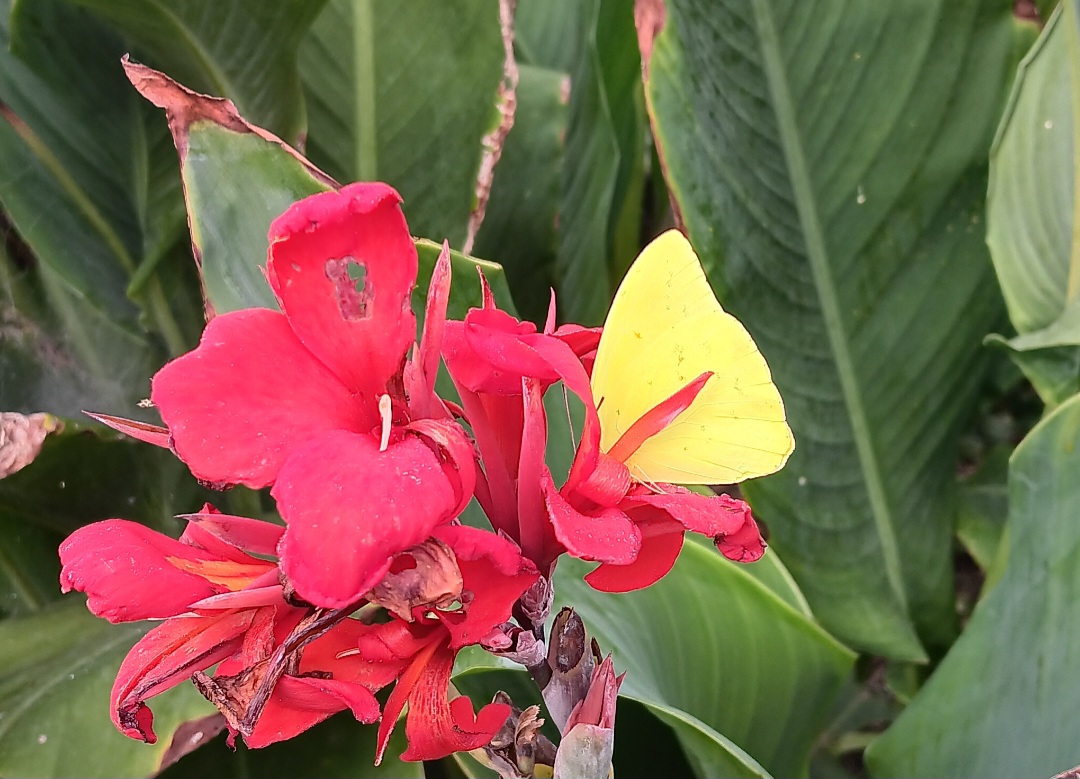
M.J. Wayne wrote:Cool color.
It's a ???
"When the whole world is running towards a cliff, he who is running in the opposite direction appears to have lost his mind." C.S. Lewis
Visit https://themaineingredient.com for organic, premium dried culinary herbs that are grown, processed, and packaged in the USA.
8
"The only thing...more expensive than education is ignorance."~Ben Franklin. "We can easily forgive a child who is afraid of the dark; the real tragedy of life is when men are afraid of the light." ~ Plato
10
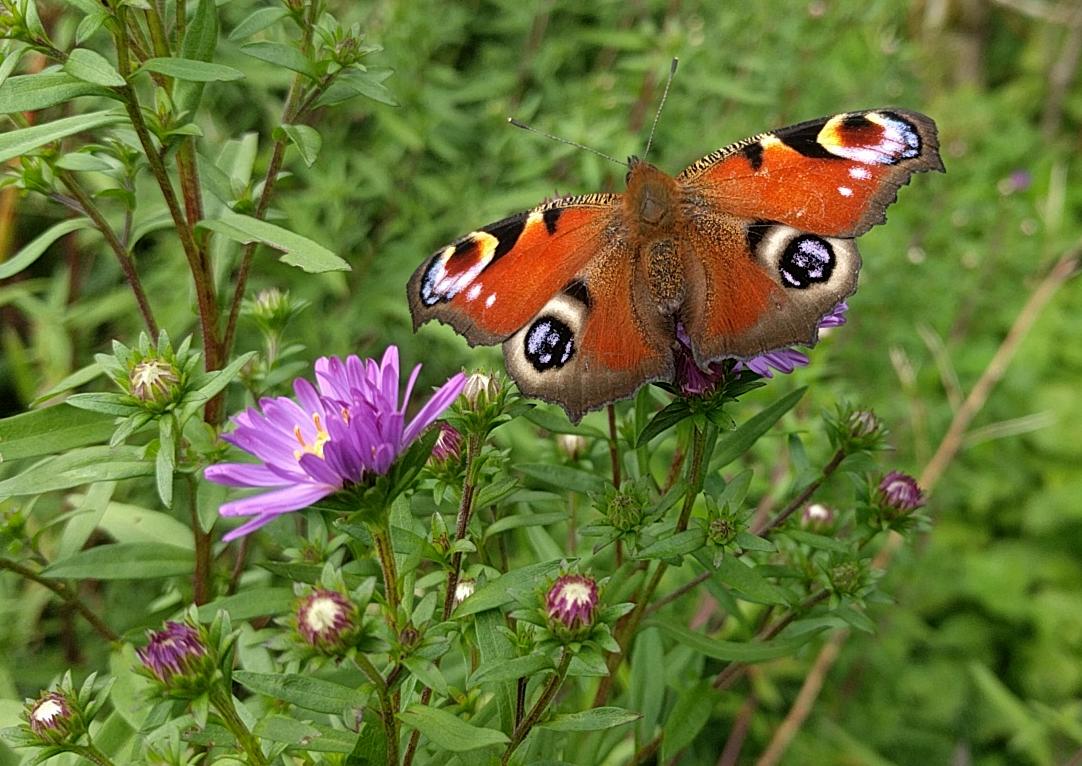
How Permies works: https://permies.com/wiki/34193/permies-works-links-threads
My projects on Skye: The tree field, Growing and landracing, perennial polycultures, "Don't dream it - be it! "
9
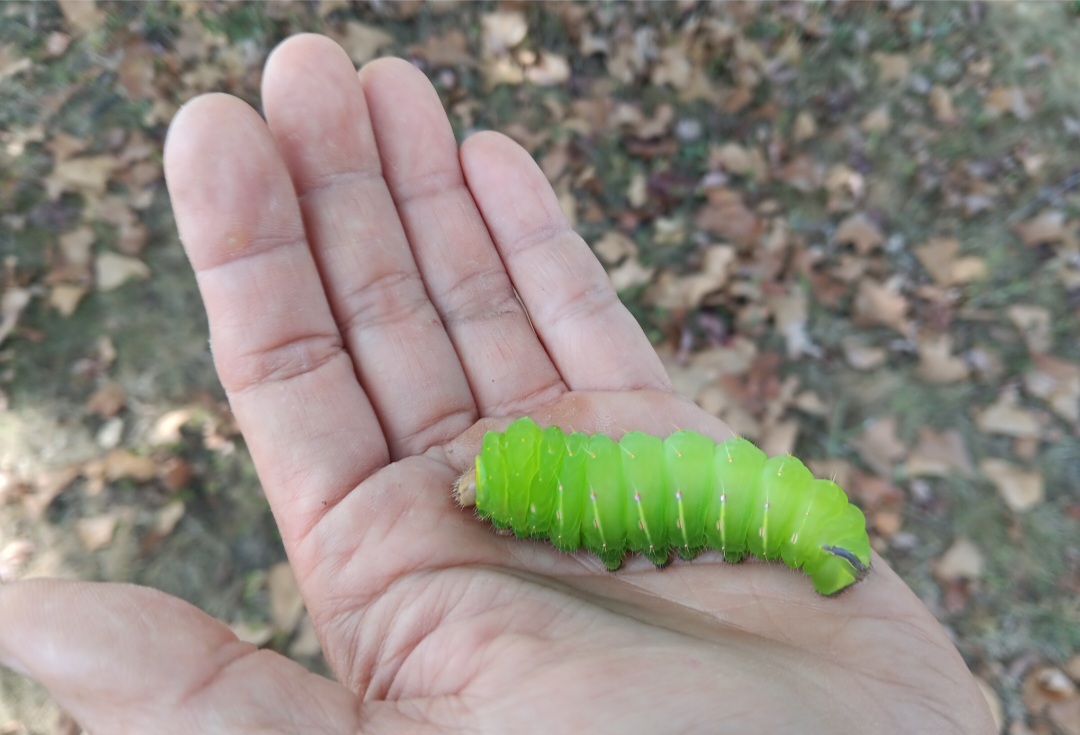
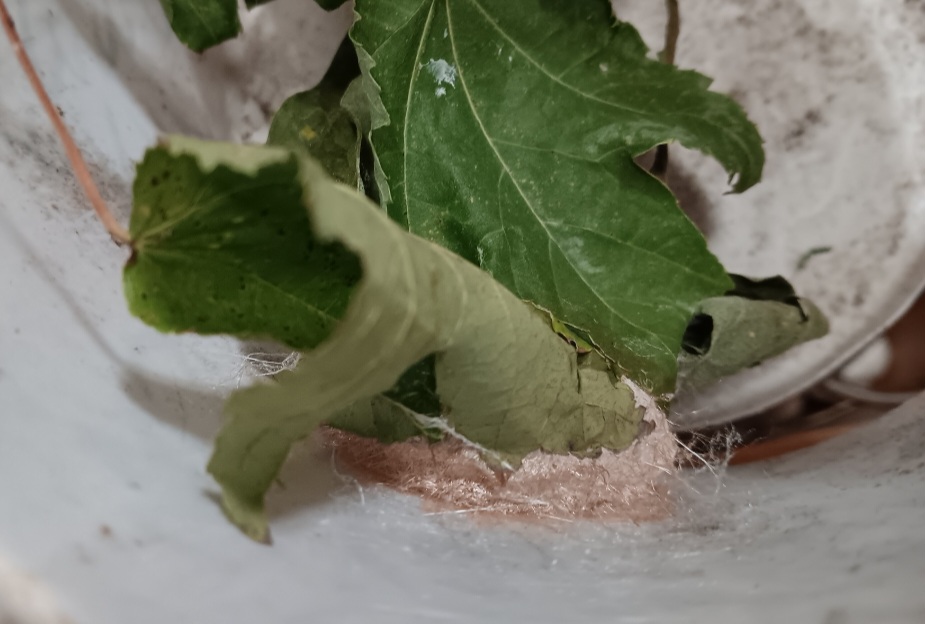
Zone 6, 45 inches precipitation, hard clay soil

|
Nothing? Or something? Like this tiny ad:
Come Visit Wheaton Labs!
https://permies.com/wiki/367505/Visit-Wheaton-Labs
|