
• Post Reply Bookmark Topic Watch Topic
  • New Topic
permaculture forums growies critters building homesteading energy monies kitchen purity ungarbage community wilderness fiber arts art permaculture artisans regional education skip experiences global resources cider press projects digital market permies.com pie forums private forums all forums
this forum made possible by our volunteer staff, including ...
master stewards:
  • Carla Burke
  • Nancy Reading
  • paul wheaton
  • John F Dean
  • r ransom
  • Jay Angler
stewards:
  • Timothy Norton
  • Tereza Okava
  • Pearl Sutton
master gardeners:
  • Christopher Weeks
  • M Ljin
gardeners:
  • Jeremy VanGelder
  • Megan Palmer
  • Thekla McDaniels

Fish Emulsion DIY experiences

 
Posts: 57
Location: North Central Indiana. USDA Zone 6, Clay Loam soil.
14
  • Likes 4
  • Mark post as helpful
  • send pies
    Number of slices to send:
    Optional 'thank-you' note:
  • Quote
  • Report post to moderator
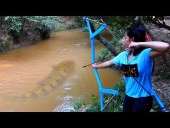
Hello, I love to bowfish for invasive carp in my local water ways.  Fish waste is a big issue.  I spent a couple years doing a "Fish rotation" in my garden.  I would choose a bed to, at the end of the season, bury a the fish carcasses and plant into it the next year. I would move to the next bed the following year. However, all in all, my soil likes it better when I am doing a cover crop rotation through my garden bed system.  I am want to experiment with making fish emulsion with my fish waste. There seem to be two primary methods out there, the saw dust, fish, and molasses method and the sugar and fish method.  For those that have tried either or both of these, what are your thoughts on which worked better and was easiest to manage.
 
Ian Thompson
Posts: 57
Location: North Central Indiana. USDA Zone 6, Clay Loam soil.
14
  • Mark post as helpful
  • send pies
    Number of slices to send:
    Optional 'thank-you' note:
  • Quote
  • Report post to moderator
No one?
 
gardener
Posts: 2276
Location: Zone 6b
1482
forest garden fungi books chicken fiber arts ungarbage
  • Likes 4
  • Mark post as helpful
  • send pies
    Number of slices to send:
    Optional 'thank-you' note:
  • Quote
  • Report post to moderator
Hi Ian, I have no experience dealing with fish but find your project interesting.  How much fish are you dealing with? Does it come in a large load or you have small continuous input? How about testing both methods side by side?
 
pollinator
Posts: 1211
Location: Greybull WY north central WY zone 4 bordering on 3
379
hugelkultur trees solar woodworking composting homestead
  • Likes 5
  • Mark post as helpful
  • send pies
    Number of slices to send:
    Optional 'thank-you' note:
  • Quote
  • Report post to moderator
Here is the recipe I have stored away.  But haven't used it.  So no idea if it works best.

Making fish hydrolysate
 
Ian Thompson
Posts: 57
Location: North Central Indiana. USDA Zone 6, Clay Loam soil.
14
  • Likes 8
  • Mark post as helpful
  • send pies
    Number of slices to send:
    Optional 'thank-you' note:
  • Quote
  • Report post to moderator
Just an update.  Following recipe similar to the one posted above we have made a few batches of fish hydrolysate.  Some have turned out better than others. Key to the process is the grinding or chopping the fish to small bits.  When the ferment is going well, I would not say smells "good" but it smells way better than you'd imagine.
 
master pollinator
Posts: 378
Location: UK
135
kids urban seed
  • Likes 7
  • Mark post as helpful
  • send pies
    Number of slices to send:
    Optional 'thank-you' note:
  • Quote
  • Report post to moderator
Good to hear it actually worked out. The smell thing puts people off but you're right, a proper ferment smells more like cheese than rot. Did you end up diluting it much before applying, or using it fairly concentrated?
 
I agree. Here's the link: http://stoves2.com
reply
    Bookmark Topic Watch Topic
  • New Topic