• Post Reply Bookmark Topic Watch Topic
  • New Topic
permaculture forums growies critters building homesteading energy monies kitchen purity ungarbage community wilderness fiber arts art permaculture artisans regional education skip experiences global resources cider press projects digital market permies.com pie forums private forums all forums
this forum made possible by our volunteer staff, including ...
master stewards:
  • Carla Burke
  • Nancy Reading
  • r ransom
  • John F Dean
  • paul wheaton
  • Jay Angler
stewards:
  • Timothy Norton
  • Pearl Sutton
  • Tereza Okava
master gardeners:
  • Christopher Weeks
  • M Ljin
gardeners:
  • Jeremy VanGelder
  • Matt McSpadden
  • thomas rubino

Blackberries/Raspberries beginner questions

 
Posts: 3
  • Likes 2
  • Mark post as helpful
  • send pies
    Number of slices to send:
    Optional 'thank-you' note:
  • Quote
  • Report post to moderator
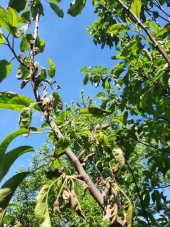
I live in Greece, zone 9a, although last Summer's heat made us feel like we were in zone 11. In 2023, I planted a Triple Crown blackberry plant, which I propagated last year, creating a small area dedicated to blackberries.
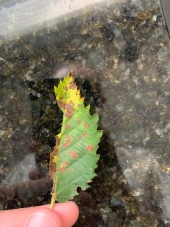
A few days ago, I noticed buds on the plants, so I've been wondering if this is the time to spray them with anything that will be beneficial to them, like a seaweed extract to strengthen them, or a copper fungicide to prevent disease. I haven't noticed any issues with them this year, aside from aphids, which I deal with easily by spraying with a non-chemical product, but I want to learn how to properly care for them, preferably in an organic way, as I try to avoid chemicals in the garden as much as possible.

The same question applies to the raspberries (Heritage variety) you see in the final photo in the hastily put-together trellis abomination. It is their 2nd year since I planted the first plant, but it grew insanely fast, taking all the available space. Last year, I noticed small white worms in many of the ripe fruit, so I'd like some advice about that as well. I assume the culprit was fruit flies, but when is the best time to do something about them, and what can I use to prevent or at least lessen the damage? Surprisingly, I had no issues with worms in the blackberries.

Any advice would be greatly appreciated.
Blackberries-1.JPG
[Thumbnail for Blackberries-1.JPG]
Blackberries-2.JPG
[Thumbnail for Blackberries-2.JPG]
Blackberries-3.JPG
[Thumbnail for Blackberries-3.JPG]
Raspberries.JPG
[Thumbnail for Raspberries.JPG]
 
master gardener
Posts: 5951
Location: Carlton County, Minnesota, USA: 3b; Dfb; sandy loam; in the woods
3481
8
forest garden trees books chicken food preservation cooking fiber arts seed woodworking homestead ungarbage
  • Likes 1
  • Mark post as helpful
  • send pies
    Number of slices to send:
    Optional 'thank-you' note:
  • Quote
  • Report post to moderator
We don't spray our bramble (rasp-, black-, thimble-berries) with anything (except a little water in a bad drought) but they literally grow like weeds here. They seem well-suited to extracting the nutrients they need from our sandy soil.
 
gardener
Posts: 3137
Location: Central Maine (Zone 5a)
1684
homeschooling kids trees chicken food preservation building woodworking homestead
  • Likes 2
  • Mark post as helpful
  • send pies
    Number of slices to send:
    Optional 'thank-you' note:
  • Quote
  • Report post to moderator
That looks like a great blackberry patch!

I would make sure to focus on the soil, rather than the plant. Many diseases and pests are negated or minimized by a very healthy plant. And the most healthy plants have healthy soil.

I would make sure there are plenty of nutrients and plenty of microbial life in the soil.
 
Konstantinos Sky
Posts: 3
  • Likes 2
  • Mark post as helpful
  • send pies
    Number of slices to send:
    Optional 'thank-you' note:
  • Quote
  • Report post to moderator

Christopher Weeks wrote:We don't spray our bramble (rasp-, black-, thimble-berries) with anything (except a little water in a bad drought) but they literally grow like weeds here. They seem well-suited to extracting the nutrients they need from our sandy soil.


It's good to know they don't require too much effort to keep healthy.
The soil here is weird. It's not clay because it drains quite well, but it's not sandy either because when it dries, it hardens and becomes this unbreakable mass that is a pain to dig into. This is why using raised beds was one of my few garden-related choices I have not regretted.
 
Konstantinos Sky
Posts: 3
  • Likes 1
  • Mark post as helpful
  • send pies
    Number of slices to send:
    Optional 'thank-you' note:
  • Quote
  • Report post to moderator

Matt McSpadden wrote:That looks like a great blackberry patch!

I would make sure to focus on the soil, rather than the plant. Many diseases and pests are negated or minimized by a very healthy plant. And the most healthy plants have healthy soil.

I would make sure there are plenty of nutrients and plenty of microbial life in the soil.


Thank you for your kind words.

I fertilized 2 months ago with a mix of organic fertilizers for an 8-8-15 ratio and a handful of leonardite. I also used mulch (1-2 inches of fine wood chips from a cedar tree we sadly had to cut down), and I immediately saw a huge reduction in the watering I have to do. Soil moisture levels are also fairly stable for at least 10 days after each watering.

I don't plan to add anything else to the soil in the next 4-5 months unless I notice a problem. Last year, I added too much Nitrogen, and cutting back the vines became exhausting because they kept growing out of control until early November. My only worry is fungus-related problems because I have no idea how to identify or deal with them, so hopefully, I will be able to avoid them.

btw, do you use shade cloth (30-40%) on blackberries/raspberries, or is it not needed? I often read that they grow better in full sun, but in Greece it's not uncommon for the temperature to stay at 35-40 °C (95-105 °F) for weeks. Last year, it stayed in that range for almost 3 months.
 
Matt McSpadden
gardener
Posts: 3137
Location: Central Maine (Zone 5a)
1684
homeschooling kids trees chicken food preservation building woodworking homestead
  • Likes 1
  • Mark post as helpful
  • send pies
    Number of slices to send:
    Optional 'thank-you' note:
  • Quote
  • Report post to moderator

Konstantinos Sky wrote:
I fertilized 2 months ago with a mix of organic fertilizers for an 8-8-15 ratio and a handful of leonardite. I also used mulch (1-2 inches of fine wood chips from a cedar tree we sadly had to cut down), and I immediately saw a huge reduction in the watering I have to do. Soil moisture levels are also fairly stable for at least 10 days after each watering.

I don't plan to add anything else to the soil in the next 4-5 months unless I notice a problem. Last year, I added too much Nitrogen, and cutting back the vines became exhausting because they kept growing out of control until early November. My only worry is fungus-related problems because I have no idea how to identify or deal with them, so hopefully, I will be able to avoid them.


I think that is fine. For me, I would probably use a slow release, balanced fertilizer next time... perhaps something more like 5-5-5. I would also add more woodchips if you can. Having 4-6" over the soil is great as it will settle down over time. To avoid the fungus related things, make sure to keep the chips away from the stem, and if it gets too bushy near the bottom, prune side branches to allow better airflow at the base.

Konstantinos Sky wrote:btw, do you use shade cloth (30-40%) on blackberries/raspberries, or is it not needed? I often read that they grow better in full sun, but in Greece it's not uncommon for the temperature to stay at 35-40 °C (95-105 °F) for weeks. Last year, it stayed in that range for almost 3 months.


I live in a fairly cold climate, so I cannot speak to growing them in hotter weather.
 
I agree. Here's the link: http://stoves2.com
reply
    Bookmark Topic Watch Topic
  • New Topic