

• Post Reply Bookmark Topic Watch Topic
  • New Topic
permaculture forums growies critters building homesteading energy monies kitchen purity ungarbage community wilderness fiber arts art permaculture artisans regional education skip experiences global resources cider press projects digital market permies.com pie forums private forums all forums
this forum made possible by our volunteer staff, including ...
master stewards:
  • Carla Burke
  • Anne Miller
  • Nancy Reading
  • John F Dean
  • r ransom
  • paul wheaton
  • Timothy Norton
stewards:
  • Jay Angler
  • Pearl Sutton
  • Andrés Bernal
master gardeners:
  • Christopher Weeks
gardeners:
  • M Ljin
  • Thekla McDaniels
  • May Lotito

Tuberous Jerusalem sage

 
steward and tree herder
Posts: 15018
Location: Isle of Skye, Scotland. Nearly 70 inches rain a year
8632
6
transportation dog forest garden foraging trees books food preservation woodworking wood heat rocket stoves ungarbage
  • Likes 17
  • Mark post as helpful
  • send pies
    Number of slices to send:
    Optional 'thank-you' note:
  • Quote
  • Report post to moderator
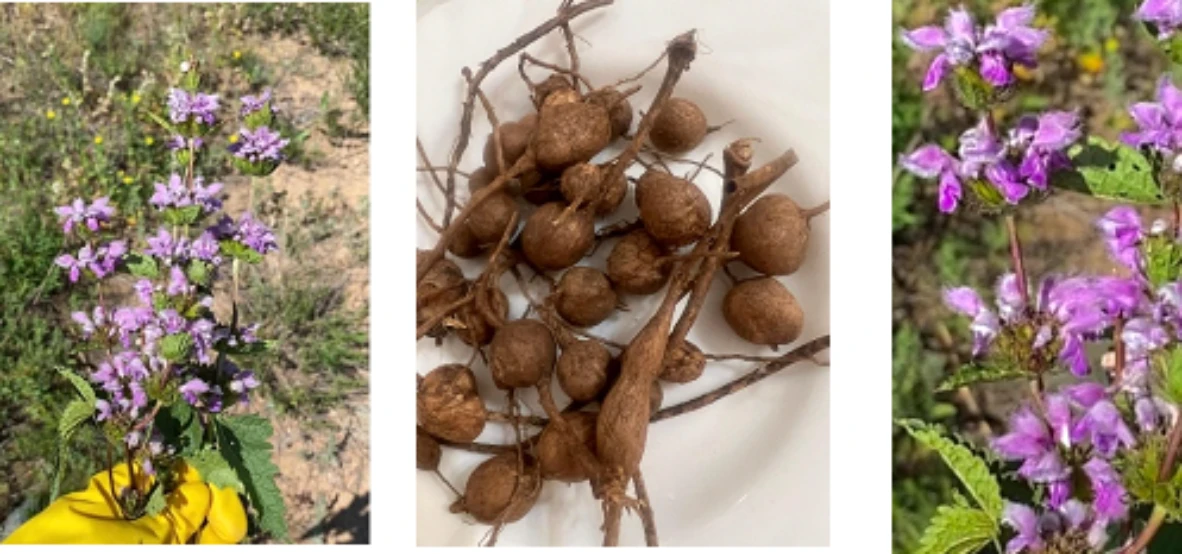
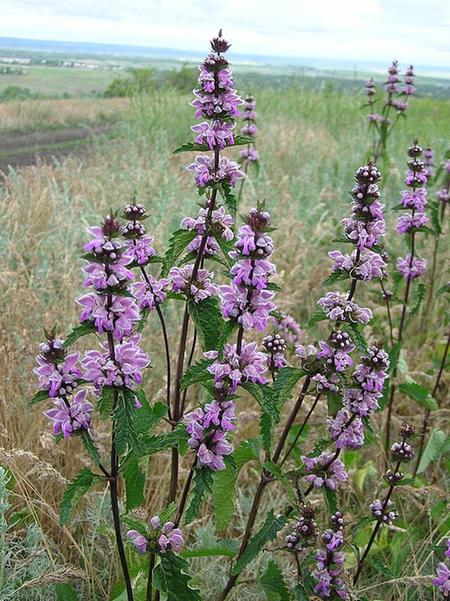
Phlomoides tuberosa,  Phlomis tuberosa  common names Sage-leaf Mullein or Tuberous Jerusalem Sage known as bodmon sok by the Kalmyk people of central Asia who eat it and use the plant medicinally.
I came across this plant today whilst looking through the experimental farm network's perennial edibles list. Apparently the roots are eaten in Kazachstan, although they seem to be a bit bitter. according to this nature article the roots are quite nutritious with quite a lot of vitamin content as well as starch.


source

The experimental farm network write up includes the phrase

Starting in the fall of their second year, they can yield nearly as much as potatoes.

which sounds quite exciting! The roots can be removed from the outside of the rootball (presumably when dormant over winter) and the plant replanted. According to Hill farm nursery the plant is pretty tough once established.

Insects love the flowers.


source

This plant definitely would count as an edimental, and Steven Barstow has also written of his experiences with it - apparently there are different forms available with varying robustness. He also agrees that the tubers are a little bitter, although has limited trials so far written up.

Has anyone else got this plant in their garden or their wish list? I wonder whether there is optimum ways of preparing to disguise or eliminate the apparent bitterness?

 
pollinator
Posts: 144
Location: Memphis (zone 7b/8a)
59
  • Likes 5
  • Mark post as helpful
  • send pies
    Number of slices to send:
    Optional 'thank-you' note:
  • Quote
  • Report post to moderator
I've had my eyes on this one for awhile but it never seems to be in stock at experimental.

The talk of its edibility all seemed to come from the same vague hearsay about steppe nomads so I was also on the fence as to its actual food value.

Gonna try to order of Etsy and then do a taste test next fall.

Love the idea of a hardy perennial tuber crop with attractive flowers.  Hoping at the very least to get some supplemental chicken feed out of it.
 
Nancy Reading
steward and tree herder
Posts: 15018
Location: Isle of Skye, Scotland. Nearly 70 inches rain a year
8632
6
transportation dog forest garden foraging trees books food preservation woodworking wood heat rocket stoves ungarbage
  • Likes 4
  • Mark post as helpful
  • send pies
    Number of slices to send:
    Optional 'thank-you' note:
  • Quote
  • Report post to moderator
I had better luck in the UK searching for 'Sage-leaf Mullein' It seems to be fairly readily available as a garden plant here..... I'll see if I can get one in spring. It will need at least a year's growing in good soil before I would want to eat it, but definitely looks worth a try. Tastes are subjective and I suppose the bees won't mind some more flowers if the worst comes to the worst and it's horrid
Ooh, chiltern seeds stock seeds of phlomis tuberosa - that's a more affordable, but long term option (UK based again though). It would have the advantage of adding some variability to the selection - bigger, better tasting tubers. I bet it has recently only been selected for the flowers.
 
pioneer
Posts: 601
175
cat trees urban
  • Likes 3
  • Mark post as helpful
  • send pies
    Number of slices to send:
    Optional 'thank-you' note:
  • Quote
  • Report post to moderator
Oh, selection on taste sounds like a winner.  

RHS suggests it's a fairly adaptable plant as long as it's in a sunny spot.
 
master gardener
Posts: 7098
Location: Carlton County, Minnesota, USA: 3b; Dfb; sandy loam; in the woods
4546
8
forest garden trees books chicken food preservation cooking fiber arts seed woodworking homestead ungarbage
  • Likes 3
  • Mark post as helpful
  • send pies
    Number of slices to send:
    Optional 'thank-you' note:
  • Quote
  • Report post to moderator
It wasn’t on my radar (although I’m reading Barstow’s book now, so maybe it’s in there) but I just ordered some seeds!
 
Christopher Weeks
master gardener
Posts: 7098
Location: Carlton County, Minnesota, USA: 3b; Dfb; sandy loam; in the woods
4546
8
forest garden trees books chicken food preservation cooking fiber arts seed woodworking homestead ungarbage
  • Likes 4
  • Mark post as helpful
  • send pies
    Number of slices to send:
    Optional 'thank-you' note:
  • Quote
  • Report post to moderator
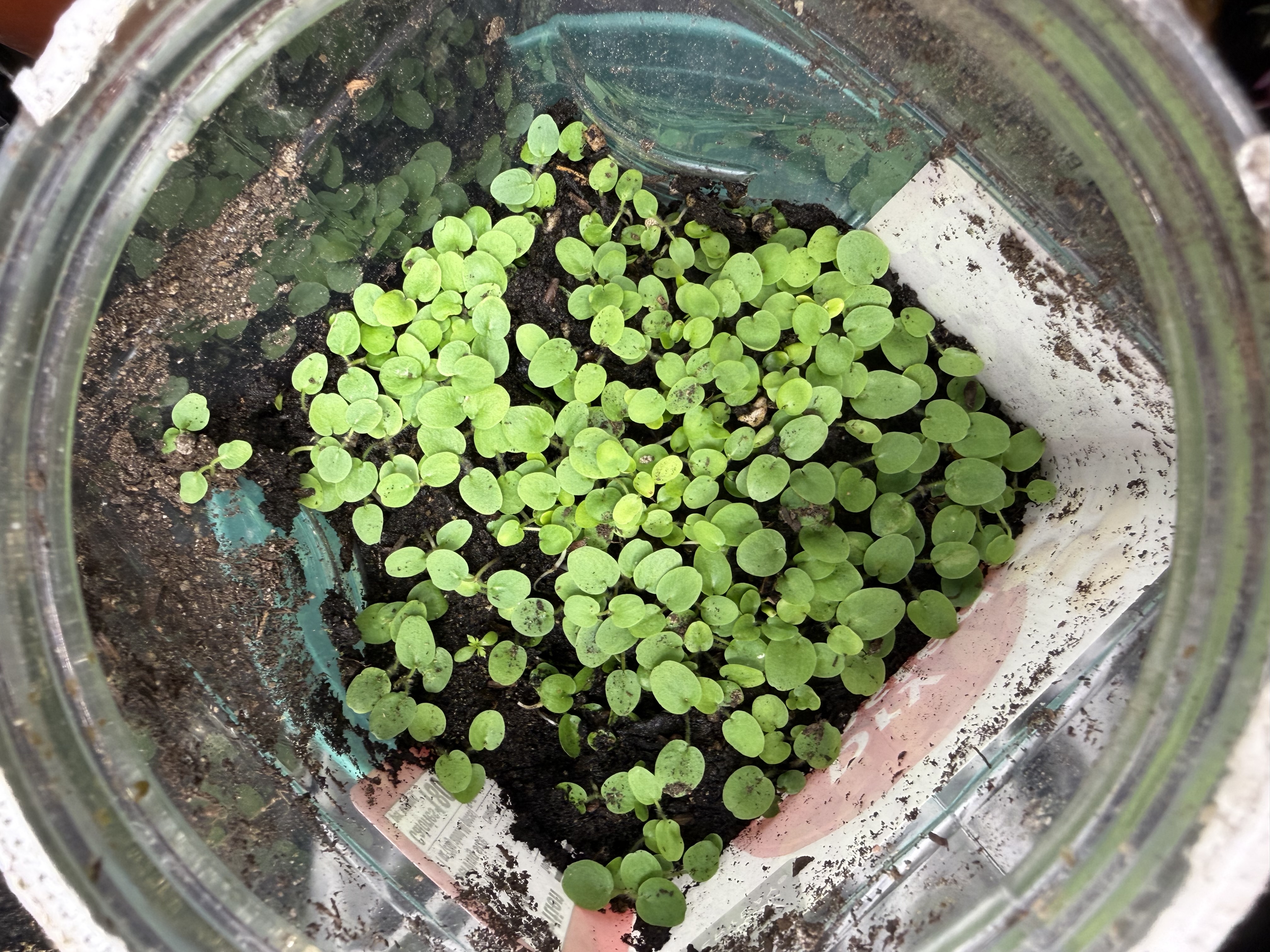
As fast as these are growing and as late as our season is, I planted too early.
IMG_5604.jpeg
Baby Phlomoides
Baby Phlomoides
 
Nancy Reading
steward and tree herder
Posts: 15018
Location: Isle of Skye, Scotland. Nearly 70 inches rain a year
8632
6
transportation dog forest garden foraging trees books food preservation woodworking wood heat rocket stoves ungarbage
  • Likes 2
  • Mark post as helpful
  • send pies
    Number of slices to send:
    Optional 'thank-you' note:
  • Quote
  • Report post to moderator
Oh my! so sweet!
You may need to sacrifice the majority and just plant up some in pots till the weather permits them going outside.

I didn't get any seed this year (although it probably isn't too late...?) I tell myself I have enough projects on the go.
 
Posts: 20
Location: Buckley, WA, USA
9
  • Likes 5
  • Mark post as helpful
  • send pies
    Number of slices to send:
    Optional 'thank-you' note:
  • Quote
  • Report post to moderator
I've grown this so called "tuberous Jerusalem sage" for a number of years now.  It's a decent ornamental, but I hoped it would have edible value too.  I have notes to share...

Last dormant season, I dug mine up and was pleasantly surprised with the size and quantity of it's thickened tuberous roots.  Yes, I said "tuberous roots" NOT "tubers."  These are thickened roots that store energy, and much like dahlias, you can't simply cut them off and replant to grow more.  They must also contain eyes from the crown they attach to.  I was baffled to see that Experimental Farm Network had these roots listed for sale as tubers for planting.  I'm hoping not too many people bought them...

Now, I cut a bunch of these tuberous roots off my plant and boiled them until they were soft enough to seem cooked through.  I can't be certain, but I believe I may have peeled them before cooking as well.  I was prepared for them to not taste very good, but at least be somewhat edible based off written descriptions.  However, once I took a bite and started chewing, it was so horrible that I couldn't even force myself to swallow it.  It was highly bitter and my body felt convinced it was poison and compelled me to spit it all out.

Edibility aside, I was also disappointed to find that the replanted crown of my plant faired very poorly after having most of its tuberous roots removed, and it barely grew this year, and produced no flowers.  Definitely not a plant that would be suited for harvest at any frequency and needing multiple years to recover each time.  

I also hoped that it might have some edible nectar in its flowers like that found in Phlomis species (this species is now recognized as Phlomoides tuberosa with Phlomis tuberosa being an outdated synonym).  Unfortunately, when I tried to get nectar from them they were completely without nectar.  The only reason I can justify continuing to grow this species is because it's attractive when in bloom and able to succeed in very dry soil.
 
pollinator
Posts: 579
Location: UK
196
kids urban seed
  • Likes 3
  • Mark post as helpful
  • send pies
    Number of slices to send:
    Optional 'thank-you' note:
  • Quote
  • Report post to moderator
Useful to know they are tuberous roots and not tubers, I'd have assumed you could chop them up and replant like Jerusalem artichokes. Sounds like one for the flower border first and the kitchen second.
 
Posts: 63
8
  • Mark post as helpful
  • send pies
    Number of slices to send:
    Optional 'thank-you' note:
  • Quote
  • Report post to moderator
Johann, that boiled root sounds rough. Joao, raw or lightly steamed sounds like a much better test than boiling it hard.
 
Nancy Reading
steward and tree herder
Posts: 15018
Location: Isle of Skye, Scotland. Nearly 70 inches rain a year
8632
6
transportation dog forest garden foraging trees books food preservation woodworking wood heat rocket stoves ungarbage
  • Likes 6
  • Mark post as helpful
  • send pies
    Number of slices to send:
    Optional 'thank-you' note:
  • Quote
  • Report post to moderator
Thanks so much for the feedback Johann! Hmm, disappointed by your taste impressions. Maybe there is a better way of cooking, or perhaps a different cultivar may be better. I know that Dahlia for example can be pretty nasty, so if the plant has been selected for flowers rather than edible tubers....
Anyhow, I've bought myself some seed this year, so maybe in a couple of years I will have more feedback to share. Maybe they would be more palatable in a damp climate like mine, or maybe they will just sulk and die.
 
What are you saying? I thought you said that Santa gave you that. And this tiny ad:
Permaculture Voices 1, 2 and 3 - all 117 hours of video!
https://permies.com/t/voices123
reply
    Bookmark Topic Watch Topic
  • New Topic