• Post Reply Bookmark Topic Watch Topic
  • New Topic
permaculture forums growies critters building homesteading energy monies kitchen purity ungarbage community wilderness fiber arts art permaculture artisans regional education skip experiences global resources cider press projects digital market permies.com pie forums private forums all forums
this forum made possible by our volunteer staff, including ...
master stewards:
  • Nancy Reading
  • Carla Burke
  • John F Dean
  • Timothy Norton
  • r ransom
  • Jay Angler
  • Pearl Sutton
stewards:
  • Devaka Cooray
  • Leigh Tate
  • paul wheaton
master gardeners:
  • Christopher Weeks
gardeners:
  • M Ljin
  • thomas rubino
  • Megan Palmer

How to create clay and seed balls or guerilla bombs.

 
Posts: 1051
35
  • Likes 12
  • Mark post as helpful
  • send pies
    Number of slices to send:
    Optional 'thank-you' note:
  • Quote
  • Report post to moderator
What's happening friends! Blake here looking for stuff to create clay, basic ingredients from my local store. Which stuff I use to create safe clay for my guerilla bombs? I'm very interested in creating the seed balls this winter to have more wildflowers next spring in my gardens? Could y'all show me what a guerilla bomb look like and the results of it? How many seeds I have to put in the clay for the stuff to spread into my gardens to germinate next year? Please reach me if you need me.
Out!
 
author & steward
Posts: 7449
Location: Cache Valley, zone 4b, Irrigated, 9" rain in badlands.
3689
  • Likes 12
  • Mark post as helpful
  • send pies
    Number of slices to send:
    Optional 'thank-you' note:
  • Quote
  • Report post to moderator
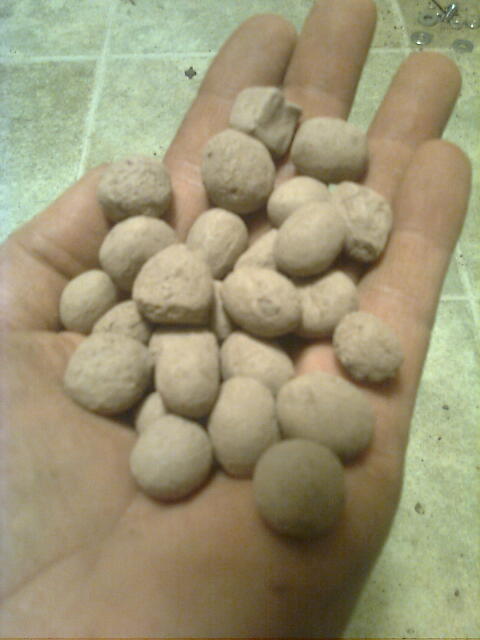
I make seed balls with random local clays. I like grape size, cause they shoot easily (and far) with a sling shot.

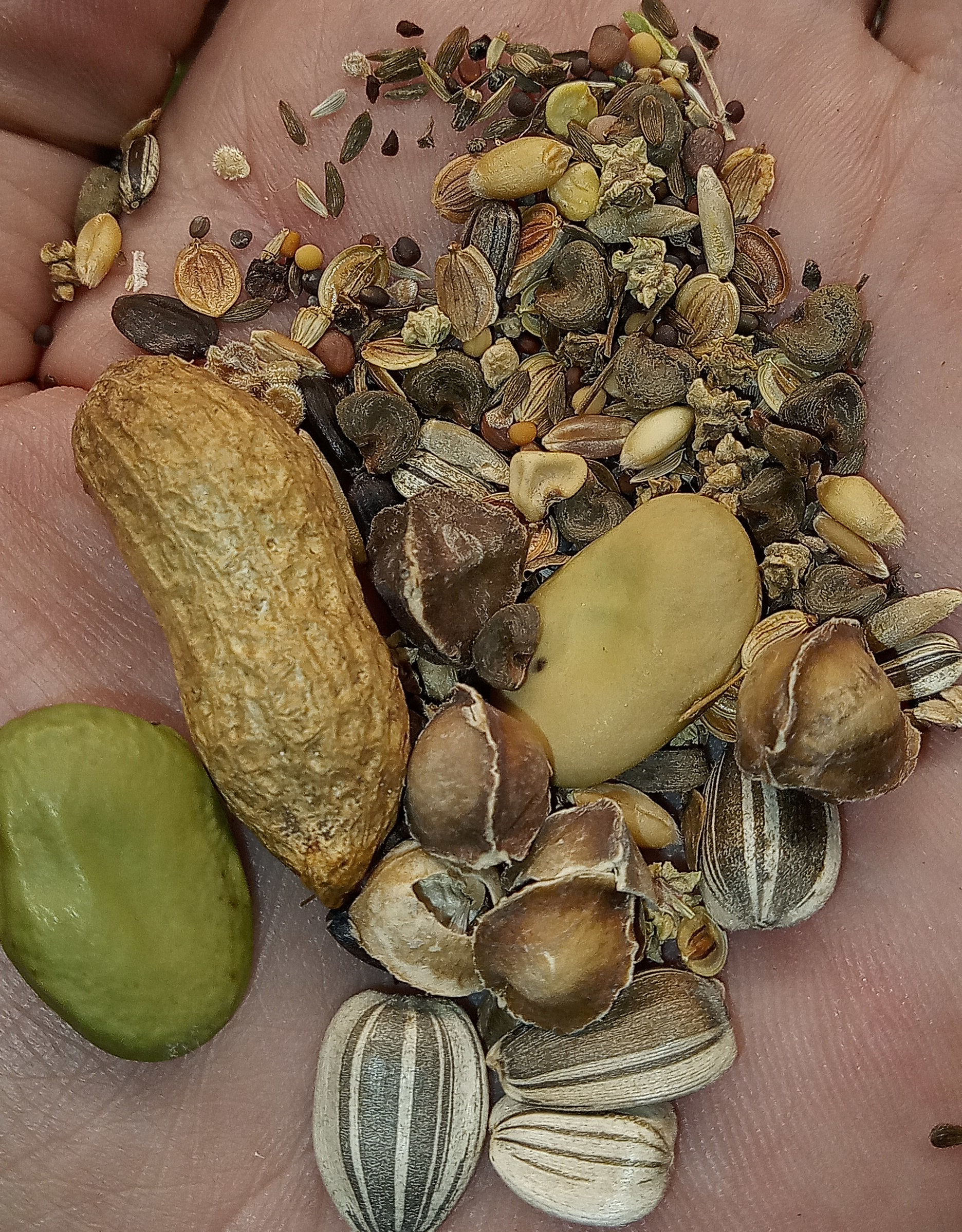
I aim for about 10-20 seeds per ball of a number of different species. If one thing doesn't like the conditions, perhaps something else will thrive.
seed-balls.jpg
Seed balls
Seed balls
fukuoka-2025.jpg
Seed ball type seed mix
 
Blake Lenoir
Posts: 1051
35
  • Mark post as helpful
  • send pies
    Number of slices to send:
    Optional 'thank-you' note:
  • Quote
  • Report post to moderator
Very good! Where I get the clay from? Is it sustainable?
 
Joseph Lofthouse
author & steward
Posts: 7449
Location: Cache Valley, zone 4b, Irrigated, 9" rain in badlands.
3689
  • Likes 12
  • Mark post as helpful
  • send pies
    Number of slices to send:
    Optional 'thank-you' note:
  • Quote
  • Report post to moderator
In my ecosystem, clay shows up all over. In some cases, the local clays reach hundreds of feet deep. Additional clay gets deposited during every summer thunderstorm. Even my garden soil would make suitable seed balls. Even more suitable if I dig down 8" to get below most of the organic matter.

I test for suitability by making a grape sized square from dampened proposed soil. If it drys hard and sticks together when dropped or thrown then I figure it will work great as a seed ball.
 
Blake Lenoir
Posts: 1051
35
  • Mark post as helpful
  • send pies
    Number of slices to send:
    Optional 'thank-you' note:
  • Quote
  • Report post to moderator
How we make our own clay at home and what materials we need to create one? I want a non toxic one.
 
Posts: 40
Location: Southeastern Norway, half coastal - half inland climate
12
  • Likes 9
  • Mark post as helpful
  • send pies
    Number of slices to send:
    Optional 'thank-you' note:
  • Quote
  • Report post to moderator
We may be misunderstanding each other here - what do you mean by making clay, and how could clay be toxic? I am not a native english speaker, but isn't clay a very fine grained mostly mineral soil? I have never heard of anyone creating clay (what would they make it from?), or heard of toxic clay. I guess clay could be contaminated by different pollutants, or marine clay could contain more salt than most plants appreciate - but in this context the amount of potentially salty clay deposited in each place seems too small to be a problem.

Depending on your local geology and land use, it may be very easy to find clay, or impossible, or anything in between. How accessible a pottery supply store is will vary too, but surely both buying and finding clay must be easier than creating it yourself. Clay that is sold is also natural. I guess making clay would entail breaking down specific minerals in one or more ways that mimic natural chemical and mechanical weathering, and possibly sorting the result very finely somehow.

 
Joseph Lofthouse
author & steward
Posts: 7449
Location: Cache Valley, zone 4b, Irrigated, 9" rain in badlands.
3689
  • Likes 9
  • Mark post as helpful
  • send pies
    Number of slices to send:
    Optional 'thank-you' note:
  • Quote
  • Report post to moderator
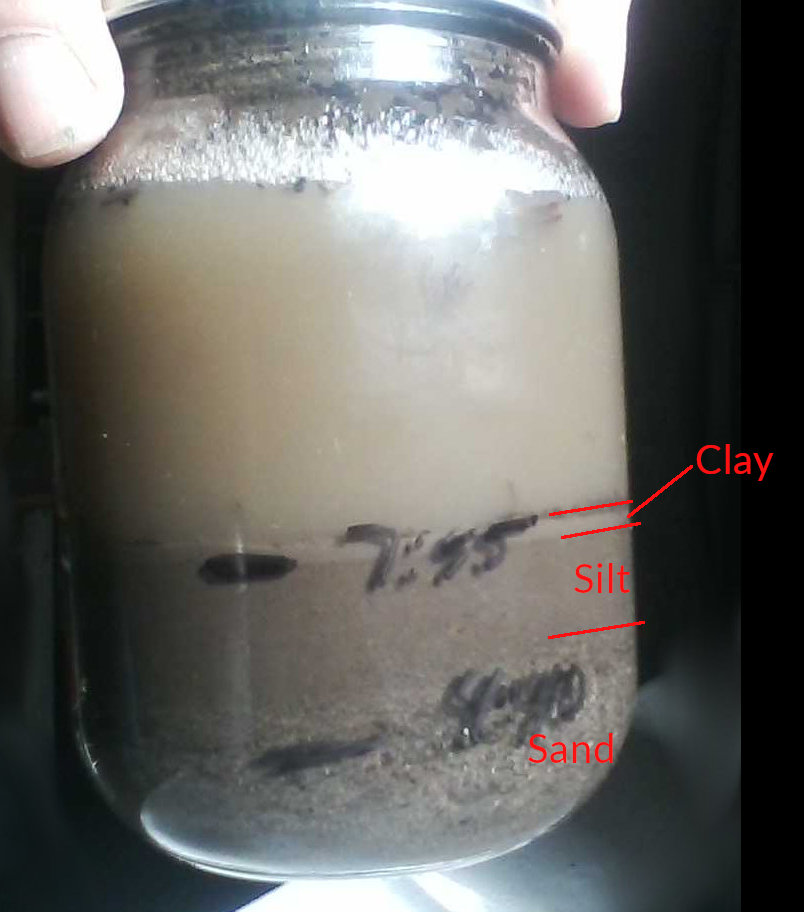
To separate clay from soil, fill a bucket with the soil and add enough water to cover it well. Stir vigorously until the mixture feels fully suspended. Let it rest for a moment or two so rocks and coarse sand settle to the bottom.

Pour off the cloudy slurry at the top into a second container. Allow this slurry to sit for a day or two. As the fine particles settle, gently pour off the clearer water at the top.

Most of the floating organic matter leaves during this step, leaving a dense layer of clay at the bottom.

The attached soil test shows the separation between sand, silt, and clay for one of my gardens. Silt also offers a wonderful base for making seed balls.
mason-jar-soil-test-3.jpg
Recovering clay from soil.
 
Posts: 40
Location: Mentone, AL
1
  • Likes 10
  • Mark post as helpful
  • send pies
    Number of slices to send:
    Optional 'thank-you' note:
  • Quote
  • Report post to moderator
As far as clay goes, you may be able to take a look at NRCS soil maps to see if you have any high clay soil on your property...they may be at a layer deeper than just below your topsoil. You could also check with a soil supplier in your area to see if they have any clean fill dirt with a moderate clay content...if you ask they may just let you come and get a bucket for free. I got mine from a pile that my municipality had dumped at a park for regrading-it was probably 50/30 clay/sand soil with some silt.

I made seedballs this year but I thought the process of making individual seedballs was too much work so I just rolled the mix into short ropes...you know like you would for rope coiling in pottery. I havnt tested it yet but I plan on just breaking the dried rope into chunks to toss out. Perhaps this has already been done before? I dont see a big advantage to having a seed ball over a seed cylinder?
 
master gardener
Posts: 5723
Location: Carlton County, Minnesota, USA: 3b; Dfb; sandy loam; in the woods
3232

8
forest garden trees books chicken food preservation cooking fiber arts seed woodworking homestead ungarbage
  • Likes 6
  • Mark post as helpful
  • send pies
    Number of slices to send:
    Optional 'thank-you' note:
  • Quote
  • Report post to moderator
There's often clay available at new road-cuts if you know of any big highway construction project near you, you can just look for it and take five gallons away in a bucket.
 
Blake Lenoir
Posts: 1051
35
  • Mark post as helpful
  • send pies
    Number of slices to send:
    Optional 'thank-you' note:
  • Quote
  • Report post to moderator
What's happening! Could we find clay at our local hardware or garden stores for our projects? Thanks!

 
This tiny ad is suggesting that maybe she should go play in traffic.
Learn Permaculture through a little hard work
https://wheaton-labs.com/bootcamp
reply
    Bookmark Topic Watch Topic
  • New Topic