• Post Reply Bookmark Topic Watch Topic
  • New Topic
permaculture forums growies critters building homesteading energy monies kitchen purity ungarbage community wilderness fiber arts art permaculture artisans regional education skip experiences global resources cider press projects digital market permies.com pie forums private forums all forums
this forum made possible by our volunteer staff, including ...
master stewards:
  • Carla Burke
  • Nancy Reading
  • John F Dean
  • r ransom
  • paul wheaton
  • Jay Angler
  • Timothy Norton
stewards:
  • Pearl Sutton
  • Tereza Okava
  • Nicole Alderman
master gardeners:
  • Christopher Weeks
gardeners:
  • M Ljin
  • Megan Palmer
  • Pete Podurgiel

2/3rd of land unsuitable for crops?

 
Posts: 41
7
  • Likes 3
  • Mark post as helpful
  • send pies
    Number of slices to send:
    Optional 'thank-you' note:
  • Quote
  • Report post to moderator
I have read this in a few places. But I am skeptical. I suspect that, when they say land is unsuitable for crops, what they really mean is: land is unsuitable for industrial scale agriculture.

I suspect that, by using permaculture techniques, a lot of "unusable" land could be used.

I am not expert, I would be interested in what others think.

FWIW:

Google AI Overview:
About two-thirds (60% to 77%) of global agricultural land is marginal land unsuitable for growing crops, meaning it can only be used to raise livestock.

Why Some Land Only Supports Livestock
- Marginal lands: Poor soil quality, steep hills, and a lack of reliable water make it impossible to farm staple crops like wheat or vegetables.
- Fibrous plants: These difficult terrains grow tough grasses and fibrous plants filled with cellulose that human digestive systems cannot break down

 
Steward of piddlers
Posts: 8273
Location: Upstate New York, Zone 5b, 43 inch Avg. Rainfall
4933
monies home care dog fungi trees chicken food preservation cooking building composting homestead
  • Likes 3
  • Mark post as helpful
  • send pies
    Number of slices to send:
    Optional 'thank-you' note:
  • Quote
  • Report post to moderator
I agree with you Walter, a lot of the worry about land that can grow crops is through a lens of conventional farming. The easiest example I could give is all the work that Paul Wheaton and the Boots have done to create Hugels full of food at Wheaton Labs. There are certain spaces on that property that is mostly rock, with little soil, and over time has now created fertile patches to grow on.

Personally, it seems like some people have a crop in mind and try to make the land fit the crop. Instead, I think we should look at what the land can provide and pick crops to fit the land.
 
steward and tree herder
Posts: 14510
Location: Isle of Skye, Scotland. Nearly 70 inches rain a year
8194
6
transportation dog forest garden foraging trees books food preservation woodworking wood heat rocket stoves ungarbage
  • Likes 6
  • Mark post as helpful
  • send pies
    Number of slices to send:
    Optional 'thank-you' note:
  • Quote
  • Report post to moderator

Timothy Norton wrote:Personally, it seems like some people have a crop in mind and try to make the land fit the crop. Instead, I think we should look at what the land can provide and pick crops to fit the land.


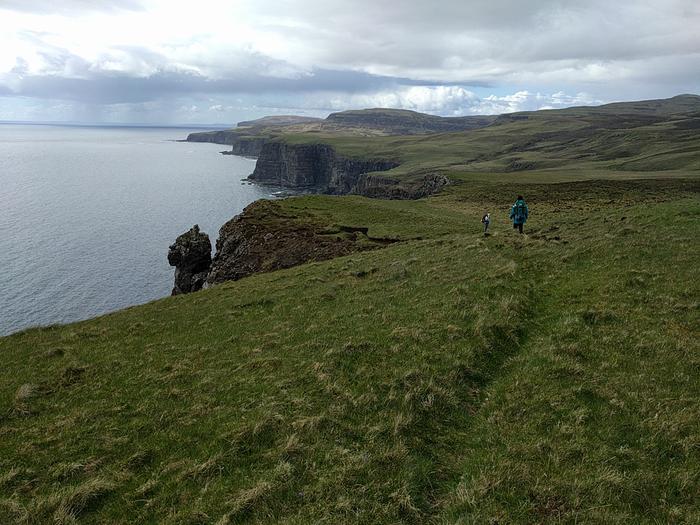
Sometimes the best crop is animals. It is very hard work to grow food plants in a climate like Montana, or the Scottish highlands.

grows sheep


Although I agree the line is not clear.
 
Nancy Reading
steward and tree herder
Posts: 14510
Location: Isle of Skye, Scotland. Nearly 70 inches rain a year
8194
6
transportation dog forest garden foraging trees books food preservation woodworking wood heat rocket stoves ungarbage
  • Likes 3
  • Mark post as helpful
  • send pies
    Number of slices to send:
    Optional 'thank-you' note:
  • Quote
  • Report post to moderator

Timothy Norton wrote:Personally, it seems like some people have a crop in mind and try to make the land fit the crop. Instead, I think we should look at what the land can provide and pick crops to fit the land.


Sorry, my previous post was a bit down....

I've been thinking about this recently and how unsuccessful my growing has been this year. I can grow crops after a lot of hard work and other inputs. I am really blessed with enough rain, but also compacted very acidic soil. Even where I have made my minihugels, virtually none of my seeds I sowed took - so they're mostly growing grass again...
However I think I could grow oats and bere barley, potatoes, Neeps (Swede/rutabaga), possibly carrots, kale, raspberries, brambles and blueberries reasonably easily. Looking at native food plants (of substance) there are also hazels and silverweed. Skirret I think prefers slightly less acidic soil, but does OK after a while other perennial vegetables also can struggle to get established. I'm still trying to work out a low imports land improvement scheme.....
 
out to pasture
Posts: 13408
Location: Portugal
4627
goat dog duck forest garden books wofati bee solar rocket stoves greening the desert
  • Likes 5
  • Mark post as helpful
  • send pies
    Number of slices to send:
    Optional 'thank-you' note:
  • Quote
  • Report post to moderator
I think a lot of it comes down to economics. It's harder work to get crops from more marginal land, so if there isn't the demand for the extra food then it won't be used to grow crops. Most land can be grazed by animals though.

Here in Portugal there are old olive trees growing on some amazingly 'unsuitable for crops' land. They are very low care - just prune them every few years and harvest them if you want to. In good olive years, most of the trees growing on the more out-of-the-way land are left unharvested. In leaner years, nearly all of them are harvested. Even I do it, and I only have a couple of acres these days. The trees on the very top terrace tend to get left unpicked because I run out energy and motivation to harvest them when I have enough for our own use. If times were different, I'd prioritise harvesting them all a lot more, or offer them to anyone else that needed them if they want to go and harvest them.

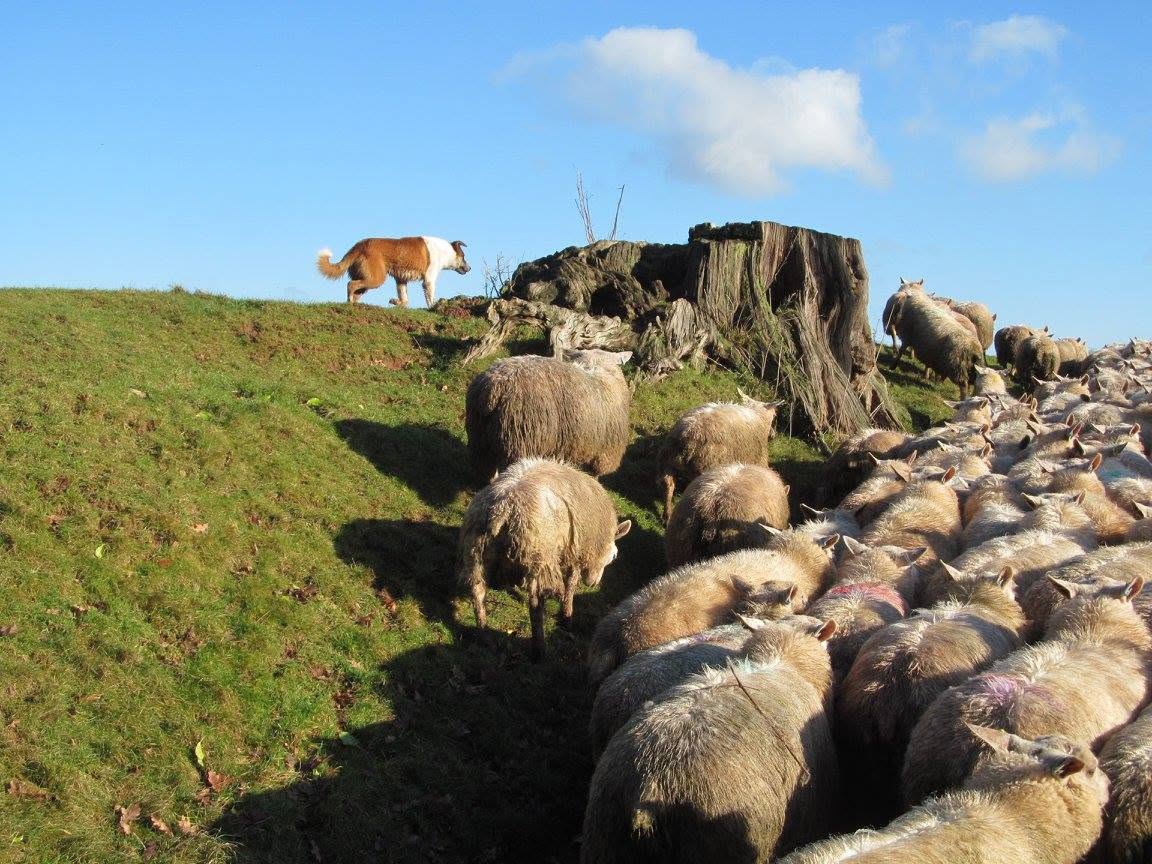
Sheep are easier to 'harvest' - a good dog will soon gather the lot for you!


rock-s-flock.jpg
collie dog gathering sheep
 
The fastest and most reliable components of any system are those that are not there. Tiny ad:
Contemplate spending the next 20 years puttering in permaculture projects
https://wheaton-labs.com/bootcamp
reply
    Bookmark Topic Watch Topic
  • New Topic