posted 12 hours ago
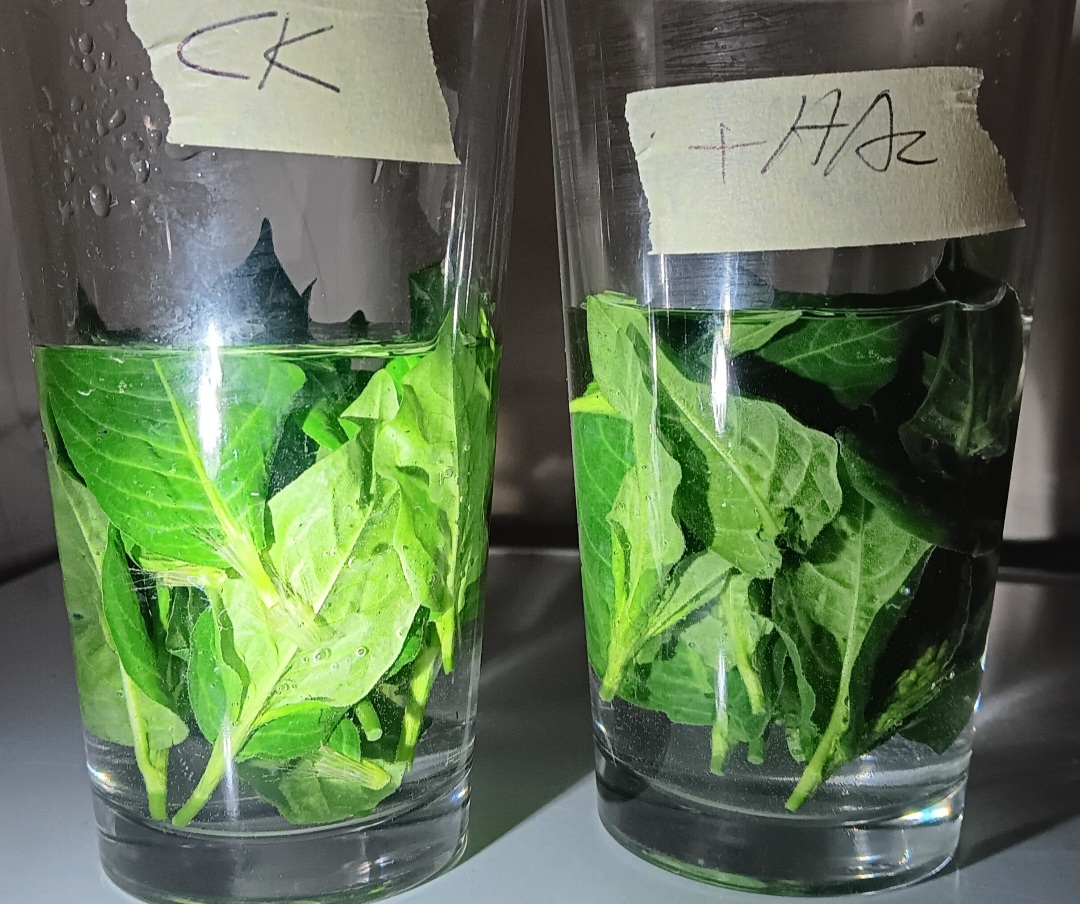
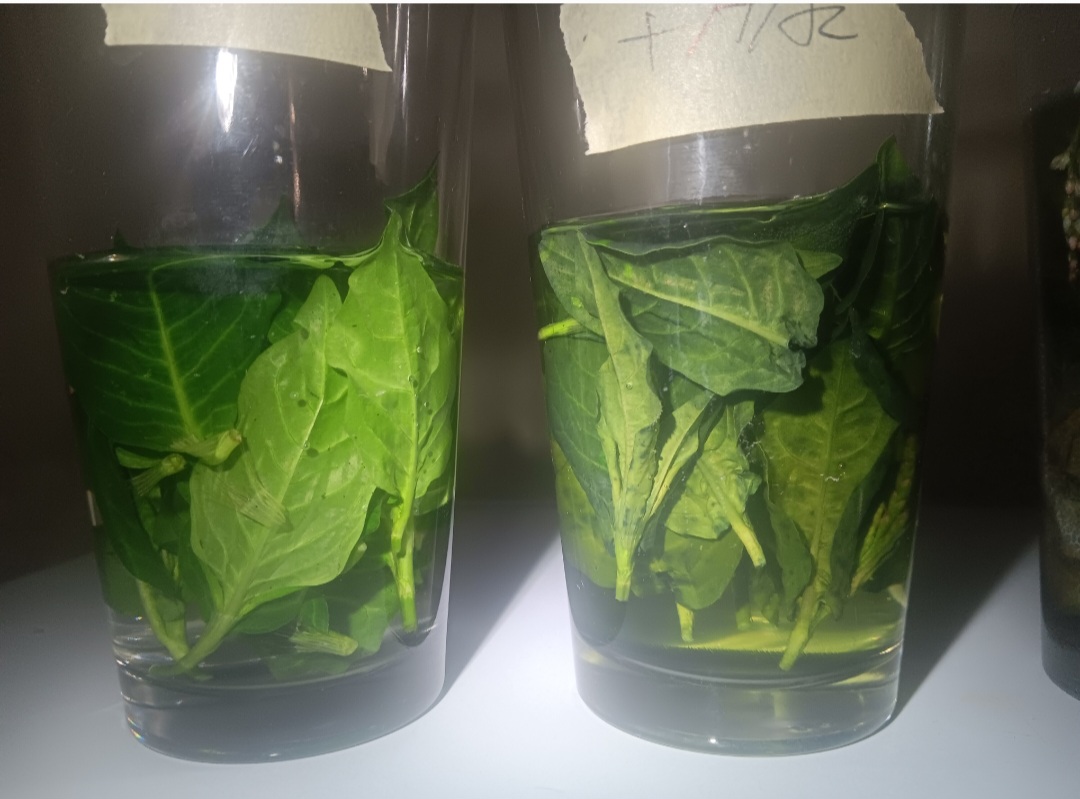
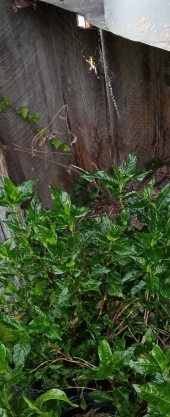
Japanese indigo Persicaria tinctoria is a dye plant wildly cultured in East Asia for the blue indigo dye. Typically, mature plants at blooming stage are harvested, soaked in water, aerated and precipitated with lime. Due to the weather pattern in my area, annual Japanese indigo grown from seeds are most healthy and robust in early summer during the vegetative stage. They struggle in mid summer drought and it is labor intensive to keep them to maturity. I prefer doing the extraction with young leaves, as the indigo precursor, indican, is also at the highest concentration in these tissues.
With some trials and errors, I come down to procedures that yield good amount of high purity pigments within two days. It's largely similar to the regular method but with a few tweaks. Here I am going to show the key steps to watch out for.
1. Plant tissues
Top few inches of young healthy leaves. No dirty, damaged or diseased leaves to reduce the risks of microbial degradation.
2. Soaking temperature
Temperature from 70 F to 80 F preferably. If it is too hot outside, I do the soaking indoors.
3. Water for soaking
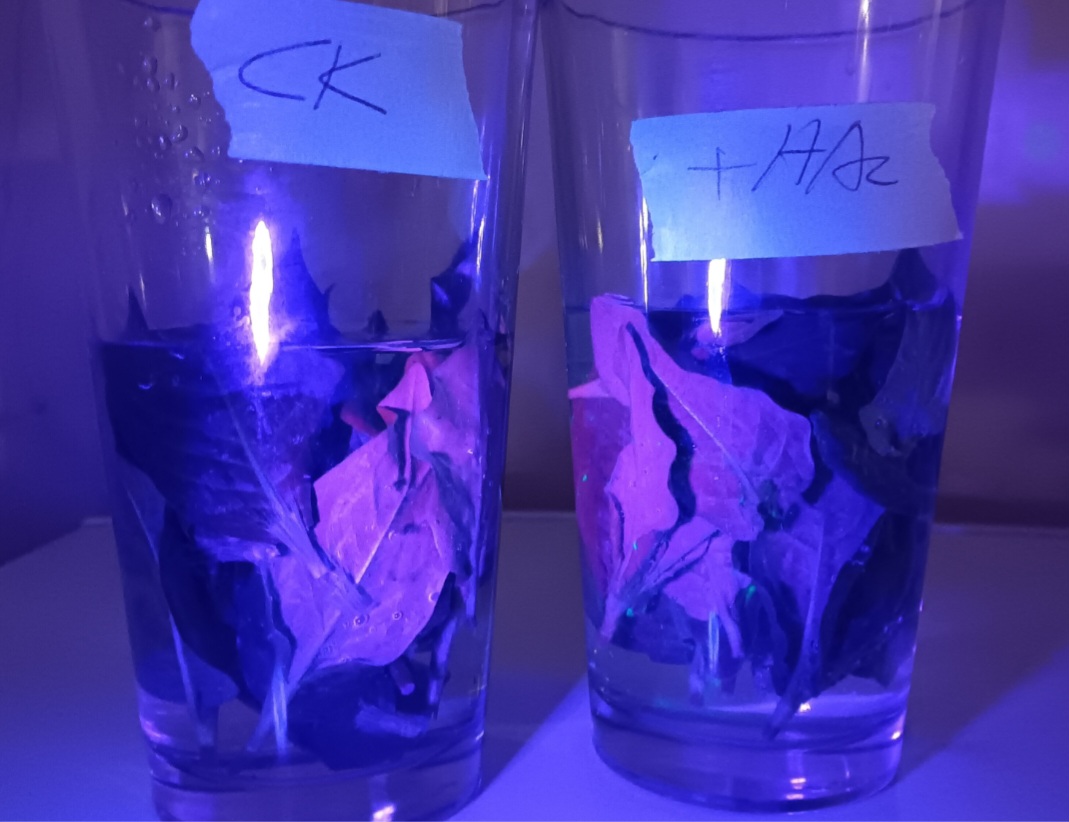
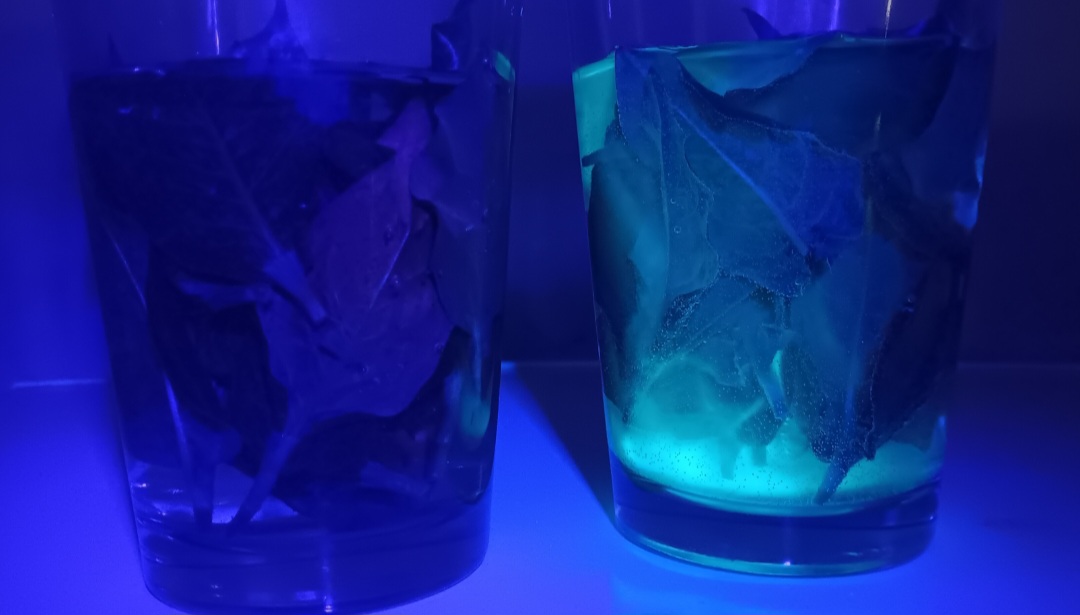
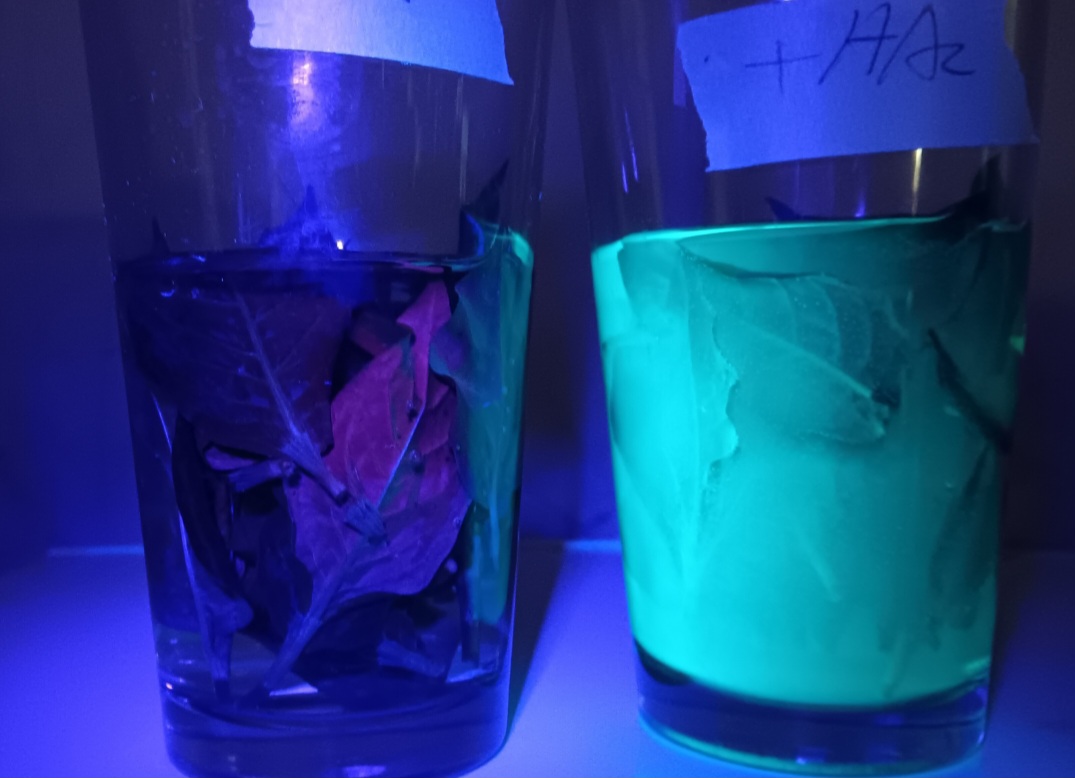
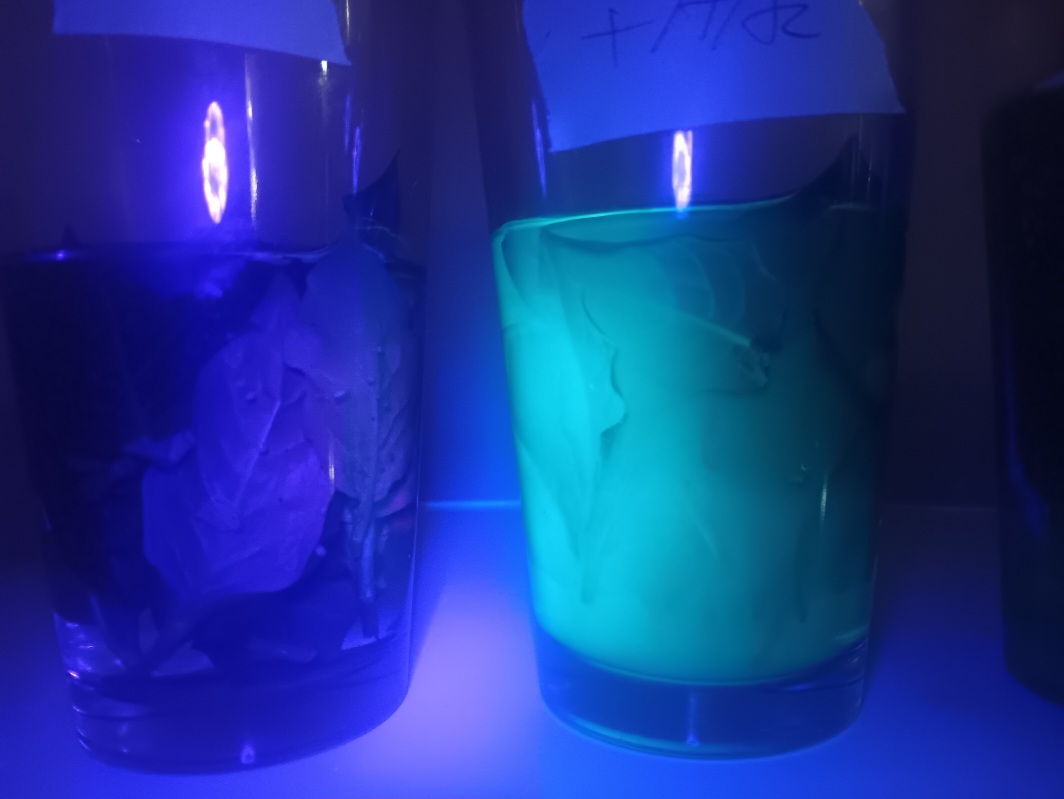
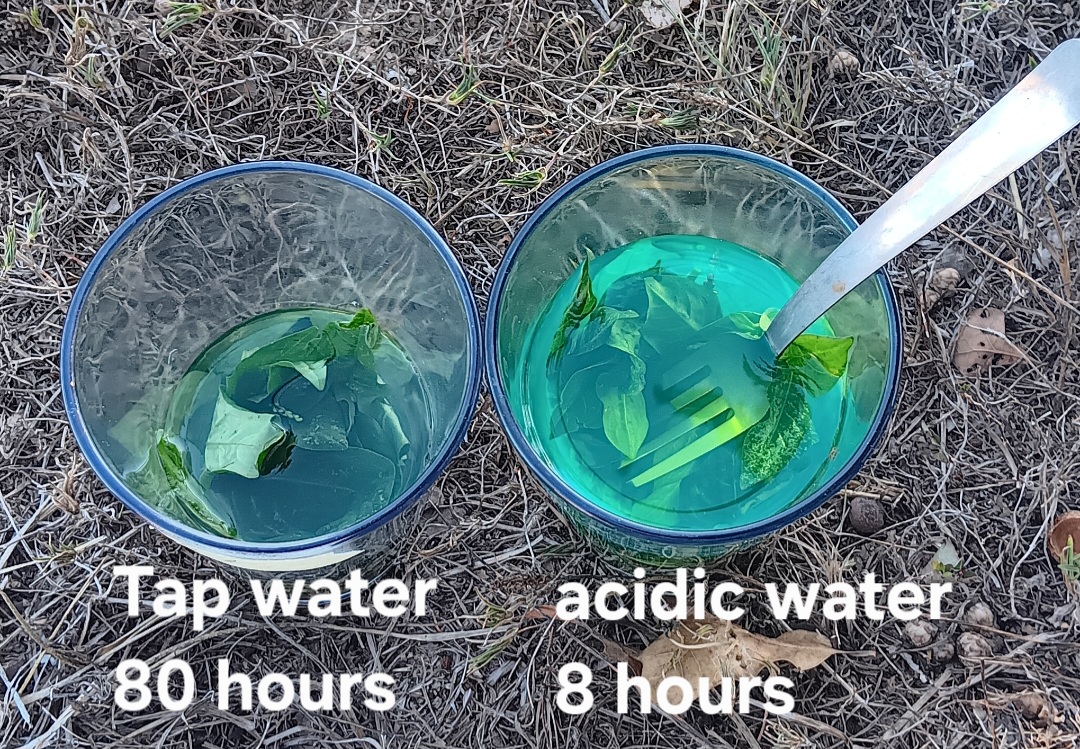
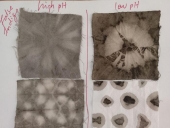
The pH of water used for soaking makes a big difference. Indican leaches out faster in acidic water than in alkaline water. Tap water is generally alkaline and can significantly slow down the extraction. However, lowering the pH too much can also inhibit later steps.
4. Duration of soaking
Longer soaking increase yield but also increase the amount of impurities. If the pH is optimal, the first 24 hours is enough to leach out the majority of indican and little non-specific compounds.
5. Hydrolysis and oxidation to produce indigo
Hydrolysis of indican is also pH dependent. Oxidation is straightforward and the production of indigo can be visualized by the blue color.
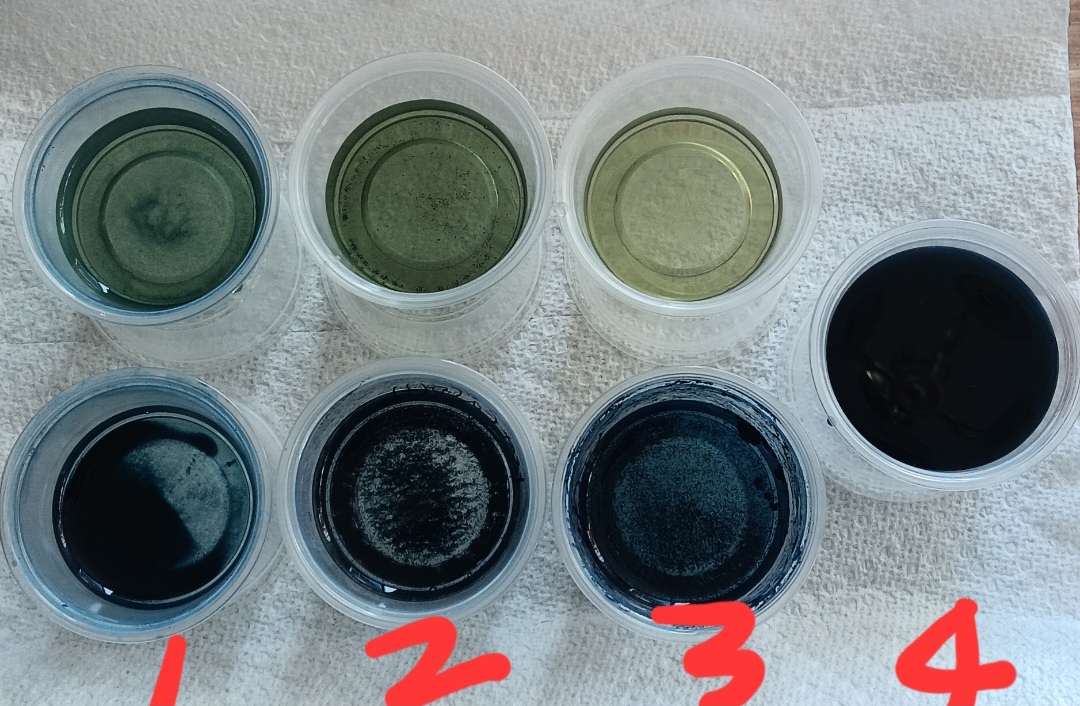
6. Precipitation with calcium
Traditional it is done with hydrated/pickling lime. I primarily use soluble calcium salt. They both have pros and cons.
In the following posts I will show how a small extraction is done in a regular drinking glass with common household chemicals, how to visually follow each step, and how to adjust the amount to achieve high yield.
Growing indigo takes time, resources and space, I wish you all make the best out of it and enjoy dyeing with this natural pigment!
Zone 6, 45 inches precipitation, hard clay soil






 12
12