
|

|

|

|

|

|
|
|
|
|
|
|
|

|

|

|

|

|
 6


Esteban Ademovski wrote:
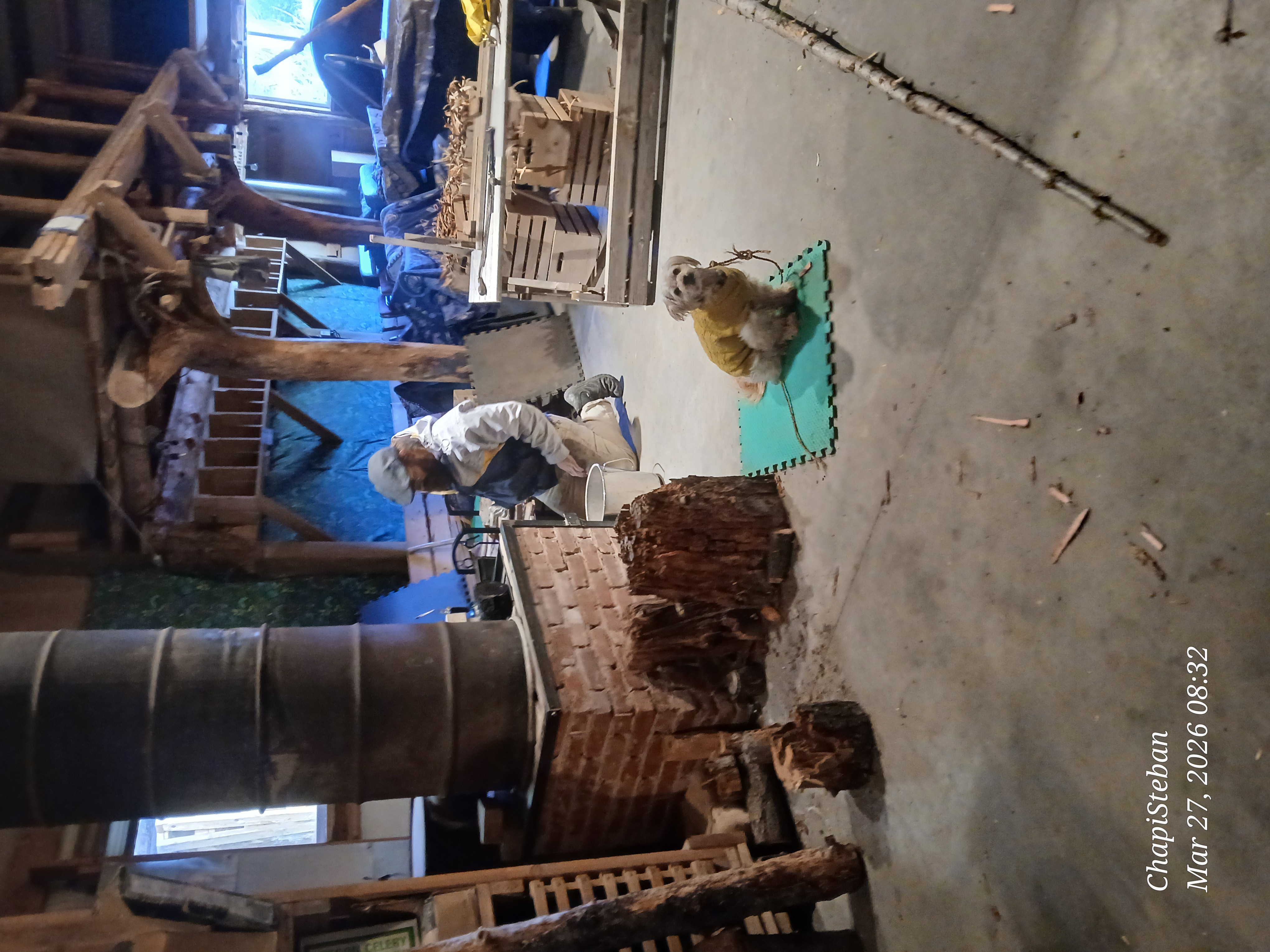
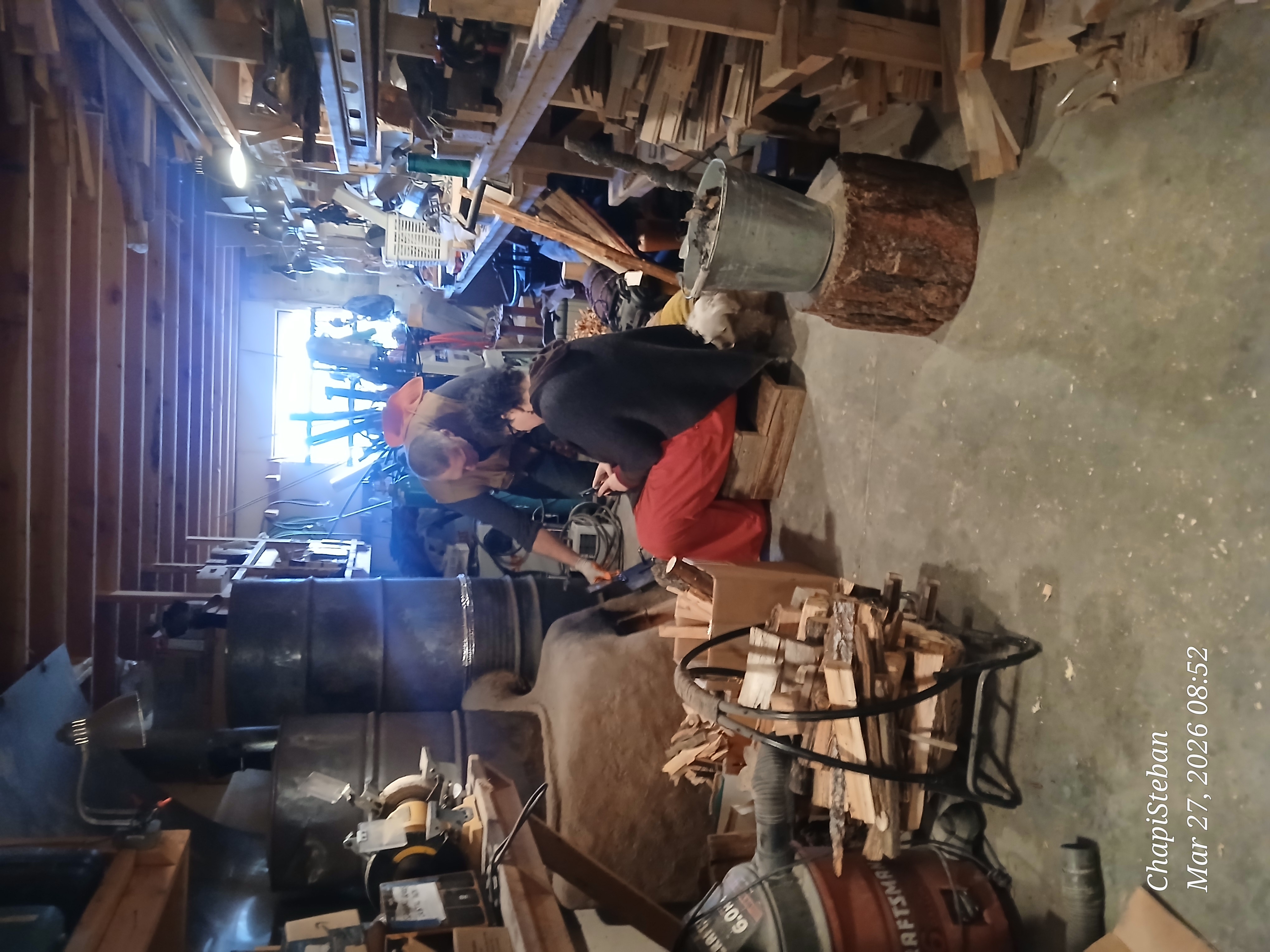
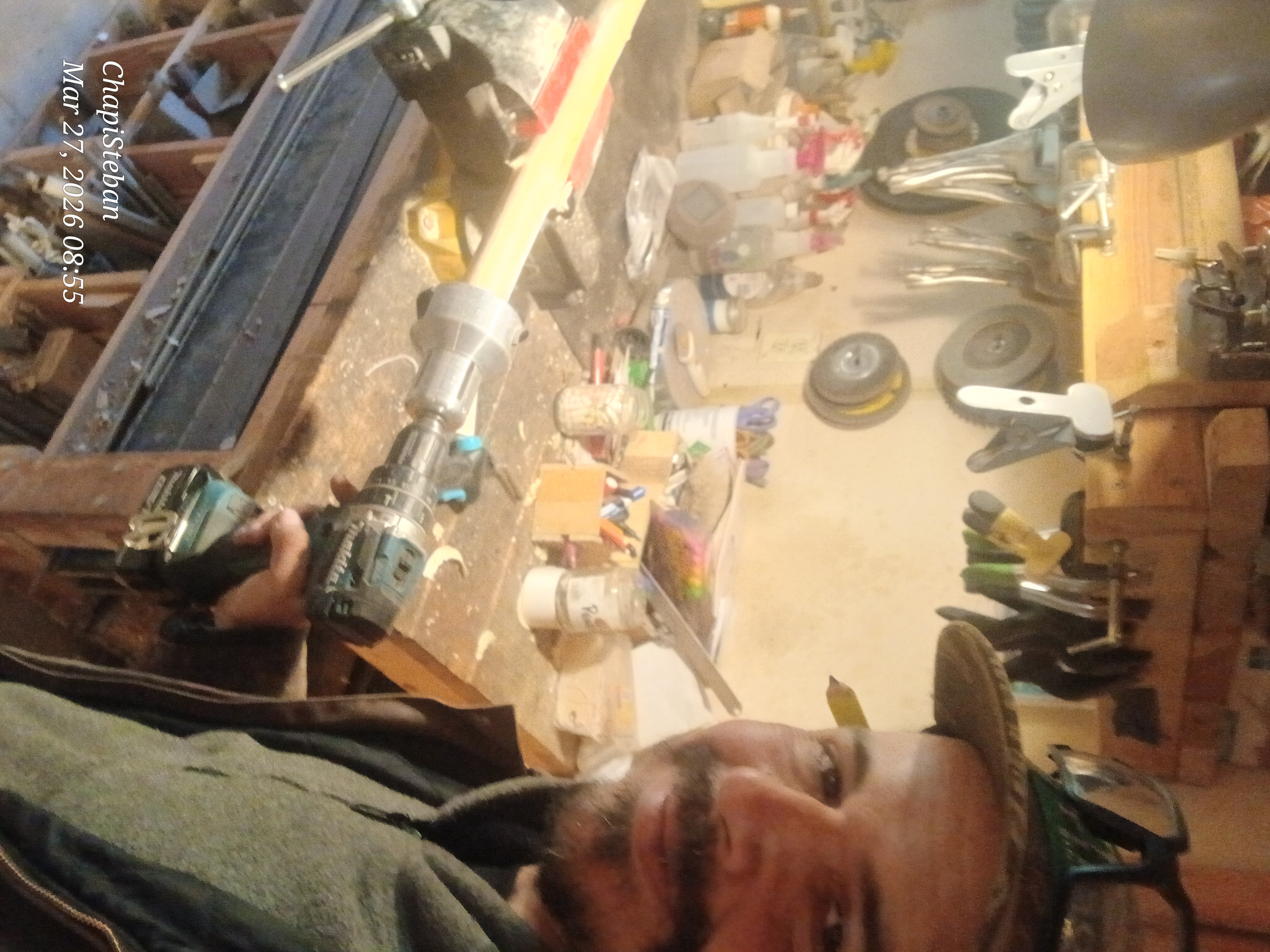
Later in the day I performed some maintenance on one of the chainsaws, making sure it was cleaned up and in good working condition for future use.
“The most important decision we make is whether we believe we live in a friendly or hostile universe.”― Albert Einstein
9
John Weiland wrote:
Esteban Ademovski wrote:
Later in the day I performed some maintenance on one of the chainsaws, making sure it was cleaned up and in good working condition for future use.
Esteban, This line caught my eye as I've been struggling with a chainsaw issue lately. I've never fully understood how chain oil gets from the chainsaw reservoir to the chain while in operation. I've observed the little hole that can be seen, typically positioned between the two main nuts that keep the bar in place, out from which oil can be seen pumping when the bar is removed. But does the oil then just move across the outer surface of the bar to reach the chain? Or is there some conduit within the bar itself that allows the oil to get into the channel that holds the chain in place while operating? I've noticed recently that the chain channel on the saw in question is packed with fine sawdust. Could this somehow be preventing oil from properly flowing into that channel? Thanks!


 4
“The most important decision we make is whether we believe we live in a friendly or hostile universe.”― Albert Einstein
9


 6
Esteban Ademovski wrote:Then after you put it back together, a quick check is to run the saw and point the tip at a log—you should see a light line or mist of oil coming off. If you don’t, something’s still blocked.
Become extra-civilized!



|
Police line, do not cross. Well, this tiny ad can go through:
Switching from electric heat to a rocket mass heater reduces your carbon footprint as much as parking 7 cars
http://woodheat.net
|