posted 5 months ago
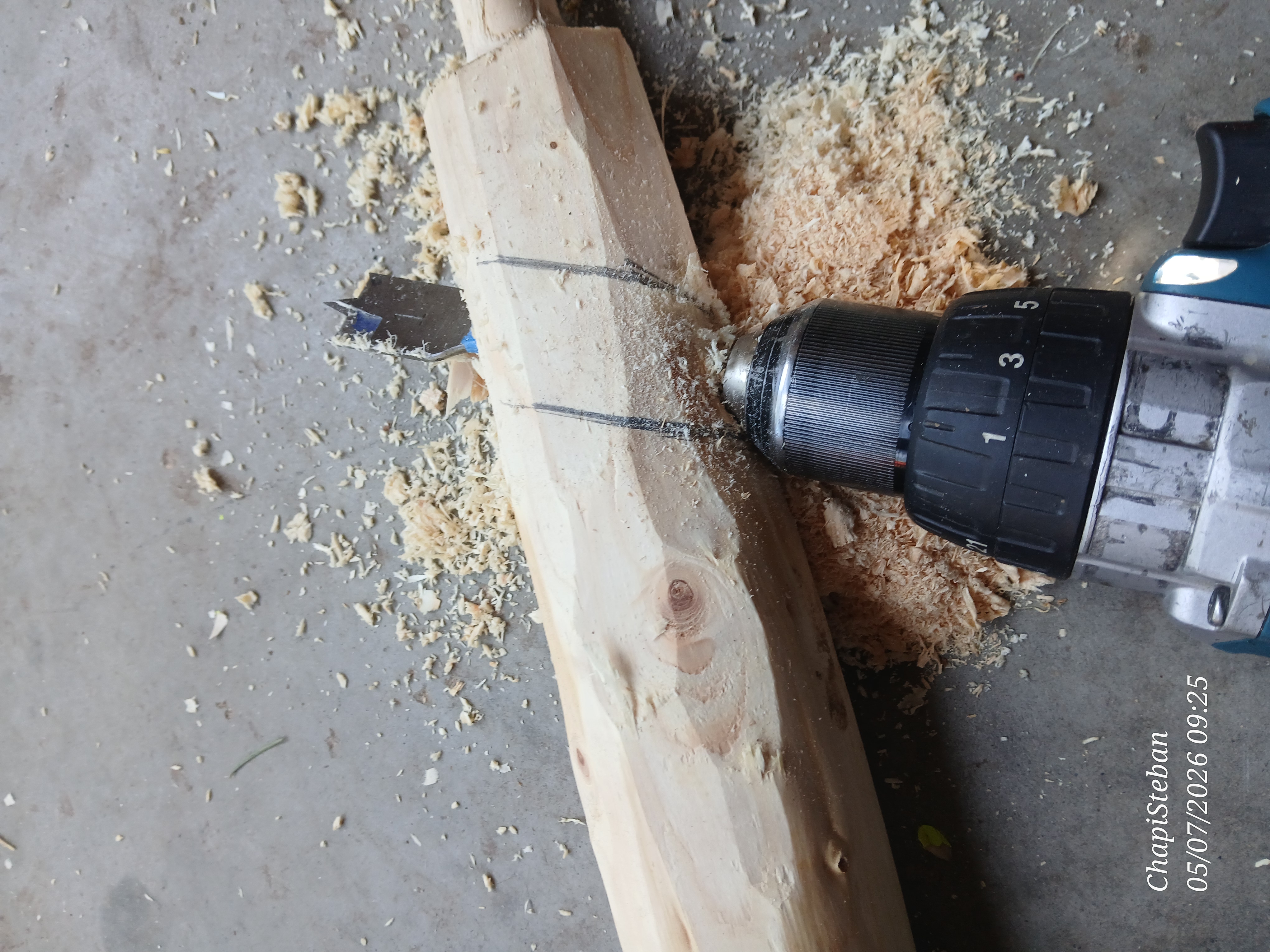
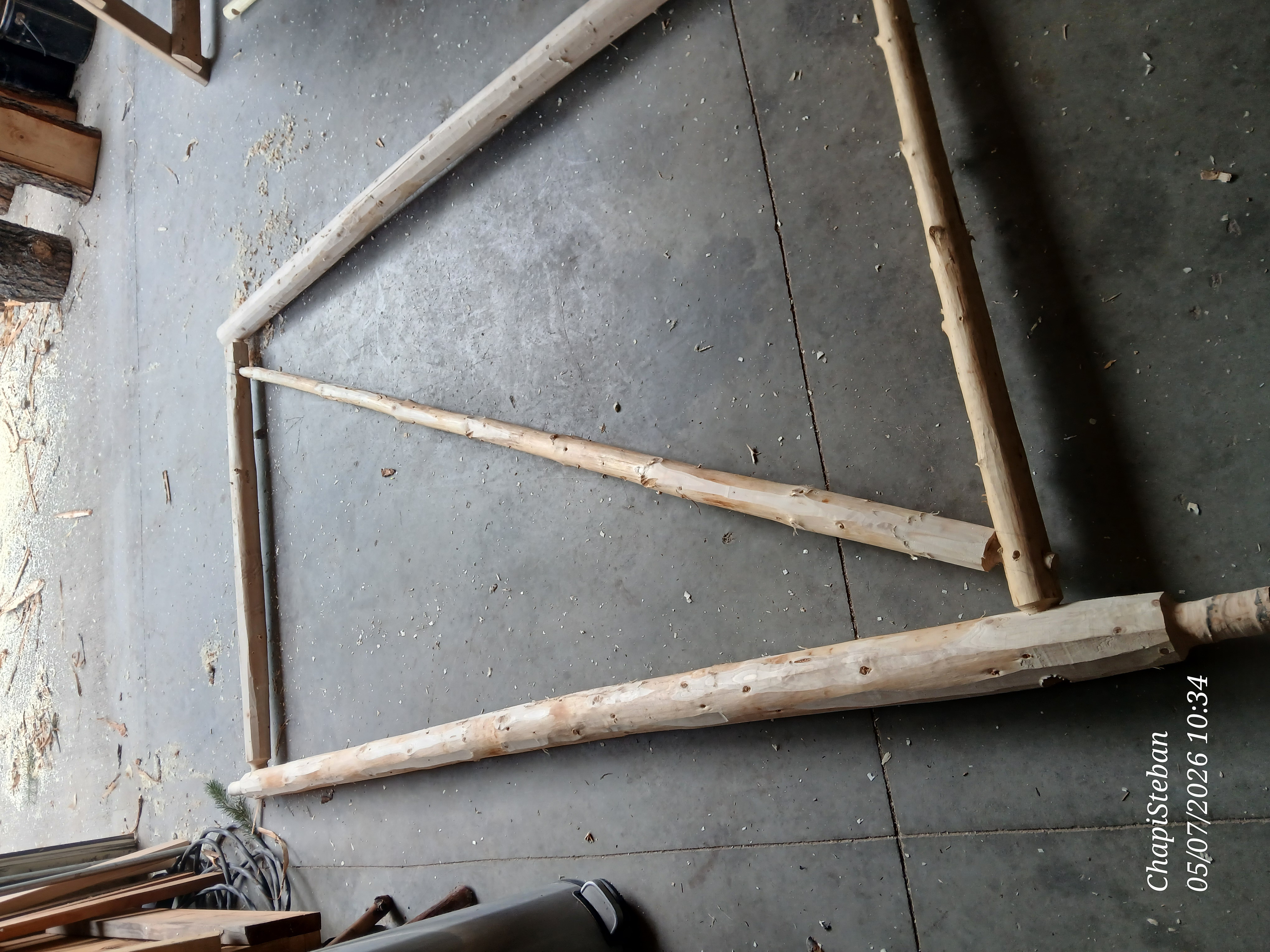
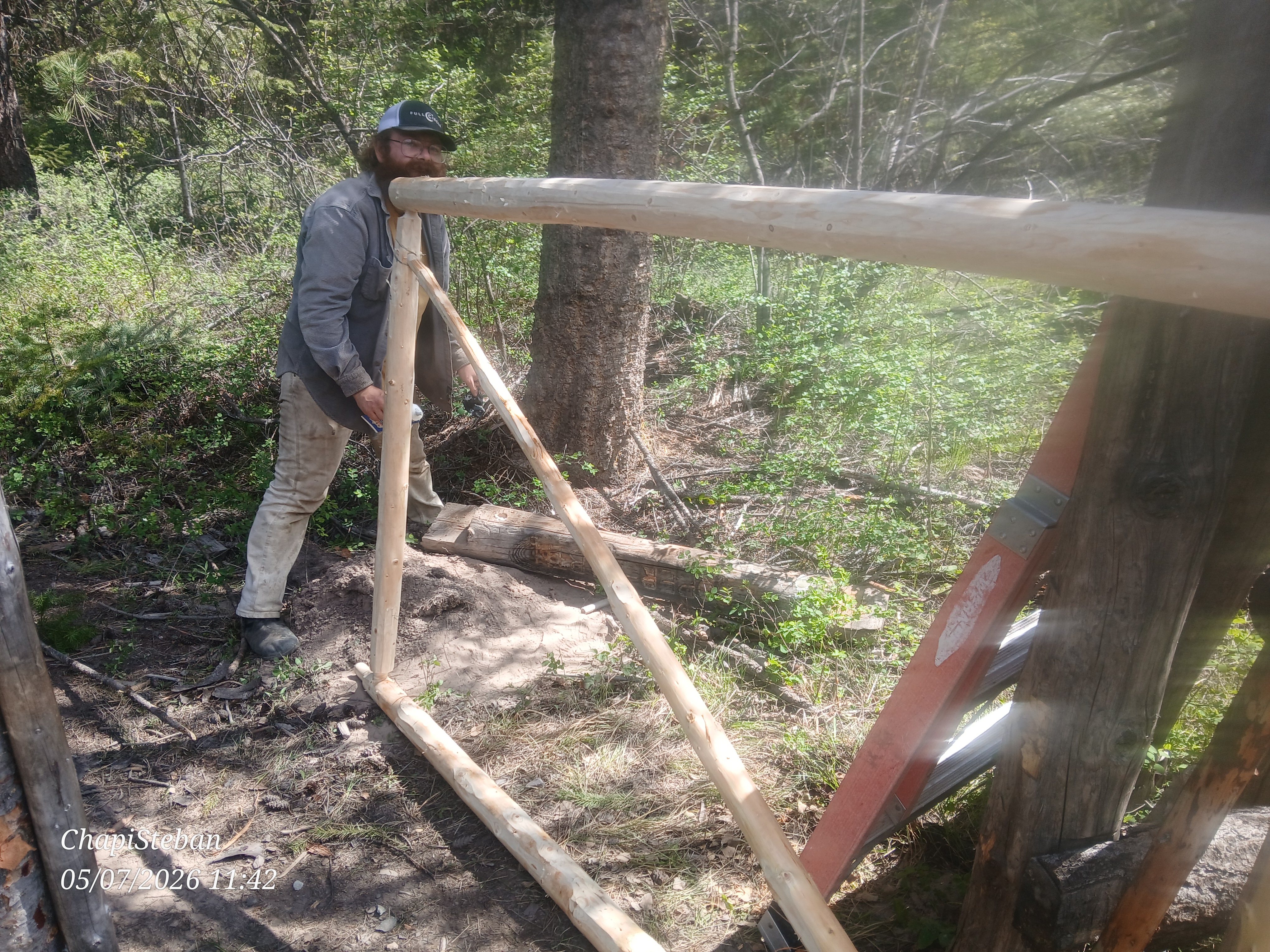
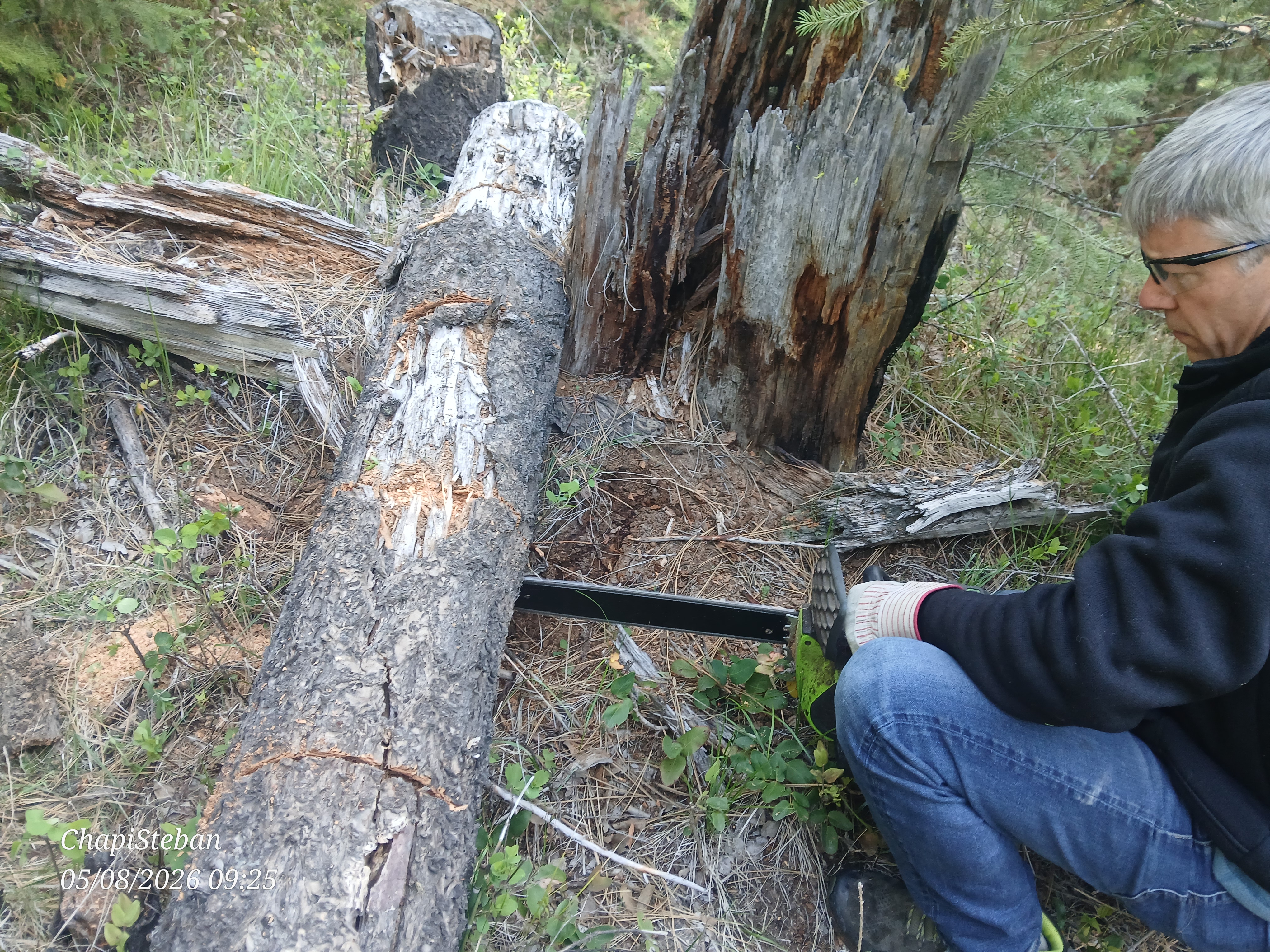
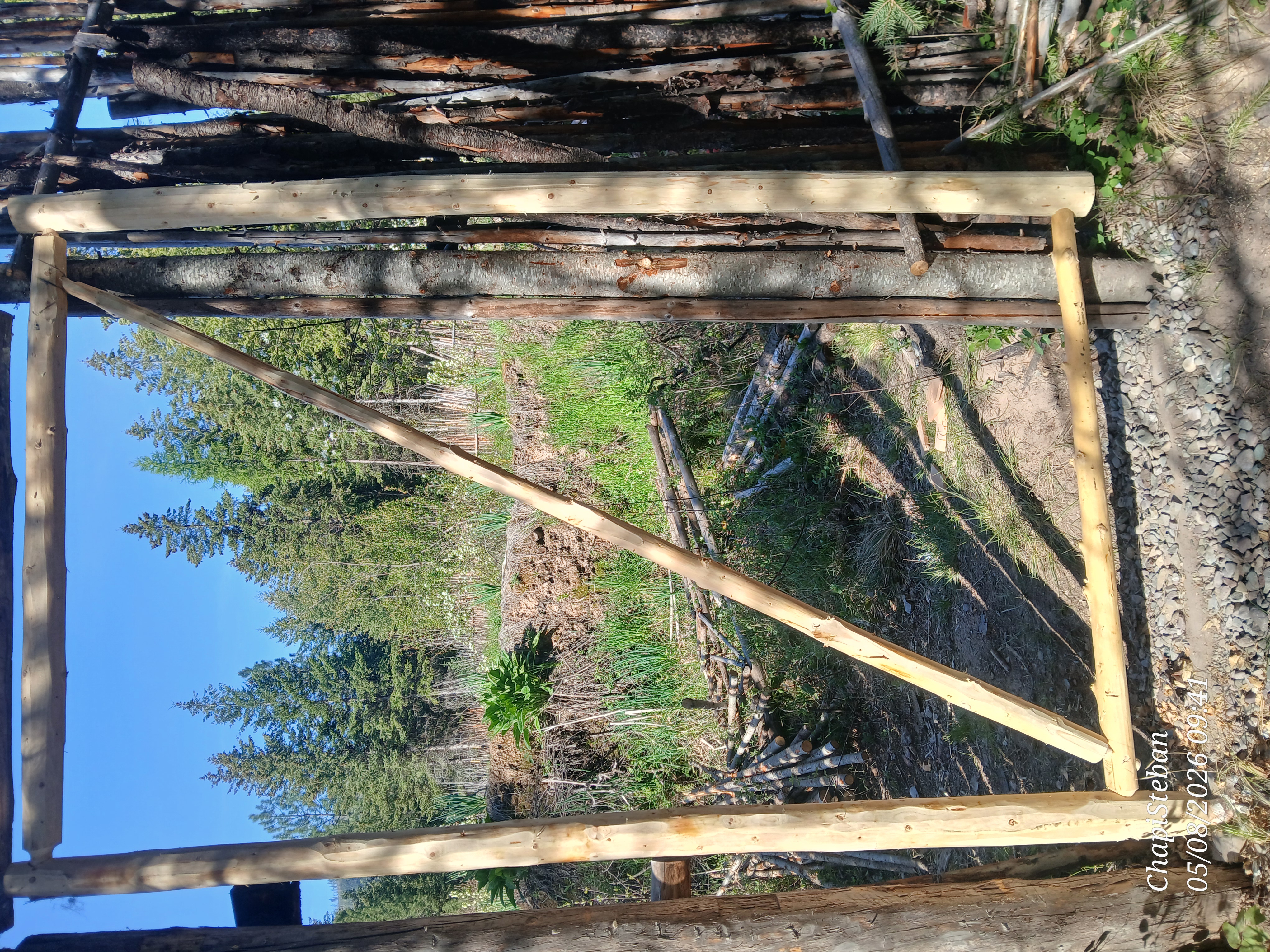
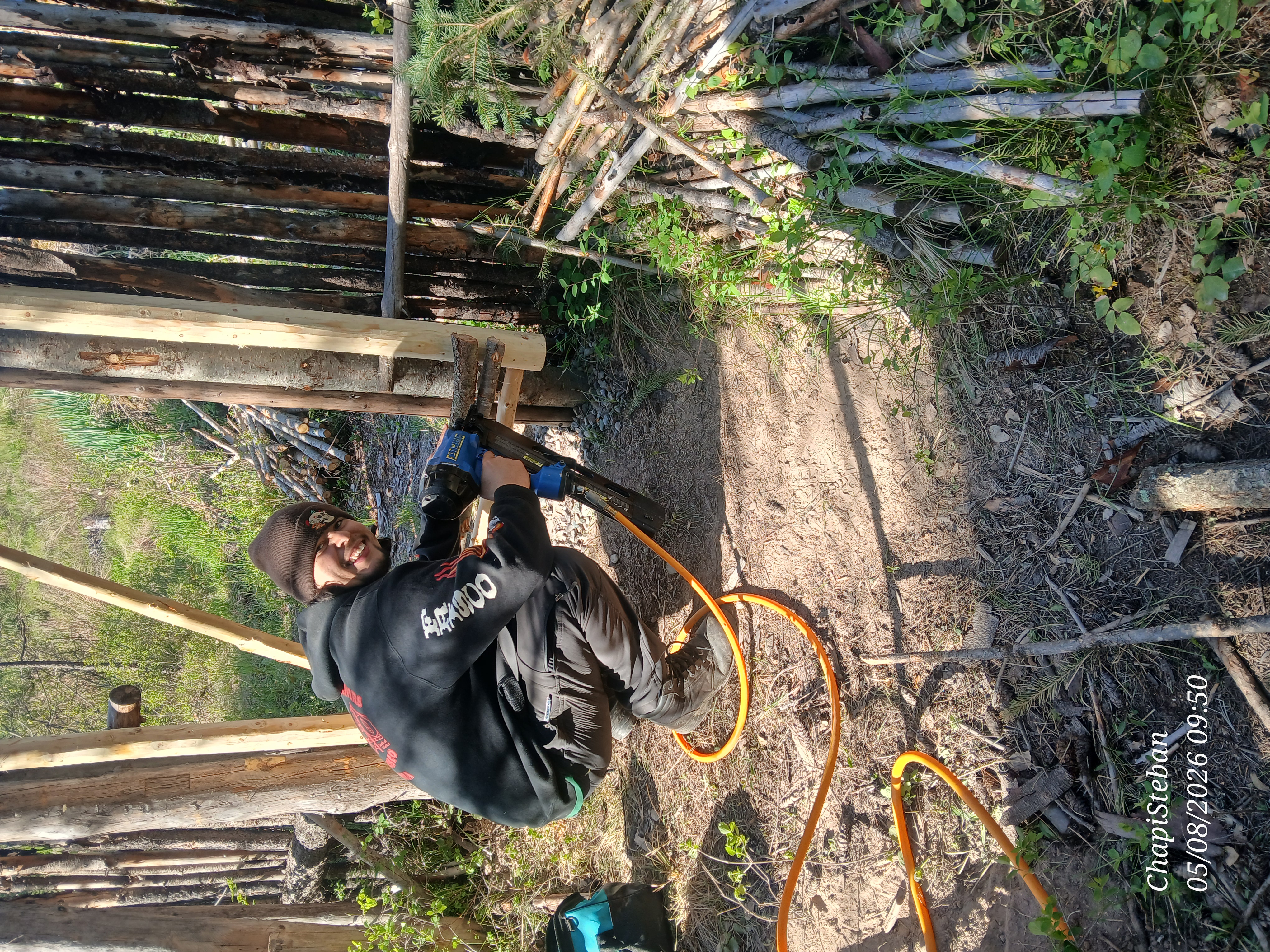
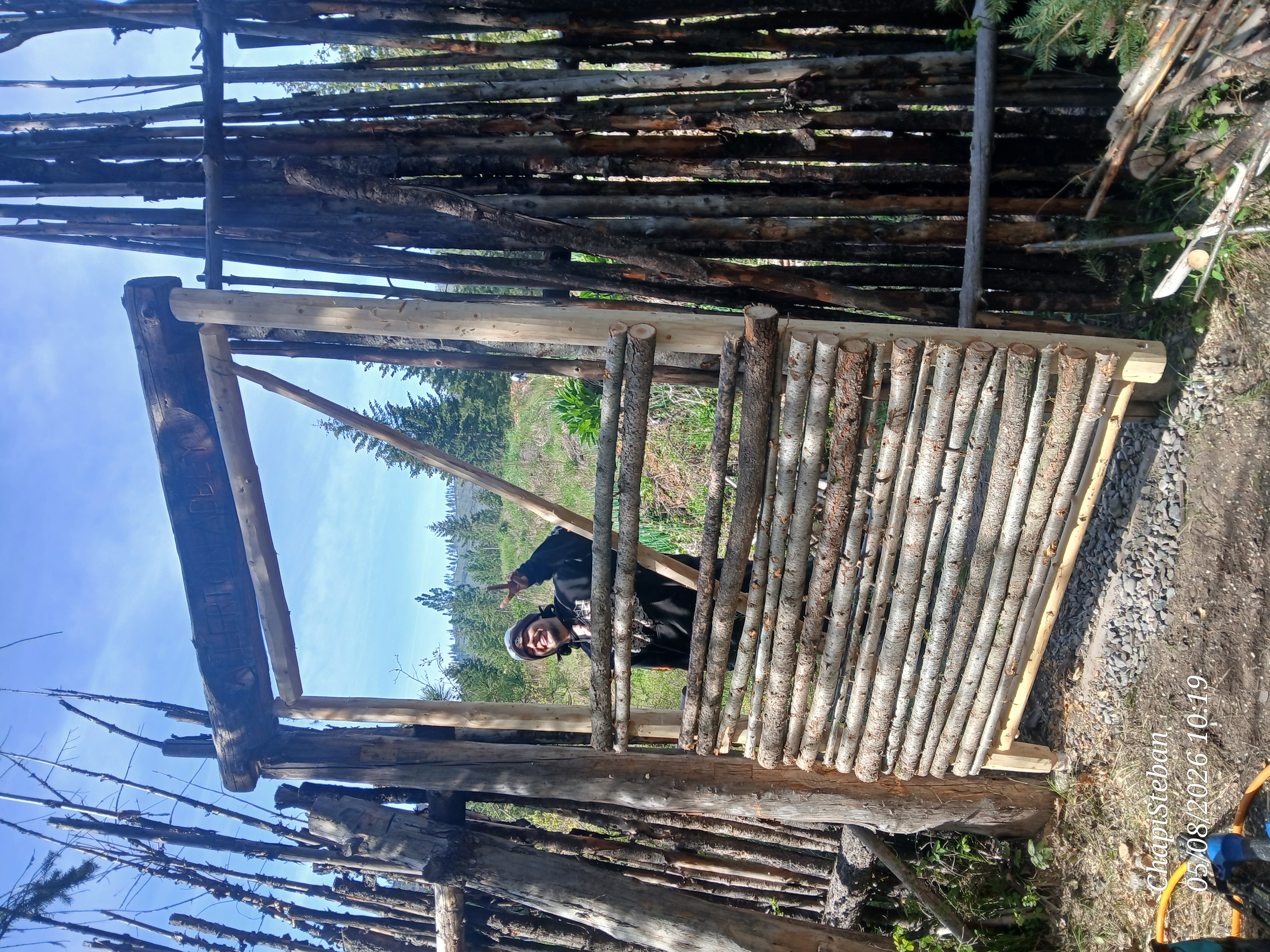
After Seth and I pulled the Cooper Cabin gate apart, we quickly realized this was less of a “small repair” and more of a “the patient is technically still alive but all the bones are broken” kind of situation.
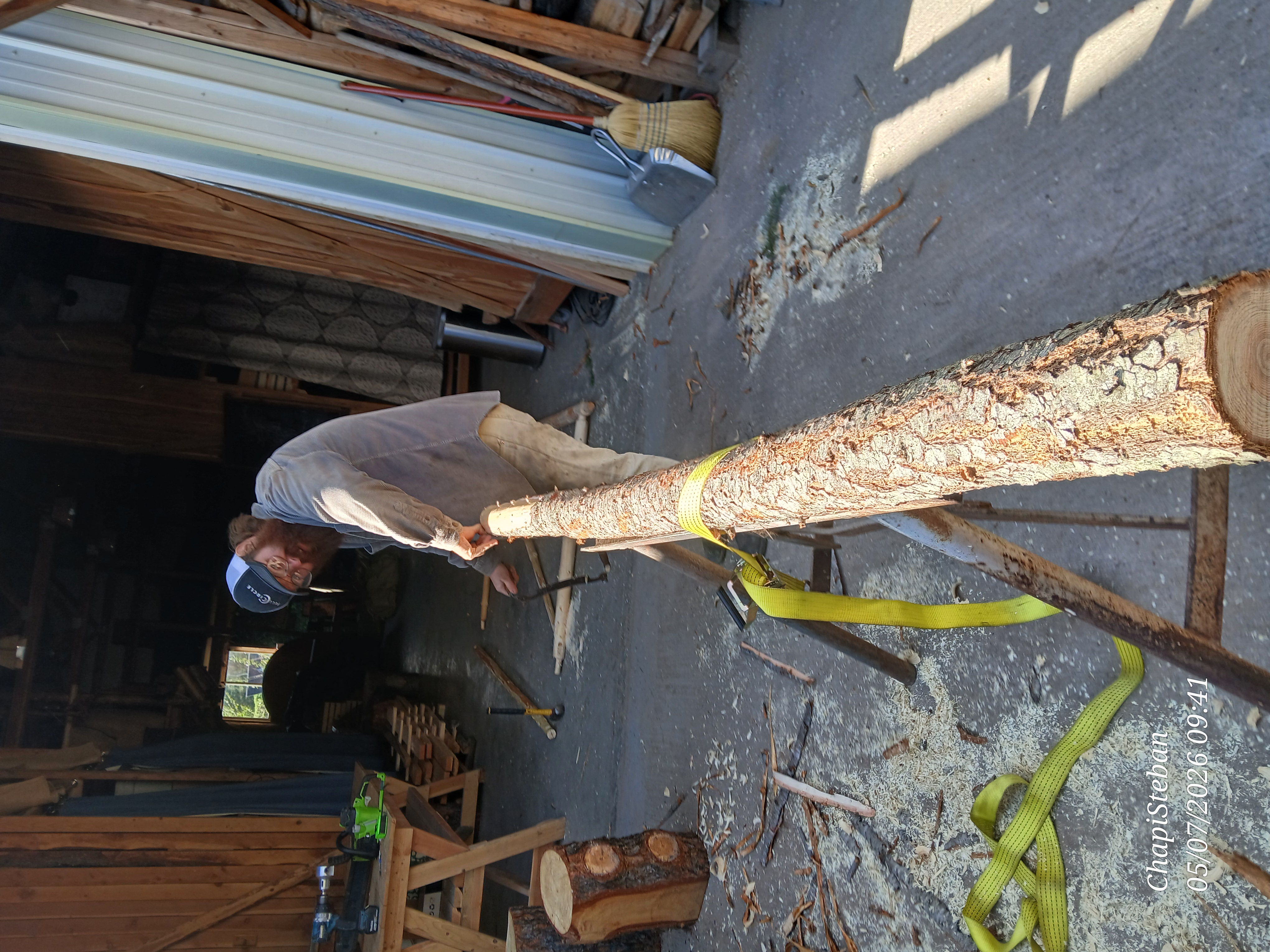
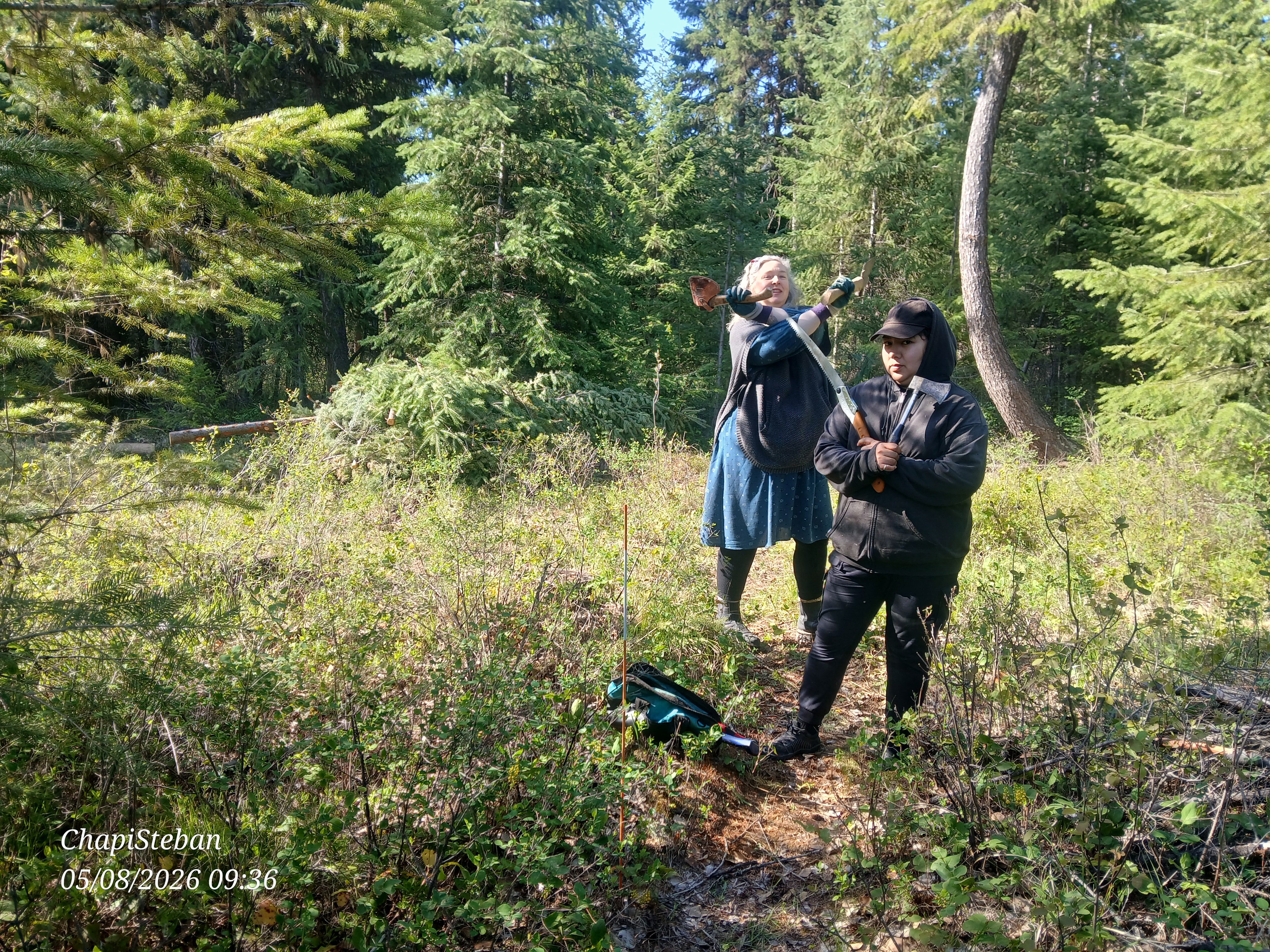
For context, we harvested the trees just a few days before building and installing the gate frame, so we were very much working with fresh green material right out of the woods.
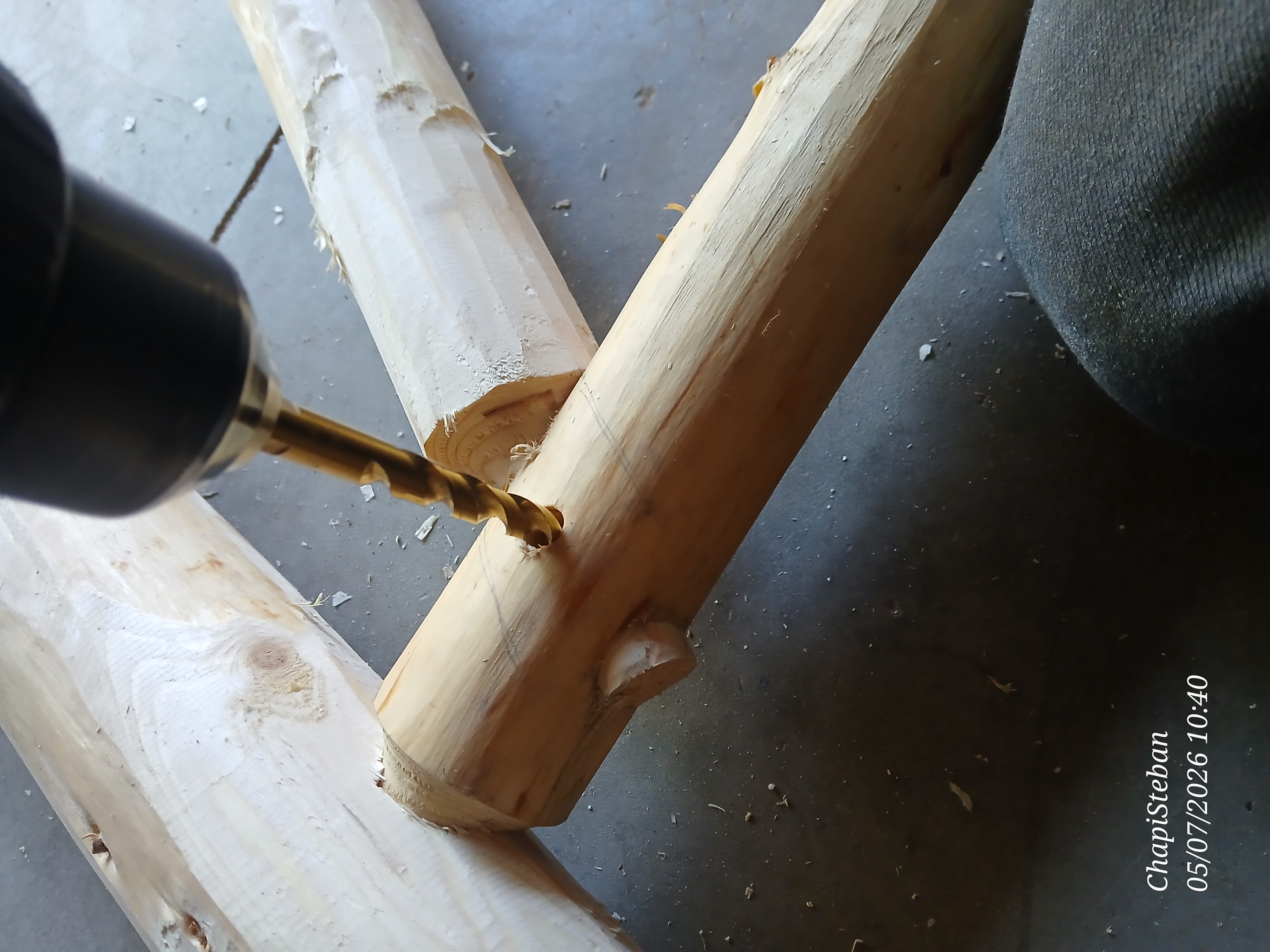
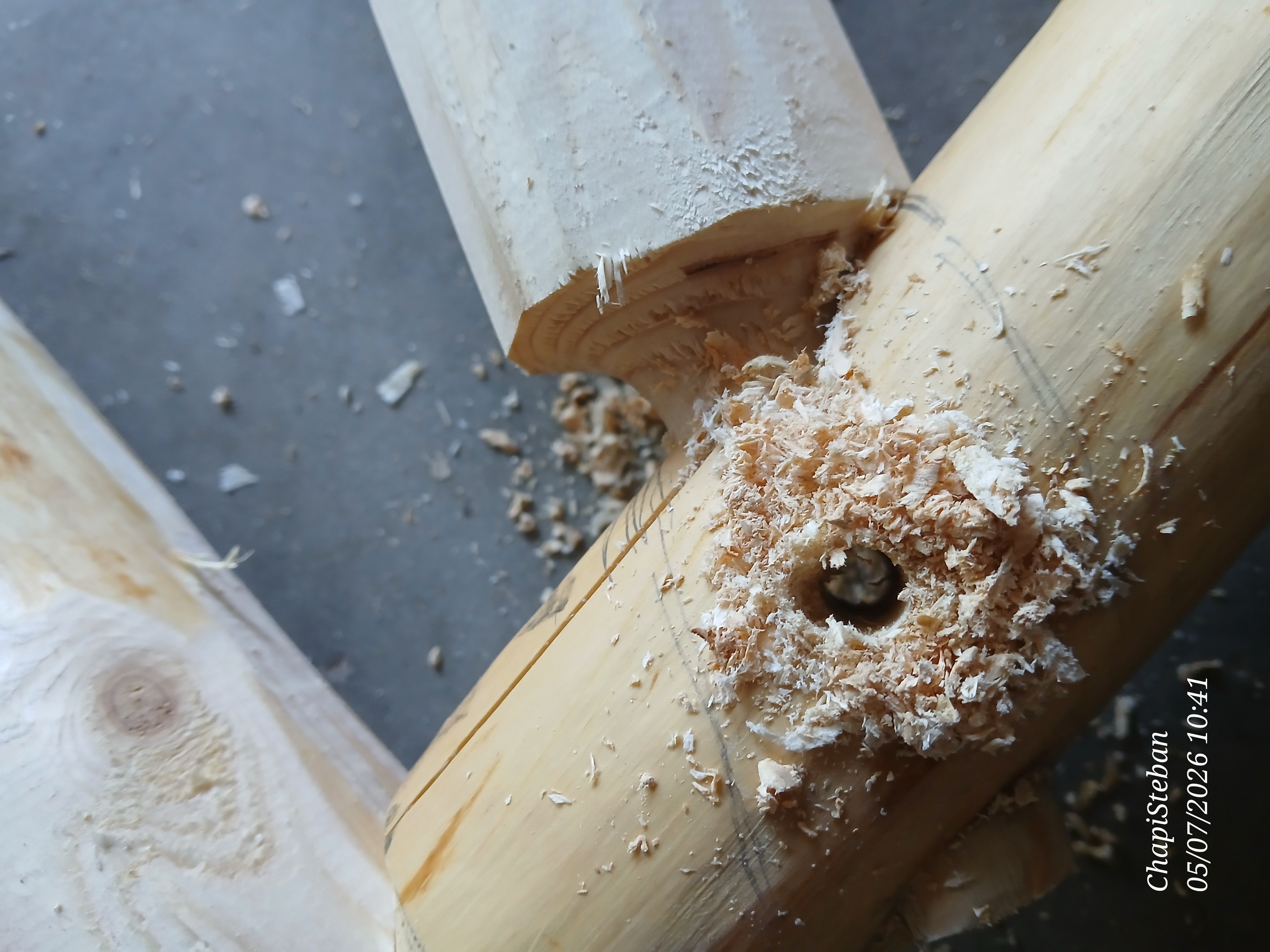
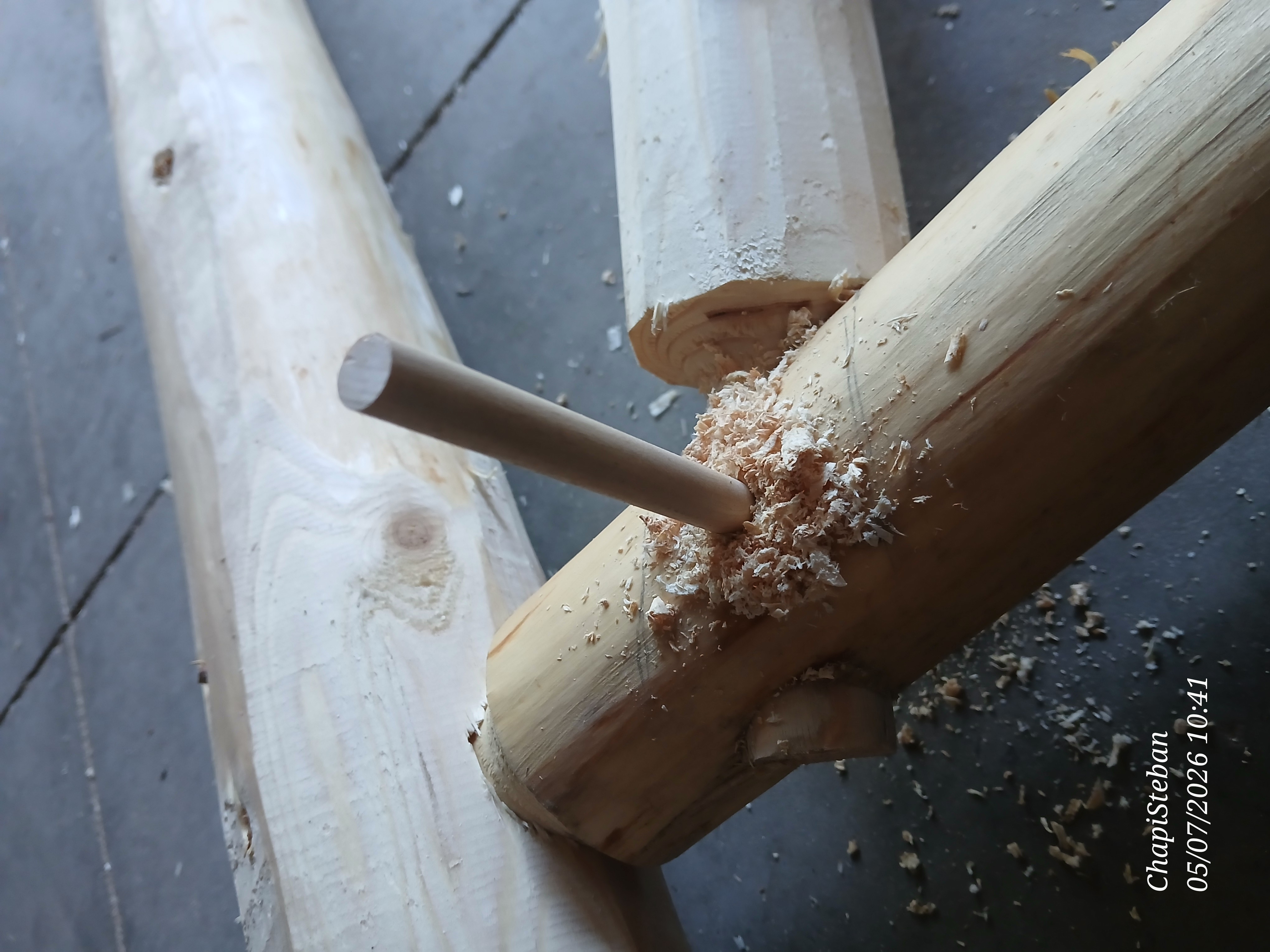
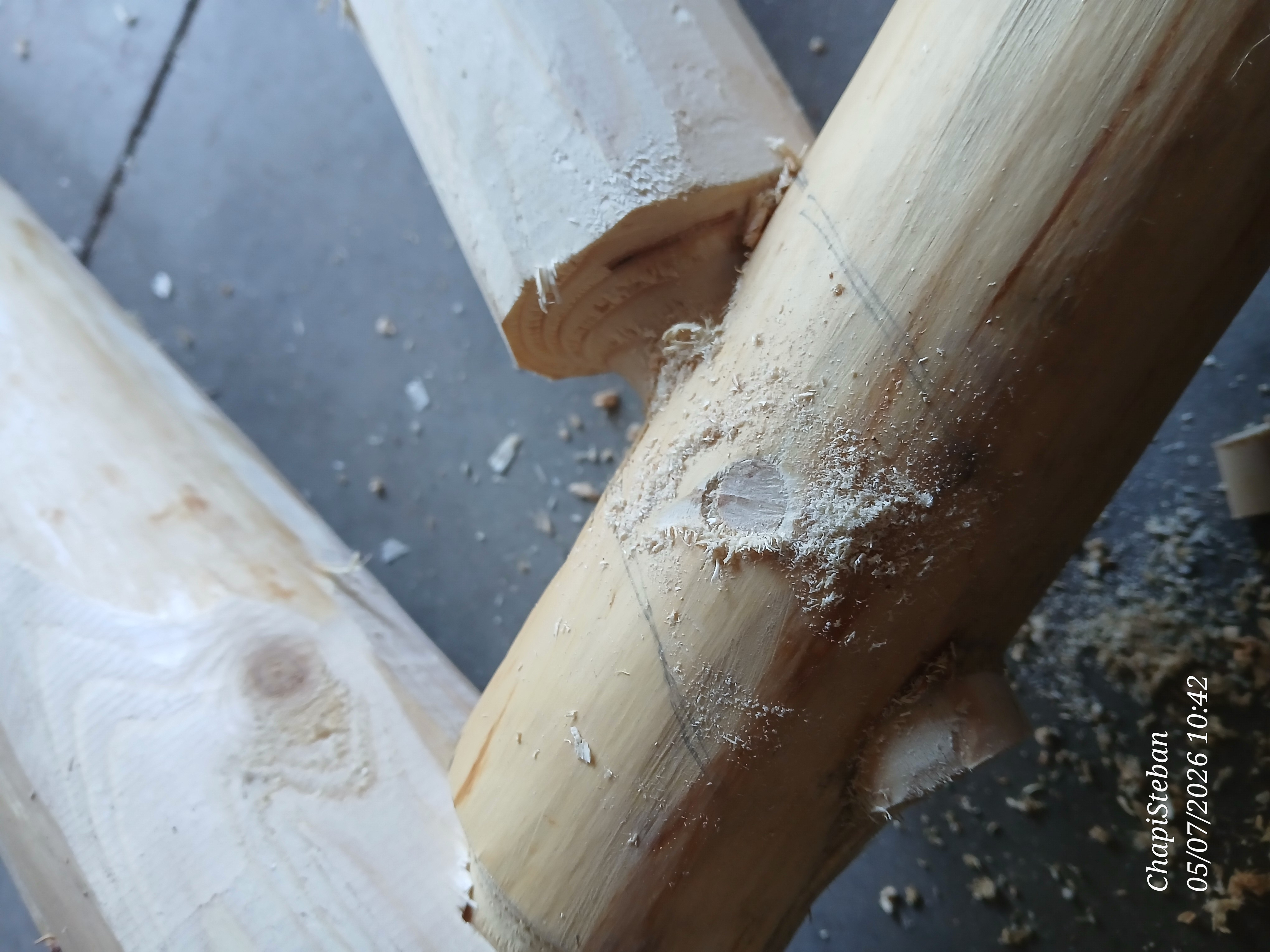
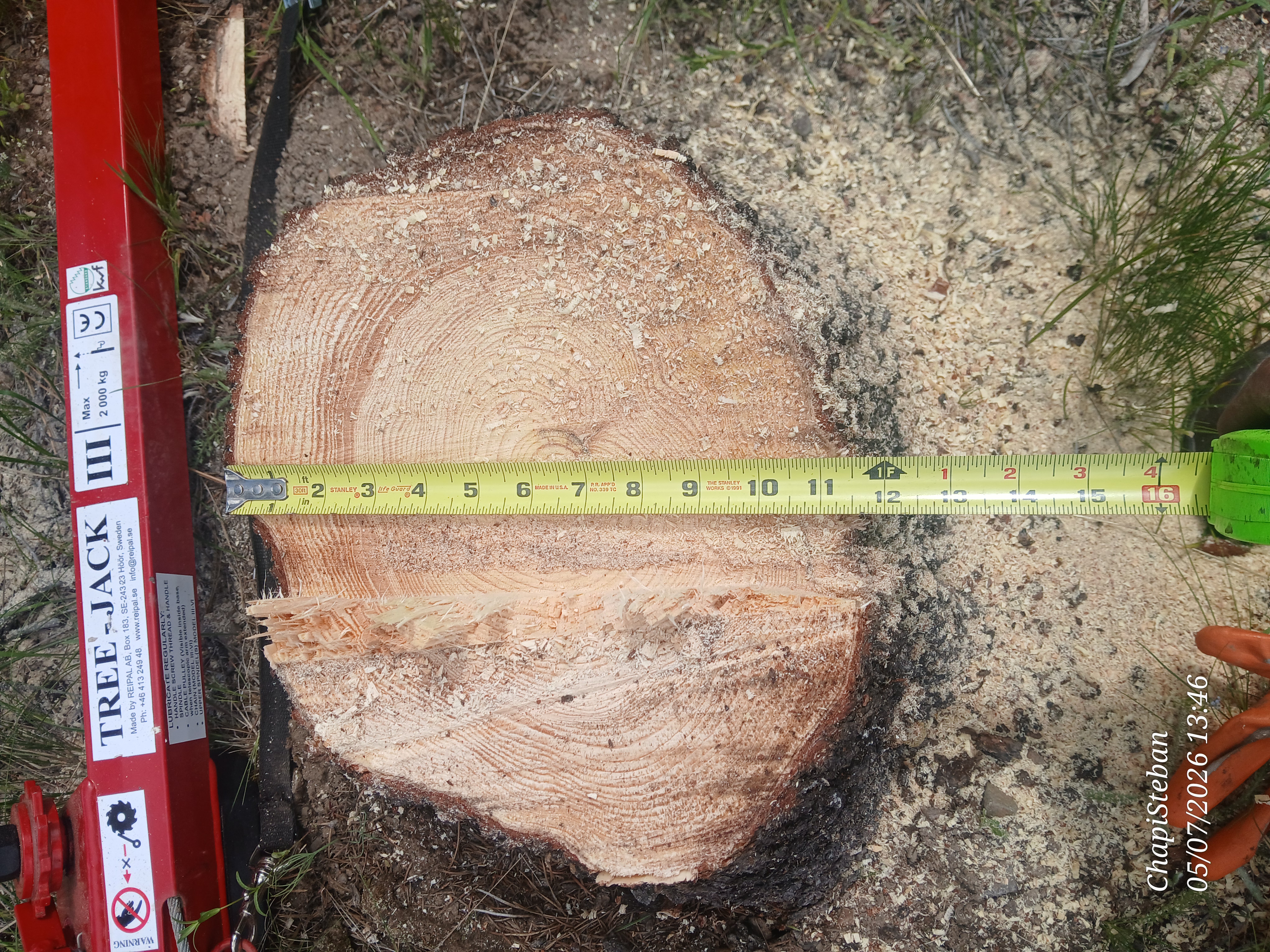
Nearly every mortise and tenon joint had checked, and when we opened it up, the worst of it was right where the loads and movement all concentrated at the joints. Some of those cracks honestly looked like the wood had spent the winter working through personal issues.
After reading through everyone’s comments here, the picture is getting clearer. It’s not really one single culprit — it’s wood doing what wood does, just under less-than-forgiving conditions. Rapid drying from freshly felled material, constant weather exposure, and a gate that’s always under load all stacked together. The result is basically what happens when a material that wants to move is locked into a structure that doesn’t.
Mike’s point about roundwood behavior really resonates here. If you use green wood, it’s going to check as it dries. If you use dry wood, it already checked somewhere else and you’re just inheriting the story it brings with it. Either way, movement is part of the deal — the question is whether the design can accommodate it or not.
Coydon’s explanation about dry tenons in green mortises also feels like a key lesson. Letting the mortise shrink onto a stable tenon instead of both members changing size at the same time would likely have reduced a lot of that stress. The idea of slowing drying with bark or thoughtful harvesting timing is also something I hadn’t seriously considered before, but it makes sense in hindsight.
I also think Mike is right that some of the members were probably a bit undersized for the job. Once you combine load, movement, and early-stage drying, light sections don’t have much margin before things start expressing themselves as cracks.
Stepping back, the main takeaway for me is pretty simple: this wasn’t a single failure point, it was a system where very fresh greenwood movement outpaced the design’s ability to accommodate it. Roundwood really does feel more “alive” than dimensional lumber — which is part of the appeal, but also means it doesn’t quietly tolerate being ignored.
That said, this rebuild ended up being one of the better teachers we could’ve had. Every log has its own behavior, and sometimes the only way to learn it is to come back later and see what it decided to do on its own.
And Timothy — if you ever decide to replace your dimensional lumber gate with a natural roundwood one, I’d absolutely encourage it. Worst case, a few seasons later you get to stand around with friends having very serious conversations about cracks in wood like they’re meaningful clues instead of just… wood doing wood things.






 10