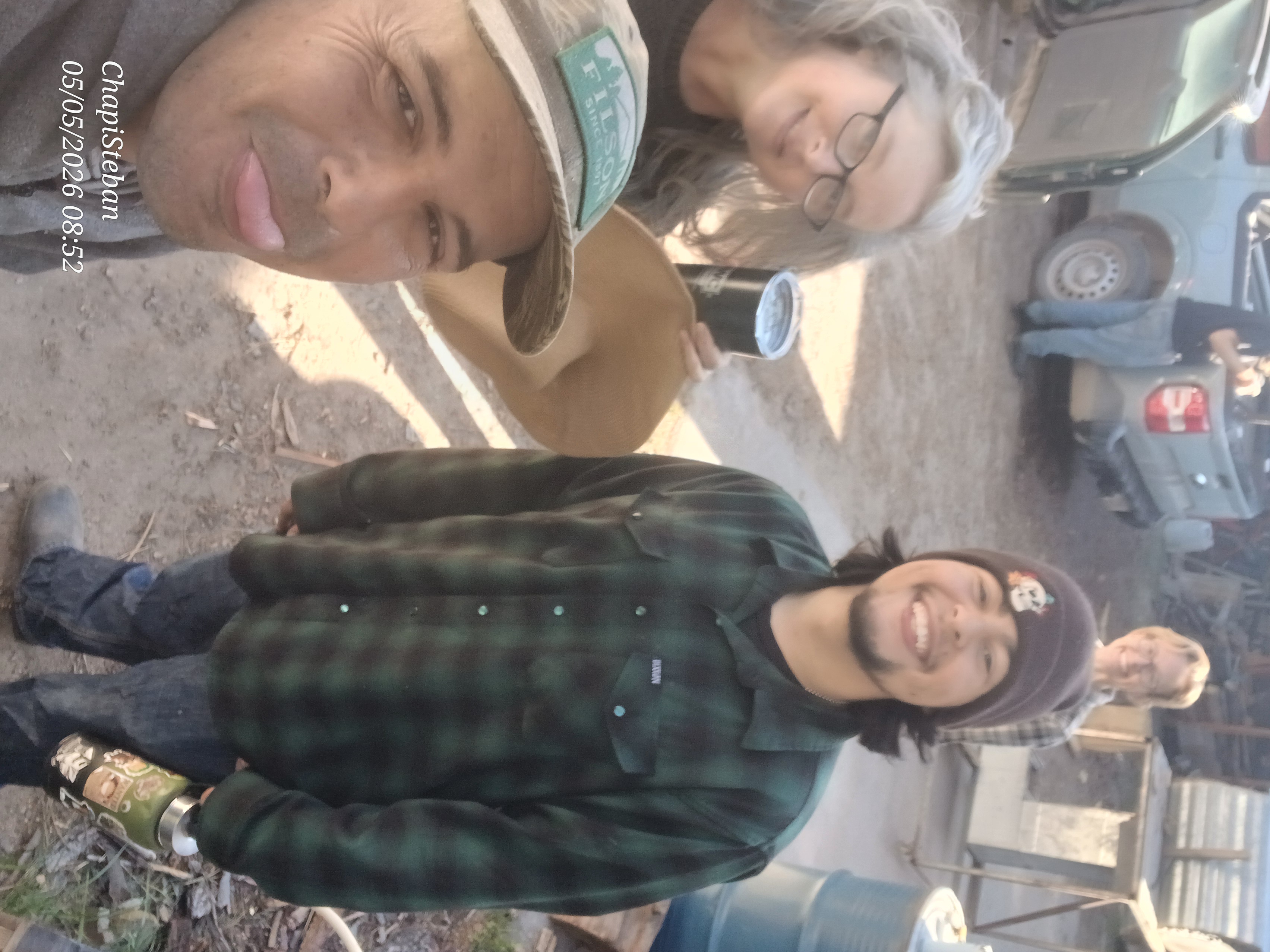
The day started like most others out here — gathering in the morning, coffee in hand, going over the plan while the land slowly woke up around us.
After the meeting, we split into two crews. My team headed back to the junkpole rebuild, picking up where we left off. There’s something satisfying about returning to a project like that — seeing yesterday’s effort take shape and knowing today’s work will carry it a little further.
Lorenzo and I paired up to work on adding horizontal supports to a couple of panels. We settled into a rhythm pretty quickly — measuring, setting, fastening — the kind of steady, hands-on work where you don’t need to say much, but everything still gets done. Meanwhile, Stephen, Melissa, Shawn, and Tracey were out gathering small-diameter junkpoles for the Cooper Cabin gate, bringing in the raw materials that keep everything moving.
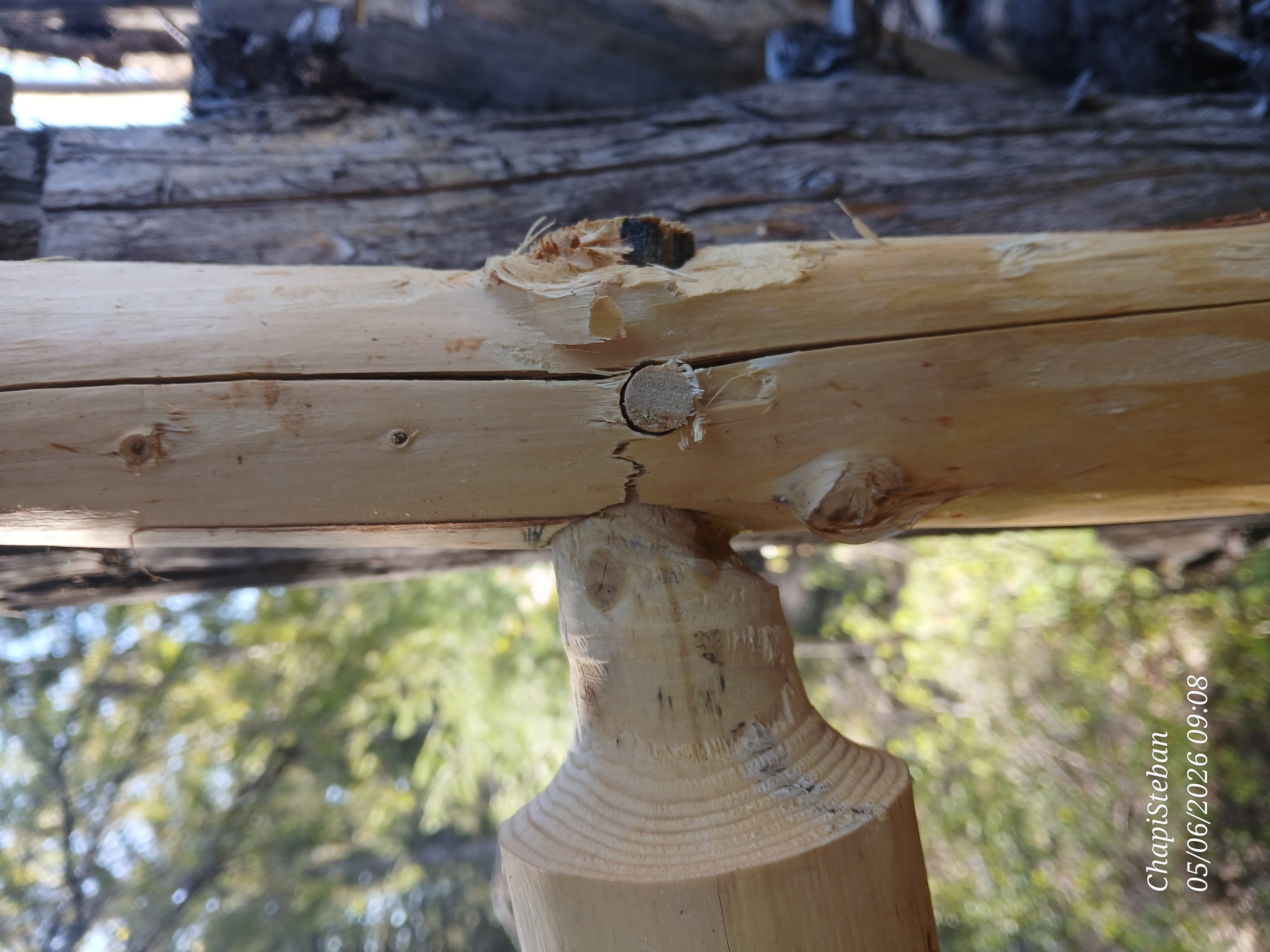
Right before heading off to his 11 o’clock meeting with Paul, Stephen took a look at the Cooper Cabin gate frame that Seth and I had built. He spotted a failure point — one of the mortise and tenon joints had given way. Not exactly what you want to see, but part of the process. Seth and I will circle back to it and decide whether it’s worth repairing or if that section needs to be rebuilt stronger.
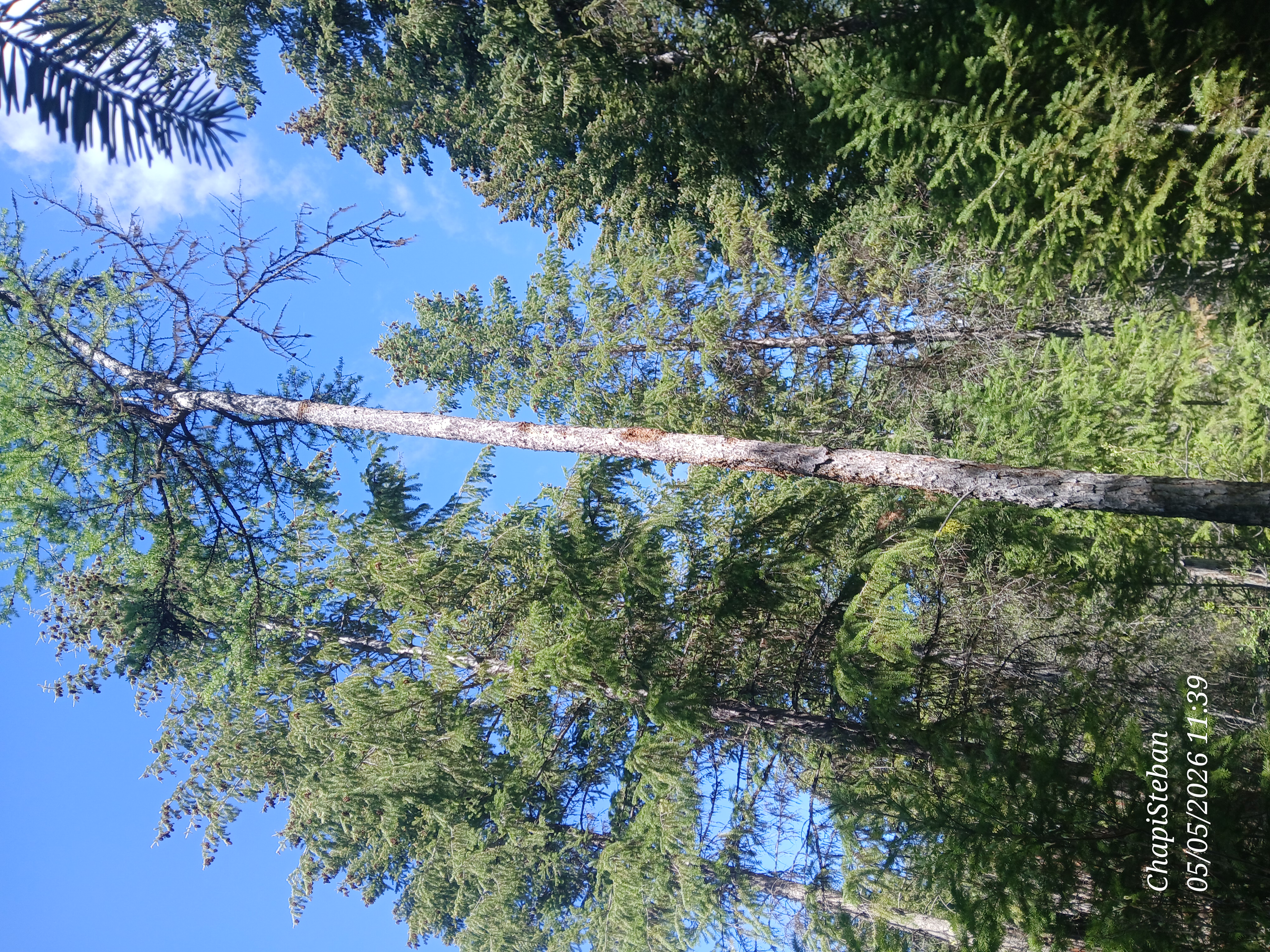
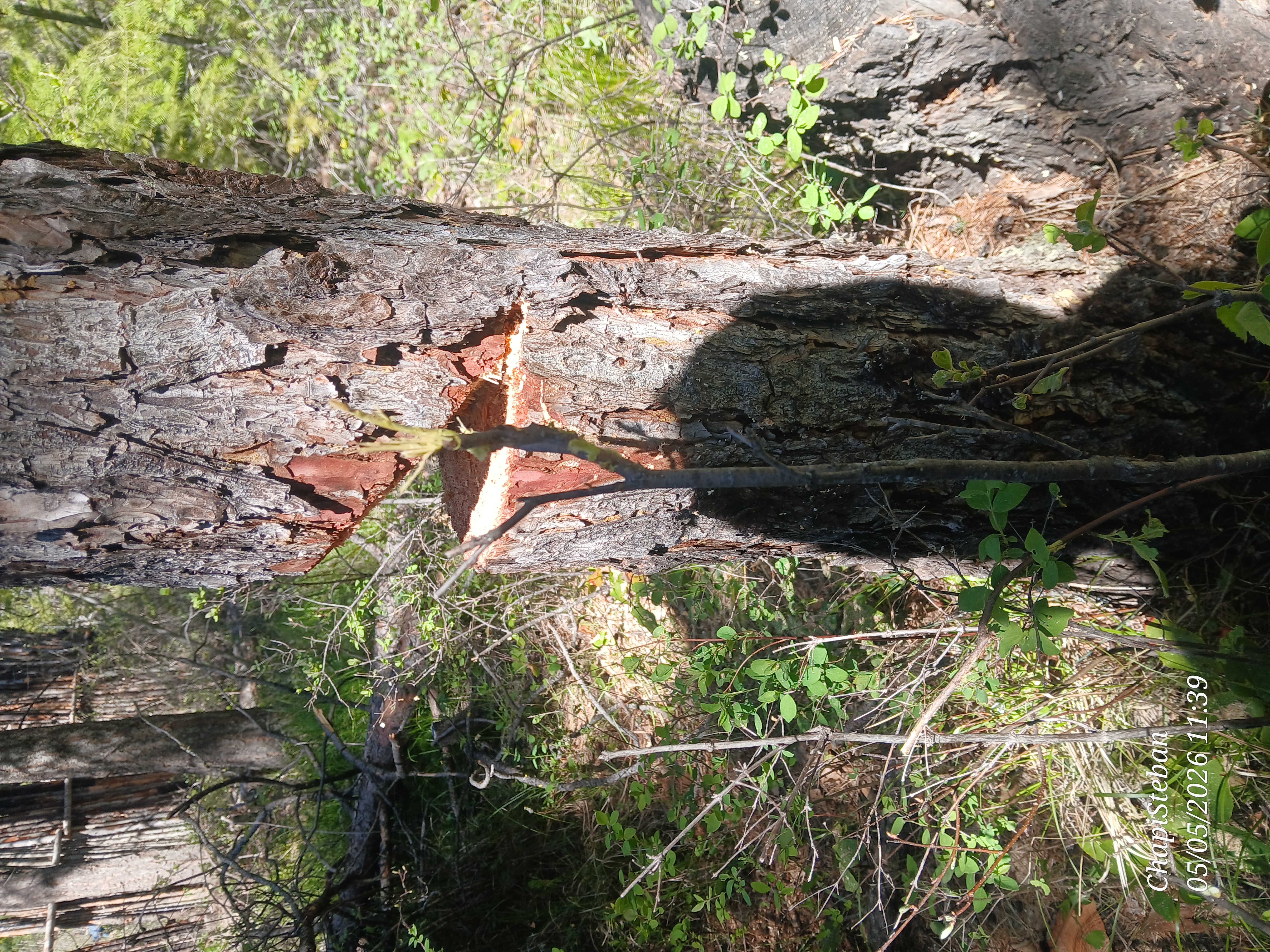
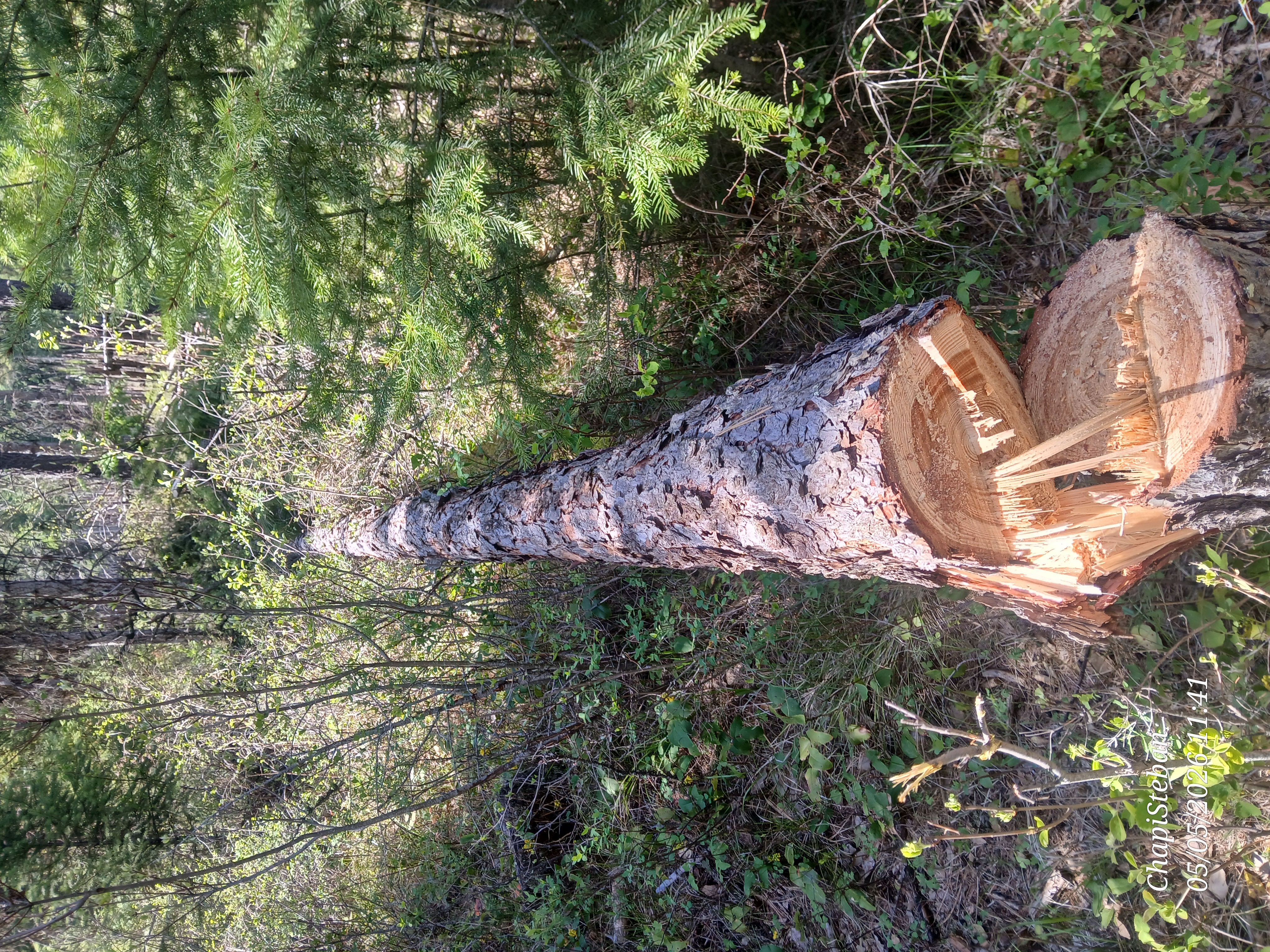
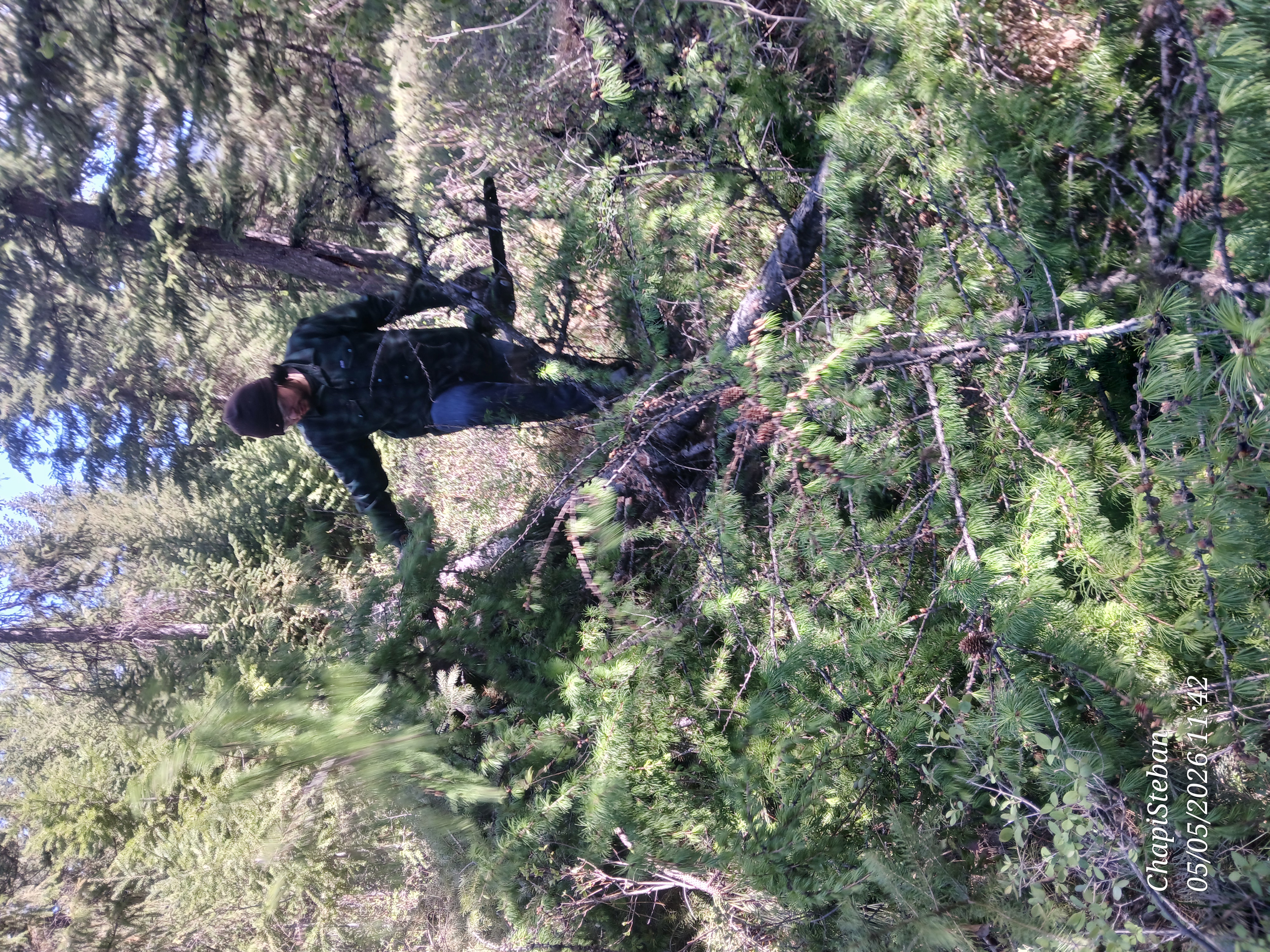
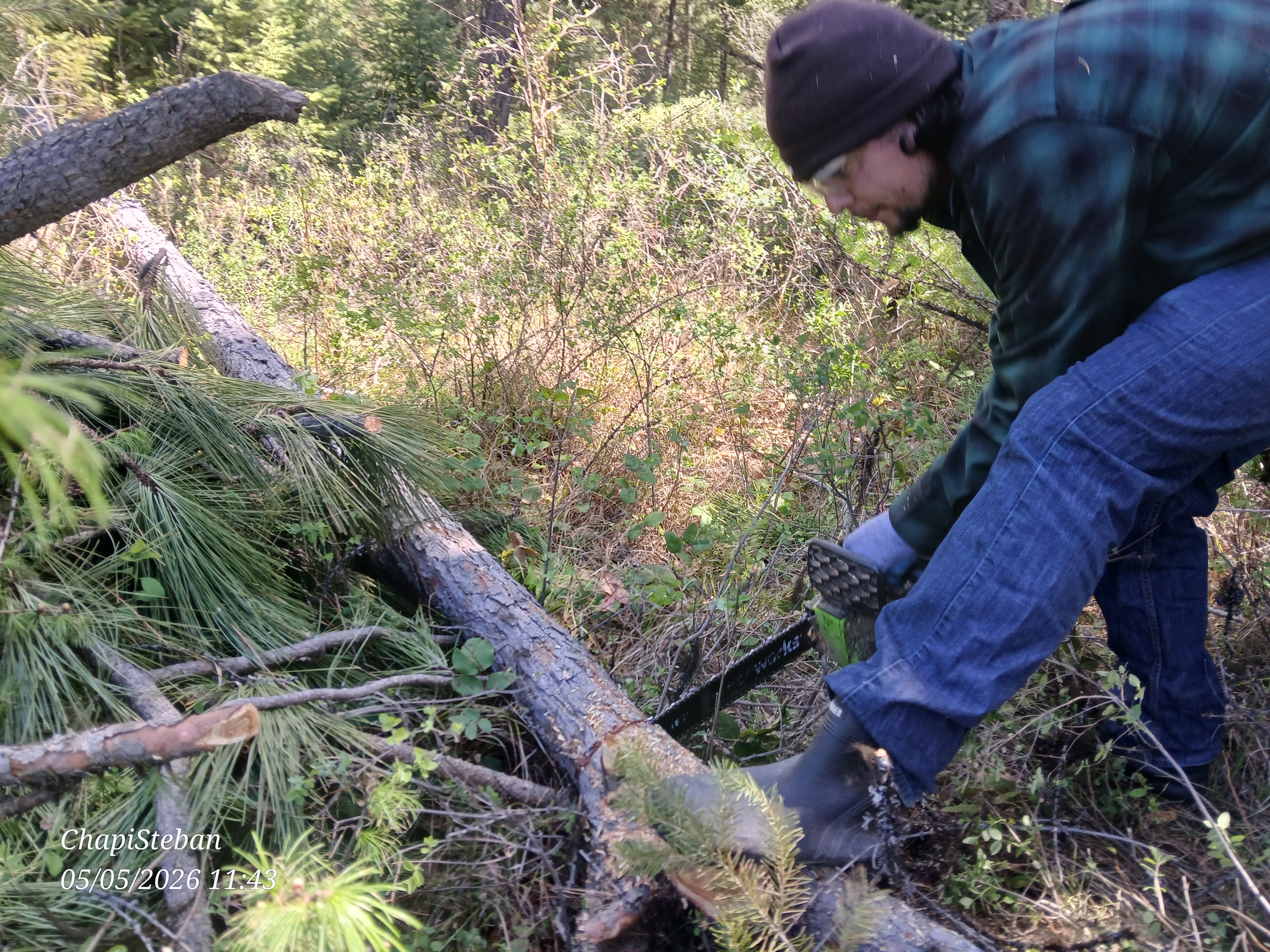
We pushed through the rest of the morning with that in mind. By lunch, we had repaired two panels, filling them in solid, and dismantled a couple of older crisscross-style sections that were due for an upgrade. Each one needed new horizontal supports, so I went out and felled another live tree to keep the supply going — turning standing wood into something functional always feels like a full-circle moment.
After lunch, the pace shifted.
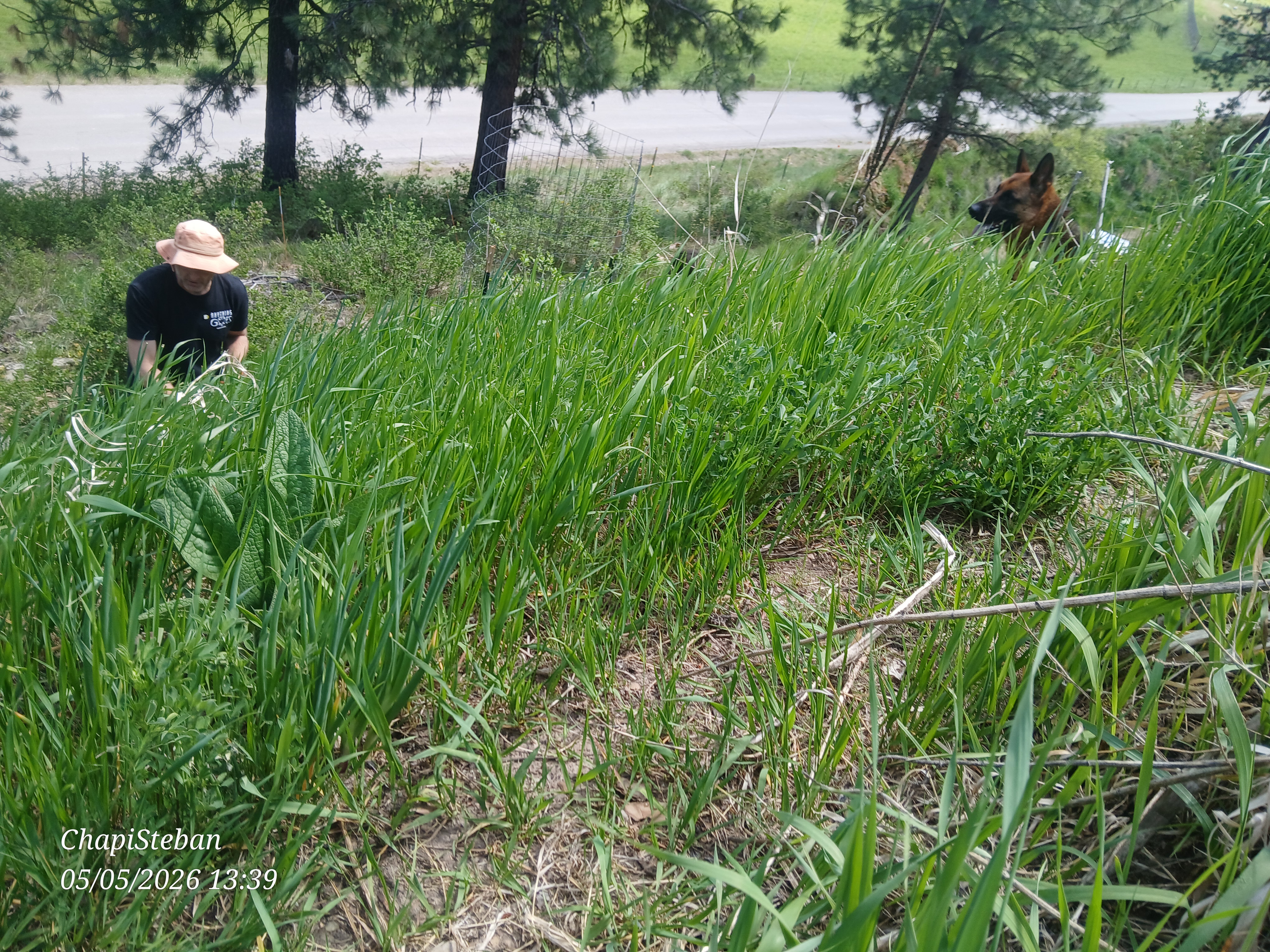
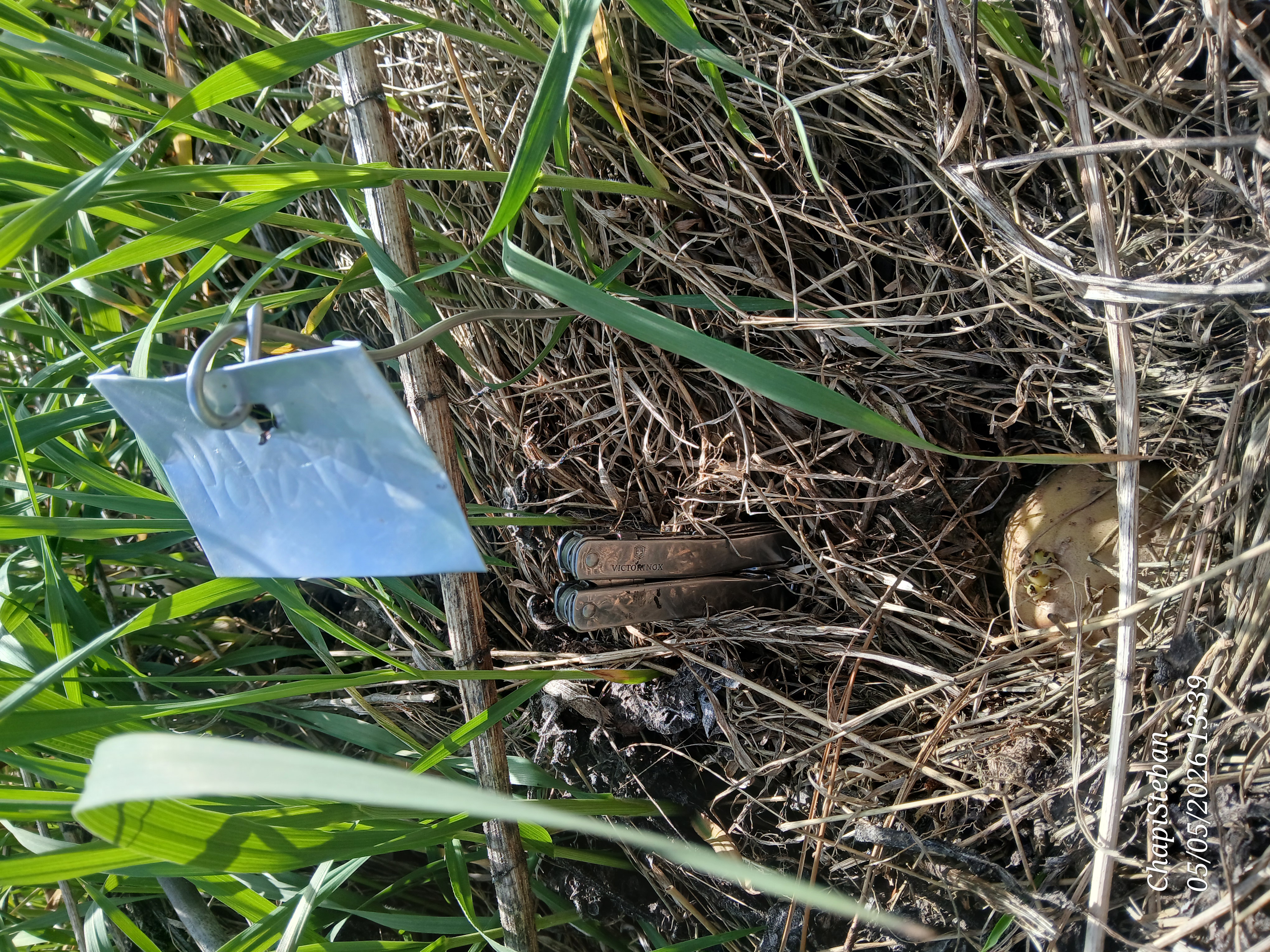
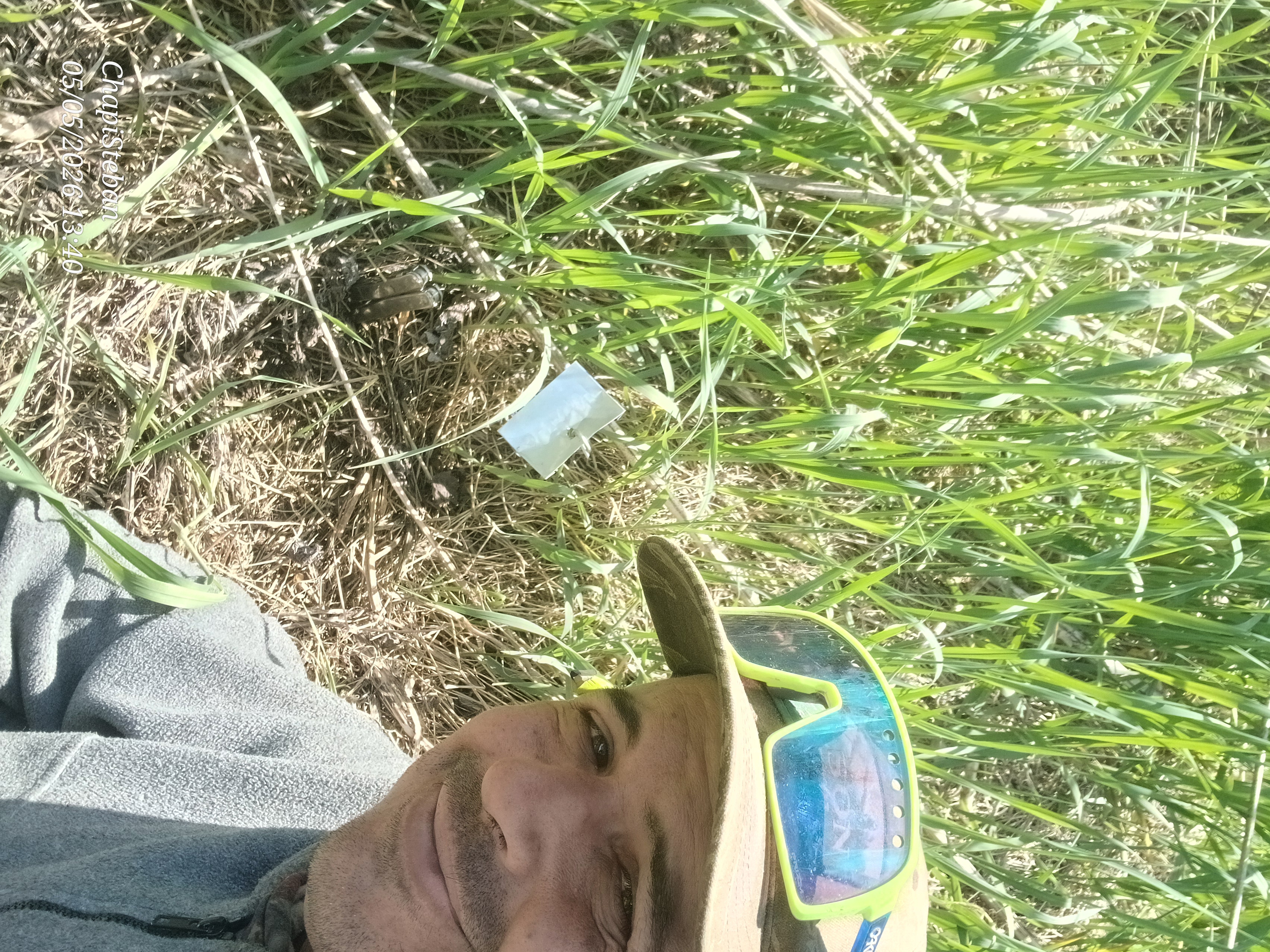
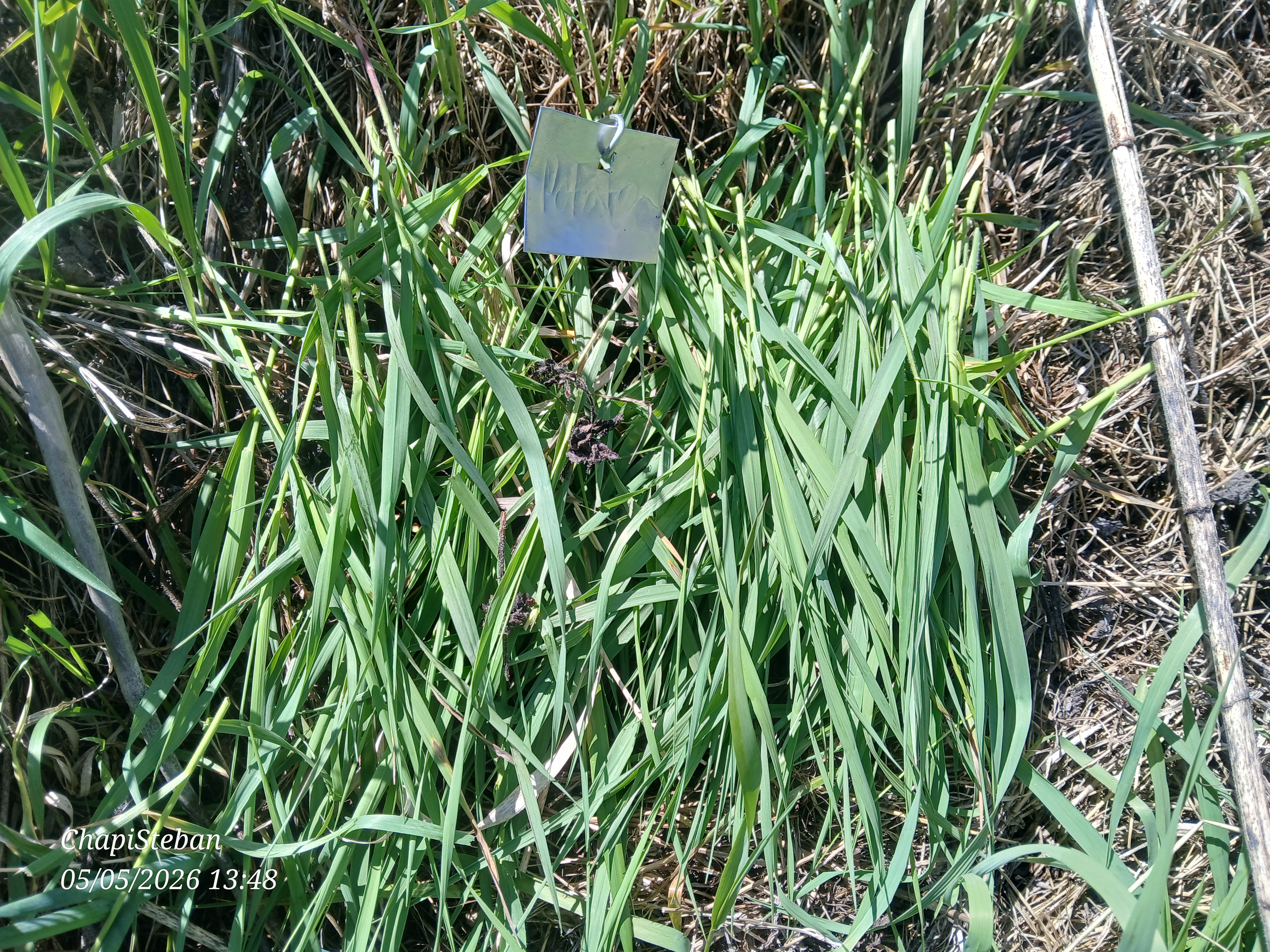
We traded tools for seeds and moved into the garden. We finished planting the remaining potatoes and put some seeds from the seed library into the soil — a quieter kind of work, but just as important. There’s a different kind of satisfaction in it… less immediate than building, but deeper in its own way.
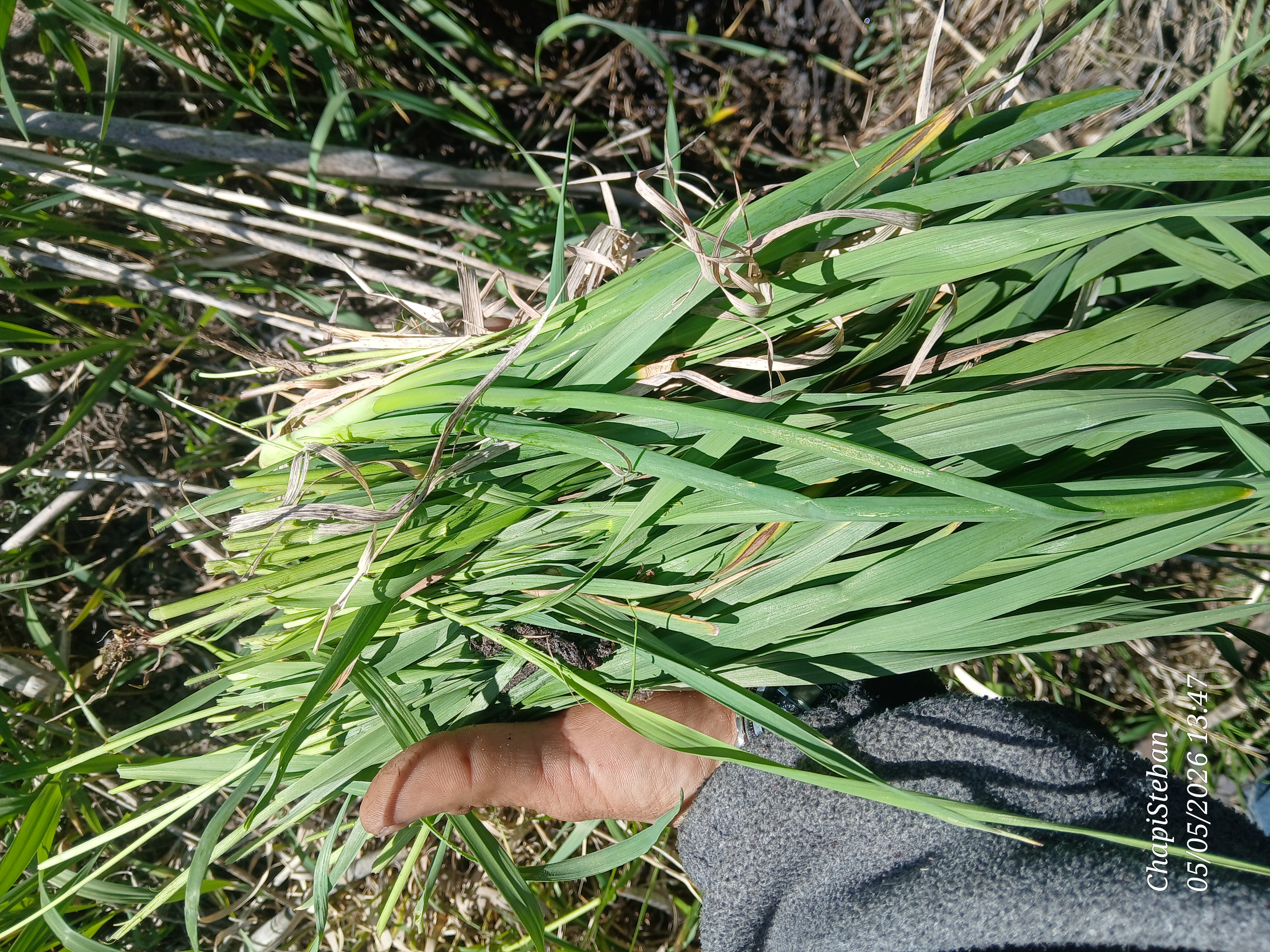
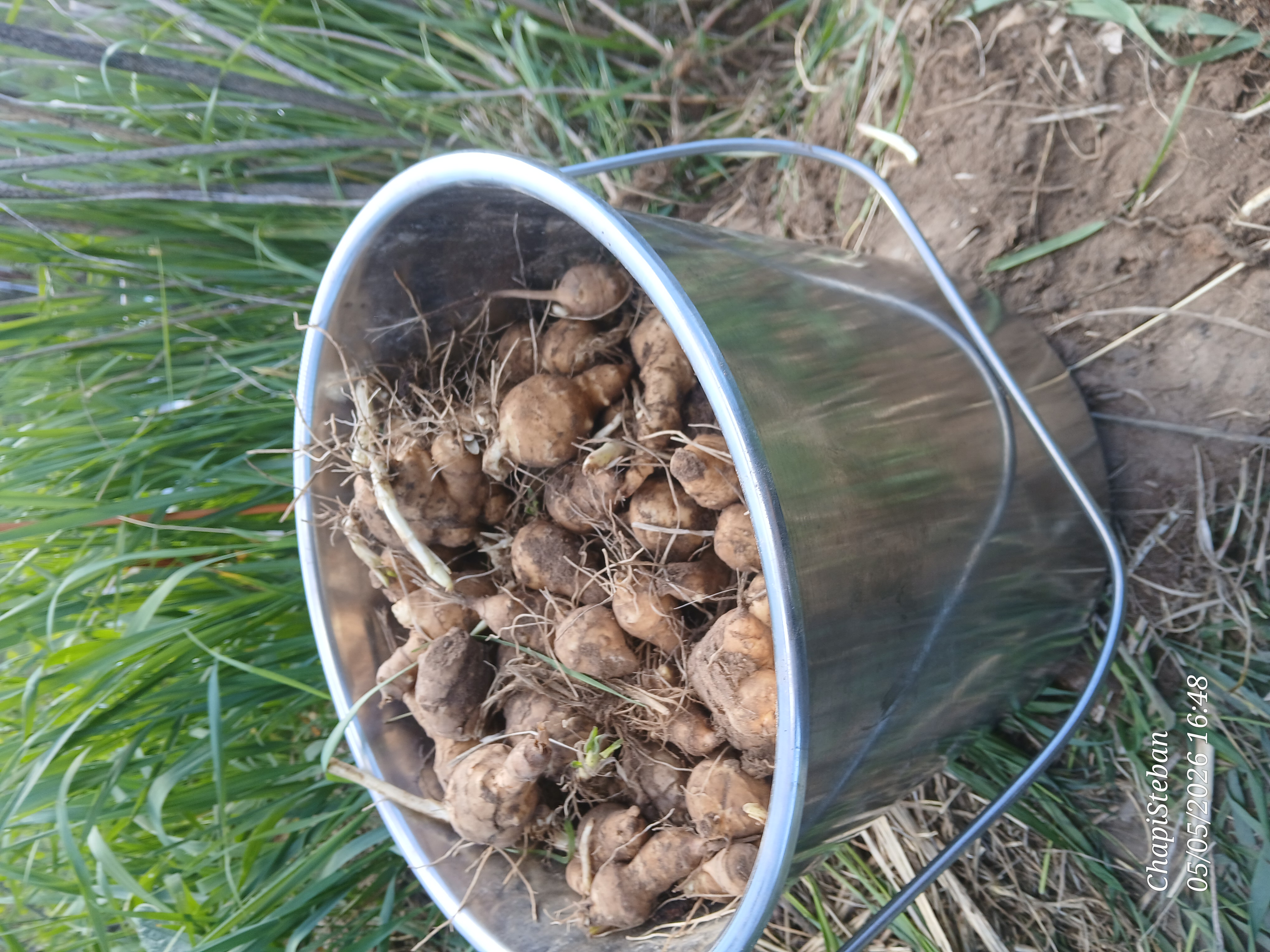
As the day wound down, we harvested sunchokes and walking onions, getting them cleaned up and ready for soup. It’s one of those moments that really ties the whole place together — building, planting, harvesting — all parts of the same rhythm.
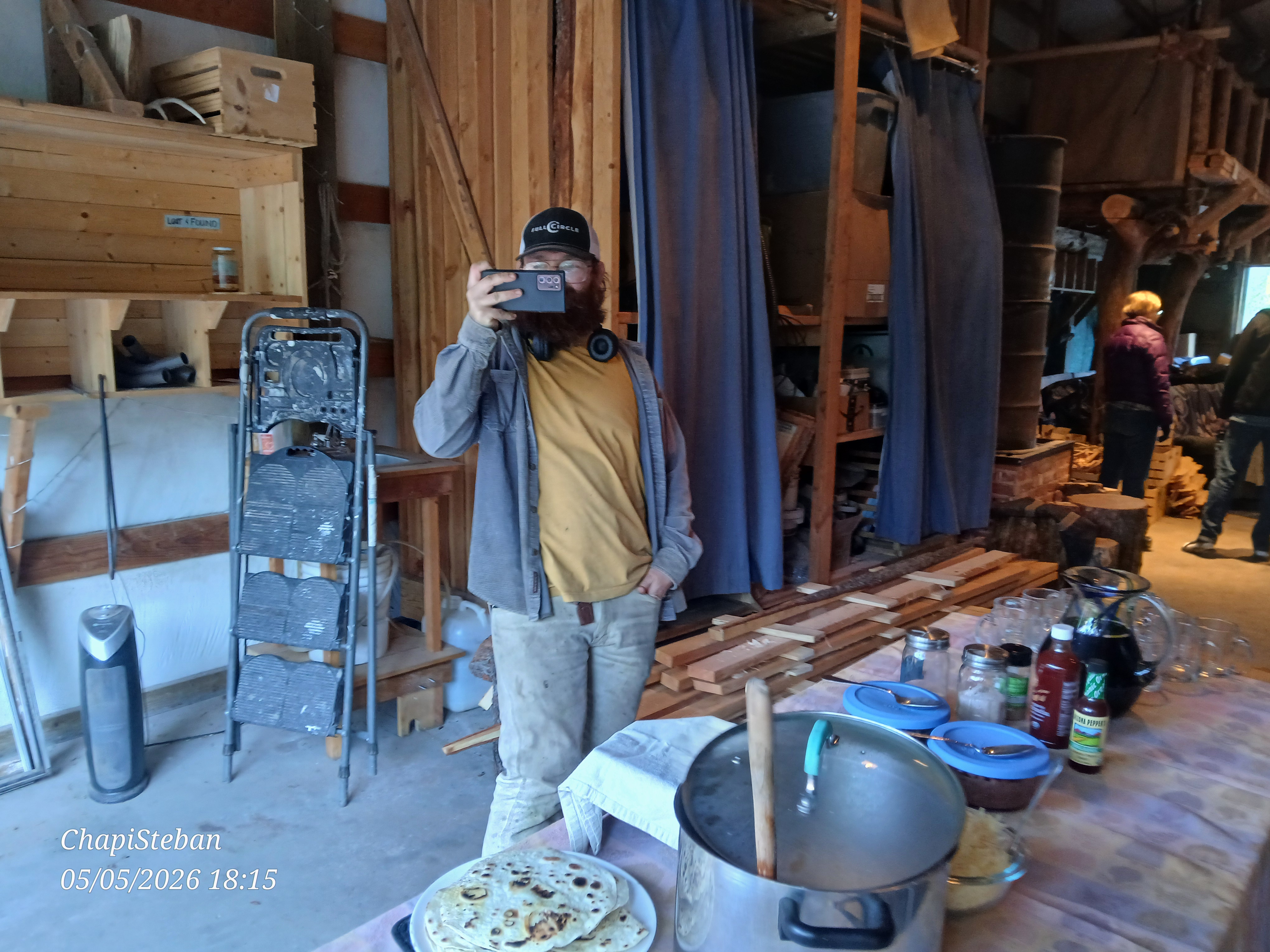
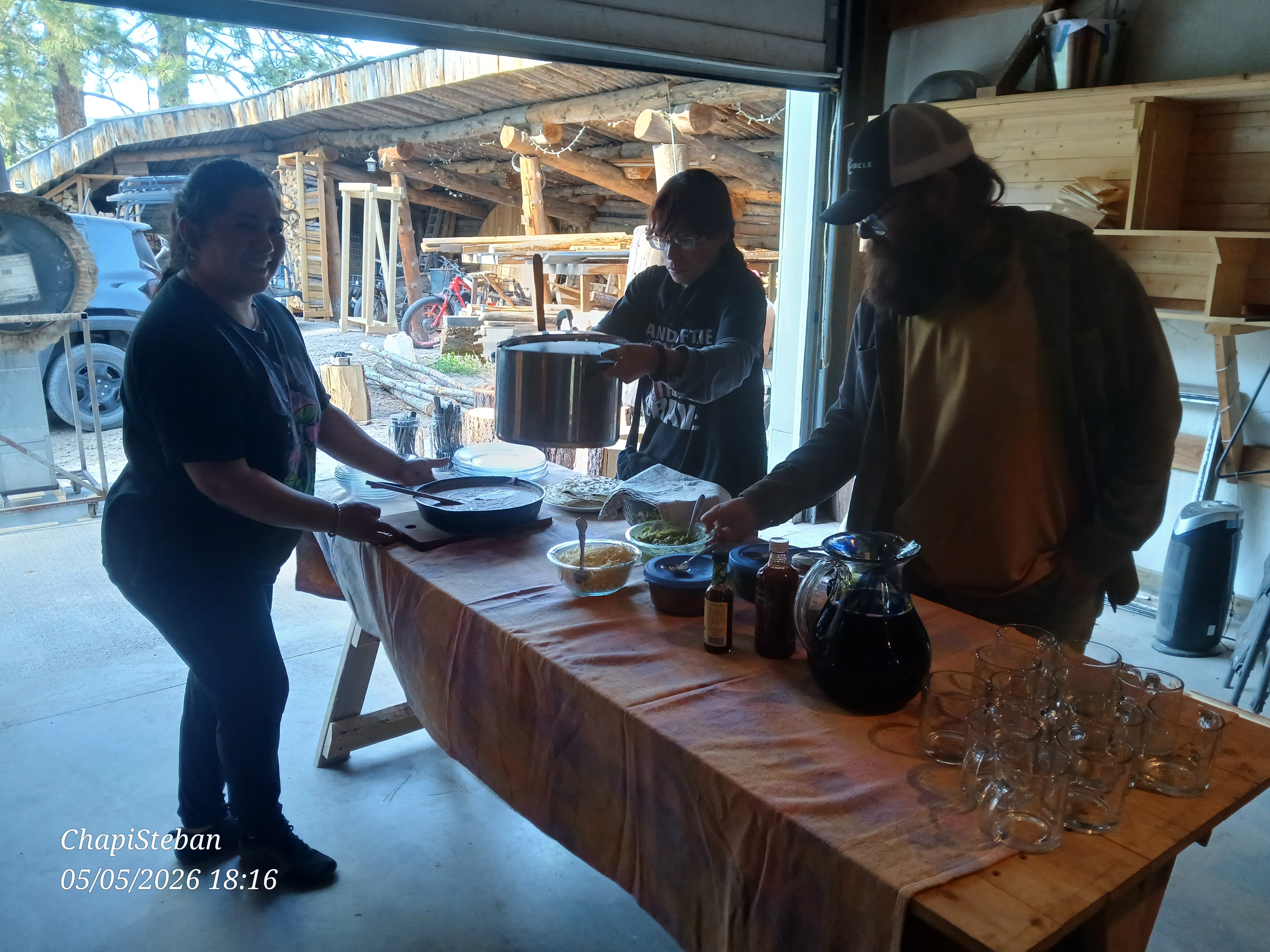
We wrapped it all up with Taco Tuesday at the classroom, good food and good company after a full day’s work. Hard to beat that kind of ending.
20260505_085228.jpg
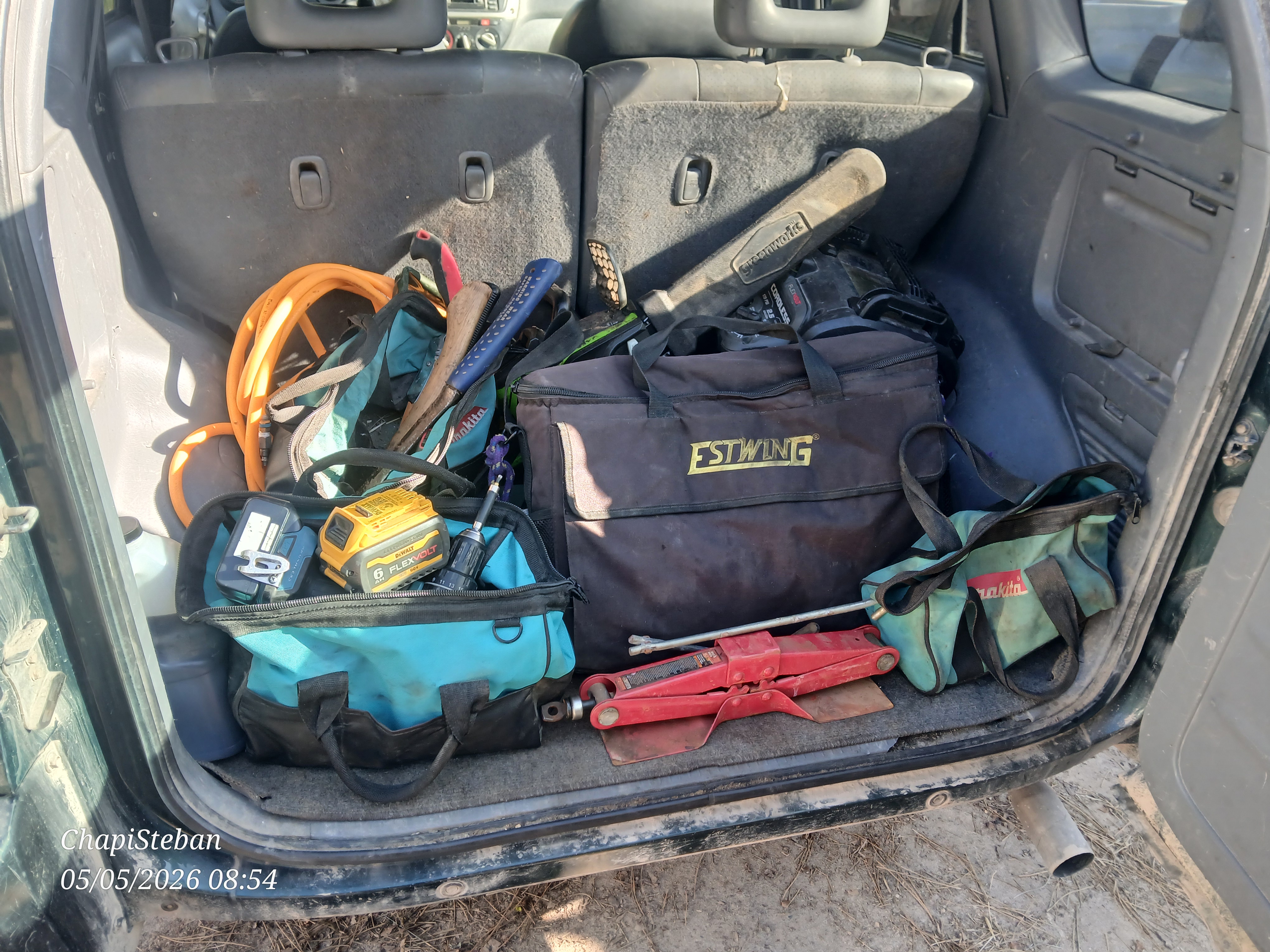
20260505_085414.jpg
Tools collected for the morning tasks
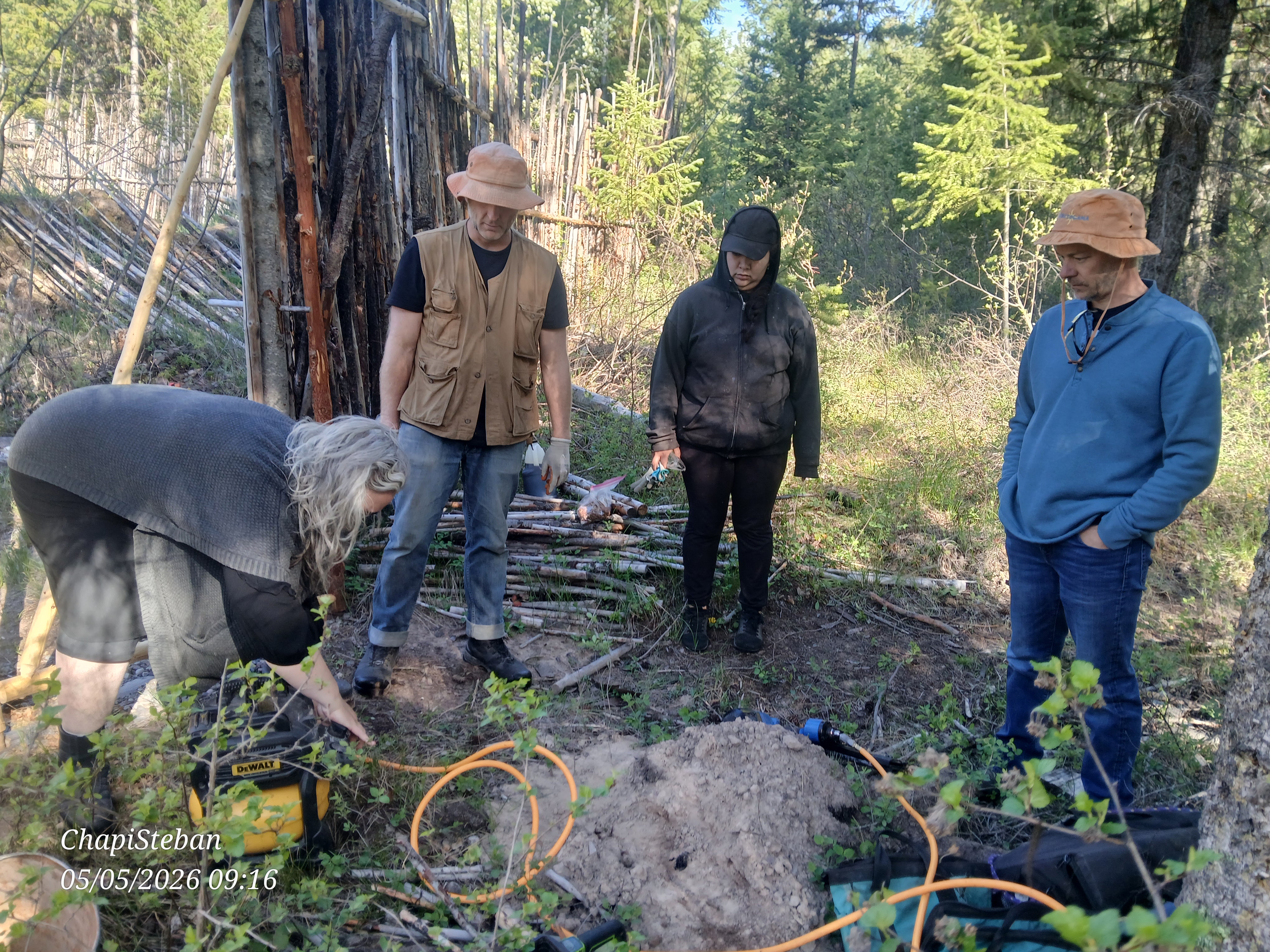
20260505_091638.jpg
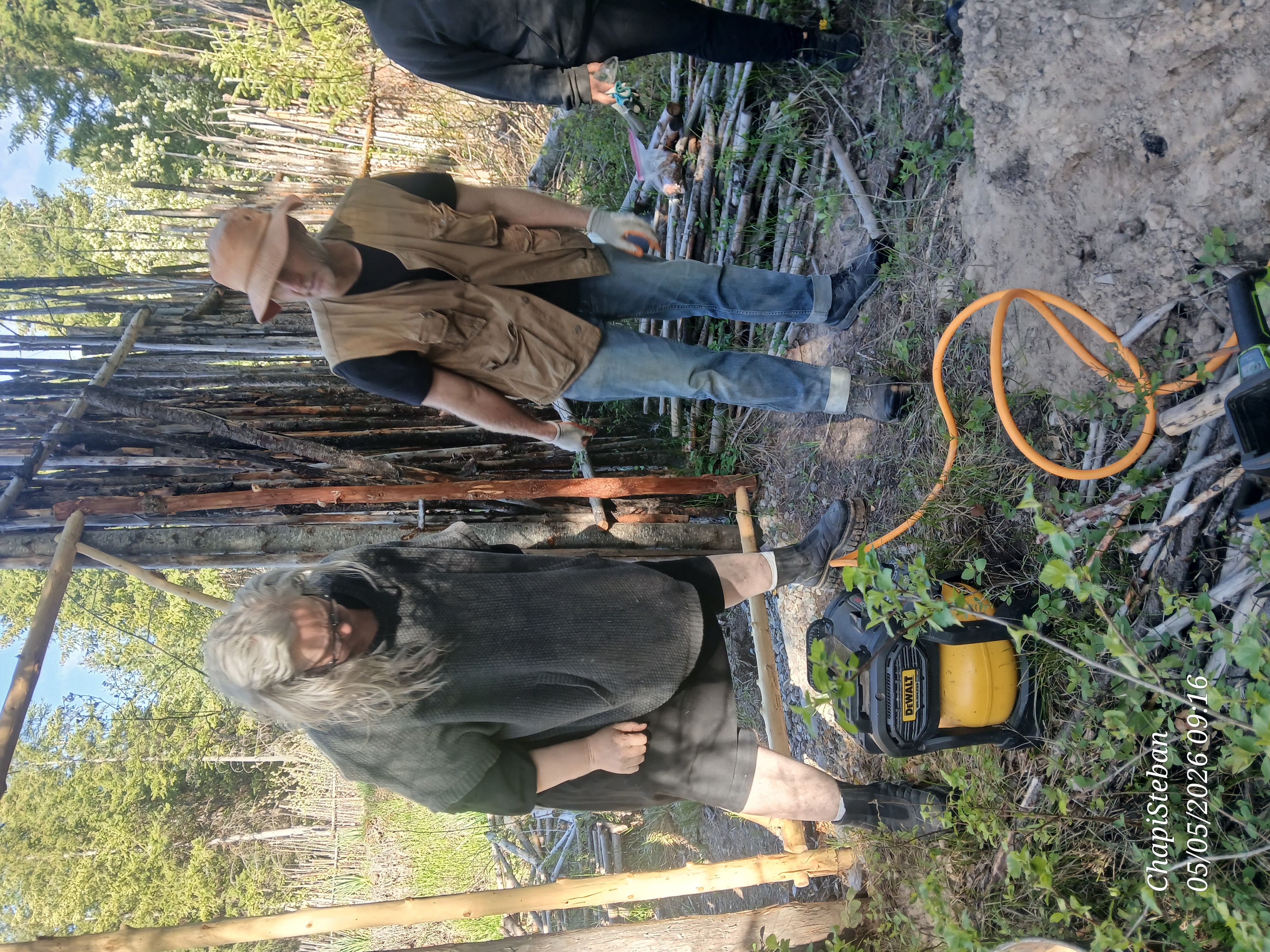
Stephen going over on how to properly setup the air compressor to the new boots
20260505_091649.jpg
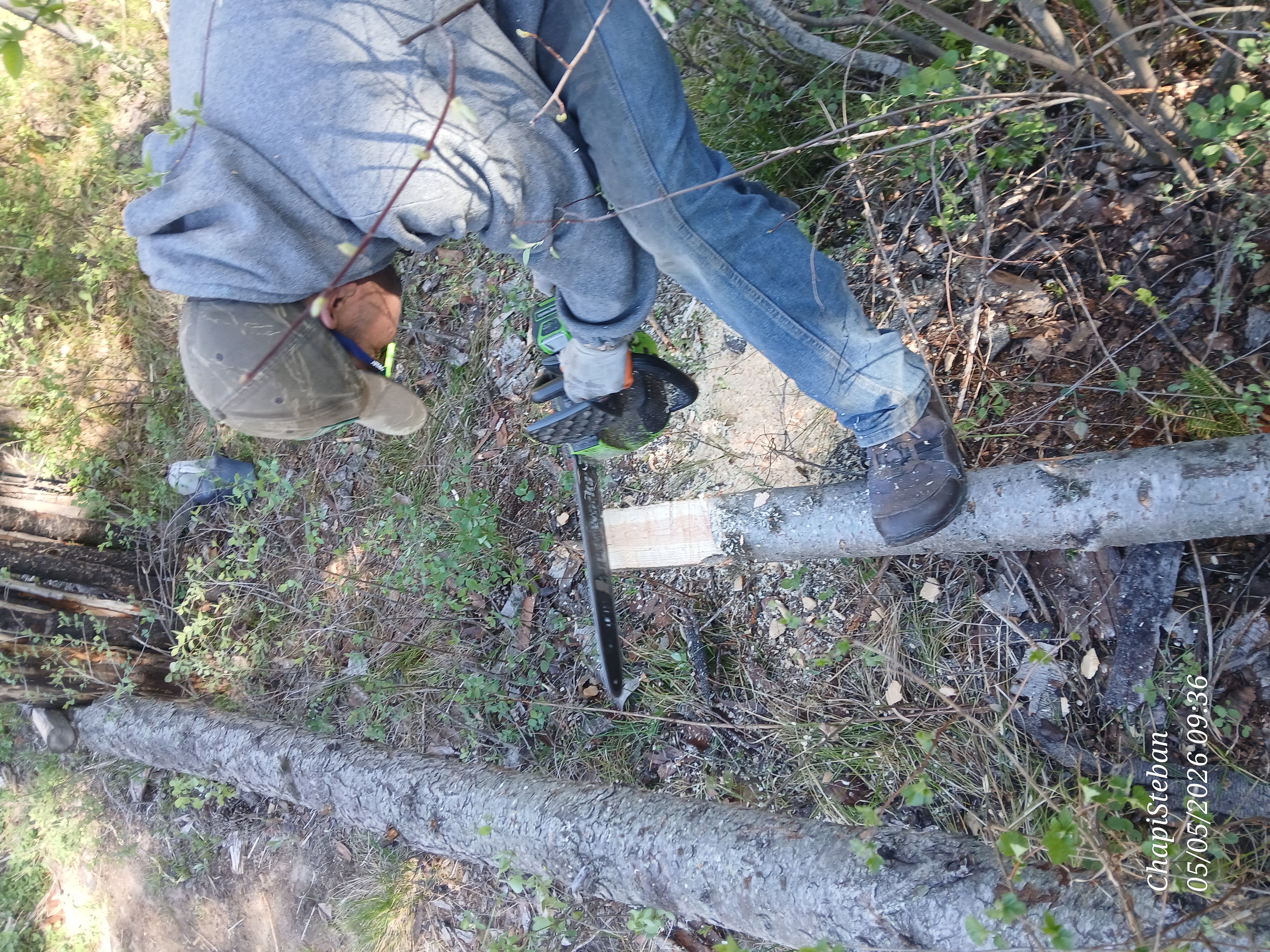
20260505_093615.jpg
Notching for horizontal supports, but also demonstrating to Lorenzo
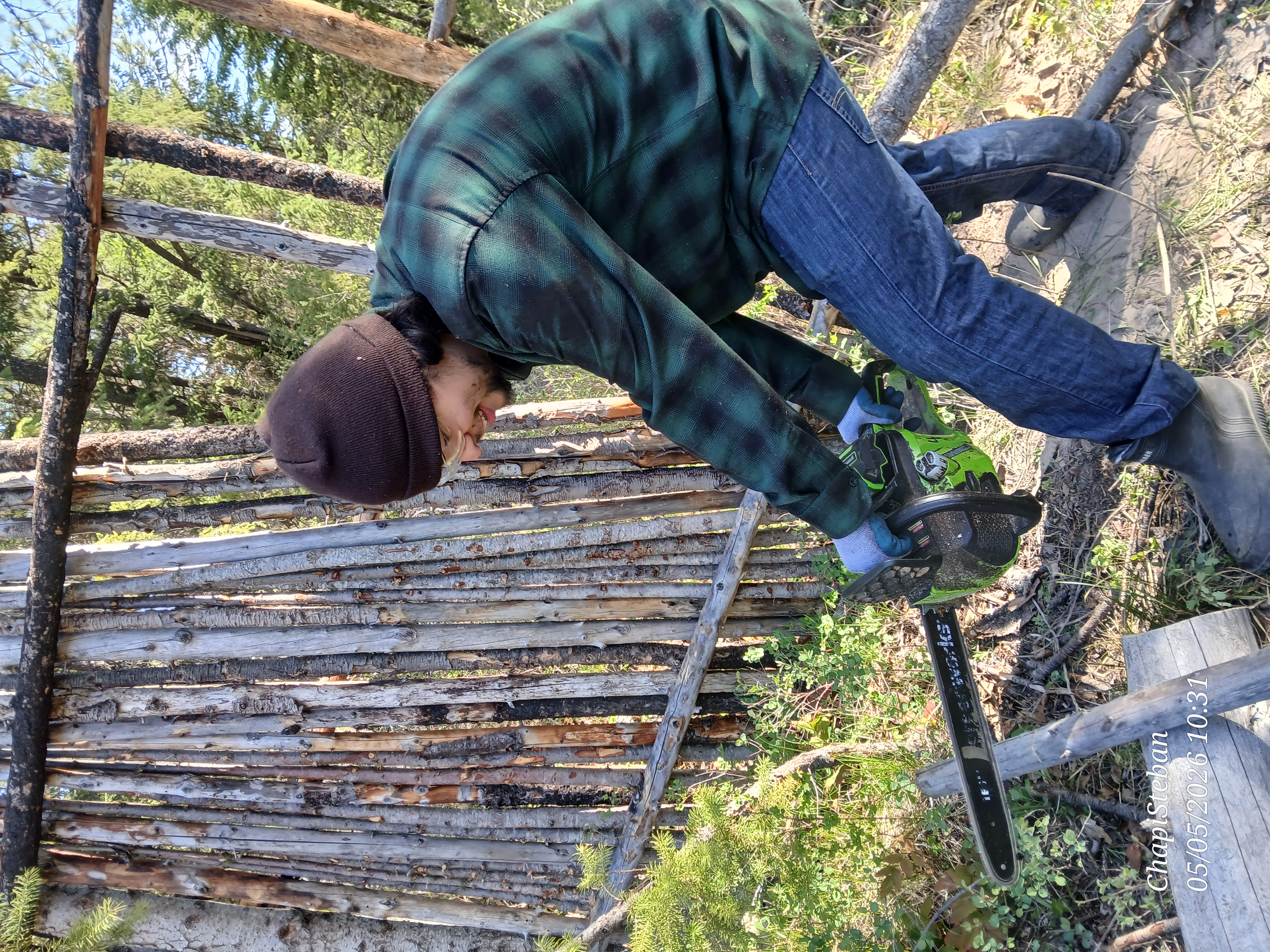
20260505_103109.jpg
Also I had him notching one horizontal support as well
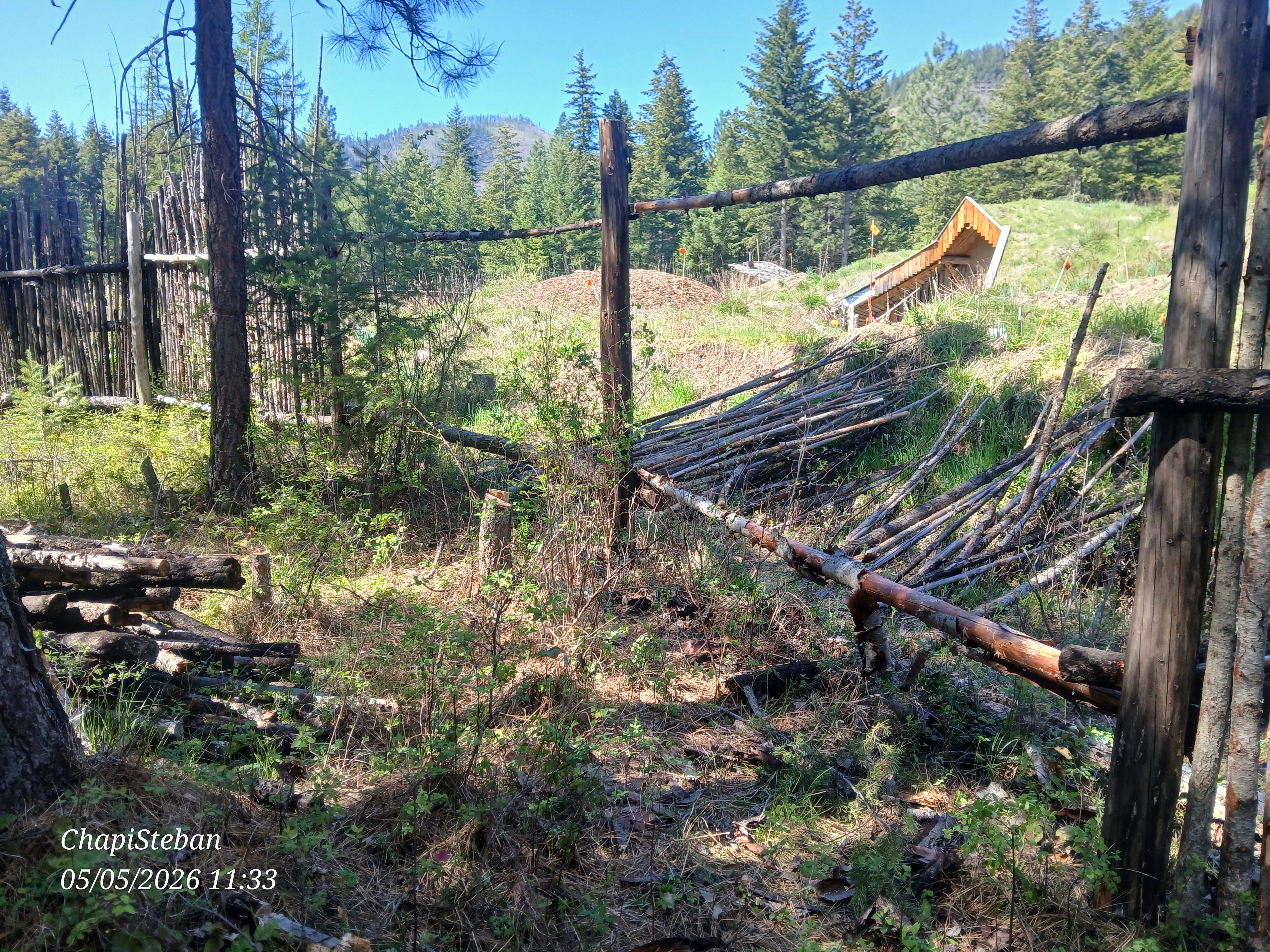
20260505_113308.jpg
These were two paneks that had that criss cross junkpoles. We removed and stacked those junkpoles in a pile ... they just need one additional horizontal support replacement. So I
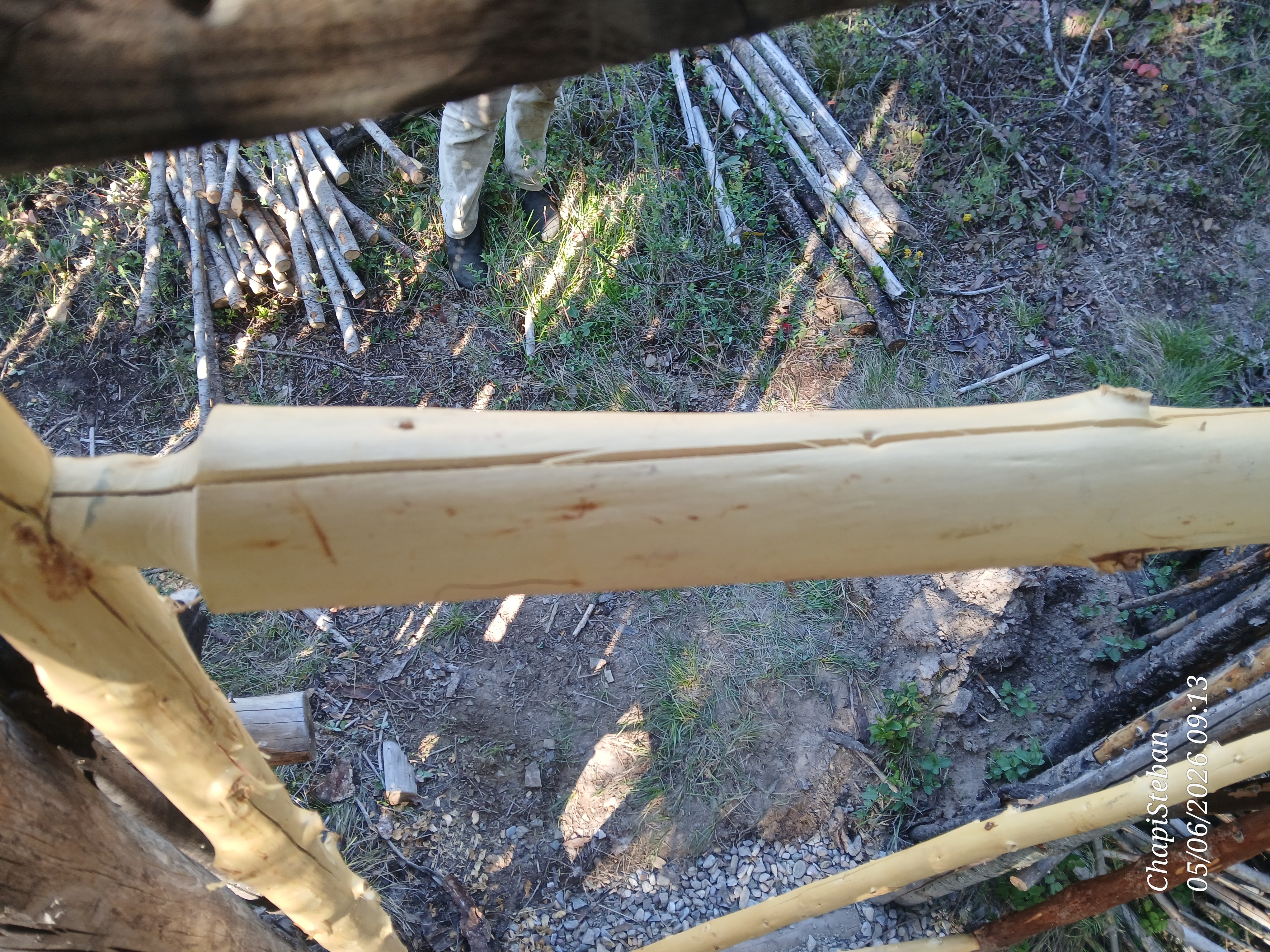
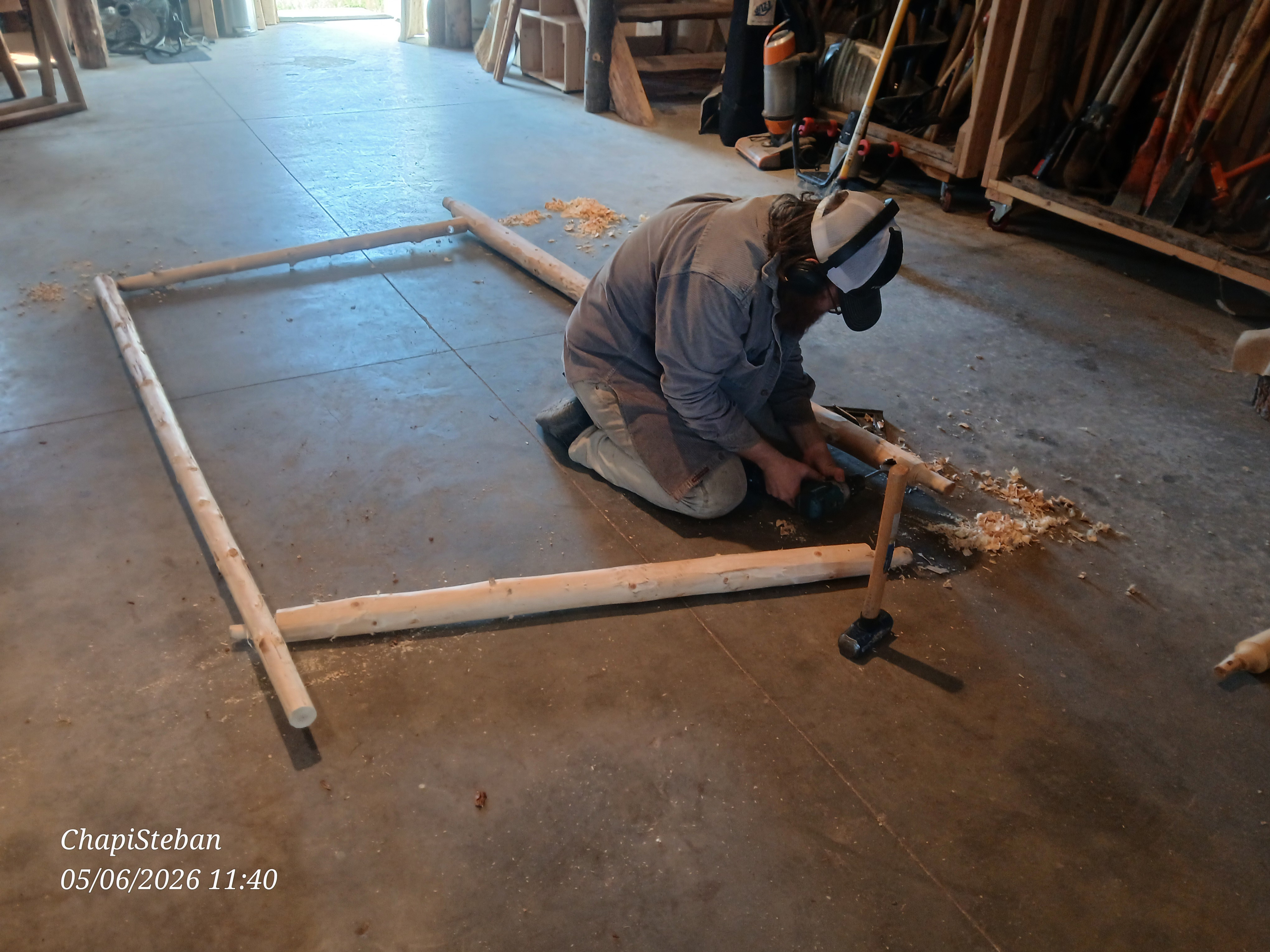
After the morning meeting, Seth and I were tasked with repairing the Cooper Cabin gate after Stephen noticed some damage yesterday that could’ve affected the integrity of the gate down the road. Once we removed the gate and brought it in for a closer look, we realized the damage was more serious than expected — the wood had checked at nearly every mortise and tenon joint, which is definitely a no-go in our book.
So instead of trying to patch it together, we decided to do it right and essentially rebuilt the entire gate from the ground up in the classroom. We worked steadily on it all the way up until lunch, taking the time to make sure everything fit solid and true.
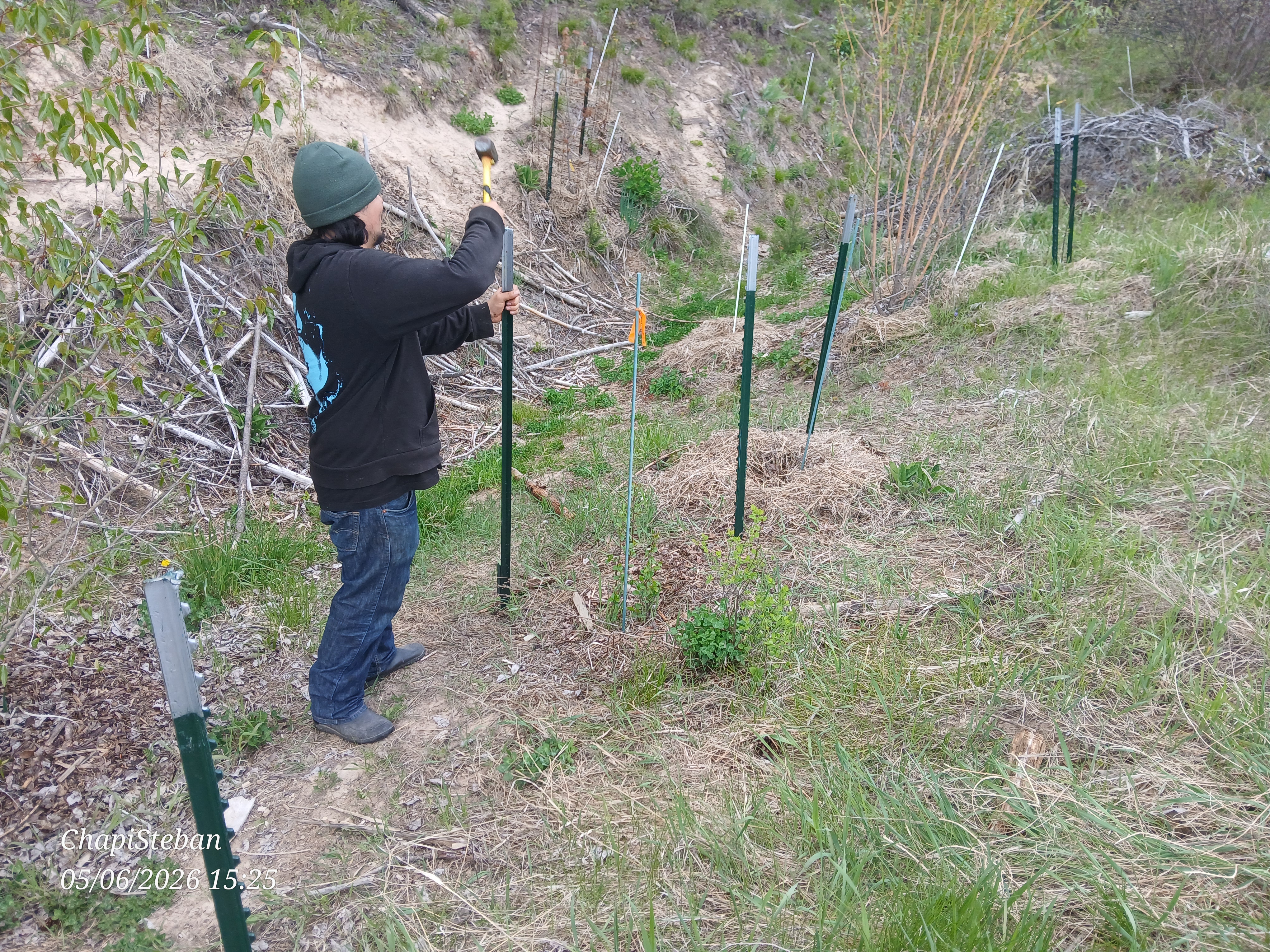
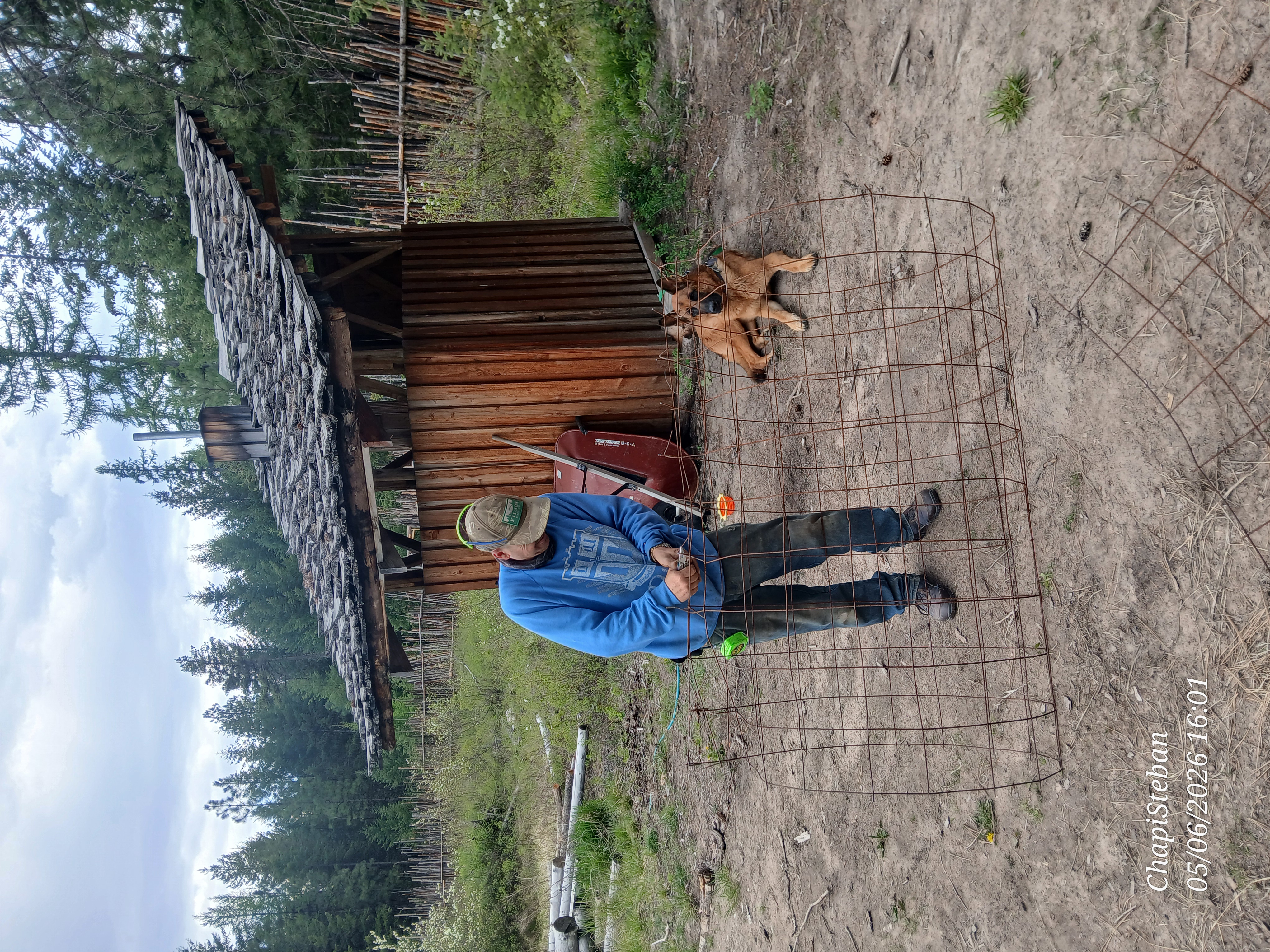
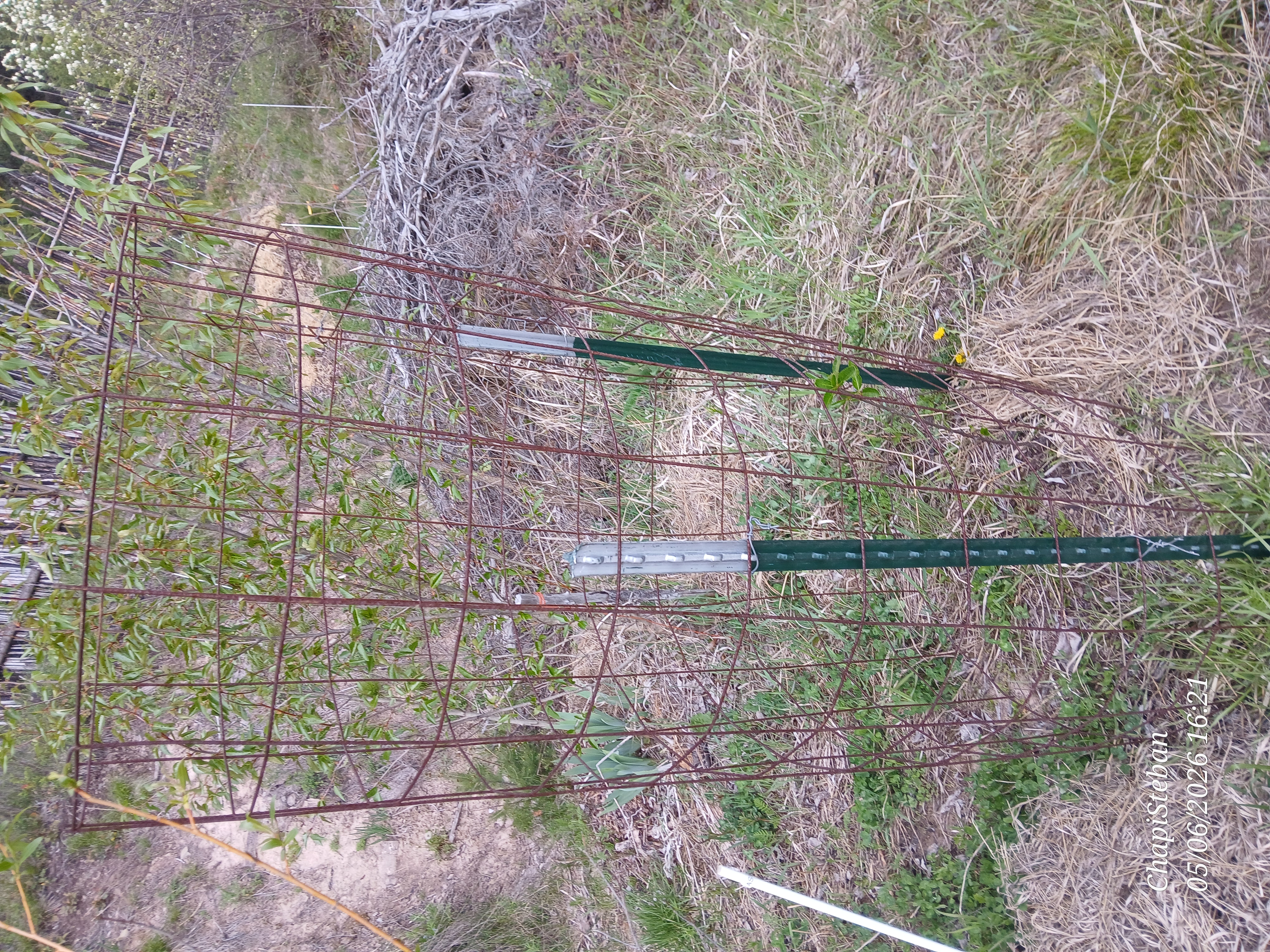
After lunch, Lorenzo and I were tasked with building protective cages for the fruit trees over at the Abbey. We gathered up the necessary tools and headed down toward the Pond within the lab to collect materials. From there, we cut six sections of cattle fencing down to 9-foot lengths and hauled everything over to the Abbey, where we assembled and installed the fencing around six trees.
Another good day of balancing repair work, craftsmanship, and stewardship around the lab.
20260506_084953.jpg
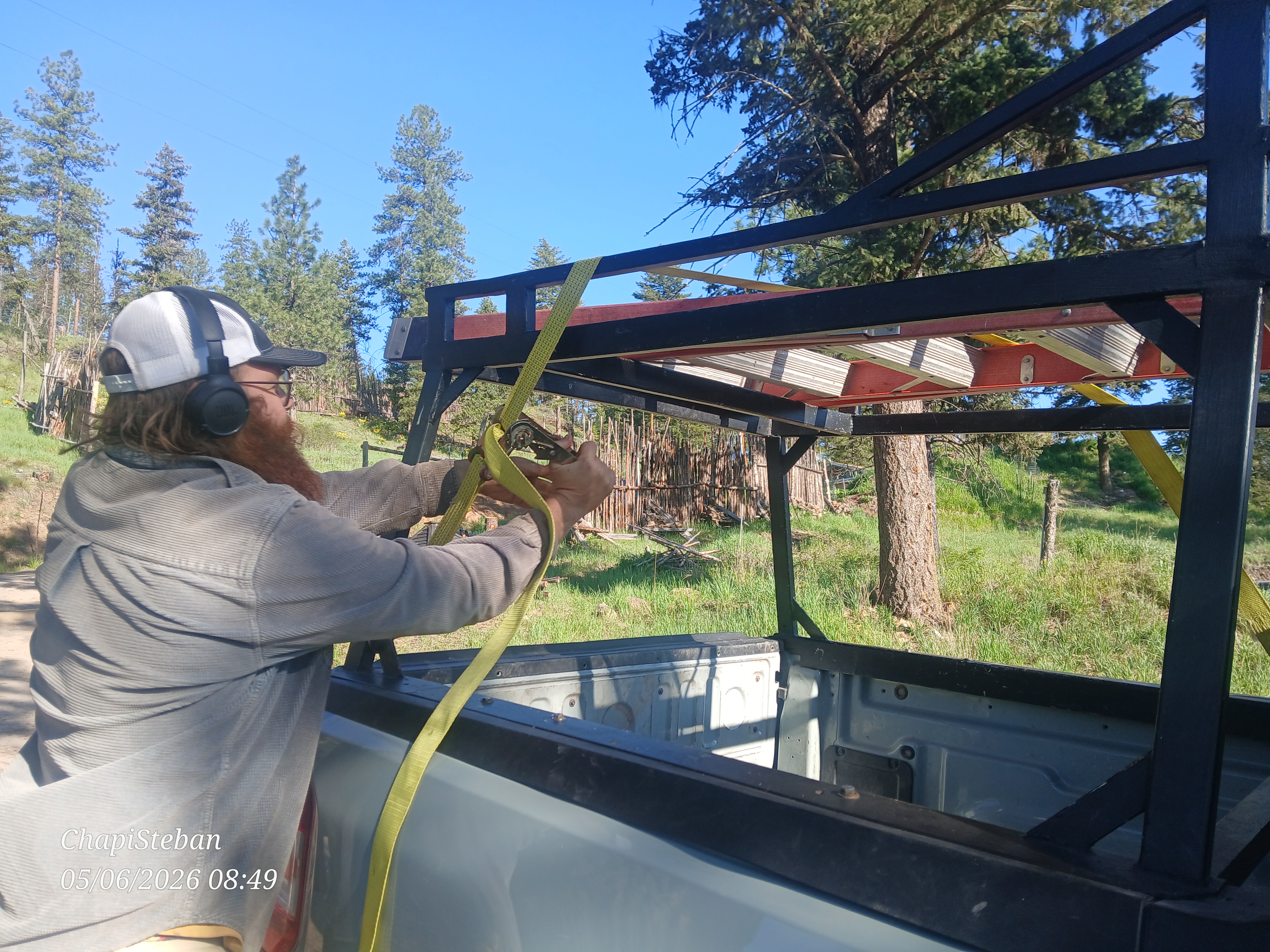
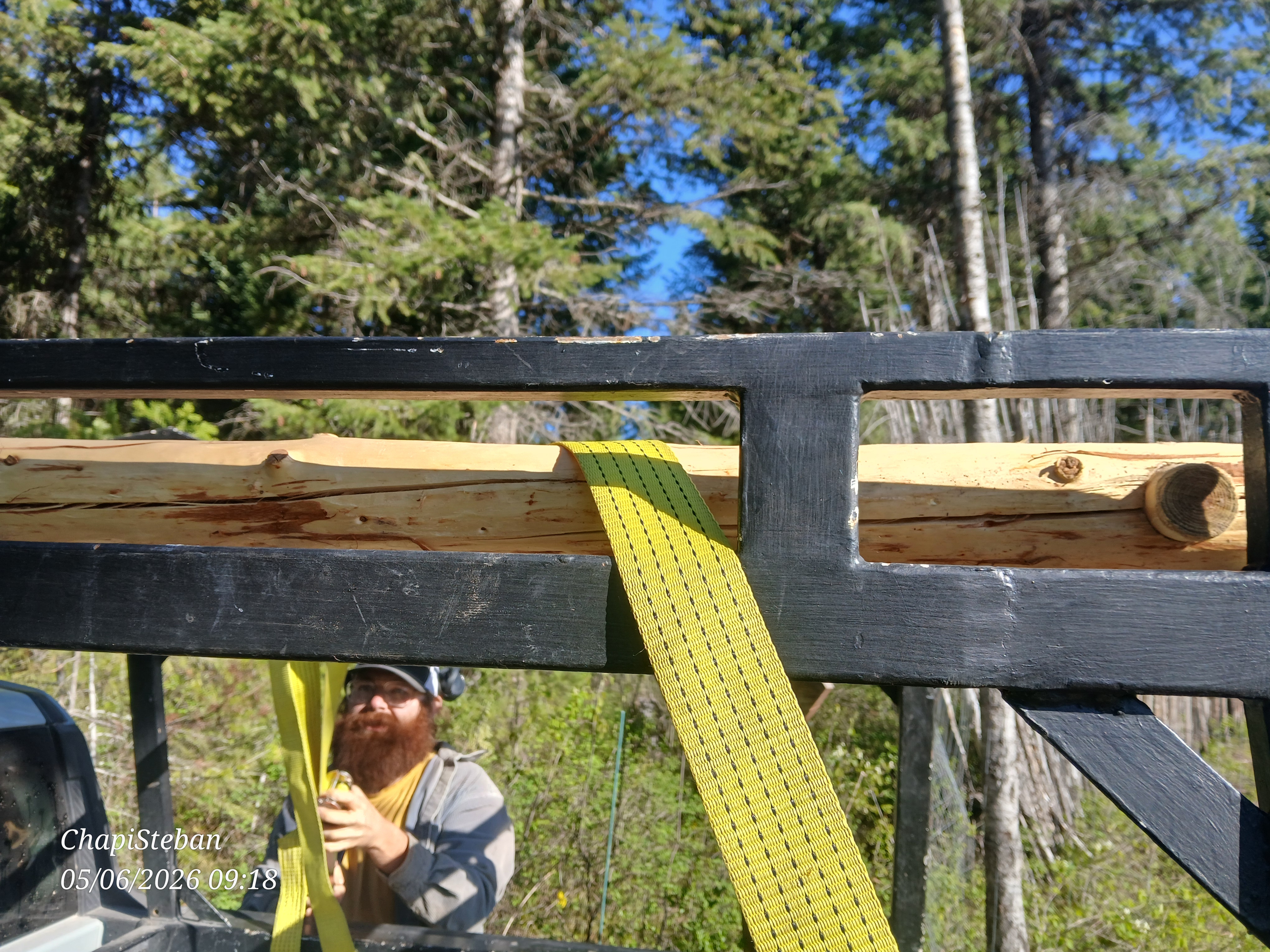
Loading up the ladder
20260506_090807.jpg
20260506_091350.jpg
20260506_091844.jpg
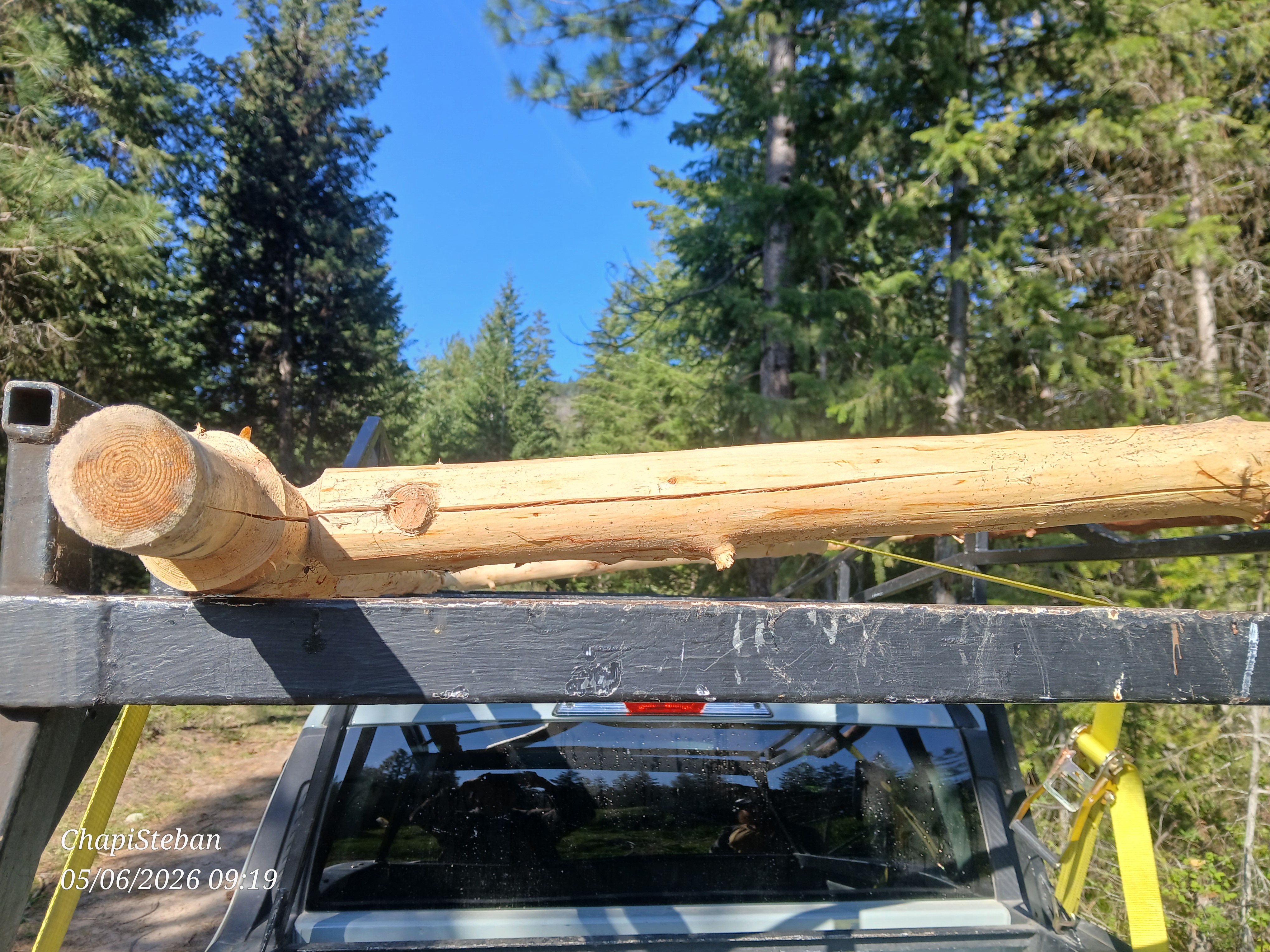
Securely fastened down
20260506_091956.jpg
Clearer view of the checking that developed since the day of installment
Do you have an idea of why the damage might of happened at the joints and how to prevent it in the future? Or perhaps it is semi-inevitable for the size of the gate and just needs periodic maintenance?
I'm very green to wood working so I'm not very experienced but I love what you folks did there. I would love to swap my dimensional lumber gate for something more.... natural?
If the wood is green, it's going to check. If it's dry, it'll've already checked. At least then you'll know how bad and where the checks are I guess. Orienting them downwards would help when the rain falls on them. I think beefier logs for the mortise (hole) pieces would be helpful
I make a Maple Syrup instructional movie! Check it out HERE SKIP books, get 'em while they're hot!!! Skills to Inherit Property See me in a movie building a massive wood staircase:Low Tech Lab Movie
General best practice is to use thoroughly dried pieces for the tenons. This would allow selection to avoid any that check excessively and to form the tenon after the wood has shrunk. If the diagonal piece were anchored to the vertical posts just above and below where the cross pieces are connected, those three pieces could serve exclusive tenon duty, only the verticals would have call to be green for mortise purposes. Also, if they were cut in the dead of winter, they would have less sap to evaporate and less severity to the checking.
In an arid environment with more limited insect activity like the lab, I'd be tempted to try leaving the bark on those vertical green mortises to slow the rate of moisture evaporation from the wood and hence the severity of any checking. Perhaps also some sort of removable coating on the bottom or both ends for the first year...?
Dry tenons in green mortises should cause the wood to shrink such that it will secure itself and not need pegging. I also wonder if the pegs used here could have been a size or two smaller?







 12