• Post Reply Bookmark Topic Watch Topic
  • New Topic
permaculture forums growies critters building homesteading energy monies kitchen purity ungarbage community wilderness fiber arts art permaculture artisans regional education skip experiences global resources cider press projects digital market permies.com pie forums private forums all forums
this forum made possible by our volunteer staff, including ...
master stewards:
  • Carla Burke
  • John F Dean
  • Nancy Reading
  • r ransom
  • Jay Angler
  • Timothy Norton
stewards:
  • paul wheaton
  • Pearl Sutton
  • Anne Miller
master gardeners:
  • Christopher Weeks
  • M Ljin
gardeners:
  • Jim Garlits
  • thomas rubino
  • William Bronson

Domesticating Wild Plants

 
Posts: 49
Location: Half acre on a hill in Central Alabama, Zone 8a and 8b
38
hugelkultur fungi foraging
  • Likes 8
  • Mark post as helpful
  • send pies
    Number of slices to send:
    Optional 'thank-you' note:
  • Quote
  • Report post to moderator
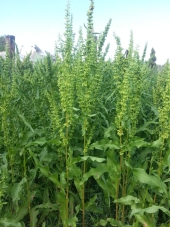
Wondering how many folks have taken the cheap and easy route of transplanting edible "weeds" from roadsides and yards into their garden plots?
We've been amazed at what native and naturalized plants can do when given a little space and decent soil.

So far, we've has success with wild onion/garlic, lambsquarters, chickweed, curly dock, dandelion, dewberries, elderberries, plantains, clingers, ground cherries, sorrel, pecans and muscadines, all of which have come up on their own, and thrived in our garden beds.

What local species have others adopted successfully into their gardens and food forests?
NativeSpecies.png
[Thumbnail for NativeSpecies.png]
Dewberries4-24.jpg
[Thumbnail for Dewberries4-24.jpg]
 
pollinator
Posts: 973
Location: Illinois
229
  • Likes 5
  • Mark post as helpful
  • send pies
    Number of slices to send:
    Optional 'thank-you' note:
  • Quote
  • Report post to moderator
Chicory. Black raspberries.
 
Thom Bri
pollinator
Posts: 973
Location: Illinois
229
  • Likes 10
  • Mark post as helpful
  • send pies
    Number of slices to send:
    Optional 'thank-you' note:
  • Quote
  • Report post to moderator
I am kind of going in the opposite direction. I let everything go to seed and grow the survivors, so I suppose they may be re-wilding a bit. Tomatoes, lettuce, various greens like arugula, broccoli, beans.
 
Posts: 101
Location: Egnar, CO -- zone 5ish, semi-arid, high elevation
37
ancestral skills tiny house composting toilet cooking seed solar wood heat rocket stoves greening the desert homestead composting
  • Likes 10
  • Mark post as helpful
  • send pies
    Number of slices to send:
    Optional 'thank-you' note:
  • Quote
  • Report post to moderator
I choose to let most "weeds" grow, as if they were a cover crop, because in my climate having anything green putting roots into the ground is better than nothing. Before I make the decision to pull them out or let them be, I try to find all the information I can about whether that species has been utilized by anyone for food or some other useful purpose. In North America, http://naeb.brit.org/ is an excellent resource for this sort of information.

But my gods, I really wish my local species/subspecies of lambsquarters tasted better than it does. I haven't tried cooking it yet, because cooked greens in general aren't really a part of my cooking repertoire. But compared to raw spinach or lettuce or kale, the raw lambsquarters has an unpleasant astringency that I just can't get over. I guess some people like that in their food, but it's not for me.

Like Thom said, I'm more interested in verified tasty plants that have the potential to survive without me babying them. For example this spring I have arugula that self-seeded and is growing like a weed, so I'm 100% going to lean into that and see how much free salad I can generate next spring.
 
Yeardly Arthur
Posts: 49
Location: Half acre on a hill in Central Alabama, Zone 8a and 8b
38
hugelkultur fungi foraging
  • Likes 6
  • Mark post as helpful
  • send pies
    Number of slices to send:
    Optional 'thank-you' note:
  • Quote
  • Report post to moderator

Thom Bri wrote:I am kind of going in the opposite direction. I let everything go to seed and grow the survivors, so I suppose they may be re-wilding a bit. Tomatoes, lettuce, various greens like arugula, broccoli, beans.


We're definitely doing that, too. We can rely on peanuts, sweet potatoes and sunflowers coming up whether we plant them or not, and we usually see a mid-season crop of volunteer tomatoes, too.  But we're also adding tastier domestic versions of native plants as well, taking up the spaces where invasives used to be.
 
Posts: 194
55
kids urban seed
  • Likes 9
  • Mark post as helpful
  • send pies
    Number of slices to send:
    Optional 'thank-you' note:
  • Quote
  • Report post to moderator
We've had good luck with ground cherries doing exactly this. They showed up as volunteers one year and we just started giving them better soil and more space. Now they come back reliably every season without much effort at all.
 
steward
Posts: 18973
Location: USDA Zone 8a
4803
dog hunting food preservation cooking bee greening the desert
  • Likes 4
  • Mark post as helpful
  • send pies
    Number of slices to send:
    Optional 'thank-you' note:
  • Quote
  • Report post to moderator
Years ago, when we had our homestead we dug up some Bluebonnets off the side of the road and transplanted them back near the chicken coop.

For years, there would one or two plants come up, I assume from the seeds that dropped.

When we lived in the Piney Woods of Texas, we dug up Daffodils from the side of a road and transplanted then along our front walkway.  They came up year after year while we lived there.

I wanted to dig up the Milkweed that grows in our forest though google said that variety would not survive transplanting.

We have Strawberry Cactus, aka Pitaya that I want to transplant maybe in the fall as spring is too rainy this year where we usually have a drought.
 
Posts: 2
Location: Madison, Kansas
  • Likes 4
  • Mark post as helpful
  • send pies
    Number of slices to send:
    Optional 'thank-you' note:
  • Quote
  • Report post to moderator
Ive found that wild plants that don’t transplant well, will grow happily and easily from seed. We’ve filled our shady woods with dame’s rocket by harvesting the seed heads and tossing them in the shade. The pollinators love the early spring flowers and they are very fragrant at night. We’ve tried digging some up but they didn’t do well and it was a lot of work. Now we just wait for the wild plants to go to seed then collect.
 
And then the entire population worshiped me like unto a god. Well, me and this tiny ad:
grow your own garden and build your own home in the gardening gardeners program
https://wheaton-labs.com/bootcamp
reply
    Bookmark Topic Watch Topic
  • New Topic