• Post Reply Bookmark Topic Watch Topic
  • New Topic
permaculture forums growies critters building homesteading energy monies kitchen purity ungarbage community wilderness fiber arts art permaculture artisans regional education skip experiences global resources cider press projects digital market permies.com pie forums private forums all forums
this forum made possible by our volunteer staff, including ...
master stewards:
  • Carla Burke
  • Nancy Reading
  • paul wheaton
  • John F Dean
  • r ransom
  • Jay Angler
stewards:
  • Timothy Norton
  • Tereza Okava
  • Pearl Sutton
master gardeners:
  • Christopher Weeks
  • M Ljin
gardeners:
  • Jeremy VanGelder
  • Megan Palmer
  • Thekla McDaniels

Using encaustic medium (damar resin & beeswax) to make medieval seals!

 
steward
Posts: 22735
Location: Pacific Northwest
13504
13
homeschooling hugelkultur kids art duck forest garden foraging fiber arts sheep wood heat homestead
  • Likes 9
  • Mark post as helpful
  • send pies
    Number of slices to send:
    Optional 'thank-you' note:
  • Quote
  • Report post to moderator
This year I'll be teaching Hands-On Medieval History in my kids' homeschool co-op. I wanted them to learn about the Magna Carta and other medieval official documents and then make their own. Of course, that means making seal stamps (matrixes) and using sealing wax.

Fascinatingly enough, the medieval sealing wax was not the same as the sealing wax used today, or even during the 1700s. It was really just wax and resin, and was warmed with the hand--rather than melted over a candle.

I went down a long rabbit hole trying to figure out how to make this cool stuff. The first thing I read was this cool article by Imprint (from the University of Lincoln and the Aberystwyth University), where they make their own seal wax and color it with viridian (toxic teal made with copper) and vermillion (toxic red full of mercury). They struggled a lot to get the consistency right, and there were nasty fumes from heating the resin. That did not sound like something I wanted to mess with, but it still sounded super cool!

Imprint's historically accurate medieval sealing wax!


After diving down the sealing wax rabbit hole, I found this webpage detailing making wax tablets and wax seals. In the post, they say,

Artists' encaustic medium would serve well as sealing wax, but I believe from my experiments that three parts beeswax mixed with two parts encaustic medium would serve better for a writing tablet.
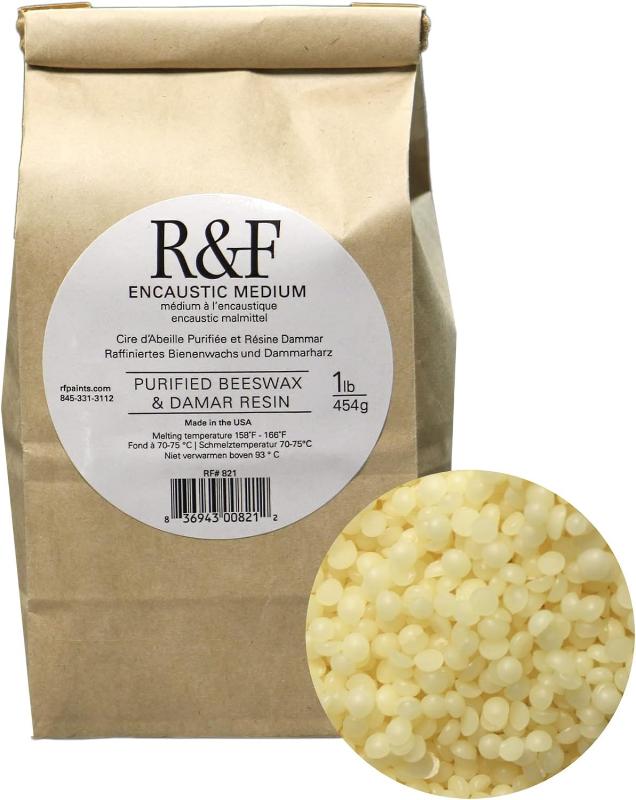
And I thought, "Hey, I could just buy this stuff and see if it works!" It's the same stuff used to make cool mummy paintings, and people still make encaustic paintings today.  So I ordered a bag of encaustic medium off of amazon and started experimenting!

Encaustic medium in nice, meltable pellets


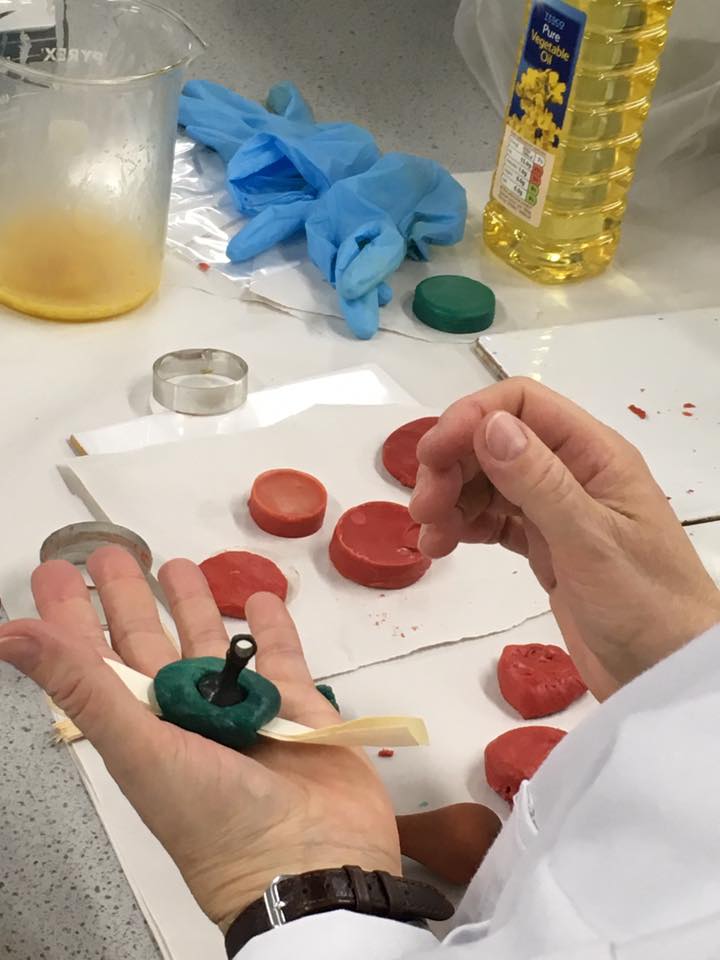
This stuff thankfully comes in hand little pellets that warm up in your hand relatively easily. They try to roll out of your hand initially, so I'll probably portion out pre-formed little "wafers" for my students so I don't have pellets of wax and resin stuck in the carpet!

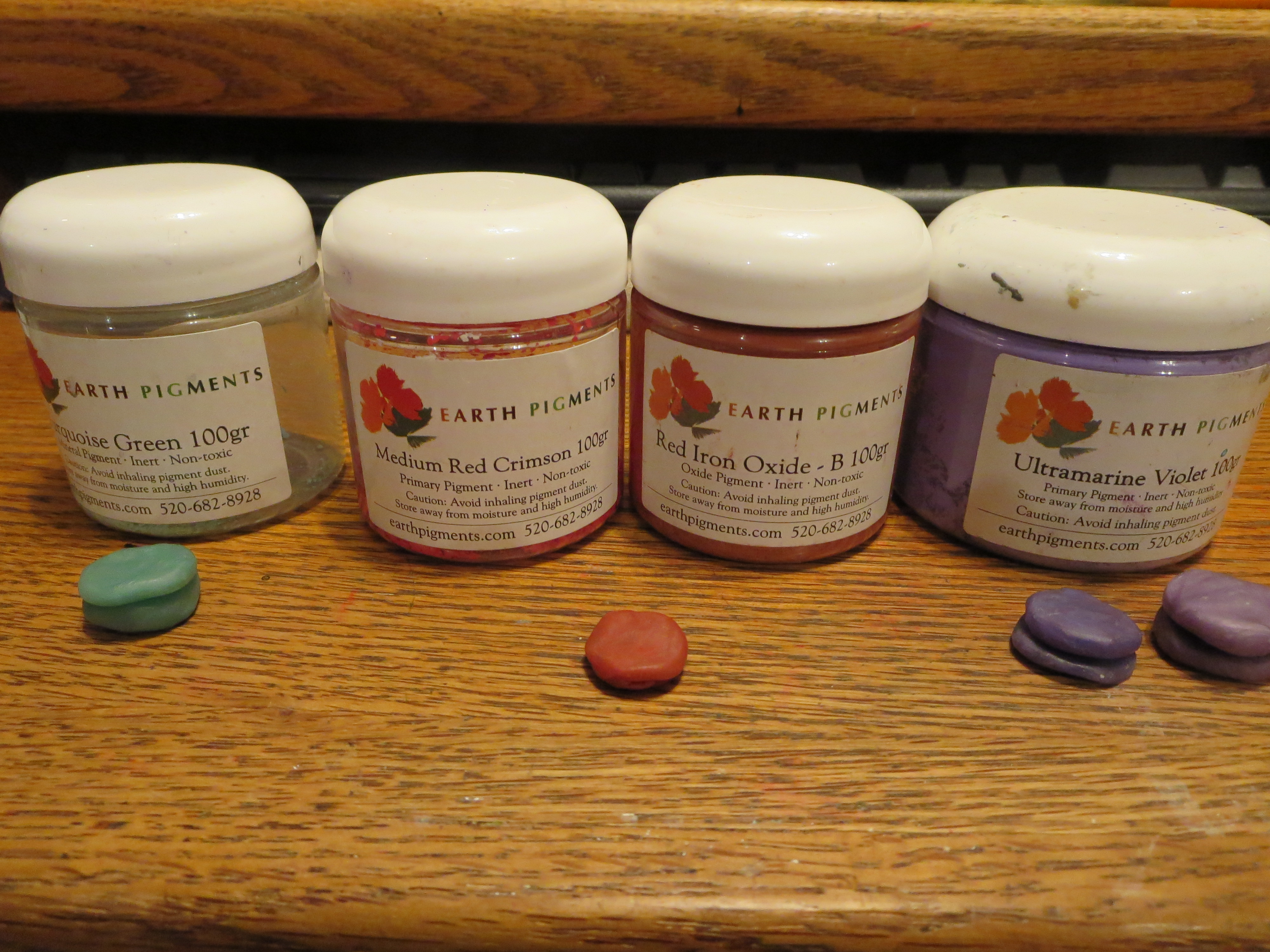
My daughter was able to warm up the wax by herself, and had a lot of fun mixing in my natural, non-toxic earth pigments into the wax to make her own custom purple sealing wax. I made a teal and red wax using the pigments, too. I did find that the resin was slightly irritating to my hands, but that was after warming and blending 4 different seal sets. They felt fine for the first three. I'll have the kids wash their hands afterward.

To add the color, what I did was warm up the wax until it was really soft and then "dip" it into the pigment. I feared that this would be messy, but it really wasn't. It stuck nicely to the wax, and any pigment on my hands was picked up by the wax. The only color that was messy was chalk powder (which I used to make the lighter purple).

I found this wax does stick nicely to paper, and will probably stick nicely to string like the old medieval documents. I'll try imprinting it tomorrow with one of my seals (I can't right now, because my kids are sleeping and I'd probably wake them trying to get to my seal stamps.)

But, i wanted to make sure to document this for future me, and for others who want to easily (and more affordably) make authentic medieval seals. You can even buy colored encaustic medium if you don't want to color it yourself. But, I think the coloring part is fun, and then you aren't working with toxic pigments (unless you really want the seal to be authentic!)
IMG_1967.JPG
The colored sealing wax made with encaustic medium, and the pigments I used to color them. There in pairs to later sandwich around string.
ab43bd3c-85e8-4fe3-ad4b-ddc8832b04e5.jpg
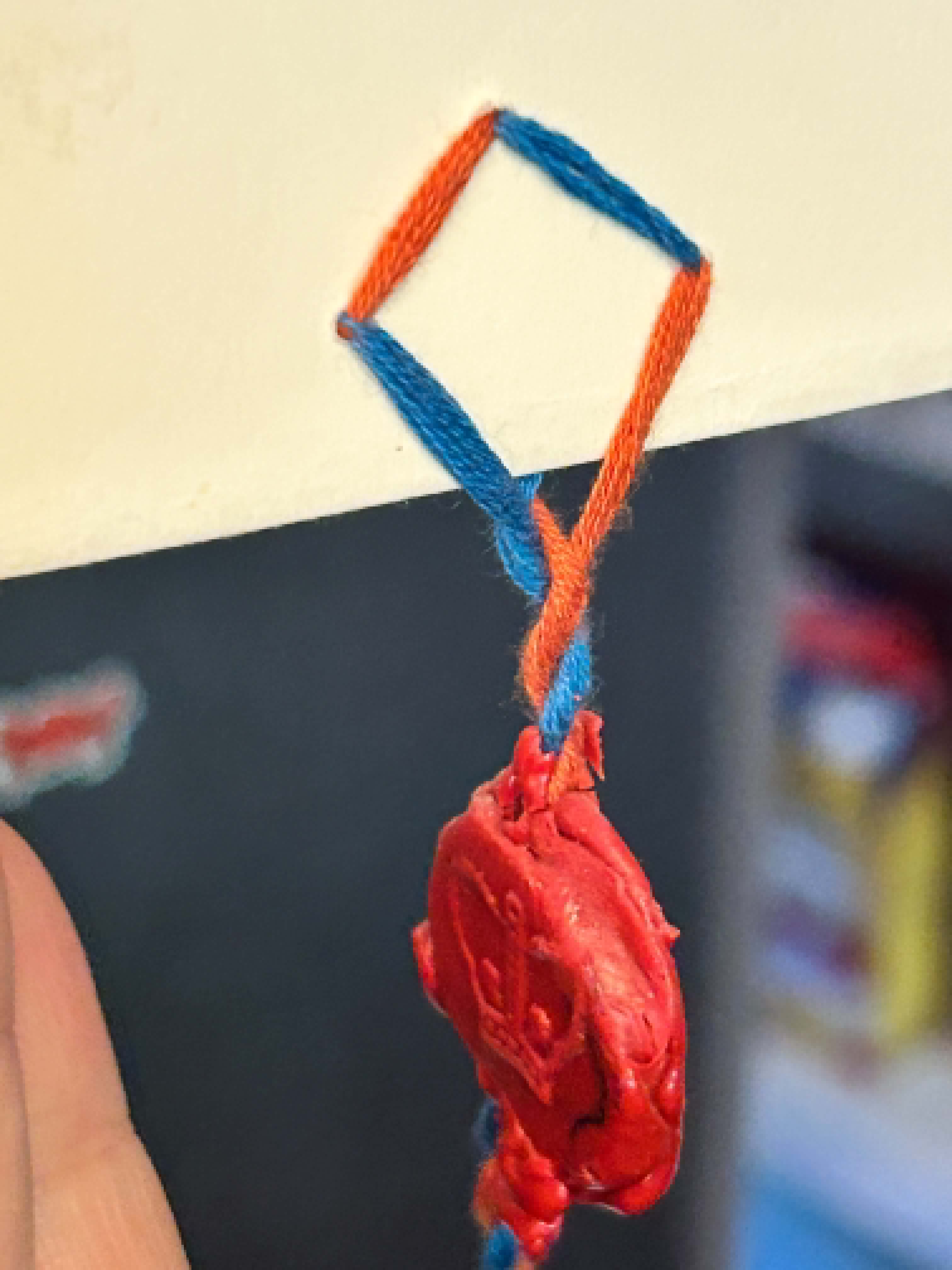
Here's a seal pendant I made years ago, using modern sealing wax that you have to melt with a candle. You have to sandwich the wax around the string.
image_2026-07-10_005220689.png
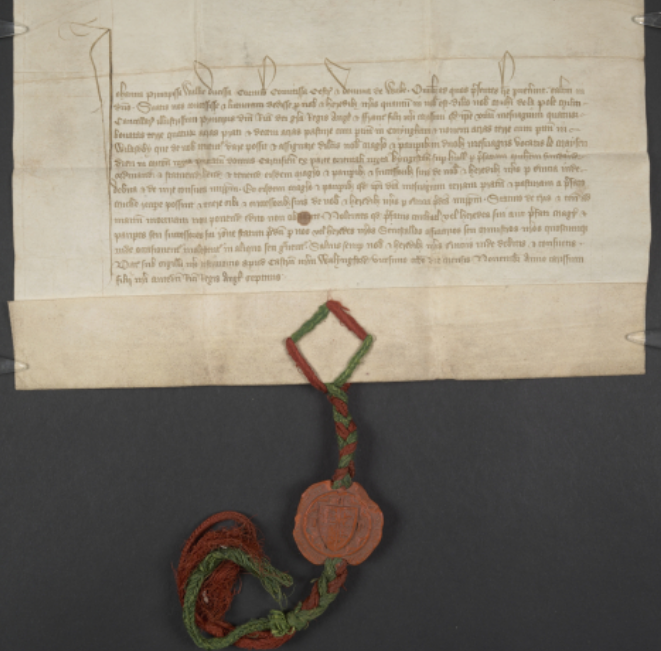
And actual medieval seal from Joan, Princess of Wales in 1383
image_2026-07-10_005334787.png
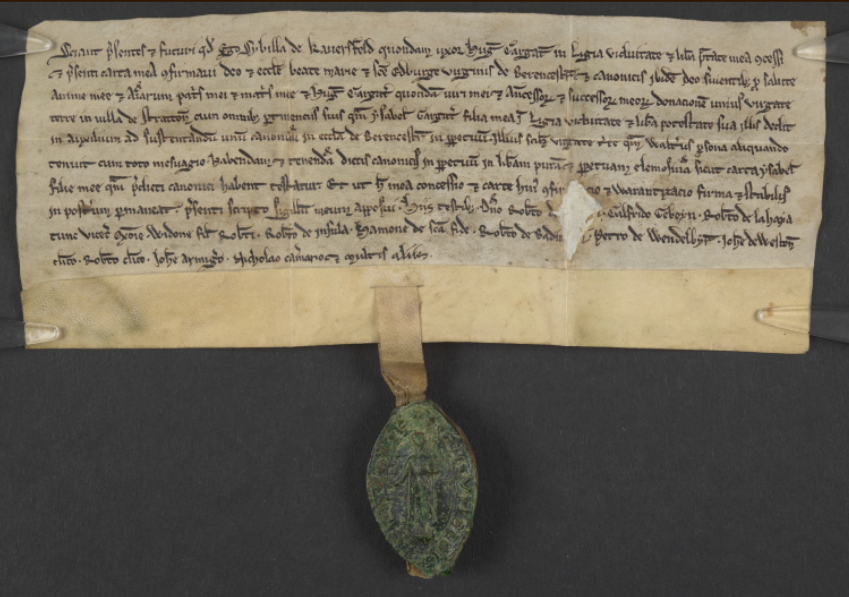
A teal seal from the early 1200s
 
steward and tree herder
Posts: 13940
Location: Isle of Skye, Scotland. Nearly 70 inches rain a year
7629
6
transportation dog forest garden foraging trees books food preservation woodworking wood heat rocket stoves ungarbage
  • Likes 7
  • Mark post as helpful
  • send pies
    Number of slices to send:
    Optional 'thank-you' note:
  • Quote
  • Report post to moderator
That sounds like excellent stuff to play with! I must admit modelling wax without the toxic stuff sounds much more pleasant to handle. Lots of other potential uses too (depending on the expense). Once you have a selection of colours it could be used like a reuseable play-dough to make and remake models.
You also mention tablets and, given some recessed boards, a whole new raft of history awaits....

a young woman of Pompeii

Donna Gawell on wax tablets
 
Nicole Alderman
steward
Posts: 22735
Location: Pacific Northwest
13504
13
homeschooling hugelkultur kids art duck forest garden foraging fiber arts sheep wood heat homestead
  • Likes 6
  • Mark post as helpful
  • send pies
    Number of slices to send:
    Optional 'thank-you' note:
  • Quote
  • Report post to moderator

Nancy Reading wrote:You also mention tablets and, given some recessed boards, a whole new raft of history awaits....


I definitely want to make a wax tablet! I've been wanting to make one for a long time, but wasn't sure how to put the wax in it and thought it'd be too expensive. But, now that I have the wax, I definitely want to make a tablet, even if just to show the kids. It'd be fun to make them with the kids, though!
 
Nicole Alderman
steward
Posts: 22735
Location: Pacific Northwest
13504
13
homeschooling hugelkultur kids art duck forest garden foraging fiber arts sheep wood heat homestead
  • Likes 7
  • Mark post as helpful
  • send pies
    Number of slices to send:
    Optional 'thank-you' note:
  • Quote
  • Report post to moderator
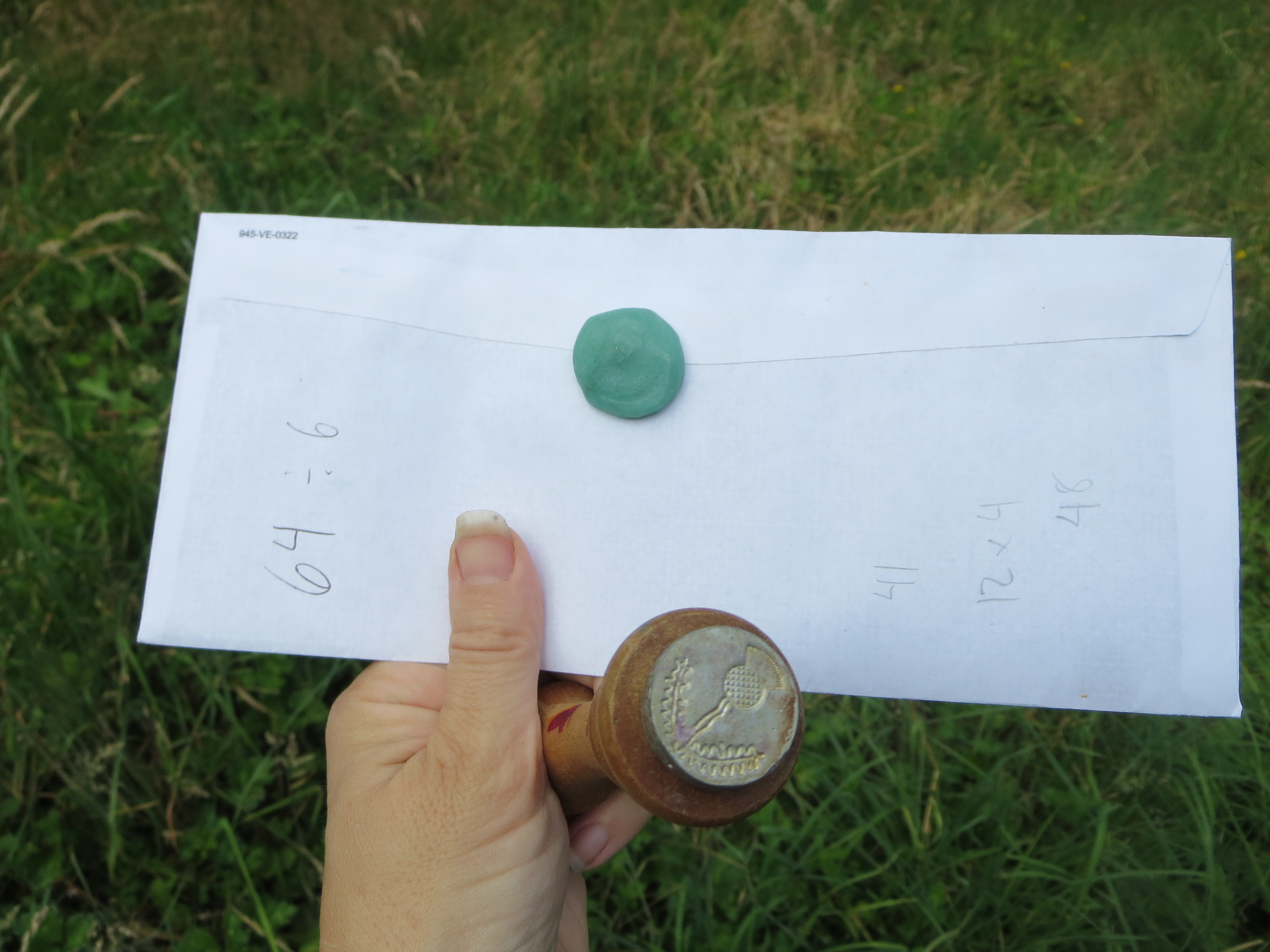
One thing I'm struggling with is how to get an impression. The seal stamp really likes to stick to the wax. If I don't warm up the wax, the stamp doesn't make a good impression and it might leave some wax stuck to the seal. The impression is really shallow, too!

If I warm the wax up, the impression is a bit better...but it's really hard to get the wax off the seal. It bends and deforms when I take it off.

I don't know if this is because of the damar resin to beeswax ratio, or my seal isn't deep enough, or something else.

Looking at the seal matrixes (stamps) at the British Museum, they might be a little deeper (and with less fine detailing) than the one I bought from Townsends.

I'm honestly tempted to buy Medieval Wax for Pendant Seals from the Scribal workshop. Theirs is made with rosin instead of damar resin, and I wonder how differently it functions.
IMG_1968.JPG
I tested the wax last night on an envelope. The stamp design is really hard to see! It sticks to the paper nicely, though.
IMG_1972.JPG
Imprinting onto cold wax
IMG_1974.JPG
Can you see the imprint? The wax got stuck on the seal stamp, too.
IMG_1975.JPG
Imprinting with hand-warmed wax.
IMG_1976.JPG
Trying to pry the wax off...deforming the design.
IMG_1977.JPG
It looks decent, but still hard to see, and part of the design is gone from the deformation.
 
steward & author
Posts: 47616
Location: Left Coast Canada
19574
10
art trees books chicken cooking fiber arts
  • Likes 5
  • Mark post as helpful
  • send pies
    Number of slices to send:
    Optional 'thank-you' note:
  • Quote
  • Report post to moderator
This may be a silly idea.  You have been warned.

What if we oil the metal before pressing into the wax?
 
Nicole Alderman
steward
Posts: 22735
Location: Pacific Northwest
13504
13
homeschooling hugelkultur kids art duck forest garden foraging fiber arts sheep wood heat homestead
  • Likes 4
  • Mark post as helpful
  • send pies
    Number of slices to send:
    Optional 'thank-you' note:
  • Quote
  • Report post to moderator
I'll give it a try! I through about dusting the seal, but the dust would probably just work right into the wax, just like the dry pigment did.
 
Nicole Alderman
steward
Posts: 22735
Location: Pacific Northwest
13504
13
homeschooling hugelkultur kids art duck forest garden foraging fiber arts sheep wood heat homestead
  • Likes 8
  • Mark post as helpful
  • send pies
    Number of slices to send:
    Optional 'thank-you' note:
  • Quote
  • Report post to moderator
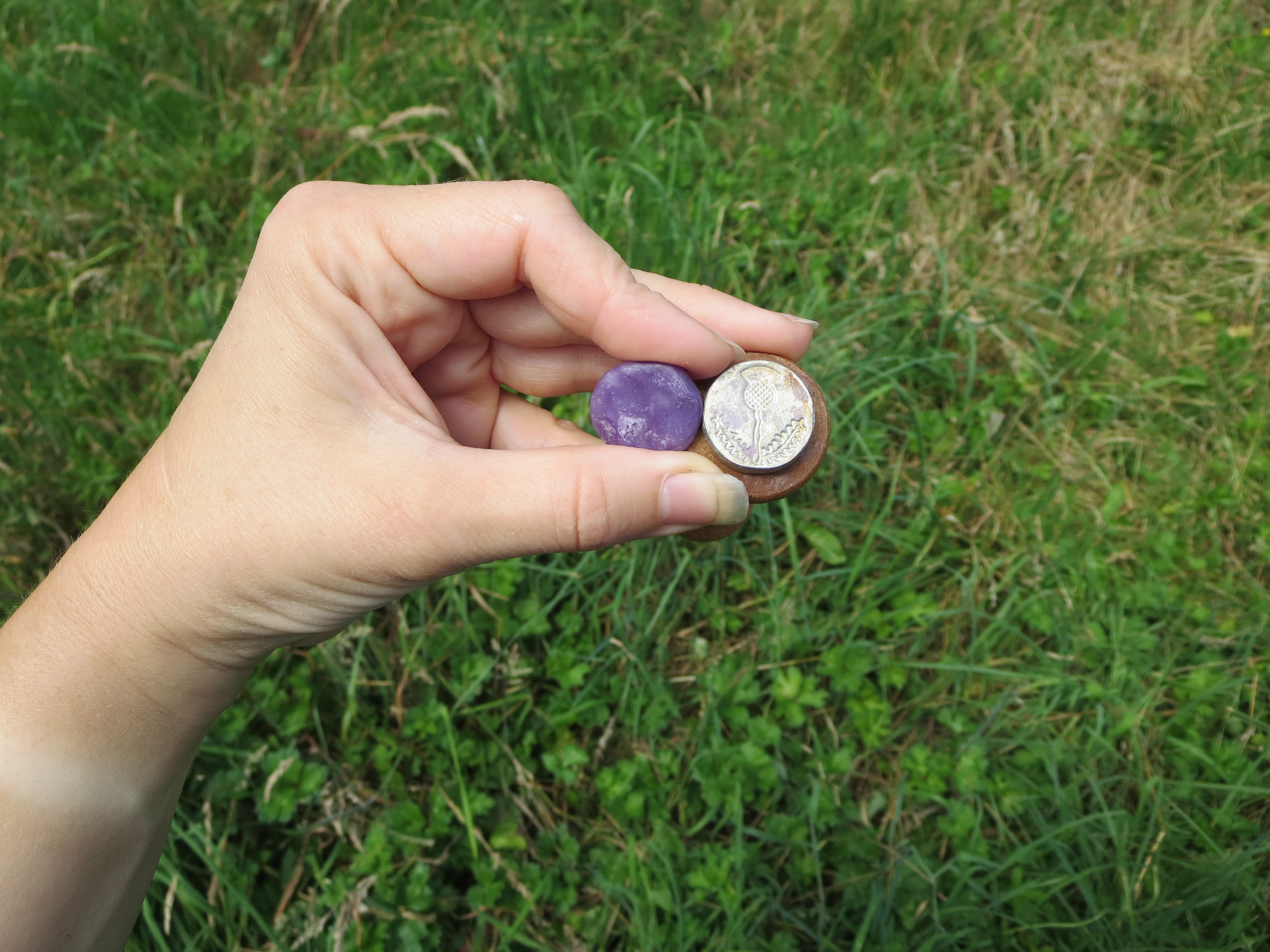
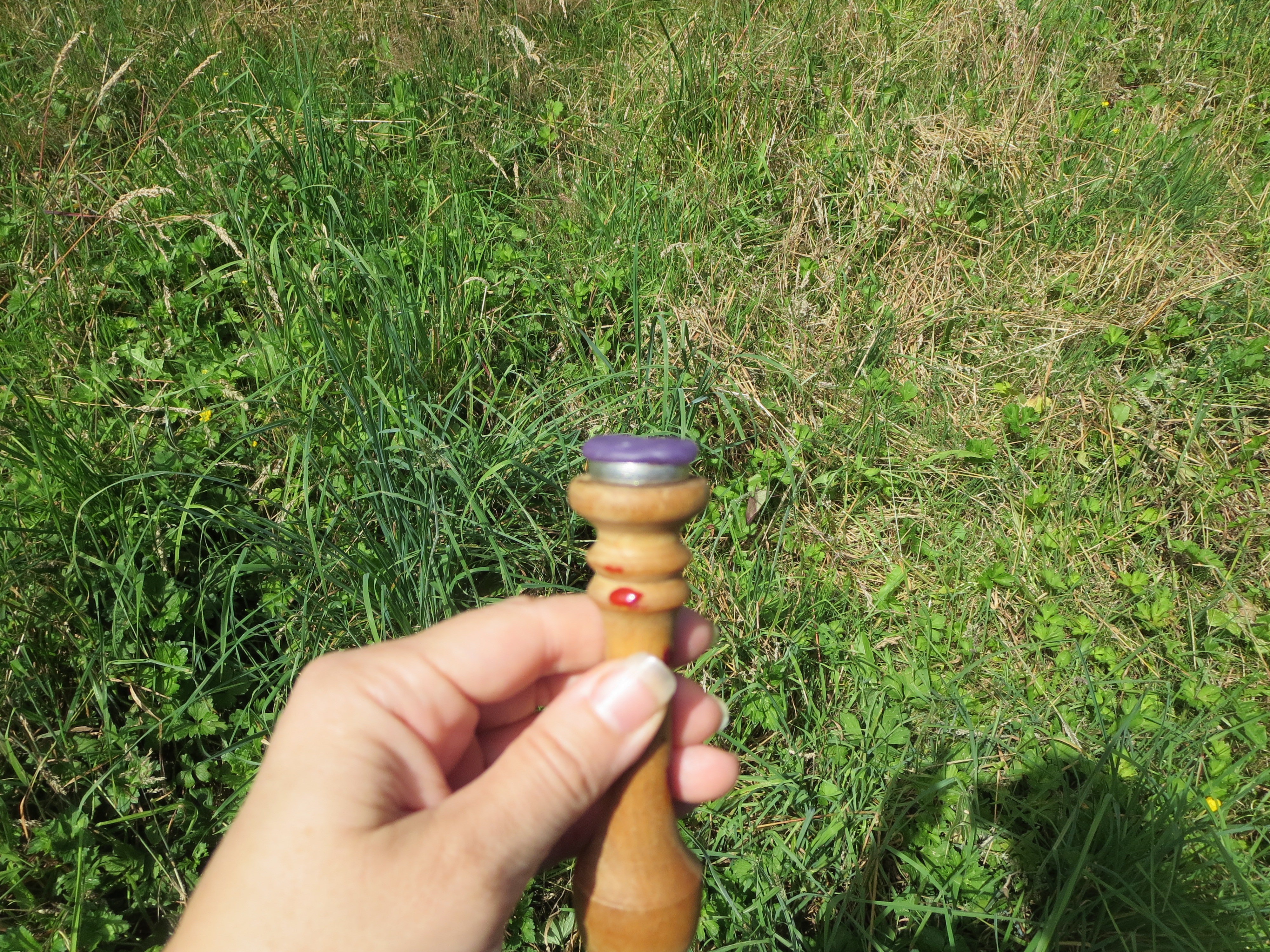
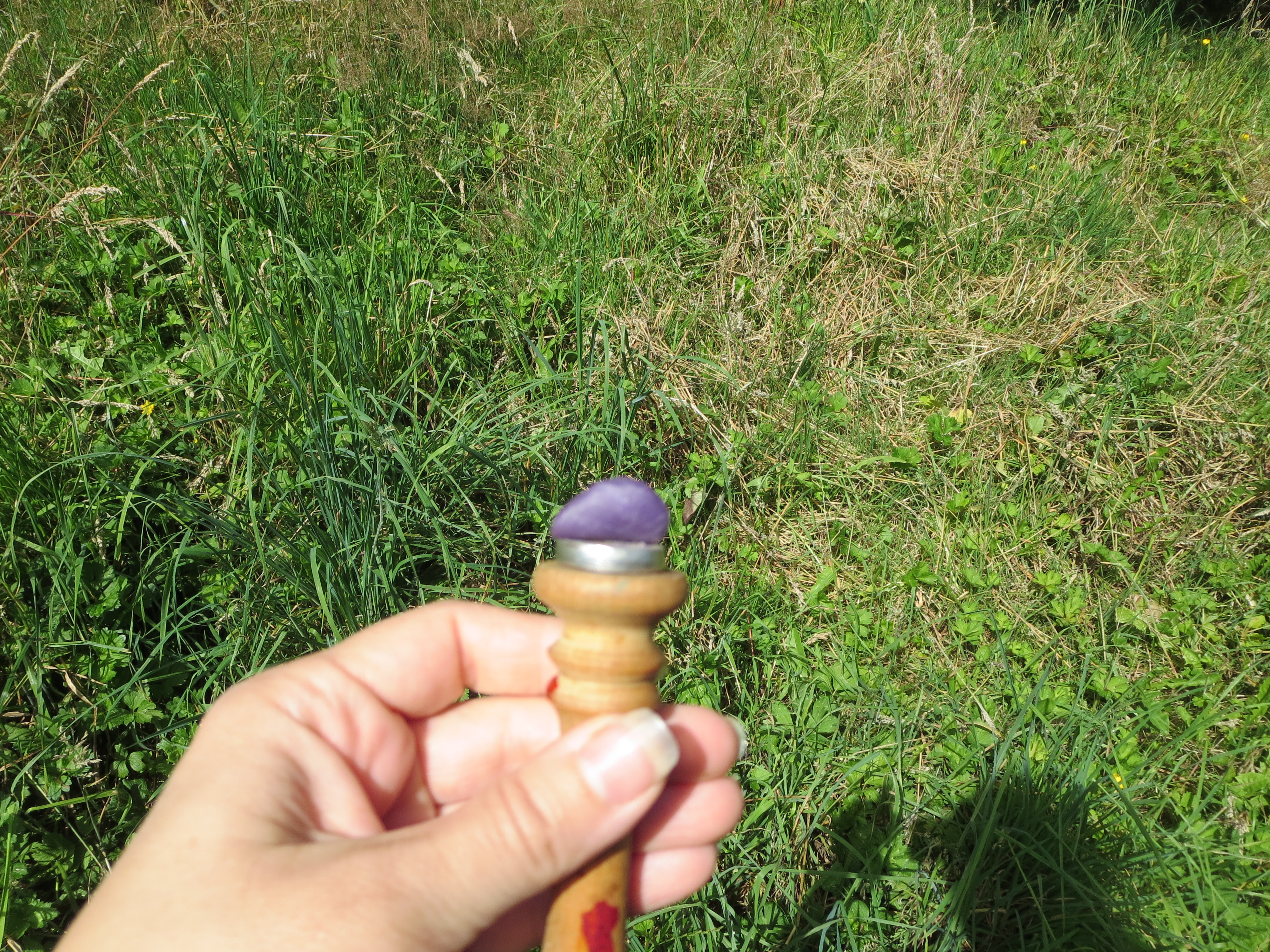
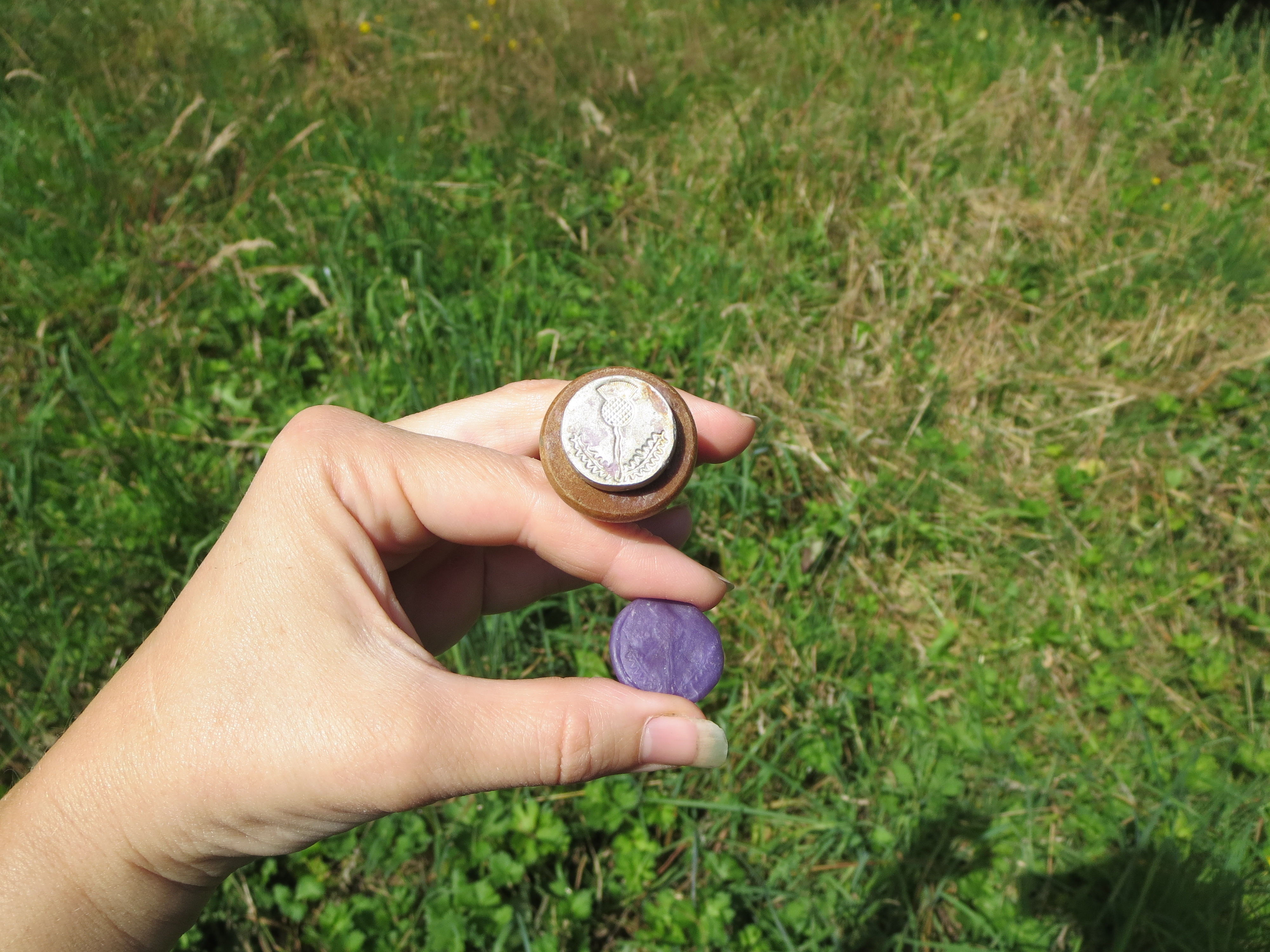
It made all the difference in the world! I used some super old olive oil I had lying around (we cook with butter, so haven't used olive oil in a long time.) I gave it a light coating of oil with my finger.

I tried it first on cold wax. Nice imprint, came off the stamp easily. I pushed really hard, and none of it stuck to the stamp.

Then I warmed up some other wax and gave it a go. This time, the stamp was less oily (I smeared what remained from the previous stamping, to make sure there was some all over it). Then I stamped with warm (but not super soft, because I didn't want to work it that long) wax. It came off nicely, too!

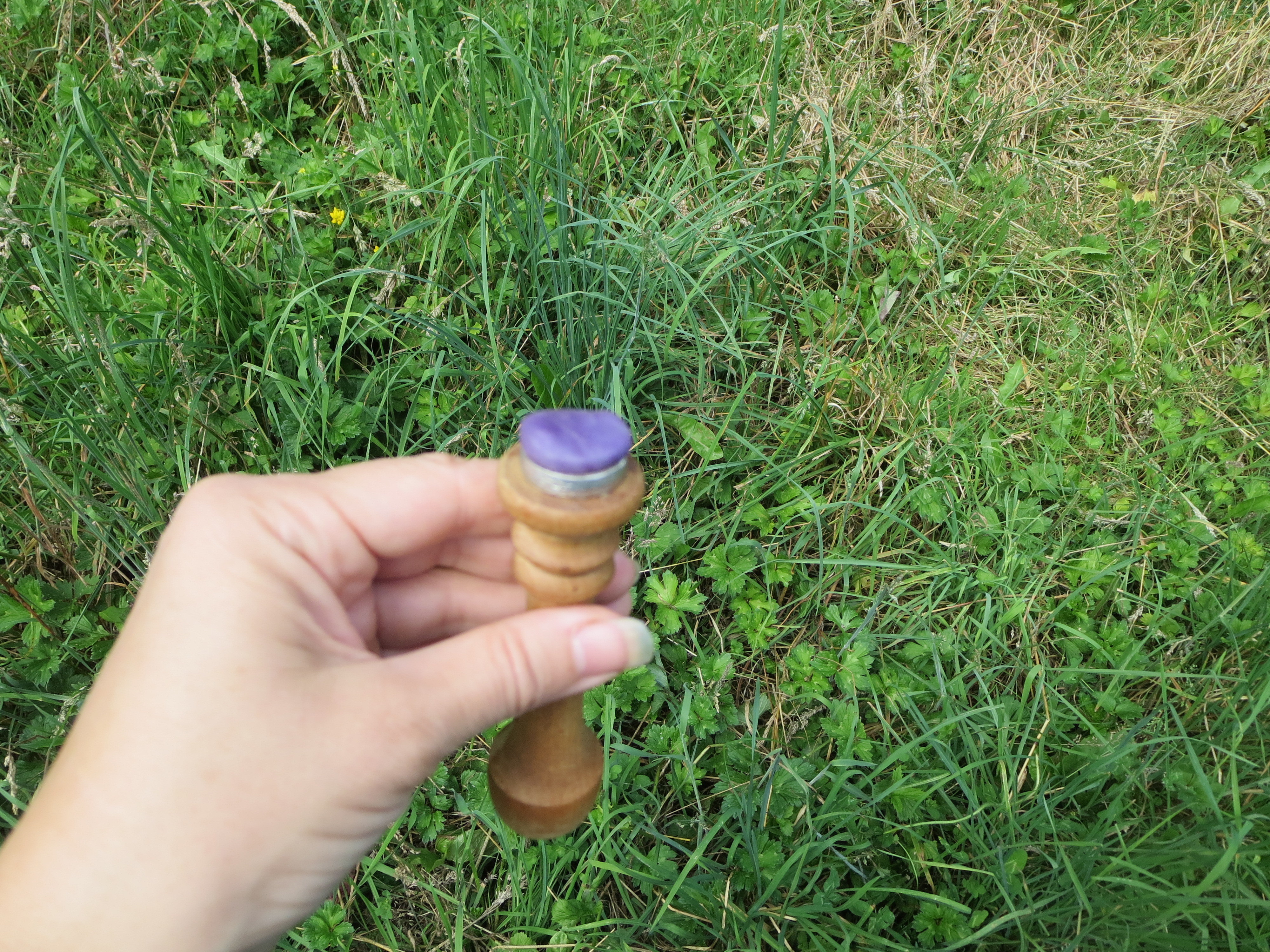
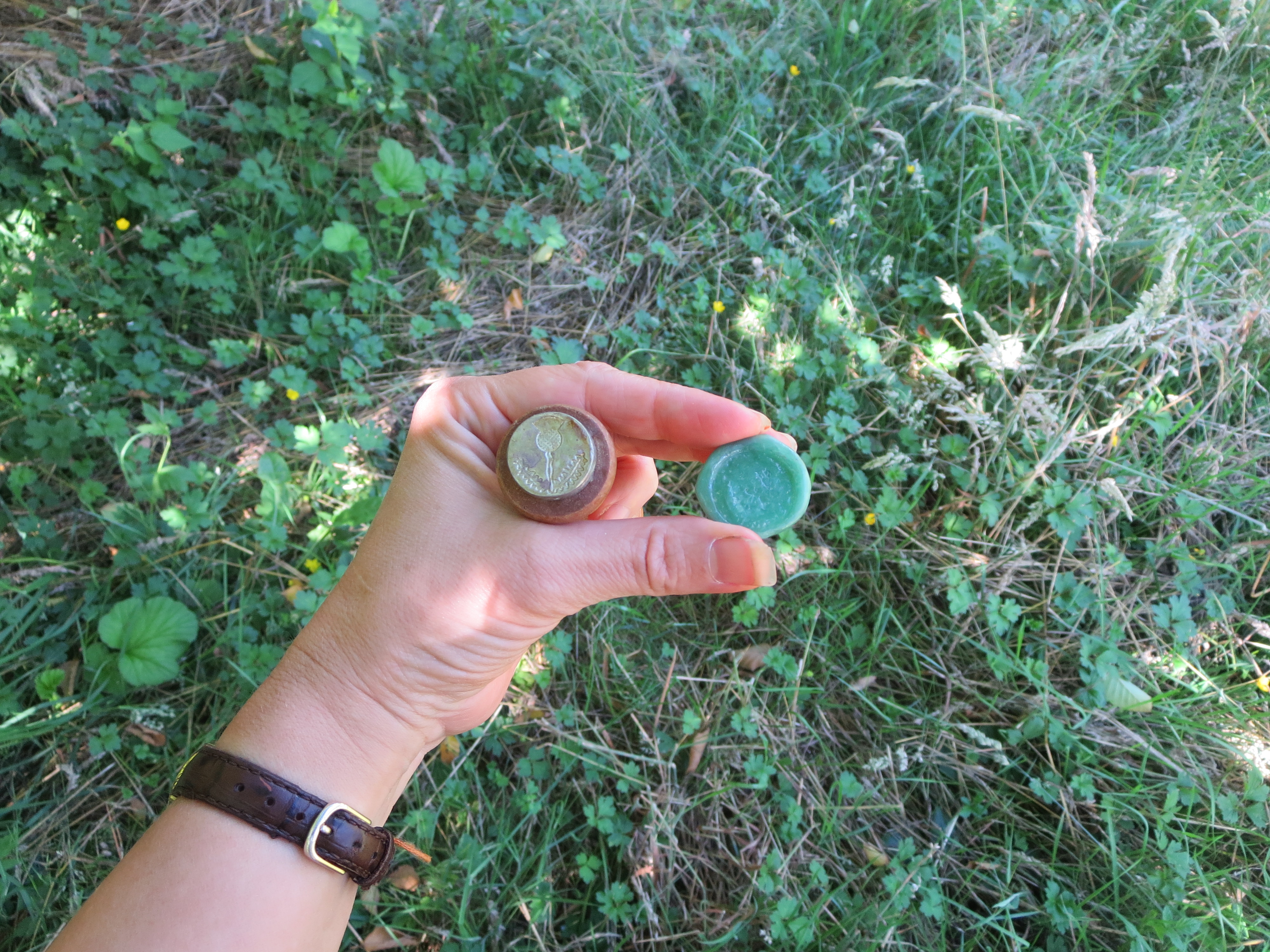
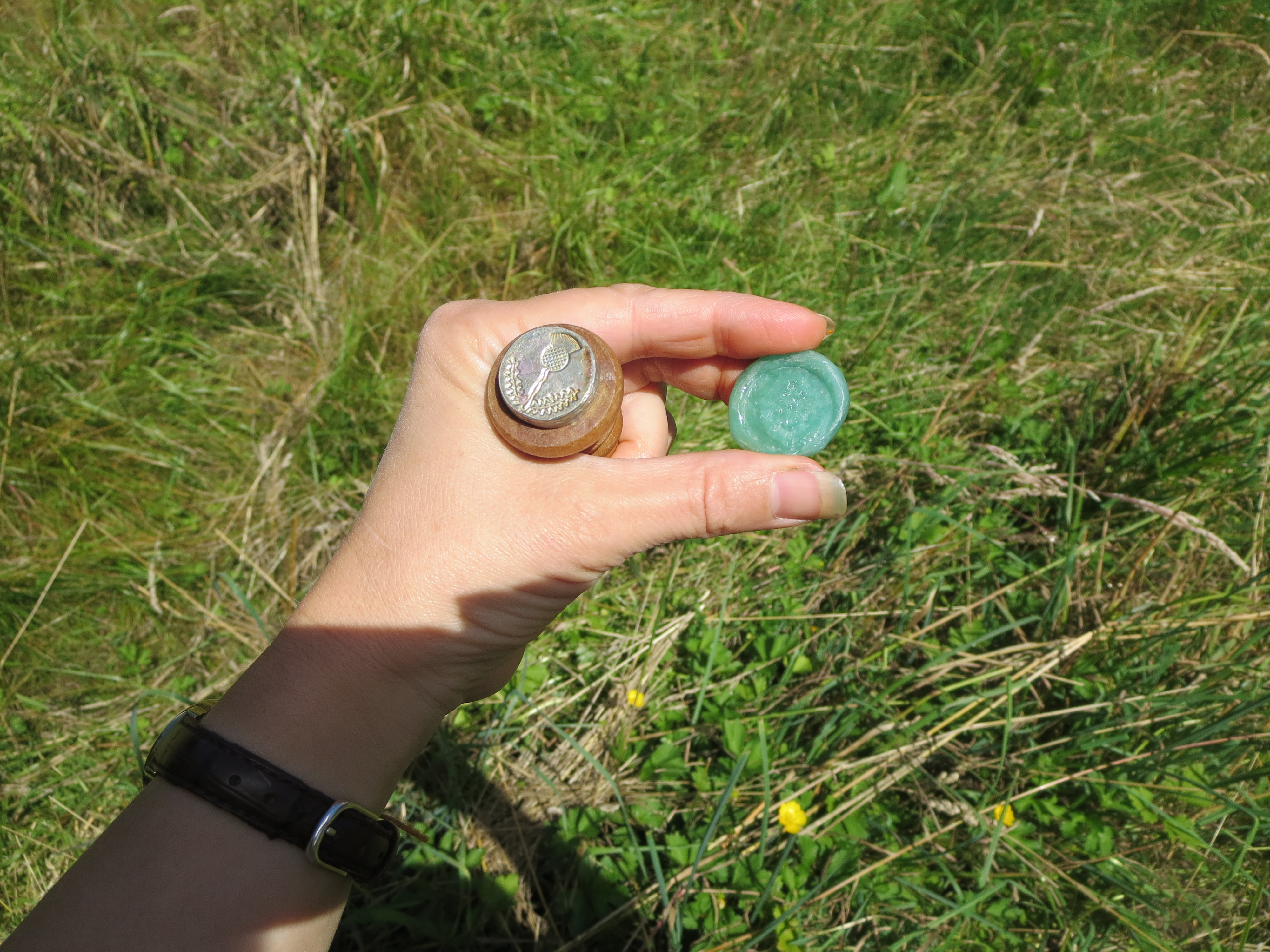
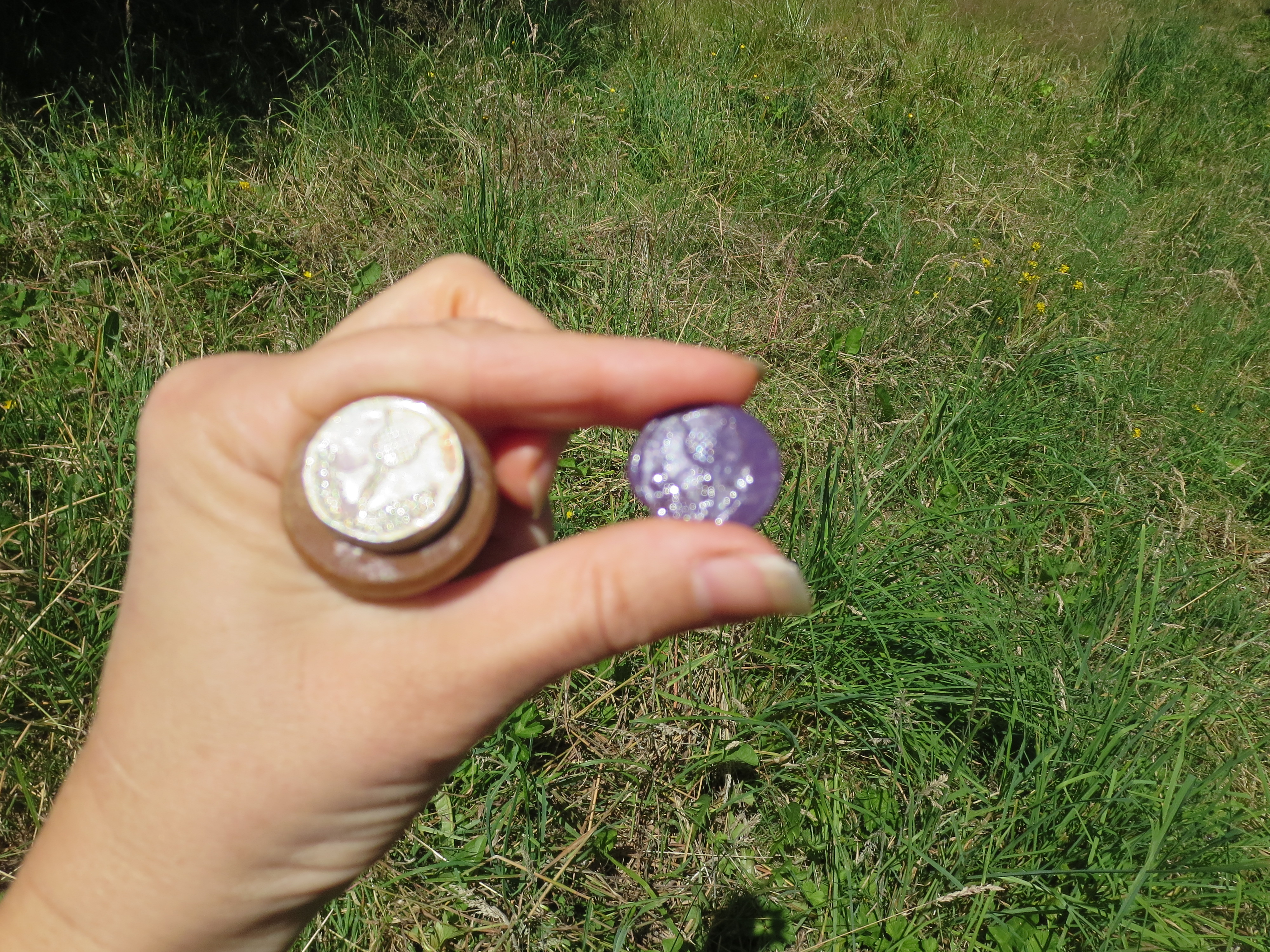
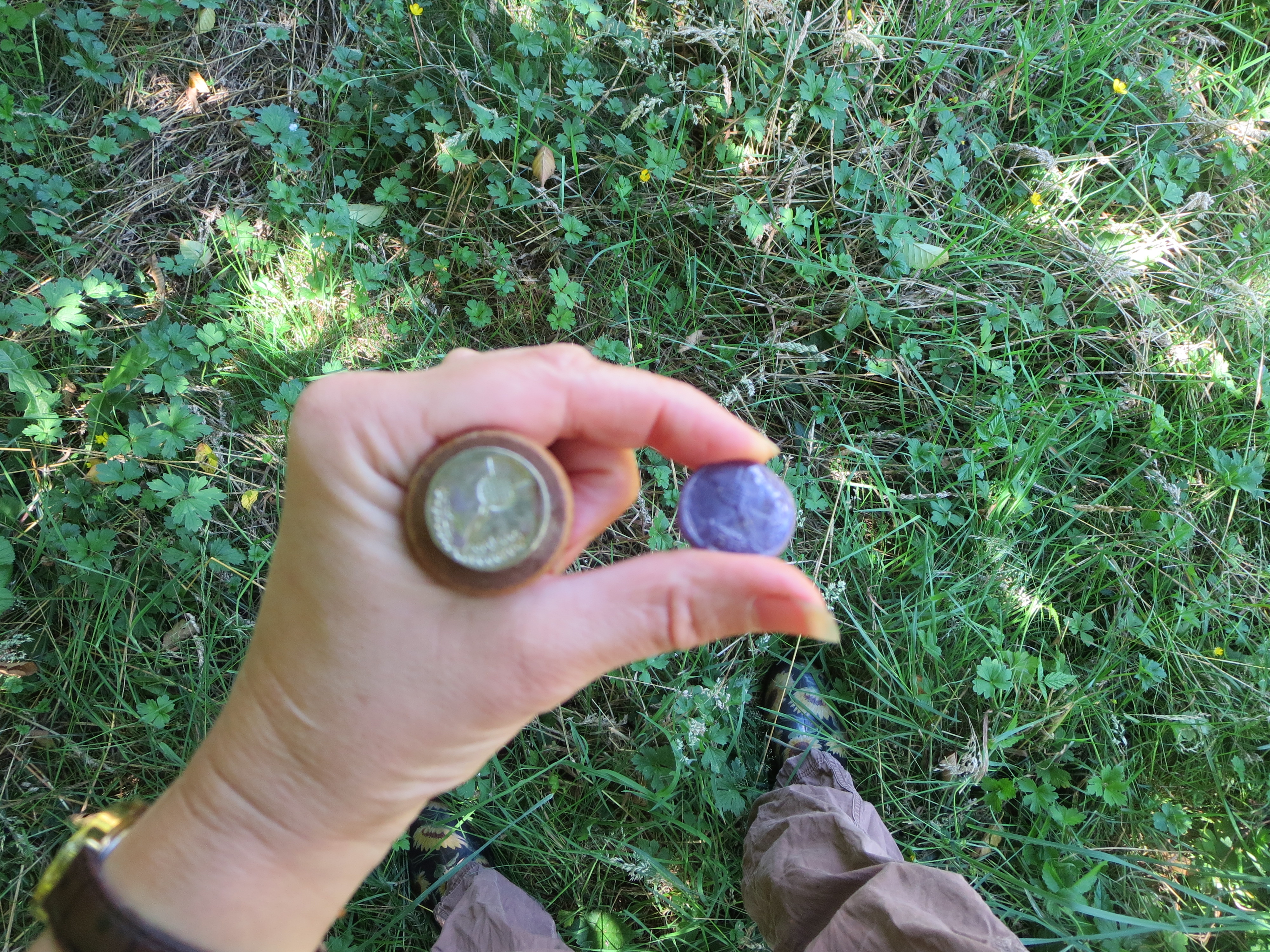
Below are pictures. The teal wax was cold, and the purple was warm. I struggled to get decent picture with my camera, so there's two pictures of each stamping. The warm wax gave a much better imprint, which is good, because the students will likely be mixing their own colors of wax, so it'll be warm when they stamp it.
IMG_1979.JPG
Cold wax imprint with oil, in the shade
IMG_1980.JPG
Cold wax imprint with oil, in the sun
IMG_1981.JPG
Warm wax imprint with oil, in the sun
IMG_1983.JPG
Warm wax imprint with oil, in the shade
 
r ransom
steward & author
Posts: 47616
Location: Left Coast Canada
19574
10
art trees books chicken cooking fiber arts
  • Likes 5
  • Mark post as helpful
  • send pies
    Number of slices to send:
    Optional 'thank-you' note:
  • Quote
  • Report post to moderator
Wow.  I didn't really think oil would work, but hoped it would trigger better ideas.  So glad it worked
 
Rusticator
Posts: 9896
Location: Missouri Ozarks
5473
7
personal care gear foraging hunting rabbit chicken cooking food preservation fiber arts medical herbs homestead
  • Likes 5
  • Mark post as helpful
  • send pies
    Number of slices to send:
    Optional 'thank-you' note:
  • Quote
  • Report post to moderator
I'll be keeping an eye on this string of experiments, for sure! John and I have recently gone back to primarily using fountain pens. He went first, because he discovered that his writing difficulties might stem more from a disconnect in his brain, than from the nerve damage they'd always told him it was - so he started playing around with calligraphy, to rewire his brain - and it's WORKING!

His penmanship has improved drastically, and he noticed that in using the fountain pens, he doesn't need to grip or press as hard, and his hands don't hurt. So, I dragged out my old calligraphy stuff, and started messing around with it, to see if the pain in my hands would ease, too. Et voilá!! So, now we're experimenting with different brands and types of fountain pens and nibs (we've found a couple favorites that are fairly inexpensive, for non-disposable pens) - and ink (found really good, archival, inexpensive favorites there, too) - which has called for better quality paper - which has pulled us into journals, planners, stationery, and now, finally... seals. But, most are toxic, smell horrid, and have just turned us off to that. You're renewing my interest in that!

It's amazing how much more we're both enjoying writing again, now that it doesn't hurt.
 
Nicole Alderman
steward
Posts: 22735
Location: Pacific Northwest
13504
13
homeschooling hugelkultur kids art duck forest garden foraging fiber arts sheep wood heat homestead
  • Likes 5
  • Mark post as helpful
  • send pies
    Number of slices to send:
    Optional 'thank-you' note:
  • Quote
  • Report post to moderator
I haven't noticed any smell from the sealing wax sold by Townsends. I bought two stamps and some sealing wax sticks from them 5 years ago when I first taught "early modern history." (I enjoy how teaching history gives me justification to buy all sorts of cool stuff I wouldn't otherwise). The Townsends wax is a nice hard wax and doesn't smell plasticky at all.

It is super fun mixing my own colors of wax, though! The damar resin + beeswax wax does pop off of paper with a little effort, but it doesn't fall off accidently like the Stockmar modeling wax that my daughter tried to make seal out of years ago.

I need to start a thread about making the seal stamp matrixes themselves! I have ideas, but I'm not sure how to give the stamps handles... (Edit: Thread made)
 
pollinator
Posts: 1637
Location: Zone 6b
244
goat forest garden foraging chicken writing wood heat
  • Likes 2
  • Mark post as helpful
  • send pies
    Number of slices to send:
    Optional 'thank-you' note:
  • Quote
  • Report post to moderator
While medieval people might have kept a little bit of oil handy to wipe on their seal, I wonder if they might also have just rubbed it on an oily part of their body (hair or forehead?)?
 
Posts: 382
Location: Brendansport, Sagitta IV
53
  • Mark post as helpful
  • send pies
    Number of slices to send:
    Optional 'thank-you' note:
  • Quote
  • Report post to moderator

Nicole Alderman wrote:One thing I'm struggling with is how to get an impression. The seal stamp really likes to stick to the wax.


I'm wondering if a thin coating of vaseline on the seal would help.

It won't go rancid like vegetable oil, and at worst it might soften the wax a bit.
 
I agree. Here's the link: http://stoves2.com
reply
    Bookmark Topic Watch Topic
  • New Topic