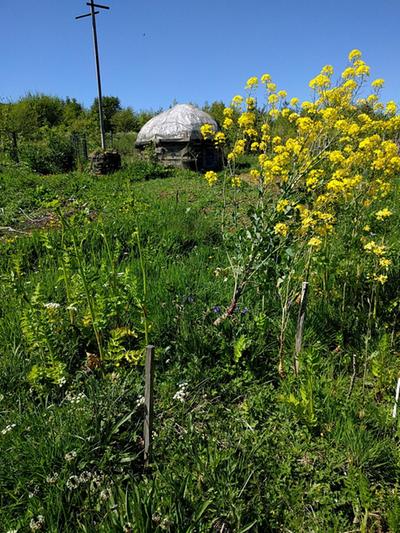

Finally got round to making a little video of my growing area, also featuring my frugal pallet shed:
I'm afraid the focus is pretty bad. I'm suspecting the auto focus on the camera is actually not working, as I can take reasonable pictures manually, but not with the autofocus. Unfortunately that is not practical for a video...
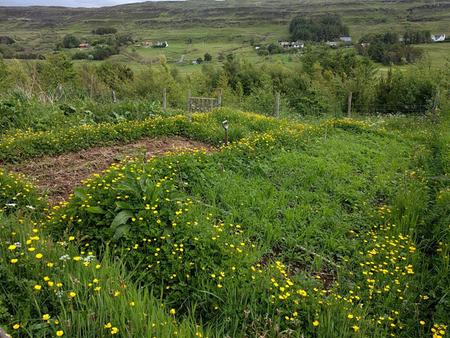
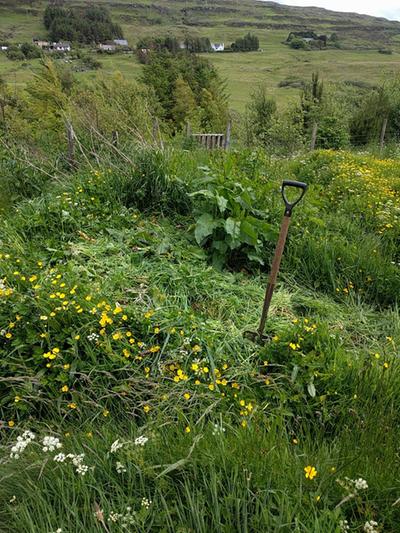
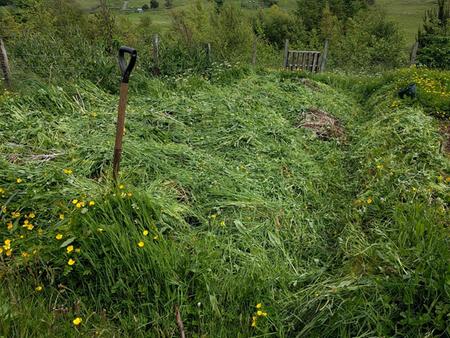
Considering we had gale force winds a week ago, the vegetable area is looking pretty good just now. I'm seriously considering making another, more zone 2 ish, growing area next to where my new polytunnel is going. This will be much handier for harvesting food for dinner, whereas the current growing area is half way down the hill and is designed more for one off, end of season harvest.
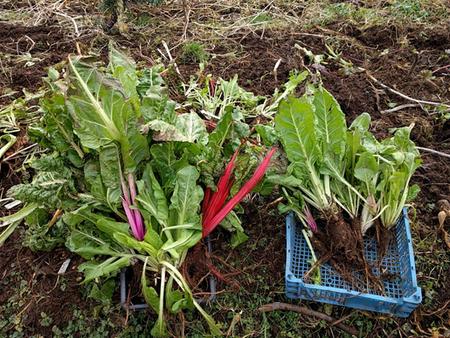
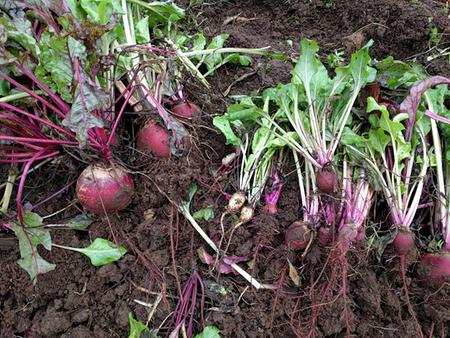
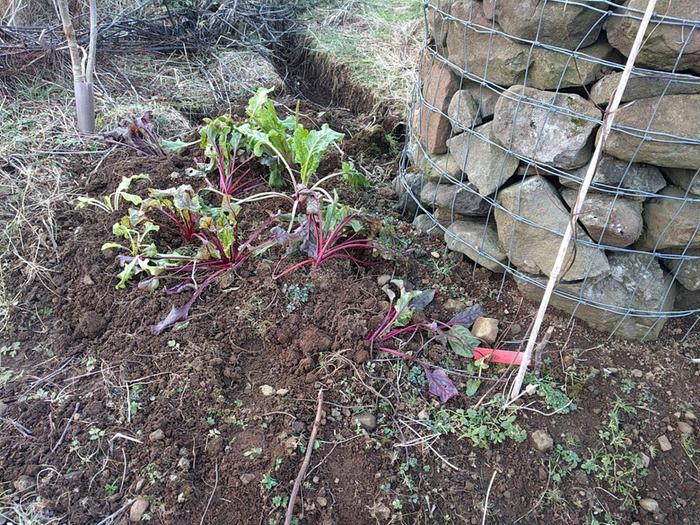
I wanted to grow out some more annual vegetable seeds this year, so have squeezed in beet, onion, kohlrabi, scorzonera, burdock, fennel as well as the main roots (parsnip, swede and carrots). Having them in the roots bed has made the rows a little close together, so I haven't been able to mulch much. The leaf beet in particular has grown really well, but being in the wrong permaculture zone, hasn't made it to the kitchen very often.
roots bed in August
The root crops are starting to bulk out. Some of the carrots look pretty good. They are a bit close together, which is probably affecting their size. I should go along the row and mark the ones that look as if they are already worth harvesting so I can consider keeping them for seed production.
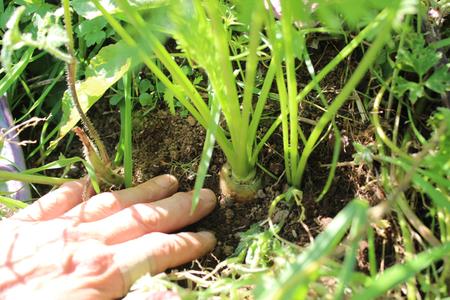
a real carrot!
Some of the Swede also look pretty impressive and again the leaves are covering between the row and must be inhibiting weed competition.
Swede swelling in August
The parsnip roots, as far as I can tell are still pretty small, although the top growth looks fairly healthy and they were sown with a bit of space between seeds. However I also have some self sown plants that have come up next to the vegetable beds where the plants that were left to go to seed were growing last year. These are in ground that was covered in twiggy sticks to clear it, but has quite a bit of creeping thistle and grass coming back. One or two of the roots there look surprisingly good!
self sown parsnip
So far the potatoes look healthy. The bed is over run with silverweed as well as potatoes. It is a bit early to get much from the silverweed roots at the moment, but I may get two harvests for the price of one when I dig the main crop tubers! I've still got a few more of the early potatoes to dig up. They are still looking good with no pest damage. I think that early potatoes will be another crop to try in a different, more handy plot.
potato salad for dinner!
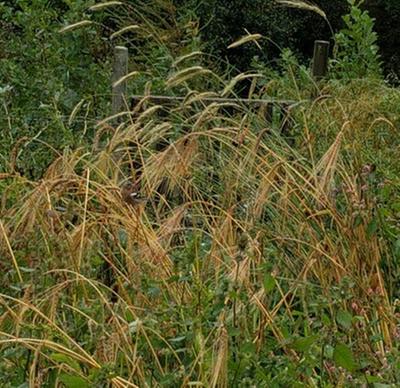
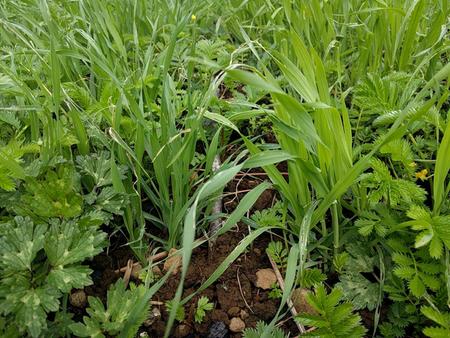
The grains did get blown about by the wind, but mostly seem to have recovered somewhat. The bere barley is starting to fill out the heads, as are the rye, but the oats still look a bit young. It is too early to say what the weather and pests will leave in terms of yield, but they are looking good so far. There was no sign at all of smut on the oats this year.
grains bed in august
The legumes bed is a bit tumbled over, but I think it was that was before the winds! Some of the loose top branches did get snapped off, but generally I seem to have got away with very little losses. Maybe having the plants lower and scrambling supporting themselves rather than with pea sticks, gives more protection from the strong weather. The peas are starting to harden off in their pods, and again having some plants closer to the kitchen for picking green seems like a good idea!
little and large pea pods
I think, if I'm doing another growing area, I will separate out the broad beans and the field beans and grow them separately. It makes sense to me to pick broad beans for eating green and field beans to dry for stews.
This year I finally feel that things have gone well in the growing area. Obviously I'm not quite at harvest yet, but I could have been eating quite a bit from the garden over the summer, which is the first time I have managed that outside here, and with much less effort than previous years! This is due to a combination of the work I've done in previous years in preparing the soil, having my own saved seeds, maybe better weather and bit less pest pressure - I'm feeling pretty happy!
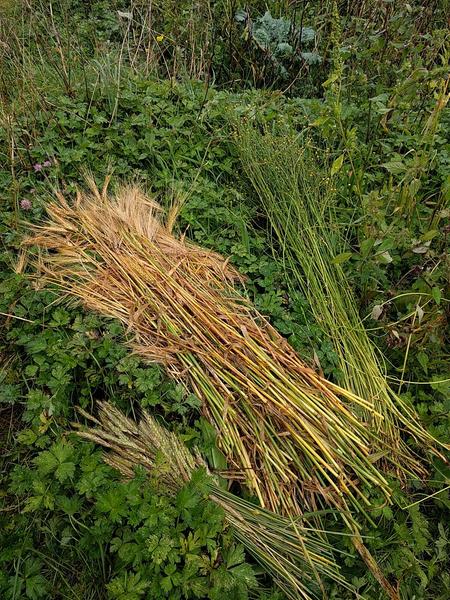
The little chaffinch hunt in packs, so when they get a taste for something it doesn't last very long. Despite the fact the grain was wet I therefore decided to harvest the barley and rye before the birds had it all. I left the oats for the moment, as they still seemed quite green - although they now need harvesting at the next opportunity!
rye, barley and flax 2025
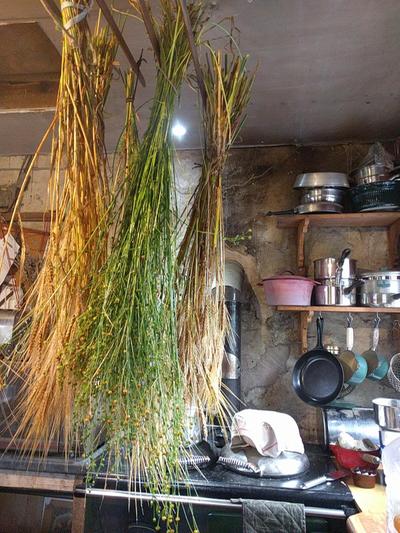
Some of the barley was extra short. This could be useful in making it less likely to fall over, so I have saved these heads separately. The ears weren't very long on those plants unfortunately. I hung the sheaves in the kitchen overnight to dry out a bit before putting in the spare bedroom to dry properly (the ears dangled too low in the kitchen to be convenient!). Drying seeds will be another function of the polytunnel when that's finished.
hanging to dry in kitchen
The flax wasn't really ripe, but I was nervous of losing more seeds than I had to. Hopefully there will be enough ripe seed to have a larger crop next year. I may try and get another variant of fibre flax to grow out as well.
I picked some of the fava beans a week or so ago as the pods started to go black. These I separated by size after picking, but decided later that separating whilst picking would be more accurate, as the seed size can be misleading. There is a bit of an overlap between a small broad bean and a large field bean. Since I will grow them separately and select differently in future, this won't be a problem.
separating out the beans
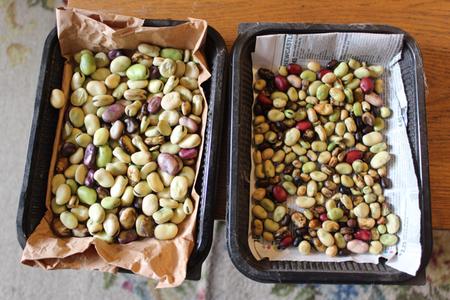
I've now harvested the beans and peas as well. The fava beans seemed to be affected by a fungal blight, and some of the pods were definitely being eaten. By harvesting a bit early there will be a bit of selection for earlier ripening perhaps...I picked all the pods and separated out the broad beans and field beans by growing habit: the field beans tend to have more pods that point upwards whereas the broad beans hang down and are more likely to be single and larger. I shelled all the pods and spread the beans out to dry on separate trays.
I did the same with the peas. The experiment with not using pea sticks was a bit of a failure - the pea vines were just so damp on the ground that the peas have rotted, been eaten and started to sprout. I suppose that any peas that survive that are super tough, but I'm getting a bit fed up with not achieving much harvest! These peas will all need to be seed again next year!
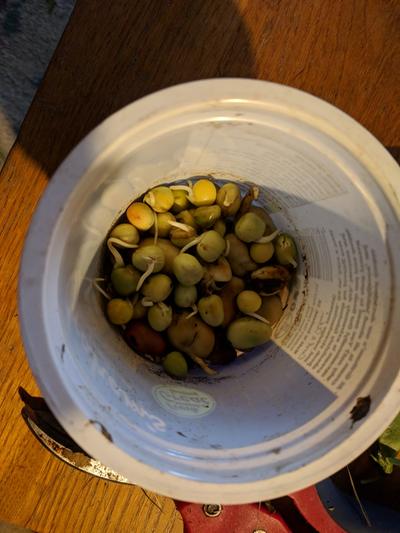
I've been picking out several sprouting seeds - both peas and beans - over the last few days. I don't really want to select for seeds that don't dry out, but I may plant these at the weekend just to see if I can get some to overwinter....
prematurely sprouting peas and beans
All the debris from the pods was returned back to the legumes bed.
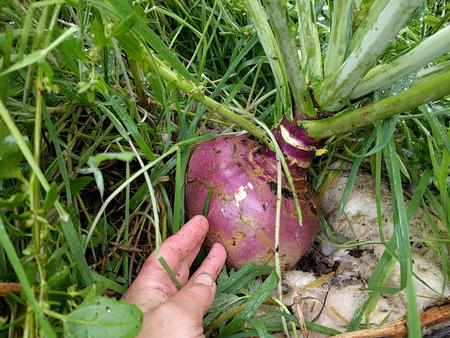
Amongst the 'weeds' that came in from the compost were several bonus vegetables: an as yet unidentified member of the solanacea family, possibly a Physalis, some beautiful fat hen plants which I may harvest for seed, a couple of the nice ragged leaved kale, which I will have to stop before flowering as it is likely to cross with my neeps, and a ginormous neep in the legumes bed - probably about 8 inches across , it was difficult to photograph.
I only left the oats another week before harvesting. They're now drying off in the spare bedroom with the other grains. So far so good.
I did do a microscope inspection of the soil in the growing beds. I'll post a bit about that below (wrong PC for the pictures) but long story short not much going on.
Last week I cut back the haulms on the potatoes ready to harvest at the end of the month. This year I don't seem to have much blight - just a few spots of damage, which may just be down to wind damage. However, it doesn't do any harm to be cautious, and by cutting the stalks back any blight is less likely to travel into the tubers and damage them. I collected potato berries from both the skye blue and the pink fir apple. Maybe next year I'll have a play with TPS, there is just so many fun things one can try!
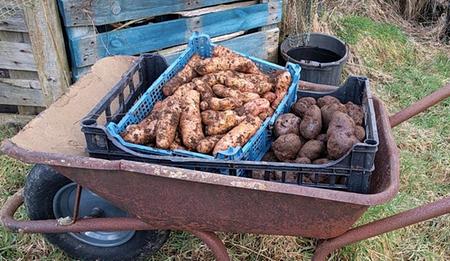
I did dig up just a few of the skye blue to have with locally caught mackerel for dinner yesterday. There doesn't seem to be a very good yield, but I only dug two plants, and probably didn't get all the tubers from those. I'l reserve judgement until digging the rest of them
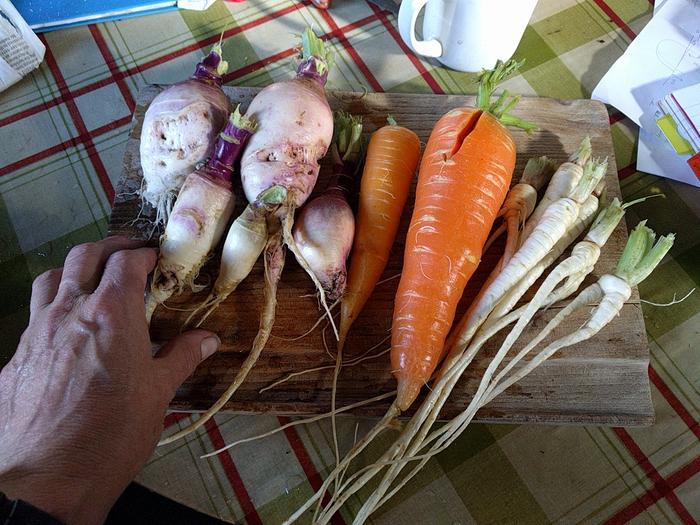
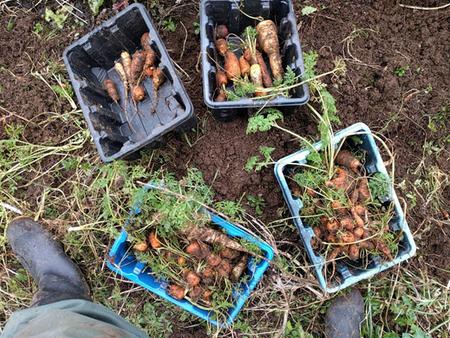
The big news is that I harvested some of my roots and .... I have achieved carrots!
vegetables grown from own saved seeds
The parsnip were very long and very thin (a couple split roots too), the neeps a bit small and rough, but the carrots were fantastic! There was a bit of a split at the top of the big carrot, but no sign of rot or nibbling of the roots. These just happened to be the first two in the row, so I don't know what the rest will be like (and whether I will regret eating these rather than saving them for seed!) However I'm feeling pretty chuffed - carrot, neeps and parsnip together with kale with a meat pie for my dinner today!
I've done a bit more sneaky harvesting.... carrots are still looking good. One or two have a little damage ? possible carrot fly, but I'm very happy over all. The neeps were a bit congested, but all except the very small are still tender enough and worth eating. The pink fir apple potato looks like it has a good harvest at present - no slug damage so far . We had some of each of those in a tasty Spanish omelette yesterday with some of my kale.
I'm having a think about the roots going to seed. The carrots I transplanted didn't survive the winter well, but the previous year where they were transplanted to softer soil they did OK, and the original lot left in situ did best of all.....I'm sort of wondering whether I need a 'fallow' year for the roots to go to seed in situ. If I left them where they are they would get in the way of trenching in the potatoes - which I think worked well, I have no greening as all the potatoes are nice and deep (although means a lot of digging...).
Given that I want to dig all the roots at once to aid selection of the best, I suppose that transplanting is still the easiest option, but maybe I could transplant to the legumes or grain bed and let them go to seed there (where the soil is better). Alternatively I could had a seeding bed in my new kitchen garden, which would enable me to keep a better eye on how the flowers and seed heads are developing, as it is permaculture zone 1 ish rather than zone 3 ish.
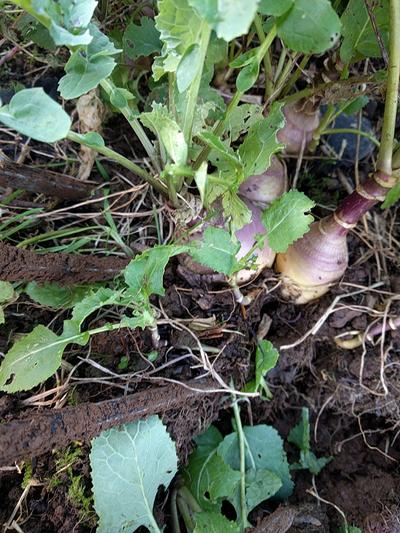
I'm trying to clear the roots bed now. First the neeps -
As I said earlier some of the plants were really a bit congested. I did pull a few out over the summer where the seedlings were obviously close together, but I think in a 'do nothing' scenario I need to sow them a bit more thinly to start with. I'm tending to get pretty good germination with the seeds - both mine and bought in, so I think the viability of Swede is pretty good, and they like my conditions.
The swede on the row nearest the path were in general much smaller too. I think on this bed the soil is just a bit shallow, and that would be worst next to the path of course, due to the slope of the bed*. I'm wondering too if they tended to survive and struggle on rather than being shaded out by the more vigorous plants, not sure how I'd assess that....
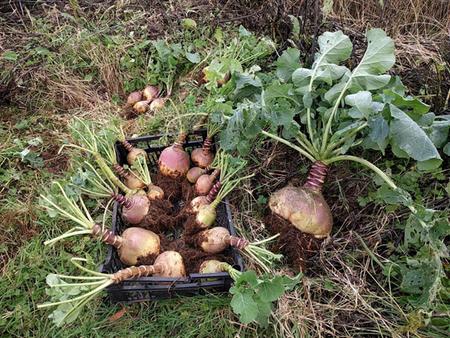
So I separated out all the bigger roots from my own seed plants. These were all bigger than a clenched fist, so look good and should store well. Any that were big enough to use but too small to store I put to one side to cut up and use ASAP - hoping to get some fermented 'neeps with some help here .
I had four little rows of other seed. I'm not sure which is which and it doesn't really matter. I saved a few of the best roots from each of those rows. Again they were overcrowded so some were really small. The one I kept from one section is only a little bigger than a golf ball, but it is perfectly round and smooth, so rather attractive.
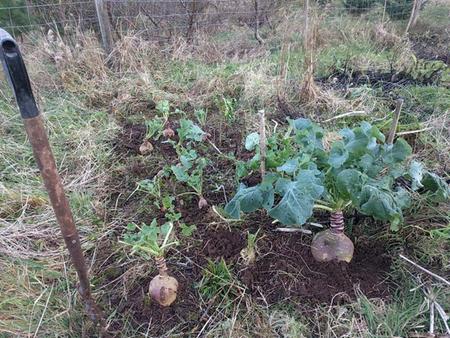
My best root was actually the one from my legumes bed! Easily three times the size of any of the others. I decided that the ability to volunteer was something I desired, so have chosen that one to replant. I selected 7 of my best roots to save for seed, together with the ones from the different seed sources and replanted them at the edge of the growing area.
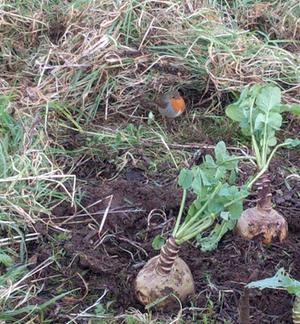
All along I had a little helper:
robin redbreast
One option to avoid transplanting too much would be to leave the last couple of feet of the row to go to seed. Once I have got a stable landrace that will be an option, but will leave my potatoes bed a little smaller than the others.
* I missed measuring the temperature this autumn in the sunshine, I'll have to try again in spring.