|

|
|

|

|

|
|
|
|
|
|
|
|

|

|

|
|

|
 5
5


 5
5
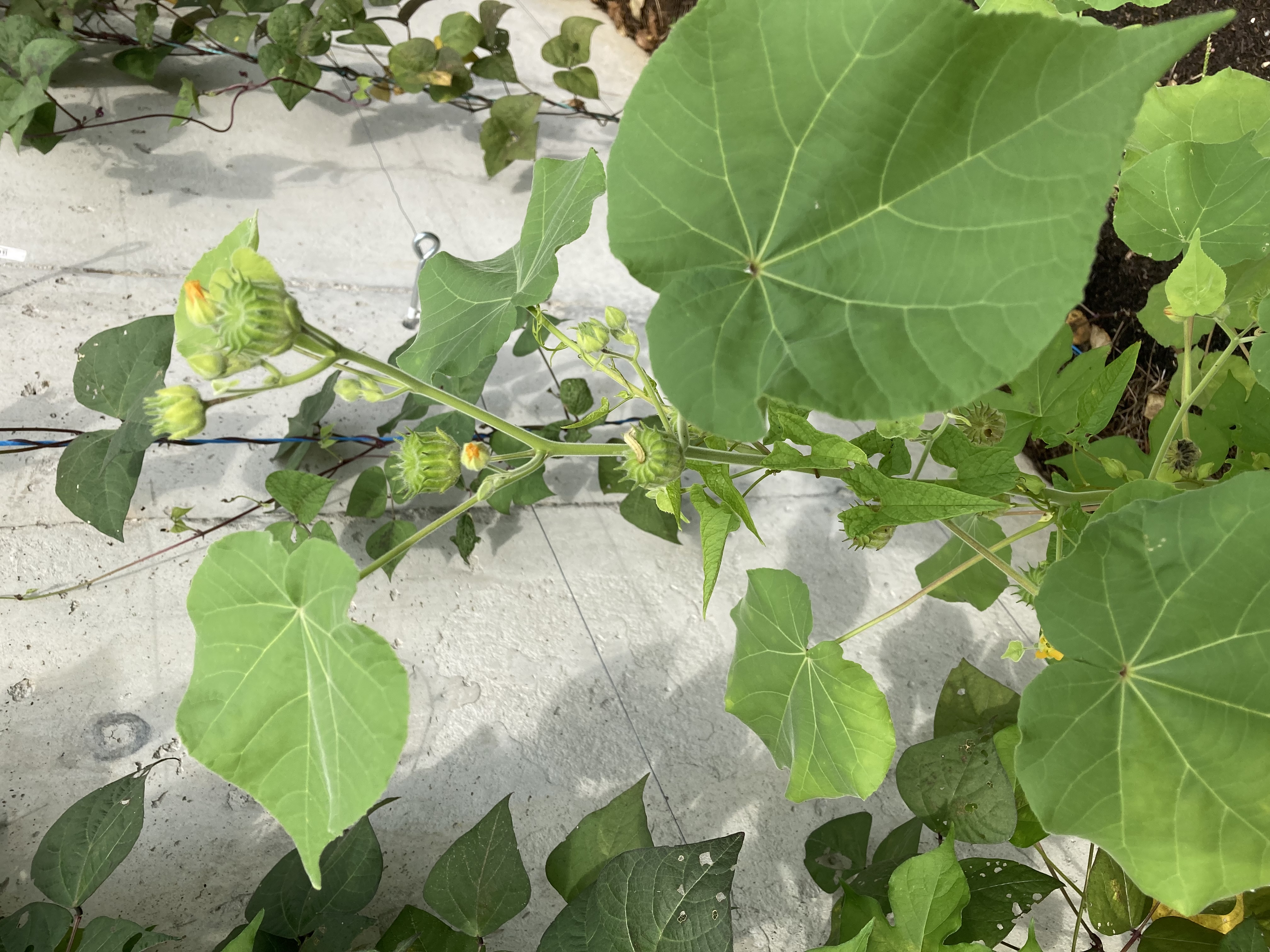
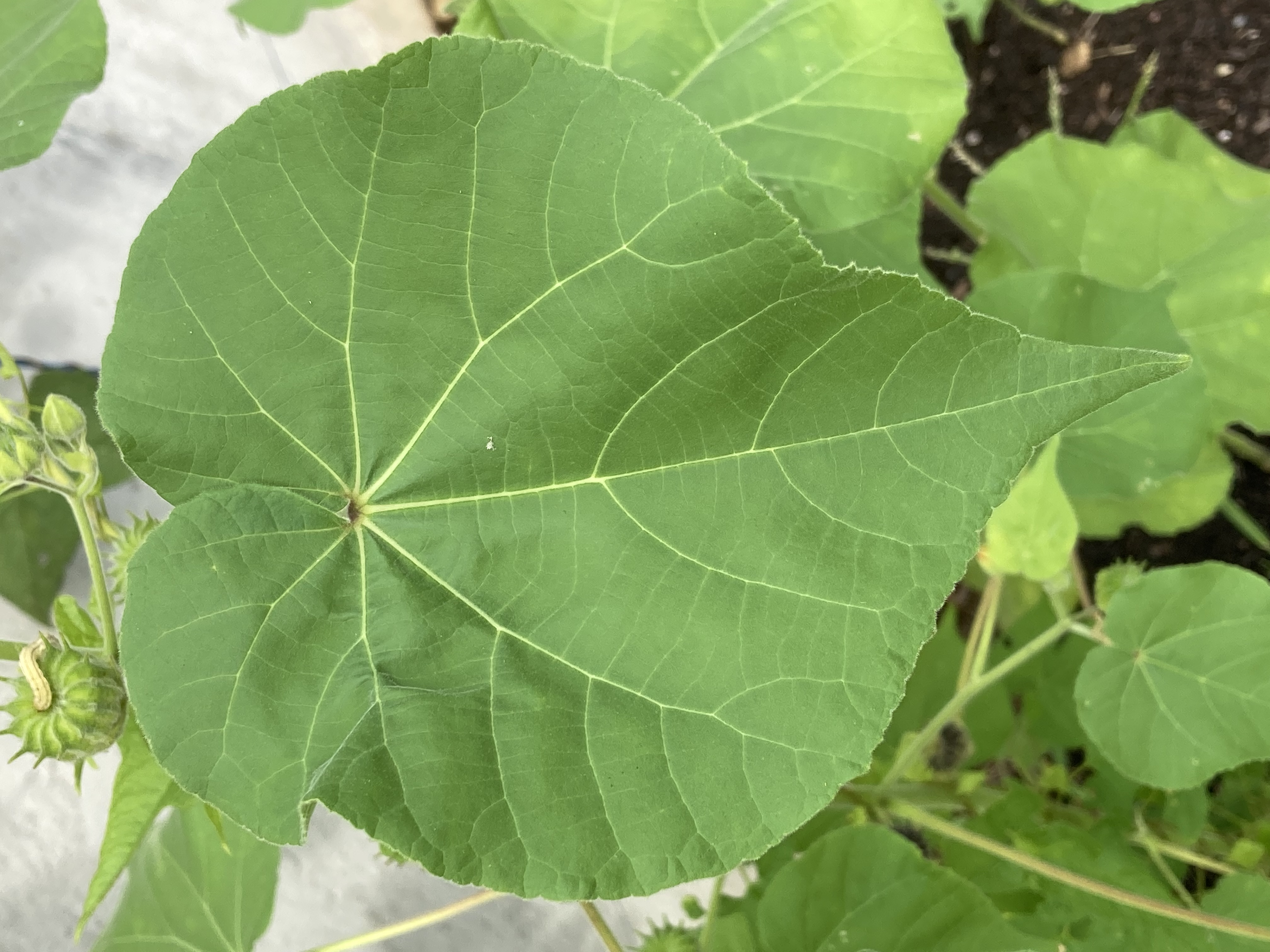
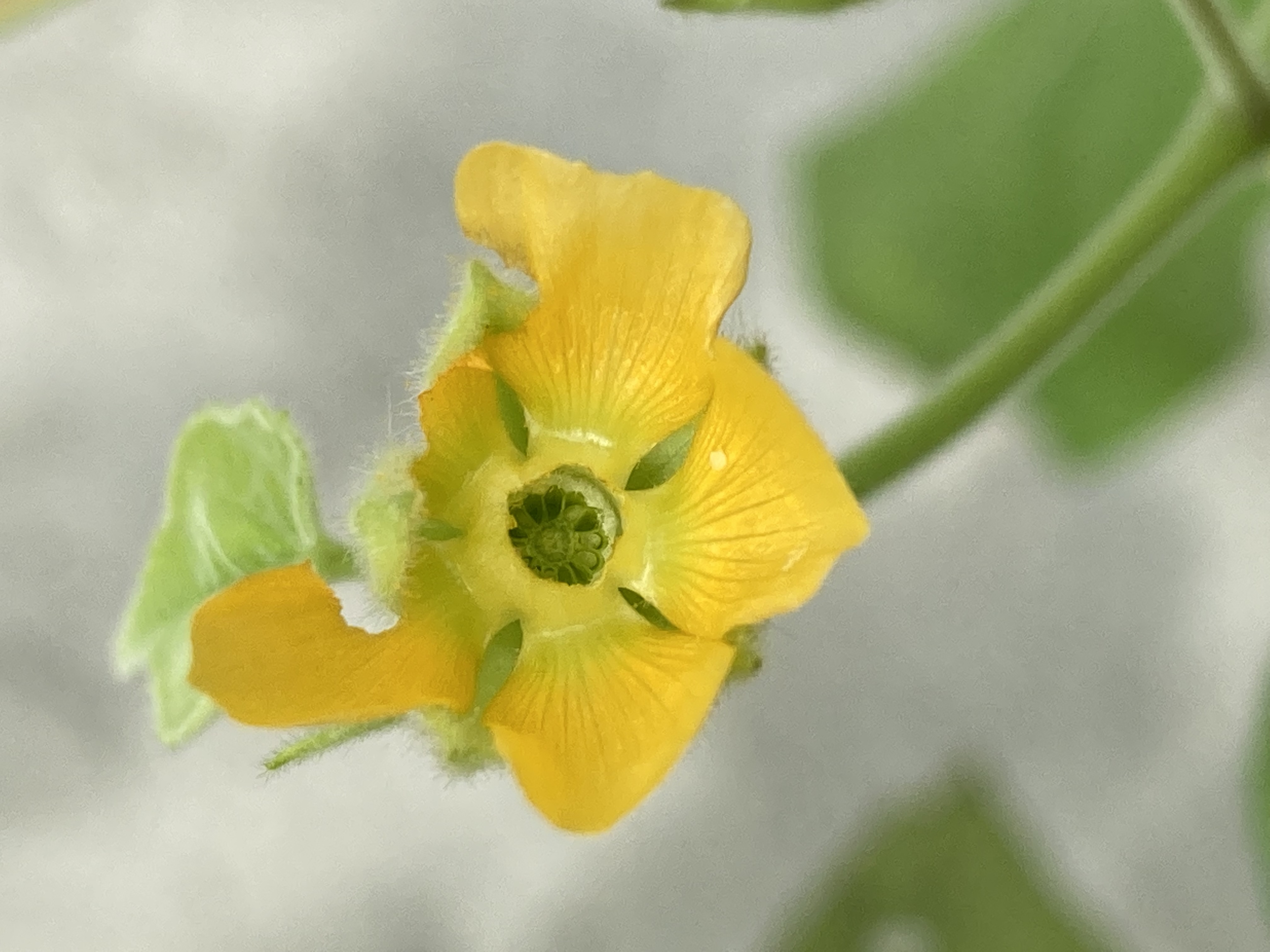
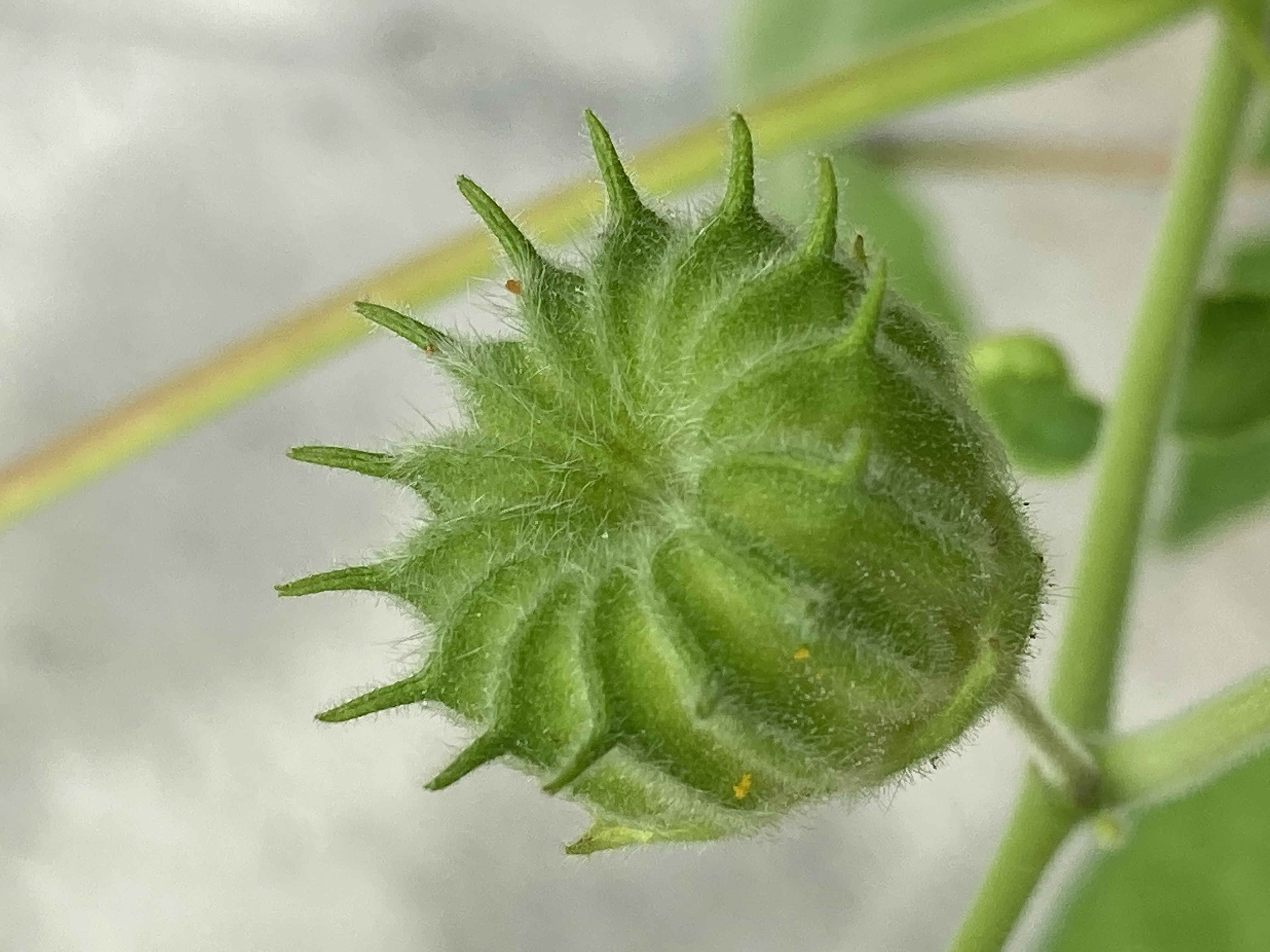
Joy to You
William Bronson wrote:Wow , Angela , I have that plant !
Thanks for post your photo, I would never have guessed otherwise!
Joy to You
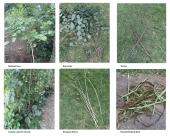
Blake Lenoir wrote: Awesome pics! I'm trying to find sustainable ways to remove the velvetleaf from my gardens and use them for food, medicine or cordage. Any historic records or writings on how the velvetleaf has been used for food from its leaves? How we cook them?
Joy to You
Education: "the ardent search for truth and its unselfish transmission to youth and to all those learning to think rigorously, so as to act rightly and to serve humanity better." - John Paul II
1


 4
4
The leaves are edible stir-fried or in an omelette.[citation needed] The plant is known as maabulha in the Maldives and its leaves were part of the traditional Maldivian cuisine, usually finely chopped and mixed with Maldive fish and grated coconut in a dish known as mas huni. The seeds are eaten in China and Kashmir.
Seeds - raw or cooked. They can be eaten raw when they are under-ripe[179]. The ripe seed is dried and ground into a powder then used in soups, bread etc[177, 178]. It is washed first to remove any bitterness[179]. The seed contains about 17.4% protein, 16% fat, 33.8% carbohydrate, 4.4% ash[179]. Unripe fruit - raw[177]. This is really more of a seedpod
How Permies works: https://permies.com/wiki/34193/permies-works-links-threads
My projects on Skye: The tree field, Growing and landracing, perennial polycultures, "Don't dream it - be it! "
2
3
2
One can never be too kind to oneself or others.
Never our fault, always our responsibility


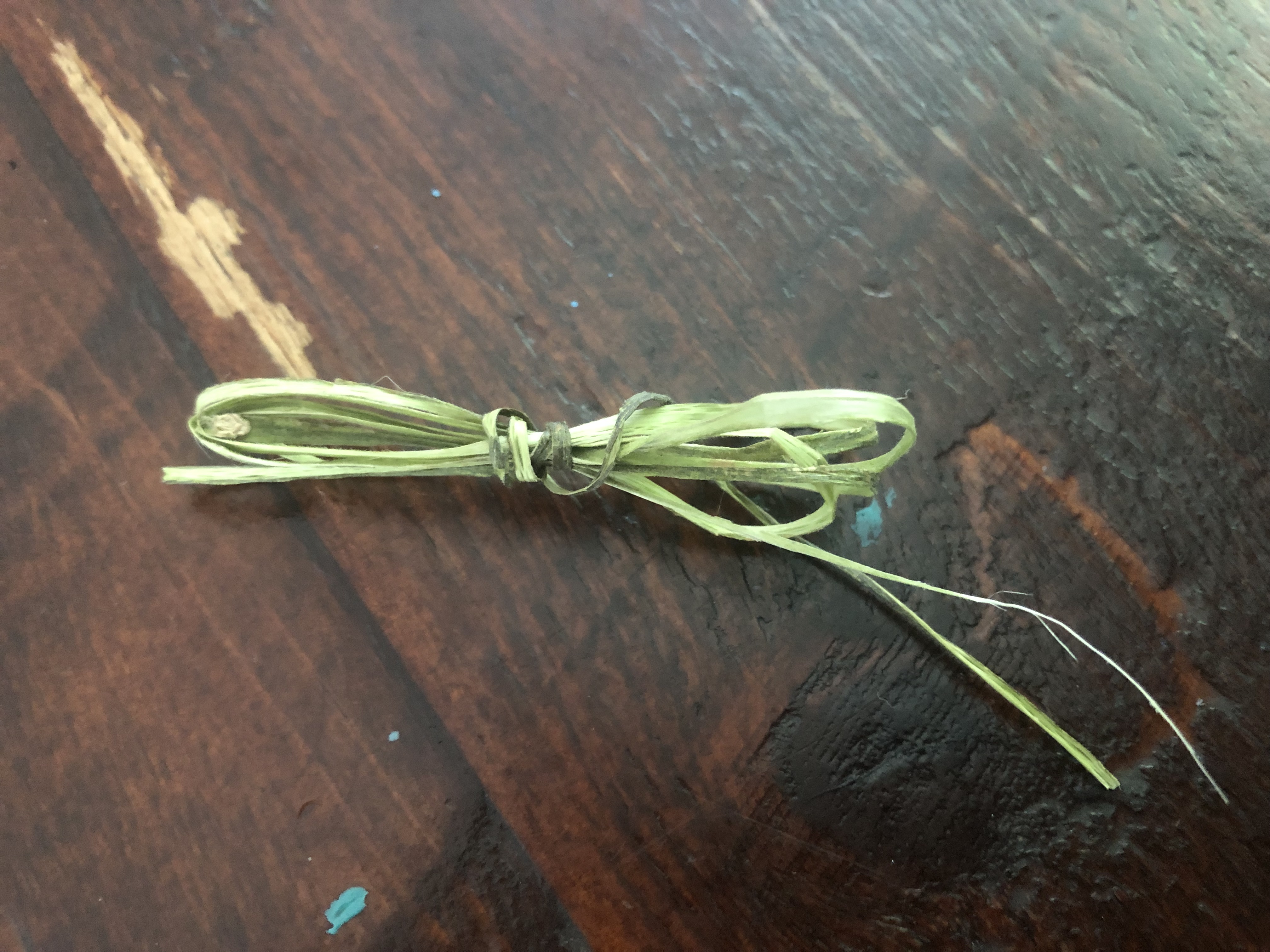
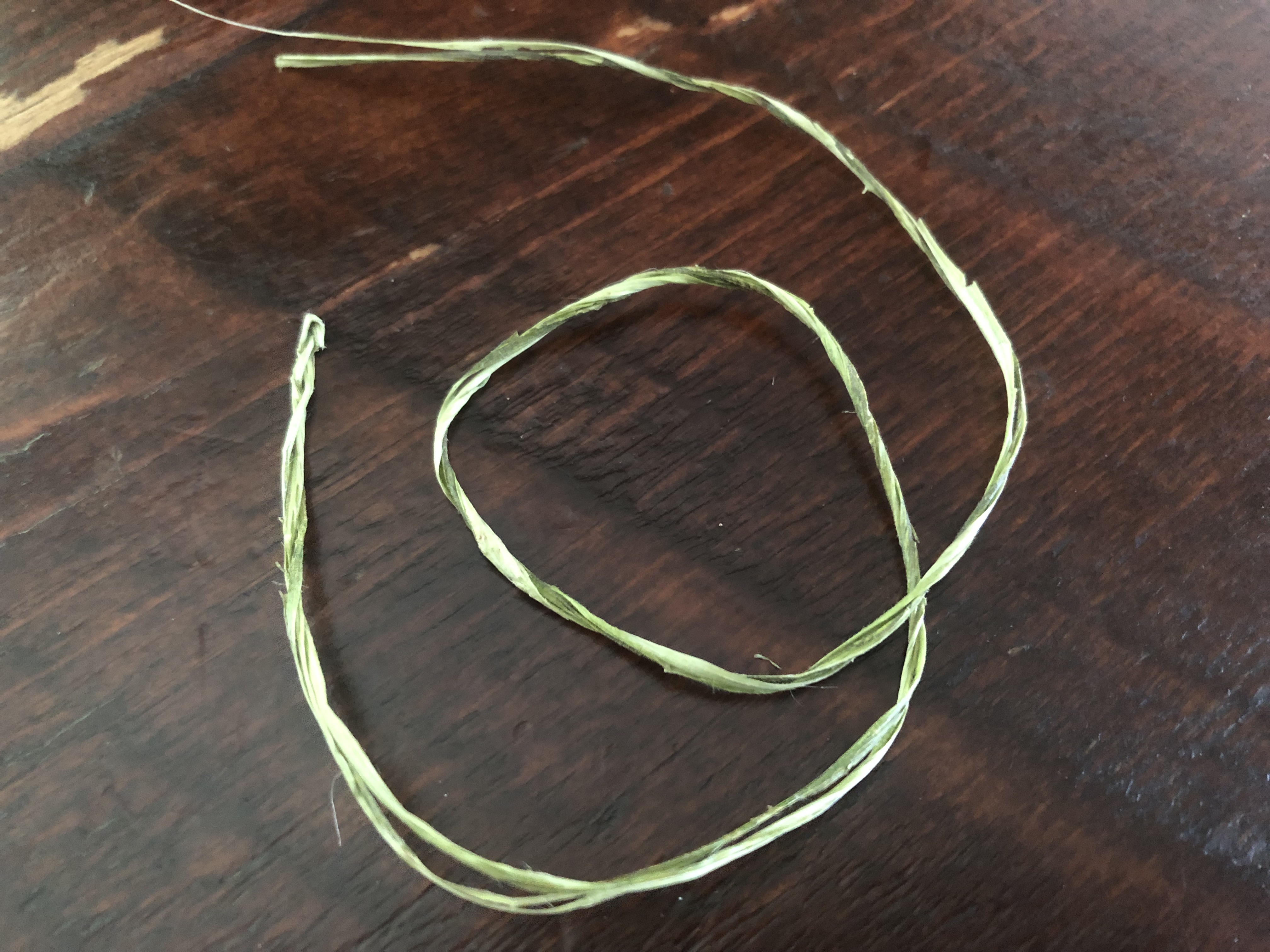
One can never be too kind to oneself or others.
Never our fault, always our responsibility

|
Have you no shame? Have you no decency? Have you no tiny ad?
A Sampler of Alternative Homes: Approaching Sustainable Architecture Movie
https://permies.com/wiki/211706/Sampler-Alternative-Homes-Approaching-Sustainable
|