
I would like to share this great video here for those of you that would like to try this someday.
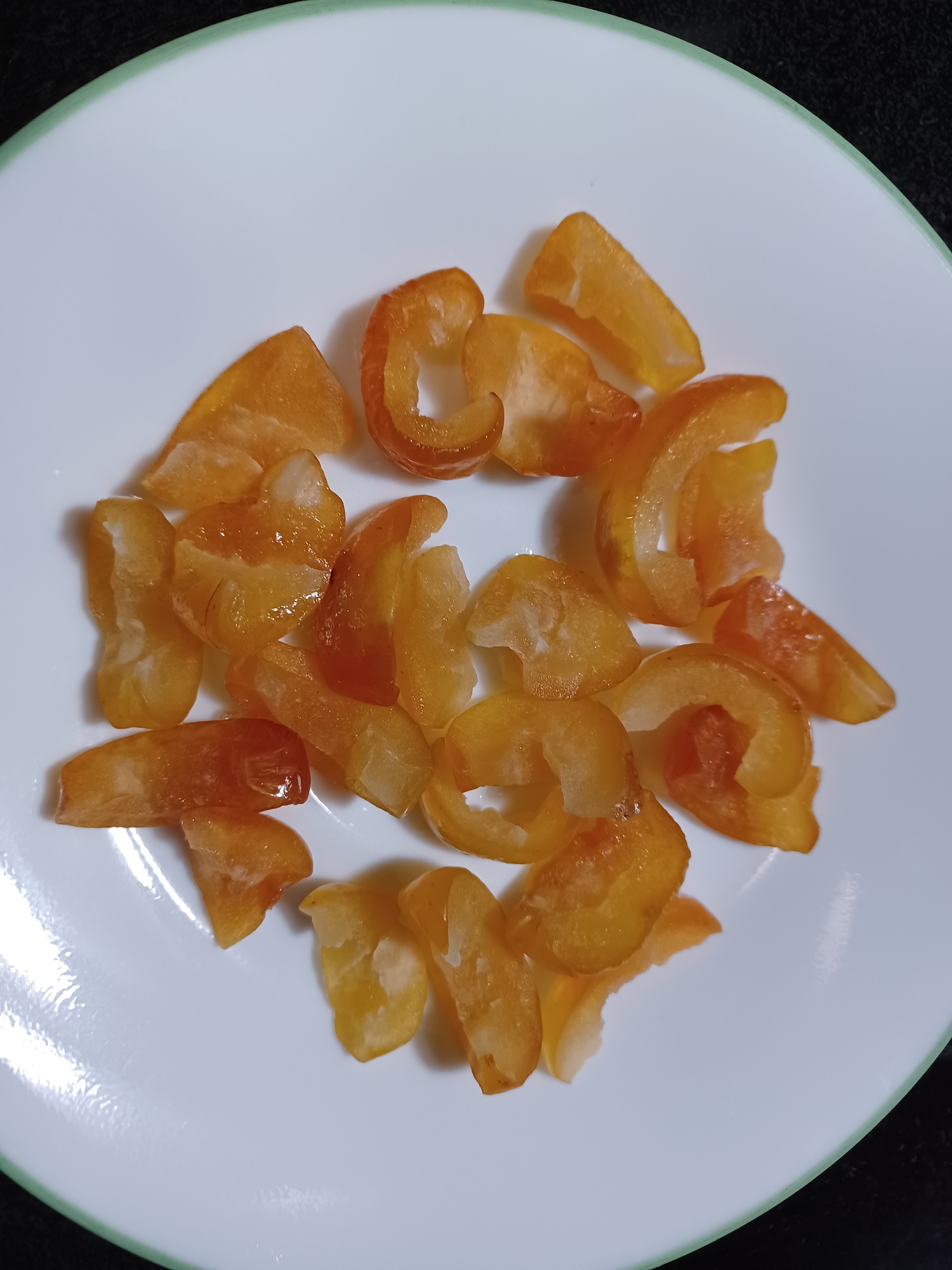
I know this is fantastic because i have actually tasted the candied fruit when a friend from lithuania sent me chaenomeles seeds.
He had included some candied fruit in the parcel.
They taste really good.
This plant can grow very far up north.
It's actually a plant that will grow very well in the most coldest parts of north america.
You can make great candied fruit, syrup, jam and many other things.
You can use it in all recipies that call for lemon juice as a substitute.
So you can, for example, bake really nice lemon cake, without buying lemons from the supermarket but by using these fruits from your garden.
Thanks so much for that link Philip - that was so interesting. The Japanese Quince seems much easier to candy than other fruit I have tried - simply add sugar, leave a few days and then dry! Brilliant! and no waste since the syrup makes a nice summer cordial.
I have a few plants that I grew from seed, and am hopeful that they might provide a lemon substitute sometime in the future for me. Now I feel I can't wait, maybe I'll have to buy a nice fruiting form to get a head start.
Yes Nancy i am just after preparing the fruits now. I put them in the freezer and tomorrow I'll add the sugar.
We in europe are quite lucky because we can quite easily buy fruiting forms like cido over here.
It might be a little bit harder in america to get the baltic fruiting types.
Most chaenomeles sold is for ornamental purposes and doesn't necessarily make fruit.
Once i roasted fish in the oven with leeks cream and dill.
We ate rice with that and i put some chaenomeles fruit on top cut in very thin slices.
It was absolutely delicious! Like crispy roasted lemon chips.
It was a great addition to the meal.
I am sure there is plenty of different uses possible with this plant.
Thank you Philip. You've gotten me quite interested in working with my flowering quinces this year. I have been following this method of candying the fruit from each of my bushes to see how much they vary in flavor. To my great surprise, one of them has a strong licorice flavor on top of the floral and tart flavors. It's a variety sold here as an ornamental named 'Orange Delight' due to its orange flowers.
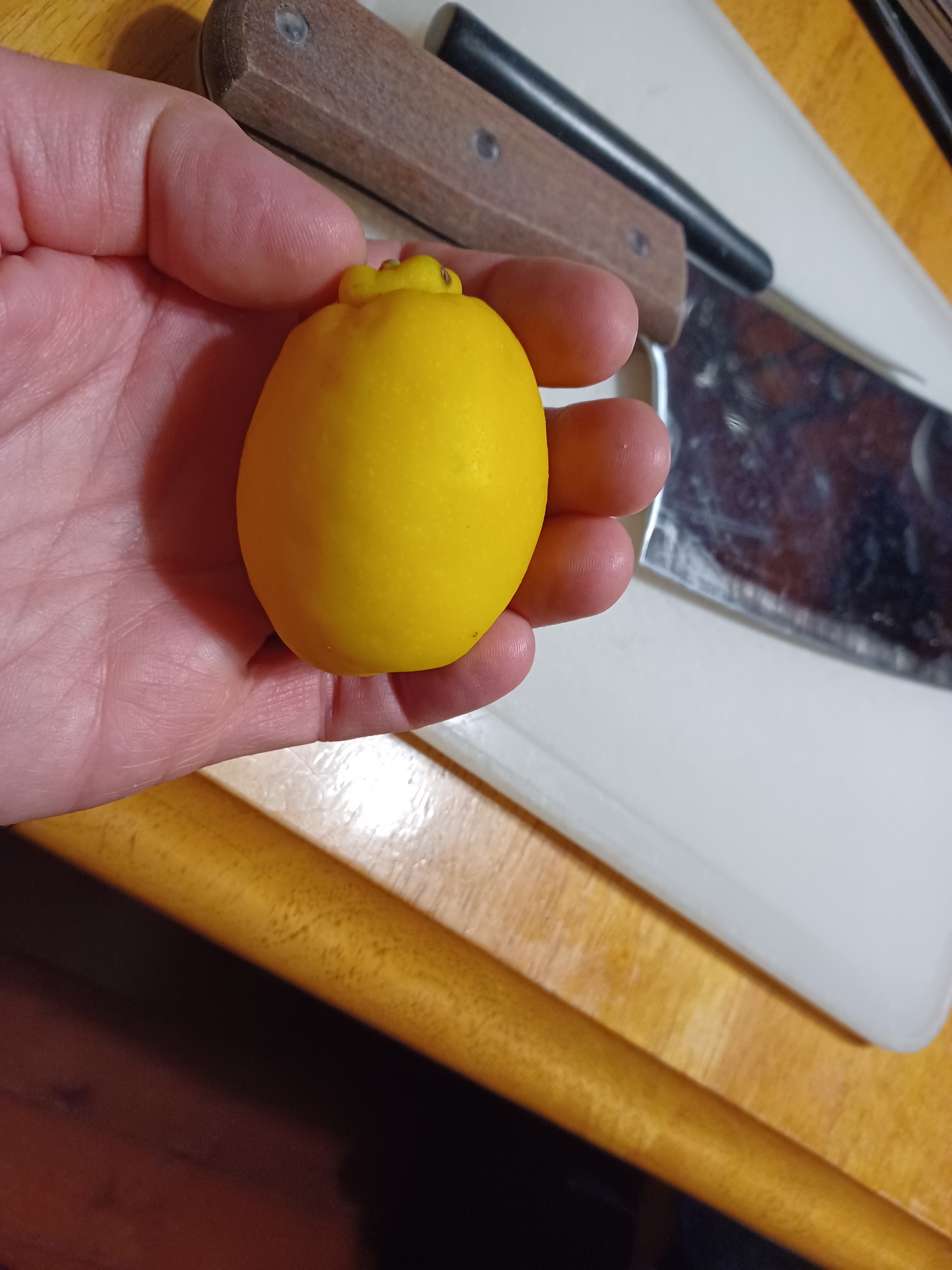
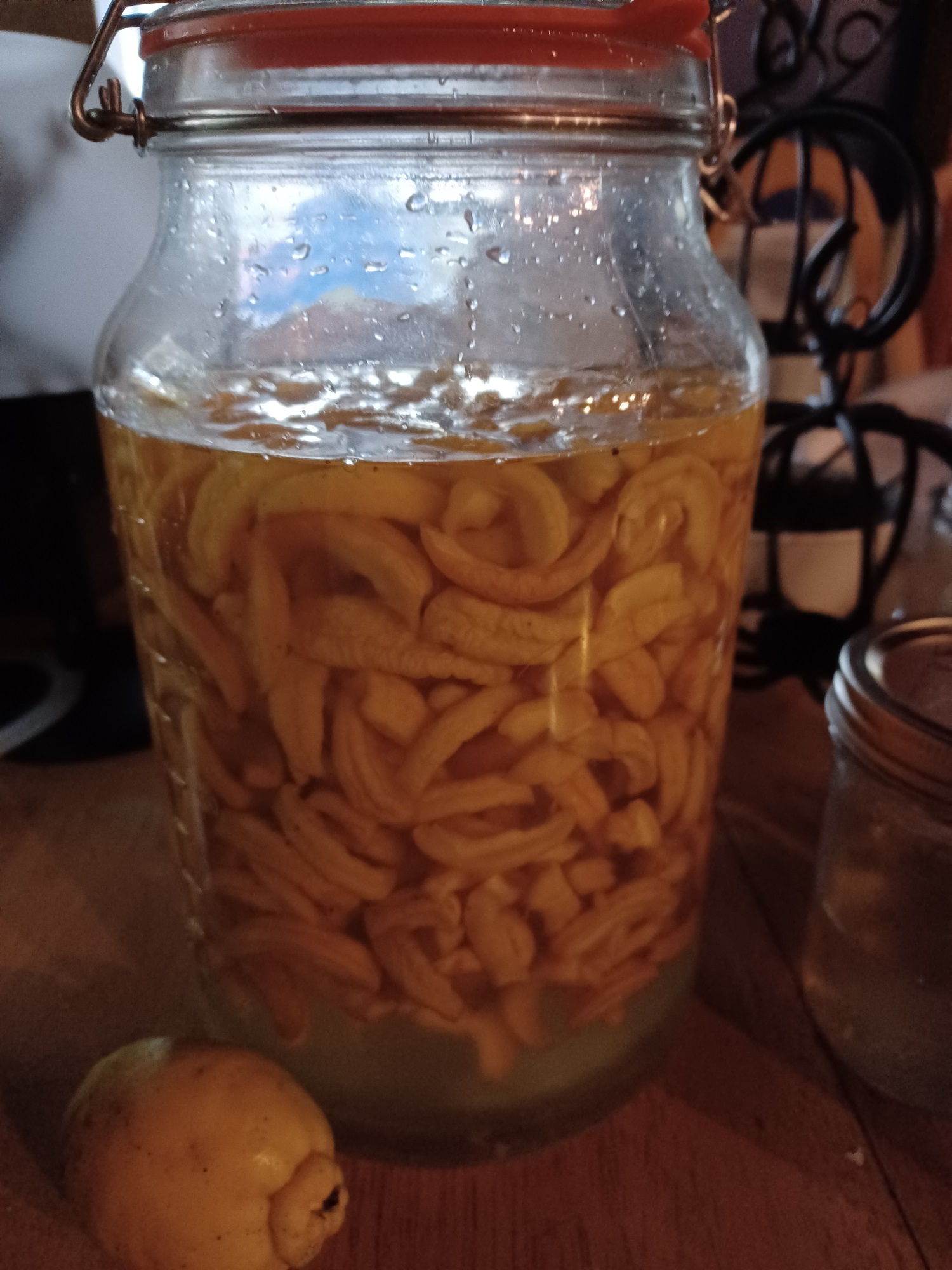
Right now I have a batch being candied of a seedling I grew that I call 'Lemon' for its shape, color and flavor. I'm also making a batch of flowering quince liquor from it which will be ready in several months from now.
Lemon.jpg
My 'Lemon' flowering quince seedling
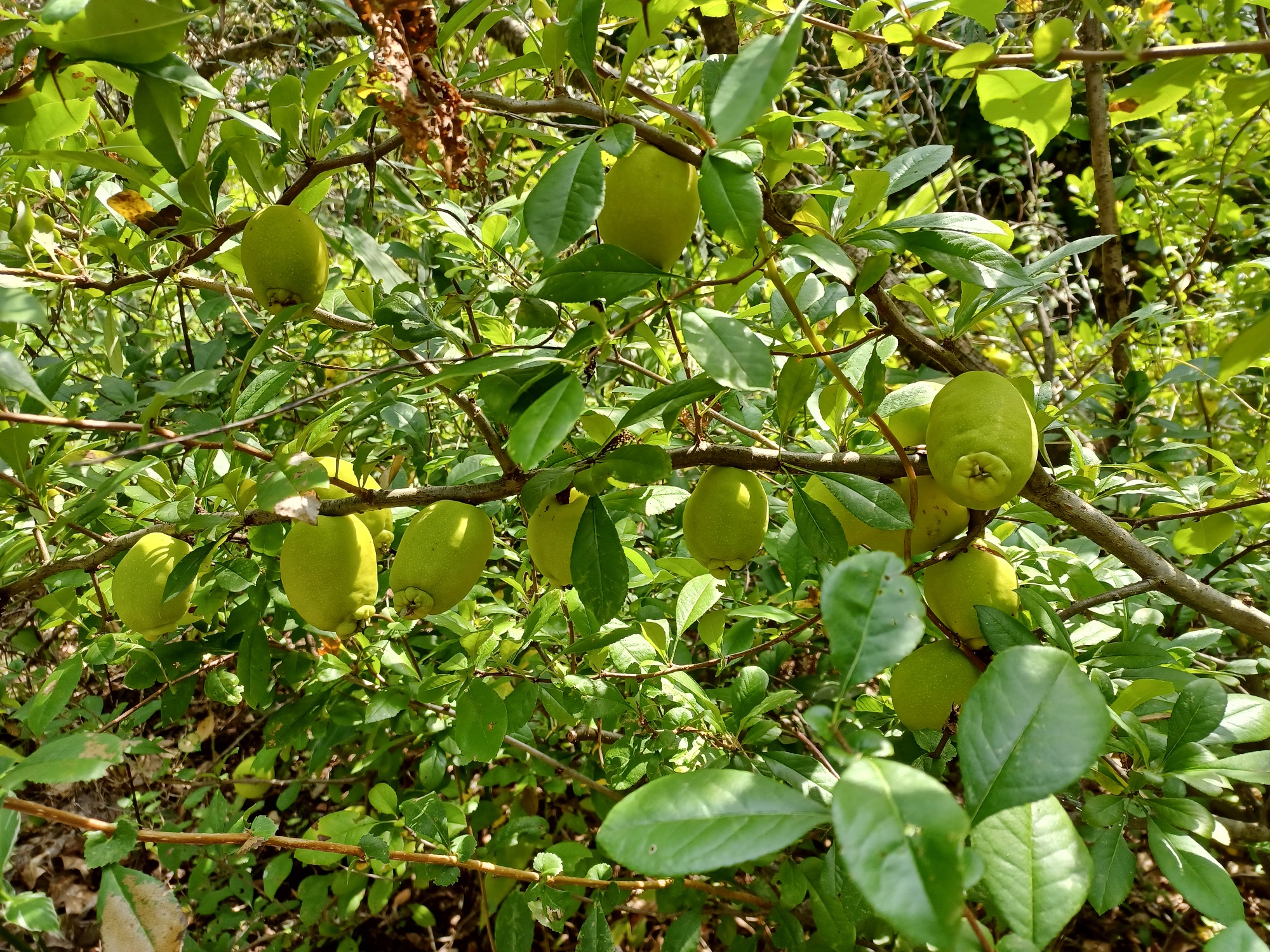
Lemon-branch.jpg
A 'Lemon' branch in fruit
Flowering-quince-liquor-using-Lemon.jpg
A gallon jar of flowering quince liquor I'm making with 'Lemon'
If I remember correctly, it only took about 3 years to go from seed to fruiting, so a fairly easy perennial fruit crop to work with. I'm planning on exploring the licorice flavor to see what may develop. I saved all my seeds from my processing this fall and have a pile of seeds from 'Lemon' in my refrigerator if anyone has interest in some.
Fantastic Greg, well done! The "lemon" fruits look really cool and if they have a nice lemon flavour you succeeded in breeding a new interesting variety.
Try and layer branches in pots to multiply your variety. That way it can spread and others can evaluate it.
I used this method successfully this year to candy angelica too - worked out very well. I want to try with sweet cicely (Myhrris odorata) green seeds next. They are yummy when they are young, but soon go tough. This may be a way of enjoying them for longer.
Do let us know how that works out Nancy! I used this method to candy rhubarb this year and loved it, though the pieces shrank significantly. But still, was very tasty.
Nancy Reading wrote:I used this method successfully this year to candy angelica too - worked out very well. I want to try with sweet cicely (Myhrris odorata) green seeds next. They are yummy when they are young, but soon go tough. This may be a way of enjoying them for longer.
I've cooked with Sweet Cicely roots - when a plant needed to come out. I made a flapjack.
Anthony Powell wrote:I've cooked with Sweet Cicely roots - when a plant needed to come out. I made a flapjack.
I'd be really interested in the recipe Anthony (bear in mind that most American Permies won't know what a UK flapjack is as the word is used for a different thing in US). It looks like we don't have a thread on Sweet cicely - do you fancy starting on in perenial vagetables perhaps? I'd love to use the plants I have more, they grow so well for me, but really all I do is much on the seeds!
Greg Martin wrote:Do let us know how that works out Nancy! I used this method to candy rhubarb this year and loved it, though the pieces shrank significantly. But still, was very tasty.
Anthony Powell wrote:I've cooked with Sweet Cicely roots - when a plant needed to come out. I made a flapjack.
I'd be really interested in the recipe Anthony (bear in mind that most American Permies won't know what a UK flapjack is as the word is used for a different thing in US). It looks like we don't have a thread on Sweet cicely - do you fancy starting on in perenial vagetables perhaps? I'd love to use the plants I have more, they grow so well for me, but really all I do is much on the seeds!
A flapjack over here (UK) is an oat based 'cake', typically made with butter, sugar and golden syrup or brown sugar. My fruity versions use white sugar and bland (sunflower/rapeseed) oil, to let the fruit flavour dominate. I also cook in a silicone tray in the microwave - cheaper for short runs.
In a pan: heat and simmer (does't need to be for long) around 4oz each water, sugar and oil, something like half a pound sweet cicely root (and/or other flavourings - raspberry is good, Chaenomeles fruit works well with a sprig of rosemary); optional nuts for crunch, vine fruit for interest.
I then use a wide-necked measuring jug rather than a bowl: measure in 12oz porridge/rolled oats. Stir in contents of pan. I like to get a mix that holds together in one lump (hence the jug). Flop it on the tray, spread it out, use your silicone spatula to divide into portions - easier now than with a knife after cooking.
To microwave: 20 minutes at 200W per pound of mix.
There's a traditional recipe here, oven baked: https://www.bbc.co.uk/food/recipes/flapjacks_86993