• Post Reply Bookmark Topic Watch Topic
  • New Topic
permaculture forums growies critters building homesteading energy monies kitchen purity ungarbage community wilderness fiber arts art permaculture artisans regional education skip experiences global resources cider press projects digital market permies.com pie forums private forums all forums
this forum made possible by our volunteer staff, including ...
master stewards:
  • Carla Burke
  • John F Dean
  • r ransom
  • Nancy Reading
  • Timothy Norton
  • Jay Angler
stewards:
  • paul wheaton
  • Pearl Sutton
  • Eric Hanson
master gardeners:
  • Christopher Weeks
  • M Ljin
gardeners:
  • thomas rubino
  • Megan Palmer
  • Benjamin Dinkel

How do I patch chips in my concrete retaining wall--cob, lime mortar, or something else?

 
steward
Posts: 22357
Location: Pacific Northwest
12974
12
homeschooling hugelkultur kids art duck forest garden foraging fiber arts sheep wood heat homestead
  • Likes 2
  • Mark post as helpful
  • send pies
    Number of slices to send:
    Optional 'thank-you' note:
  • Quote
  • Report post to moderator
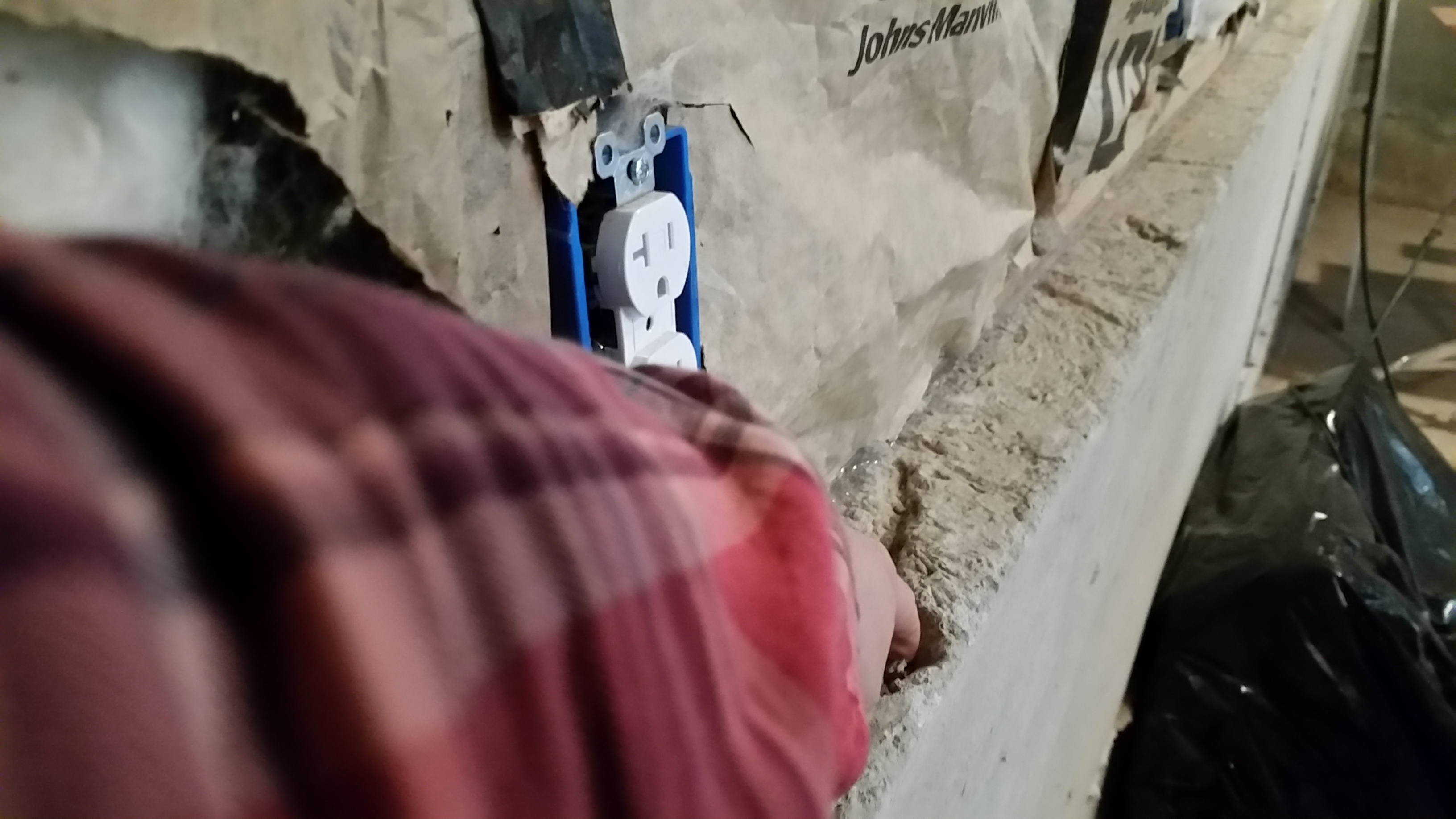
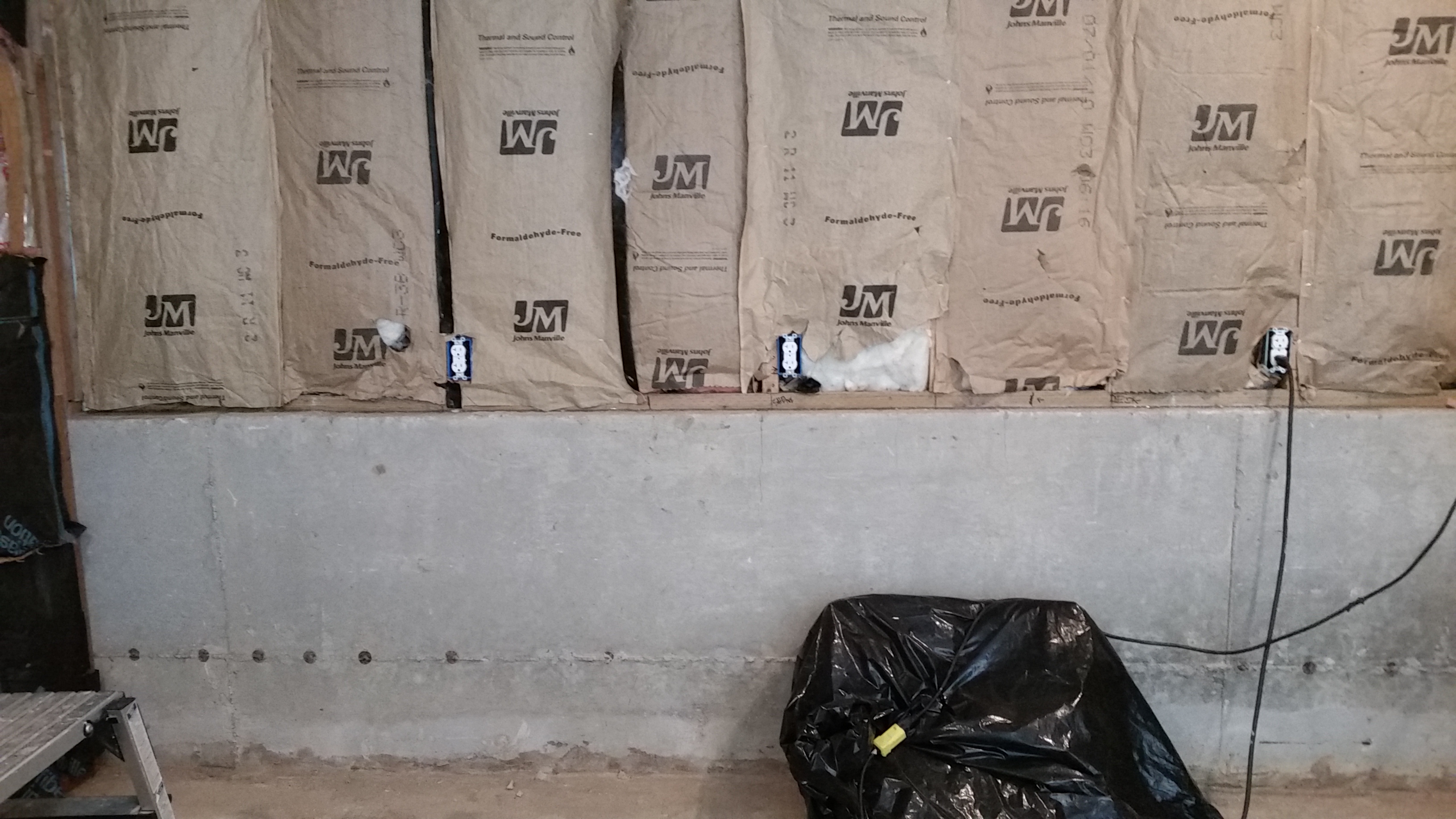
We've been remodeling out garage to split it into a family room and a workshop. (Another thread about my garage, this time about the concrete floor.) The garage has a 3 foot high retaining wall, and part of the top of that retaining wall will be exposed even after the drywall is installed. But, it rather beat up, and has chunks and bits missing from the top. I would love to fill in the missing bits, and smooth it out...but with what???

I'm thinking of getting some lime mortar (maybe lime mortar from this limeworks.us) to fill the joint lines on the floor concrete. Could that also be used to fill in the missing bits in the retaining wall? Will concrete and lime mortar get along, even though concrete is hydrophilic?

Maybe a cob plaster (mostly clay and fine jute fibres and a bit of sand) would be better? Maybe mixing cob with lime mortar would work?

I honestly feel a bit out of my depth here. Anyone have any ideas or guidance?

Thanks!
20240612_145744.jpg
Some of the arears of this concrete retaining wall have pretty deep chunks missing from it
20240612_145808.jpg
The wall is 36 inches high, and will have about 2.5 inches exposed on the top after the drywall goes up
20240612_145829.jpg
How to I smooth this out and protect it?
 
Posts: 187
Location: South Central Virginia
35
  • Likes 1
  • Mark post as helpful
  • send pies
    Number of slices to send:
    Optional 'thank-you' note:
  • Quote
  • Report post to moderator
Look up pour on concrete floor leveler and think temporary frame.
 
pioneer
Posts: 235
Location: Wisconsin Zone 5a
93
cat forest garden chicken building medical herbs wood heat
  • Likes 3
  • Mark post as helpful
  • send pies
    Number of slices to send:
    Optional 'thank-you' note:
  • Quote
  • Report post to moderator
You could look up Masonry skim coat, and trowel it on with a small trowel if you want to go that route. When I built my first house, we did a 2x4 wall in front of the short concrete wall and drywalled it. Then above the drywall was just set back a little, so I had a little shelf to put things on and it was pretty nice.  Does that make sense?
concrete-wall.JPG
[Thumbnail for concrete-wall.JPG]
 
Elanor Gardner
pioneer
Posts: 235
Location: Wisconsin Zone 5a
93
cat forest garden chicken building medical herbs wood heat
  • Likes 2
  • Mark post as helpful
  • send pies
    Number of slices to send:
    Optional 'thank-you' note:
  • Quote
  • Report post to moderator
They even put concrete patch in a caulk gun tube, but you would still need to trowel it out.
 
I agree. Here's the link: http://stoves2.com
reply
    Bookmark Topic Watch Topic
  • New Topic