
• Post Reply Bookmark Topic Watch Topic
permaculture forums growies critters building homesteading energy monies kitchen purity ungarbage community wilderness fiber arts art permaculture artisans regional education skip experiences global resources cider press projects digital market permies.com pie forums private forums all forums
this forum made possible by our volunteer staff, including ...
master stewards:
  • Devaka Cooray
  • Carla Burke
  • John F Dean
  • Nancy Reading
  • Timothy Norton
  • r ranson
stewards:
  • Jay Angler
  • Pearl Sutton
  • paul wheaton
master gardeners:
  • Christopher Weeks
  • M Ljin
gardeners:
  • thomas rubino
  • Eino Kenttä
  • Jeremy VanGelder

Brainstorming a viable replacement for acrylic art paint

 
steward & author
Posts: 43771
Location: Left Coast Canada
16678
9
art trees books chicken cooking fiber arts
  • Likes 2
  • Mark post as helpful
  • send pies
    Number of slices to send:
    Optional 'thank-you' note:
  • Quote
  • Report post to moderator
I have an old acrylic paint set like we get for kids with an intest in crafting. 24 colours, tiny tubes, but pretty good quality for the set (better than winsor and newton student grade).

I ran out of raw sienna first and replaced with w&n student grade which is less nice.  I'm likely to use up some more earth colours soon, and my heart is reluctant to buy more.

Why not acrylic?

There are a lot of ecological and health reasons not to use acrylic paint which is pretty much plastic soup with solvents and preservatives of dubious reputation.  It is possibly the most harmful artist paint around, despite the mythology.  I could talk about clogged drains and all sorts of other issues.  But mostly, the smell triggers memories and it's not good for me to use acrylic artist paints.

The other thing I dislike is how plasticity the colours look, and the shine it gets.  It takes skill beyond my own to get it looking nice.

What are some viable solutions?   The first thing to figure out is why acrylic paint is recommended so much and what I use it for.

Colours I use the most include (aka, the ones I need to replace)
Raw sienna
Burnt sienna
Raw umber
Burnt umber
Yellow ochre
Vermillion
White
Black (mars would be best)

I want a replacement to do these traditional earth colours well.


What I use it for so far?

-Making signs that need to be outside
-tinting acrylic gesso
-painting Marquette (miniature models for setting sceens to paint)
- painting on unprimed air dry clay


What qualities do acrylic paint have that the replacement needs?

- fast drying is useful.  Not essential, but good
- can go on lots of different surfaces
- often go on surface without priming first
- cheap!
- not sure what else goes here, but I suspect it's a long list.

Just brainstorming what options are out there.  It's possible if the idea doesn't work for me at this time, it might help others find quality, eco-friendly, safe artist paint
 
r ranson
steward & author
Posts: 43771
Location: Left Coast Canada
16678
9
art trees books chicken cooking fiber arts
  • Mark post as helpful
  • send pies
    Number of slices to send:
    Optional 'thank-you' note:
  • Quote
  • Report post to moderator
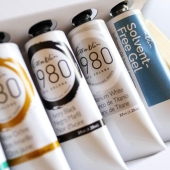
I'm going to start with oil paint.   This is what I use the most.

The advantage is it's extremely safe for human and planet as it mostly uses flaxseed or walnut oil and pigment.  Solvent and other gick are purely optional and unnecessary.

And the natural colours look natural to me.  

Disadvantages
- surface needs to be prepped in such a way that both protects surface from oil and paint from surface
- long drying times
- can't mix with acrylic gesso

There are ways around these, often using variations of the same stuff that makes me dislike acrylic.  

Another advantage is that oil paint, when treated well, will probably outlive acrylic.

Conclusion, oil paint can replace acrylics in some situations
gift
 
Native Bee Guide by Crown Bees
will be released to subscribers in: soon!
    Bookmark Topic Watch Topic
  • New Topic