|

|
|
|
|

|
.png)
|

|

|

|
 9
9


 4
4
Invasive plants are Earth's way of insisting we notice her medicines. Stephen Herrod Buhner
Everyone learns what works by learning what doesn't work. Stephen Herrod Buhner
8
I learn from the mistakes of others who take my advice.
6
4
Anne Miller wrote:Maybe what you are wanting is called Color Washing?
4
Stain & Finish is a combination of superior penetrating linseed oil and all natural earth pigments. In addition to giving the wood artistic coloration, the stains will also protect the surface and highlight the grains and natural look of the wood. These are perfect for all interior wood working projects, including tables and furniture, cutting boards, butcher’s block, children’s toys, cribs, etc.
All Tried & True products are 100% solvent free, zero VOC, and safe for food and skin contact.
6
8


~Permies FAQ ~ Dragons, Fairies and even a Mini-Paul! ~ You Know You're a Permie When...~ All About Permies, including tutorials ~Herbal Hugel Spiral of Randomness!~Tricks to Keep the Dirt from Sliding off a Hugel~List of Cascadia Bloggers and Facebook Pages!~


 7
7
The biggest difference between linseed oil paints and other types is that linseed oil paint penetrates into the wood. Because linseed oil paint is simply cold-pressed linseed oil combined with a finely ground pigment, it penetrates deep into the surface and protects from within. Alkyd and latex paint tend to create a film of color on top of the surface. This layer will look great for a while, but at a point, it will fail and start to flake and chip. Linseed oil paint, however, allows the moisture to leave the wood fibers and it will not chip or crack. The protection that linseed oil paint offers is unmatched.
Another benefit of linseed oil paint is that it will stick to nearly any surface without primer. I don’t like painting with a brush, so knowing that I have to less coats to get the coverage that I want is a win in my book.
7
7
4
~Permies FAQ ~ Dragons, Fairies and even a Mini-Paul! ~ You Know You're a Permie When...~ All About Permies, including tutorials ~Herbal Hugel Spiral of Randomness!~Tricks to Keep the Dirt from Sliding off a Hugel~List of Cascadia Bloggers and Facebook Pages!~
6
Nicole Alderman wrote:I'd love to see pictures if you have them. This is facinating!
2
5
5
4
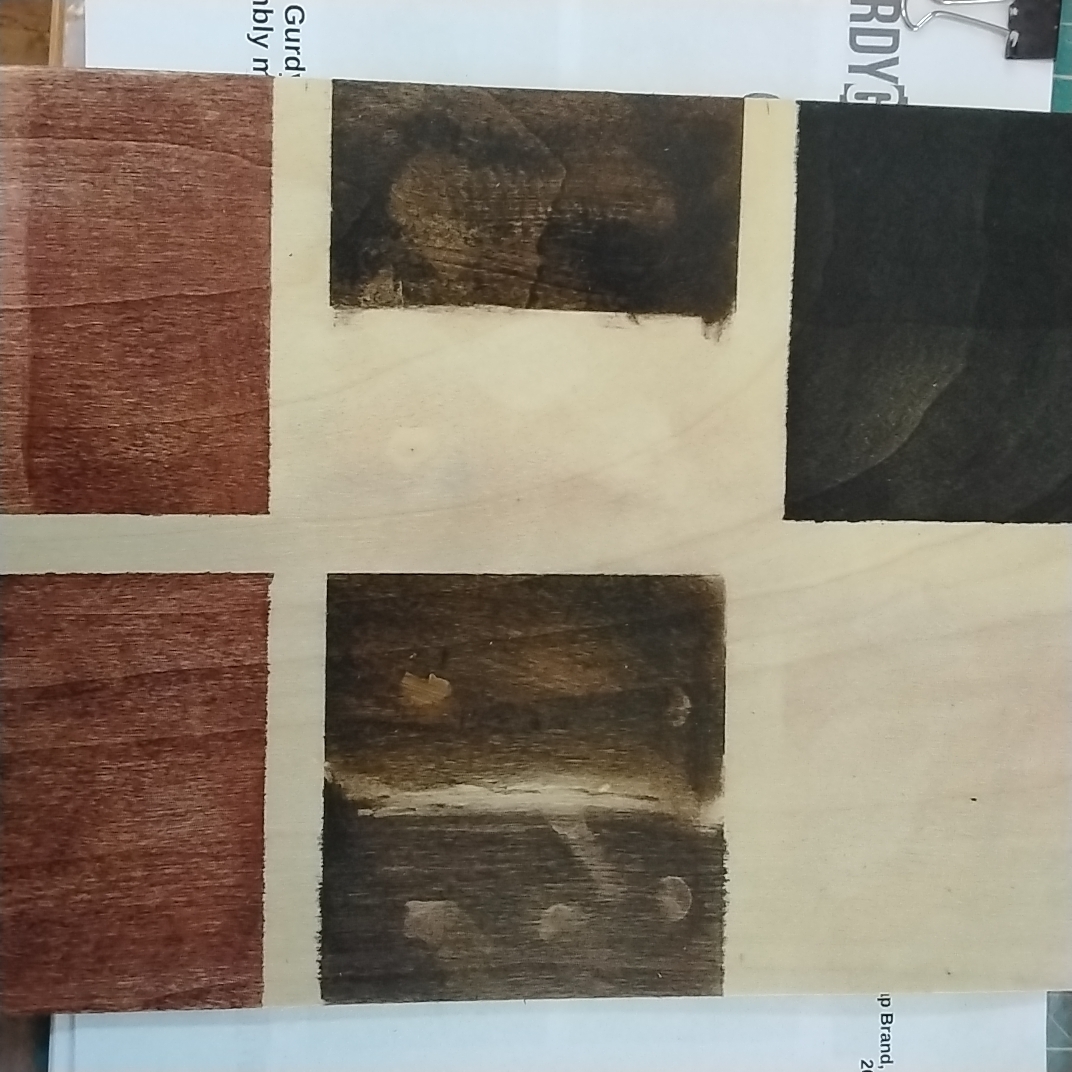


 8
8
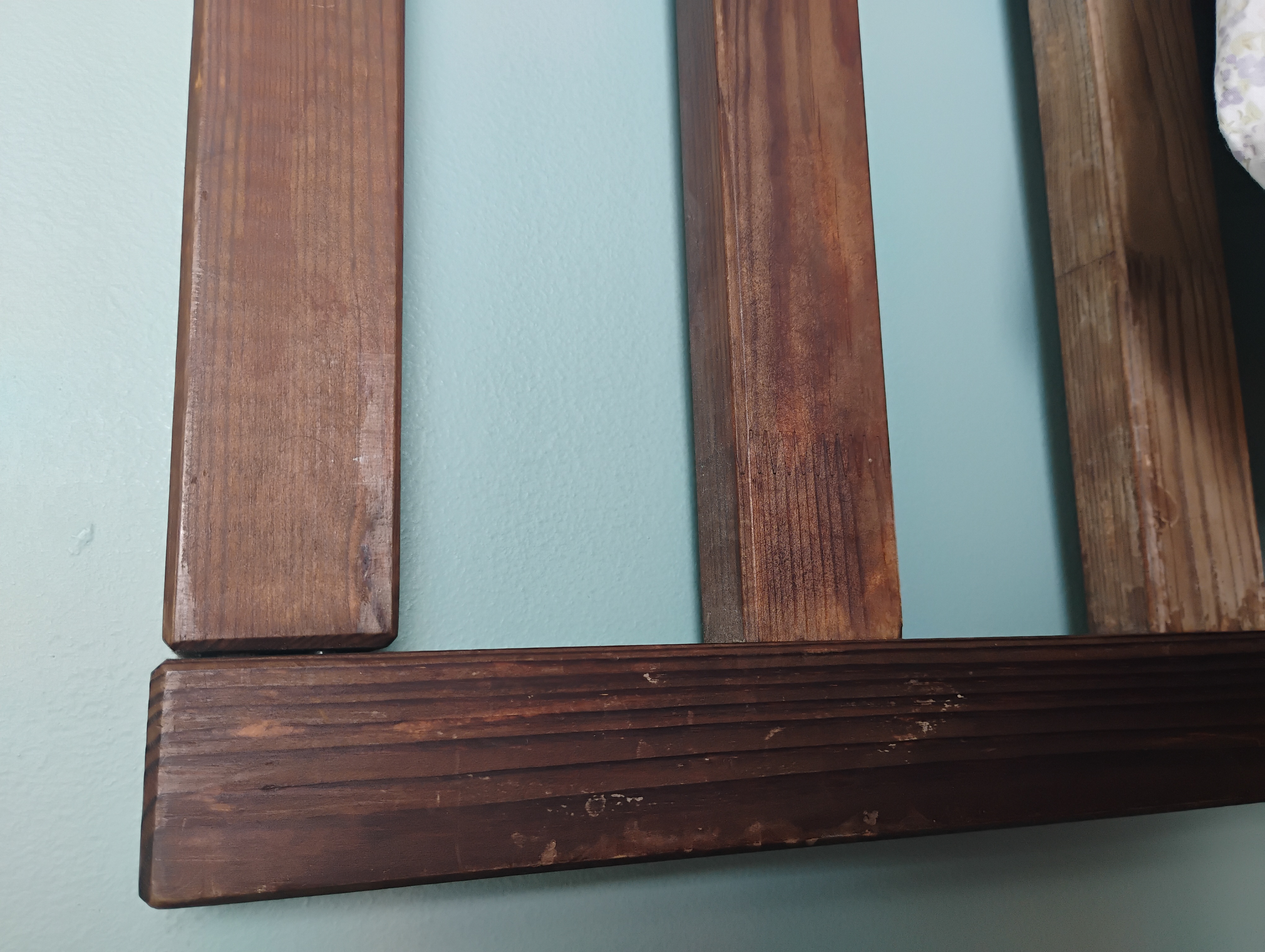 5
5
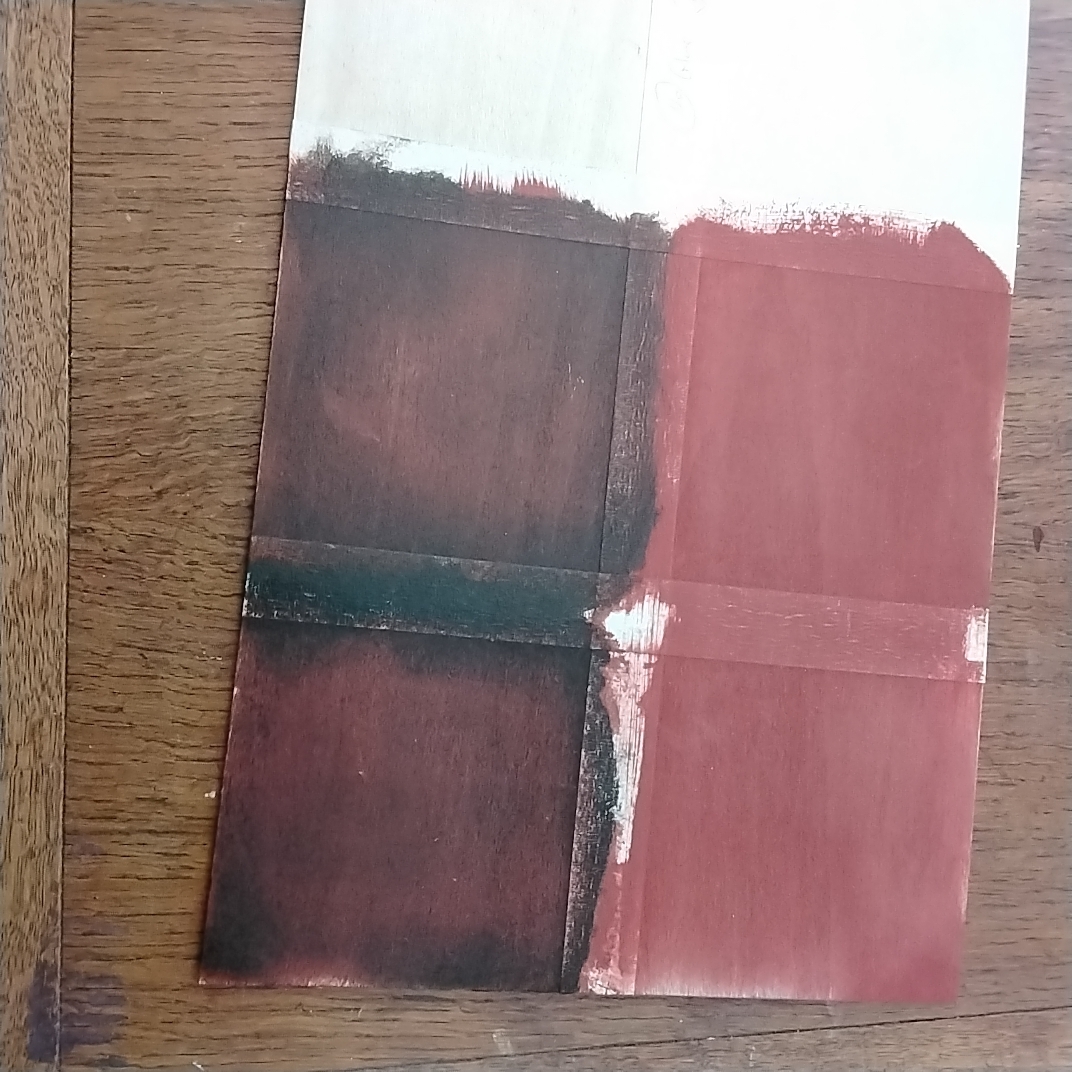 6
6

|
I'm thinking about a new battle cry. Maybe "Not in the face! Not in the face!" Any thoughts tiny ad?
grow your own garden and build your own home in the gardening gardeners program
https://wheaton-labs.com/bootcamp
|