|

|
|
|
|

|

|

|

|

|


 9
9


How Permies works: https://permies.com/wiki/34193/permies-works-links-threads
My projects on Skye: The tree field, Growing and landracing, perennial polycultures, "Don't dream it - be it! "
8
--
"Whitewashed Hope: A Message from 10+ Indigenous Leaders and Organizations"
https://www.culturalsurvival.org/news/whitewashed-hope-message-10-indigenous-leaders-and-organizations
 9
6
9
6
Ac Baker wrote:
...As for tea making....no? ...
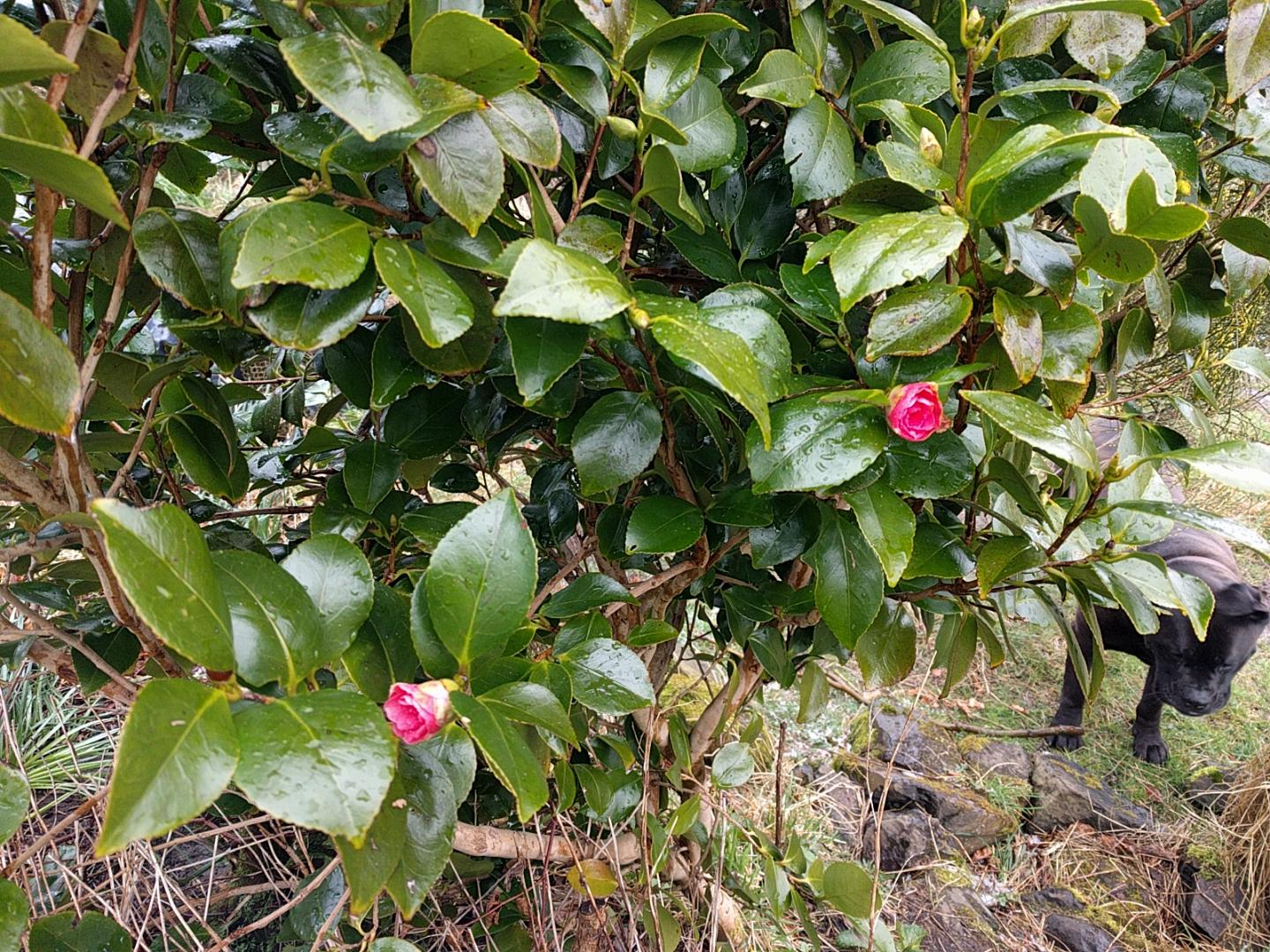
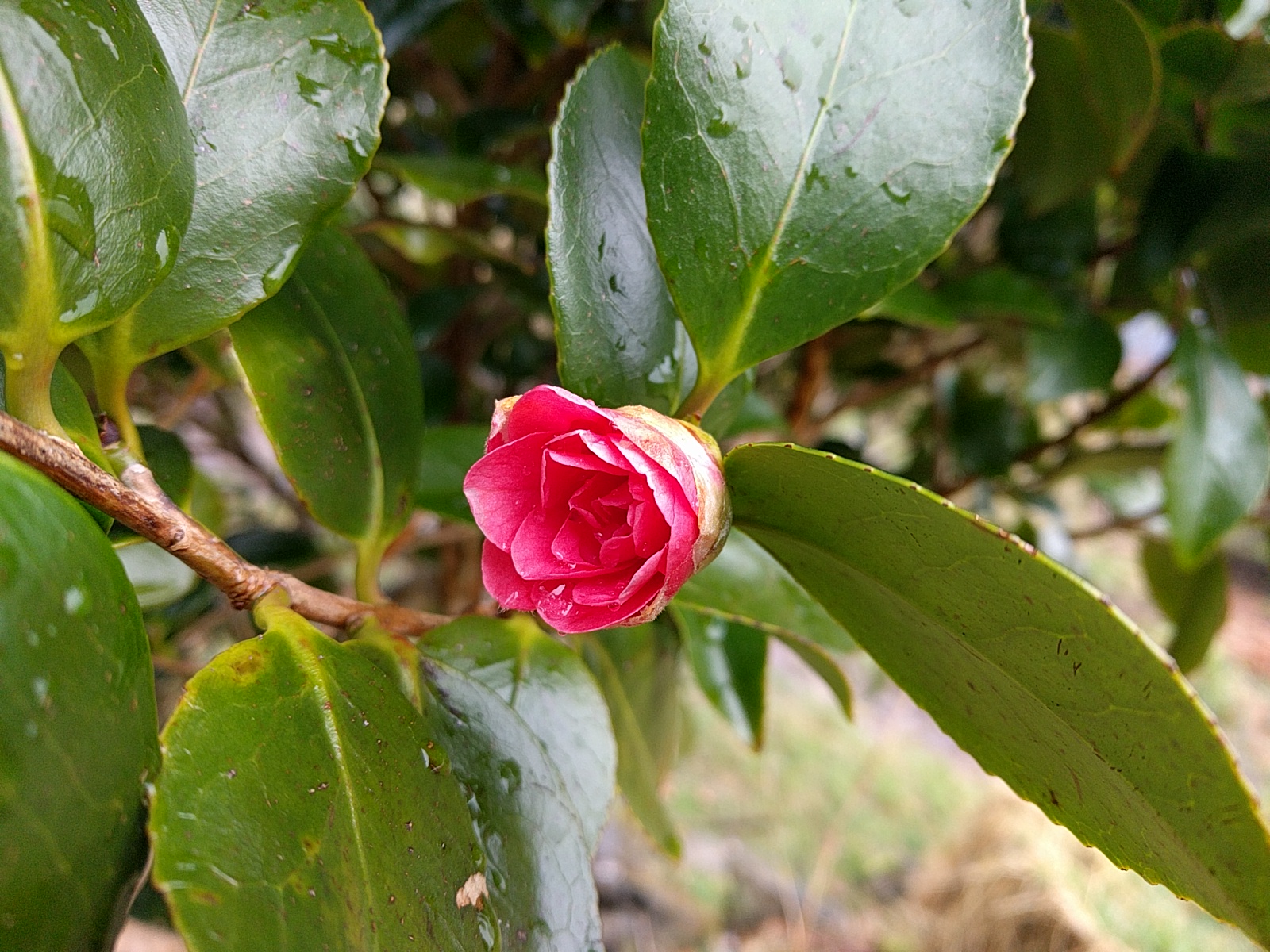
Whereas, there are apparently triterpenoid saponins in Camellia japonica L. leaves water extract ...
"If you've never failed, you have not tried enough new things"
7
Nynke Muller wrote:I think that is a big YES for tea making. Maybe we should call it an "infusion" or "herbal tea" because it will be different than regular tea.
Or am I wrong? Do I misunderstand the scientific information, maybe there is something I have missed, because I am not a native english speaker?
I have such a bush as well, and I have never thought of trying it. If it is really a bad idea, please let me know.
"The only thing...more expensive than education is ignorance."~Ben Franklin. "We can easily forgive a child who is afraid of the dark; the real tragedy of life is when men are afraid of the light." ~ Plato
9
7
How Permies works: https://permies.com/wiki/34193/permies-works-links-threads
My projects on Skye: The tree field, Growing and landracing, perennial polycultures, "Don't dream it - be it! "

|
keep an eye out for scorpions and black widows. But the tiny ads are safe.
Switching from electric heat to a rocket mass heater reduces your carbon footprint as much as parking 7 cars
http://woodheat.net
|