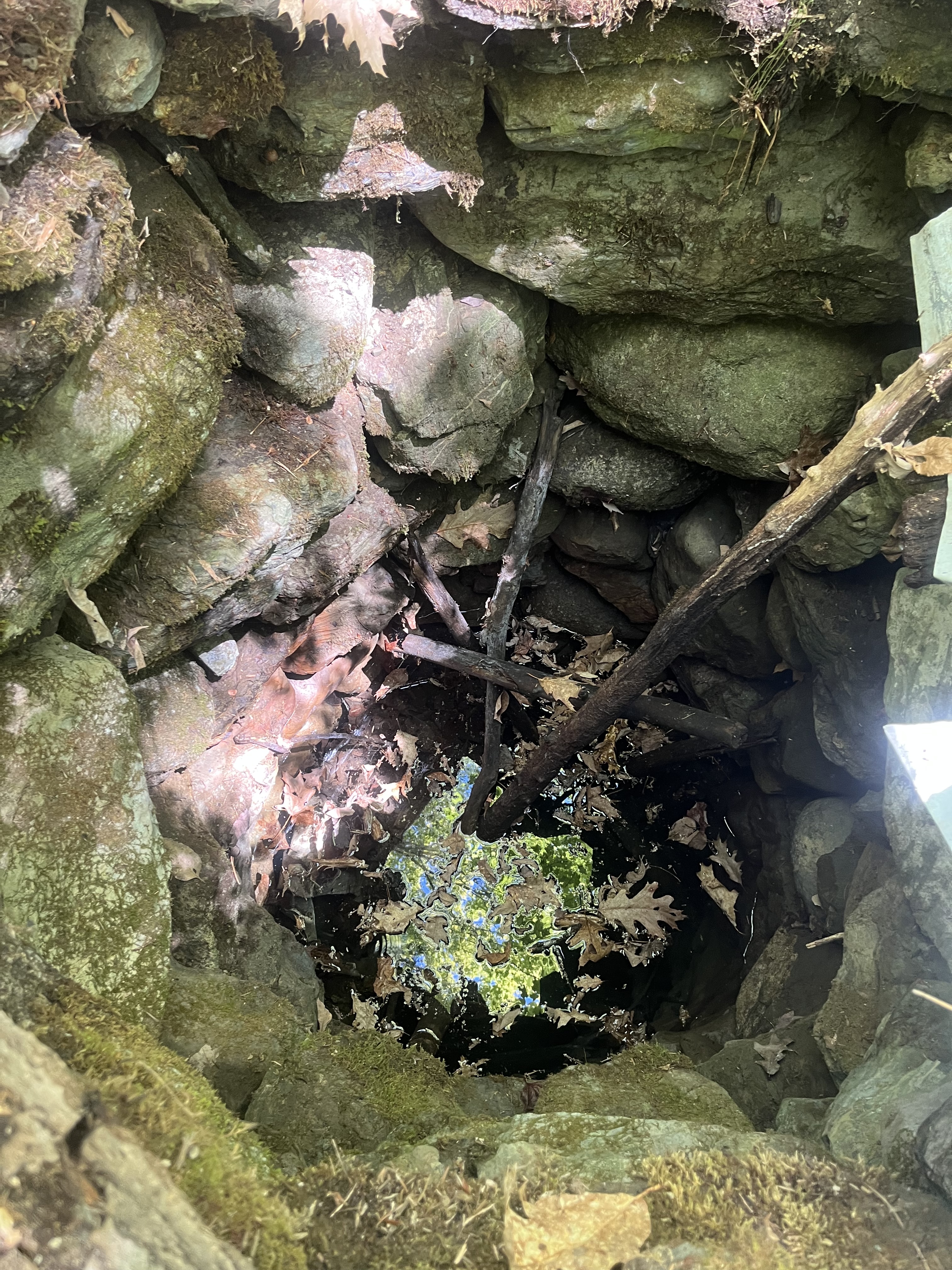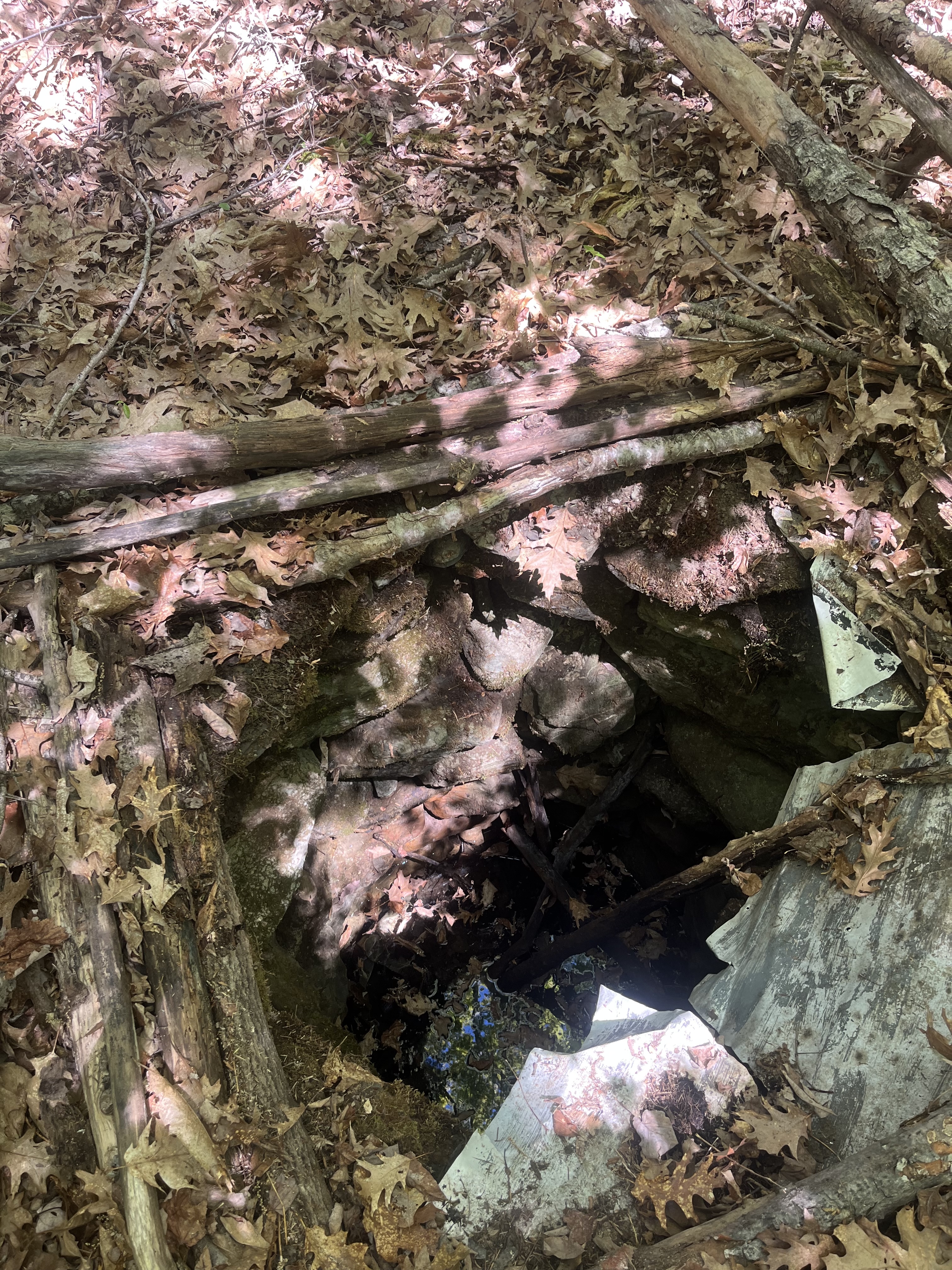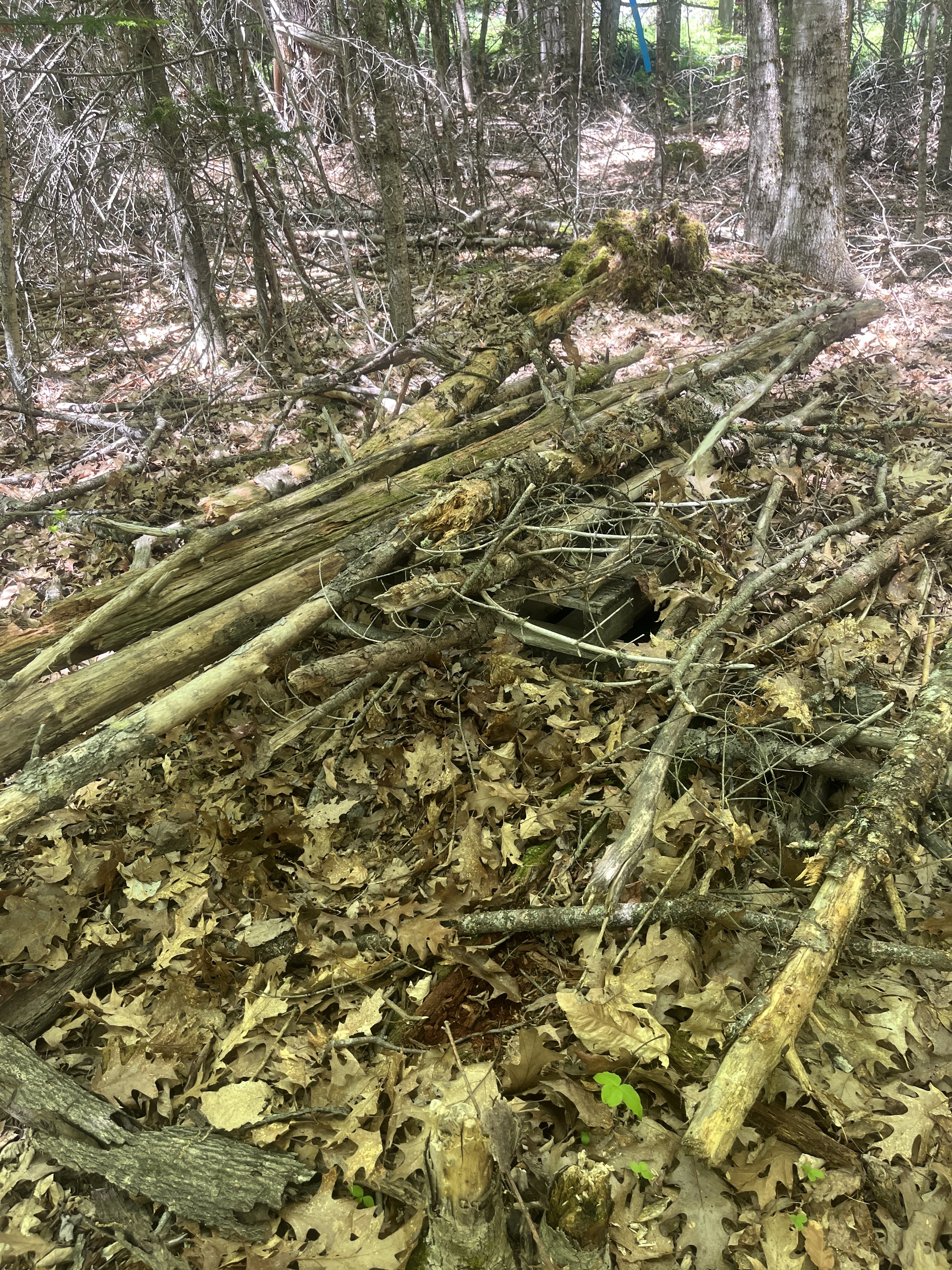

Hi all - I'm plotting my way out of renting in this awful economy. Was offered to build a small cabin on a relative's property for the next few years, and I'm planning to build one there and move it when I get my own land. There's an old farmhouse site there with an old school dug well - it's about 6ft down to the waterline, and the water down at the bottom is about 3'4" deep. The well is about 3.5ft wide. This old thing was probably built and used a long time ago. It's lined with rocks covered in moss. The well has been covered by some pallets and branches for the past few years after a dog fell in it (don't worry, they got her out safe!).
I think it would be so cool (and potentially more affordable) to revitalize this old well rather than dig a new one! Anyone here done that before? Any tips? I'm guessing it would be worth it to:
-Dig out the sediment by hand and pump out water, get an idea of its refill rate and let it refresh itself a few times to clear out any ick
-Shock it with bleach and then do a water test
-Hire someone to line it with cement discs and backfill to the liner with gravel, have them install a proper cement cap (this is kind of sad, since the rocks are so cool! But would probably be good for water quality and human safety?)
I'm hoping to eventually be able to drop a pump down there, and pump water over to my cabin. I live in a cold climate, so hand pumping in the winter sounds... not fun.
Any and all tips, advice, stories, ideas, etc welcome!
Looking-down-into-the-well.jpg
Looking down into the well
View-of-well-from-above.jpg
View of the well from above (metal flashing visible)
Well-has-been-covered-by-sticks-and-pallets.jpg
Well has been covered by sticks and pallets for safety
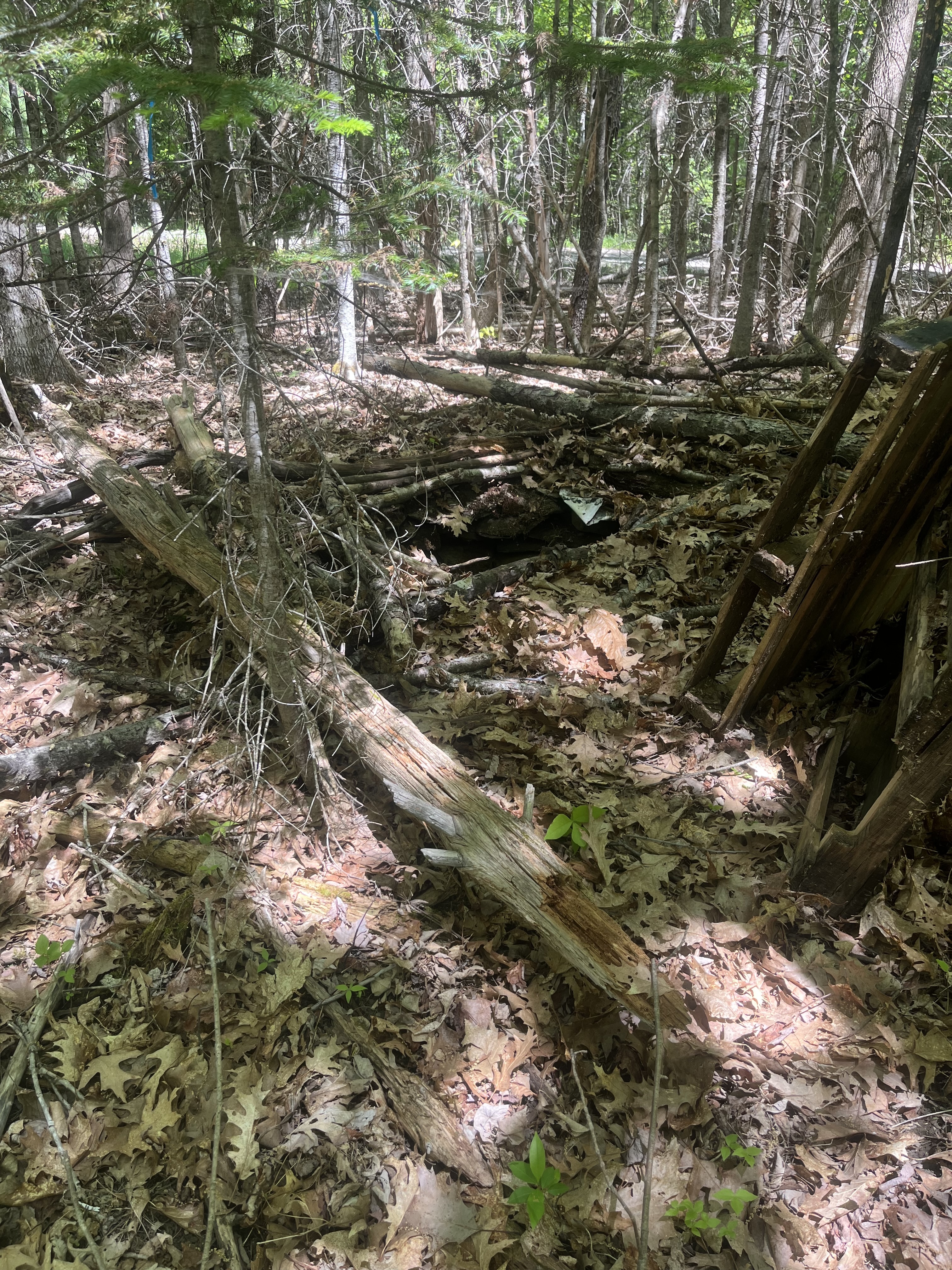
Well-on-landscape.jpg
Well on the landscape - nice elevated location compared to immediate surroundings
Hey Melissa - thanks for sharing your dream to get out of rental market and set up in a cabin on your family property. There is so much that can be done in a tiny home space!
First step might be to send the water from the well in to a lab for testing. Probably helpful to know about microbial / chemical / etc content in the well and in your watershed before any other plans / efforts? In your description, you mention doing this as a later step. A bleach shock can help with microbes, but not other toxins in the water. With a water table at 6ft down, the water is shallow enough in the landscape to be picking up agricultural chemicals / pesticides / herbicides / fertilizers / manure pathogens / pharmaceuticals. It all depends on what is happening within the watershed. Depending on the hydrology, that sphere of influence can extend a long way out. Useful to find the hydraulic gradient (which direction the water is generally flowing within the ground) so you can assess where the water that comes to your well might be coming FROM. The website https://waterdata.usgs.gov/ has monitored wells - you can query groundwater level data from near your location. If there are USGS monitoring wells in your area, their water table elevation data over time lets you infer the gradient direction. You can also look at topo maps which might make it obvious based on your location (like if you are on the upper side of a valley and everything is downhill from you: nationalmap.gov The ecology departments in most states keep a log of wells and depths, so that might be a source you can dig in to online as well...
Once you know what you are dealing with (hopefully clean wonderful water), other necessary steps in future might become more clear.
Let us know how you get on with this project!
In a turbulent world, love, joy and permaculture are rewarding acts of defiance
Weeds: because mother nature refuses to be your personal bitch. But this tiny ad is willing:
grow your own garden and build your own home in the gardening gardeners program