

• Post Reply Bookmark Topic Watch Topic
  • New Topic
permaculture forums growies critters building homesteading energy monies kitchen purity ungarbage community wilderness fiber arts art permaculture artisans regional education skip experiences global resources cider press projects digital market permies.com pie forums private forums all forums
this forum made possible by our volunteer staff, including ...
master stewards:
  • Carla Burke
  • Anne Miller
  • Nancy Reading
  • John F Dean
  • r ransom
  • paul wheaton
  • Timothy Norton
stewards:
  • Jay Angler
  • Pearl Sutton
  • Andrés Bernal
master gardeners:
  • Christopher Weeks
gardeners:
  • M Ljin
  • Thekla McDaniels
  • May Lotito

Hybrid Slippery x Siberian Elms, Ulmus x intermedia

 
Posts: 14
19
  • Likes 17
  • Mark post as helpful
  • send pies
    Number of slices to send:
    Optional 'thank-you' note:
  • Quote
  • Report post to moderator
Hello all!

I work as a teacher and land manager for my school district. Managing hundreds of acres of land as well as a functioning arboretum, I think I have a lot to offer this community and I am so excited to participate and learn from you all. The first topic I would like to bring to all of your attention are the presence of several large elms under my management. Across about 200 acres, we have about  dozen elms over 18 inches DBH. I have had the largest specimens genetically tested, and some of our larger 24+ inch trees are pure American elms, which warrants its own post. Intriguingly, 2 very large elms in the collection came back as Siberian/Slippery Elm hybrids.

This combination is typically called Ulmus rubra x pumila or Ulmus x intermedia. The parent species are from Eurasia (Siberian Elm) and Eastern North America (Slippery Elm). The slippery elm is a similar elm to the American Elm, but with more medicinal properties in the bark. It is similarly ravaged by Dutch Elm Disease and Elm Yellows and is therefore relegated mostly to small scrubby ditch and edge trees these days. Siberian elm is an introduced species, and a very effective pioneer. It grows fast, is very cold tolerant, can grow in bad soil, is almost fully Dutch Elm Disease resistant, and leafs out early and drops its leaves later than almost any other hardwood, giving it a longer growing season. It also seeds prolifically, something the slippery elm doesn’t do.

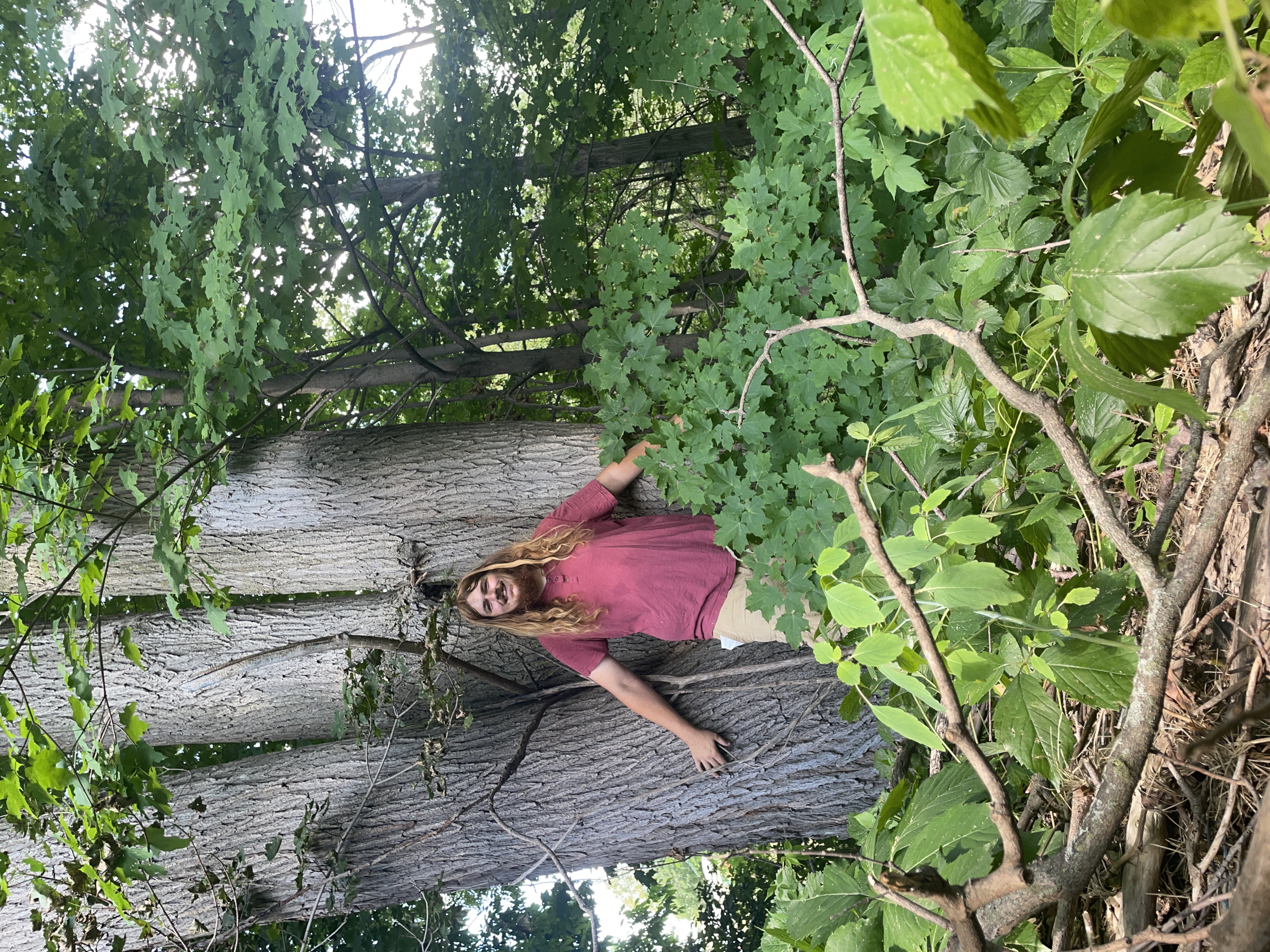
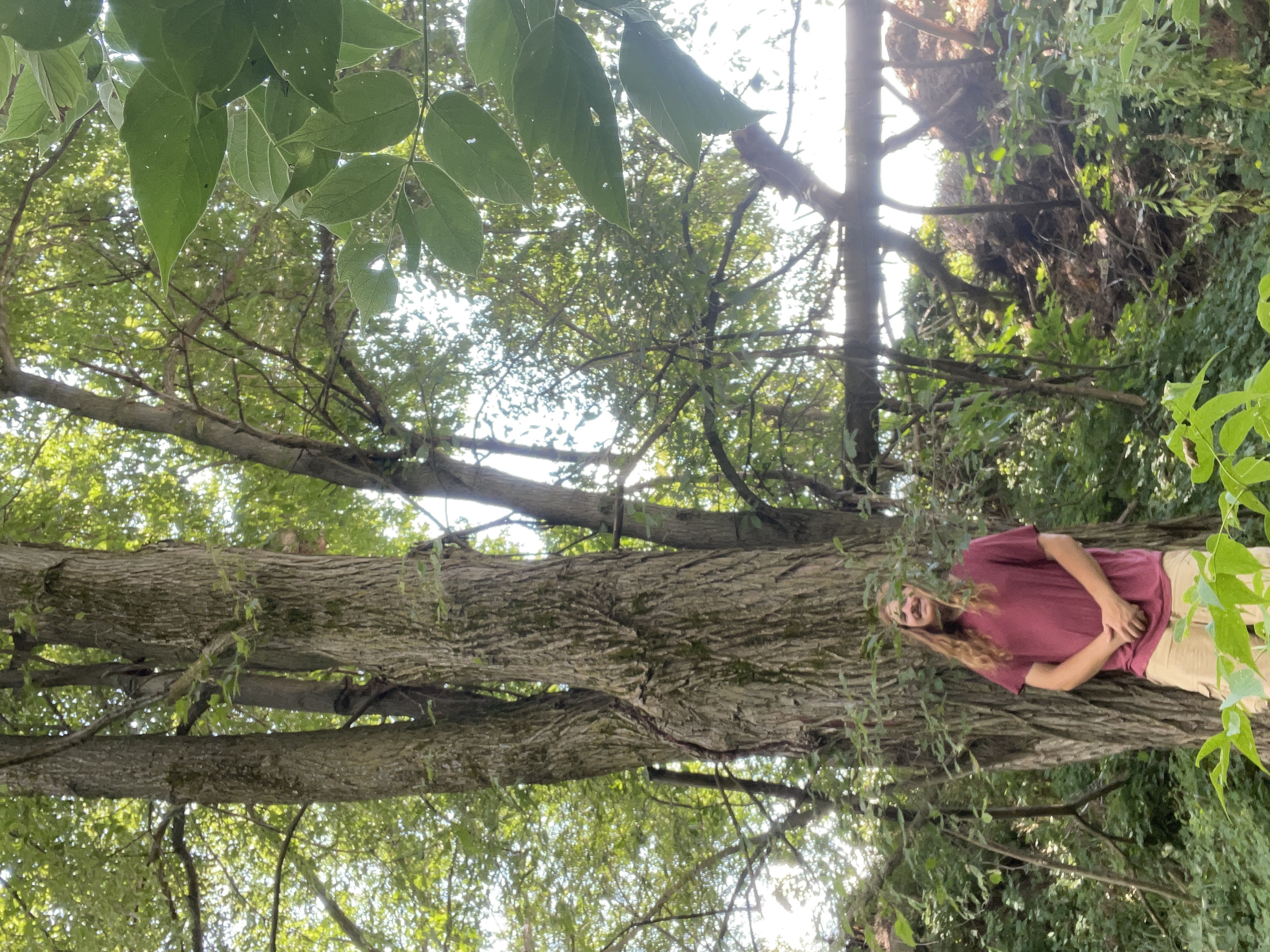
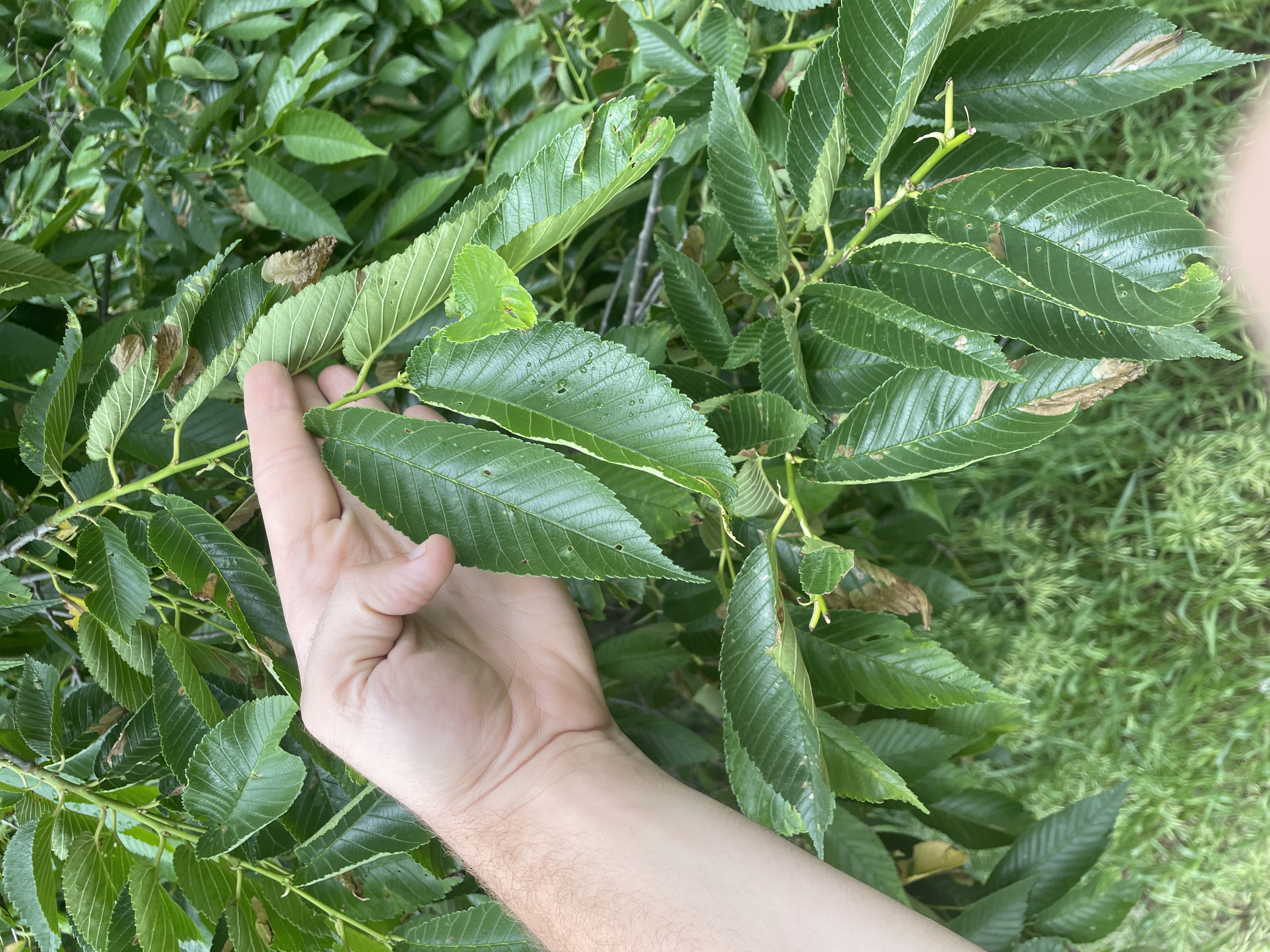
Both large trees in the collection have large, broad leaves more typical of the native North American elms. They also have existed for a long time in a landscape with active and aggressive Dutch elm disease. I think these two large trees (especially the massive single trunk one) can be extremely valuable in a permaculture and displays perspective, because they provide the massive architecture, shade casting and general features of a native elm with the longer growing season, disease resistance and seed production of the Siberian elm. I am very interested in sharing seeds and propagation material
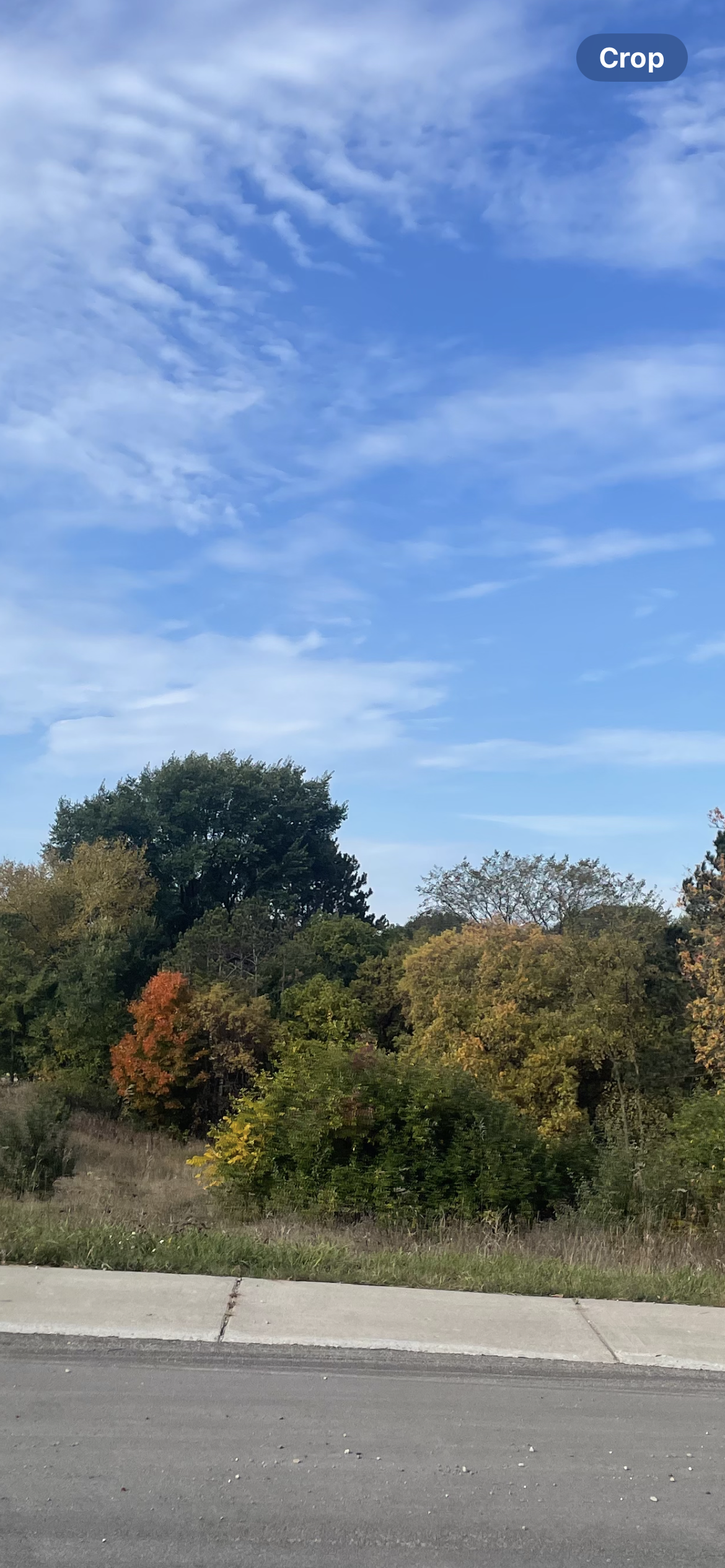
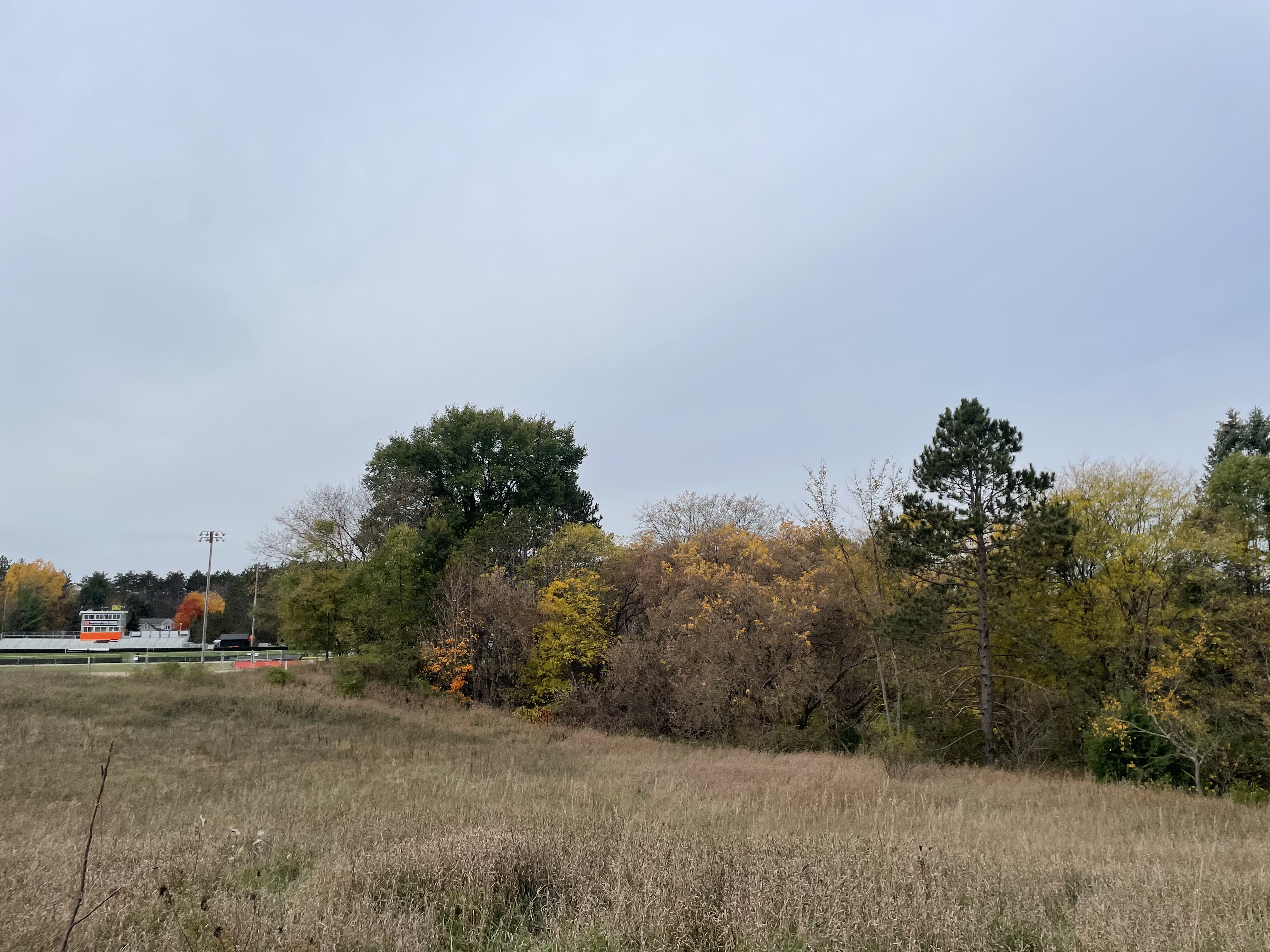
IMG_2530.jpeg
Multi Trunk Hybrid Elm
IMG_2599.jpeg
Large Single Dominant Stem Hybrid Elm
IMG_1452.jpeg
4-6 inch leaves
4-6 inch leaves
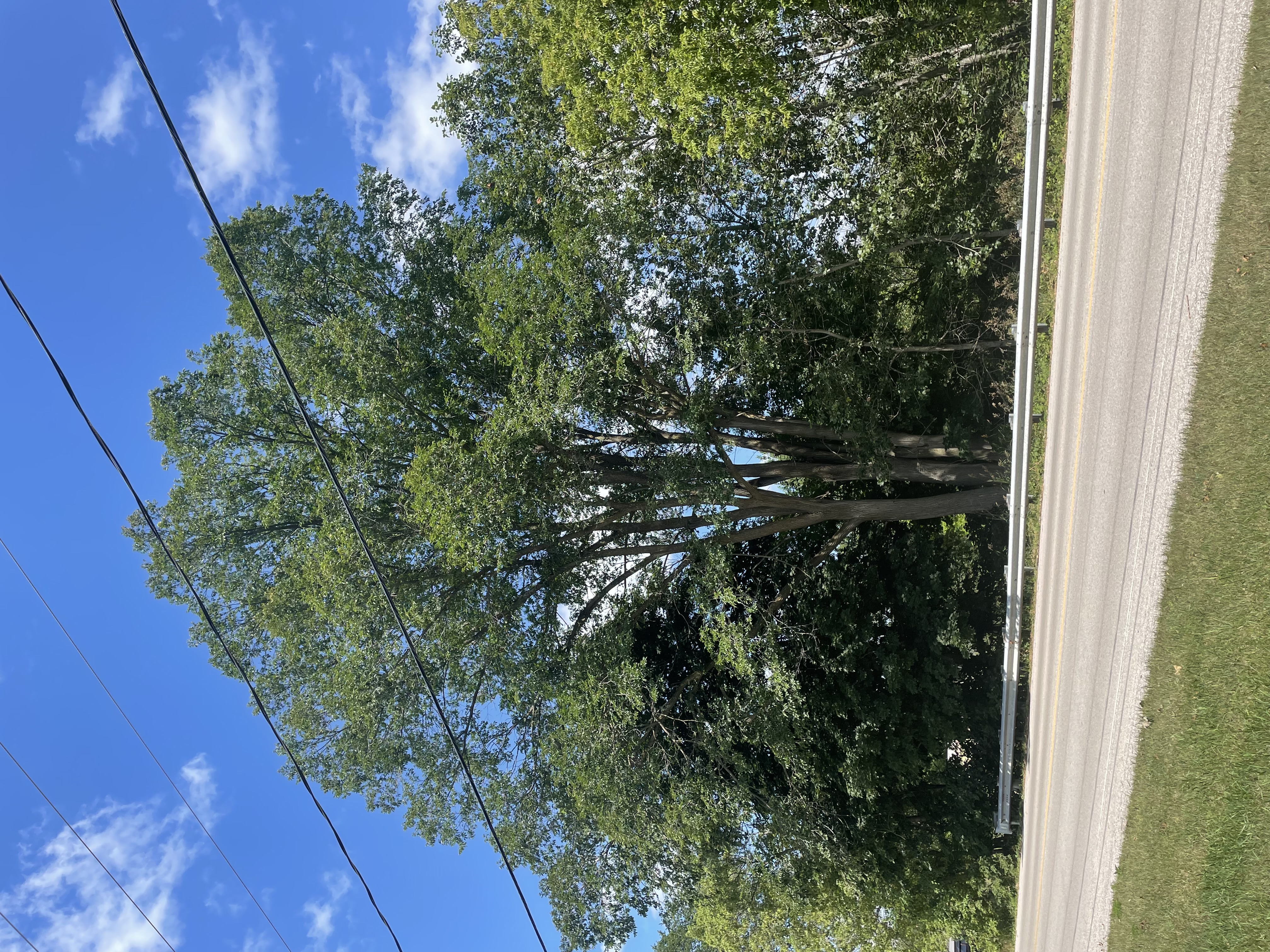
IMG_2524.jpeg
Multi Stem Hybrid Crown Form
IMG_4536.png
Large Single Stem Hybrid back left, Mature American already leaf dropped on right
 
gardener
Posts: 4064
Location: Western Slope Colorado.
1190
5
goat dog food preservation medical herbs solar greening the desert
  • Likes 7
  • Mark post as helpful
  • send pies
    Number of slices to send:
    Optional 'thank-you' note:
  • Quote
  • Report post to moderator
Does any of your hybrid elms produce viable seed?

I have siberian elm in my region.  I have been trying to get some to grow on my 6 acres.

I have collected more than a 5 gallon bucket of seeds, put them in various places I thought quite likely, and have not had a single seedling appear.

Judging from when I used to have a few big trees in my garden, I thought they would germinate in abundance.  

I’m starting to think I have more to learn about them.

Can you give me any hints?
 
Reo Wallace Hoffelt
Posts: 14
19
  • Likes 5
  • Mark post as helpful
  • send pies
    Number of slices to send:
    Optional 'thank-you' note:
  • Quote
  • Report post to moderator

Thekla McDaniels wrote:Does any of your hybrid elms produce viable seed?

I have siberian elm in my region.  I have been trying to get some to grow on my 6 acres.

I have collected more than a 5 gallon bucket of seeds, put them in various places I thought quite likely, and have not had a single seedling appear.

Judging from when I used to have a few big trees in my garden, I thought they would germinate in abundance.  

I’m starting to think I have more to learn about them.

Can you give me any hints?


I have gotten the hybrids, slipperys and Americans to grow from seed, though the hybrids and slipperys were harder. They required about a month of wet cold stratification in my fridge and still had a lethargic germination rate. I would try cold stratifying and collecting way more than you want to counter the poor germination. The large single trunk hybrid produced vigorous seedlings this summer, 2-3 feet in growing season 1 in half gallon pots.
 
Thekla McDaniels
gardener
Posts: 4064
Location: Western Slope Colorado.
1190
5
goat dog food preservation medical herbs solar greening the desert
  • Likes 5
  • Mark post as helpful
  • send pies
    Number of slices to send:
    Optional 'thank-you' note:
  • Quote
  • Report post to moderator
Thanks Reo!

It was only this summer that I gathered seed.  I put huge amounts of seeds in a few places.  I wasn’t aware they needed cold stratification.  I was thinking they might need to be planted fresh!🤣, and that I had missed their window!  I will have to keep my eye out on them in the springtime.
 
Reo Wallace Hoffelt
Posts: 14
19
  • Likes 3
  • Mark post as helpful
  • send pies
    Number of slices to send:
    Optional 'thank-you' note:
  • Quote
  • Report post to moderator

Thekla McDaniels wrote:Thanks Reo!

It was only this summer that I gathered seed.  I put huge amounts of seeds in a few places.  I wasn’t aware they needed cold stratification.  I was thinking they might need to be planted fresh!🤣, and that I had missed their window!  I will have to keep my eye out on them in the springtime.


It could be they dried out too! I gathered all my seed in late May this year, it may drop off majorly in viability after that.
 
Thekla McDaniels
gardener
Posts: 4064
Location: Western Slope Colorado.
1190
5
goat dog food preservation medical herbs solar greening the desert
  • Likes 3
  • Mark post as helpful
  • send pies
    Number of slices to send:
    Optional 'thank-you' note:
  • Quote
  • Report post to moderator
We’re in elm germination research mode…..!

Have you scoured the internet?

 
Reo Wallace Hoffelt
Posts: 14
19
  • Likes 2
  • Mark post as helpful
  • send pies
    Number of slices to send:
    Optional 'thank-you' note:
  • Quote
  • Report post to moderator

Thekla McDaniels wrote:We’re in elm germination research mode…..!

Have you scoured the internet?


Yes, but elm propagation isn’t as popular as other trees. It is known that elms can sometimes have dormancy issues, and the seeds are supposed to survive drying out, but can be unviable or pest killed. I know fresh American elm seed germinates extremely well and reliably. Otherwise the best thing I’ve read and tried is the 30 day wet cold stratification. If you pull that off, you could have 6-8 inch tall seedlings in 1-2 months, ready to plant before the summer is fully hot and dry yet
 
Thekla McDaniels
gardener
Posts: 4064
Location: Western Slope Colorado.
1190
5
goat dog food preservation medical herbs solar greening the desert
  • Likes 5
  • Mark post as helpful
  • send pies
    Number of slices to send:
    Optional 'thank-you' note:
  • Quote
  • Report post to moderator
Well, too bad I planted all my seeds!

I might be able to gather some— in odd little nooks, or find some seedlings that germinated in all the rain we’ve been having.

If I found some seeds and could get germination, I could have a decent seedling by this time next year, maybe 4 feet tall and weedy!  And so exciting.
 
pollinator
Posts: 1887
Location: southern Illinois, USA
433
fungi foraging composting toilet food preservation wood heat homestead
  • Likes 4
  • Mark post as helpful
  • send pies
    Number of slices to send:
    Optional 'thank-you' note:
  • Quote
  • Report post to moderator
I wonder if anyone has looked at the various elms as coppice and fodder.  When I raised goats years ago in central Georgia, elms were among their favorite browse.  I would cut through a small tree part way with a hatchet and bend the top down to within their reach, so they could browse it and it would stay alive; and then later sprout from the stump to provide even more. I did this to all the species....I was interested in thinning the bush-forest anyway and making some clearings....there was oak, pine, sweetgum, and others, but they would go through and eat the elms first and most thoroughly.  I would also cut and carry branches to them if they were being kept penned for some reason or other.  It seems to me that hedgerows or thickets of elm could be maintained indefinitely on rotation for forage by working out a rest-regrowth and coppice-browse interval.
 
Thekla McDaniels
gardener
Posts: 4064
Location: Western Slope Colorado.
1190
5
goat dog food preservation medical herbs solar greening the desert
  • Likes 5
  • Mark post as helpful
  • send pies
    Number of slices to send:
    Optional 'thank-you' note:
  • Quote
  • Report post to moderator
Alder, I absolutely agree with you on that.

The goats LOVE it.  Whenever a branch would fall out, I would drag it to them if they couldn’t get to it.  They ate the bark off the larger branches, stripped it down to beneath the cambium.  And ate the whole branch if it was 3/4 inch or less.  And it grows FAST.

I have been promoting Siberian elm for years and years.
 
Thekla McDaniels
gardener
Posts: 4064
Location: Western Slope Colorado.
1190
5
goat dog food preservation medical herbs solar greening the desert
  • Likes 3
  • Mark post as helpful
  • send pies
    Number of slices to send:
    Optional 'thank-you' note:
  • Quote
  • Report post to moderator
And I think they would coppice.  I had a couple huge trees removed fromma row of them and they stump sprouted with great vigor.
 
Reo Wallace Hoffelt
Posts: 14
19
  • Likes 3
  • Mark post as helpful
  • send pies
    Number of slices to send:
    Optional 'thank-you' note:
  • Quote
  • Report post to moderator

Thekla McDaniels wrote:And I think they would coppice.  I had a couple huge trees removed fromma row of them and they stump sprouted with great vigor.


This is awesome! I really do think you would like the hybrid, similar growth rate and vigor to the Siberian but larger foliage and more native genetics
 
Thekla McDaniels
gardener
Posts: 4064
Location: Western Slope Colorado.
1190
5
goat dog food preservation medical herbs solar greening the desert
  • Likes 6
  • Mark post as helpful
  • send pies
    Number of slices to send:
    Optional 'thank-you' note:
  • Quote
  • Report post to moderator
I would love a chance at the hybrid, but we’re 6-8 months out on seed production…

It might be fun to try for a stable hybrid, but also fun to see how much variation we see in the F1 and beyond…

Or, if rooted cuttings are easy, you could name and patent your best cross.

It would be good to preserve native genetics in a disease resistant cross, like the big ones you have.
 
Reo Wallace Hoffelt
Posts: 14
19
  • Likes 5
  • Mark post as helpful
  • send pies
    Number of slices to send:
    Optional 'thank-you' note:
  • Quote
  • Report post to moderator

Thekla McDaniels wrote:I would love a chance at the hybrid, but we’re 6-8 months out on seed production…

It might be fun to try for a stable hybrid, but also fun to see how much variation we see in the F1 and beyond…

Or, if rooted cuttings are easy, you could name and patent your best cross.

It would be good to preserve native genetics in a disease resistant cross, like the big ones you have.


At this point I am mainly waiting for leaf drop to try root cuttings off the big ones. I have 3 hybrid seedlings from the single trunk tree as well. I do think growing out a bunch of seed could reveal some interesting traits. Notably, I've read the offspring  of the F1 often leans toward siberian, but that has not been the case in my limited trials. If I get rooted cuttings this winter I can send you some rooted cuttings, if not I can provide heavy amounts of seed in the spring. This tree unironically buried the ground in seed this year, 2-6 inches deep under the whole canopy. I think the ability to preserve some slippery elm traits and form and visual characteristics but produce a disease resistant, long lived canopy trees that can be legimitately invested in and not worry about DED killing them in a decade. I would love to preserve and name the phenotype of the large single trunk tree, as it is absolutely beautiful. I will go take some more pics now.
 
Thekla McDaniels
gardener
Posts: 4064
Location: Western Slope Colorado.
1190
5
goat dog food preservation medical herbs solar greening the desert
  • Likes 8
  • Mark post as helpful
  • send pies
    Number of slices to send:
    Optional 'thank-you' note:
  • Quote
  • Report post to moderator
I would like to try a lot of seeds here in the desert.  I am interested in what traits would come forward in these conditions.

Root cuttings also sound interesting, but are they tender when not dormant?  Would I need to have them in a protected environment?
 
steward
Posts: 3595
Location: Maine, zone 5
2253
9
hugelkultur dog forest garden trees foraging food preservation cooking solar seed wood heat homestead
  • Likes 5
  • Mark post as helpful
  • send pies
    Number of slices to send:
    Optional 'thank-you' note:
  • Quote
  • Report post to moderator
Lovely post.  Thank you.  Are they good samara producers and by any chance have you tried eating them at the young green stage before leaf out?  If so, what did you think of them?

I grew up under an elm and miss them!
 
Reo Wallace Hoffelt
Posts: 14
19
  • Likes 6
  • Mark post as helpful
  • send pies
    Number of slices to send:
    Optional 'thank-you' note:
  • Quote
  • Report post to moderator

Greg Martin wrote:Lovely post.  Thank you.  Are they good samara producers and by any chance have you tried eating them at the young green stage before leaf out?  If so, what did you think of them?

I grew up under an elm and miss them!


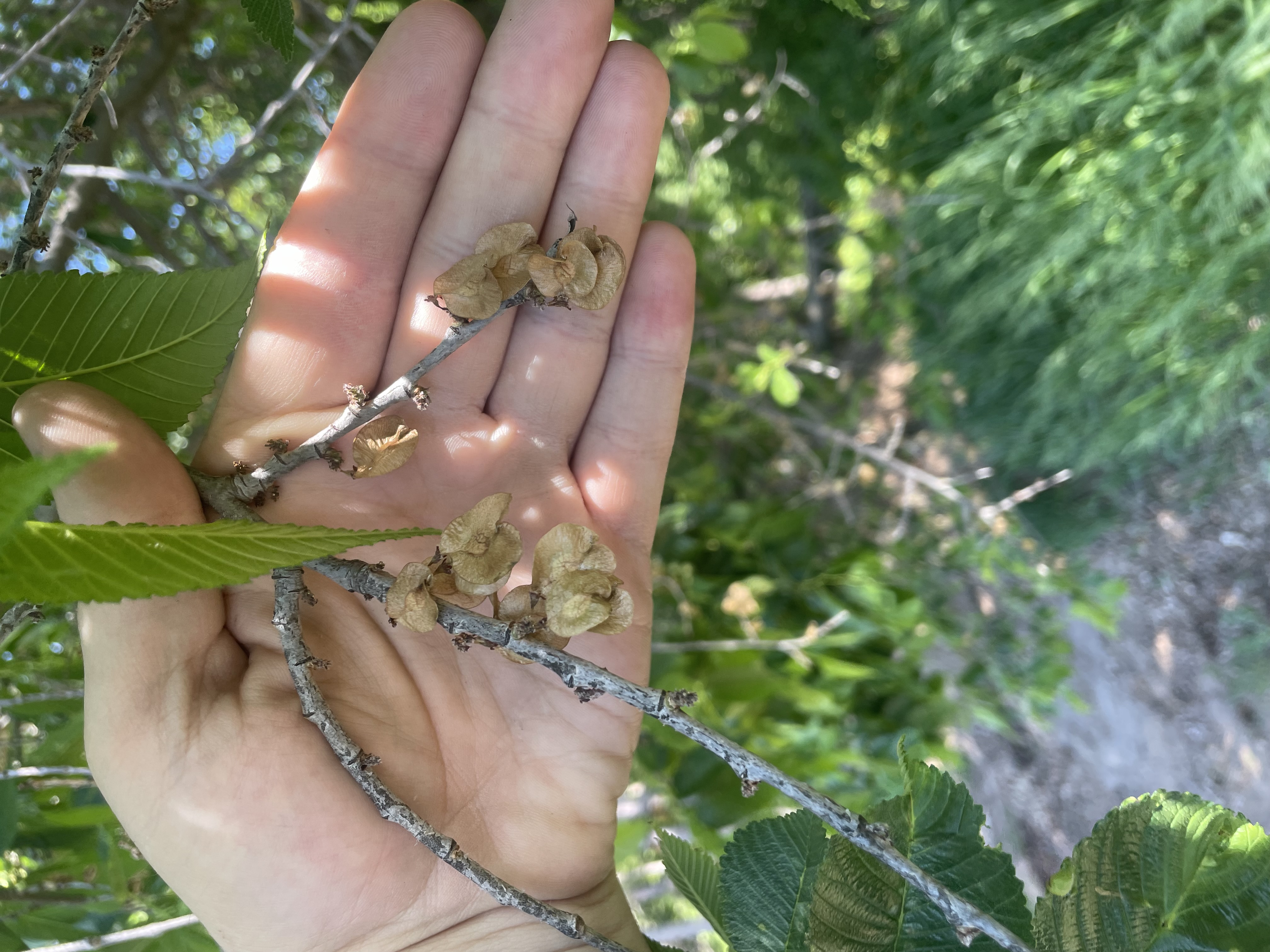
I have not yet eaten these ones but it does produce large samaras very reminiscent of the slippery elm samaras. I must say, the single trunk specimen is the heaviest seed producing elm I have yet seen. It is not an exaggeration to say it swamped the ground with samaras last year. Hundreds of thousands is probably an understatement. Granted, the tree is easily 80+ feet tall with a wide spreading crown so it’s got some good photosynthetic area to support those seeds, but given that it has Siberian ancestry I bet it grows fast. I know its offspring have so far. I’ll try to attach a picture of the samaras
IMG_1243.jpeg
Samaras from the single trunk 37 inch tree
 
Reo Wallace Hoffelt
Posts: 14
19
  • Likes 5
  • Mark post as helpful
  • send pies
    Number of slices to send:
    Optional 'thank-you' note:
  • Quote
  • Report post to moderator

Thekla McDaniels wrote:I would like to try a lot of seeds here in the desert.  I am interested in what traits would come forward in these conditions.

Root cuttings also sound interesting, but are they tender when not dormant?  Would I need to have them in a protected environment?
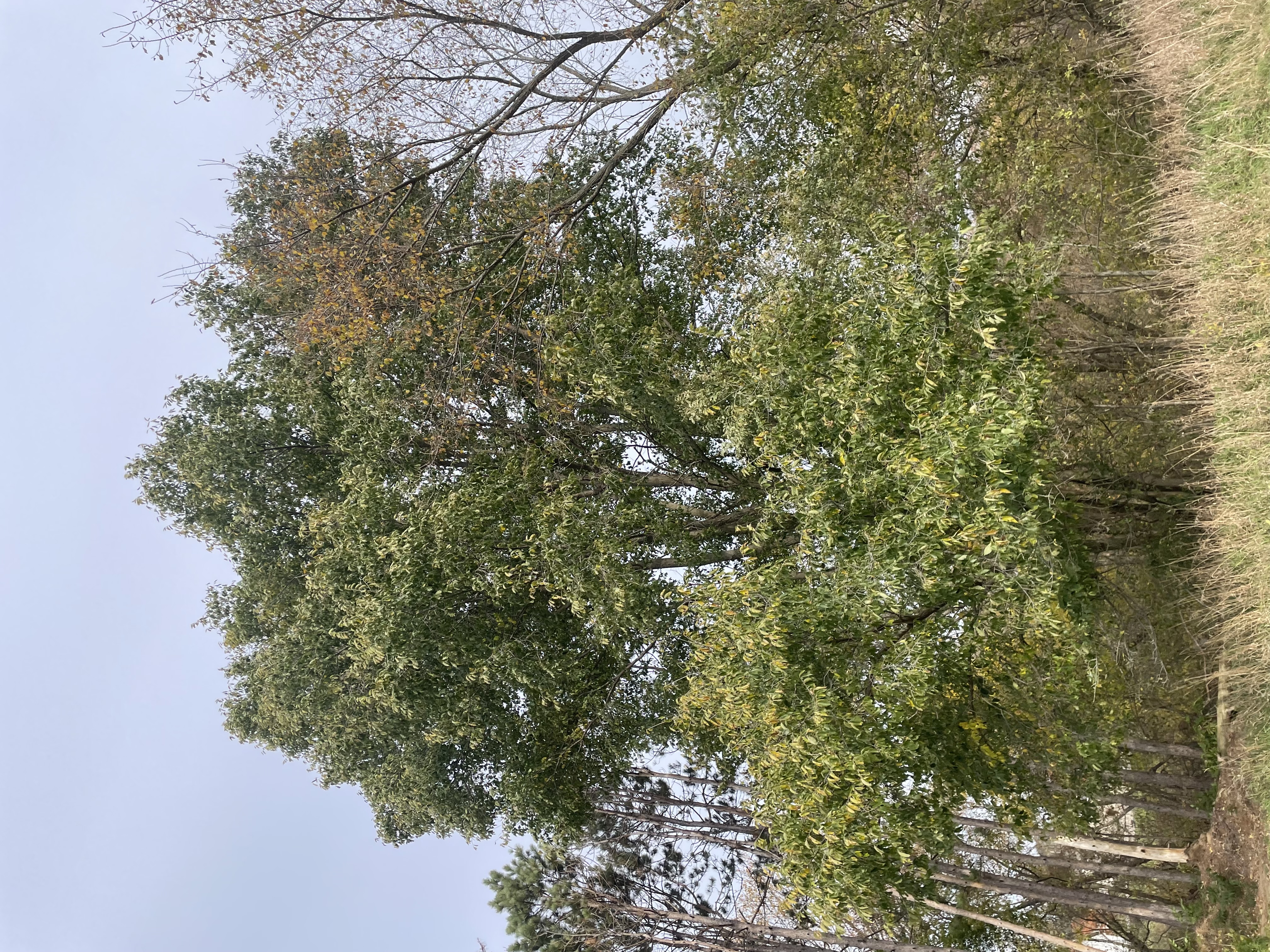


I was thinking more about rooting dormant cuttings from the branch tips but I could try root cuttings too!
IMG_4929.jpeg
Large hybrid elm just starting to turn for the fall
IMG_4930.jpeg
Large hybrid elm the only green deciduous tree left
 
gardener
Posts: 3286
Location: Zone 4b/5a
2057
ancestral skills forest garden foraging composting toilet fiber arts bike medical herbs seed writing ungarbage
  • Likes 5
  • Mark post as helpful
  • send pies
    Number of slices to send:
    Optional 'thank-you' note:
  • Quote
  • Report post to moderator
How are their medicinal (mucilaginous) properties? I would also be interested to know about how their fiber is. Those are the two major things I look for in an elm…

In my part of the world, slippery elms grow as a low shrub, waiting for openings in the canopy before they shoot up—I wonder if this sort does too?
 
Thekla McDaniels
gardener
Posts: 4064
Location: Western Slope Colorado.
1190
5
goat dog food preservation medical herbs solar greening the desert
  • Likes 4
  • Mark post as helpful
  • send pies
    Number of slices to send:
    Optional 'thank-you' note:
  • Quote
  • Report post to moderator
Those samaras look like Siberian elm samaras , which I have eaten in the green phase.

I believe I have made reference to F1 seedlings.  My mistake.  Your hybrids are likely the F1 generation.  (Seeds off the first cross).  Seeds off your hybrids would be F2 or beyond, which means there is potential for a much broader array of traits from the seeds.

If these trees result from a natural cross, and possible subsequent cross, back cross, self pollination, there is no knowing what the process was.

About the cuttings, I got mixed up, Reo.  I thought you said you were going to try root cuttings.  I don’t know enough about cuttings to have an idea or opinion about what tissue  to try rooting. I would say do the one you have most knowledge experience and success in😊

As for seeds… I am a member of “VOGA”.  That stands for Valley Organic Growers Association.  That’s the North Fork valley.  It’s a small region with lots of interest in and producers of local organic and beyond food… other interests too, herbal medicine, fiber production, local cheese, local pastured chicken etc.

Between now and seed time I might be able to find a few people who would be interested in germinating the hybrid seeds.

I speculate that many of the seeds may not be viable.  We do have Siberian elms in our region but many people do not have any respect for the tree’s value.  There might be more interest in the slippery elm Siberian hybrid.  There might be interest related to plant breeding, and a novel cross.

Possibly I could find people who would each be interested in trying 100 seeds.  or a thousand.

That way we could have multiple situations, multiple sets of methods etc.  If we only get 1% germination we may need lots of individuals to get a few healthy trees, which I expect would be diverse, and maybe some would not do well here in alkaline soils, intense high elevation sunlight and arid air and soil.

It’s just conjecture,

I am excited about trying large numbers of seeds, because I don’t expect a high rate of germination success.   In my mind, there may have been millions of seeds that didn’t germinate to get your two trees.

We also have an ag experiment station whose scientist might think it an interesting and worthwhile project.

And based on my errors (F1, what kind of cutting, etc),  I may need to revise more of my input, once I have calmed down some.  It’s the excitement about such an undertaking that is contributing to my inaccuracies 🤣.


Reo Wallace Hoffelt
Posts: 14
19
  • Likes 5
  • Mark post as helpful
  • send pies
    Number of slices to send:
    Optional 'thank-you' note:
  • Quote
  • Report post to moderator

M Ljin wrote:How are their medicinal (mucilaginous) properties? I would also be interested to know about how their fiber is. Those are the two major things I look for in an elm…

In my part of the world, slippery elms grow as a low shrub, waiting for openings in the canopy before they shoot up—I wonder if this sort does too?


So far I have been hesitant to harvest much material from them as I have so just the two big mature ones. I would love some recommendations on how to sample these qualities in the least damaging way! I will also say if these properties are found to be good, these trees are generally taller than the siberians but broader and more branched than the slippery, so they produce a ton of biomass. If either of these properties are good it would be an excellent tree for yielding a large amount of material
 
Reo Wallace Hoffelt
Posts: 14
19
  • Likes 5
  • Mark post as helpful
  • send pies
    Number of slices to send:
    Optional 'thank-you' note:
  • Quote
  • Report post to moderator

Thekla McDaniels wrote:Those samaras look like Siberian elm samaras , which I have eaten in the green phase.

I believe I have made reference to F1 seedlings.  My mistake.  Your hybrids are likely the F1 generation.  (Seeds off the first cross).  Seeds off your hybrids would be F2 or beyond, which means there is potential for a much broader array of traits from the seeds.

If these trees result from a natural cross, and possible subsequent cross, back cross, self pollination, there is no knowing what the process was.

About the cuttings, I got mixed up, Reo.  I thought you said you were going to try root cuttings.  I don’t know enough about cuttings to have an idea or opinion about what tissue  to try rooting. I would say do the one you have most knowledge experience and success in😊

As for seeds… I am a member of “VOGA”.  That stands for Valley Organic Growers Association.  That’s the North Fork valley.  It’s a small region with lots of interest in and producers of local organic and beyond food… other interests too, herbal medicine, fiber production, local cheese, local pastured chicken etc.

Between now and seed time I might be able to find a few people who would be interested in germinating the hybrid seeds.

I speculate that many of the seeds may not be viable.  We do have Siberian elms in our region but many people do not have any respect for the tree’s value.  There might be more interest in the slippery elm Siberian hybrid.  There might be interest related to plant breeding, and a novel cross.

Possibly I could find people who would each be interested in trying 100 seeds.  or a thousand.

That way we could have multiple situations, multiple sets of methods etc.  If we only get 1% germination we may need lots of individuals to get a few healthy trees, which I expect would be diverse, and maybe some would not do well here in alkaline soils, intense high elevation sunlight and arid air and soil.

It’s just conjecture,

I am excited about trying large numbers of seeds, because I don’t expect a high rate of germination success.   In my mind, there may have been millions of seeds that didn’t germinate to get your two trees.

We also have an ag experiment station whose scientist might think it an interesting and worthwhile project.

And based on my errors (F1, what kind of cutting, etc),  I may need to revise more of my input, once I have calmed down some.  It’s the excitement about such an undertaking that is contributing to my inaccuracies 🤣.


No worries about the excitement! I am excited that you are excited! I am also very interested in seeing the full range of variation that can be yielded from these seeds. Please do share this info with anyone that might be interested, I plan on stocking as much seed as I can this spring. In my experience so far, the seeds have a germination rate but more like 5-10% with my unrefined methods. So hopefully we could produce a good amount of seedlings to work with and thankfully elms get big fast. I am always here to discuss this and other opportunities, just let me know what I can do to help move this forward.
 
Thekla McDaniels
gardener
Posts: 4064
Location: Western Slope Colorado.
1190
5
goat dog food preservation medical herbs solar greening the desert
  • Likes 7
  • Mark post as helpful
  • send pies
    Number of slices to send:
    Optional 'thank-you' note:
  • Quote
  • Report post to moderator

M Ljin wrote:How are their medicinal (mucilaginous) properties? I would also be interested to know about how their fiber is. Those are the two major things I look for in an elm…

In my part of the world, slippery elms grow as a low shrub, waiting for openings in the canopy before they shoot up—I wonder if this sort does too?


I don’t understand what fiber you’re referring to M Ljin.  I have seen the fluffy harvested and dried slippery elm bark, is it that?

Other than the Siberian elms I have no experience with live elm trees, and only seen plastic bags of the dried fluffy bark.

Thanks
 
M Ljin
gardener
Posts: 3286
Location: Zone 4b/5a
2057
ancestral skills forest garden foraging composting toilet fiber arts bike medical herbs seed writing ungarbage
  • Likes 4
  • Mark post as helpful
  • send pies
    Number of slices to send:
    Optional 'thank-you' note:
  • Quote
  • Report post to moderator
Many elms have a strong bark fiber that has been used traditionally in textiles (especially by the Ainu of Hokkaido in northern Japan) and basketry around the world.
 
M Ljin
gardener
Posts: 3286
Location: Zone 4b/5a
2057
ancestral skills forest garden foraging composting toilet fiber arts bike medical herbs seed writing ungarbage
  • Likes 5
  • Mark post as helpful
  • send pies
    Number of slices to send:
    Optional 'thank-you' note:
  • Quote
  • Report post to moderator
Video in Japanese of harvesting and the finished cloth:


I saw elsewhere that the stripping of the whole tree is not traditional but is recommended by the government for forestry reasons. Over the world, people usually harvested bark in a sustainable way without killing the tree, by only taking small strips from each tree.

 
Thekla McDaniels
gardener
Posts: 4064
Location: Western Slope Colorado.
1190
5
goat dog food preservation medical herbs solar greening the desert
  • Likes 6
  • Mark post as helpful
  • send pies
    Number of slices to send:
    Optional 'thank-you' note:
  • Quote
  • Report post to moderator
Thanks for the videos.  I guess the fiber use is the inner bark.  I don’t have any trees to experiment on, but I could likely get a branch off a tree and try for the fiber.  I do have experience spinning and weaving, so it would be a matter of separating the fibers and experimenting.  If the inner bark of the Siberian elm spins well it would be a new local crop.

I am thinking there would be a time in the tree’s annual cycle that would be “best” for harvesting the fiber.  Highest quality fiber, or easiest to work with, or nicest textile, combined with least damaging to the tree.

I have to say though that I don’t understand the government recommended harvesting method which looks to me like it would kill the tree.

And my guess is that the medicinal part of the tree is also the part desired for textiles.

Anyway, thanks again for the videos.
 
Thekla McDaniels
gardener
Posts: 4064
Location: Western Slope Colorado.
1190
5
goat dog food preservation medical herbs solar greening the desert
  • Likes 3
  • Mark post as helpful
  • send pies
    Number of slices to send:
    Optional 'thank-you' note:
  • Quote
  • Report post to moderator
Further, the mental experiment of collecting inner bark from the Siberian elm prompted the thought that the inner bark of the Siberian elm from arid conditions is not likely to be rich in mucilaginous compounds, or it might have concentrated compounds that become slippery when exposed to moisture.  In other words it’s not hoing to be slippery during the harvesting process, but might be super slippery when exposed to moisture.

Gotta find a few trees to experiment on!  I guess this is where the prevailing negative attitude towards Siberian elm as “trash tree” becomes an advantage
 
Reo Wallace Hoffelt
Posts: 14
19
  • Likes 3
  • Mark post as helpful
  • send pies
    Number of slices to send:
    Optional 'thank-you' note:
  • Quote
  • Report post to moderator

Thekla McDaniels wrote:Further, the mental experiment of collecting inner bark from the Siberian elm prompted the thought that the inner bark of the Siberian elm from arid conditions is not likely to be rich in mucilaginous compounds, or it might have concentrated compounds that become slippery when exposed to moisture.  In other words it’s not hoing to be slippery during the harvesting process, but might be super slippery when exposed to moisture.

Gotta find a few trees to experiment on!  I guess this is where the prevailing negative attitude towards Siberian elm as “trash tree” becomes an advantage


In northern Michigan we have really good conditions to grow trees. The soil is sandy and drains fast but has decent organic matter, we get good moisture and the Great Lakes keep it more temperate than similar latitudes around the country. Here, Siberian elm is a secondary problem species like roses. They’re not the most aggressive or annoying but they’re still quite aggressive. They pop up in ditches and roadsides and forest edges and drop so much seed. That being said, elms did get hit hard here and siberians make up a huge part of the urban and rural canopy in some places, whereas you can see slippery and American elms dying all over from DED and Yellows. There is resistant native trees spread throughout but the siberians are tough and I’ve never seen a young one decline
IMG_3747.jpeg
Massive Siberian elm 600 yards from the hybrids
 
Thekla McDaniels
gardener
Posts: 4064
Location: Western Slope Colorado.
1190
5
goat dog food preservation medical herbs solar greening the desert
  • Likes 5
  • Mark post as helpful
  • send pies
    Number of slices to send:
    Optional 'thank-you' note:
  • Quote
  • Report post to moderator
Sounds like you are in a good situation to try harvesting fiber and medicinal bark.

I don’t blame you for not wanting to endanger your hybrids though.

I read a recommendation to prune a branch that needs pruning, and get the inner bark from that.  But are there any branches low enough down to try that?

My first thought is that it would be easier to harvest the inner bark when the tree is actively growing… but that’s a hypothesis, and like all hypotheses needs testing.  Maybe the opposite is true🤣.  Or some other situation!
 
Posts: 117
Location: SW New Mexico, 5300'elevation, 18" precip
34
goat hugelkultur forest garden chicken greening the desert homestead
  • Likes 5
  • Mark post as helpful
  • send pies
    Number of slices to send:
    Optional 'thank-you' note:
  • Quote
  • Report post to moderator
Siberian Elms are one of my most favourite trees! The goats too. They will stampede me if I'm holding down a branch for them. And dairy goats know what the most nutritious plants are so it must be highly nutritious. We eat the abundant green samaras in spring and the leaves are edible too so it's a great survival food.

I've successfully transplanted dozens of seedling from the wild in Colorado and NM. Easy to do even when they are 3 or 4 feet tall. You can increase your survival rate by potting the seedlings first and giving them a year to establish before planting out.
They coppice well which makes them easier for the goats to reach.

An interesting tidbit I recently learned is that they've found Siberian Elms to be one of those rare trees that hosts both endo and ecto mycorrhizae. Most trees host one or the other. A tree that hosts both can connect everything together in a big underground mycelial web. In a food forest for example.  Cool, eh? I always knew there was something special about these survivors!
 
Thekla McDaniels
gardener
Posts: 4064
Location: Western Slope Colorado.
1190
5
goat dog food preservation medical herbs solar greening the desert
  • Likes 4
  • Mark post as helpful
  • send pies
    Number of slices to send:
    Optional 'thank-you' note:
  • Quote
  • Report post to moderator
I just can’t understand why Siberian elm is so much maligned!

I never knew that about hosting both categories of mycorrhiza.  Thanks!
 
Posts: 116
Location: Meriden, NH
32
5
chicken homestead
  • Likes 3
  • Mark post as helpful
  • send pies
    Number of slices to send:
    Optional 'thank-you' note:
  • Quote
  • Report post to moderator
I've seen samaras on the road side on some of my walks.  The trees were huge.  I'm not sure which species they are.  Will try keying them out for ID.  I would love to try growing the hybrid from seed.  If you get a lot of seeds next season can you send me some.  I would also be willing to pay for some rooted cuttings.  We'll see what happens to your new business.
 
I'm a lumberjack and I'm okay, I sleep all night and work all day. Tiny lumberjack ad:

World Domination Gardening 3-DVD set. Gardening with an excavator.
richsoil.com/wdg


reply
    Bookmark Topic Watch Topic
  • New Topic