• Post Reply Bookmark Topic Watch Topic
  • New Topic
permaculture forums growies critters building homesteading energy monies kitchen purity ungarbage community wilderness fiber arts art permaculture artisans regional education skip experiences global resources cider press projects digital market permies.com pie forums private forums all forums
this forum made possible by our volunteer staff, including ...
master stewards:
  • Carla Burke
  • John F Dean
  • r ransom
  • Nancy Reading
  • Timothy Norton
  • Jay Angler
stewards:
  • paul wheaton
  • Pearl Sutton
  • Eric Hanson
master gardeners:
  • Christopher Weeks
  • M Ljin
gardeners:
  • thomas rubino
  • Megan Palmer
  • Benjamin Dinkel

Can aquaponics really be permaculture?

 
Posts: 125
Location: Qld, Australia. Zone 9a-10
forest garden hunting trees
  • Likes 2
  • Mark post as helpful
  • send pies
    Number of slices to send:
    Optional 'thank-you' note:
  • Quote
  • Report post to moderator

Gurkan Yeniceri wrote:We get rainbow trout in Canberra and that is the best suited fish to our climate.

We can also get Silver perch and Tandanus Catfish which may survive winter temps.


Survival and being efficient for practical aquaponics are different criteria. When I can use a large enough tank or dam I will run some sort of aquaculture with sliver perch. In contained highly productive aquaponics tilapia are far superior in many situations. Crayfish species are another option, but there are practical and legal issues here.
 
Posts: 3
  • Likes 4
  • Mark post as helpful
  • send pies
    Number of slices to send:
    Optional 'thank-you' note:
  • Quote
  • Report post to moderator
I thought a lot about the fish/plant balance and also about the heat inputs and finally decided to forgo the fish and use a biodigester for nutrients instead. I put a food grinder in the greenhouse and ground up all my kitchen scraps and threw them into the biodigester. Aside from the nutrients (which made the plants grow huge) it also made gas (stored in a stack of air mattresses), which I used to help heat the water in the winter. I also ran a heat exchange loop through a smallish compost pile made from my fall barn clean-out. The gas and compost didn't quite get the water up to the ideal temp for the anaerobes but things did keep going through the winter. I used 2 ibc tanks as digesters to give the anaerobes time to digest everything and tests for salmonella etc showed the water coming out clean before it entered the mixing tank, which circulated water to the plants. I filled the mixing tank with a bunch of biochar to give the nitro/nitrate microbes something to grow on. The growbeds were 2 20' x 2' tanks, one with grow media (gravel) and a deep water tank.  The lowest point of the system was a sump tank with 2 small pumps. One on a timer (about 10 mins every hour) to fill the media bed and the other (continuous) to pump water up the mixing tank. The media bed was up on legs so it auto-siphoned into the deep water bed, which then drained into the sump. The mixing tank had an outlet at the top so, as the pump filed it up, it overflowed into the deep water bed. Serendipity-wise, the water glugged big air bubbles as it drained so I drilled a bunch of little holes in the outlet tube and it let out a steady stream of bubbles to aerate the water in the deep water bed. That bed also got a lot of aeration from the auto-siphon from the media bed and, as mentioned earlier, the plants all seemed extremely happy with very large white roots.

I was never comfortable with all the IBC plastic and foam insulation. But the plants were pretty amazing and I had tons of greens through the winter. All the engineering set-up was pretty interesting to me so fun was another output. I did like that my winter kitchen scraps had such a visible output via the gas. I could really tell what made the anaerobes happy by the amount of gas they put out the next morning!

This set-up was near Portland Oregon and is actually still there but I had to move to Wisconsin so it is no longer in operation (though my son keeps thinking he will get it going again someday). I never took any pictures but have a schematic on this website: https://pacificart.wixsite.com/oday/community-classroom
 
Posts: 10
2
  • Likes 4
  • Mark post as helpful
  • send pies
    Number of slices to send:
    Optional 'thank-you' note:
  • Quote
  • Report post to moderator
About 10 years ago I had an greenhouse w/ an aquaponics setup with tilapia (in Arkansas). I put it a wood barrel stove, ran a copper line from the tank to a coil inside the stove. Even though I had an excrement filter the line would clog occasionally. UNTIL, the water got hot enough and "blew" it into the tank. Rather startling at times. Anyway, I kept 23 tilapia fingerlings to 8-10". Had to get up every night about 2am to go about 25 yards to my greenhouse w/ its tank. After doing that one winter I decided that tilapia weren't the right choice for an "on-the-cheap_ guy like me. We ate them all the next Spring. We've moved since and I have another greenhouse and an empty tank. Been thinking about grass carp b/c they don't require heat. My IBC could handle 3-4 adults. However, I'm in no hurry.
 
pollinator
Posts: 134
39
  • Likes 5
  • Mark post as helpful
  • send pies
    Number of slices to send:
    Optional 'thank-you' note:
  • Quote
  • Report post to moderator
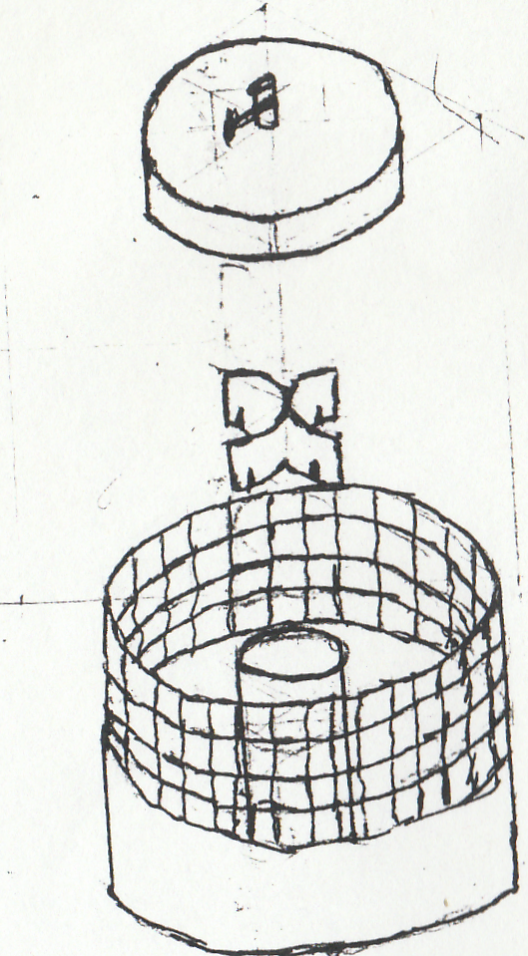
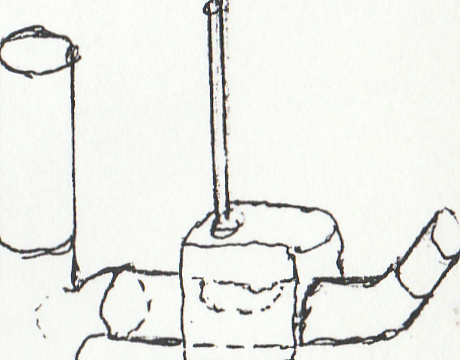
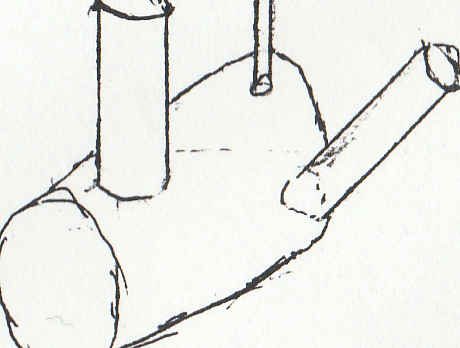
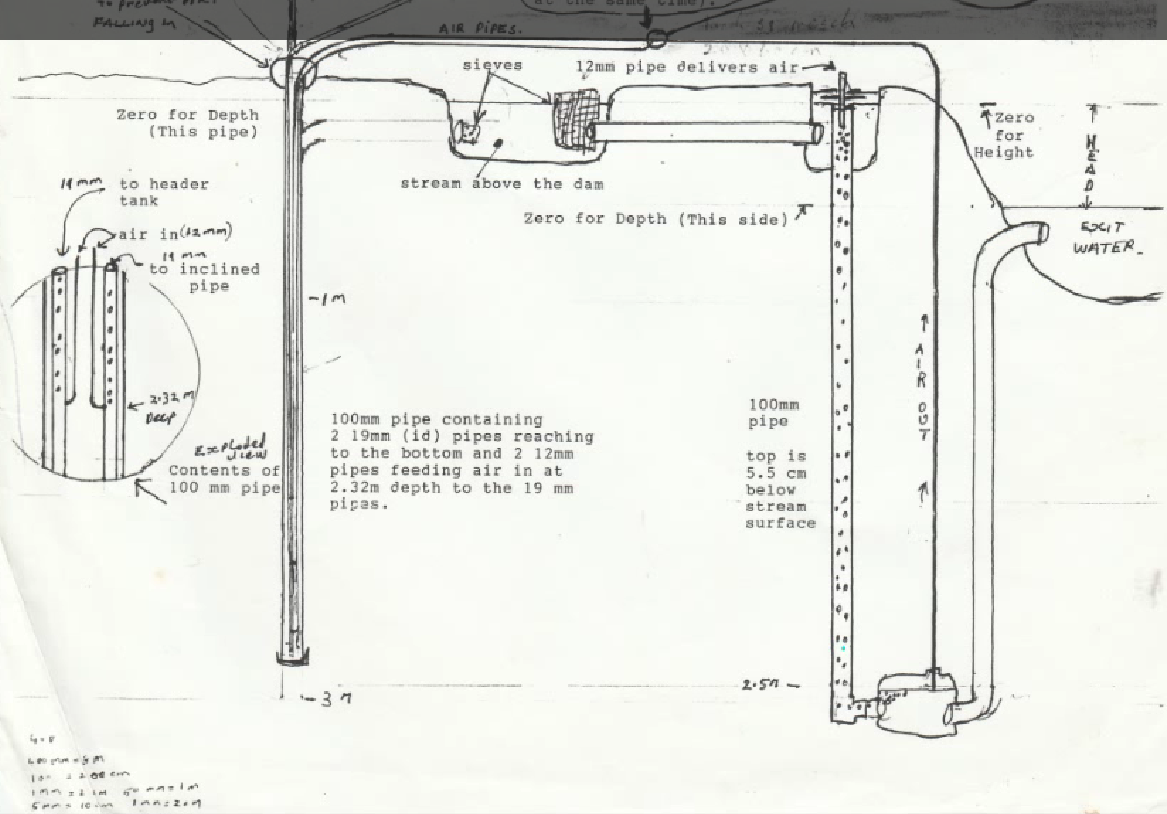
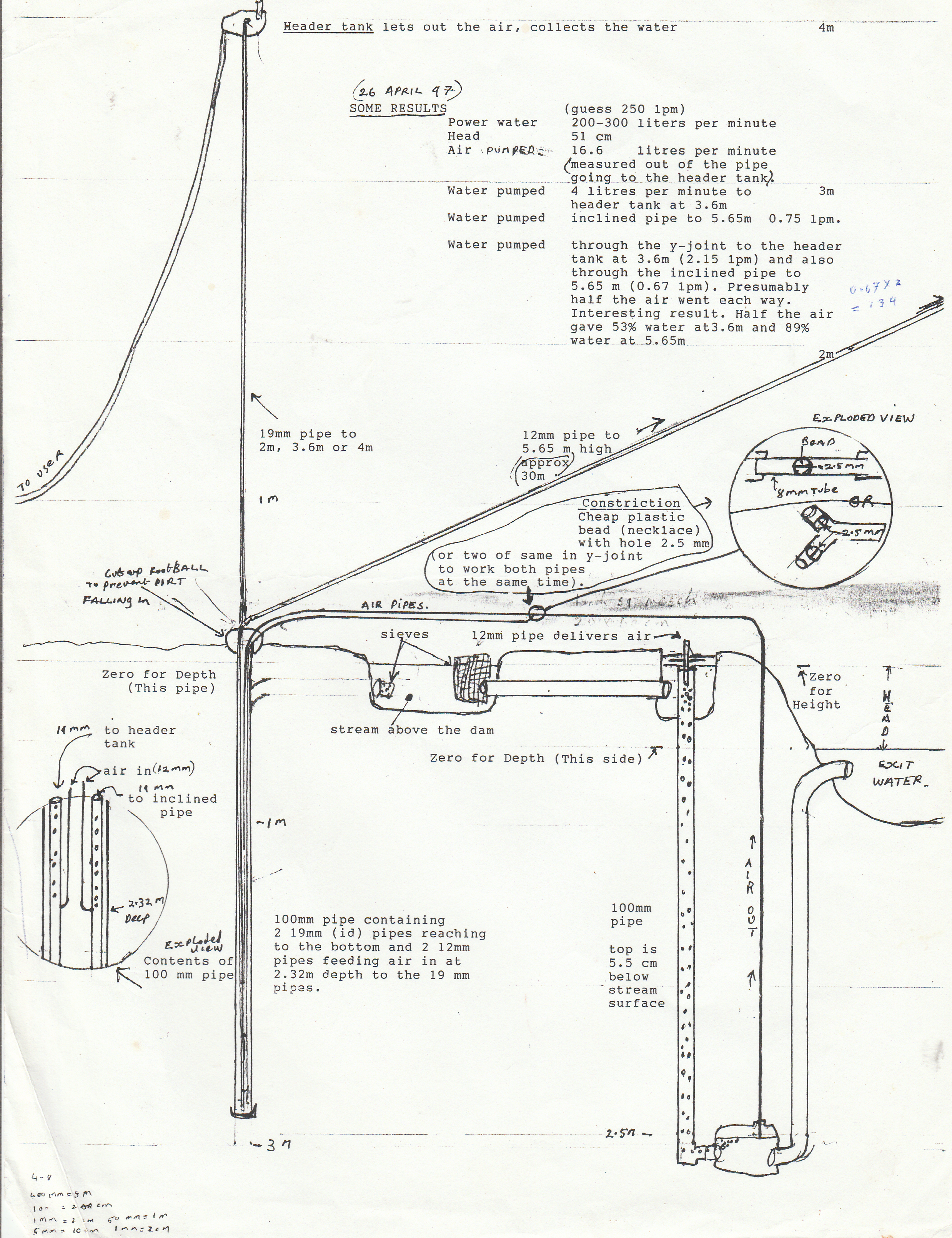
You can totally produce a lot of lightly compressed air from hydropower with a small trompe! Your "head" has to be half a meter or more,  and the trompe air collection need only be 1 meter below the water surface. The old ones are huge and might go 100 meters down into the ground with massive flows of water but in actual fact, you can do something very small.  Something like 5 liters per second will work fine with a 4 inch diameter down pipe.  I ran "nutrient film technique" for about 2 years  That worked well with low pressure air powering the air lift pump.  I didn't like buying chemicals so I stopped doing it.   There are "organic" chemicals too, so it can be done.   So, I have some diagrams of the actual thing I built. Remember that you will get way more air if you only go 1 meter deep or 1.5 meters deep.  And if you only need air to run an airlift pump for nutrient film technique, or for  bubbling in water that is 2.5 or 3 ft deep, that is just fine.   Video is from about 8 years ago when I did NFT over the summer in my greenhouse just to see if it could work.  I think I ran it from a marina 100 or 200 aquarium bubble pump,  but if you had a river or little steam, and pipe the lightly compressed air up to your greenhouse,  you could run 3 or 4 or 5 rows with no problems.  
 
IMG_20230103_0015-rotated.png
air and water inlet of 6 inch diameter pulser pump
IMG_20230103_0013-rotated.png
Deep pulser pump underground trompe part (the plastic can was a fairly thick formaldehyde can).
IMG_20230103_0014-rotated.png
6 inch diameter pulser pump, the trompe part underground. 50 gallon plastic barrel at about 2 meters under ground.
Screenshot-2025-10-23-223238.png
Deep pulser pump to scale. Airlift pump part is left, tromp part is right
IMG_20230103_0010.png
The overview of the deep pulser pump. This worked for about 15 years.
 
Posts: 16
Location: Nashville, TN
3
  • Likes 5
  • Mark post as helpful
  • send pies
    Number of slices to send:
    Optional 'thank-you' note:
  • Quote
  • Report post to moderator
After two separate aquaponics phases over the past 10 years, this is my take on it as far as permaculture, etc:

Using fish poop to grow your aquaponics plants can be fun, but if you are really looking for production, you should stick to organic hydroponics, in which case, I don't think it's really very "permie."  It's completely dependent on gear to grow things. I have watched tons and tons of aquaponic videos over the years (and seen these systems in person), and nearly zero of them produce any substantial produce. Whether consciously or not, they are all about the gear. Lots of gear and clever workarounds to have a tiny bed full of not very much plant abundance. The only aquaponics I have seen produce anything net positive, or anything but honestly rather pathetic tiny little gardens, are on a big commercial scale (where as I said before they probably should be doing it without the fish.)

However, you don't have to throw the baby out with the bath water (or fish water, LOL). Ponds are great and established permaculture elements, but you can have mini-ponds in tubs. There are even aquarium set ups that use little or no technology. Fish, and aquatic ecosystems are amazing and you can sort of create the foundation of abundance in this arena. (algae feeds the tiny creatures, tiny creatures feed the fish, etc.)

I don't think I want to do permaculture anymore without an aquatic element, and on my tiny suburban nursery scale, that means tubs and tanks. Using this tank water to water nursery plants and even larger plants has been a game changer. My son dips the watering can into the tank and hand waters the nursery. Beyond that, any extra anything you do as far as fish care creates food for the plants.

Aquatic plants are another amazing addition to a permaculture system. Common aquarium plants like hornwort create biomass abundance. There is a lot of life in a teeming aquatic ecosystem and that's one thing I love about permaculture -- increasing life and diversity of living things. If you have an excess of fish you can feed them to your chickens, cats, pigs, or even yourself.

The whole idea in aquaponics of your plants cleaning the water for your fish is not a new one, it's been used in the aquarium world for decades -- and in permaculture in pond ecosystems.  It's just not trying to grow baby lettuces. And if done correctly, you don't need a pump. Not only does a pump require electricity, but they go out, drains get clogged, I have seen all kinds of things go dreadfully wrong in even my super simple aquaponics set ups.

So I no longer practice "aquaponics", but I am doubling down on fish and aquatic ecosystems for my suburban permaculture homestead.
 
pollinator
Posts: 752
Location: SE Indiana
428
dog fish trees writing
  • Likes 2
  • Mark post as helpful
  • send pies
    Number of slices to send:
    Optional 'thank-you' note:
  • Quote
  • Report post to moderator

And if done correctly, you don't need a pump


Could you elaborate on that?

My system is a little 200-gallon pond with fish, frogs and lots of plants. I get a lot of garden fertilizer from it and a lot of biomass for the size. If I want to, I can grow most anything hydroponically in the stream portion. The pump feeds the stream, aerates the water, prevents mosquitos and keeps it from freezing in the winter.  Having to use electricity is the only thing I don't like.

 
Kevin Feinstein II
Posts: 16
Location: Nashville, TN
3
  • Likes 3
  • Mark post as helpful
  • send pies
    Number of slices to send:
    Optional 'thank-you' note:
  • Quote
  • Report post to moderator

Mark Reed wrote:

And if done correctly, you don't need a pump


Could you elaborate on that?

My system is a little 200-gallon pond with fish, frogs and lots of plants. I get a lot of garden fertilizer from it and a lot of biomass for the size. If I want to, I can grow most anything hydroponically in the stream portion. The pump feeds the stream, aerates the water, prevents mosquitos and keeps it from freezing in the winter.  Having to use electricity is the only thing I don't like.


So far I have used pumps, filters, etc mostly for the aeration, and it might be best for your situation with only a 200 gallon tank/pond. Here is a guy I have watched on YouTube that doesn't use any electricity in his "tubs."  https://www.youtube.com/watch?v=3dRCvhHhgcA

The reason for my post was largely about how this type of approach, like in the video above,  makes more sense than what most people think of as "aquaponics."

I just found this guy on YouTube, so I don't know if he is integrating it into his garden/chickens, homestead etc in a permie way or not. That is my goal.  
Also keeping fish is just super awesome. "Old Macdonald had some fish . . ."

As far as mosquitos, your fish should be able to eliminate that problem, with or without aeration.
 
Kevin Feinstein II
Posts: 16
Location: Nashville, TN
3
  • Likes 4
  • Mark post as helpful
  • send pies
    Number of slices to send:
    Optional 'thank-you' note:
  • Quote
  • Report post to moderator
Nearly every time I see an aquaponics set-up in a video, in person, or of my own design, I always come to the stark realization when I look at it from a food growing gardener's perspective. I always think I could WAAAY outgrow that in a raised or in-ground garden bed, or even containers of soil on my driveway.

I like aquaponics for the fish and the life-force that living water systems provide.
 
Brian White
pollinator
Posts: 134
39
  • Likes 4
  • Mark post as helpful
  • send pies
    Number of slices to send:
    Optional 'thank-you' note:
  • Quote
  • Report post to moderator

Kevin Feinstein II wrote:Nearly every time I see an aquaponics set-up in a video, in person, or of my own design, I always come to the stark realization when I look at it from a food growing gardener's perspective. I always think I could WAAAY outgrow that in a raised or in-ground garden bed, or even containers of soil on my driveway.

I like aquaponics for the fish and the life-force that living water systems provide.


My friend has a goldfish pond.  It has 3 or 4 tons of water in it.  Its only 18 inches deep to keep within the bylaw regulations.  It goes green in Summer.  She often uses the goldfish water to water her greenhouse..   So is it  almost half way to aquaponics? If her plants had leaves that the fish ate, it might be about 80% there?  I have read so many horror stories about all the fishes dying, suddenly because the ph went whack a doodle that I'd be wary to attempt aquaponics. So her 80% setup, is about as far as I would go.
 
pollinator
Posts: 130
Location: Memphis (zone 7b/8a)
54
  • Likes 4
  • Mark post as helpful
  • send pies
    Number of slices to send:
    Optional 'thank-you' note:
  • Quote
  • Report post to moderator
The complexity and engineering involved in aquaponics has thus far kept me at bay, but I have a couple set ups that keep bring me back to the concept.

First, I have about a half acre pond that is home to the usual assortment of freshwater fish, turtles and algae. My dad is nuts for building water features and so he built a sort of volcano shaped fountain/ pond along side it, using a pump to push water about 8 feet up and then cascade  down into a series of large basins (each of which probably hold about 800 gallons) before streaming back into the pond.

Thus I have some quasi aquaponics infrastructure already in place. I already grow water lotus in the lower basin but I would really like to add some fish to the upper basin. I get a few fish out of the big pond with a fishing rod,  but I can't shake the appeal of netting dinner out of the mini pond.

The problem is from everything I've read, tilapia is the most efficient fish to raise in a set up like this but I'm in zone 7b, which makes tilapia raising an annual prospect. So I'm on the hunt for an efficient variety that can overwinter in 7b.

The second tempting use  of aquaponics has been referenced several times in this thread - since I'm going to be using 200+ gallons of water as thermal mass when I put in my greenhouse,  why not get some dual use out of it? I intend to cultivate some water hyacinth if I can keep the greenhouse temperature up,  but it sounds be great to utilize more of the water than just the surface area of the openings of my 55 gallon barrels.

 
Mark Reed
pollinator
Posts: 752
Location: SE Indiana
428
dog fish trees writing
  • Likes 3
  • Mark post as helpful
  • send pies
    Number of slices to send:
    Optional 'thank-you' note:
  • Quote
  • Report post to moderator

Kevin Feinstein II wrote:

I like aquaponics for the fish and the life-force that living water systems provide.


I also just like anything water, fish, plant related. I don't usually watch videos, but I peeked at the one you linked and ended up watching a bit of it and loved it! Whole different set up from me though mostly because he is apparently in a climate where it doesn't freeze in winter. Those tubs would freeze solid in my climate.

My outdoor (200 gallon) pond is about two feet deep and freezes as much as eight inches sometimes over winter, only the pump keeps a bit of open water running in the stream part. It attracts enormous amounts of birds in winter; way more than the feeders do. In early spring it does turn pea green, almost thick looking for about a week or so. My theory on that is rotted leaves, fish poop and stuff have accumulated over winter and release an explosion of nutrient when the weather warms up, mixed with more sunlight the algae also explode. Then the water lilies, hornwort and other plants wake up, and the water quickly goes perfectly clear. Left behind is a layer thick of green fur on all the surfaces, then the toads come and thousands of tadpoles eat most of that. Whatever that is also lives in my aquarium, but the Otocinclus Catfish keep it under control.

I agree with you on the "life-force", but I do think actual food might also be possible except I'm thinking of the fish, not vegetables. As far as not using pumps, in my climate the water volume would have to be much larger and deeper. I don't use filters in my little pond or in my indoor aquarium. The plants and biofilm take care of all of that. Our local fish species bass, bluegill and catfish always do well but I have to turn them loose when they overgrow it. I can't raise a quantity big enough to eat, just a few and they are more like pets.

I would have to have a greenhouse to do it, but I have thought more than once about putting together a set up similar in some ways to the fellow in the video.

Here is a little video of my pond.


Mark Reed
pollinator
Posts: 752
Location: SE Indiana
428
dog fish trees writing
  • Likes 4
  • Mark post as helpful
  • send pies
    Number of slices to send:
    Optional 'thank-you' note:
  • Quote
  • Report post to moderator

Sam Shade wrote:The complexity and engineering involved in aquaponics has thus far kept me at bay, but I have a couple set ups that keep bring me back to the concept.

First, I have about a half acre pond that is home to the usual assortment of freshwater fish, turtles and algae. My dad is nuts for building water features and so he built a sort of volcano shaped fountain/ pond along side it, using a pump to push water about 8 feet up and then cascade  down into a series of large basins (each of which probably hold about 800 gallons) before streaming back into the pond.

Thus I have some quasi aquaponics infrastructure already in place. I already grow water lotus in the lower basin but I would really like to add some fish to the upper basin. I get a few fish out of the big pond with a fishing rod,  but I can't shake the appeal of netting dinner out of the mini pond.

The problem is from everything I've read, tilapia is the most efficient fish to raise in a set up like this but I'm in zone 7b, which makes tilapia raising an annual prospect. So I'm on the hunt for an efficient variety that can overwinter in 7b.

The second tempting use  of aquaponics has been referenced several times in this thread - since I'm going to be using 200+ gallons of water as thermal mass when I put in my greenhouse,  why not get some dual use out of it? I intend to cultivate some water hyacinth if I can keep the greenhouse temperature up,  but it sounds be great to utilize more of the water than just the surface area of the openings of my 55 gallon barrels.


Sounds to me like you have a pretty sweet setup there already. A series of 800-gallon basins with moving water in a couple of zones warmer than mine. All kinds of things should be possible with that.
 
Sam Shade
pollinator
Posts: 130
Location: Memphis (zone 7b/8a)
54
  • Likes 3
  • Mark post as helpful
  • send pies
    Number of slices to send:
    Optional 'thank-you' note:
  • Quote
  • Report post to moderator

Mark Reed wrote:

Sam Shade wrote:The complexity and engineering involved in aquaponics has thus far kept me at bay, but I have a couple set ups that keep bring me back to the concept.

First, I have about a half acre pond that is home to the usual assortment of freshwater fish, turtles and algae. My dad is nuts for building water features and so he built a sort of volcano shaped fountain/ pond along side it, using a pump to push water about 8 feet up and then cascade  down into a series of large basins (each of which probably hold about 800 gallons) before streaming back into the pond.

Thus I have some quasi aquaponics infrastructure already in place. I already grow water lotus in the lower basin but I would really like to add some fish to the upper basin. I get a few fish out of the big pond with a fishing rod,  but I can't shake the appeal of netting dinner out of the mini pond.

The problem is from everything I've read, tilapia is the most efficient fish to raise in a set up like this but I'm in zone 7b, which makes tilapia raising an annual prospect. So I'm on the hunt for an efficient variety that can overwinter in 7b.

The second tempting use  of aquaponics has been referenced several times in this thread - since I'm going to be using 200+ gallons of water as thermal mass when I put in my greenhouse,  why not get some dual use out of it? I intend to cultivate some water hyacinth if I can keep the greenhouse temperature up,  but it sounds be great to utilize more of the water than just the surface area of the openings of my 55 gallon barrels.


Sounds to me like you have a pretty sweet setup there already. A series of 800-gallon basins with moving water in a couple of zones warmer than mine. All kinds of things should be possible with that.


I was thinking of bluegill in the upper basin for cold hardiness and low maintenance (and because they are readily available in the pond), but the yields seem like they would be pretty low relative to tilapia.  But tilapia would require a lot more management.

What would you in my situation?
 
Brian White
pollinator
Posts: 134
39
  • Likes 6
  • Mark post as helpful
  • send pies
    Number of slices to send:
    Optional 'thank-you' note:
  • Quote
  • Report post to moderator
Just on a random note.  Has anyone tried to grow lampreys?  They are a cold zone fish and many species don't parasitize other fish as adults!  The key thing about lamprey is that the young lamprey lives like a worm in the mud and filter feeds.  So they keep the water clean!   The other thing about lamprey is that they are royal food.  The kings and queens of England have lamprey pie on coronation day.  So,  if people were a tiny bit open minded about aquaculture, they could have lamprey in the mix (in the cold zones).   There might even be a thing where the eggs are harvested in the wild, the lamprey are hatched and sold to pond owners as "cleaning agents"  and when they metamorphose, the pond owners harvest them to eat. I grew up with brook lamprey in the river.  (These don't eat fish, and are about 6 inches long.  They are quite beautiful as adults). There are other species that are much bigger,  just choose one that isn't a parasite.   If we were doing anything in the river that created muck or stomped in the silt, sometimes the worm version would come swimming out and burrow into the sand further into the river.  So, yeah,  a cold water fish, a very important part of the ecosystem, that is just begging to be included in a permaculture pond, aquaculture, or garden water feature or river system  
 
Mark Reed
pollinator
Posts: 752
Location: SE Indiana
428
dog fish trees writing
  • Likes 4
  • Mark post as helpful
  • send pies
    Number of slices to send:
    Optional 'thank-you' note:
  • Quote
  • Report post to moderator

I was thinking of bluegill in the upper basin for cold hardiness and low maintenance (and because they are readily available in the pond), but the yields seem like they would be pretty low relative to tilapia.  But tilapia would require a lot more management.

What would you in my situation?


I'm not sure what your goal is, mine would be largely aesthetic, just to create and enjoy a bit of a natural environment. I'm also very interested in food production but mostly as a moderate supplement to our meals and mostly seasonally. Although in a set up the size of yours and in your climate much more might be possible. A restriction there is the topography of your pools. If they are close together with the eight-foot fall in steep sections rather than in a gentle stream or shallow pool it wouldn't be as easy to grow the necessary plants to keep it all clean and you might need some kind of artificial filter.

That said, I would go with the bluegill for sure. Also, probably striped bass maybe of the hybrid type, crappie and catfish. Lots of other things might also work like crawfish, freshwater shrimp and for sure freshwater clams. Things like frogs might and water snakes might move in on their own. I definitely would not screw with tilapia or anything else that is picky about warm water. Just adds an unnecessary unnatural aspect and as a rule I think the colder the water it came from the better any fish tastes. O' I forgot about carp. They are nasty fish that taste awful, but I wonder if that is mostly because of where they live. In a nice clean environment that might not be true. They grow fast and they have lots of fish oil which is supposed to be good for up. I would definitely experiment with carp and if it worked out, I'd call it hillbilly salmon.  

For plants you have to have lots of them to clean the water and maybe to eat. Mint for sure, it makes masses of filtering roots. Hornwort grows super-fast, cleans the water and can be harvested for fertilizer in the garden. Waterlilies of course because they are pretty. Lotus for sure, pretty and I've heard you can eat them. Edge plants too, like cattails and cannas. I might experiment with things like rice too.

There isn't anything complicated about playing with water, it doesn't require engineering or schematics at all unless a person wants to make it so. Only problem in a small scale set up such as we are talking the water has to be in circulation and the only way I know to do that is with electricity. The video of the fellow with the tubs shows things can thrive without pumps, but it looked like he was into raising tropical fish. I think that would be fun but, in my climate, they would freeze solid unless inside a greenhouse or something and that adds a whole bunch of engineering and schematics and expense.  
 
master steward
Posts: 14459
Location: Pacific Wet Coast
8738
duck books chicken cooking food preservation ungarbage
  • Likes 3
  • Mark post as helpful
  • send pies
    Number of slices to send:
    Optional 'thank-you' note:
  • Quote
  • Report post to moderator

Mark Reed wrote:... It attracts enormous amounts of birds in winter; way more than the feeders do.


This is huge people! As our natural areas are under pressure by human population, humans providing a valuable resource for our wild birds does have its place in permaculture. My sister could only manage a summer birdbath, but it was well subscribed by birds and insects and during heat waves, it needed topping up twice a day due to the combination of demand and evaporation.

As with so many things, the answer is, "it depends". Stacking functions and helping out the local feathered population can be considered one of those extra functions. Our reptiles and amphibians are also under great pressure. If people create an "aquaponics" system that has space for wild visitors, and which has good biodiversity, that shifts the equation towards fitting under the permie umbrella. The versions that do it in an enclosed shipping container with artificial everything, to me, don't fit at all.
 
Sam Shade
pollinator
Posts: 130
Location: Memphis (zone 7b/8a)
54
  • Likes 3
  • Mark post as helpful
  • send pies
    Number of slices to send:
    Optional 'thank-you' note:
  • Quote
  • Report post to moderator

Mark Reed wrote:

I was thinking of bluegill in the upper basin for cold hardiness and low maintenance (and because they are readily available in the pond), but the yields seem like they would be pretty low relative to tilapia.  But tilapia would require a lot more management.

What would you in my situation?


I'm not sure what your goal is, mine would be largely aesthetic, just to create and enjoy a bit of a natural environment. I'm also very interested in food production but mostly as a moderate supplement to our meals and mostly seasonally. Although in a set up the size of yours and in your climate much more might be possible. A restriction there is the topography of your pools. If they are close together with the eight-foot fall in steep sections rather than in a gentle stream or shallow pool it wouldn't be as easy to grow the necessary plants to keep it all clean and you might need some kind of artificial filter.

That said, I would go with the bluegill for sure. Also, probably striped bass maybe of the hybrid type, crappie and catfish. Lots of other things might also work like crawfish, freshwater shrimp and for sure freshwater clams. Things like frogs might and water snakes might move in on their own. I definitely would not screw with tilapia or anything else that is picky about warm water. Just adds an unnecessary unnatural aspect and as a rule I think the colder the water it came from the better any fish tastes. O' I forgot about carp. They are nasty fish that taste awful, but I wonder if that is mostly because of where they live. In a nice clean environment that might not be true. They grow fast and they have lots of fish oil which is supposed to be good for up. I would definitely experiment with carp and if it worked out, I'd call it hillbilly salmon.  

For plants you have to have lots of them to clean the water and maybe to eat. Mint for sure, it makes masses of filtering roots. Hornwort grows super-fast, cleans the water and can be harvested for fertilizer in the garden. Waterlilies of course because they are pretty. Lotus for sure, pretty and I've heard you can eat them. Edge plants too, like cattails and cannas. I might experiment with things like rice too.

There isn't anything complicated about playing with water, it doesn't require engineering or schematics at all unless a person wants to make it so. Only problem in a small scale set up such as we are talking the water has to be in circulation and the only way I know to do that is with electricity. The video of the fellow with the tubs shows things can thrive without pumps, but it looked like he was into raising tropical fish. I think that would be fun but, in my climate, they would freeze solid unless inside a greenhouse or something and that adds a whole bunch of engineering and schematics and expense.  


Thanks so much for taking the time.

I can confirm that lotus loves this kind of set-up. I started four in the house in the spring and put them in this summer and my goodness, they took the whole bottom basin over. No blooms this year but I look forward to harvesting some tubers later on - they have an unusual flavor somewhere in between water chestnut and ginger.

I love the mint suggestion as well. Mint sauce + goat meat is one of my very favorite combinations.

Bluegill definitely sounds like the way to go, even with the lower yield. They are supremely low maintenance.

My daughter is also interested in raising and selling koi if the bluegill don't pan out.
 
Kevin Feinstein II
Posts: 16
Location: Nashville, TN
3
  • Likes 2
  • Mark post as helpful
  • send pies
    Number of slices to send:
    Optional 'thank-you' note:
  • Quote
  • Report post to moderator

Brian White wrote:

Kevin Feinstein II wrote:Nearly every time I see an aquaponics set-up in a video, in person, or of my own design, I always come to the stark realization when I look at it from a food growing gardener's perspective. I always think I could WAAAY outgrow that in a raised or in-ground garden bed, or even containers of soil on my driveway.

I like aquaponics for the fish and the life-force that living water systems provide.


My friend has a goldfish pond.  It has 3 or 4 tons of water in it.  Its only 18 inches deep to keep within the bylaw regulations.  It goes green in Summer.  She often uses the goldfish water to water her greenhouse..   So is it  almost half way to aquaponics? If her plants had leaves that the fish ate, it might be about 80% there?  I have read so many horror stories about all the fishes dying, suddenly because the ph went whack a doodle that I'd be wary to attempt aquaponics. So her 80% setup, is about as far as I would go.


It is likely that the pond goes green from what in the aquarium world is known as "greenwater." Which is a single celled algae essentially and is the foundation of life in a way, LOL. This can be used to feed plankton like daphnia or moina and a host of other creatures that are great for small fish (and fry.) These creatures will clean up the greenwater and transform it. I actively cultivate greenwater currently.

Also, I think the more complicated the setup, the more things that can go wrong. Aquaponics is dominated by gear oriented people, but in my experience this gear doesn't lead to more sustainable, stable, or ecological food production. It can be fun if you are into gear. It's interesting that the aquaponics world tends to make things more complicated than even the aquarium world.  
 
Kevin Feinstein II
Posts: 16
Location: Nashville, TN
3
  • Likes 3
  • Mark post as helpful
  • send pies
    Number of slices to send:
    Optional 'thank-you' note:
  • Quote
  • Report post to moderator

Sam Shade wrote:

Mark Reed wrote:

Sam Shade wrote:The complexity and engineering involved in aquaponics has thus far kept me at bay, but I have a couple set ups that keep bring me back to the concept.

First, I have about a half acre pond that is home to the usual assortment of freshwater fish, turtles and algae. My dad is nuts for building water features and so he built a sort of volcano shaped fountain/ pond along side it, using a pump to push water about 8 feet up and then cascade  down into a series of large basins (each of which probably hold about 800 gallons) before streaming back into the pond.

Thus I have some quasi aquaponics infrastructure already in place. I already grow water lotus in the lower basin but I would really like to add some fish to the upper basin. I get a few fish out of the big pond with a fishing rod,  but I can't shake the appeal of netting dinner out of the mini pond.

The problem is from everything I've read, tilapia is the most efficient fish to raise in a set up like this but I'm in zone 7b, which makes tilapia raising an annual prospect. So I'm on the hunt for an efficient variety that can overwinter in 7b.

The second tempting use  of aquaponics has been referenced several times in this thread - since I'm going to be using 200+ gallons of water as thermal mass when I put in my greenhouse,  why not get some dual use out of it? I intend to cultivate some water hyacinth if I can keep the greenhouse temperature up,  but it sounds be great to utilize more of the water than just the surface area of the openings of my 55 gallon barrels.


Sounds to me like you have a pretty sweet setup there already. A series of 800-gallon basins with moving water in a couple of zones warmer than mine. All kinds of things should be possible with that.


I was thinking of bluegill in the upper basin for cold hardiness and low maintenance (and because they are readily available in the pond), but the yields seem like they would be pretty low relative to tilapia.  But tilapia would require a lot more management.

What would you in my situation?


Tilapia grow crazy fast. You can easily treat them like an annual fish. Get the started as early as your climate and you ability to warm up the water will allow in the spring and by fall you they will be full sized and harvestable. They are quite amazing like that and far more productive than bluegill or similar cool water fish. However, what I am interested in are growing minnows (there are many types, maybe eaten like sardines?) and if not food for the chickens.
 
Sam Shade
pollinator
Posts: 130
Location: Memphis (zone 7b/8a)
54
  • Likes 3
  • Mark post as helpful
  • send pies
    Number of slices to send:
    Optional 'thank-you' note:
  • Quote
  • Report post to moderator

Kevin Feinstein II wrote:

Sam Shade wrote:

Mark Reed wrote:

Sam Shade wrote:The complexity and engineering involved in aquaponics has thus far kept me at bay, but I have a couple set ups that keep bring me back to the concept.

First, I have about a half acre pond that is home to the usual assortment of freshwater fish, turtles and algae. My dad is nuts for building water features and so he built a sort of volcano shaped fountain/ pond along side it, using a pump to push water about 8 feet up and then cascade  down into a series of large basins (each of which probably hold about 800 gallons) before streaming back into the pond.

Thus I have some quasi aquaponics infrastructure already in place. I already grow water lotus in the lower basin but I would really like to add some fish to the upper basin. I get a few fish out of the big pond with a fishing rod,  but I can't shake the appeal of netting dinner out of the mini pond.

The problem is from everything I've read, tilapia is the most efficient fish to raise in a set up like this but I'm in zone 7b, which makes tilapia raising an annual prospect. So I'm on the hunt for an efficient variety that can overwinter in 7b.

The second tempting use  of aquaponics has been referenced several times in this thread - since I'm going to be using 200+ gallons of water as thermal mass when I put in my greenhouse,  why not get some dual use out of it? I intend to cultivate some water hyacinth if I can keep the greenhouse temperature up,  but it sounds be great to utilize more of the water than just the surface area of the openings of my 55 gallon barrels.


Sounds to me like you have a pretty sweet setup there already. A series of 800-gallon basins with moving water in a couple of zones warmer than mine. All kinds of things should be possible with that.


I was thinking of bluegill in the upper basin for cold hardiness and low maintenance (and because they are readily available in the pond), but the yields seem like they would be pretty low relative to tilapia.  But tilapia would require a lot more management.

What would you in my situation?


Tilapia grow crazy fast. You can easily treat them like an annual fish. Get the started as early as your climate and you ability to warm up the water will allow in the spring and by fall you they will be full sized and harvestable. They are quite amazing like that and far more productive than bluegill or similar cool water fish. However, what I am interested in are growing minnows (there are many types, maybe eaten like sardines?) and if not food for the chickens.


I want to avoid having to buy fingerlings every year.  If I could overwinter some breeding stock in my basement or a greenhouse,  tilapia would be more appealing.

What makes you interested in minnows? Ease of raising?

 
Kevin Feinstein II
Posts: 16
Location: Nashville, TN
3
  • Likes 2
  • Mark post as helpful
  • send pies
    Number of slices to send:
    Optional 'thank-you' note:
  • Quote
  • Report post to moderator

Mark Reed wrote:

Kevin Feinstein II wrote:

I like aquaponics for the fish and the life-force that living water systems provide.


I also just like anything water, fish, plant related. I don't usually watch videos, but I peeked at the one you linked and ended up watching a bit of it and loved it! Whole different set up from me though mostly because he is apparently in a climate where it doesn't freeze in winter. Those tubs would freeze solid in my climate.

My outdoor (200 gallon) pond is about two feet deep and freezes as much as eight inches sometimes over winter, only the pump keeps a bit of open water running in the stream part. It attracts enormous amounts of birds in winter; way more than the feeders do. In early spring it does turn pea green, almost thick looking for about a week or so. My theory on that is rotted leaves, fish poop and stuff have accumulated over winter and release an explosion of nutrient when the weather warms up, mixed with more sunlight the algae also explode. Then the water lilies, hornwort and other plants wake up, and the water quickly goes perfectly clear. Left behind is a layer thick of green fur on all the surfaces, then the toads come and thousands of tadpoles eat most of that. Whatever that is also lives in my aquarium, but the Otocinclus Catfish keep it under control.

I agree with you on the "life-force", but I do think actual food might also be possible except I'm thinking of the fish, not vegetables. As far as not using pumps, in my climate the water volume would have to be much larger and deeper. I don't use filters in my little pond or in my indoor aquarium. The plants and biofilm take care of all of that. Our local fish species bass, bluegill and catfish always do well but I have to turn them loose when they overgrow it. I can't raise a quantity big enough to eat, just a few and they are more like pets.

I would have to have a greenhouse to do it, but I have thought more than once about putting together a set up similar in some ways to the fellow in the video.

Here is a little video of my pond.


Yeah, winter sucks. LOL This spring I am going to try something similar to Duthie video set up. I am going to treat it like an annual "water garden." You could alternatively try cold hardy fish like rosy red minnows instead of things like guppies and provide some heat to the water. I am even contemplating putting the tubs on wheels and rolling them into my garage/basement in the winter. Obviously a big pond solves these problems, but I don't have space for that, nor do most.
 
Mark Reed
pollinator
Posts: 752
Location: SE Indiana
428
dog fish trees writing
  • Likes 4
  • Mark post as helpful
  • send pies
    Number of slices to send:
    Optional 'thank-you' note:
  • Quote
  • Report post to moderator
I would like to expand my water/fish/plant habit, but I'm pretty set on only things that are happy in cold water. If I have to mess with regulating temperature it would be to cool it in summer rather than heating in winter. I mentioned but haven't yet experimented with freshwater clams. I've read that there used to be 300 species in the Ohio River, now there are just two or three and they are all small and mostly non-native, but I know of some tributaries that still have some of the much larger native species. They do not taste very good, but I wonder if that is like with the carp, living in polluted water yields bad flavor.

I do have space for a much larger pond but haven't had the time and finances to put it together, and still, there is the issue of needing an electric pump. I've experimented a little bit with white cloud minnows, Endler guppies and Japanese rice fish as well as our native creek minnows.  They have all survived "normal" winter when the ice is thin and intermittent but only the rice fish and natives have made it when the ice is thicker and longer lasting. I think they might do better in a bigger deeper pond where there is still three or four feet of open water under the ice instead of just one. I think with a bigger volume of water and a bigger breeding population any of them might adapt to my weather conditions.

I also love Paradise fish and think they might have a shot at adapting to such a set up.  Black banded sunfish are really cool little critters, sort of a miniature bluegill and completely hardy. I had some of the sunfish in my indoor aquarium, but they got too big and they ate their babies, so I put them outside. They lived there three or four years before a great blue heron came down one morning and ate them. Same thing happened to my baby snapping turtle.
 
Kevin Feinstein II
Posts: 16
Location: Nashville, TN
3
  • Likes 2
  • Mark post as helpful
  • send pies
    Number of slices to send:
    Optional 'thank-you' note:
  • Quote
  • Report post to moderator

Sam Shade wrote:

Kevin Feinstein II wrote:

Sam Shade wrote:

Mark Reed wrote:

Sam Shade wrote:The complexity and engineering involved in aquaponics has thus far kept me at bay, but I have a couple set ups that keep bring me back to the concept.

First, I have about a half acre pond that is home to the usual assortment of freshwater fish, turtles and algae. My dad is nuts for building water features and so he built a sort of volcano shaped fountain/ pond along side it, using a pump to push water about 8 feet up and then cascade  down into a series of large basins (each of which probably hold about 800 gallons) before streaming back into the pond.

Thus I have some quasi aquaponics infrastructure already in place. I already grow water lotus in the lower basin but I would really like to add some fish to the upper basin. I get a few fish out of the big pond with a fishing rod,  but I can't shake the appeal of netting dinner out of the mini pond.

The problem is from everything I've read, tilapia is the most efficient fish to raise in a set up like this but I'm in zone 7b, which makes tilapia raising an annual prospect. So I'm on the hunt for an efficient variety that can overwinter in 7b.

The second tempting use  of aquaponics has been referenced several times in this thread - since I'm going to be using 200+ gallons of water as thermal mass when I put in my greenhouse,  why not get some dual use out of it? I intend to cultivate some water hyacinth if I can keep the greenhouse temperature up,  but it sounds be great to utilize more of the water than just the surface area of the openings of my 55 gallon barrels.


Sounds to me like you have a pretty sweet setup there already. A series of 800-gallon basins with moving water in a couple of zones warmer than mine. All kinds of things should be possible with that.


I was thinking of bluegill in the upper basin for cold hardiness and low maintenance (and because they are readily available in the pond), but the yields seem like they would be pretty low relative to tilapia.  But tilapia would require a lot more management.

What would you in my situation?


Tilapia grow crazy fast. You can easily treat them like an annual fish. Get the started as early as your climate and you ability to warm up the water will allow in the spring and by fall you they will be full sized and harvestable. They are quite amazing like that and far more productive than bluegill or similar cool water fish. However, what I am interested in are growing minnows (there are many types, maybe eaten like sardines?) and if not food for the chickens.


I want to avoid having to buy fingerlings every year.  If I could overwinter some breeding stock in my basement or a greenhouse,  tilapia would be more appealing.

What makes you interested in minnows? Ease of raising?


Minnows are easier to raise, and you can raise them in much higher numbers and they are more versatile. You can put them in smaller tubs, aquariums, etc and feed them whole to your chickens (or eat them whole potentially yourself for more nutrition -- like sardines.)
 
Kevin Feinstein II
Posts: 16
Location: Nashville, TN
3
  • Likes 3
  • Mark post as helpful
  • send pies
    Number of slices to send:
    Optional 'thank-you' note:
  • Quote
  • Report post to moderator

Kevin Feinstein II wrote:

Sam Shade wrote:

Kevin Feinstein II wrote:

Sam Shade wrote:

Mark Reed wrote:

Sam Shade wrote:The complexity and engineering involved in aquaponics has thus far kept me at bay, but I have a couple set ups that keep bring me back to the concept.

First, I have about a half acre pond that is home to the usual assortment of freshwater fish, turtles and algae. My dad is nuts for building water features and so he built a sort of volcano shaped fountain/ pond along side it, using a pump to push water about 8 feet up and then cascade  down into a series of large basins (each of which probably hold about 800 gallons) before streaming back into the pond.

Thus I have some quasi aquaponics infrastructure already in place. I already grow water lotus in the lower basin but I would really like to add some fish to the upper basin. I get a few fish out of the big pond with a fishing rod,  but I can't shake the appeal of netting dinner out of the mini pond.

The problem is from everything I've read, tilapia is the most efficient fish to raise in a set up like this but I'm in zone 7b, which makes tilapia raising an annual prospect. So I'm on the hunt for an efficient variety that can overwinter in 7b.

The second tempting use  of aquaponics has been referenced several times in this thread - since I'm going to be using 200+ gallons of water as thermal mass when I put in my greenhouse,  why not get some dual use out of it? I intend to cultivate some water hyacinth if I can keep the greenhouse temperature up,  but it sounds be great to utilize more of the water than just the surface area of the openings of my 55 gallon barrels.


Sounds to me like you have a pretty sweet setup there already. A series of 800-gallon basins with moving water in a couple of zones warmer than mine. All kinds of things should be possible with that.


I was thinking of bluegill in the upper basin for cold hardiness and low maintenance (and because they are readily available in the pond), but the yields seem like they would be pretty low relative to tilapia.  But tilapia would require a lot more management.

What would you in my situation?


Tilapia grow crazy fast. You can easily treat them like an annual fish. Get the started as early as your climate and you ability to warm up the water will allow in the spring and by fall you they will be full sized and harvestable. They are quite amazing like that and far more productive than bluegill or similar cool water fish. However, what I am interested in are growing minnows (there are many types, maybe eaten like sardines?) and if not food for the chickens.


I want to avoid having to buy fingerlings every year.  If I could overwinter some breeding stock in my basement or a greenhouse,  tilapia would be more appealing.

What makes you interested in minnows? Ease of raising?


Minnows are easier to raise, and you can raise them in much higher numbers and they are more versatile. You can put them in smaller tubs, aquariums, mosquito control areas, etc and feed them whole to your chickens (or eat them whole potentially yourself for more nutrition -- like sardines.)

I haven't tried this yet, but you could potentially breed the next round of tilapia fry inside in an aquarium or indoor tub. They are fairly easy to breed. I bred mine in my first aquaponics attempt which was pretty clumsy and overcrowded. The fry did not survive for long (they got eaten), but I could have scooped them out and separated them if I had the space to do so at the time.

Equating fish types to livestock types:

bsf are like daphnia culture
minnows are like chickens
bluegill are like sheep/goats
bass/trout are like cows

tilapia are like growing tropical fruit in pots in climates with freezes. LOL. I laugh, but my potted guava that I bring inside in the winter out produces my in-ground blueberry bushes by far.

Most small or suburban homesteads start with chickens, but we tend to skip the minnow stage with fish. Interestingly enough, when I tried to use the internet search engines to find info about native minnows and small fish in my local creek/river, etc, I got fed 99% "game fish" as if the other fish don't exist. I had sift through a narrow range of scientific papers, government reports, etc to barely find anything at all. I found out more about my local darter fish from an old HTML basic (early 2000's) website that was about keeping native fish in aquariums than all other sources combined!
 
Brian White
pollinator
Posts: 134
39
  • Likes 3
  • Mark post as helpful
  • send pies
    Number of slices to send:
    Optional 'thank-you' note:
  • Quote
  • Report post to moderator
I do have a solution to the "greenwater problem"  But I never implemented it for my friend.   The solution is to make a "cage" with cheesecloth or very fine net in the pond. For her, the cage needs to be quite large because the pond is big.   In the cage, you can put some duckweed on the surface and  you put some water fleas, daphnia in too,   These swim in the water and "eat" the green water.   Their eggs hatch into tiny larvae, that also swim in the water,  and these little things also eat the green.  But they are so tiny that they pass through the mesh and eat the greenwater outside the mesh.  After a while they molt, and  get big enough for the fish to see and  eat.  So you end up with far clearer water, and you are making fishfood all through the pond!  Plus, duckweed grows quickly and you can toss it out as it fills the cage.  The goldfish love duckweed.   You could also grow azolla to absorb the phosphates.  (My fish don't like azolla).   You can use the azolla as mulch or "maybe" in hanging baskets.   I have done this idea with 2 ponds. A little one with waterfleas in it that  goes through a pipe and then drops into the big pond.   It works great.  The fish congregate at where the pipe water comes into the lower pond and eat the waterflea as they drop down. (actually they eat some pond weed that drops down too.   The water gets pumped around and  back into the little pond.  If the fish lay eggs, that can be a problem cos a fry can go through the pump,  get into the upper pond, grow up and eat every single adult waterflea.  This actually happened one spring.  Everything went green, and I emptyed the top pond and found a little fat fish in the muck at the bottom.  (I also had little isopods in mine, and that one fish had eliminated them too).   So, yeah, sometimes a pond needs a separate walled off "ecosystem" in it to provide food (and balance) to the fish eco-system.    What does anyone thing about growing watercress in a fish pond?          

Kevin Feinstein II wrote:

Brian White wrote:

Kevin Feinstein II wrote:Nearly every time I see an aquaponics set-up in a video, in person, or of my own design, I always come to the stark realization when I look at it from a food growing gardener's perspective. I always think I could WAAAY outgrow that in a raised or in-ground garden bed, or even containers of soil on my driveway.

I like aquaponics for the fish and the life-force that living water systems provide.


My friend has a goldfish pond.  It has 3 or 4 tons of water in it.  Its only 18 inches deep to keep within the bylaw regulations.  It goes green in Summer.  She often uses the goldfish water to water her greenhouse..   So is it  almost half way to aquaponics? If her plants had leaves that the fish ate, it might be about 80% there?  I have read so many horror stories about all the fishes dying, suddenly because the ph went whack a doodle that I'd be wary to attempt aquaponics. So her 80% setup, is about as far as I would go.


It is likely that the pond goes green from what in the aquarium world is known as "greenwater." Which is a single celled algae essentially and is the foundation of life in a way, LOL. This can be used to feed plankton like daphnia or moina and a host of other creatures that are great for small fish (and fry.) These creatures will clean up the greenwater and transform it. I actively cultivate greenwater currently.

Also, I think the more complicated the setup, the more things that can go wrong. Aquaponics is dominated by gear oriented people, but in my experience this gear doesn't lead to more sustainable, stable, or ecological food production. It can be fun if you are into gear. It's interesting that the aquaponics world tends to make things more complicated than even the aquarium world.  

 
Kevin Feinstein II
Posts: 16
Location: Nashville, TN
3
  • Likes 1
  • Mark post as helpful
  • send pies
    Number of slices to send:
    Optional 'thank-you' note:
  • Quote
  • Report post to moderator

Mark Reed wrote:

I do have space for a much larger pond but haven't had the time and finances to put it together, and still, there is the issue of needing an electric pump. I've experimented a little bit with white cloud minnows, Endler guppies and Japanese rice fish as well as our native creek minnows.  They have all survived "normal" winter when the ice is thin and intermittent but only the rice fish and natives have made it when the ice is thicker and longer lasting. I think they might do better in a bigger deeper pond where there is still three or four feet of open water under the ice instead of just one. I think with a bigger volume of water and a bigger breeding population any of them might adapt to my weather conditions.


Cool! Your Endler guppies survived water with ice on top? How deep is your water?
 
Mark Reed
pollinator
Posts: 752
Location: SE Indiana
428
dog fish trees writing
  • Likes 4
  • Mark post as helpful
  • send pies
    Number of slices to send:
    Optional 'thank-you' note:
  • Quote
  • Report post to moderator
Mine is one of those preformed plastic things, it's less than three feet deep. Our weather now is such is that thick ice rarely forms but on occasion the ice can get six inches thick. A few Endlers and Japanese rice fish have survived that, and I thought I was on the way to breeding for even more cold tolerance, but someone decided they could drop in some bluegills to net out to clean and eat the next day, and that was the end of my little fish.

Every time a thread about playing with water/plants/fish comes up it fires up my want to about building a bigger pond. I may actually tackle it this spring; I have plenty of space and a piece of liner doesn't cost all that much. Just have to decide what I really want, to raise aquarium fish to sell, to raise a bit of fish, clams or whatever to eat, or just to have fun.
 
I agree. Here's the link: http://stoves2.com
reply
    Bookmark Topic Watch Topic
  • New Topic