|

|

|

|

|

|
|
|
|
|
|
|
|

|

|
|

|
|
 13
13




 10
10
Blog: 5 Acres & A Dream
Books: Kikobian Books | Permies Digital Market


 10
3
2
1
10
3
2
1
This is THE book for anyone looking to reduce food waste, feedback hungry family of five and kick the habit of convenience food. These are gut friendly, inexpensive family recipes that are doable for a busy household. Everything I've tried has gone down well on the taste front and I have reduced food waste and saved money using them. Instructions are logical easy to follow and there are very few 'exotic' ingredients. Highly recommended.
This is a winner. A must have on your shelf for eating seasonally. Beautiful and full of accessible tips and recipes.
I have already read through this book twice. It has earned a permanent spot in my kitchen. There is an enormous amount of valuable information. I couldn't be happier about this purchase.
This book has great recipes for everyone, altho it's title is off grid kitchen there are plenty of instructions on doing this in a regular kitchen. This book is about using solid, healthful ingredients and making good wholesome food from scratch. There are even gluten free options in here!
I've lived off grid but currently grid tied as we finish my boyfriend's time in the Navy. I like knowing that I can live comfortably off grid, not just survive, if I needed to. My partner and I intend to move a bit remotely after he gets out and he's becoming more and more interested in simpler solutions that are healthier for our mind and body.
I have difficult medical issues from my time in the Marines and food is important, books like this fit us now, even tied to the grid and later when we aren't grid dependant.
Basically, if you're interested in some good wholesome recipes check this book out. I found it on Kickstarter originally and am super glad I did!
Sourdough Without Fail Natural Small Batch Cheesemaking A Year in an Off-Grid Kitchen Backyard Dairy Goats My blog


 1
1
Let there be peace on earth and let it begin with me here in Chinook territory
3
Sourdough Without Fail Natural Small Batch Cheesemaking A Year in an Off-Grid Kitchen Backyard Dairy Goats My blog
2
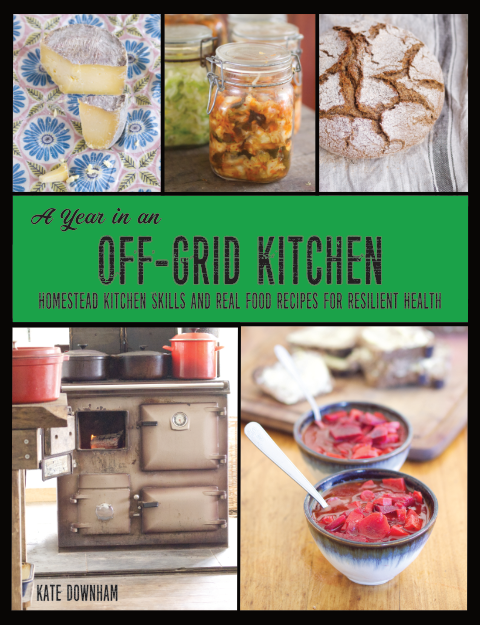
While there are plenty of sources out there—you can watch endless sourdough-making videos on YouTube, take fermentation classes, and Google ‘elderberry recipes’ ‘til the cows come home—it’s the rare source that cuts through all the noise and delivers practical, time-tested techniques based on a real, honest-to-goodness life of homesteading. A Year in an Off-Grid Kitchen is that rare source.
I’ll give you one example of how not all homesteading tips are the same: The conventional wisdom on making jellies and jams is to use copious amounts of white sugar and pectin. Kate’s method, on the other hand, sidesteps both, harkening back to a time before we instituted those modern crutches—at the expense of our health.


![[Thumbnail for 336620738_133068939724054_6888276128991038863_n.jpg]](/t/152738/a/206538/336620738_133068939724054_6888276128991038863_n.jpg "Filename: 336620738_133068939724054_6888276128991038863_n.jpg
Description:")
Sourdough Without Fail Natural Small Batch Cheesemaking A Year in an Off-Grid Kitchen Backyard Dairy Goats My blog
6
This beautiful and informative book is like a match made in heaven of Sally Fallon’s Nourishing Traditions cookbook and Jessica Prentice’s Full Moon Feast, with a twist of survival handbook. Woven amid all the clear and practical recipes to nourish your body is homage to nature’s beauty, which will nourish your soul. Each organized-by-season section begins with a stunning full-page photo and lyrical writing that effectively transports you into that time of year. I can just imagine her Australian accent as I read from the introduction to Early Spring:
“There’s a lightness stirring the air. The ice-cold winds still chill us, but on the ground, life is stirring as the sun grows higher in the sky each day… In the wild and in the garden, leaves are growing. Lush, green, nutrient-dense growth is found everywhere… The hens respond to the lengthening days… And eggs taste at their best at this time of year—rich, creamy, full of flavour, and so fresh. The nourishment from these eggs is needed for the next few months of garden work, and eating these eggs I can almost feel the goodness flowing through me, energising me for the next tasks at hand and giving us hope that we can do this.”
Throughout this book, Downham invites you into her simple existence in her simply beautiful world. Built on a foundation of permaculture principles, she has created an autonomous life that is fueled by grass-fed animal fat and dedicated to reliance on nutrient-dense foods. Her seasonally appropriate eating suggestions entice us into this way of living with her “resilient recipes” that are simple to follow, use local and staple foods, nourish good health and energy, and delight the taste buds.
Anyone attempting to follow WAPF lifestyle recommendations will find something valuable. “Ways to Make Real Foods Work in Real Life” includes topics like saving time, avoiding burnout, saving money, and a thought-provoking perspective on meal planning. Throughout, other recipes and suggestions offer ways to use up leftovers, tips for making apple cider or vinegar from apple cores, and everything you need to know about perpetual broth.
Her passion for independent living will appeal not only to those interested in an off-grid lifestyle, but anyone who wants to be prepared for emergency situations and inevitable periodic power outages. Practical and instructive sections on “Fridge-Free Living” and “Cooking on a Wood Stove” invite us into her world that is refreshingly free of an over-consumption mindset. She says, “It’s a wonderful feeling to work with the patterns of nature and live in a seasonal way… When we expect nature to be at our beck and call, and for technology to serve all our whims, something special is lost.”
There’s even a section on foraging that focuses on the most common and easiest to identify edible and nutritious weeds and seaweeds. This includes pictures, harvesting and drying tips, and recipes.
For those with access to local farm food, this book is a treasure. Even as a twenty-five year veteran of making cheese from my own Jersey’s milk, the section on cheese making and using fresh dairy had useful information for me.
Downham covers making yogurt, kefir and simple cheeses; traditional canning and preserving and lacto-fermentation. And while this may not be for everyone, the Late Autumn section gives a step-by-step process of butchering a pig!
The one downside to this book is that the sweetener often used is honey. This is understandable because it’s a great local option. However, as a beekeeper and student of Ayurvedic medicine, I would not endorse destroying honey’s precious enzymes with heating. That said, this beautiful cookbook and practical homesteading guide gets a big thumbs up!
This article appeared in Wise Traditions in Food, Farming and the Healing Arts, the quarterly journal of the Weston A. Price Foundation, Summer 2025
Sourdough Without Fail Natural Small Batch Cheesemaking A Year in an Off-Grid Kitchen Backyard Dairy Goats My blog

|
Bring out your dead! Or a tiny ad:
Permaculture Voices 1, 2 and 3 - all 117 hours of video!
https://permies.com/t/voices123
|