|

|

|

|

|

|
|
|
|
|
|
|
|
|
|
.png)
|

|

|

|
 2
2


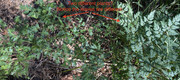
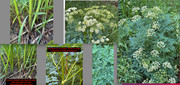
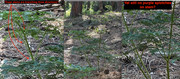
West of Denver, Colorado @ 8,000'
Zone 4(ish)... Summers are still brutal!
![[Thumbnail for D3FC7F18-5D61-4872-AB3B-9ECFCFC8CC3A.jpeg]](/t/184871/a/181730/D3FC7F18-5D61-4872-AB3B-9ECFCFC8CC3A.jpeg "Filename: D3FC7F18-5D61-4872-AB3B-9ECFCFC8CC3A.jpeg
Description:")
![[Thumbnail for 720180D5-AFF6-45EB-8C6D-33A4A4CE4EE3.jpeg]](/t/184871/a/181731/720180D5-AFF6-45EB-8C6D-33A4A4CE4EE3.jpeg "Filename: 720180D5-AFF6-45EB-8C6D-33A4A4CE4EE3.jpeg
Description:") 1
1

This plant is strongly dependent on mycorrhizal fungi, and attempts to cultivate osha outside of its habitat have not been successful.
Identification
Has the typical appearance of members of the carrot family (apiaceae), with parsley-like leaves and double umbels of white flowers. Bases of the leaves where they attach to the root crowns have a reddish tint which is unique, and the roots are fibrous, with a dark, chocolate-brown, wrinkled outer skin. When this skin is removed, the inner root tissue is fibrous and yellowish-white with a pleasant "spicy celery" fragrance that resembles lovage (Levisticum officinale).
Roots have a collar of dead leaf material surrounding the root crowns which is hairlike in appearance. They dry very quickly and are very astringent when fresh, and can cause blistering of the mouth and mucous membranes in humans if eaten fresh. Dried roots do not have the astringent effect. Roots of older plants are far stronger and more bitter than those of younger plants.
Plants form large clumps over time and can reach heights of 6 to 7 feet and produce circular colonies with dozens of root crowns growing from a central root mass. Best harvested in the afternoon as the plants are relished by bears that visit the plants during the morning.
Invasive plants are Earth's way of insisting we notice her medicines. Stephen Herrod Buhner
Everyone learns what works by learning what doesn't work. Stephen Herrod Buhner
5


 9
9
This plant is strongly dependent on mycorrhizal fungi, and attempts to cultivate osha outside of its habitat have not been successful.

Be joyful, though you have considered all the facts. ~Wendell Berry
3
4
Best luck: satisfaction
Greatest curse, greed
“Action on behalf of life transforms. Because the relationship between self and the world is reciprocal, it is not a question of first getting enlightened or saved and then acting. As we work to heal the earth, the earth heals us.” ~ Robin Wall Kimmerer

| I agree. Here's the link: https://woodheat.net |