|

|

|
|

|

|
|
|
|
|
|
|
|

|

|

|
|

|
 9


 4
Invasive plants are Earth's way of insisting we notice her medicines. Stephen Herrod Buhner
Everyone learns what works by learning what doesn't work. Stephen Herrod Buhner
7
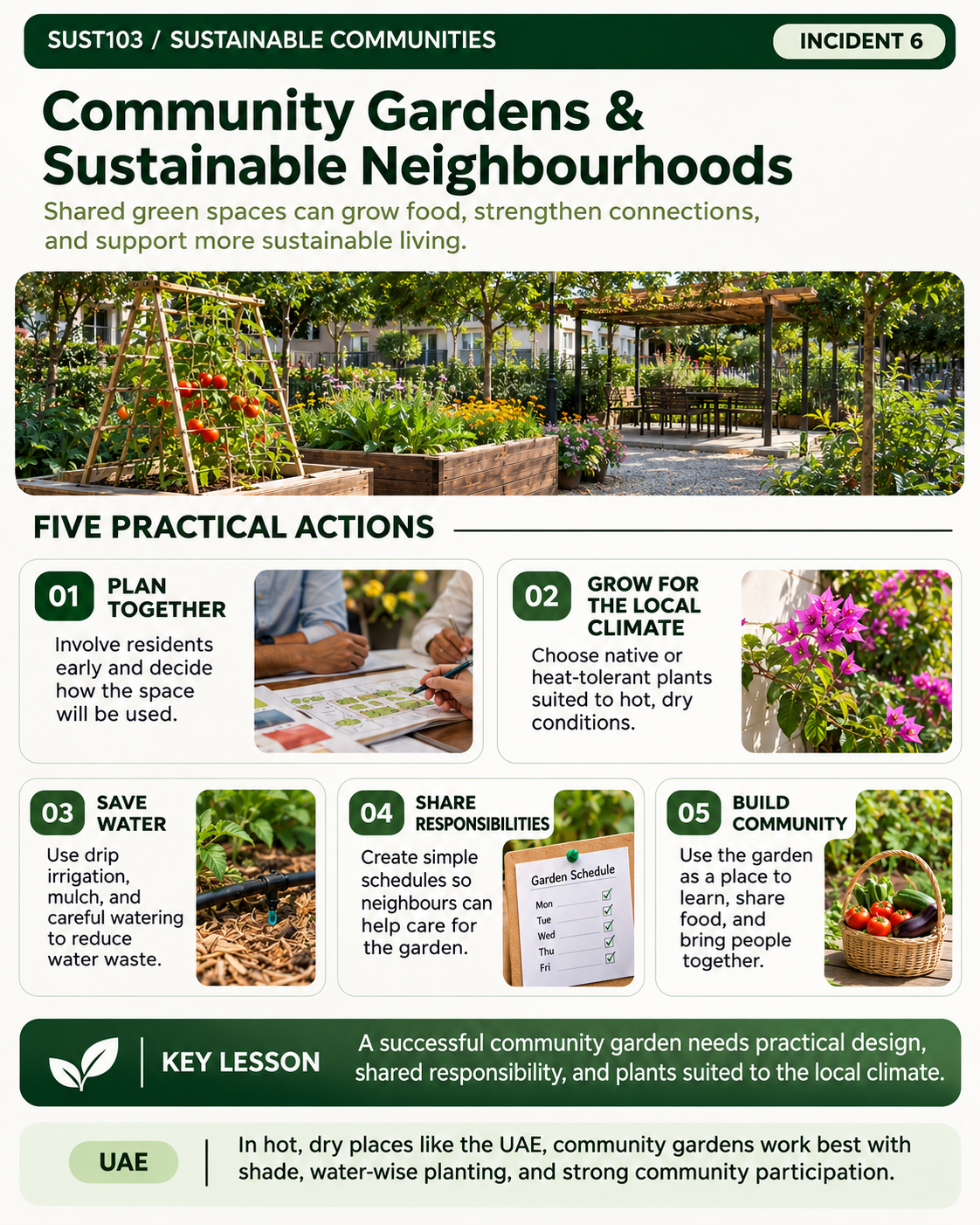
Anne Miller wrote:Are all these infographic based on your lesson plan or based on what you have learned in class?
I would like to see something that you have done rather than something AI is doing.
8
--
"Whitewashed Hope: A Message from 10+ Indigenous Leaders and Organizations"
https://www.culturalsurvival.org/news/whitewashed-hope-message-10-indigenous-leaders-and-organizations
10
Morgan Brooks | Plant Style Home - indoor plants, flowers and home gardening: https://plantstylehome.com/
6
5
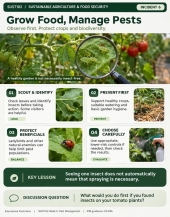
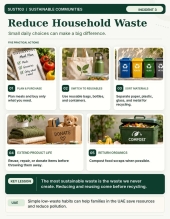
Maryam Green wrote:I did use Al to help design the infographic, but my main goal is to learn from people with real gardening experience and understand what could actually work here in the UAE.
I understand your point. A nice-looking poster is not the same as real experience, and that's exactly why I wanted to start this discussion.
Invasive plants are Earth's way of insisting we notice her medicines. Stephen Herrod Buhner
Everyone learns what works by learning what doesn't work. Stephen Herrod Buhner
5
Morgan Brooks wrote:Hi Maryam, what has worked best for me in hot, dry weather is keeping the watering simple and shared, so no one plot depends on one person remembering. In my own garden I water deeply early in the morning, before 8, and I mulch beds with 3 to 4 inches of straw or shredded leaves. That alone cut how often I needed to water from every day to about twice a week, and the soil stayed cooler under the mulch. I would start small, with one shared bed and a few tough plants like okra, sweet potato, rosemary, marigold and zinnias, plus a simple drip line or a buried clay pot near thirsty plants. A short weekly rota, with each person watering and checking their bed for 20 minutes, worked better for me than a big monthly workday. Shade cloth over seedlings in the first two weeks also made a real difference, and it kept new gardeners from getting discouraged.
6
7
 2
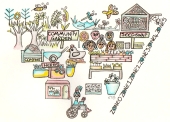
Douglas Alpenstock wrote:Err, Maryam Green -- have you considered that the wild card for success might be ... people? I know you have specified community, but what I mean are people who are still capable and have time on their hands.
Specifically, consider retired people who want to stay engaged with their community. Or a person with a disability who wants to have a sense of purpose and worth.
These people will happily stop by and water your community garden. That's easy! Be advised, though, that any personal engagement may entail 20 minutes of stories and memories, not related to the watering of the carrots which takes 45 seconds.
3
Morgan Brooks wrote:Thank you, Maryam! I am glad those ideas were helpful. In very hot summers, mulch and drip irrigation still help a lot, but they work best with a few extra steps. I would use a thicker mulch layer, around three to four inches, and water early in the morning so the moisture soaks in before the heat of the day. Adding shade cloth over the beds during the hottest weeks makes a big difference too, and grouping thirsty plants together helps the drip lines stay efficient. A living ground cover between beds can also cool the soil. With those layers together, the garden holds moisture much better even through a long hot spell.
Nature is a creator who is always right, acting with economy and without error.
|
You guys haven't done this much, have ya? I suggest you study this tiny ad:
Building a Better World in Your Backyard - physical book SIGNED by both authors!
https://permies.com/t/393911/Building-World-Backyard-physical-book
|