|

|

|

|

|

|
|
|
|
|
|
|
|
|
|

|

|

|

|
 3
3


...In order to reduce the cost of oil colors, some manufacturers use gels and waxes to stiffen colors and replace traditional pigments with less expensive ones.
Our approach is different. 1980 colors are formulated with pure pigments, the finest refined linseed oil and marble dust (calcium carbonate). More affordable colors have been made with these three ingredients since oil painting began...


 2
2
3
2
2
2
2
3
2
2
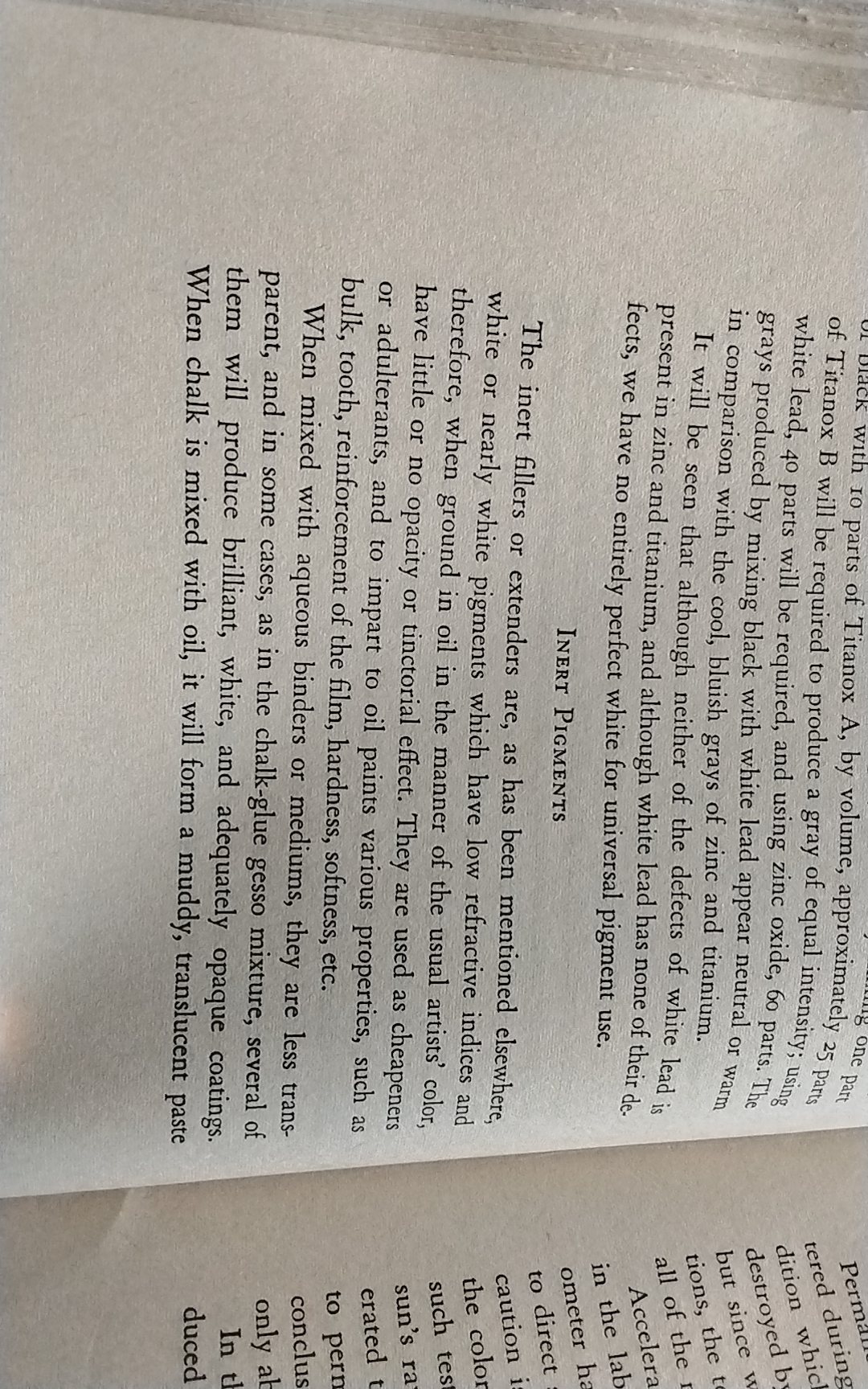
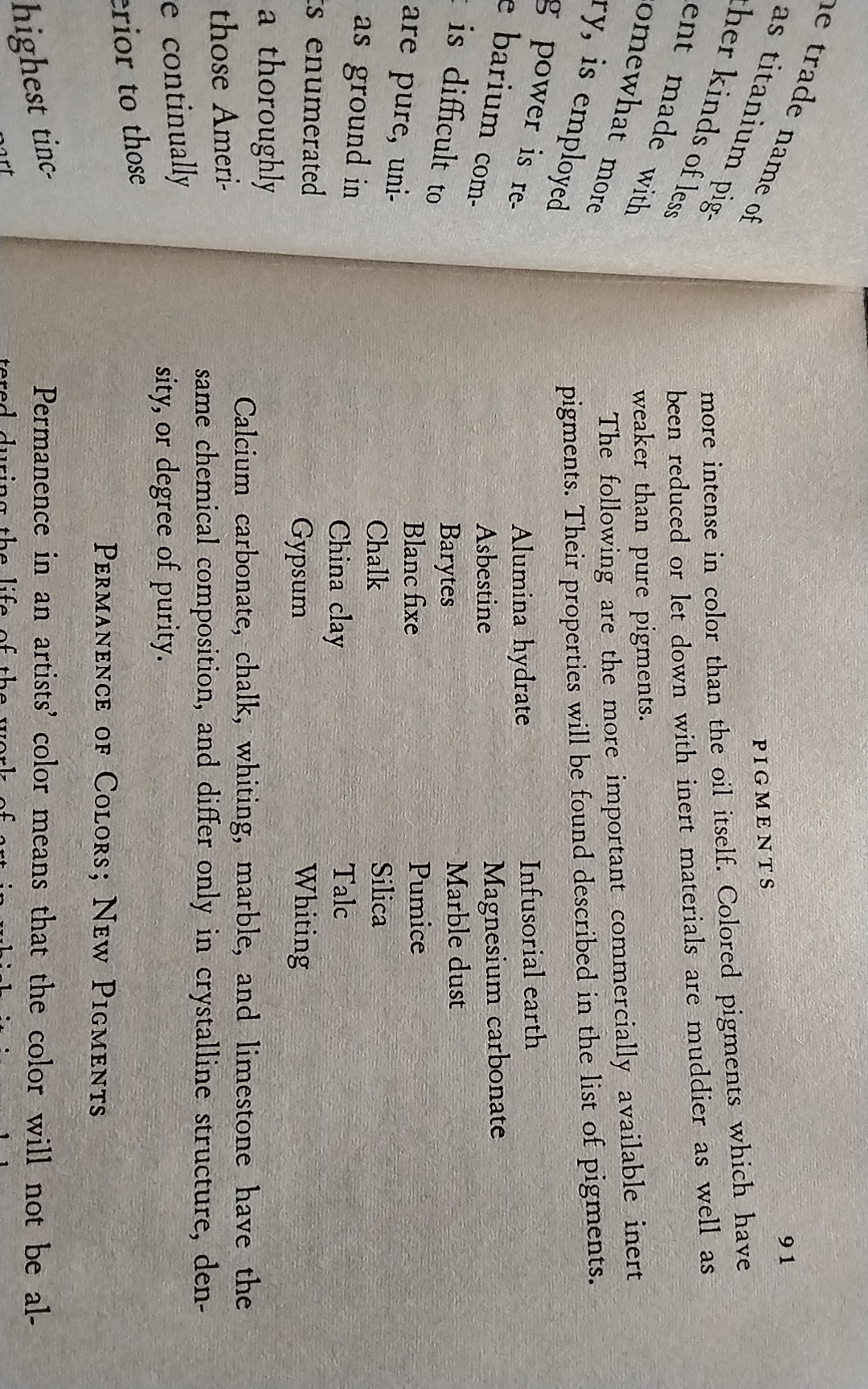
Extender Medium, previously called Impasto Medium, is essentially colorless paint made with inert pigments in linseed oil. It is intended to be used as the name implies, to extend paint. It is made from marble dust (calcium carbonate) and barium sulfate which are typically used as modifiers for oil paint to improve feel and dry time. When used in larger amounts, these pigments are categorized as fillers, as in the case of student-grade oil paints.
Extender Medium is a translucent, pale grey paste that has a similar consistency to most of our oil paints. It has a very low tinting strength and only slightly lightens and changes the sheen of most colors when mixed in. An ideal use for the extender Medium is when you want to mix a larger quantity of straight paint and don’t mind a slightly less saturated color or a muted sheen. Using mixtures made with Extender Medium can be a very cost effective way to cover a lot of surface area. Underpaintings are a great opportunity to use the Extender. It can also help mix certain tints and colors that would otherwise not be available simply with the addition of white or other tube colors. A normal brushed out layer dries in about 3-4 days.
2
2
2
4
Teach me of your sacred plants, spaces, places. Share me your songs that I may share the stories to those not yet born.
2
2
Teach me of your sacred plants, spaces, places. Share me your songs that I may share the stories to those not yet born.
3
 2
2
 2
2
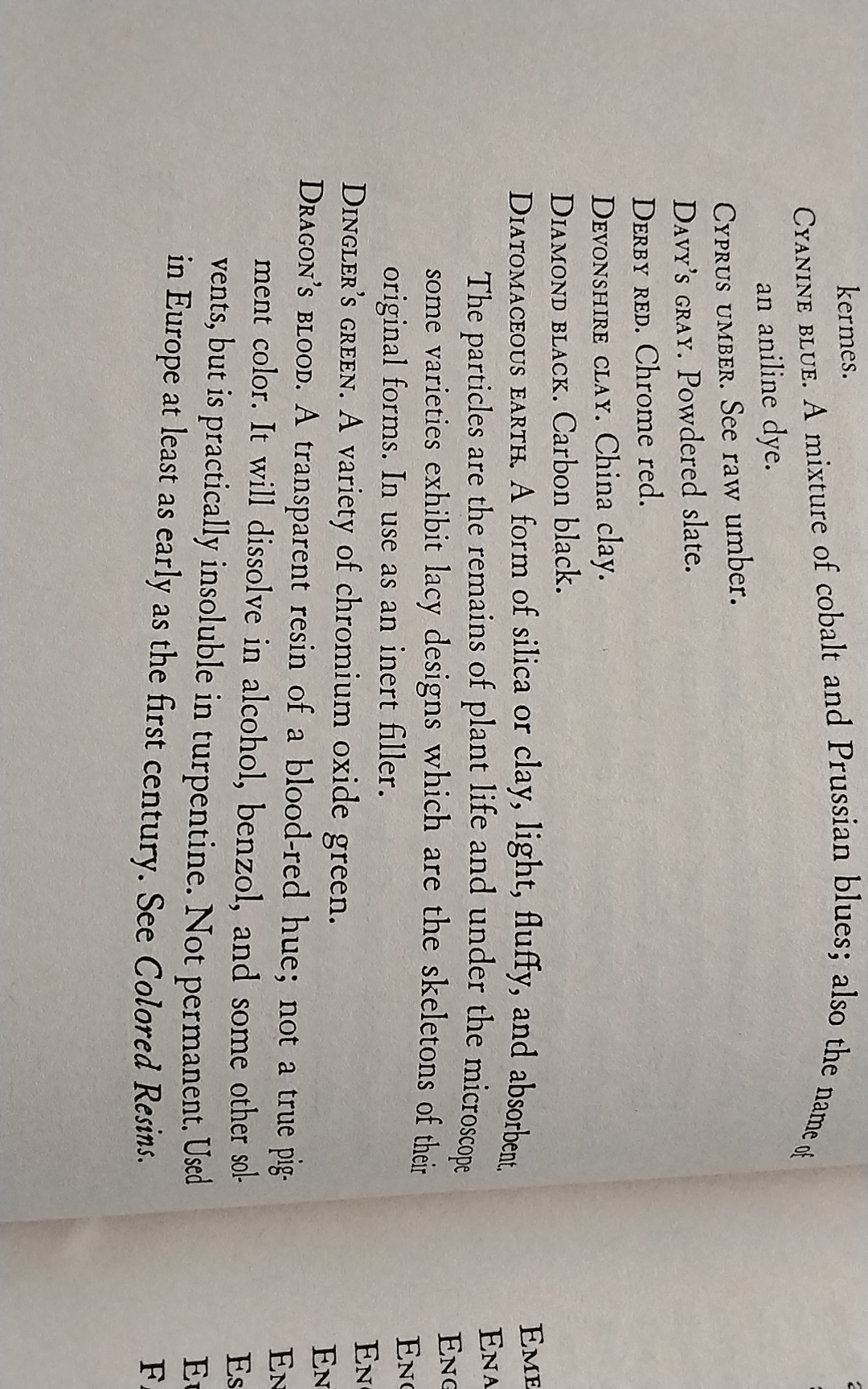
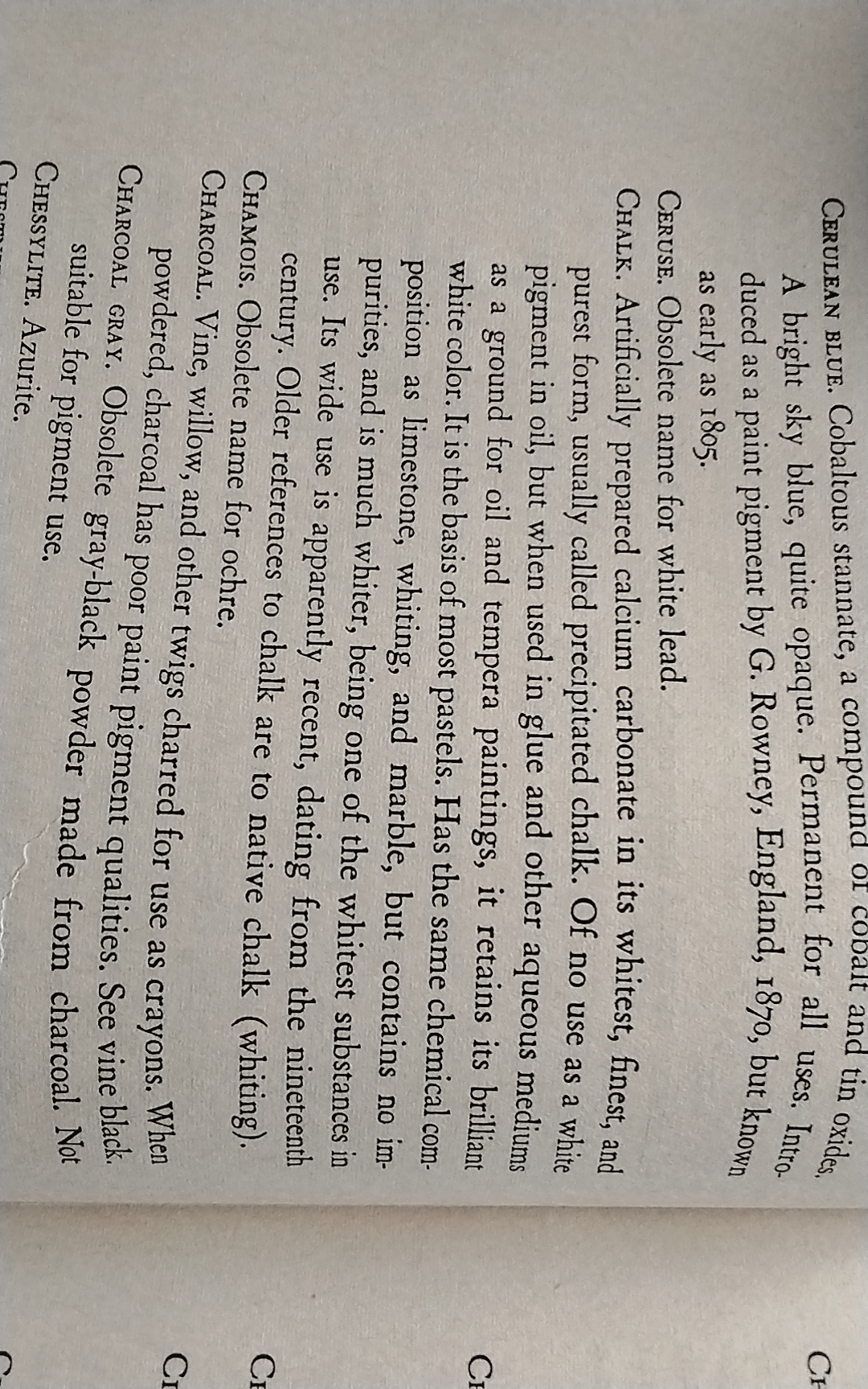
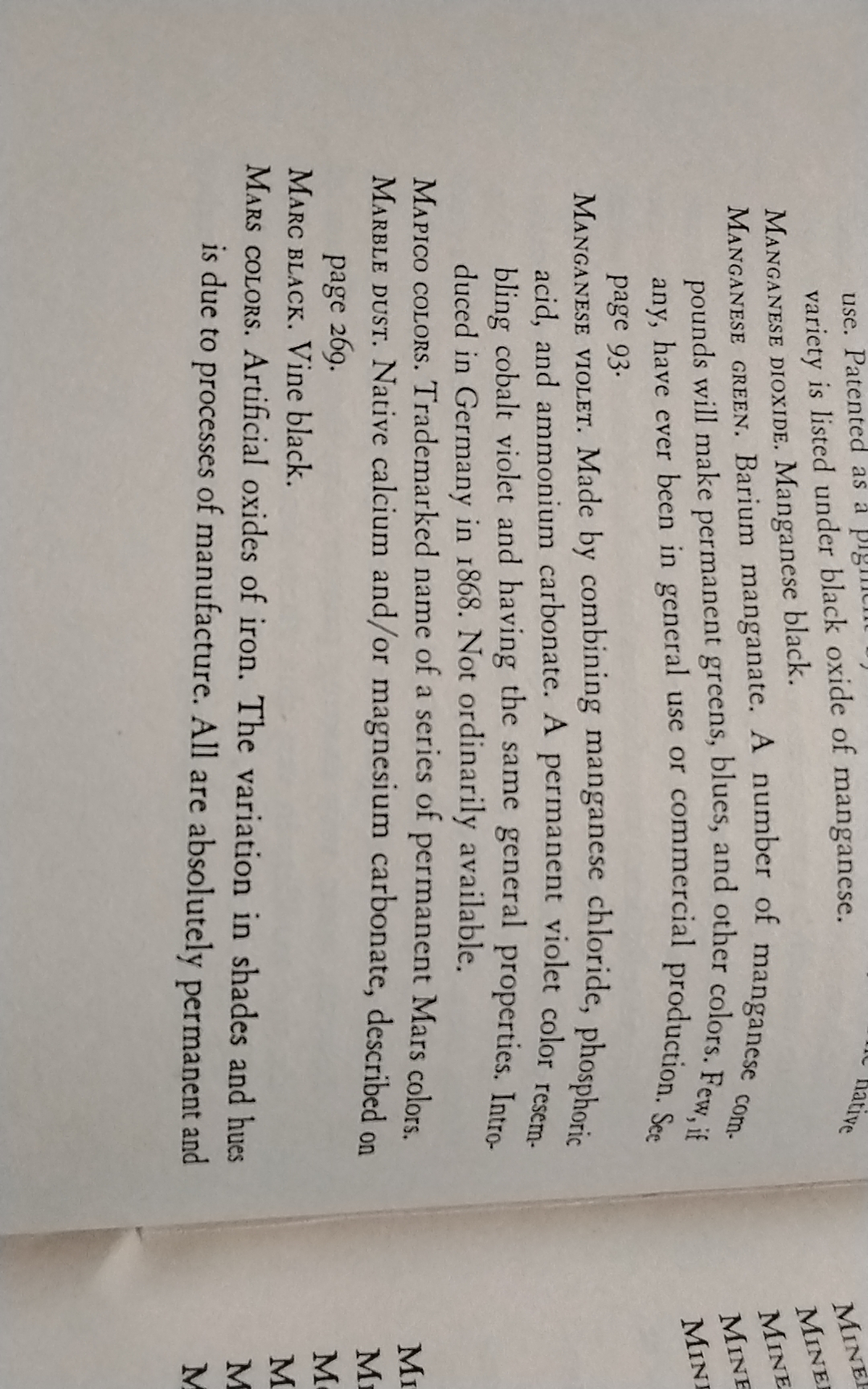
Also known as Meudon white, marble powder, or Spanish white, this product is precipitated chalk powder. This grade (the most popular) is primarily used in the manufacture of gesso and other coatings for painting.
Chemical Formula: CaCO3.
Colour Index: Pw 18
Average Particle Size: 3 µm (microns)
2
2
 2
2
2
2
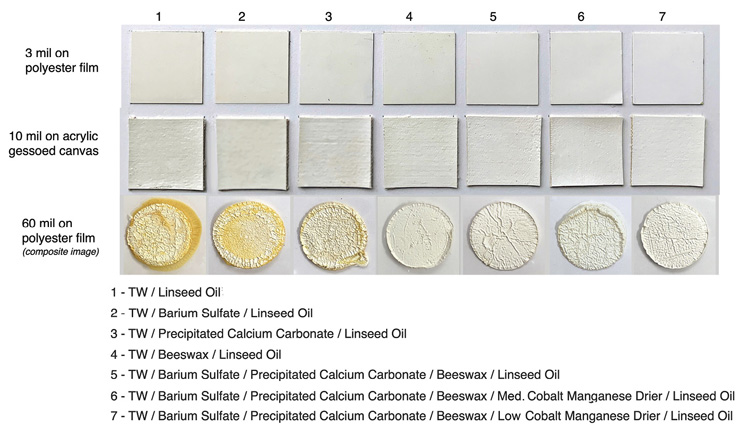
The next two variations, which include the addition of barium sulfate or precipitated calcium carbonate, become increasingly less yellow while also showing a corresponding drop in oil exuding to the surface or out the sides.
 2
4
2
4
 2
3
2
3
Best luck: satisfaction
Greatest curse, greed
3
2
Best luck: satisfaction
Greatest curse, greed
2
4
 1
1
 2
2
There are alternatives to solvent that still allow you to apply thin layers at the begining of a painting, the two I use are marble dust and lavender spike oil. To use marble dust I mix 4 parts paint with 1 part marble dust and add half as much linseed oil as marble dust. This creates a paint that you can spread thinly and makes the paint more transparent and it will dry in a day or two. Lavender spike oil, though it is a solvent, will not cause any of the health concerns associated with mineral spirits. The one big downside is that it takes longer to dry than traditional solvents, but it does make oil paint leaner as well as physically thinner. If you just want to make your paint dry faster without thinning it much than you can add a TINY amount of a whole beaten egg to your paint. Be careful, a little goes along way. I hope this information will help you in your solvent free journey. I would also recommend you get the book “the new oil painting” by Kimberly Brooks.
Happy painting!
2
2
A few months ago I tried to mull a calcite medium to make my colors a little more transparent and to stretch them.
Unfortunately, it turned out to be a bit gritty, even though the calcite is said to be very fine according to kremer’s data sheet.
I thought that it were hardly noticeable mixed with oil paint,
but I need a certain amount of it to stretch the paint noticeably.
Unfortunately, the oil paint mixed with it turn gritty as well.
Kremer says their Calcite’s “average particle size is about 20 µ”. That’s too coarse for a medium. Hand grinding it won’t get you anywhere.
You’d be better off buying this: “Purified Calcium Carbonate has a very fine and controlled particle size, on the order of 3 micrometres in diameter” https://arttreehouse.com/artstore/product/purified-calcium-carbonate/
Or this – 3.5 microns size for the extra fine: https://www.naturalpigments.com/chalk-calcite.html
Or buy extra-fine calcium carbonate already ground into a paste: https://www.naturalpigments.com/velazquez-medium.html#details-about-Velazquez-Medium
Well, it should be more of a transparent oil paint than a medium. I said medium yesterday because I don’t use it pure, like oil paint and for this, the grain is finer than some pigments used for oil paint.
I bought the calcite years ago, and I couldn’t find any ground calcite anywhere else. :unsure:
Great, import costs and very high shipping costs, if they even deliver to Germany.
I can order from Kreativ.de, boesner, some Dutch shops, Jacksons Art and a few others. the problem is the shipping costs for one thing.
20 microns is very fine. do I now need one that is nanometre fine? Can I somehow get it finer by using a mortar?
4€, a few euros for the linseed oil and one afternoon work spent for nothing. :(
Otherwise, I have some champagne chalk, kaolin, lithopone, zinc sulphide, barium sulfate, pyrogenic silicon dioxide. Is any of that useful for a transparent oil paint?
Here is calcium carbonate, natural, approx. 1 µ, very white, from Kremer Germany. https://www.kremer-pigmente.com/en/fillers-und-building-materials/colorless-und-colored-mineral-fillers/carbonated-chalk-marble-and-others/1878/calcium-carbonate
Of the things you have – the champagne chalk could be used, but it may be darker.
2
2
Teach me of your sacred plants, spaces, places. Share me your songs that I may share the stories to those not yet born.
2
 2
2
I am thinking about using Stand oil [polymerized linseed oil to {what consistency?}] with chalk to create more texture in my paintings of trees, because “Coatings prepared from stand oils are less prone to yellowing than are coatings derived from the parent oils”. I already make my own paints, so I know enough about it to start thinking about this.
But how much less?
And how much chalk powder should I use in the stand oil? Only enough to keep it from dripping down the canvas? But not so much that it will be difficult to paint with….I think I need a formula to start with.
So what I need to know is “will it thinken up AFTER adding the chalk?”
Gigalot
Spurgeon highly recommended his putty but I found it strongly yellowing and even brown. At least one of my painting darkened due to calcium carbonate overload.
Chalk and oil probably yellow so well because it’s transparent with no colour and the thicker oil paint films will display the thicker yellowed oil layer.
Yes, paint loaded with a lot of calcium carbonate filler and especially with fumed silica became more transparent. Extra amount of oil content will increase yellowing and even browning. At least my own painting darkened because I decided to try to use calcite/linseed oil paste on it after Spurgeon’s advertising of his “chalk putty” method.
2
Back to your question – Calcium Carbonate added in ends up making a more self leveling putty than a gel for me no matter what I mix it with. ...
...
There might be an issue adding only more solids (the calcium carbonate) to your paint since the paint is already going to be at the max binder to pigment ratio, so I would be adding the filler to some other liquid such as linseed oil or the medium rather than to just the paint.

|
Shiny ad:
Come Visit Wheaton Labs!
https://permies.com/wiki/367505/Visit-Wheaton-Labs
|