|

|

|

|

|

|
|
|
|
|
|
|
|
.png)
|

|

|

|

|
 6
6


“We can complain because rose bushes have thorns, or rejoice because thorn bushes have roses.” — Abraham Lincoln
 6
6
Creating edible biodiversity and embracing everlasting abundance.
7
-Nathanael
6
 6
6
“We can complain because rose bushes have thorns, or rejoice because thorn bushes have roses.” — Abraham Lincoln
7
“We can complain because rose bushes have thorns, or rejoice because thorn bushes have roses.” — Abraham Lincoln
6
Leaftide - garden planner w/ 1228 plant types. Need permaculture testers for fruit trees & perennials. Free Pro month for detailed feedback, even just suggesting plants
6
Joao Winckler wrote:Yeah once it gets going it just keeps showing up. I had a similar thing with a few vigorous self-seeders in raised beds, you end up spending more time pulling seedlings than actually harvesting. At least the chickens get something out of it.
-Nathanael
6
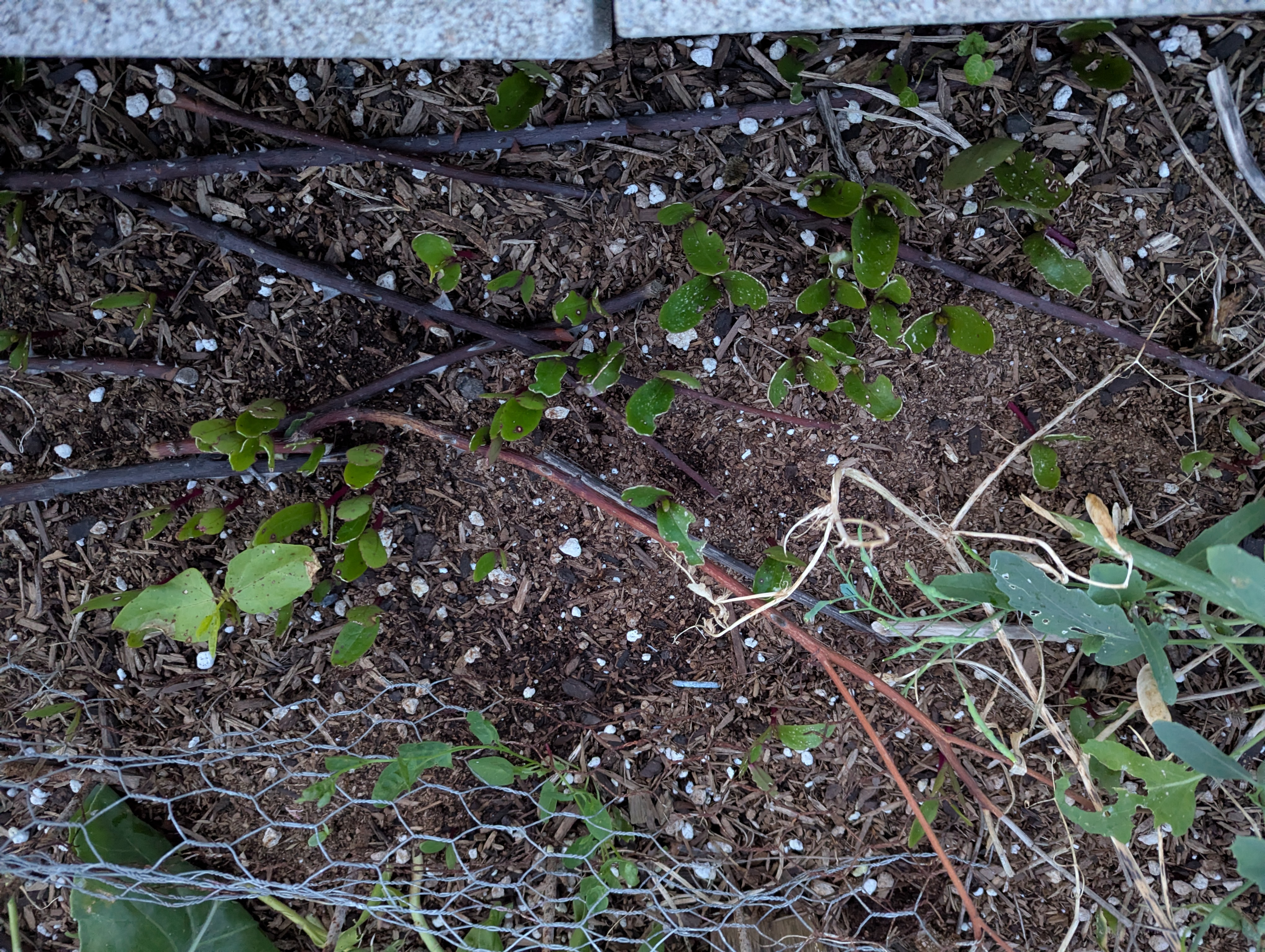
![[Thumbnail for PXL_20260917_010747508.jpg]](/t/366099/a/296480/PXL_20260917_010747508.jpg "Filename: PXL_20260917_010747508.jpg
Description:")
“We can complain because rose bushes have thorns, or rejoice because thorn bushes have roses.” — Abraham Lincoln

|
I can't take it! You are too smart for me! Here is the tiny ad:
A rocket mass heater heats your home with one tenth the wood of a conventional wood stove
http://woodheat.net
|