

|

|

|

|
|

|
|
|
|
|
|
|
|

|

|

|

|

|


 15
15


Blog: 5 Acres & A Dream
Books: Kikobian Books | Permies Digital Market


 12
12
- Tim's Homestead Journal - Purchase a copy of Building a Better World in Your Backyard - Purchase 6 Decks of Permaculture Cards -
- Purchase 12x Decks of Permaculture Cards - Purchase a copy of the SKIP Book - Purchase 12x copies of Building a Better World in your Backyard


 11
11
Sourdough Without Fail Natural Small Batch Cheesemaking A Year in an Off-Grid Kitchen Backyard Dairy Goats My blog


 9
4
9
4
Leora Laforge wrote:I have been crossing Cashmere goats with Boer goats for the last last couple years. . .
Blog: 5 Acres & A Dream
Books: Kikobian Books | Permies Digital Market
10
Leigh Tate wrote:Leora, does your cross produce any fiber? (Thinking as a handspinner now)
8
6
Sam Shade wrote:I like my Nigerian Dwarfs quite a bit. . . Haven't really tried milking them but some friends told me it's kind of a pain.
Blog: 5 Acres & A Dream
Books: Kikobian Books | Permies Digital Market
8
Lina
https://catsandcardamom.com
5
4
3
5
7
8
Leigh Tate wrote:
Sam Shade wrote:I like my Nigerian Dwarfs quite a bit. . . Haven't really tried milking them but some friends told me it's kind of a pain.
That's been my experience as well. Short teats and too low to the ground to get a milking bucket under them. They don't produce a lot of milk either. But they do have the sweetest personalities which makes them very lovable.
5
Blog: 5 Acres & A Dream
Books: Kikobian Books | Permies Digital Market
5
Leigh Tate wrote:Gordon, milking machines for short or small teated goats is a good thing to mention. I looked at the Henry milker several years ago but never bought one.
Also, I think the desired amount of milk production is highly personal. Even with goats, I never needed several gallons per day for just the two of us. I'm happy to milk once a day and adjust our dairy products to what we get. It depends on the family's need.
5
-DC
From the FYREshire.org community project. Reach us at howdy@FYREshire.org
9
D. Copeland wrote:I understand its a compromise, but has anyone found a good goat breed or mix of two breeds that worth having for both meat and milk without being terrible at both? I really don't want to have two different breeds to separate out the meat and milk if I can avoid it.
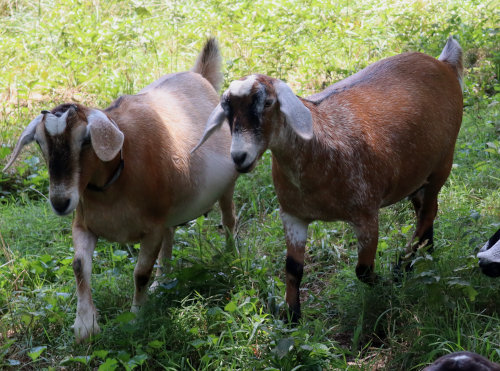
About the Breed
As the only true dual-purpose goat bred to excel in both milk and meat production, the Kinder goat is ideal for the hobbyist, homesteader, and goat enthusiast. The Kinders’ midsize stature makes them easy to handle and a safe choice for families and lone handlers. Their friendly, calm personalities make them a joy to be around.
Kinders produce a large volume of milk for their size, and their milk tends to be sweeter and higher in butterfat than most other breeds. This makes it perfect for cheese-making and soaping as well as drinking. Reaching 70% of their full weight before they reach a year old, with a dress-out percentage of around 60%, the ideal Kinder is also a wonderful option for those interested in raising goats for meat. Their feed conversion is very efficient, and their milk and meat have both been rated as best-tasting in competitions. Hardy and thrifty, these goats truly are the perfect breed!

Blog: 5 Acres & A Dream
Books: Kikobian Books | Permies Digital Market
7
Leigh Tate wrote:Yes, there absolutely is a dual purpose breed - Kinder. They are not a commonly heard of breed, but very well established around the country. I've been raising Kinders for about 12 years and can tell you that of all the goat breeds I've had, Kinders are my favorite. They are midsize, produce good quantities of milk (mine give at least a gallon per day at peak production) and muscle out very well for chevon. Their milk is rich and creamy. Plus they have the absolute best personalities.
-DC
From the FYREshire.org community project. Reach us at howdy@FYREshire.org
5
D. Copeland wrote:Wow. Thanks! That sounds like exactly what we are looking for. I had to look up "muscle out very well for chevon" though. I did more research and it sounds like an excellent lean protein that compares favorably to beef and chicken. I have only eaten goat but a few times in my life (and many years ago), but I don't remember it being tough. Is the toughness a big issue since it is so lean? Does it usually require tenderizing?
Blog: 5 Acres & A Dream
Books: Kikobian Books | Permies Digital Market
3
Blog: 5 Acres & A Dream
Books: Kikobian Books | Permies Digital Market
2
Leigh Tate wrote:D., i forgot to mention that if you go to the KGBA website and click on the "breeders" tab, you'll find a map to help you locate possible sources for Kinders.
-DC
From the FYREshire.org community project. Reach us at howdy@FYREshire.org
2
2
D. Copeland wrote:Is there a book or other resource that you would recommend on breeding Kinder Goats specifically?
Blog: 5 Acres & A Dream
Books: Kikobian Books | Permies Digital Market
3
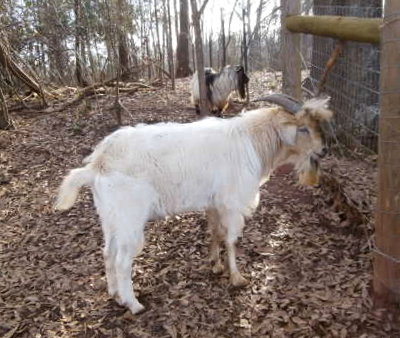
Anyone heard of kikogoats? They are supposed to be great for both meet and milk. Supposed to have a really awesome temperament. The thing I really liked is, they are supposed to be less inclined of diseases. I live in kansas city.And there's a breeder close to me that I was going to go visit.
Blog: 5 Acres & A Dream
Books: Kikobian Books | Permies Digital Market
3
Leigh Tate wrote:I keep a small herd of Kinder goats. While Kinders aren't one of the best known breeds, they has a lot of wonderful homestead qualities. When someone new to goats asks about recommendations, I'm always quick to point these qualities out: mid-size goat well suited to smaller homesteads, dual purpose for both milk and meat, rich creamy milk, excellent feed to muscle conversion for solid weight gain, and fantastically friendly personalities. Advantages to their mid-size stature mean they eat less than standard goats yet are excellent producers. Also, they're tall enough to milk easily.
Their biggest disadvantage is that since they are less popular, they are sometimes difficult to find.
That's me, but I know other goatkeepers have different favorites. So my question is, if someone is thinking about getting goats, which breed would you recommend and why?
2
Blog: 5 Acres & A Dream
Books: Kikobian Books | Permies Digital Market

|
Hey, I'm supposed to be the guide! Wait up! No fair! You have the tiny ad!
A rocket mass heater heats your home with one tenth the wood of a conventional wood stove
http://woodheat.net
|


