|

|
|
|
|

|

|

|
|

|
 14
14


~Permies FAQ ~ Dragons, Fairies and even a Mini-Paul! ~ You Know You're a Permie When...~ All About Permies, including tutorials ~Herbal Hugel Spiral of Randomness!~Tricks to Keep the Dirt from Sliding off a Hugel~List of Cascadia Bloggers and Facebook Pages!~


 7
7
~Permies FAQ ~ Dragons, Fairies and even a Mini-Paul! ~ You Know You're a Permie When...~ All About Permies, including tutorials ~Herbal Hugel Spiral of Randomness!~Tricks to Keep the Dirt from Sliding off a Hugel~List of Cascadia Bloggers and Facebook Pages!~
7
~Permies FAQ ~ Dragons, Fairies and even a Mini-Paul! ~ You Know You're a Permie When...~ All About Permies, including tutorials ~Herbal Hugel Spiral of Randomness!~Tricks to Keep the Dirt from Sliding off a Hugel~List of Cascadia Bloggers and Facebook Pages!~
7
~Permies FAQ ~ Dragons, Fairies and even a Mini-Paul! ~ You Know You're a Permie When...~ All About Permies, including tutorials ~Herbal Hugel Spiral of Randomness!~Tricks to Keep the Dirt from Sliding off a Hugel~List of Cascadia Bloggers and Facebook Pages!~
8
~Permies FAQ ~ Dragons, Fairies and even a Mini-Paul! ~ You Know You're a Permie When...~ All About Permies, including tutorials ~Herbal Hugel Spiral of Randomness!~Tricks to Keep the Dirt from Sliding off a Hugel~List of Cascadia Bloggers and Facebook Pages!~
10
7
30,60 and 90 minute dry wall mud that comes dry and is mixed onsite.
Very predictable working times, and drys plenty hard.
~Permies FAQ ~ Dragons, Fairies and even a Mini-Paul! ~ You Know You're a Permie When...~ All About Permies, including tutorials ~Herbal Hugel Spiral of Randomness!~Tricks to Keep the Dirt from Sliding off a Hugel~List of Cascadia Bloggers and Facebook Pages!~
11
-Nathanael
8
Nathanael Szobody wrote:It doesn't have to be expensive; just go to a DIY store and buy a bag of lime powder. Lime gets stronger the longer is "slakes"--that is, remains wet. Ideally, mix a thin lime putty and store it in a sealed bucket for a month. The Romans aged theirs in a pit in the ground for up to five years for public buildings. Otherwise 3 days will work too.
The strength of your finished product depends on the support material. Burlap is not gonna do it. The easiest thing is to buy floor tiles and apply the plaster to the unglazed ceramic on the back of the tile. My kids usually use a brick they find laying around.
Lastly, working with plaster of Paris is an entirely different chemistry. Plaster of Paris hardens by a reaction with water--it would harden in a sealed container. Lime hardens in a reaction with carbon dioxide. As it cures it is turning into limestone again (i.e., calcium carbonate, from whence it was originally processed). As the calcium carbonate crystals form, through a reaction with the air, the mineral pigment particles actually get trapped within the crystals that are forming. You are literally painting into stone. This is why once the surface of the plaster is dry, the paint just sits on top.
But all this depends on actually using mineral pigments. If you're using something synthetic then you might as well wait till it sets up and paint.
~Permies FAQ ~ Dragons, Fairies and even a Mini-Paul! ~ You Know You're a Permie When...~ All About Permies, including tutorials ~Herbal Hugel Spiral of Randomness!~Tricks to Keep the Dirt from Sliding off a Hugel~List of Cascadia Bloggers and Facebook Pages!~
7
~Permies FAQ ~ Dragons, Fairies and even a Mini-Paul! ~ You Know You're a Permie When...~ All About Permies, including tutorials ~Herbal Hugel Spiral of Randomness!~Tricks to Keep the Dirt from Sliding off a Hugel~List of Cascadia Bloggers and Facebook Pages!~
10
Nicole Alderman wrote:
My problem is that I keep doing intensive projects in all my classes/subjects each week....so I usually don't have more than a day or two to prepare materials. But, it's good to know that 3 days of slaking will still create a usable result!
-Nathanael
8
Nathanael Szobody wrote:It depends on your paedagogy; is it entertainment or education?
~Permies FAQ ~ Dragons, Fairies and even a Mini-Paul! ~ You Know You're a Permie When...~ All About Permies, including tutorials ~Herbal Hugel Spiral of Randomness!~Tricks to Keep the Dirt from Sliding off a Hugel~List of Cascadia Bloggers and Facebook Pages!~
5
-Nathanael
7
Nicole Alderman wrote:
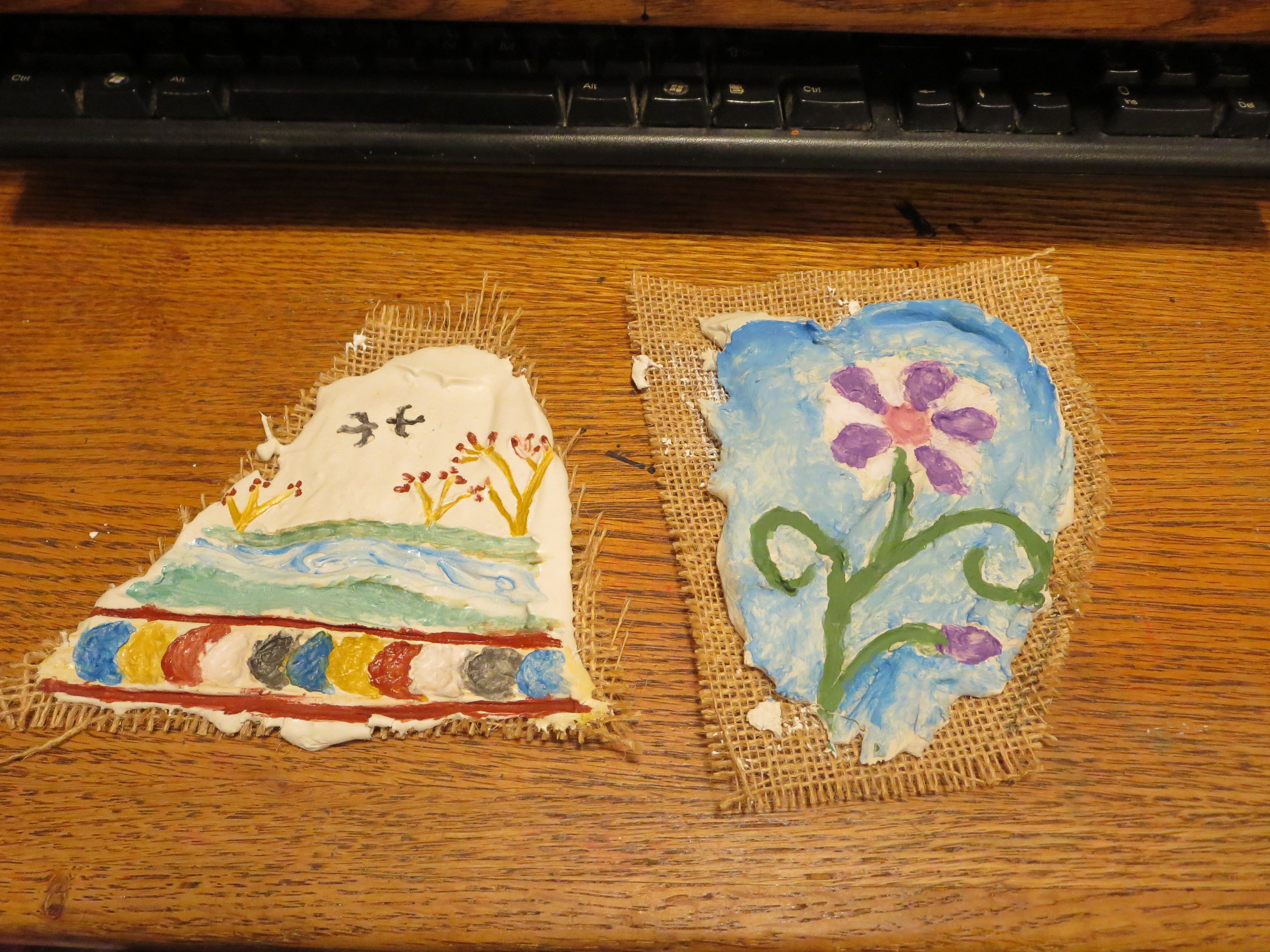
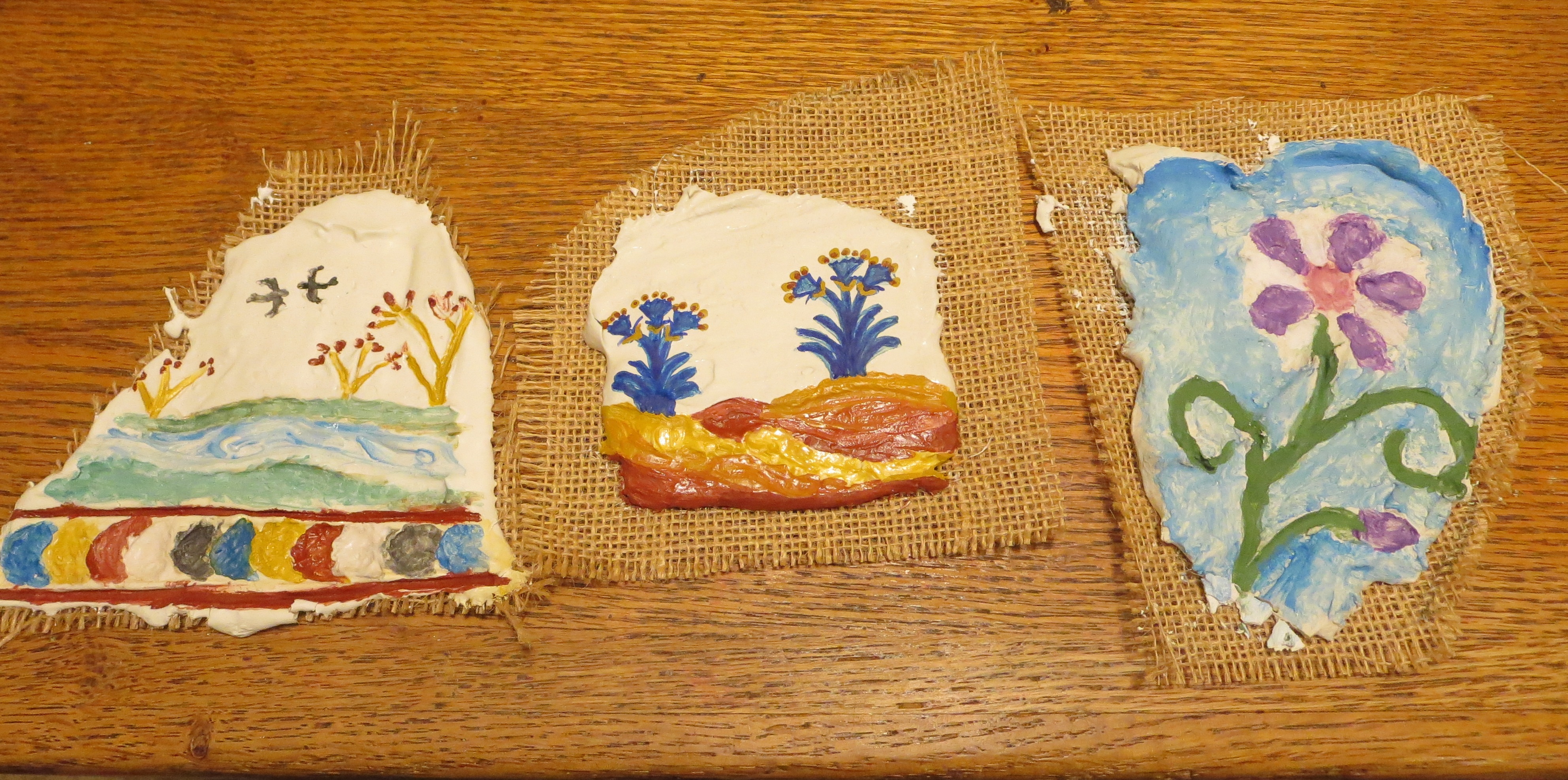
This week, we're studying the ancient Minoans. I wanted to do something memorable for them before moving onto ancient Greece. I want them to come away with at least the idea of "the Minoans existed and we know about them from the frescos they made, and here's the basic idea of how a fresco is made." I only have one class period, because next week we're moving on to ancient Greece and the making of theater masks. The theater masks themselves will be a multi-week project.
-Nathanael
6
~Permies FAQ ~ Dragons, Fairies and even a Mini-Paul! ~ You Know You're a Permie When...~ All About Permies, including tutorials ~Herbal Hugel Spiral of Randomness!~Tricks to Keep the Dirt from Sliding off a Hugel~List of Cascadia Bloggers and Facebook Pages!~
7
3
![[Thumbnail for heart-dish-(2).JPG]](/t/369554/a/285785/heart-dish-(2).JPG "Filename: heart-dish-(2).JPG
Description:") 4
5
4
5
![[Thumbnail for IMG_20260527_141147057.jpg]](/t/369554/a/290677/IMG_20260527_141147057.jpg "Filename: IMG_20260527_141147057.jpg
Description:")
-Nathanael

|
Get off me! Here, read this tiny ad:
the next generation of humanure
https://www.richsoil.com/willow
|