• Post Reply Bookmark Topic Watch Topic
  • New Topic
permaculture forums growies critters building homesteading energy monies kitchen purity ungarbage community wilderness fiber arts art permaculture artisans regional education skip experiences global resources cider press projects digital market permies.com pie forums private forums all forums
this forum made possible by our volunteer staff, including ...
master stewards:
  • Carla Burke
  • John F Dean
  • Nancy Reading
  • r ransom
  • Jay Angler
  • Timothy Norton
stewards:
  • paul wheaton
  • Pearl Sutton
  • Anne Miller
master gardeners:
  • Christopher Weeks
  • M Ljin
gardeners:
  • Jim Garlits
  • thomas rubino
  • William Bronson

Electric fence question for pigs

 
pollinator
Posts: 173
Location: Northern British Columbia Zone 3
97
gear hunting foraging books food preservation cooking
  • Likes 3
  • Mark post as helpful
  • send pies
    Number of slices to send:
    Optional 'thank-you' note:
  • Quote
  • Report post to moderator
Hi folks,

Anyone have experience with using electric net for a pig fence?  Is it a good idea? Looking for portable option for rotating pigs on pasture.
 
pollinator
Posts: 1808
Location: Victoria BC
329
  • Likes 6
  • Mark post as helpful
  • send pies
    Number of slices to send:
    Optional 'thank-you' note:
  • Quote
  • Report post to moderator
I've played with net on other farms; I prefer 2 strands of polywire personally.

Key to electric pig fencing is a really good zap. The net makes grounding out on foliage much more likely, so no really good zap.. once the pigs are not scared of the fence, you're done.

I've chased pigs around a field while they wore electric nets like a giant, ruined cape... that farmer did not have good grounds, good battery, nor strong enough energizer, and the electric fencing didn't work worth a damn.
 
Posts: 51
Location: Mason County, WA USA:Ha; Harstine gravel ashy sandy loam
38
duck rabbit chicken medical herbs bee solar wood heat rocket stoves
  • Likes 8
  • Mark post as helpful
  • send pies
    Number of slices to send:
    Optional 'thank-you' note:
  • Quote
  • Report post to moderator
Love this topic, as I am looking into getting some pigs to help with gleying a pond and will need a way to keep them in place.
I took Joel Salatin's online course for pastured pigs - he uses a few strands of wire and emphasizes how important the training up front is (to prevent chasing pigs with a wire cape - what a great visual that description evokes!)  See what you think?

 
D Nikolls
pollinator
Posts: 1808
Location: Victoria BC
329
  • Likes 3
  • Mark post as helpful
  • send pies
    Number of slices to send:
    Optional 'thank-you' note:
  • Quote
  • Report post to moderator
Yep, training is definitely mandatory, should have mentioned it. I keep new pigs in a wood and hog-panel enclosure along one side of the shelter with line of electric along one side while they learn about the magical power of the White Wire..

That first farm I ever worked on was a very educational place, but mostly in the 'cautionary tale' way.
 
Kara Ann
Posts: 51
Location: Mason County, WA USA:Ha; Harstine gravel ashy sandy loam
38
duck rabbit chicken medical herbs bee solar wood heat rocket stoves
  • Likes 1
  • Mark post as helpful
  • send pies
    Number of slices to send:
    Optional 'thank-you' note:
  • Quote
  • Report post to moderator

That first farm I ever worked on was a very educational place, but mostly in the 'cautionary tale' way.


Ha! You made me smile, D.  Thanks for that!

The two stands of wire keep the trained pigs in.... (theoretically and if they respect the wire, most probably)
These wires are fairly low where the pigs will clearly see them.

Is there value in a wire net for keeping predators OUT of the pig enclosure?
We have coyotes and black bears here in the area. Is that an issue for your younger pigs?
I would guess that the adult pigs can hold their own, but the little ones not so much.
Did this come up in your 'cautionary tale' past?
 
Posts: 26
Location: Pierce County WA, Northwest and Sound
8
cattle forest garden fungi chicken pig medical herbs bee sheep
  • Likes 6
  • Mark post as helpful
  • send pies
    Number of slices to send:
    Optional 'thank-you' note:
  • Quote
  • Report post to moderator
Pigs, once understood become the best farmers I have ever seen.  Swine improve the soil at depth expeditiously faster than any process I’ve ever seen.  They’re ingenious, tough, loving, and protective of the farm as only a dog or person is.  They often care about the other animals, and act protective of them.  I have a bear who circles my farm regularly, but will not come anywhere near the pigs shielding the garden and orchard from thieving.   Mineralization and fermentation of food and clean water is essential for happy pigs, and with a wallow and scratch post they will love you.
1)Pigs will respect 1 wire with even medium heat (ohms). However, know your pig breeds as a few can be slower learners.  2)Use real wire, there are many useful reasons, and there is enough plastic in the world.
3)Training is the trick,, and it’s not hard.  Training pen smaller but >10x10’ plus with solid short walls with a single wire inside nose high to piglets from the start.  Once piglets are weaned or larger pigs they can be escorted to any area with 2 hot wires one low 4-5”  and one snout level with their head up.  If you feel uneasy with this or you put them close to a food source they like better than what you feed them hogwire panels on the outside can be used.  They are pricey but have many uses so will never go the waist.  I move pigs around the farm always separated away from sheep and cows, for health reasons. Im a bit over cautious with human-animal health. Swine Flu was largest modern pandemic the world has ever seen, pigs.

Pig feed, by weight for your purpose daily works best.   2 gallon bucket 1/2 Rolled barely adding mineral, with 1/2 hog ration multigrain, legumes soaked in water over night.  I add various probiotics to this beer, bread yeast, kefir, thermophilic bacteria from certain yogurts.  And of course produce when possible and talk with them, your pigs.  Oink cheers.

Is there value in a wire net for keeping predators OUT of the pig enclosure?
We have coyotes and black bears here in the area. Is that an issue for your younger pigs?
I would guess that the adult pigs can hold their own, but the little ones not so much.
Did this come up in your 'cautionary tale' past?
 
Kara Ann
Posts: 51
Location: Mason County, WA USA:Ha; Harstine gravel ashy sandy loam
38
duck rabbit chicken medical herbs bee solar wood heat rocket stoves
  • Likes 2
  • Mark post as helpful
  • send pies
    Number of slices to send:
    Optional 'thank-you' note:
  • Quote
  • Report post to moderator
Thanks David! I appreciate all of the guidance, and it is fun to read all the appreciation and care you have for your pigs as well as the practicalities.... especially the description for feed. I ferment grains for chickens and geese, great to have this info for pigs.

Would you weigh in on another pig topic, this one about weather?  You are in Pierce County - my farm is close by in Mason County - so pretty similar climate.
There is a natural basin on the property, about 10 feet below ground level of the surrounding area, where I am planning to establish a pond, with pigs to gley / seal it.  
Within the basin area there is saturated ground with some standing water  (a foot or less) from November through May, and but dry from June through October or November.
The hydrology is a 'seasonally perched vernal pool'. I'd like to work with the naturally wet and dry times of the year to optimize the gleying process in that basin.

The property is off grid and there is not a well yet. My water supply is rainwater catchment - abundant in winter, intermittent but adequate in summer (so far).
Since pigs need water to wallow, the time when that is most available in that basin is in the cool winter months.
If I build a shelter (4 pigs / 6ft x 8ft loafing shed) with dry deep bedding for them, upslope from the basin that I want to gley, and within the wire fenced area, is that going to be a good environment for them?
They could be inside / dry when they want to be, or outside in the basin area, eating, compacting, digging, making manure when they want that...
Or is wet / wallow + cold winter a unreasonable combination? As a first time pig-herder, I don't know...
Your pigs are in similar weather - would you share what their winter time housing and outdoor access is like on your farm?

 
David Nightingale
Posts: 26
Location: Pierce County WA, Northwest and Sound
8
cattle forest garden fungi chicken pig medical herbs bee sheep
  • Likes 2
  • Mark post as helpful
  • send pies
    Number of slices to send:
    Optional 'thank-you' note:
  • Quote
  • Report post to moderator
Sounds possible with the topographical clay layers as they are here, some 5-6’ thick.  I would also examine the Slope of the property, water table analysis with seasonality of rainfall ebbs and flows.   However unless you dig deeply nearby you can’t always tell how exposed clay layers will work over long term.   Hydrology inside Puget Sound is generally climatically reliable, but that is more variable with less cloudy days of late.  I’ve had had 2 professional Hydrologist at my farm and scratching their heads as they left.   Glacial overlay with thin loam <10,000 years accumulated biomass is trickery to farm on so soil conservation will help with water demand on your farm the most.  The real gold is the soil the pigs will fill the depression with over time, and you’ll have to move that or house them a distance away.  Where you feed them is where most of the soil accumulation will occur, and where you’ll want to plant,  the very reason I move pigs. More questions than answers?  I will add, thin post glacial soil is why the Vikings left the Fjords, they were looking for deeper dirt.   The Vikings often ended up on islands not an improvement soil wise, yet their farming techniques are most inventive, diverse, and illuminating.  Cheers.
 
Posts: 2
  • Likes 1
  • Mark post as helpful
  • send pies
    Number of slices to send:
    Optional 'thank-you' note:
  • Quote
  • Report post to moderator
I use electric netting for Kunekune and Berkshire pigs and it works great! It can be a pain to move but it is nice to be able to rotate the around my property.
 
rocket scientist
Posts: 520
Location: in the Middle Earth of France (18), zone 8a-8b
313
2
hugelkultur dog tiny house chicken composting toilet cooking building sheep rocket stoves homestead composting
  • Likes 5
  • Mark post as helpful
  • send pies
    Number of slices to send:
    Optional 'thank-you' note:
  • Quote
  • Report post to moderator
There are great answers here already, but I'll just add my experience so that others don't have to learn the hard way.
We have an orchard.
We wanted a veggie garden, so we got two kunekune pigs (that were already trained to electric wire fencing).

We thought electric fencing was cruel for the pigs, so we built a very sturdy wooden fence.
After eating the grass and digging around a bit, the pigs caught the smell of fallen apples.
The female pig climbed over the 1.5m fence (I still don't know how) and the boar lifted the heavy wooden gate off its rail and they both ran to feast on the fruit.

After that we had many episodes with running around - too weak a current on the electric fence; "HA! I'll go right through it!"

We ended up having a zapper intended for cows. But then everything went according to our planning rather than the pig's, and we had a moveable pasture.

 
Kara Ann
Posts: 51
Location: Mason County, WA USA:Ha; Harstine gravel ashy sandy loam
38
duck rabbit chicken medical herbs bee solar wood heat rocket stoves
  • Likes 2
  • Mark post as helpful
  • send pies
    Number of slices to send:
    Optional 'thank-you' note:
  • Quote
  • Report post to moderator
Thanks David for the soil encouragement and to Nina for your great story of persisting until it worked and to Jodie for sharing your experience with the electric netting.

Both of you are in about the same gardening zone 8 as where I am - can you comment on how you overwinter your pigs? Shelter? How do they do with long stretches of cold rain?
 
gardener
Posts: 3485
Location: Cascades of Oregon
951
  • Likes 4
  • Mark post as helpful
  • send pies
    Number of slices to send:
    Optional 'thank-you' note:
  • Quote
  • Report post to moderator
One of my friends had a pair of pot bellied pigs. He created a two strand electric fence surrounding a 20 ft circle around some trees behind his house. We were out there shooting the breeze and he mentioned that his little pigs weren't that smart and said he had turned off the fence a week prior. He bent down and strummed the wire showing me that is was not currently hot. His little pigs watched him touch the wire and the chase was on. They both broke free as soon as they saw it was safe, and took off. Took 20 minutes to finally tackle the escapees.
 
Nina Surya
rocket scientist
Posts: 520
Location: in the Middle Earth of France (18), zone 8a-8b
313
2
hugelkultur dog tiny house chicken composting toilet cooking building sheep rocket stoves homestead composting
  • Likes 2
  • Mark post as helpful
  • send pies
    Number of slices to send:
    Optional 'thank-you' note:
  • Quote
  • Report post to moderator

Kara Ann wrote:can you comment on how you overwinter your pigs? Shelter? How do they do with long stretches of cold rain?


My pleasure! Yes, wet winters with wind, and a week of freezing weather, usually.
We built a wooden shelter to the pigs, with a wooden floor (that was raised from the ground) with lots of straw bedding in the winter that they could really burrow themselves into, and a thinner layer in the summer. It had a roof made of those wavy metal sheets.
The shelter had a door opening at the front (to their wooden-fenced yard with a gate and pasture behind it - everything electric fenced as well) and a second door at the back that I could access for cleaning.

In the winter the pigs spent a lot of time in their shelter if the weather was not good. So they also used one corner of their shelter as an indoor toilet. To muck out the shelter without the pigs running into the garden, I made sure they were happily munching in their pasture, closed the gate to their yard, and then could open the backdoor of the shelter for cleaning.

In the winter the shelter had a curtain of plastic flaps to keep the weather out, but allowing the pigs to move in and out freely.  The wooden enclosure around their yard sheltered them from the wind as well.
The curtain of plastic flaps should be of heavy material ideally, but I didn't have that, so I made a double-thick curtain of thickish foil. They found it interested and chewed on some flaps, not ingesting (I could find the pieces in their yard) but breaking it, so it needed to be renewed every now and then.

The roof of their shelter had a little gutter that filled their water trough when it rained.

Pigs are VERY intelligent. And social. And adorable. Much like dogs! Enjoying belly-rubs and knowing who's who when you call them.

 
Kara Ann
Posts: 51
Location: Mason County, WA USA:Ha; Harstine gravel ashy sandy loam
38
duck rabbit chicken medical herbs bee solar wood heat rocket stoves
  • Likes 2
  • Mark post as helpful
  • send pies
    Number of slices to send:
    Optional 'thank-you' note:
  • Quote
  • Report post to moderator
Thank you, Nina - this is great, really appreciate your description.   Great idea with rain collection on their shelter for water.
Do they use a wallow when it is wet / cold?
 
Kara Ann
Posts: 51
Location: Mason County, WA USA:Ha; Harstine gravel ashy sandy loam
38
duck rabbit chicken medical herbs bee solar wood heat rocket stoves
  • Mark post as helpful
  • send pies
    Number of slices to send:
    Optional 'thank-you' note:
  • Quote
  • Report post to moderator

One of my friends had a pair of pot bellied pigs. He created a two strand electric fence surrounding a 20 ft circle around some trees behind his house. We were out there shooting the breeze and he mentioned that his little pigs weren't that smart and said he had turned off the fence a week prior. He bent down and strummed the wire showing me that is was not currently hot. His little pigs watched him touch the wire and the chase was on. They both broke free as soon as they saw it was safe, and took off. Took 20 minutes to finally tackle the escapees.  


Great story - never underestimate an animal that is paying attention!!
 
Nina Surya
rocket scientist
Posts: 520
Location: in the Middle Earth of France (18), zone 8a-8b
313
2
hugelkultur dog tiny house chicken composting toilet cooking building sheep rocket stoves homestead composting
  • Mark post as helpful
  • send pies
    Number of slices to send:
    Optional 'thank-you' note:
  • Quote
  • Report post to moderator

Kara Ann wrote:Do they use a wallow when it is wet / cold?


My pleasure  No, only when it's hot, to cool down.
 
Posts: 118
Location: Central Iowa, Zone 5b
44
personal care foraging urban chicken bike bee
  • Likes 4
  • Mark post as helpful
  • send pies
    Number of slices to send:
    Optional 'thank-you' note:
  • Quote
  • Report post to moderator
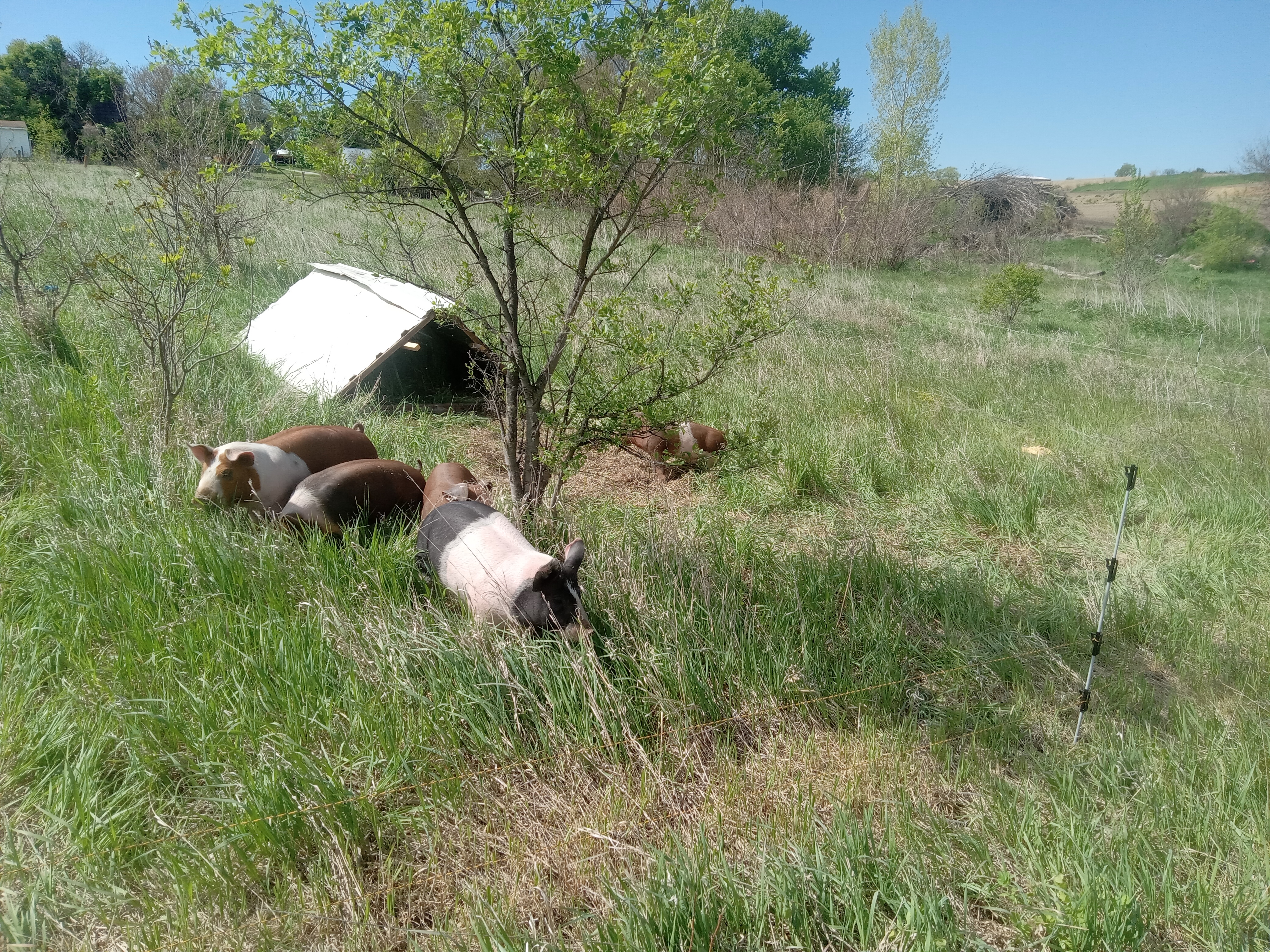
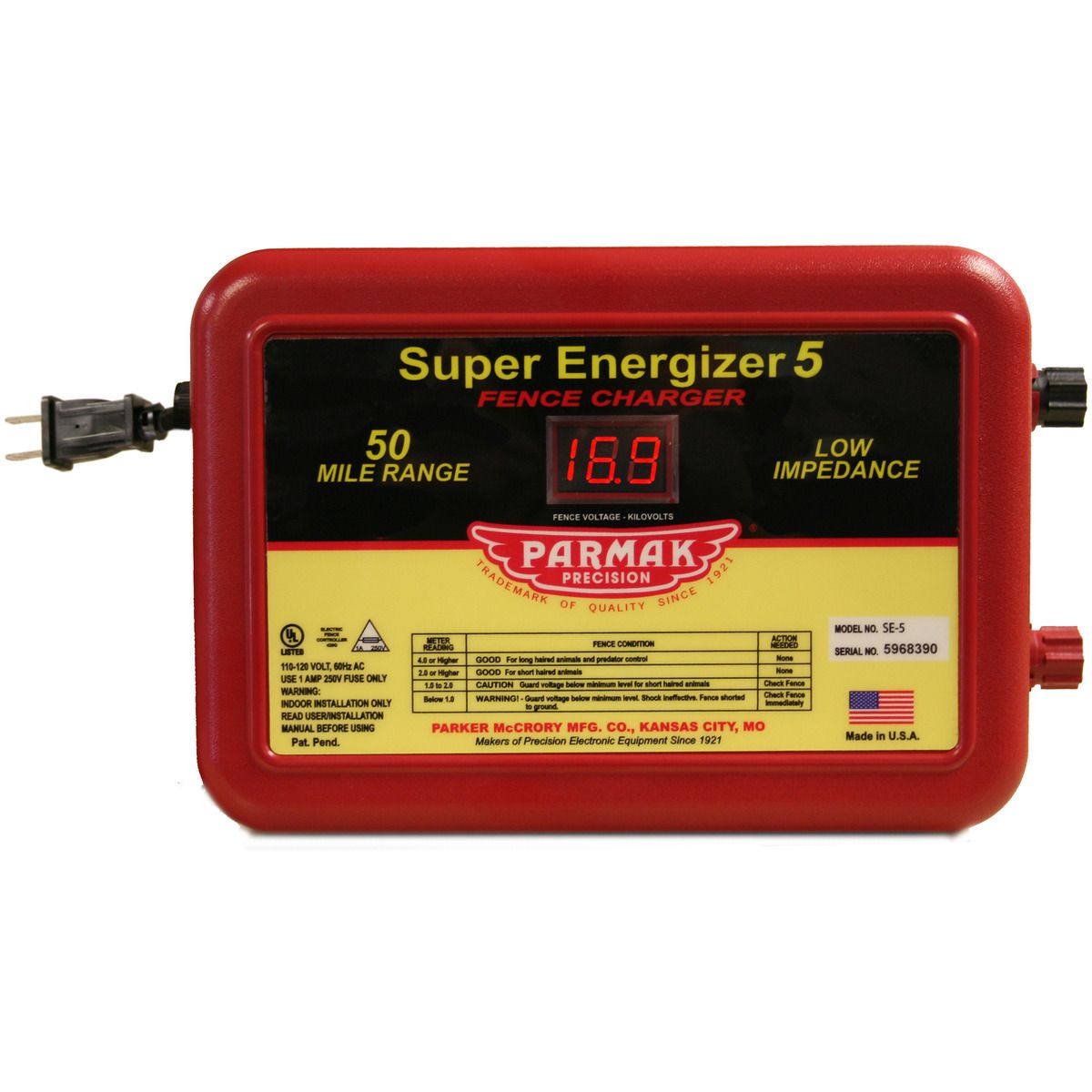
I second pretty much all of this. We have our test group of pigs on pasture with double electric polywire. Make sure to train them or they will just go right thru. We haven't had a escape yet in the 4 months we have had them even thou the fence energizer did get knocked down once for 24 hours before we noticed. We move them about once a week or so depending on how hard they are on the pasture. Unless we move the shelter they wont pass over the old fence line spot even with the wire down. Our main problem lately is finding a way to produce bulk fermented feed!
Iv tried keeping them in netting before but had issues as they got larger with keeping the grass from shorting it out to much so the shock seemed unreliable. I also tried hog panels that had a network of t-post you would slip the panels on and off of as you needed to move them. It worked for about a month before they got to big and just lifted up the fence and went under. Im sure there's a way of doing it differently but the wire strands seem to be working best for us.
20260507_105434.jpg
Happy pigs on pasture. You can see the yellow fence wire in the bottom of the picture.
fence-energizer.jpg
I dont have a picture of ours on hand so I just stole this picture for reference of what energizer has been working for us
 
Nina Surya
rocket scientist
Posts: 520
Location: in the Middle Earth of France (18), zone 8a-8b
313
2
hugelkultur dog tiny house chicken composting toilet cooking building sheep rocket stoves homestead composting
  • Likes 3
  • Mark post as helpful
  • send pies
    Number of slices to send:
    Optional 'thank-you' note:
  • Quote
  • Report post to moderator
Yes, I can second what Sam says here above. I think pigs can't see very well - but their hearing and smell are excellent!
 
D Nikolls
pollinator
Posts: 1808
Location: Victoria BC
329
  • Likes 1
  • Mark post as helpful
  • send pies
    Number of slices to send:
    Optional 'thank-you' note:
  • Quote
  • Report post to moderator

Kara Ann wrote:

That first farm I ever worked on was a very educational place, but mostly in the 'cautionary tale' way.


Ha! You made me smile, D.  Thanks for that!

The two stands of wire keep the trained pigs in.... (theoretically and if they respect the wire, most probably)
These wires are fairly low where the pigs will clearly see them.

Is there value in a wire net for keeping predators OUT of the pig enclosure?
We have coyotes and black bears here in the area. Is that an issue for your younger pigs?
I would guess that the adult pigs can hold their own, but the little ones not so much.
Did this come up in your 'cautionary tale' past?


Here I've got plenty of black bears, and mid van isle is pretty much peak cougar population. Wolves very infrequently, no yotes.

Haven't had an issue with any predators messing with the pigs. No dogs or other detergents beyond confronting bears in a radius around the livestock and farm infrastructure. I usually see a bear a couple times when it is new to the area, and then they go around the crazy human with the powertools.

I keep late hours so there is human activity as.a deterrent at dusk, but none around dawn. I have seen cougars on the trailcam within sight/sound/smell of the pigs, around dusk. The pigs are usually kept close enough for a commotion to wake me, but it's never happened.

Neither was the case at Cautionary Tale Acres, but we still had no predator issues with the pigs there, nor had the wonderfully optimistic farmer experienced pig predation in previous years.
 
Where does a nanny get ground to air missles? Protect this tiny ad:
try a month in the "gardening gardeners" program to see if it soothes your soul
https://wheaton-labs.com/bootcamp
reply
    Bookmark Topic Watch Topic
  • New Topic