
• Post Reply Bookmark Topic Watch Topic
  • New Topic
permaculture forums growies critters building homesteading energy monies kitchen purity ungarbage community wilderness fiber arts art permaculture artisans regional education skip experiences global resources cider press projects digital market permies.com pie forums private forums all forums
this forum made possible by our volunteer staff, including ...
master stewards:
  • Carla Burke
  • John F Dean
  • Nancy Reading
  • r ransom
  • Jay Angler
  • Timothy Norton
stewards:
  • paul wheaton
  • Pearl Sutton
  • Anne Miller
master gardeners:
  • Christopher Weeks
  • M Ljin
gardeners:
  • Jim Garlits
  • thomas rubino
  • William Bronson

To Mound or Not??

 
Posts: 35
5
  • Likes 6
  • Mark post as helpful
  • send pies
    Number of slices to send:
    Optional 'thank-you' note:
  • Quote
  • Report post to moderator
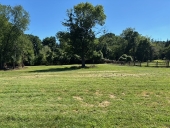
I cannot decide if I should make (gentle, not hugel) planting mounds in my forest garden design! I've been reading up on garden design a lot, and there are clearly a lot of pros and cons.

Reasons it might be a good idea:
-The garden will be installed in what is now pastureland. It's pretty compacted. I plan to condition the soil with cover cropping and mulching for up to 2 years before installing the garden, but some modest mounds could also help build up a deeper soil bank that drains well.
-The ground is pretty flat (not great for swales), but it does pond in some areas, suggesting poor drainage.
-The water table gets pretty high in spring and early summer. I'm not sure how high under parts of the pasture, but probably a few feet down, maybe as far as 5 feet. (In at least one area I'll be putting in a rhizome barrier to at least 24", so I'll be able to dig out and make sure it's not THAT shallow, at least!)
-Some of the plants I would like to install (like hardy figs, arctic kiwi, hazels) detest heavy soil or wet feet. The soil is a silt loam and already has 3% organic matter, which isn't terrible, especially with some conditioning. It's primarily the ponding that concerns me. Rather than large earthworks, I could build broad, gentle mounds that are ~6-12" high just for these plants.
-We have wet spring seasons and overall good annual rainfall, but sometimes very dry autumns with droughts. I could be strategic about slowing drainage around mounds (even without swales or dug-out pits), so maybe I won't have to rely quite as much on irrigation during dry spells.

Reasons not to do it:
-Maybe the cover cropping, fertilizing, and mulching will be sufficient at improving drainage, so it just won't be all that necessary or do much more for me.
-I know that doing this poorly can create new drainage problems (like if the soil I install doesn't match what is under it).
-It's a lot of work and modification (and for imported soil, expense), so in my opinion, it needs to really pay off to be worth doing!!

Thoughts/suggestions??
 
Posts: 38
Location: Prairie Coteau South Dakota
14
goat fungi books food preservation woodworking homestead
  • Likes 6
  • Mark post as helpful
  • send pies
    Number of slices to send:
    Optional 'thank-you' note:
  • Quote
  • Report post to moderator

Syd Smith wrote:
-The garden will be installed in what is now pastureland. It's pretty compacted. I plan to condition the soil with cover cropping and mulching for up to 2 years before installing the garden, but some modest mounds could also help build up a deeper soil bank that drains well.
-The ground is pretty flat (not great for swales), but it does pond in some areas, suggesting poor drainage.


Just by creating some small mounds you'll help some of your plants in these areas of poor drainage.  Just giving a little slope can provide the necessary movement of water to prevent rot and root smothering.  I live on the plains, and any area that has water pool likely has poor draining clay or something else underneath.  The capillary action of the mound will also draw some water up in times of drought.

I'd think about adding something organic to the small mounds.  Not a full hugel, but maybe leaf litter or sticks mixed in to be the water sponge that will soak up excess water and then release it slowly.  Personally, I wouldn't bring the dirt if you have somewhere you can dig and it is fairly fertile.  You'll be providing somewhere for the water to go if you dig in the same area.
 
pollinator
Posts: 4295
Location: Tennessee 7b
363
  • Likes 9
  • Mark post as helpful
  • send pies
    Number of slices to send:
    Optional 'thank-you' note:
  • Quote
  • Report post to moderator
I agree you shouldn’t need to bring in soil to do this if you want.

I have had good luck micro swales, puddle swales, crescent swales, whatever you want to call them. Basically dig out a small puddle size hole and mound the dirt into a planting mound. It is great for those trees that hate wet feet, but not a ton of work even by hand.  Try not to take ALL the topsoil from the puddle area if you want to replant it, fill it with organic matter if you go all the way to subsoil—wood chips, hay, straw, grass clippings, cheapest easiest you can get.

Keyline plowing or subsoiling can help with drainage if the issue is a compaction layer/plow pan, but won’t help much if you have deep clay.
 
steward
Posts: 19137
Location: USDA Zone 8a
4828
dog hunting food preservation cooking bee greening the desert
  • Likes 2
  • Mark post as helpful
  • send pies
    Number of slices to send:
    Optional 'thank-you' note:
  • Quote
  • Report post to moderator
It just depends ...

I believe in following the instructions that came with my plan/trees.

Swales, not mounds maybe.
 
Syd Smith
Posts: 35
5
  • Likes 3
  • Mark post as helpful
  • send pies
    Number of slices to send:
    Optional 'thank-you' note:
  • Quote
  • Report post to moderator

R Scott wrote:I agree you shouldn’t need to bring in soil to do this if you want.

I have had good luck micro swales, puddle swales, crescent swales, whatever you want to call them. Basically dig out a small puddle size hole and mound the dirt into a planting mound. It is great for those trees that hate wet feet, but not a ton of work even by hand.  Try not to take ALL the topsoil from the puddle area if you want to replant it, fill it with organic matter if you go all the way to subsoil—wood chips, hay, straw, grass clippings, cheapest easiest you can get.

Keyline plowing or subsoiling can help with drainage if the issue is a compaction layer/plow pan, but won’t help much if you have deep clay.


The soil is silt loam, so clay content is only moderate. I think it's just the compaction, plus being relatively low lying for this area and pretty flat.

But this makes sense. I'll have to give some careful thought to where it makes sense to dig out a little for the small swales/puddles for collecting water, without causing other problems.
 
Syd Smith
Posts: 35
5
  • Likes 3
  • Mark post as helpful
  • send pies
    Number of slices to send:
    Optional 'thank-you' note:
  • Quote
  • Report post to moderator
Follow-up question: best order of events to minimize problems?

One option:
-One-time tilling to break up pasture grasses
-->Make the mounds at this stage?
-Solarizing/smothering with black tarps (over the mounds)
-Cover cropping for 1-2 seasons for soil conditioning and improvement, fertilizing for any major soil deficiencies
-Plant trees, other first stage forest garden plants (can sheet mulch between plants for maintenance)

Or:
-Tilling
-Solarizing
--> Mounds
-Cover cropping, fertilizing
-Plant trees, other plants with sheet mulch

Or:
-Tilling
-Solarizing
-Cover cropping, fertilizing
--> Mounds
-Plant trees, other plants with sheet mulch

What works best? I see pros and cons to each, in terms of duplicating labor, settling issues, weed suppression timing, etc.
 
R Scott
pollinator
Posts: 4295
Location: Tennessee 7b
363
  • Likes 8
  • Mark post as helpful
  • send pies
    Number of slices to send:
    Optional 'thank-you' note:
  • Quote
  • Report post to moderator
I would wait until you are ready to plant the mounds to build them. I have learned from experience they disappear in 6 ft ryegrass only to be found with a tire or mower or ankle. It’s much easier to manage cover crops as a smooth field.
 
Posts: 16
Location: North Central West Virginia
1
  • Likes 5
  • Mark post as helpful
  • send pies
    Number of slices to send:
    Optional 'thank-you' note:
  • Quote
  • Report post to moderator
I have put time and energy into mounded plantings, mostly in long rows  with food forest type stuff... pawpaw and blackberry, hops and some native plum trees also crabapple.      I have tried other things like perennial herbs nut trees and veggies in mounds too.      What i find is that it is very hard to take care of.  Large or Small scale require a body to be on hands and knees to do anything with it at all.  

I much prefer to lay out long beds and plant without mounding.   I can mow right up close to the patches and mulching with compost, grass clippings or wood chippings is much easier.    

Drainage channels created shallow and wide make for good drainage in my wet bottom land.  

I really believe that mounded plantings are a benefit to small areas in "super wet" conditions.   I do not care for that practice in wide open spaces.

 
Syd Smith
Posts: 35
5
  • Likes 4
  • Mark post as helpful
  • send pies
    Number of slices to send:
    Optional 'thank-you' note:
  • Quote
  • Report post to moderator

Nicholas Gainer wrote:I have put time and energy into mounded plantings, mostly in long rows  with food forest type stuff... pawpaw and blackberry, hops and some native plum trees also crabapple.      I have tried other things like perennial herbs nut trees and veggies in mounds too.      What i find is that it is very hard to take care of.  Large or Small scale require a body to be on hands and knees to do anything with it at all.  

I much prefer to lay out long beds and plant without mounding.   I can mow right up close to the patches and mulching with compost, grass clippings or wood chippings is much easier.    

Drainage channels created shallow and wide make for good drainage in my wet bottom land.  

I really believe that mounded plantings are a benefit to small areas in "super wet" conditions.   I do not care for that practice in wide open spaces.


Interesting, that's very helpful, thank you. My property is also basically bottomland, though the pastures are a few feet higher than the actual swamp and the woodland drainage area.

Out of curiosity, do you mostly dig out the broad drainage channels between your long rows, or maybe just outside of the planted area? are they more or less on contour if you have a slight slope, or less of an issue because it's really flat? I imagine from this that you are mowing the drainages, too?
 
I agree. Here's the link: http://stoves2.com
reply
    Bookmark Topic Watch Topic
  • New Topic