

|
.jpeg)
|

|

|
|

|
|
|
|
|
|
|
|

|

|

|

|

|
 13
13


 13
13
Syd Smith wrote: Any tips and recommendations for best practices? ... But perhaps we can get some bonus wood for the occasional trellising project or tool repair in a few years.
Visit Redhawk's soil series: https://permies.com/wiki/redhawk-soil
How permies.com works: https://permies.com/wiki/34193/permies-works-links-threads


 4
4
Jay Angler wrote:
Both those goals are perfect for small coppiced wood.
My understanding from research, is that you will have to decide how many of the sprouts you want to keep. You keep more sprouts if you intend to keep them quite small in diameter. If you want larger diameter material, you will prune them to a smaller number.
https://www.forestresearch.gov.uk/tools-and-resources/fthr/biomass-energy-resources/fuel/energy-crops-3/short-rotation-coppice/
Who knows what will happen with the Ash Borer. Some other insect might get them in check, or the "stools" you have just started (stool is what the coppice base is called) may develop resistance, so I suggest you cross that road when you get there.
This video is about someone in New York whose experimenting with Ash coppicing:
9
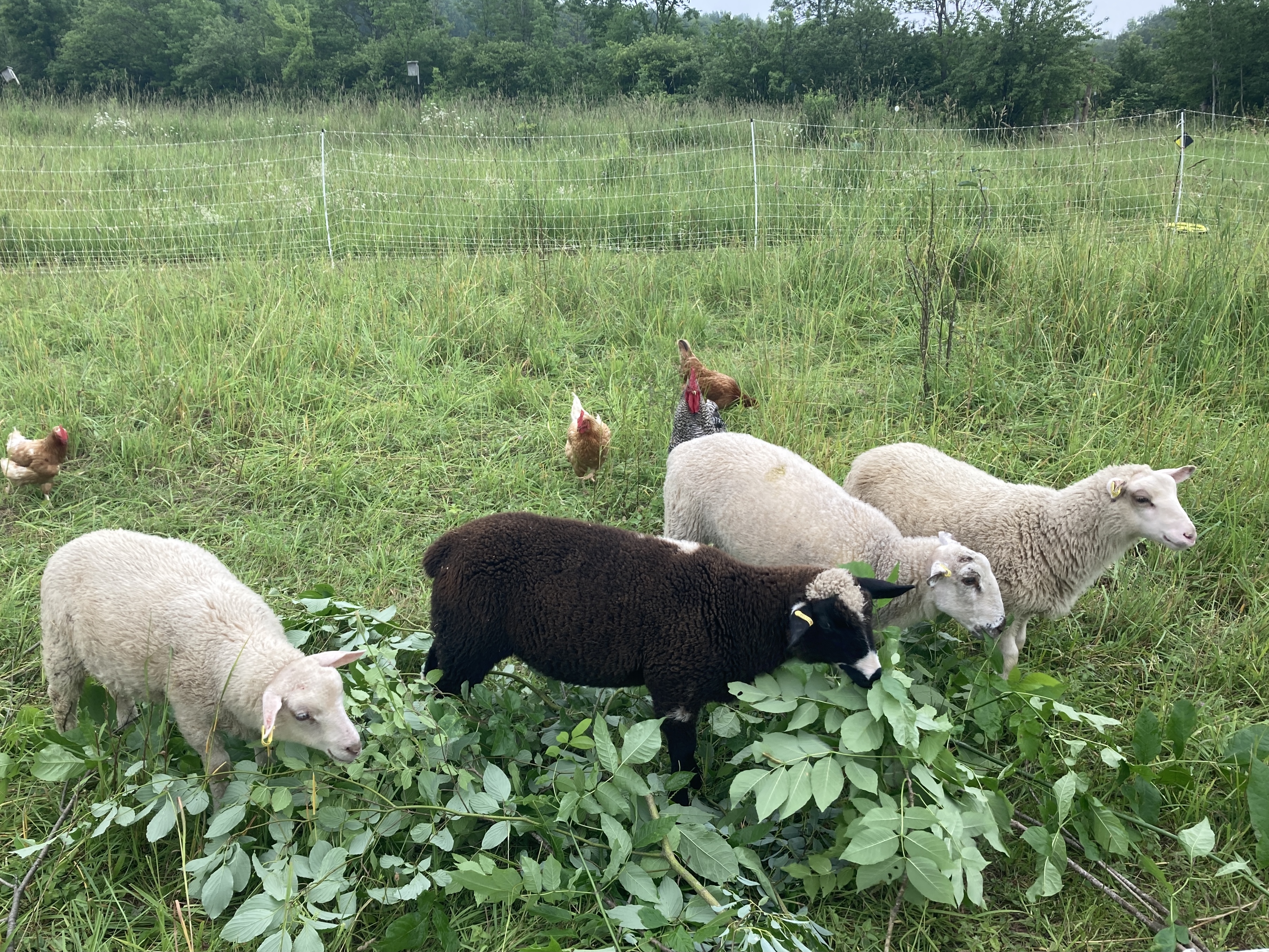
Syd Smith wrote:Deer browsing may nip this in the bud (HA), realistically, but so far they haven't gone for it, so who knows. We cut the trees down to reduce damage since they were starting to fall, and so they are low coppice cuts and not at an ideal angle. Worth a try!!
Visit Redhawk's soil series: https://permies.com/wiki/redhawk-soil
How permies.com works: https://permies.com/wiki/34193/permies-works-links-threads
7
7
Kathleen Sanderson wrote:There's also a book called Coppice Agroforestry by Mark Krawczyx, if anyone is thinking that direction.
Visit Redhawk's soil series: https://permies.com/wiki/redhawk-soil
How permies.com works: https://permies.com/wiki/34193/permies-works-links-threads
5

|
Self destruct mode activated. Instructions for deactivation encoded in this tiny ad.
Permaculture Voices 1, 2 and 3 - all 117 hours of video!
https://permies.com/t/voices123
|


