• Post Reply Bookmark Topic Watch Topic
  • New Topic
permaculture forums growies critters building homesteading energy monies kitchen purity ungarbage community wilderness fiber arts art permaculture artisans regional education skip experiences global resources cider press projects digital market permies.com pie forums private forums all forums
this forum made possible by our volunteer staff, including ...
master stewards:
  • paul wheaton
  • Anne Miller
  • Carla Burke
  • Nancy Reading
  • John F Dean
  • Timothy Norton
  • Jay Angler
stewards:
  • r ransom
  • Pearl Sutton
  • Tereza Okava
master gardeners:
  • Christopher Weeks
gardeners:
  • M Ljin
  • Megan Palmer
  • Kate Downham

Shorty Core Fireplace Insert?

 
gardener
Posts: 1899
Location: Proebstel, Washington, USDA Zone 6B
1285
4
wheelbarrows and trailers kids trees earthworks woodworking
  • Likes 8
  • Mark post as helpful
  • send pies
    Number of slices to send:
    Optional 'thank-you' note:
  • Quote
  • Report post to moderator
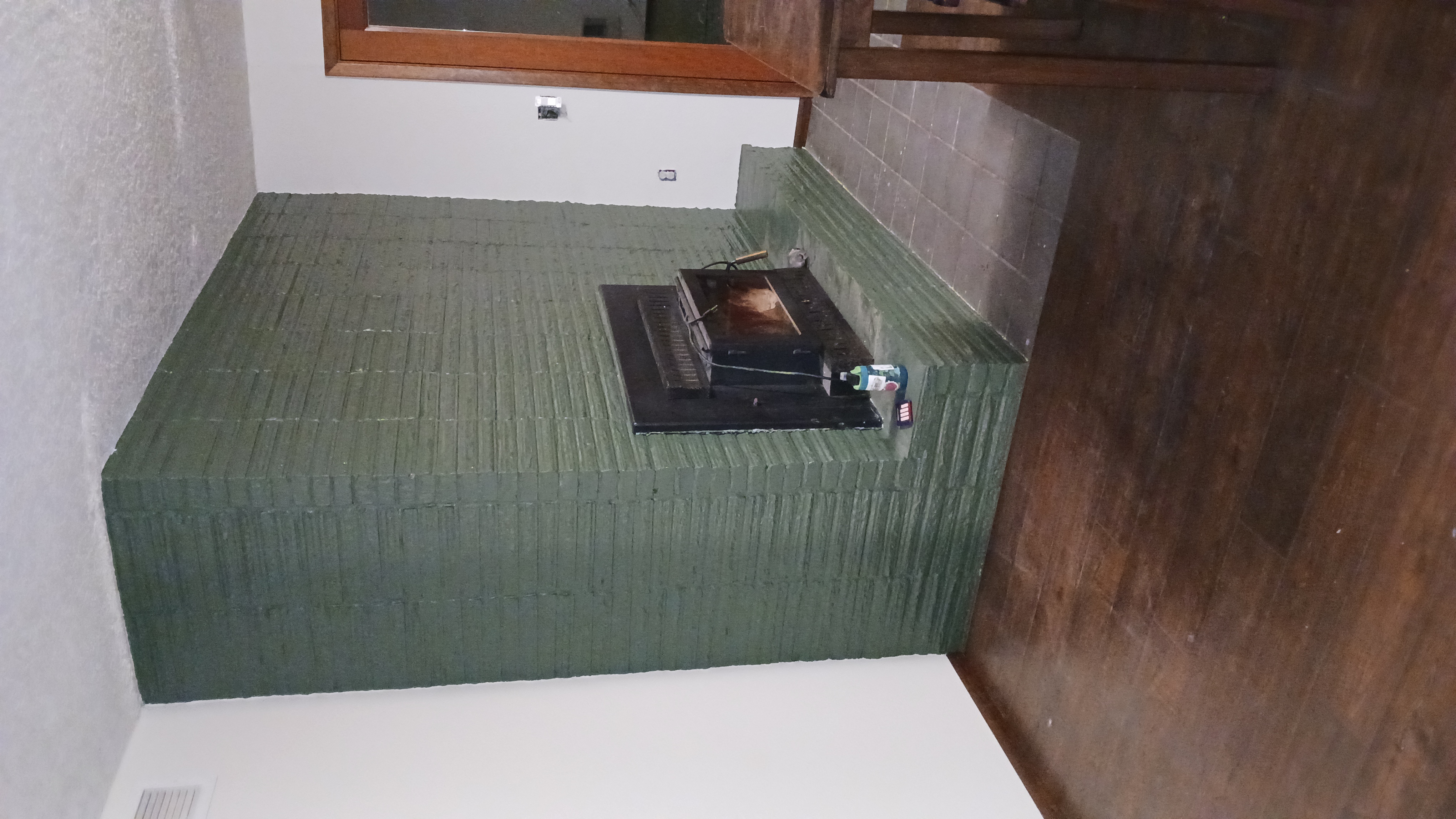
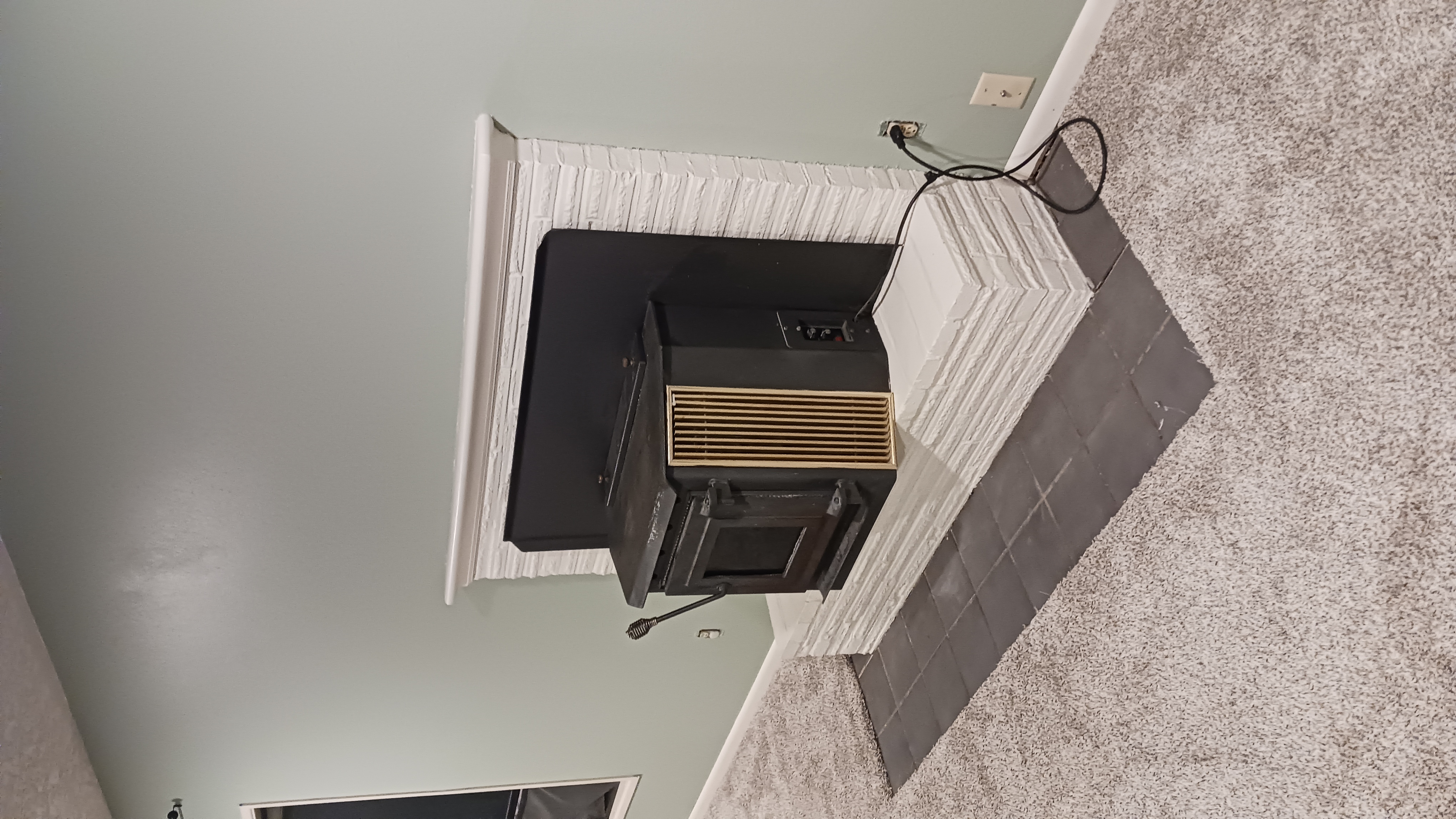
So I am moving into a new space. There is a big chimney that hosts two fireplaces. The fireplaces are side by side, facing rooms on opposite sides of a shared wall. The living room and dining room. The dining room fireplace hosts a woodstove insert. The living room hosts a pellet stove insert. The pellet stove functions. But I am curious if a shorty core or Walker core might fit instead.

The openings are 3' wide by 2' tall. I can't measure the depth right now. But there is another fireplce in the house that also has a 3'x2' opening. It is 23" deep. There is some more height inside. The hearth extends out almost a foot in front of the fireplace.

So I am thinking about putting some sort of shortened core in the fireplace, with a stove pipe down in the back to serve as the siphon of a bell. And probably a removable metal front to hold the door and serve for quicker heat. Most of the heat would be stored on the ample mass of the chimney. Do you guys think this is viable?
 
Jeremy VanGelder
gardener
Posts: 1899
Location: Proebstel, Washington, USDA Zone 6B
1285
4
wheelbarrows and trailers kids trees earthworks woodworking
  • Likes 6
  • Mark post as helpful
  • send pies
    Number of slices to send:
    Optional 'thank-you' note:
  • Quote
  • Report post to moderator
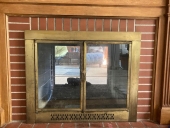
Pictures for reference. Most of the chimney structure is in the dining room.
20260903_205557.jpg
wood stove insert in the dining room
20260903_205609.jpg
pellet stove insert in the living room
 
Posts: 993
Location: Sierra Nevada foothills, 350 m, USDA 8b, sunset zone 7
274
  • Likes 9
  • Mark post as helpful
  • send pies
    Number of slices to send:
    Optional 'thank-you' note:
  • Quote
  • Report post to moderator
Jeremy,

Fitting one firebox core or another is not a problem, the problem is how a pipe will transfer the heat to the mass?  Right surface area is needed for a given firebox to extract heat from the gases. Potentially you could build a wall that would separate the front chamber of the fireplace bell (if any) from the chimney flue. The gases would give the heat within this chamber and the colder ones would go down to the hole in this newly built wall and would go to the flue.
It's easy to write, but may be quite impossible to build, because of space constraints.
Would it be possible that you would remove the insert and take a picture of the inside, facing the camera up?
 
gardener
Posts: 1233
Location: +52° 1' 47.40", +4° 22' 57.80"
727
woodworking rocket stoves wood heat
  • Likes 13
  • Mark post as helpful
  • send pies
    Number of slices to send:
    Optional 'thank-you' note:
  • Quote
  • Report post to moderator
In my view, there's only one real possibility.
Taking out the front of the hearth in the dining room, rerouting the chimney and building the bell and core into that space. But then, I won't face the amount of work and the mess that's coming with such an endeavour.

So it's all up to you what to do.
 
pollinator
Posts: 666
118
  • Likes 8
  • Mark post as helpful
  • send pies
    Number of slices to send:
    Optional 'thank-you' note:
  • Quote
  • Report post to moderator
Greetings, Jeremy
Are you committed to building a bell as suggested?  How much space can you realistically use in your situation?   I am considering giving this a try myself  for an old house
 
pollinator
Posts: 1188
Location: Inter Michigan-Superior Woodland Forest
262
7
transportation gear foraging trees food preservation bike building solar writing woodworking wood heat
  • Likes 4
  • Mark post as helpful
  • send pies
    Number of slices to send:
    Optional 'thank-you' note:
  • Quote
  • Report post to moderator
How arbitrary and used are the "living room" and "dining room" designations?
 
Jeremy VanGelder
gardener
Posts: 1899
Location: Proebstel, Washington, USDA Zone 6B
1285
4
wheelbarrows and trailers kids trees earthworks woodworking
  • Likes 9
  • Mark post as helpful
  • send pies
    Number of slices to send:
    Optional 'thank-you' note:
  • Quote
  • Report post to moderator

Coydon Wallham wrote:How arbitrary and used are the "living room" and "dining room" designations?


They are pretty accurate. But the dining room has a door out to a deck in the back yard. The back yard has the wood shed 75 feet away. So I think Peter is right that it makes the most sense to build a shorty in the dining room side.

I am a bit hazy on the difference between a vortex stove of the type that Fox has been building and the Shorty that Thomas has been building. Are they almost the same thing?

I'll see if I can get some pictures from the one open fireplace that is in the house. We finished the renovations and move, but that was a heavy lift. I don't want to start another house project quite yet. On the other hand, I do want to start a fall project. It makes more sense to build this than to rebuild a truck that has been sitting around.
 
Rico Loma
pollinator
Posts: 666
118
  • Likes 6
  • Mark post as helpful
  • send pies
    Number of slices to send:
    Optional 'thank-you' note:
  • Quote
  • Report post to moderator
Not the same, but I suggest a lengthy perusal of Fox and his myriad stoves on Utube.  That newest one is able to cook, but not a  huge mass attached, therefore it might fit your space limitations.  
 
Coydon Wallham
pollinator
Posts: 1188
Location: Inter Michigan-Superior Woodland Forest
262
7
transportation gear foraging trees food preservation bike building solar writing woodworking wood heat
  • Likes 5
  • Mark post as helpful
  • send pies
    Number of slices to send:
    Optional 'thank-you' note:
  • Quote
  • Report post to moderator

Jeremy VanGelder wrote:

Coydon Wallham wrote:How arbitrary and used are the "living room" and "dining room" designations?


They are pretty accurate. But the dining room has a door out to a deck in the back yard. The back yard has the wood shed 75 feet away. So I think Peter is right that it makes the most sense to build a shorty in the dining room side.


What I'm getting at is that if the majority of the mass is to remain in the current "dining room" and hence the more cozy, welcoming space, could it become the more used recreational area with the current "living room" becoming the occasional space for more formal meals?
 
Jeremy VanGelder
gardener
Posts: 1899
Location: Proebstel, Washington, USDA Zone 6B
1285
4
wheelbarrows and trailers kids trees earthworks woodworking
  • Likes 5
  • Mark post as helpful
  • send pies
    Number of slices to send:
    Optional 'thank-you' note:
  • Quote
  • Report post to moderator
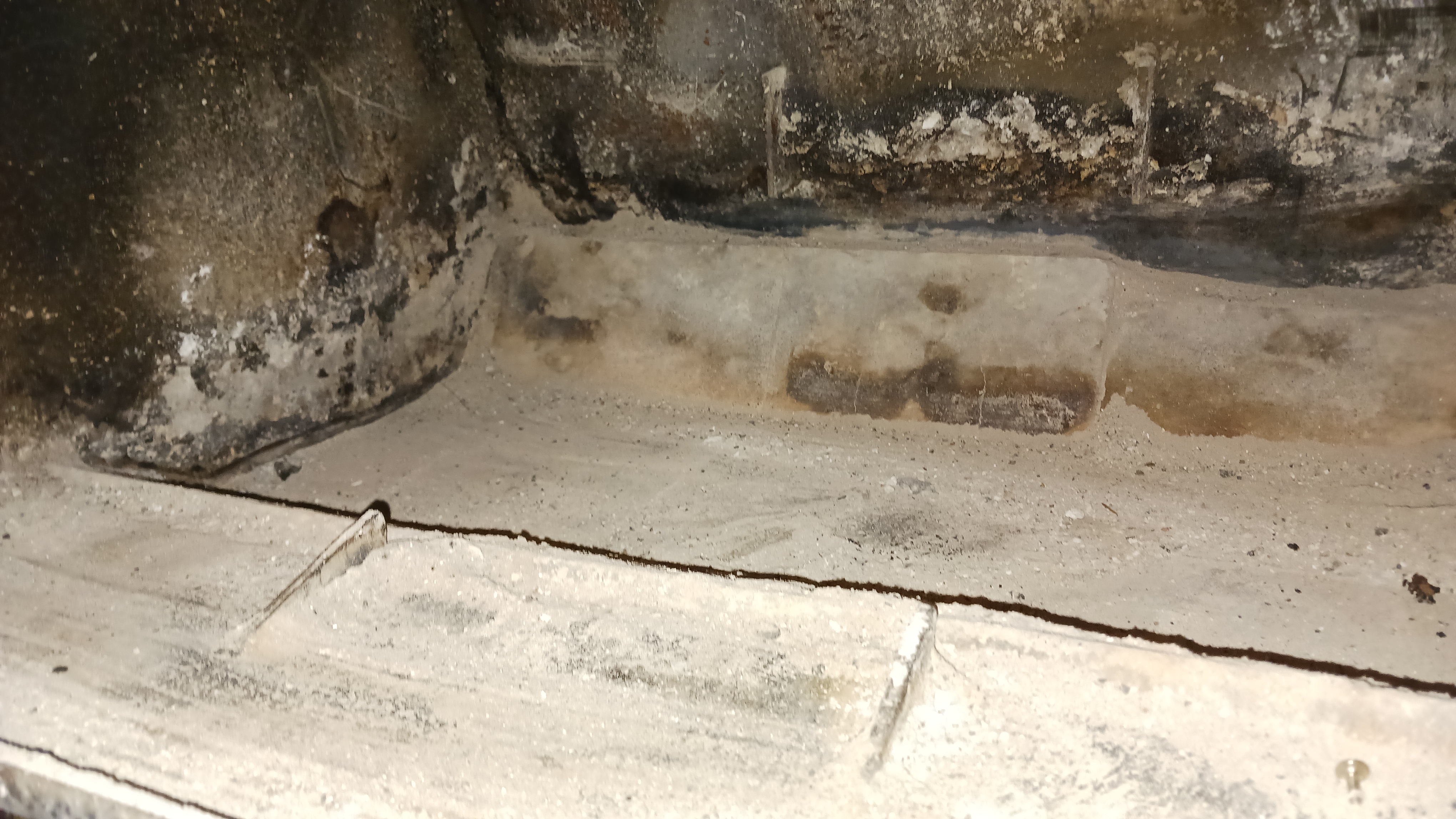
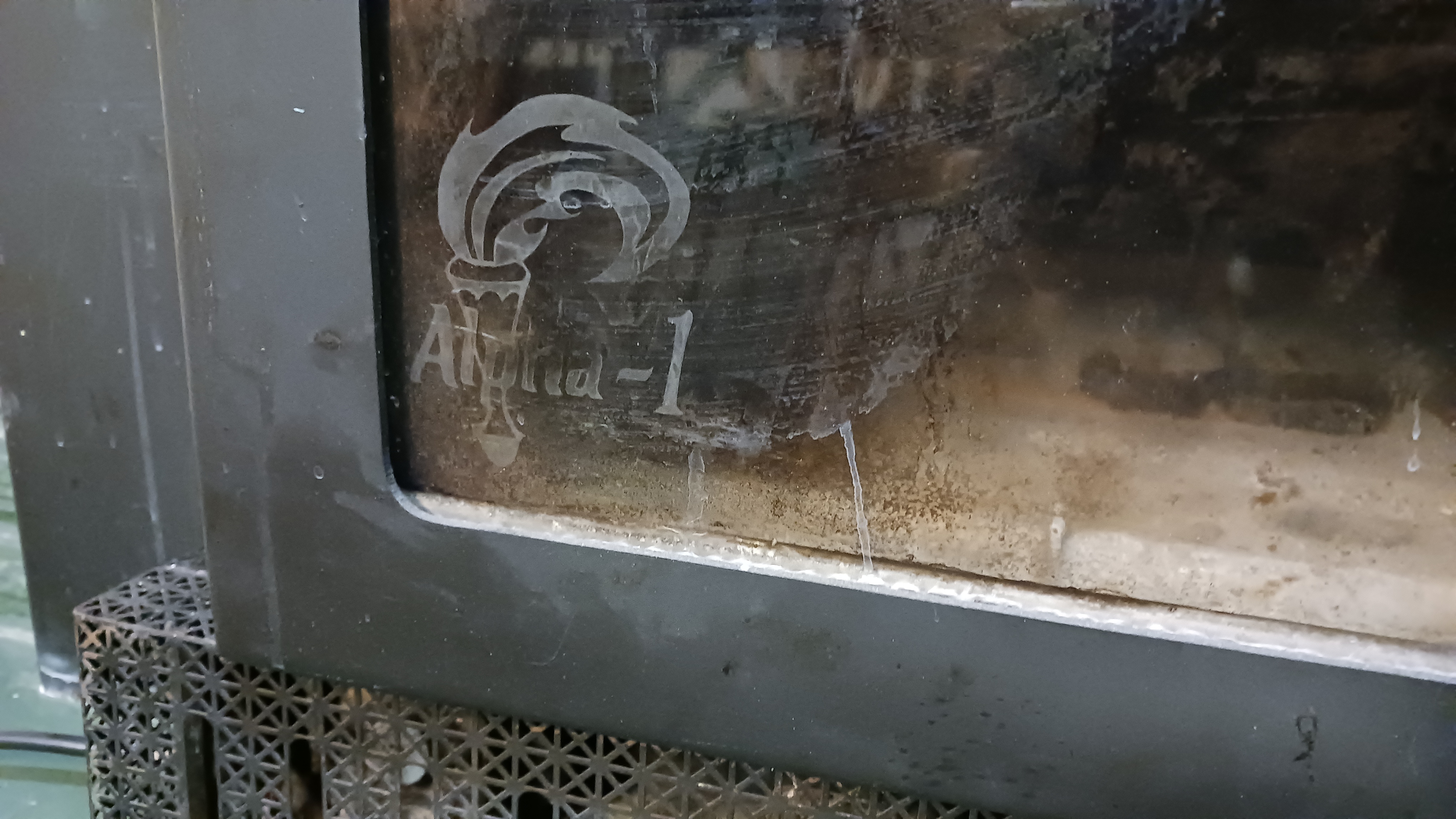
I cleaned the chimney today. And I cleaned the old insert. I like to understand the things I am getting rid of. And this thing has a fascinating story.  It is an Alpha-1. The first time I searched for "Alpha-1 fireplace insert" nothing useful came up. But I tried again today and there was this result:

The Alpha-1 fireplace insert is a vintage wood-burning heating unit invented by J. Darrel Johnson in the early 1980s (often associated with the Lewiston and Clarkston area of the Pacific Northwest).

Key Details

• Design Concept: Unlike standard air-tight wood stoves that restrict airflow to make wood smolder, the Alpha-1 was designed to burn hot and fast with plenty of air to consume organic vapors before they could escape up the chimney.
• EPA Certification Status: Because it burned too quickly and lacked a traditional closeable draft control to slow down combustion, the Alpha-1 was not able to pass standard U.S. Environmental Protection Agency (EPA) emissions certifications.
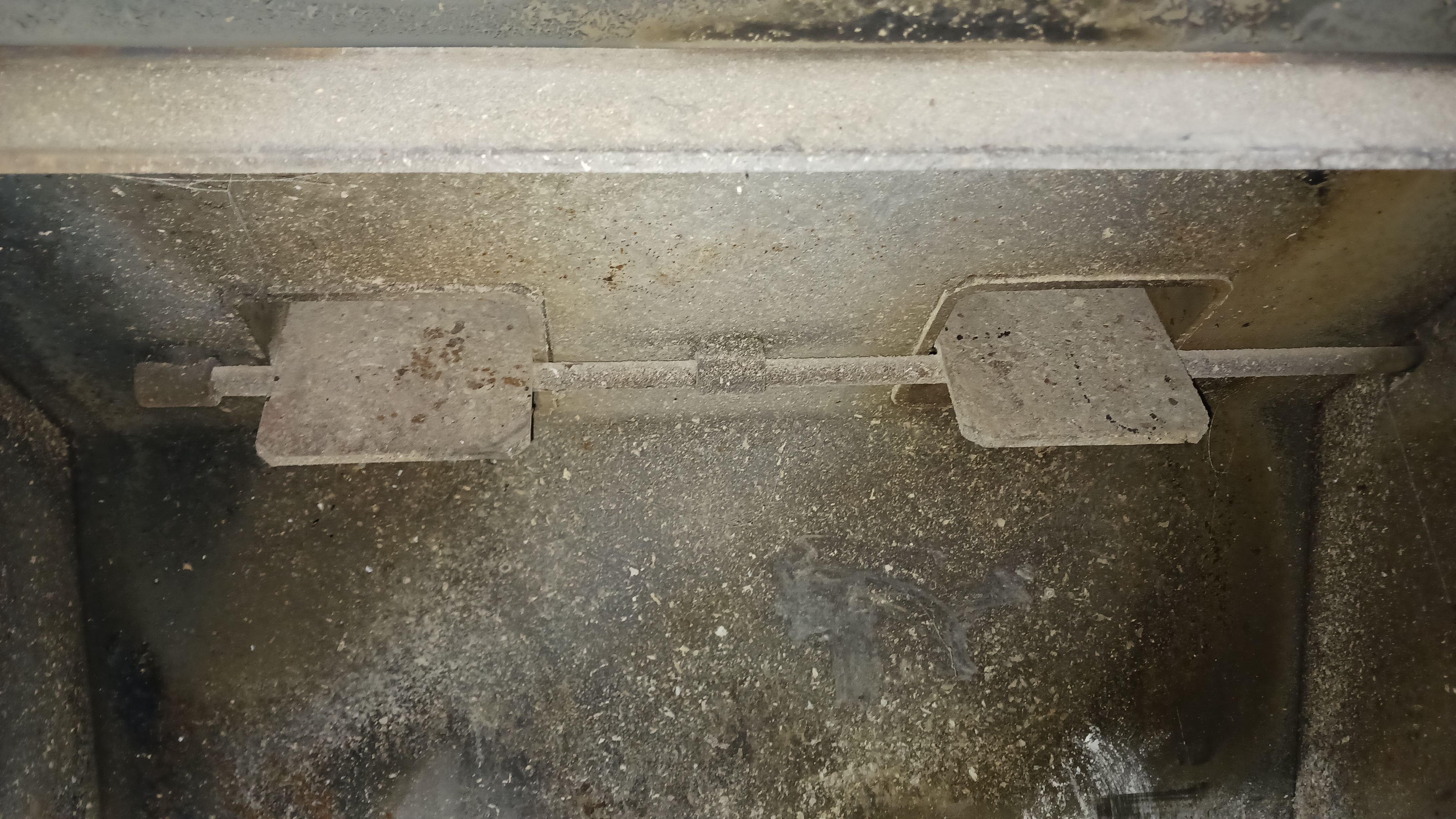
Interesting. That sounds a bit similar to to Matt Walker's experience at the wood stove competition.

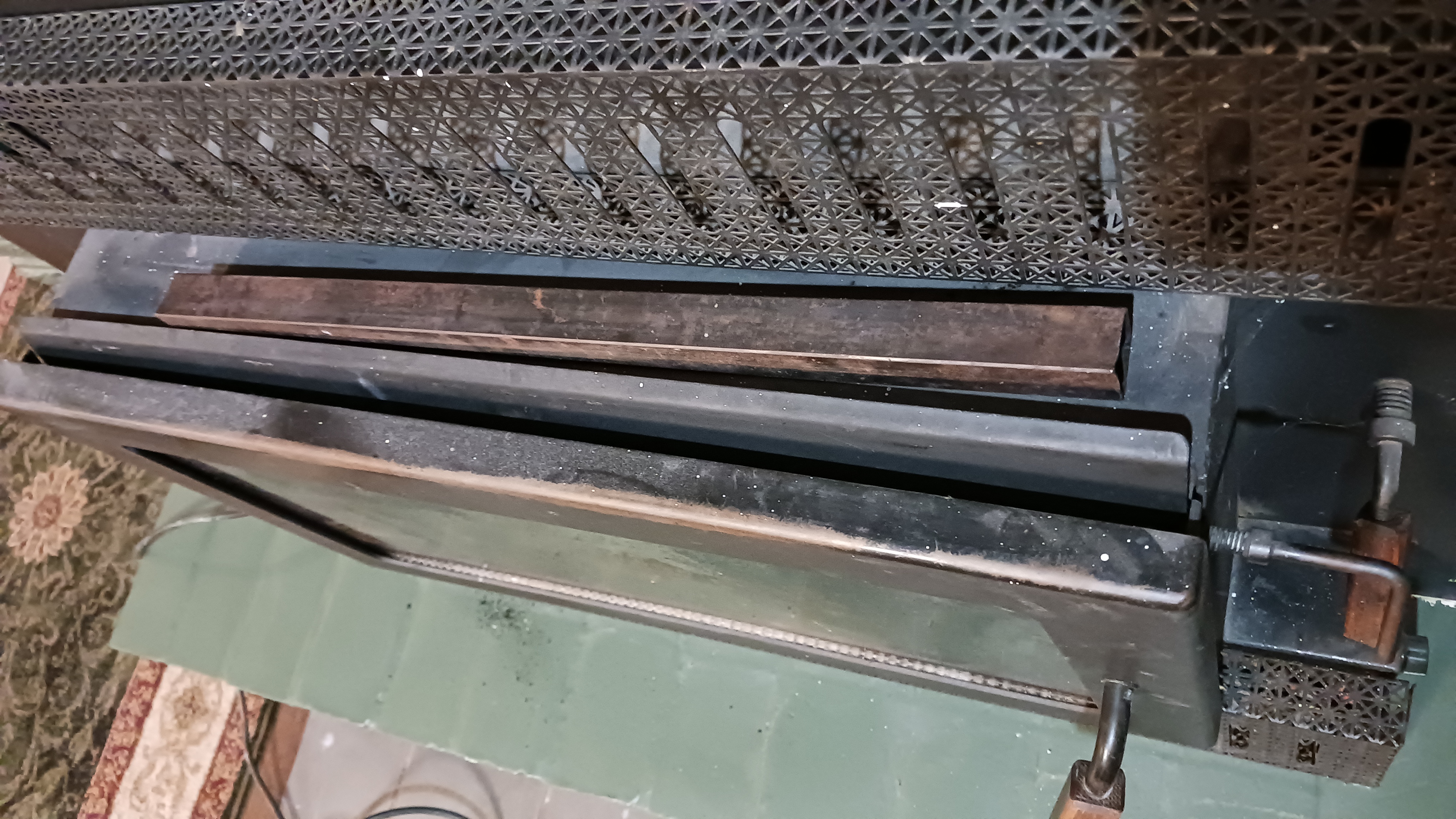
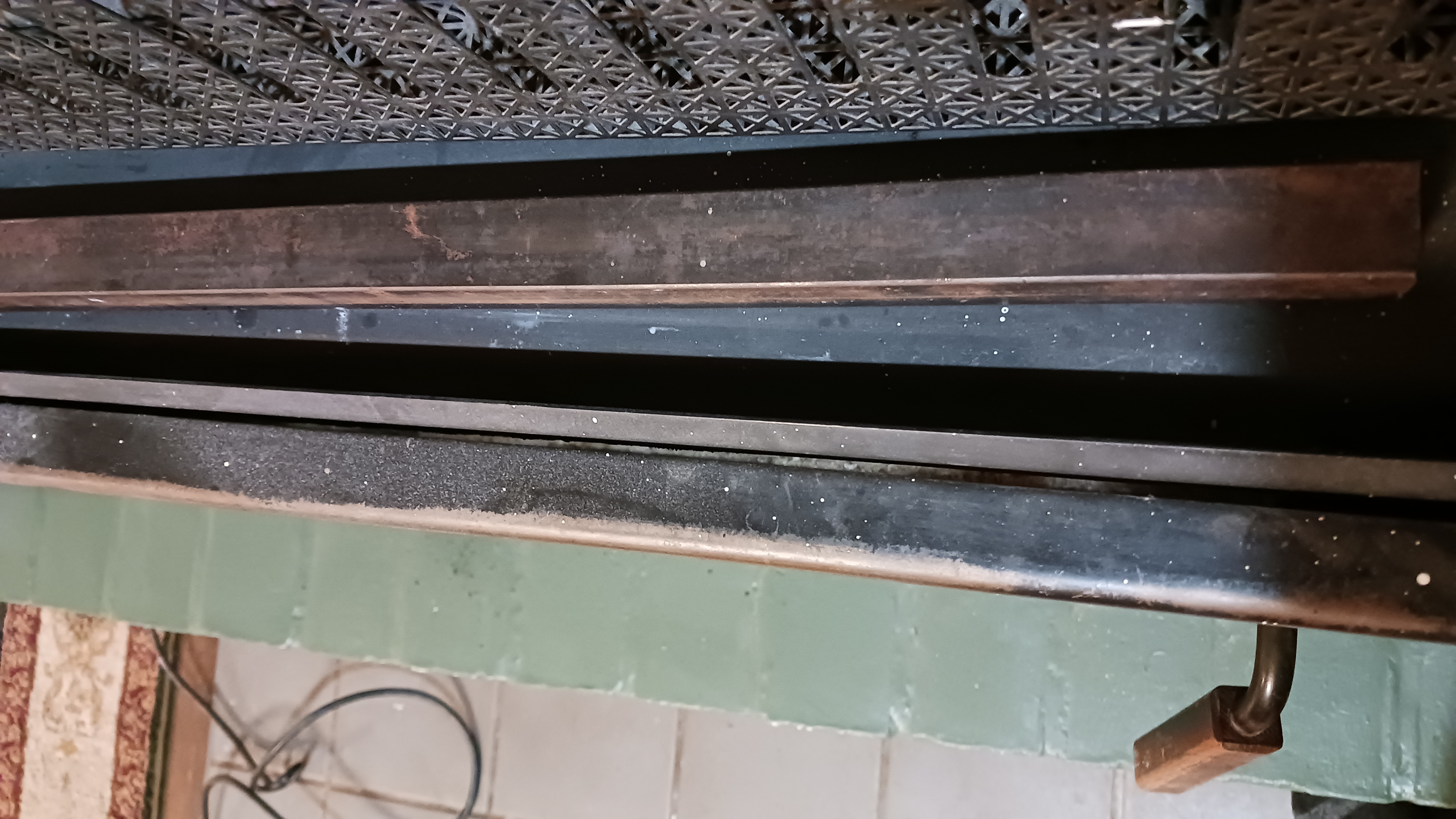
This one has a damper to close the outlet. But the air control for the inlet has about an 1/8" of clearance along the whole top of the door even when it is closed down. This was a source of frustration for my siblings who lived here before. So they used that piece of square tube steel to wedge it shut.

It does smoke back on occasion, so they wanted to stop that.
20261017_192726.jpg
Butterfly exhaust dampers open
20261017_192908.jpg
the Alpha-1 logo etched in the glass of the door
20261017_195813.jpg
air inlet damper all the way open, square tube wedge behind it
20261017_195822.jpg
air inlet damper shut, note that you can see light through the gap
 
Jeremy VanGelder
gardener
Posts: 1899
Location: Proebstel, Washington, USDA Zone 6B
1285
4
wheelbarrows and trailers kids trees earthworks woodworking
  • Likes 5
  • Mark post as helpful
  • send pies
    Number of slices to send:
    Optional 'thank-you' note:
  • Quote
  • Report post to moderator
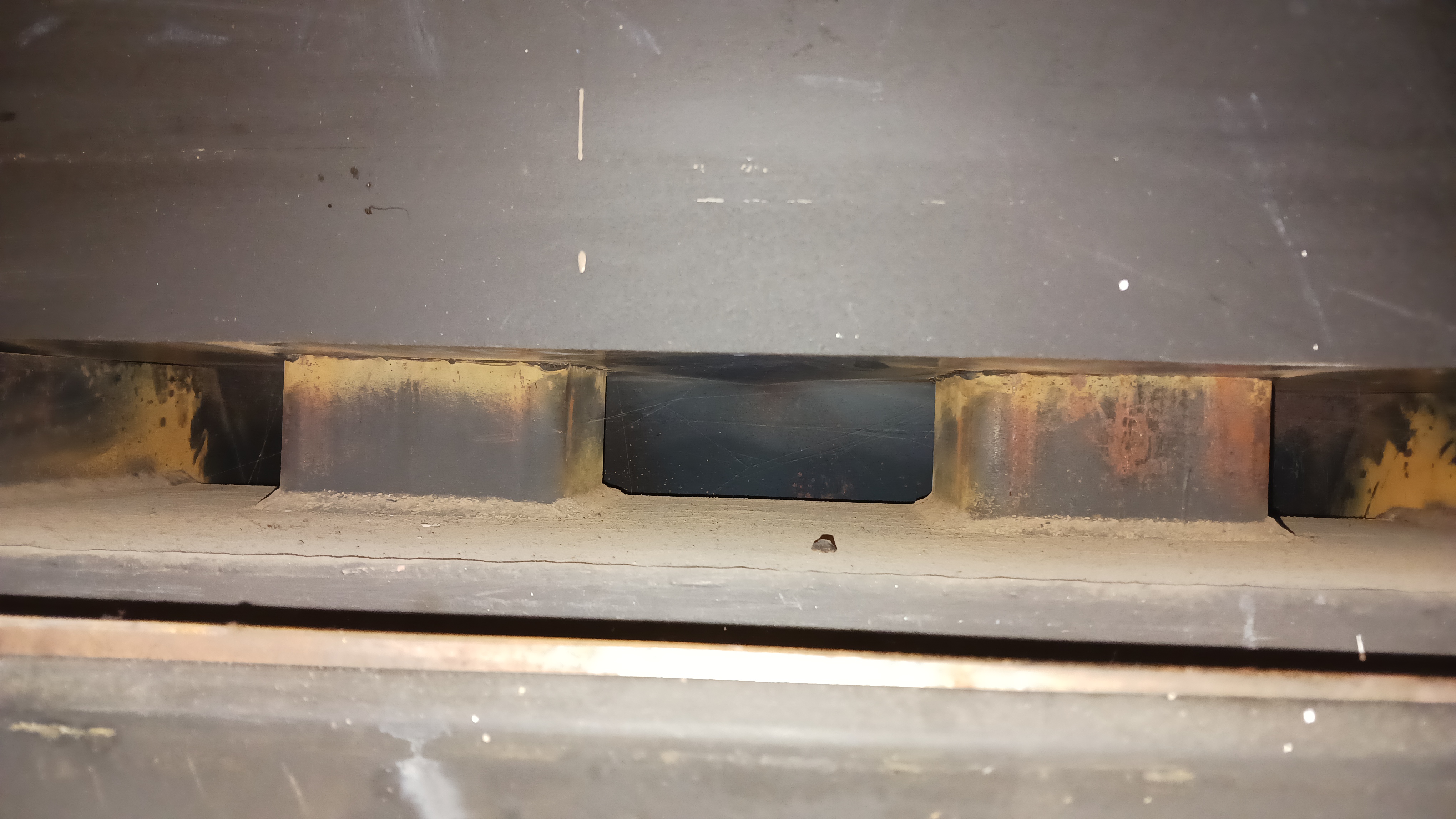
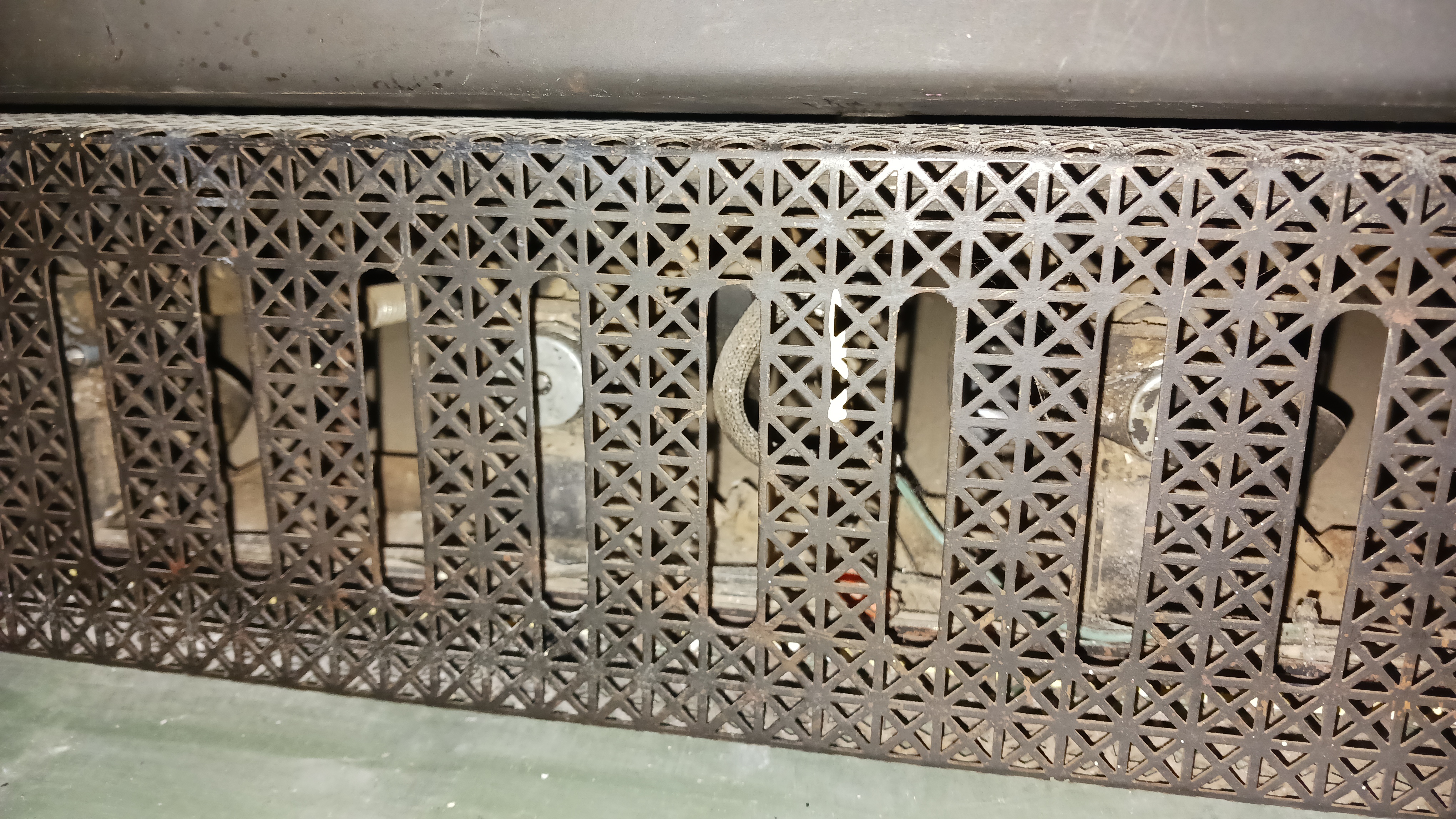
This stove was built for circulation around the outside of the firebox. There is a line of fans under it, forcing air behind and over the stove. It has some interesting fins inside. I am wondering if they held a grate in place? I usually think of grates as a waste of space. Without a grate there is room for more wood. But maybe elevating the fuel gave it more access to oxygen?
20261017_192800.jpg
The twin exhausts through the top
20261017_192827.jpg
fins inside, with a matching structure at the back
20261017_192843.jpg
fans underneath
fans underneath
 
I agree. Here's the link: https://woodheat.net
reply
    Bookmark Topic Watch Topic
  • New Topic