
• Post Reply Bookmark Topic Watch Topic
  • New Topic
permaculture forums growies critters building homesteading energy monies kitchen purity ungarbage community wilderness fiber arts art permaculture artisans regional education skip experiences global resources cider press projects digital market permies.com pie forums private forums all forums
this forum made possible by our volunteer staff, including ...
master stewards:
  • Carla Burke
  • Anne Miller
  • Nancy Reading
  • John F Dean
  • r ransom
  • paul wheaton
  • Timothy Norton
stewards:
  • Jay Angler
  • Pearl Sutton
  • AndrĂ©s Bernal
master gardeners:
  • Christopher Weeks
gardeners:
  • M Ljin
  • Thekla McDaniels
  • May Lotito

Willow plantation

 
gardener
Posts: 1308
Location: France, Burgundy, parc naturel Morvan
702
forest garden trees food preservation medical herbs building woodworking
  • Likes 16
  • Mark post as helpful
  • send pies
    Number of slices to send:
    Optional 'thank-you' note:
  • Quote
  • Report post to moderator
Some years ago i started a willow patch in a wet zone in a farmers field.
It didn't cost money just time.
The trees i planted them in rows.
The most robust kind on the northern outside as a distraction against deer eating the willow as medicine/food. And it fumctions a swell as something like a windbreak/suntrap for the less strong ones on the south.
I had trouble with brambles a swell until i noticed less deer traces where it grew.
I want it low maintenance so am not fighting the brambles i decided to try a different approach. I wantto see if i can get them to grow a high wide stem and then on top diverge in many directions. Of the one that is more robust i'm pretty sure that will work out. Then the deer can't reach and i can just come in autumn and cut the one year old branches.
Whatever happens on lower levels is less concerning.

I asked a lady who makes baskets. She said that i'm doing 'the English method'.
I don't know if that's really a thing, i just don't want plastic mulching or even carpets some 'bio' willow farmers throw down.
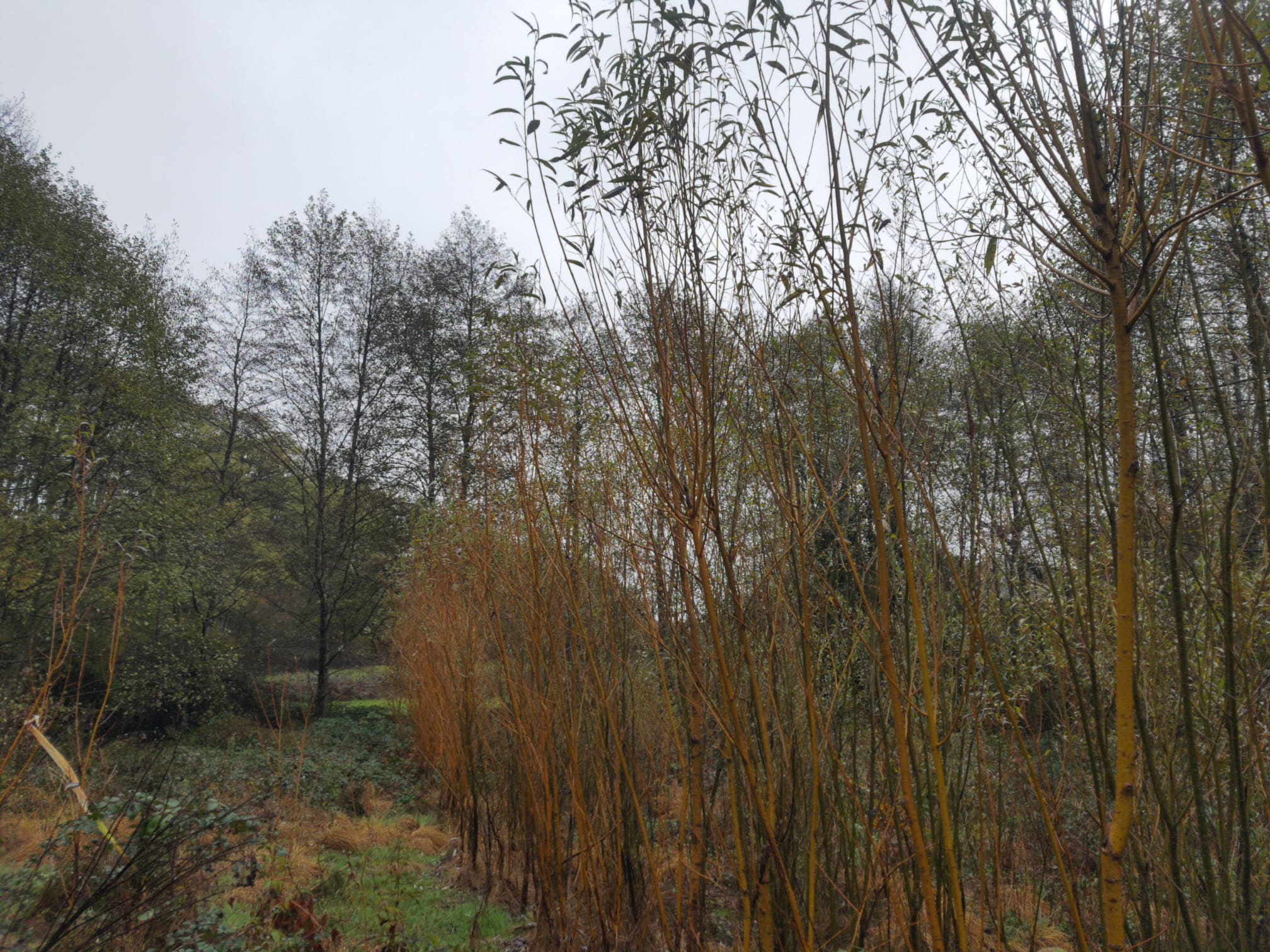
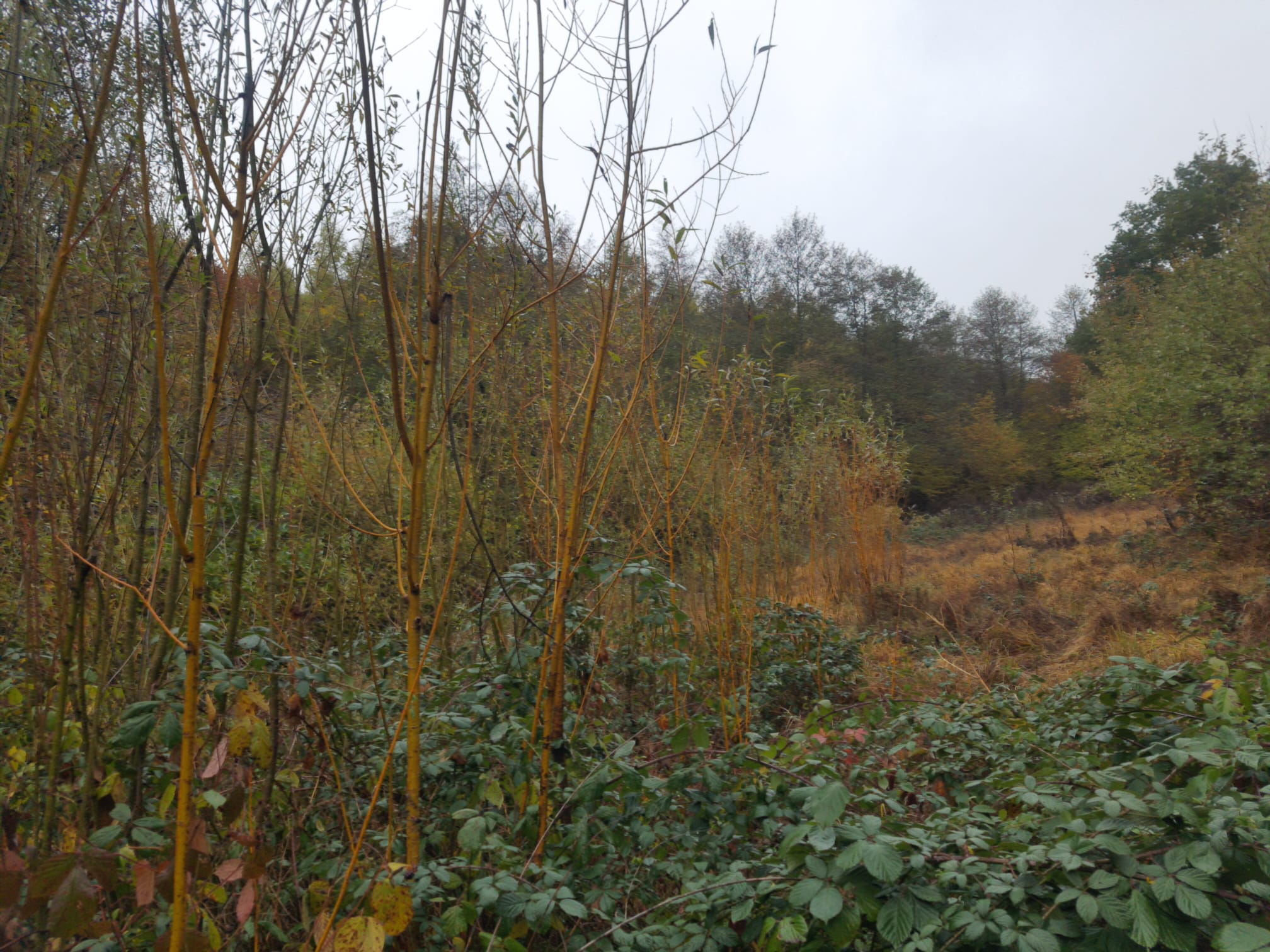
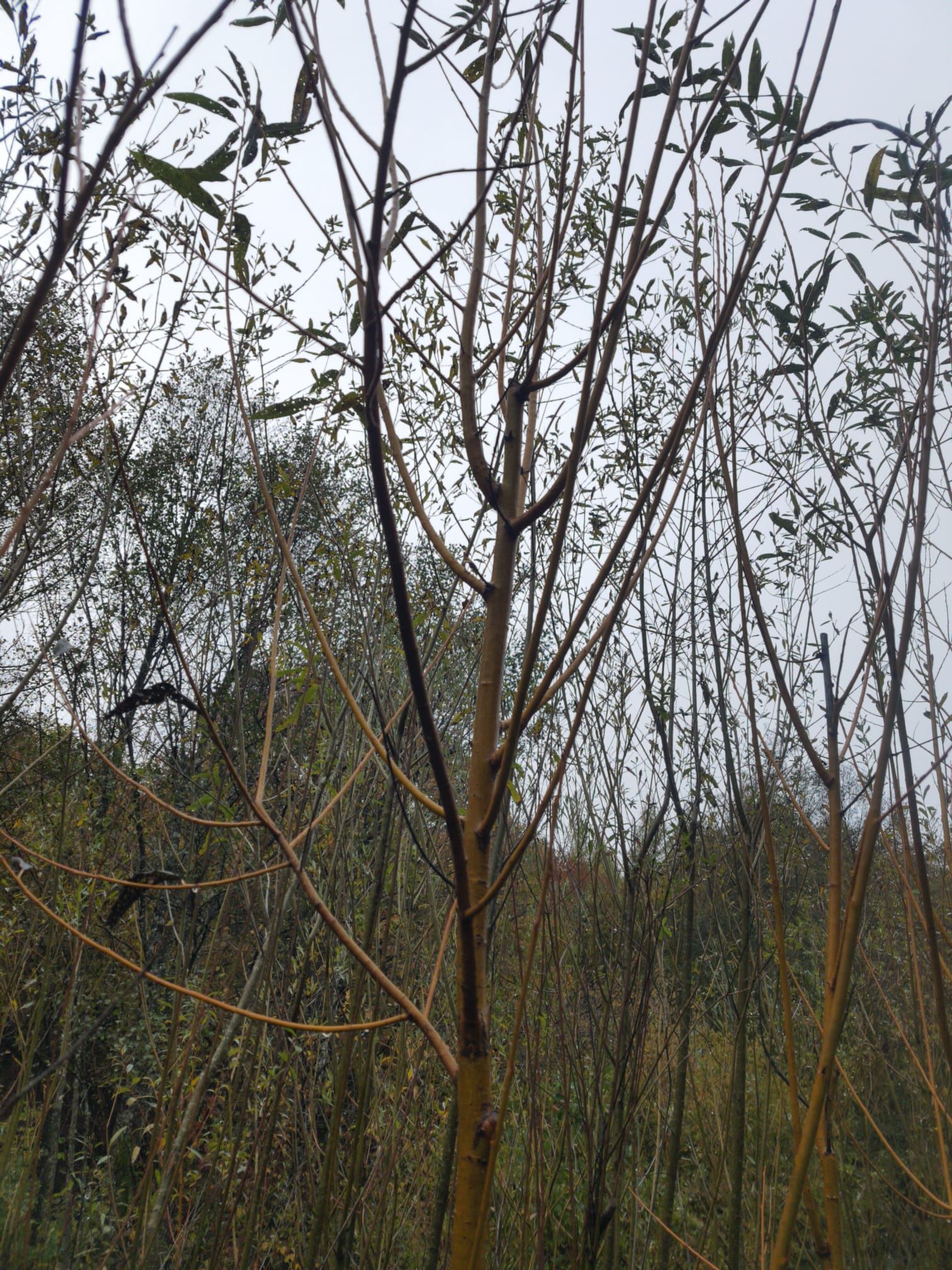
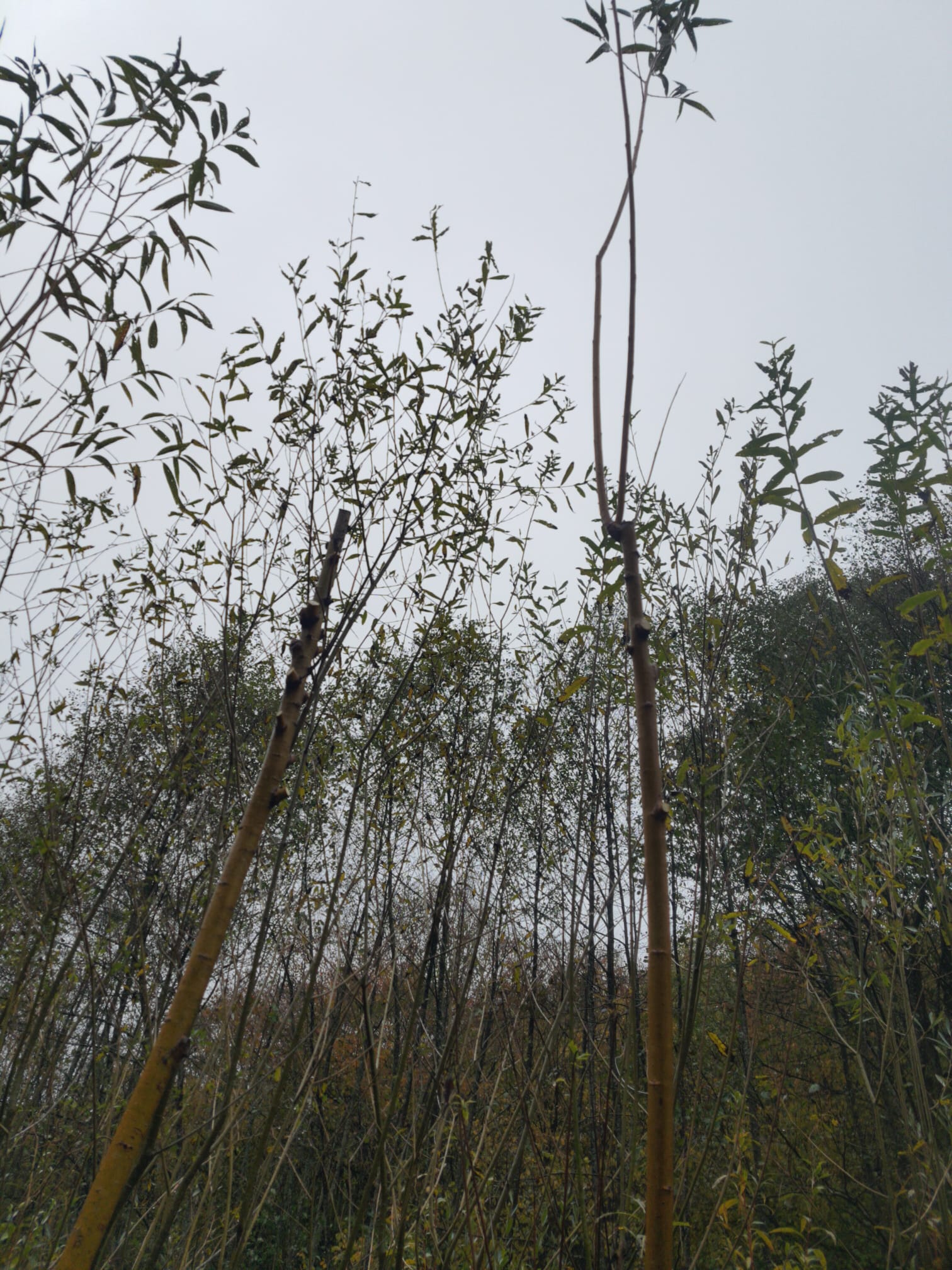
Here are some pictures.
Hugo-Zelve-2026-11-06-12.52.47.jpg
to the left
to the left
Hugo-Zelve-2026-11-06-12.52.20.jpg
to the right
to the right
Hugo-Zelve-2026-11-06-12.52.32.jpg
last year scalped
last year scalped
Hugo-Zelve-2026-11-06-12.52.12.jpg
trying different things
Hugo-Zelve-2026-11-06-12.52.27.jpg
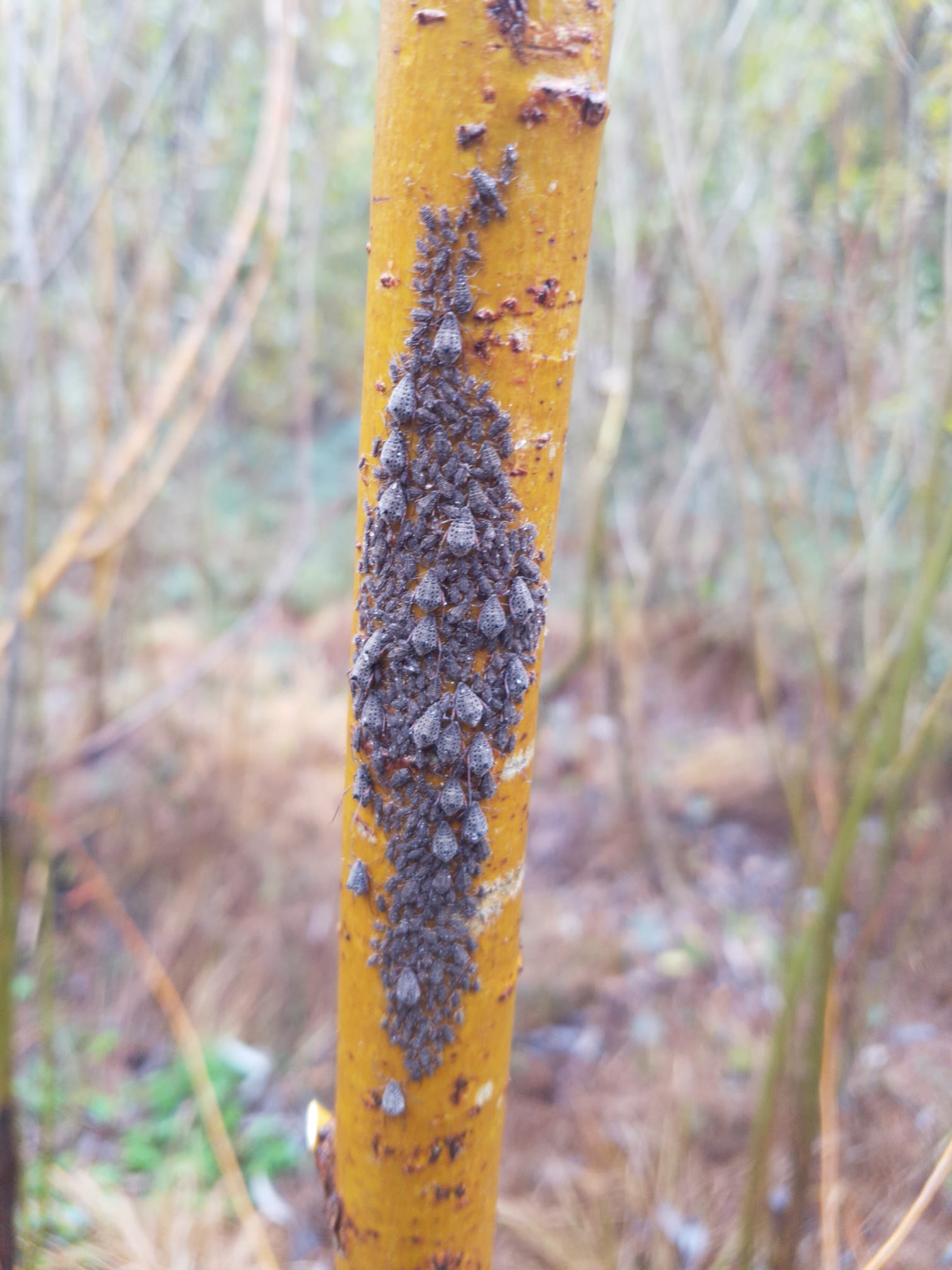
clone willow aphids came
 
pollinator
Posts: 602
Location: UK
199
kids urban seed
  • Likes 11
  • Mark post as helpful
  • send pies
    Number of slices to send:
    Optional 'thank-you' note:
  • Quote
  • Report post to moderator
Ha, brambles doubling as deer deterrent is a good accident. Putting the toughest ones on the north edge as the sacrificial row makes sense too. Did the deer still nibble those or leave them alone once they got going?
 
Hugo Morvan
gardener
Posts: 1308
Location: France, Burgundy, parc naturel Morvan
702
forest garden trees food preservation medical herbs building woodworking
  • Likes 11
  • Mark post as helpful
  • send pies
    Number of slices to send:
    Optional 'thank-you' note:
  • Quote
  • Report post to moderator
The deer rip all of them, my plan failed, but the willows seem to be  used to abuse, so they prevail, despite me having thoughts about how things should be. I did  notice that  the thicker the stems get the more they leave them be.
 
steward
Posts: 16617
Location: Pacific Wet Coast
11201
duck books chicken cooking food preservation ungarbage
  • Likes 12
  • Mark post as helpful
  • send pies
    Number of slices to send:
    Optional 'thank-you' note:
  • Quote
  • Report post to moderator

Hugo Morvan wrote:... I wantto see if i can get them to grow a high wide stem and then on top diverge in many directions. Of the one that is more robust i'm pretty sure that will work out. Then the deer can't reach and i can just come in autumn and cut the one year old branches.
Whatever happens on lower levels is less concerning.

I asked a lady who makes baskets. She said that i'm doing 'the English method'.  


Your description is what I would call "Pollarding", which could simply be the "English word" for your plan. Pollarding is essentially coppicing but higher up, above the "browse" level. The downside is that it isn't as strong as coppicing because of the way it grows. If your goal is whips for basketry, Pollarding should be plenty strong enough.
 
Posts: 132
5
  • Likes 11
  • Mark post as helpful
  • send pies
    Number of slices to send:
    Optional 'thank-you' note:
  • Quote
  • Report post to moderator
Jay, pollarding fits what Hugo described perfectly. Up above browse level, then whips for baskets in autumn. That English method name makes sense now.
 
steward and tree herder
Posts: 15264
Location: Isle of Skye, Scotland. Nearly 70 inches rain a year
8866
6
transportation dog forest garden foraging trees books food preservation woodworking wood heat rocket stoves ungarbage
  • Likes 12
  • Mark post as helpful
  • send pies
    Number of slices to send:
    Optional 'thank-you' note:
  • Quote
  • Report post to moderator
I used to see ancient willows pollarded this way along the Thames....
Here's a nice one in Somerset:

source

We had a thread about pollarding against deer a while ago: https://permies.com/t/258032/woodland/Pollarded-woodland-decrease-deer-depredation If you can get the trees to survive a few winters you stand a good chance!
 
master steward
Posts: 20031
Location: USDA Zone 8a
5021
dog hunting food preservation cooking bee greening the desert
  • Likes 6
  • Mark post as helpful
  • send pies
    Number of slices to send:
    Optional 'thank-you' note:
  • Quote
  • Report post to moderator

Hugo said, "It didn't cost money just time.


Did you use willow cuttings to make that plantation?
 
Hugo Morvan
gardener
Posts: 1308
Location: France, Burgundy, parc naturel Morvan
702
forest garden trees food preservation medical herbs building woodworking
  • Likes 11
  • Mark post as helpful
  • send pies
    Number of slices to send:
    Optional 'thank-you' note:
  • Quote
  • Report post to moderator
Yes pollarding that's the word for what i mean to describe.
Wow that pollarded willow must be quite old Nancy.
Yes Anne, they're cuttings of differing kinds of willow. Just sticks of 10/20 inch cut at an angle and pushed into the mushy soil. Leftfoot plus a right foot and push in another one. Quite some had disappeared after the first season, but most just grew ok for how shitty the sandy soil is there. They're picking up speed last two years and closing canopy.
I make the place bigger if i feel like it using prunings. Maybe two/three visits annually. Mostly just checking/enjoying.
My basketweaving skills are laughable, although i enjoy myself doing whatever with all these wonky differing twigs.
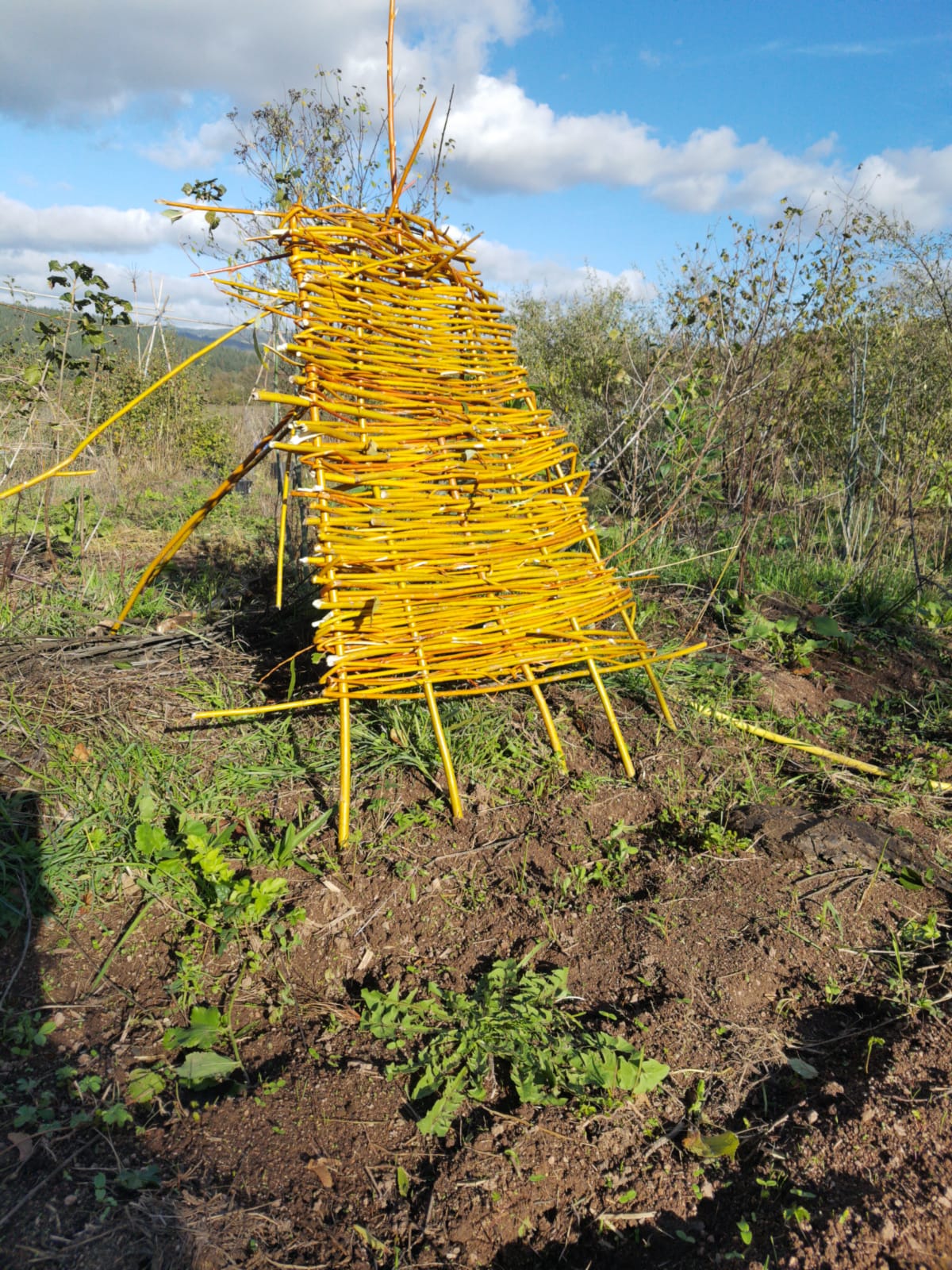
I cut some for my old mother to play with, but she was making excuses, so i make things like this. It's only for snowpeas to climb onto.
Hugo-Zelve-2026-11-07-16.57.11.jpg
[Thumbnail for Hugo-Zelve-2026-11-07-16.57.11.jpg]
gift
 
Clean With Cleaners You Can Eat by Raven Ranson
will be released to subscribers in: soon!
reply
    Bookmark Topic Watch Topic
  • New Topic