• Post Reply Bookmark Topic Watch Topic
  • New Topic
permaculture forums growies critters building homesteading energy monies kitchen purity ungarbage community wilderness fiber arts art permaculture artisans regional education skip experiences global resources cider press projects digital market permies.com pie forums private forums all forums
this forum made possible by our volunteer staff, including ...
master stewards:
  • Carla Burke
  • Nancy Reading
  • r ransom
  • John F Dean
  • paul wheaton
  • Jay Angler
stewards:
  • Timothy Norton
  • Pearl Sutton
  • Tereza Okava
master gardeners:
  • Christopher Weeks
  • M Ljin
gardeners:
  • Jeremy VanGelder
  • Matt McSpadden
  • thomas rubino

Making a sustainable greenhouse without disposable plastic

 
steward
Posts: 18592
Location: USDA Zone 8a
4710
dog hunting food preservation cooking bee greening the desert
  • Likes 2
  • Mark post as helpful
  • send pies
    Number of slices to send:
    Optional 'thank-you' note:
  • Quote
  • Report post to moderator
I am in favor of greenhouses made of wood and glass.  To make them sustainable make the greenhouses out of recycled windows.
 
Posts: 1
  • Likes 6
  • Mark post as helpful
  • send pies
    Number of slices to send:
    Optional 'thank-you' note:
  • Quote
  • Report post to moderator
These ones are made for the brutal weather of the Shetland islands.  Water pipes for the frames and polycarbonate but they're not cheap but it gives an idea of possibility of how to build something that can withstand the worst weather

https://www.polycrub.co.uk/
 
Posts: 216
25
  • Likes 5
  • Mark post as helpful
  • send pies
    Number of slices to send:
    Optional 'thank-you' note:
  • Quote
  • Report post to moderator
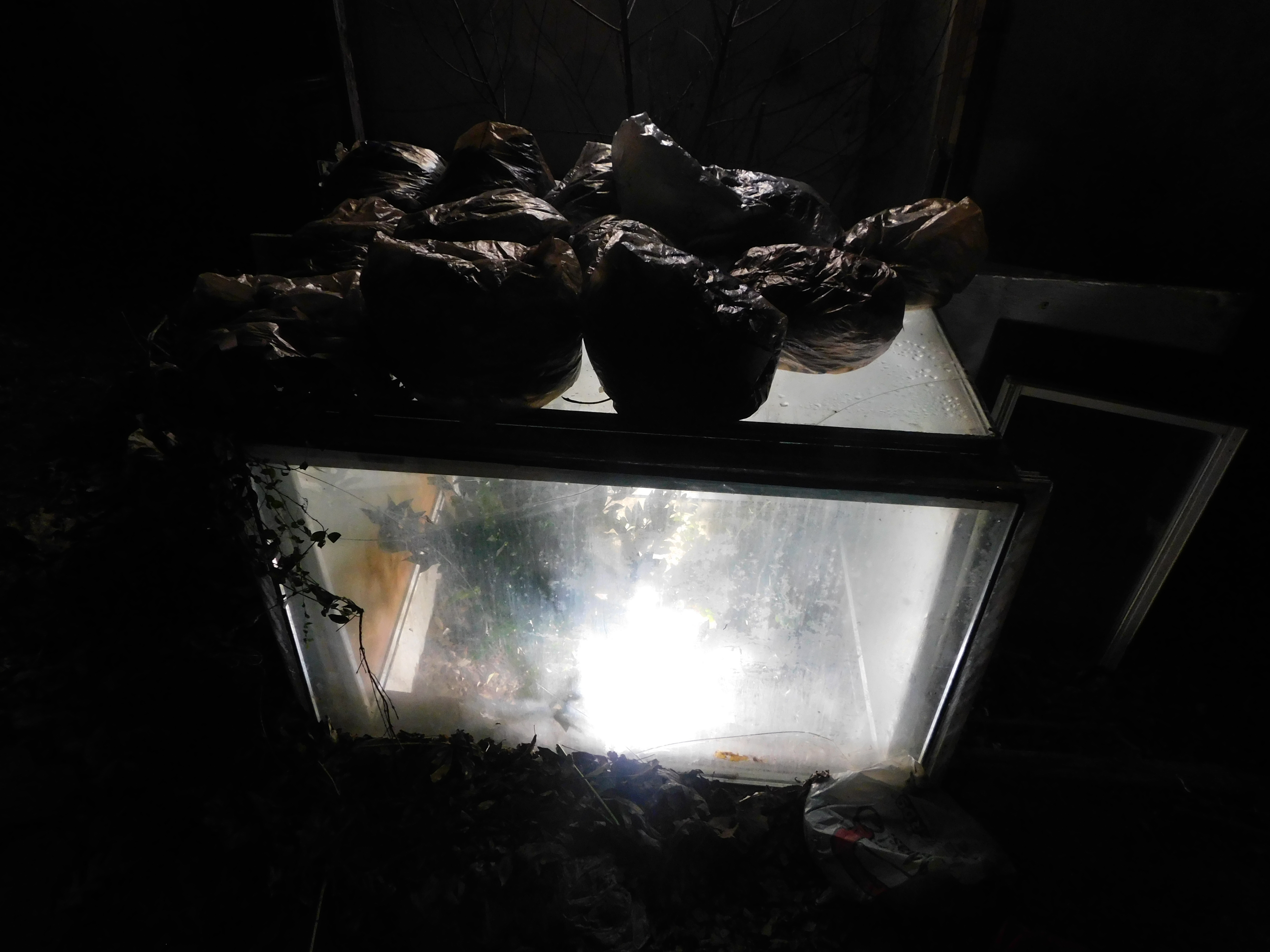
All scrap glass and scrap wood.  Screws low cost.  The bags of leaves on top are for additional insulation for -2F overnight with 2,  13 watt CFLs for heat and light.
DSCN6076.JPG
4 layers of glass with 5 layers on top
 
master gardener
Posts: 2068
Location: Zone 5
1117
ancestral skills forest garden foraging composting toilet fiber arts bike medical herbs seed writing ungarbage
  • Likes 4
  • Mark post as helpful
  • send pies
    Number of slices to send:
    Optional 'thank-you' note:
  • Quote
  • Report post to moderator
Thank you Steven—would you mind taking some pictures in the daylight to let us see better?

I am glad to hear you are doing this too!
 
steward and tree herder
Posts: 12826
Location: Isle of Skye, Scotland. Nearly 70 inches rain a year
6710
6
transportation dog forest garden foraging trees books food preservation woodworking wood heat rocket stoves ungarbage
  • Likes 2
  • Mark post as helpful
  • send pies
    Number of slices to send:
    Optional 'thank-you' note:
  • Quote
  • Report post to moderator

Leigh Rawnsley wrote:These ones are made for the brutal weather of the Shetland islands.


Welcome to permies Leigh!
Yes some of my neighbours have polycrubs which have stood several years even in a pretty exposed spot. As you say they are a bit expensive though.
 
Posts: 43
Location: Pembrokeshire
17
cat fiber arts building
  • Likes 9
  • Mark post as helpful
  • send pies
    Number of slices to send:
    Optional 'thank-you' note:
  • Quote
  • Report post to moderator
Another possibility for obtaining glass cheaply or possibly free, is from glazing companies - miss-cuts. Some years back I worked at a waste transfer facility near a village which had a glazing company cutting and making up double-glazed panels and single pane tempered glass door panels to customer specification. From what I understand, the tempering has to be done after the cutting, so there is no way to re-use panes for smaller panels if the glass is tempered or made into double glazed panels, and with made-to-measure panels they couldn't sell them easily for anything other than DIY jobs. They occasionally came to the facility with a trailer load of small off-cuts and broken bits and had to pay for disposal. I found out that they kept back some of the miss-cuts (measuring mistakes or customers changing their mind) to sell at pennies to the Pound at the workshop, or chuck when they ran out of space. At the time I was about to build my tiny house I got a load of the tempered door panels and double glazed panels for next to free. I  designed my house around the windows, which I've heard, other tiny house builders do as well, and DIY greenhouse builders too, of course.
 
Judith Pi
Posts: 43
Location: Pembrokeshire
17
cat fiber arts building
  • Likes 5
  • Mark post as helpful
  • send pies
    Number of slices to send:
    Optional 'thank-you' note:
  • Quote
  • Report post to moderator
As for the corrugated polycarbonate someone said went brittle after about a year, maybe it was actually PVC or Perspex sold as polycarbonate, or the sheets were installed the wrong way up. PC is usually UV protected on one side only. My experience with non-PC corrugated sheets was that they were very brittle anyway, and didn't last long. I covered my porch well over 10 years ago with corrugated PC and it has lasted very well, even through some pretty stormy weather. One little recognized advantage of it is the fact that the corrugation actually makes the panels "elastic" if they are screwed down with slightly more spacing between the humps than recommended (I did every 5th hump on 3" standard corrugation). I've seen the sheets flex in strong winds as the elasticity dampened the force. The ends have been torn free once or twice, so that is where you might want to add some extra fixing or weigh it down in windy weather.
 
Steven Rodenberg
Posts: 216
25
  • Likes 7
  • Mark post as helpful
  • send pies
    Number of slices to send:
    Optional 'thank-you' note:
  • Quote
  • Report post to moderator
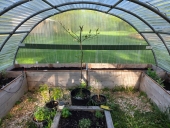
daytime for all 3 Meiwa kumquat tree, 2 from seed and the 1 grafted on Flying dragon is in the smaller green house.  Both GHs are from scrap wood and glass.
SAM_0566.JPG
[Thumbnail for SAM_0566.JPG]
SAM_0567.JPG
[Thumbnail for SAM_0567.JPG]
 
pollinator
Posts: 2824
Location: RRV of da Nort, USA
867
  • Likes 7
  • Mark post as helpful
  • send pies
    Number of slices to send:
    Optional 'thank-you' note:
  • Quote
  • Report post to moderator
I was a bit surprised to see so much twin-wall polycarbonate at a local big-box retailer that seems, for smaller projects, somewhat affordable....?  Such sheets in a 4 X 8 ft format typically sell for around $100 per sheet, but the offering below is coming in just under $60 USD (March 2026 pricing, see attached photo).  And even though it may take a bit of local hunting to find a local receiver for recycling, polycarbonate can be recycled....just not at your local recycling center commonly.
TwinwallPolycarb.jpg
[Thumbnail for TwinwallPolycarb.jpg]
 
Posts: 11
3
  • Likes 5
  • Mark post as helpful
  • send pies
    Number of slices to send:
    Optional 'thank-you' note:
  • Quote
  • Report post to moderator
The book The Northlands Winter Greenhouse by Carol Ford has plans and plants for growing greens in cold climates during winter. They have a nice sequence of falling light to rising light varities that grow in the different light patterns of fall to winter to spring. She and her husband designed and built an insulated greenhouse attached to their garage. They used corrugated polycarbonate panels on a large portion of the walls.
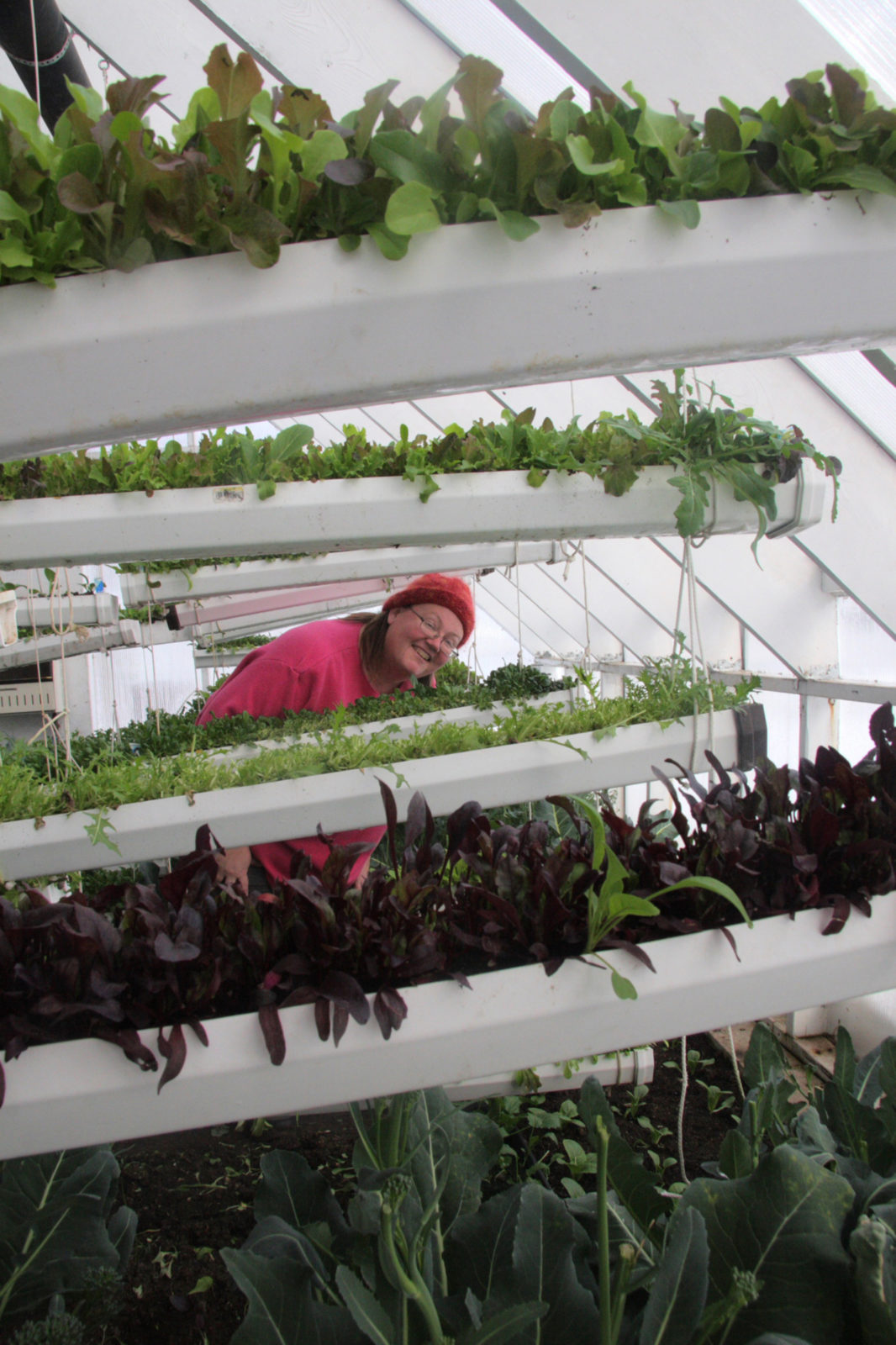
Years later the University of Minnesota started a Deep Winter Greenhouse research program. They worked with Carol (her husband had passed away, sadly) to redesign an insulated greenhouse for winter food production. There are a few models in use around Minnesota and Wisconsin. They now have multiple designs available online at Deep winter greenhouses | UMN Extension https://share.google/umIn3oj1ZGaqNwAje

The University of Minnesota turned a lower cost home greenhouse into a very expensive designer project, but there are plenty of ways to cut down on costs and build it smaller. Reading through the plans and blueprints is interesting.

I have used sliding glass doors to make large cold frames, but they were heavy and didn't handle hail damage. I ended up repacing shattered glass with polycarbonate panels.

I have high tunnels also known as hoophouses with 6 mil uv-stabilized greenhouse plastic. They are around 50 ft long and 17ft to 30ft wide. It is a lot of plastic, and it lasts for years. When we replace the big top plastic we reuse it on smaller low tunnels, over chicken tractors, on chicken run fencing.

I would love a big glass house greenhouse, but that is not in my budget. Old windows around here are too expensive as well being sold as vintage etc.

I would love to hear what you have tried and what works for you.
 
Nancy Reading
steward and tree herder
Posts: 12826
Location: Isle of Skye, Scotland. Nearly 70 inches rain a year
6710
6
transportation dog forest garden foraging trees books food preservation woodworking wood heat rocket stoves ungarbage
  • Likes 5
  • Mark post as helpful
  • send pies
    Number of slices to send:
    Optional 'thank-you' note:
  • Quote
  • Report post to moderator

Miranda Sieh wrote:The book The Northlands Winter Greenhouse by Carol Ford has plans and plants for growing greens in cold climates during winter. They have a nice sequence of falling light to rising light varities that grow in the different light patterns of fall to winter to spring. She and her husband designed and built an insulated greenhouse attached to their garage. They used corrugated polycarbonate panels on a large portion of the walls.  


That sounds interesting - I'm mainly going to use my tunnel for summer crops, but extending the season (relatively easy for my mild winters) would be an interesting thing to try. There's a bit more about the project here


I agree. Here's the link: http://stoves2.com
reply
    Bookmark Topic Watch Topic
  • New Topic