• Post Reply Bookmark Topic Watch Topic
  • New Topic
permaculture forums growies critters building homesteading energy monies kitchen purity ungarbage community wilderness fiber arts art permaculture artisans regional education skip experiences global resources cider press projects digital market permies.com pie forums private forums all forums
this forum made possible by our volunteer staff, including ...
master stewards:
  • Devaka Cooray
  • Carla Burke
  • John F Dean
  • Nancy Reading
  • Timothy Norton
  • r ranson
stewards:
  • Jay Angler
  • Pearl Sutton
  • paul wheaton
master gardeners:
  • Christopher Weeks
  • M Ljin
gardeners:
  • thomas rubino
  • Eino Kenttä
  • Jeremy VanGelder

Benefits of growing rattlesnake master in our gardens.

 
Posts: 1029
34
  • Mark post as helpful
  • send pies
    Number of slices to send:
    Optional 'thank-you' note:
  • Quote
  • Report post to moderator
Morning folks. I wanna find out how do rattlesnake master plants benefit wildlife gardens in this present age. What role do it play in prairie ecosystems and how it aid wildlife in terms of food? Do it have any medicinal benefit to this day? Please show me some more historic proof of any medicinal use by Native Americans and early settlers from the centuries. Have a good day!
 
steward
Posts: 18087
Location: USDA Zone 8a
4610
dog hunting food preservation cooking bee greening the desert
  • Mark post as helpful
  • send pies
    Number of slices to send:
    Optional 'thank-you' note:
  • Quote
  • Report post to moderator
Thank you for bringing this plant to our attention.

I had heard of rattlesnake master plants though I was not sure what they looked like.

Of course, the name “rattlesnake master” prompts all kinds of suggestions as to potential medical uses. The best documented use, made by John Adair during the 1700s, describes the use of the plant’s sap as a preventative to snakebite, used during ceremonial handling of rattlesnakes. The sap and roots were also used to treat a wide variety of maladies and as a diuretic. The Mesquakies used it in their ceremonial rattlesnake dance and used the roots to treat rattlesnake bites.


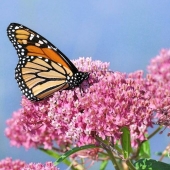
In the prairie or in the garden, rattlesnake master is a favorite of native insects. Monarch butterflies, skippers, and other butterflies visit the flower heads for nectar. Soldier beetles visit the flowers to eat pollen; major pollinators include a diversity of bees, wasps, and flies.


https://www.fs.usda.gov/wildflowers/plant-of-the-week/Eryngium-yuccifolium.shtml


source


source
 
Blake Lenoir
Posts: 1029
34
  • Mark post as helpful
  • send pies
    Number of slices to send:
    Optional 'thank-you' note:
  • Quote
  • Report post to moderator
Morning folks. I just had one rattlesnake growing in my area right now and it flowered. Any ways we could produce more rattlesnake master each year?
 
gardener
Posts: 586
Location: Pembrokeshire, UK
438
2
dog forest garden gear fungi foraging trees building medical herbs woodworking homestead
  • Likes 2
  • Mark post as helpful
  • send pies
    Number of slices to send:
    Optional 'thank-you' note:
  • Quote
  • Report post to moderator
It seems that this plant is a perennial  so you might be able to take cuttings and propagate from the existing plant. If you find it difficult to get the cuttings started, try some rooting hormone or willow water (smash up some willow stems and leave it in water for a day or so, then use this to root the cutting).
 
Blake Lenoir
Posts: 1029
34
  • Mark post as helpful
  • send pies
    Number of slices to send:
    Optional 'thank-you' note:
  • Quote
  • Report post to moderator
How did Native Americans use rattlesnake master for medicine or tea? Are there any steps we take to ensure the plant become an important source of medicine?
 
a short history of short ads:
The new gardening playing cards kickstarter is now live!
https://www.kickstarter.com/projects/paulwheaton/garden-cards
reply
    Bookmark Topic Watch Topic
  • New Topic