• Post Reply Bookmark Topic Watch Topic
  • New Topic
permaculture forums growies critters building homesteading energy monies kitchen purity ungarbage community wilderness fiber arts art permaculture artisans regional education skip experiences global resources cider press projects digital market permies.com pie forums private forums all forums
this forum made possible by our volunteer staff, including ...
master stewards:
  • Nancy Reading
  • Carla Burke
  • John F Dean
  • Timothy Norton
  • r ransom
  • Jay Angler
  • Pearl Sutton
stewards:
  • Devaka Cooray
  • Leigh Tate
  • paul wheaton
master gardeners:
  • Christopher Weeks
gardeners:
  • M Ljin
  • thomas rubino
  • Megan Palmer

Long tap-rooted plants for pond banks

 
pollinator
Posts: 135
Location: Memphis (zone 7b/8a)
56
  • Likes 4
  • Mark post as helpful
  • send pies
    Number of slices to send:
    Optional 'thank-you' note:
  • Quote
  • Report post to moderator
I want to remove the privet that crowds the south-facing perimeter of my pond, but I do value the erosion control provided by those tenacious and expansive root systems. The plan I'm working on is removing the privet piecemeal and replacing it with edible perennials with long tap roots that will help prevent erosion
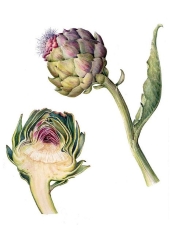
I've got a lot of artichoke and cardoon seed that I hope to put in there, but some variety would be nice and I was wondering what the community here would try in such an area.

A key consideration besides the criteria listed above is not looking too weedy or tall, as my parents have a direct view of this area and I don't want it to look too unkempt for them, nor do I want to obscure their view of the pond.
 
pollinator
Posts: 475
Location: Oz; Centre South
134
trees books cooking fiber arts writing
  • Likes 5
  • Mark post as helpful
  • send pies
    Number of slices to send:
    Optional 'thank-you' note:
  • Quote
  • Report post to moderator
Asparagus? Grows from seed (slow) or 'crowns' - Takes 3 seasons to establish to the point of cutting spears for eating though.  Up to 1 metre tall feathery stalks when left to grow - necessary to allow some to provide energy for the next crop.  Most things leave it alone, but the berries can spread about.
Maybe rhubarb - that loves a damp/wet spot and the roots go on forever.
 
steward
Posts: 18406
Location: USDA Zone 8a
4671
dog hunting food preservation cooking bee greening the desert
  • Likes 4
  • Mark post as helpful
  • send pies
    Number of slices to send:
    Optional 'thank-you' note:
  • Quote
  • Report post to moderator
Vetiver is usually recommended for erosion control.  It has deep roots and also makes a mass.

Here are some threads to introduce vetiver for you or others:

https://permies.com/t/26103/Feedback-vetiver

https://permies.com/t/241423/Vetiver-grass-experiences-buy

Alfalfa is another good choice as the tap root can go down as far as 15 feet.
 
Sam Shade
pollinator
Posts: 135
Location: Memphis (zone 7b/8a)
56
  • Mark post as helpful
  • send pies
    Number of slices to send:
    Optional 'thank-you' note:
  • Quote
  • Report post to moderator

Anne Miller wrote:Vetiver is usually recommended for erosion control.  It has deep roots and also makes a mass.

Here are some threads to introduce vetiver for you or others:

https://permies.com/t/26103/Feedback-vetiver

https://permies.com/t/241423/Vetiver-grass-experiences-buy

Alfalfa is another good choice as the tap root can go down as far as 15 feet.


Think vetiver would survive a 10 F low in winter?

Alfalfa is a great idea.
 
Sam Shade
pollinator
Posts: 135
Location: Memphis (zone 7b/8a)
56
  • Likes 2
  • Mark post as helpful
  • send pies
    Number of slices to send:
    Optional 'thank-you' note:
  • Quote
  • Report post to moderator

Jill Dyer wrote:Asparagus? Grows from seed (slow) or 'crowns' - Takes 3 seasons to establish to the point of cutting spears for eating though.  Up to 1 metre tall feathery stalks when left to grow - necessary to allow some to provide energy for the next crop.  Most things leave it alone, but the berries can spread about.
Maybe rhubarb - that loves a damp/wet spot and the roots go on forever.


My only issue with asparagus is out here it grows even taller. My patch gets closer to 6 feet high and very dense.

Rhubarb would be great tho - from what I've seen it grows wider and lower.

I was thinking horseradish too tho I want to see if the greens are any good before I plant it en masse.
 
Anne Miller
steward
Posts: 18406
Location: USDA Zone 8a
4671
dog hunting food preservation cooking bee greening the desert
  • Likes 3
  • Mark post as helpful
  • send pies
    Number of slices to send:
    Optional 'thank-you' note:
  • Quote
  • Report post to moderator

Sam Shade wrote:Think vetiver would survive a 10 F low in winter?


Extreme climatic conditions: vetiver can survive in prolonged drought, flood and temperatures of -15°C to + 55°C. Its growth is limited by frost but it can handle temperatures below freezing for a short period.


https://www.orchardofflavours.com/vetiver-a-miracle-grass
 
Steward of piddlers
Posts: 7289
Location: Upstate New York, Zone 5b, 43 inch Avg. Rainfall
3940
monies home care dog fungi trees chicken food preservation cooking building composting homestead
  • Likes 2
  • Mark post as helpful
  • send pies
    Number of slices to send:
    Optional 'thank-you' note:
  • Quote
  • Report post to moderator
A potential fun and classic erosion control plant that surprisingly is edible (to me at least) would be cat-tails but they do get tall. You could use them towards the edges of the field of view? You would need to do some management of them but they produce good biomass.
 
Sam Shade
pollinator
Posts: 135
Location: Memphis (zone 7b/8a)
56
  • Likes 2
  • Mark post as helpful
  • send pies
    Number of slices to send:
    Optional 'thank-you' note:
  • Quote
  • Report post to moderator

Timothy Norton wrote:A potential fun and classic erosion control plant that surprisingly is edible (to me at least) would be cat-tails but they do get tall. You could use them towards the edges of the field of view? You would need to do some management of them but they produce good biomass.


Love the idea of cat tails - four-season food production!

 
pollinator
Posts: 224
Location: MD, USA. zone 7
84
  • Likes 7
  • Mark post as helpful
  • send pies
    Number of slices to send:
    Optional 'thank-you' note:
  • Quote
  • Report post to moderator

I was thinking horseradish too tho I want to see if the greens are any good before I plant it en masse.


The younger greens are delicious in salads and stir-fries or cooked as greens. They've got a subtler taste of the root the same sort of way young mustard greens hint of mustard.
 
steward and tree herder
Posts: 12483
Location: Isle of Skye, Scotland. Nearly 70 inches rain a year
6421
6
transportation dog forest garden foraging trees books food preservation woodworking wood heat rocket stoves ungarbage
  • Likes 1
  • Mark post as helpful
  • send pies
    Number of slices to send:
    Optional 'thank-you' note:
  • Quote
  • Report post to moderator

Sam Shade wrote:I want to remove the privet that crowds the south-facing perimeter of my pond, but I do value the erosion control provided by those tenacious and expansive root systems.


So this is a south facing bank? Is it the slope that makes it an erosion risk? How wet? I'm just trying to visualise the layout. I'd plant cardoon and globe artichoke in well drained areas rather than by a pond, but my summer is probably a lot cooler than yours.

Scorzonera (black salsify or Scorzonera hispanica) had very tasty leaves and dandelion like flowers on long stems - it also has a long tap root, which may be good for erosion control. Sweet Cicely (Myrrhis odorata) is a pretty umbellifera beloved of insects, maybe a bit wild looking, but has tasty sweet aniseed flavoured seeds when picked green. long spreading roots like rhubarb, but a little smaller perhaps. The leaves go well with rhubarb as it really does reduce the amount of sugar to make the rhubarb palatable. Day lillies have pretty tough root systems I believe and are also very ornamental.
 
Sam Shade
pollinator
Posts: 135
Location: Memphis (zone 7b/8a)
56
  • Likes 4
  • Mark post as helpful
  • send pies
    Number of slices to send:
    Optional 'thank-you' note:
  • Quote
  • Report post to moderator

Nancy Reading wrote:

Sam Shade wrote:I want to remove the privet that crowds the south-facing perimeter of my pond, but I do value the erosion control provided by those tenacious and expansive root systems.


So this is a south facing bank? Is it the slope that makes it an erosion risk? How wet? I'm just trying to visualise the layout. I'd plant cardoon and globe artichoke in well drained areas rather than by a pond, but my summer is probably a lot cooler than yours.

Scorzonera (black salsify or Scorzonera hispanica) had very tasty leaves and dandelion like flowers on long stems - it also has a long tap root, which may be good for erosion control. Sweet Cicely (Myrrhis odorata) is a pretty umbellifera beloved of insects, maybe a bit wild looking, but has tasty sweet aniseed flavoured seeds when picked green. long spreading roots like rhubarb, but a little smaller perhaps. The leaves go well with rhubarb as it really does reduce the amount of sugar to make the rhubarb palatable. Day lillies have pretty tough root systems I believe and are also very ornamental.


It's the ridge above the short sloping bank. My concern is that without the privet roots holding the ridge in place, the rains will crumble the ridge and turn the whole area into a slope.


The soil on this ridge drains pretty well - probably because of how much gravel has made its way down from an old gravel path in the other side of the pond fence.

I've got lots of artichoke and cardoon seed handy and I've had some success with cardoon, which is the main reason I was planning to incorporate them.
 
gardener
Posts: 3626
Location: Western Slope Colorado.
829
5
goat dog food preservation medical herbs solar greening the desert
  • Likes 7
  • Mark post as helpful
  • send pies
    Number of slices to send:
    Optional 'thank-you' note:
  • Quote
  • Report post to moderator
Did anyone suggest milkweed?  The showy one is edible according to the edible weeds and natives reference I saw a few years ago.  Some milkweed are toxic but some are not.

I have eaten the stems of showy milkweed….🤣 and lived to tell the tale

Here’s a link
https://www.foragecolorado.com/post/foraging-and-eating-showy-milkweed
 
Thekla McDaniels
gardener
Posts: 3626
Location: Western Slope Colorado.
829
5
goat dog food preservation medical herbs solar greening the desert
  • Likes 5
  • Mark post as helpful
  • send pies
    Number of slices to send:
    Optional 'thank-you' note:
  • Quote
  • Report post to moderator
Addendum: I gathered the stems when they were young and tender. I removed the leaves and cooked it like fresh asparagus. When I am gathering fresh asparagus, I collect as much of the stem as snaps off easily. When it gets older, it also gets tougher and doesn’t snap,  it seems woody or vascular fiber develops with time.
 
This. Exactly this. This is what my therapist has been talking about. And now with a tiny ad:
permaculture bootcamp - gardening gardeners; grow the food you eat and build your own home
https://permies.com/wiki/bootcamp
reply
    Bookmark Topic Watch Topic
  • New Topic