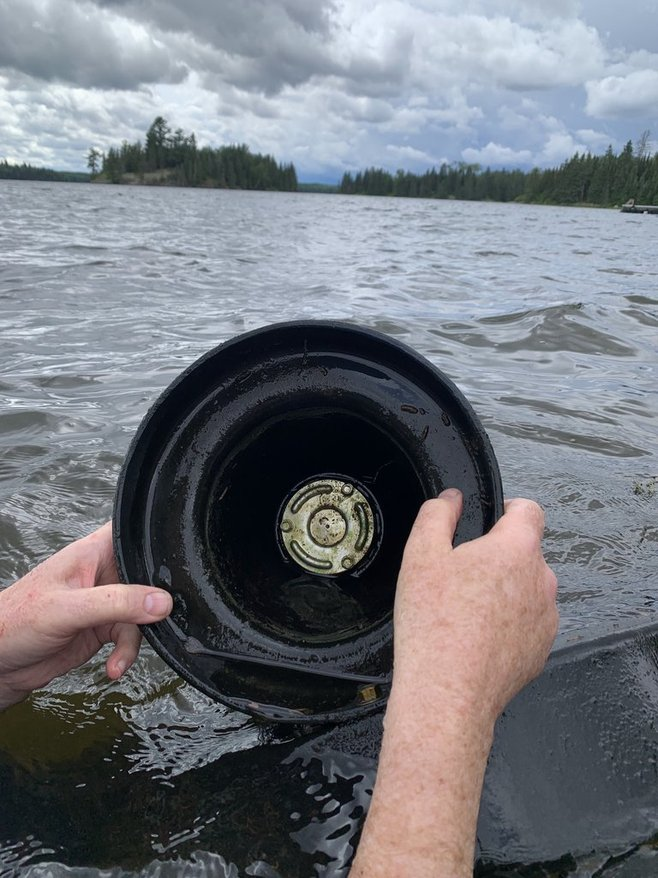
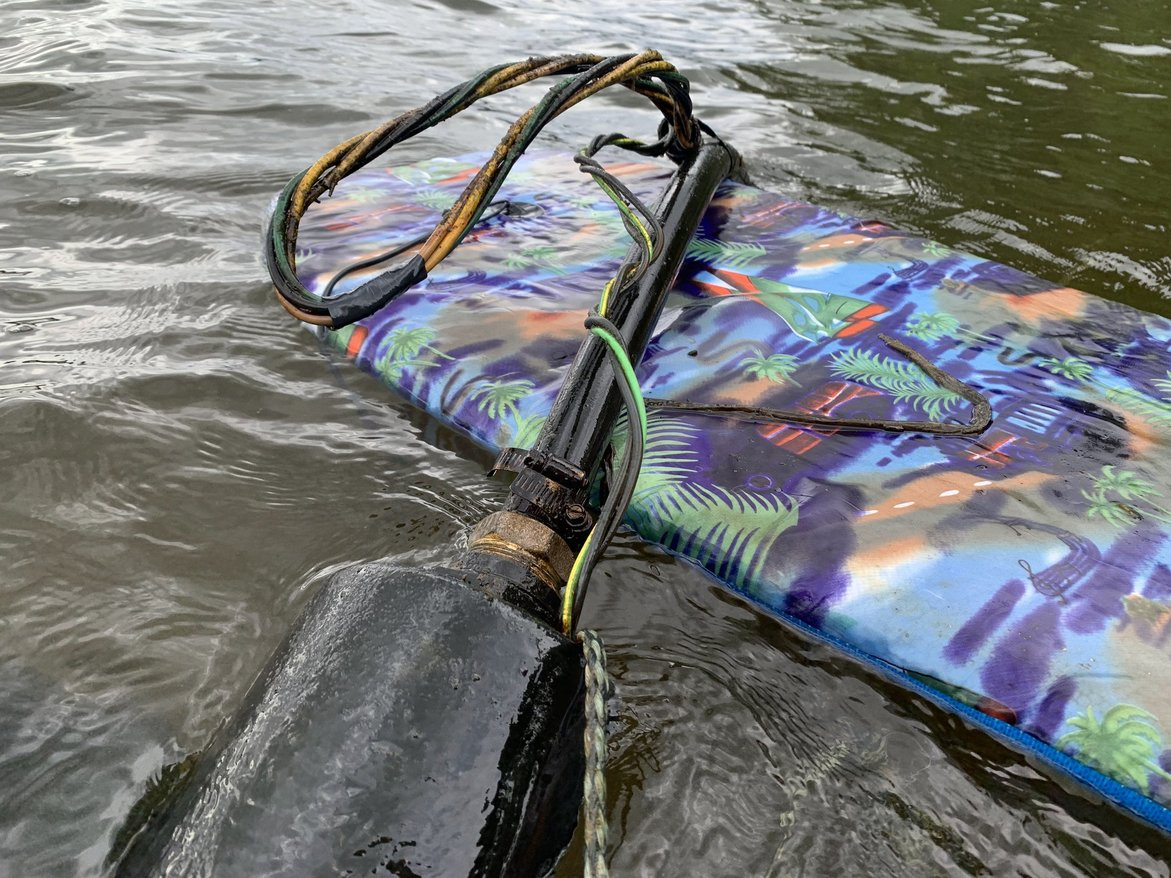
• Post Reply Bookmark Topic Watch Topic
  • New Topic
permaculture forums growies critters building homesteading energy monies kitchen purity ungarbage community wilderness fiber arts art permaculture artisans regional education skip experiences global resources cider press projects digital market permies.com pie forums private forums all forums
this forum made possible by our volunteer staff, including ...
master stewards:
  • Carla Burke
  • John F Dean
  • Nancy Reading
  • r ransom
  • Jay Angler
  • Timothy Norton
stewards:
  • paul wheaton
  • Pearl Sutton
  • Anne Miller
master gardeners:
  • Christopher Weeks
  • M Ljin
gardeners:
  • Jim Garlits
  • thomas rubino
  • William Bronson

Lake Pump Breaker Keeps Tripping

 
Posts: 28
2
  • Likes 1
  • Mark post as helpful
  • send pies
    Number of slices to send:
    Optional 'thank-you' note:
  • Quote
  • Report post to moderator
At my off grid cabin I have a submersible pump in the lake that feeds a pressure tank for water in the cabin.  The pump is on a dedicated 15A breaker in my panel.  Everytime the pump is called on it successfully fills the tank almost to end of cycle but then the breaker trips right before reaching final PSI (60).  Happens every time.  I have done much trouble shooting but can't solve it.  Any suggestions to figure this out would be much appreciated.

System:
- Red Lion RL12G05-2W1V
- 1/2 HP, 115V, 2-wire submersible
- Installed summer 2024
- Lake water system feeding pressure tank
- Pump left in lake over winter
- Franklin Electric disconnect/control box under cabin

Symptoms:
- Pump starts and pumps water normally
- Breaker hums while pump runs
- Pressure rises from ~50 PSI to ~58 PSI
- After ~20 seconds breaker trips before cutout pressure
- Voltage drops from 119.6V idle to ~111V under load

What I checked:
- Swapped breaker with known good breaker → same problem
- Pressure switch has proper voltage
- No obvious burned terminals
- Pump does move water before trip
- Lake had heavy algae/slime last summer
- Pump has never been pulled or cleaned since install

Wiring details:
- Pump label clearly says 2-wire 115V
- Lake cable has black/yellow/red/green conductors
In Franklin box:
- black → L1
- yellow → L2
- green → ground
- red unused/capped
Franklin box appears to be acting mainly as disconnect/junction, not true 3-wire control box

Questions:
Most likely cause?
overloaded/dirty pump?
failing motor?
bad underwater splice/cable?
voltage drop?
pressure switch issue?
Would algae/slime buildup on intake or impeller cause this exact symptom: runs ~20 sec then trips?
Is it common to leave lake pumps submerged year-round for multiple seasons?

Would your next step be:
-  pull/clean pump (maybe gunked up causing high current draw?)
- Trace the wires from lake back to Franklin box (huge pain in the butt to do this)
- bypass Franklin box,
- or replace pressure switch?

Thanks!!!
 
master pollinator
Posts: 5771
Location: Canadian Prairies - Zone 3b
1656
  • Likes 3
  • Mark post as helpful
  • send pies
    Number of slices to send:
    Optional 'thank-you' note:
  • Quote
  • Report post to moderator
Hm. That's annoying.

Voltage drop -- how long is the wire run to the pump? What gauge wire is being used?
 
Jon Bee
Posts: 28
2
  • Likes 2
  • Mark post as helpful
  • send pies
    Number of slices to send:
    Optional 'thank-you' note:
  • Quote
  • Report post to moderator

Douglas Alpenstock wrote:Hm. That's annoying.

Voltage drop -- how long is the wire run to the pump? What gauge wire is being used?


Yes! Very annoying.  The run is about 100 feet and the wire is 12 Gauge.  I think that is fine?

When the pump kicks in, I measured the voltage dropping to 111.4V while the pump was running, before the breaker tripped about 20 seconds later.


pollinator
Posts: 590
94
  • Likes 1
  • Mark post as helpful
  • send pies
    Number of slices to send:
    Optional 'thank-you' note:
  • Quote
  • Report post to moderator
Your location please? Do you have hard freezing of lake for months at a time?
I apologize for asking now, but I'm curious, did you originally consider the simplicity of a DC pump?
 
Jon Bee
Posts: 28
2
  • Likes 2
  • Mark post as helpful
  • send pies
    Number of slices to send:
    Optional 'thank-you' note:
  • Quote
  • Report post to moderator

Rico Loma wrote:Your location please? Do you have hard freezing of lake for months at a time?
I apologize for asking now, but I'm curious, did you originally consider the simplicity of a DC pump?

We are located close to Kenora, Ontario in Canada.  The lake we are on freezes from December to April each year but the pump is near the bottom so does not freeze.  

I only purchased this cabin in the summer of 2025 and the original owner had just replaced the pump in July of 2025 with a new red lion 1/2 HP, 115V, 2-wire submersible pump.  So the pump is less than two years old.  He told me no-one on the lake removes the pump for the winter so I have never pulled it out of the lake.  The pump ran fine last summer but did have a few breaker trips.  This year it trips every time the pump runs but only after about 20 seconds when the pressure hits ~58 PSI (never gets to 60 PSI which is the cutoff).

I have never considered a DC pump because this pump is relatively new so not ready to replace it unless of course it is failing and causing the breaker trips.  Not sure on that yet.


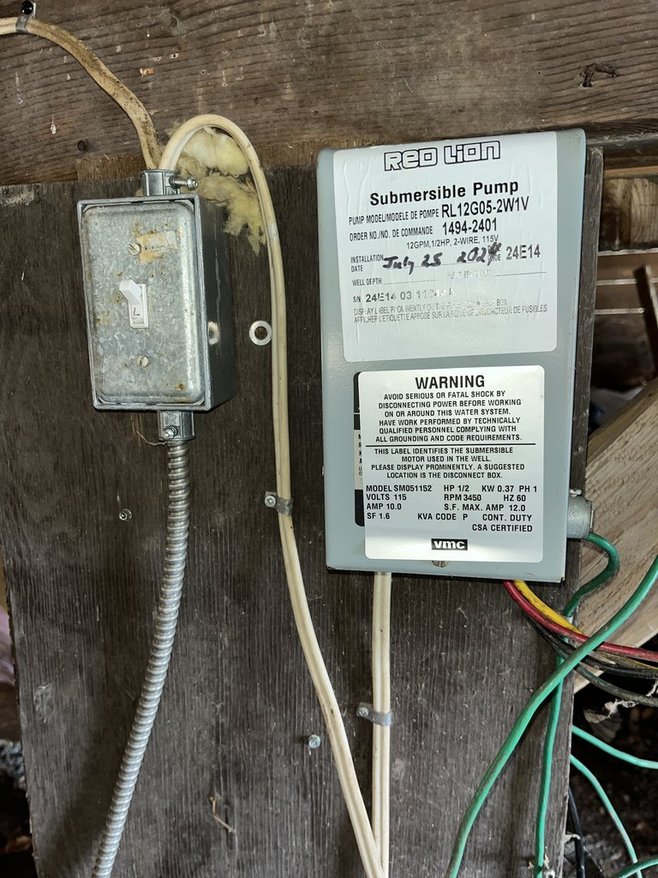
Pump-label.jpeg
Pump Label
Pump Label
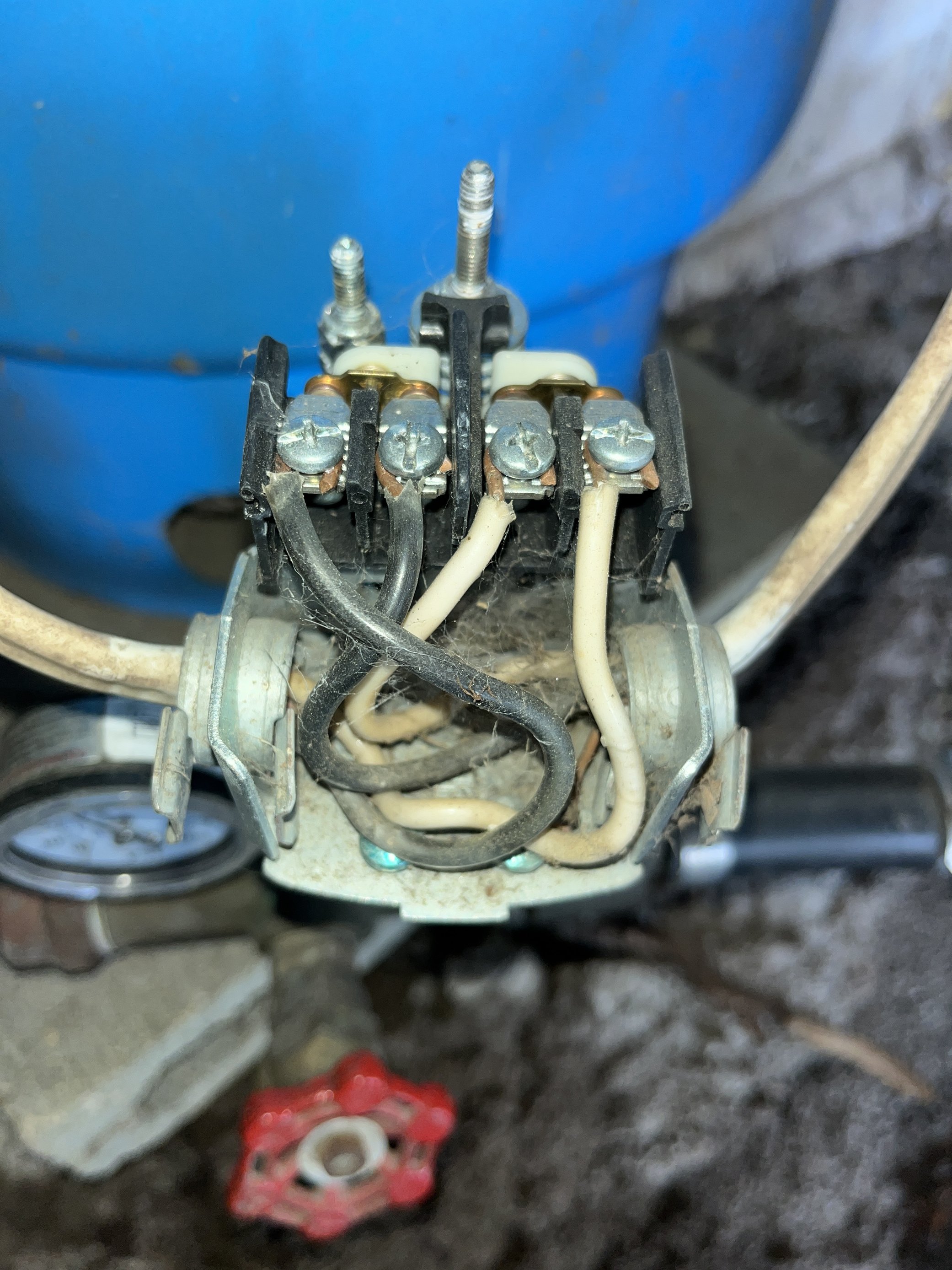
Pressure-Switch.jpeg
Pressure
Pressure
 
pollinator
Posts: 548
Location: Oz; Centre South
185
trees books cooking fiber arts writing
  • Likes 4
  • Mark post as helpful
  • send pies
    Number of slices to send:
    Optional 'thank-you' note:
  • Quote
  • Report post to moderator
Experienced a similar problem with a pottery kiln.  The fuse turned out to be too small (sorry to get technical!) and once that was swapped out for a larger capacity one, everything was fine.
NB I failed Physics. . .
 
Rico Loma
pollinator
Posts: 590
94
  • Likes 6
  • Mark post as helpful
  • send pies
    Number of slices to send:
    Optional 'thank-you' note:
  • Quote
  • Report post to moderator
Many others here with superior electrical knowledge......well, could also be true on a preteen Taylor Swift website.....but you could try a new switch. I see them for 40 usd at Lowes, less at the feed store and discount center nearby.  Last year I had to replace mine (well pump) after some intense days of lightning storms.  It looked fine but often malfunctioned.  You have a new pump but how old is your switch?
And it may be a hassle, but please look at the pump itself.  Being low enough to withstand freezing puts it in more contact with slime, goo, algae, and other wonderful things.  Then you can decide if the screen on the pump is adequate for the task.  
 
Jon Bee
Posts: 28
2
  • Likes 2
  • Mark post as helpful
  • send pies
    Number of slices to send:
    Optional 'thank-you' note:
  • Quote
  • Report post to moderator

Rico Loma wrote:Many others here with superior electrical knowledge......well, could also be true on a preteen Taylor Swift website.....but you could try a new switch. I see them for 40 usd at Lowes, less at the feed store and discount center nearby.  Last year I had to replace mine (well pump) after some intense days of lightning storms.  It looked fine but often malfunctioned.  You have a new pump but how old is your switch?
And it may be a hassle, but please look at the pump itself.  Being low enough to withstand freezing puts it in more contact with slime, goo, algae, and other wonderful things.  Then you can decide if the screen on the pump is adequate for the task.  


Yes I have tested everything except the pump itself.  The switch seems to work fine and has no corrosion or burnt spots.

I agree could be that the pump is gummed up with slime and algae so it is working harder, drawing more current and eventually trips the breaker.  I am going to pull the pump out of the lake next but the lake is still pretty cold.  
 
Douglas Alpenstock
master pollinator
Posts: 5771
Location: Canadian Prairies - Zone 3b
1656
  • Likes 4
  • Mark post as helpful
  • send pies
    Number of slices to send:
    Optional 'thank-you' note:
  • Quote
  • Report post to moderator
(Pardon my disjointed post. Editing on a phone touchscreen is enough to drive one to murther.)

I'm looking at this from a whole system perspective -- what could be causing the high current draw near the end of the pumping cycle? Some thoughts:

-- Offhand I would guess the wire size is adequate for the length of the run. But at 115v there would be a voltage drop. An intermittent short is possible due to chafing or vibration.

--If the base pressure in the pressure tank is too low (the ~30 psi air cushion acts as a spring) the pump is basically pushing hard against a brick wall before the pressure switch shuts it off.

--Biofouling in the pump itself could partially reduce water flow. That flow provides some of the cooling for the pump motor. If the motor windings are running a lot hotter than they are supposed to, the resistance increases.

Possible solutions:
-- First, the simplest option:  adjust the pressure switch to operate in a 40 - 55 psi range, which is not unreasonable for a country water system.

-- Empty the pressure tank. Check and adjust the base pressure to ensure a proper air cushion.

--  Right after the breaker  kicks off, use a multimeter to test the resistance of the pump circuit. Zero resistance indicates a short circuit somewhere.

-- If possible, backflow the pump to try to clear out any bio-fouling. There will be a check valve somewhere in the system that would need to be bypassed, and depending on its location this could be a challenge.
 
Jon Bee
Posts: 28
2
  • Likes 3
  • Mark post as helpful
  • send pies
    Number of slices to send:
    Optional 'thank-you' note:
  • Quote
  • Report post to moderator

Douglas Alpenstock wrote:(Pardon my disjointed post. Editing on a phone touchscreen is enough to drive one to murther.)

I'm looking at this from a whole system perspective -- what could be causing the high current draw near the end of the pumping cycle? Some thoughts:

-- Offhand I would guess the wire size is adequate for the length of the run. But at 115v there would be a voltage drop. An intermittent short is possible due to chafing or vibration.

--If the base pressure in the pressure tank is too low (the ~30 psi air cushion acts as a spring) the pump is basically pushing hard against a brick wall before the pressure switch shuts it off.

--Biofouling in the pump itself could partially reduce water flow. That flow provides some of the cooling for the pump motor. If the motor windings are running a lot hotter than they are supposed to, the resistance increases.

Possible solutions:
-- First, the simplest option:  adjust the pressure switch to operate in a 40 - 55 psi range, which is not unreasonable for a country water system.

-- Empty the pressure tank. Check and adjust the base pressure to ensure a proper air cushion.

--  Right after the breaker  kicks off, use a multimeter to test the resistance of the pump circuit. Zero resistance indicates a short circuit somewhere.

-- If possible, backflow the pump to try to clear out any bio-fouling. There will be a check valve somewhere in the system that would need to be bypassed, and depending on its location this could be a challenge.


Yup I hate those small touch screens.  I have started to use the dictate button now for long messages. My old thumbs are too slow.

Thanks for the great suggestions. Going to do these today and post on it.

Really hoping there is not an intermittent short somewhere in the wire because this will be the hardest thing to find and fix.  So will try your other suggestions first.

Today I will adjust the pressure switch to operate in a 40 - 55 psi range.  I wondered about that too, 60 seems high and the tank gets to 55 without tripping the breaker.

EDIT:  I just backed the pressure switch down and the pressure went from 20 PSI to 40 PSI.  The breaker still trips every time it reaches 40 PSI.  It seems like no matter what the range is set at, the pump will run fine for 10-20 seconds, then get to top of range and the breaker trips.  Maybe I should replace the pressure switch?

I don't know how to do this ---> "Empty the pressure tank. Check and adjust the base pressure to ensure a proper air cushion."

What should the base pressure of the pressure tank be?

When I started pump for the first time this year, the water that came out of the pressure tank was full of sediment, very thick.  So emptying it and flushing is a good idea.  If I knew how.  Will Google it.

"Right after the breaker  kicks off, use a multimeter to test the resistance of the pump circuit. Zero resistance indicates a short circuit somewhere."
To do this I would need to disconnect the wires on the load side of the pressure switch to isolate the pump and then put my meter on those wires.  Or do you mean don't disconnect those wires and just immediately measure resistance on the load side when the breaker trips?

"Biofouling in the pump itself could partially reduce water flow. "   I was hoping this was the main issue since the pump works for about 20 seconds getting pressure up to about 58 PSI before tripping.  So maybe just so gunked up it is labouring, drawing more current so finally trips.  But don't have help today so may not be able to get pump out of lake yet.  And it is still very cold in the lake.


Douglas Alpenstock
master pollinator
Posts: 5771
Location: Canadian Prairies - Zone 3b
1656
  • Likes 1
  • Mark post as helpful
  • send pies
    Number of slices to send:
    Optional 'thank-you' note:
  • Quote
  • Report post to moderator

Jon Bee wrote:EDIT:  I just backed the pressure switch down and the pressure went from 20 PSI to 40 PSI.  The breaker still trips every time it reaches 40 PSI.  It seems like no matter what the range is set at, the pump will run fine for 10-20 seconds, then get to top of range and the breaker trips.  Maybe I should replace the pressure switch?


Actually that's a useful troubleshooting step. I think it eliminates the pressure switch as the source of the problem.

Now we know that the current draw of the pump hits a critical high point in 10-20 seconds, no matter what. That tells us the pump is working extra hard, either due to an inadequate air cushion in the pressure tank or clogging at the pump.

Jon Bee wrote:I don't know how to do this ---> "Empty the pressure tank. Check and adjust the base pressure to ensure a proper air cushion."

What should the base pressure of the pressure tank be?

When I started pump for the first time this year, the water that came out of the pressure tank was full of sediment, very thick.  So emptying it and flushing is a good idea.  If I knew how.  Will Google it.


At this stage, all that needs to be done is to open a low tap in your water system and take of all pressure in the tank.

If it's a modern tank, there will be an automotive-style valve stem sticking out the top of the tank. It looks just like the valve stem on a tire, and works the same way. A modern tank has an air bladder at the top that acts like a spring and should have roughly 30 psi in it (ideally it's about 2 psi below the cut-in pressure of the pressure switch). Use an automotive tire gauge to see how much pressure is in the air bladder.

Add or remove air pressure as needed, based on the pressure switch setting. Then power up the well pump and see what happens.

Jon Bee wrote:
"Biofouling in the pump itself could partially reduce water flow. "   I was hoping this was the main issue since the pump works for about 20 seconds getting pressure up to about 58 PSI before tripping.  So maybe just so gunked up it is labouring, drawing more current so finally trips.  But don't have help today so may not be able to get pump out of lake yet.  And it is still very cold in the lake.


This is looking like the most likely culprit. If the pressure tank's air bladder has roughly the right pressure and the breaker still trips, I think pulling up and cleaning the pump is next on the list.
 
Rico Loma
pollinator
Posts: 590
94
  • Likes 1
  • Mark post as helpful
  • send pies
    Number of slices to send:
    Optional 'thank-you' note:
  • Quote
  • Report post to moderator
Yes, as Douglas points out, new switch before pulling pump.  Mine looked great but was affected, not by time , and looked perfect with no discoloration.  It still had to be sacrificed.  
 
Jon Bee
Posts: 28
2
  • Likes 1
  • Mark post as helpful
  • send pies
    Number of slices to send:
    Optional 'thank-you' note:
  • Quote
  • Report post to moderator
Thanks again for the responses. Sorry for the weird formatting.  I'm trying to figure out how to respond while keeping your post intact Douglas.  Best I can figure out is to put my responses in bold because it is imbedding them inside of your post.

Douglas Alpenstock wrote:

Jon Bee wrote:EDIT:  I just backed the pressure switch down and the pressure went from 20 PSI to 40 PSI.  The breaker still trips every time it reaches 40 PSI.  It seems like no matter what the range is set at, the pump will run fine for 10-20 seconds, then get to top of range and the breaker trips.  Maybe I should replace the pressure switch?


Actually that's a useful troubleshooting step. I think it eliminates the pressure switch as the source of the problem.

I agree.  I found a brand new pressure switch in my shed so yesterday I went to change it but my neighbor came by and I ran out of time and had to head back to city.  Will change it on next trip out.  

My chat with the nieghbor was very informative.  He agrees with you Douglas that I should pull the pump out of the lake, inspect it for bad connections and give it a good clean.  He has been on the lake for 15 years and pulls and cleans his every year.  He also said he put his in a rubermaid tub filled with rocks sitting on the bottom so that it doesn't pull the guck and silt right off the bottom.  Since I have only had this cabin for 1.5 seasons, I have not pulled the pump ever.  That will be top of the list on my next trip out tomorrow.  My nieghbor also mentioned the lake is still so cold that he would not go in yet.

Before my nieghbor arrived I had disconnected the two wires (L1 , L2) on the pressure switch to disconnect the pump.  I then turned the power back on and the breaker never tripped.  So this proves all of my wiring and breaker and Franklin box (and pressure switch too?) are not the cause of the breaker trips.  I think that isolates the issue as being either the wires running in the conduit out to the pump or the pump itself.  

With those wires disconnected, I measured 2.3 ohms.  I think this is a normal reading for a pump meaning the motor windings are electrically connected, the cable is not broken, and there is not a dead short.  But it doesn't mean the pump isn't jammed up or there isn't a connection issue at the pump. So definitely need to pull the pump.


Now we know that the current draw of the pump hits a critical high point in 10-20 seconds, no matter what. That tells us the pump is working extra hard, either due to an inadequate air cushion in the pressure tank or clogging at the pump.

Jon Bee wrote:I don't know how to do this ---> "Empty the pressure tank. Check and adjust the base pressure to ensure a proper air cushion."

What should the base pressure of the pressure tank be?

When I started pump for the first time this year, the water that came out of the pressure tank was full of sediment, very thick.  So emptying it and flushing is a good idea.  If I knew how.  Will Google it.


At this stage, all that needs to be done is to open a low tap in your water system and take of all pressure in the tank.

If it's a modern tank, there will be an automotive-style valve stem sticking out the top of the tank. It looks just like the valve stem on a tire, and works the same way. A modern tank has an air bladder at the top that acts like a spring and should have roughly 30 psi in it (ideally it's about 2 psi below the cut-in pressure of the pressure switch). Use an automotive tire gauge to see how much pressure is in the air bladder.

Add or remove air pressure as needed, based on the pressure switch setting. Then power up the well pump and see what happens.

Yes I found that valve stem on the tank yesterday.  The tank flush is now also on my to do list on next trip.

Jon Bee wrote:
"Biofouling in the pump itself could partially reduce water flow. "   I was hoping this was the main issue since the pump works for about 20 seconds getting pressure up to about 58 PSI before tripping.  So maybe just so gunked up it is labouring, drawing more current so finally trips.  But don't have help today so may not be able to get pump out of lake yet.  And it is still very cold in the lake.


This is looking like the most likely culprit. If the pressure tank's air bladder has roughly the right pressure and the breaker still trips, I think pulling up and cleaning the pump is next on the list.

 
Jon Bee
Posts: 28
2
  • Likes 1
  • Mark post as helpful
  • send pies
    Number of slices to send:
    Optional 'thank-you' note:
  • Quote
  • Report post to moderator
I have done much more investigating and research...

The previous owner installed this 2 wire pump just before I bought the cabin. So perhaps he removed the old 240V pump and replaced it with this 120V pump drawing twice the current. So good possibility the breaker is undersized.

Maybe when new the pump didn't trip the breaker but was close to the edge and now with a little wear on the pump and some sludge build up it is now pushed over the edge.

I was looking at the Franklin AIM Manual and it says for my motor spec I can go 160' with 12ga wire.  

I just measured all distances. It goes like this...

Pump to shore = 30'
Shore to Franklin Box = 105'
Franklin Box to Pressure Switch = 5'
Franklin Box to Electrical on/off switch = 4'
Electrical on/off switch to Breaker in Panel = 17'

So total measured wire run is 161' The first 135' from pump to Franklin Box is either 10ga or 8ga. The remaining 26' from Franklin Box to Breaker in panel is 12ga. So that is at the high end of the Franklin spec of 160' for 12ga wire. But I have a combo.

The question is, if my wire is acceptable, can I switch my 15A breaker to 20A?

The Franklin Manual actually specs it at a 30A breaker for my pump but I'm not sure.  What breaker do most people use with a two wire 120V submersible pump with 12ga wire?  A 20A or 15A breaker?  Because the problem is sounding more like an undersized breaker - I think?

EDIT:  I went ahead and swapped in the 20A breaker based on the info in the Franklin tables.  I now see no breaker trips (so far after a few fills).  The pump kicks in at 38 PSI and kicks off at 58 PSI after about 28 seconds.  Nothing feels warm - breaker, pressure switch, wires.  So I'll monitor it now and hopefully was just an undersized breaker.


Posts: 2
Location: Holly springs NC
  • Mark post as helpful
  • send pies
    Number of slices to send:
    Optional 'thank-you' note:
  • Quote
  • Report post to moderator
I had a similar problem with a 3/4 horse jet pump that the wire was just a little long from the NEC spec. Breakers kept popping. Found out eventually that the Chinese manufactured contactors are not quite up to snuff compared to the one from Siemens ite or Square D. Fixed the problem. Eventually went to half horse turbine pump.
Mike
 
Posts: 12
Location: Zone 9 & 6b
5
cat gear
  • Likes 2
  • Mark post as helpful
  • send pies
    Number of slices to send:
    Optional 'thank-you' note:
  • Quote
  • Report post to moderator
The short run time makes finding a voltage drop across a component difficult.

Reviewing your photos. I see a “ light switch”  in a 2 x 4 J box. if that is being used as a service disconnect,,  I would most definitely check it.
Difficult to tell from the photo, but it does not look like the proper motor rated switch that should be in that position; if it is the service disconnect.
While a standard light switch is rated for 15 apps that is not meant to be for an inductive load like your motor.
The correct switch has heavier contacts and a stronger snap mechanism to open and close the contacts faster.
The proper type switch will list its horsepower rating on it.

I would also be interested in seeing a photo of what is inside the gray box with the model serial tag on it.
Wile, I don’t see how it’s possible with the two wire set up like you, indicated, I would be looking for a start and possibly a run capacitor for a fractional horse 120 V single phase motor.
if there are capacitors in that box, they need to be checked.
Shut off, and there’s no power, disconnect one side of capacitor, and hopefully you have a meter with a micro function, or you can check actual rated printed on the capacitor. Barring that you could use your multimeter set to Holmes and after discharging of capacitor, put one on either side, and your arms will slowly rise as you charge up the capacitor from your meter.
Well, this doesn’t tell you the micro repair it does show you the capacitor is at least partially functional?

if there is a start capacitor there would be some kind of relay to take it out of the circuit after the motor starts there’s no easy way for me to describe how to check that.
As much as I hate troubleshooting my parts replacement that’s probably your best option if there are components in that box.
 
Douglas Alpenstock
master pollinator
Posts: 5771
Location: Canadian Prairies - Zone 3b
1656
  • Likes 1
  • Mark post as helpful
  • send pies
    Number of slices to send:
    Optional 'thank-you' note:
  • Quote
  • Report post to moderator
I'm glad you have a solution for the moment. I thought it was odd that it wasn't a 240V system, which is standard for well pumps. I suspect you're right, the previous owner jury rigged it to save money on the pump.

Even with the 20A breaker (which should be safe given the wire), at 120V you already have a 9V line loss before the final run to the pump. So the pump is running at a lower voltage, which makes it run hot (counterintuitive), which draws more current. The only risk is a reduced service life for the pump. Naturally these things fail at the most inconvenient time.
 
Jon Bee
Posts: 28
2
  • Mark post as helpful
  • send pies
    Number of slices to send:
    Optional 'thank-you' note:
  • Quote
  • Report post to moderator

Ray Schmidt wrote:The short run time makes finding a voltage drop across a component difficult.

Reviewing your photos. I see a “ light switch”  in a 2 x 4 J box. if that is being used as a service disconnect,,  I would most definitely check it.
Difficult to tell from the photo, but it does not look like the proper motor rated switch that should be in that position; if it is the service disconnect.
While a standard light switch is rated for 15 apps that is not meant to be for an inductive load like your motor.
The correct switch has heavier contacts and a stronger snap mechanism to open and close the contacts faster.
The proper type switch will list its horsepower rating on it.

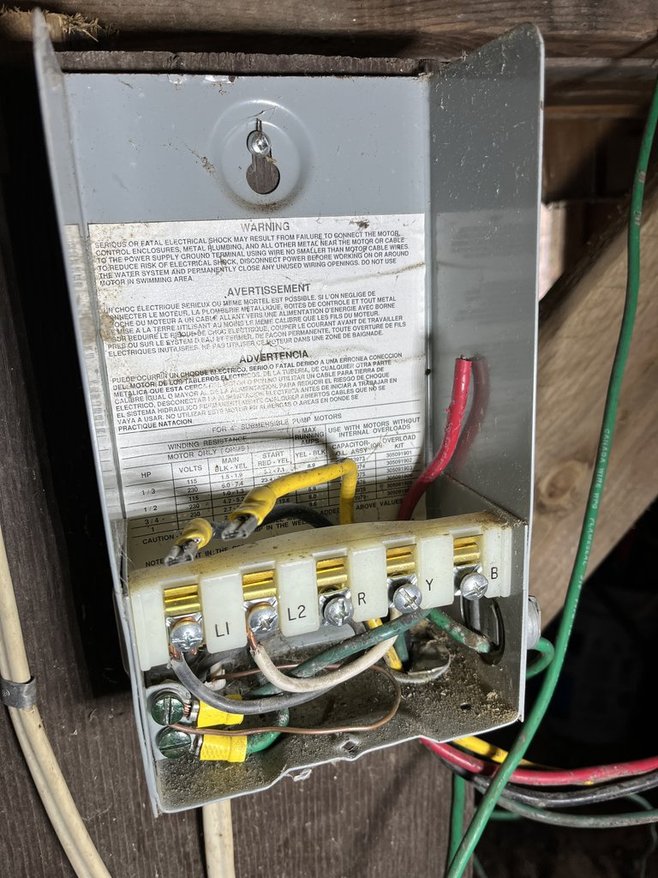
I would also be interested in seeing a photo of what is inside the gray box with the model serial tag on it.
Wile, I don’t see how it’s possible with the two wire set up like you, indicated, I would be looking for a start and possibly a run capacitor for a fractional horse 120 V single phase motor.
if there are capacitors in that box, they need to be checked.
Shut off, and there’s no power, disconnect one side of capacitor, and hopefully you have a meter with a micro function, or you can check actual rated printed on the capacitor. Barring that you could use your multimeter set to Holmes and after discharging of capacitor, put one on either side, and your arms will slowly rise as you charge up the capacitor from your meter.
Well, this doesn’t tell you the micro repair it does show you the capacitor is at least partially functional?

if there is a start capacitor there would be some kind of relay to take it out of the circuit after the motor starts there’s no easy way for me to describe how to check that.
As much as I hate troubleshooting my parts replacement that’s probably your best option if there are components in that box.


Yes I am going to totally remove that light switch and run the 12/2 that comes from the panel (with now a 20A breaker) straight to the Franklin box.

I uploaded a photo to show what is what is inside the Franklin box.  I see no capacitors.  I think it is just being used as a junction box.
The white cable on the left is the 12/2 coming from the light switch.  The red, green, yellow, black are the wires running out to the pump.  They are heavier than the 12ga.  Look like 10 or 8ga.

Since I replaced the 15A breaker with the 20A breaker, I have seen no more trips.

Franklin-Box.jpeg
Franklin Box
Franklin Box
 
Posts: 3
1
  • Likes 2
  • Mark post as helpful
  • send pies
    Number of slices to send:
    Optional 'thank-you' note:
  • Quote
  • Report post to moderator
Change the breaker. 15A is marginal for inrush surges.  The voltage drop from ~119.6 idle to ~ 111 V  under load makes it worse.  Lower voltage forces the motor to draw more current.  Lastly, the smoking gun could be biofouling.  You need to look into this.  Maybe finding a way to use compressed air to force exactly the right concentration and volume from a tank holding pool cleaning algecide to only fill the volute of your system would be better then dredging the entire system for a manual cleanup.  Let it sit in there until the algecide does its work, then force clean water out the same way
 
Jon Bee
Posts: 28
2
  • Mark post as helpful
  • send pies
    Number of slices to send:
    Optional 'thank-you' note:
  • Quote
  • Report post to moderator

Luc Drouin wrote:Change the breaker. 15A is marginal for inrush surges.  The voltage drop from ~119.6 idle to ~ 111 V  under load makes it worse.  Lower voltage forces the motor to draw more current.  Lastly, the smoking gun could be biofouling.  You need to look into this.  Maybe finding a way to use compressed air to force exactly the right concentration and volume from a tank holding pool cleaning algecide to only fill the volute of your system would be better then dredging the entire system for a manual cleanup.  Let it sit in there until the algecide does its work, then force clean water out the same way


Yes definatly going to look into biofouling.  The pump has not been pulled or cleaned since it was installed in July of 2024.  The lake is finally warming up so I'm going to go in this weekend.

Also agree that the 15A breaker was undersized based on the pump type.  As I mentioned, I changed to a 20A breaker and have had no trips since then.
 
Yup, yup, yup. Tiny ad:
Workee-job sucks? Quit and live the permaculture way in Montana
https://wheaton-labs.com/bootcamp
reply
    Bookmark Topic Watch Topic
  • New Topic