• Post Reply Bookmark Topic Watch Topic
  • New Topic
permaculture forums growies critters building homesteading energy monies kitchen purity ungarbage community wilderness fiber arts art permaculture artisans regional education skip experiences global resources cider press projects digital market permies.com pie forums private forums all forums
this forum made possible by our volunteer staff, including ...
master stewards:
  • Carla Burke
  • John F Dean
  • Nancy Reading
  • r ransom
  • Jay Angler
  • Timothy Norton
stewards:
  • paul wheaton
  • Pearl Sutton
  • Anne Miller
master gardeners:
  • Christopher Weeks
  • M Ljin
gardeners:
  • Jim Garlits
  • thomas rubino
  • William Bronson

Storing lumber at an off grid site

 
Posts: 12
1
  • Likes 6
  • Mark post as helpful
  • send pies
    Number of slices to send:
    Optional 'thank-you' note:
  • Quote
  • Report post to moderator
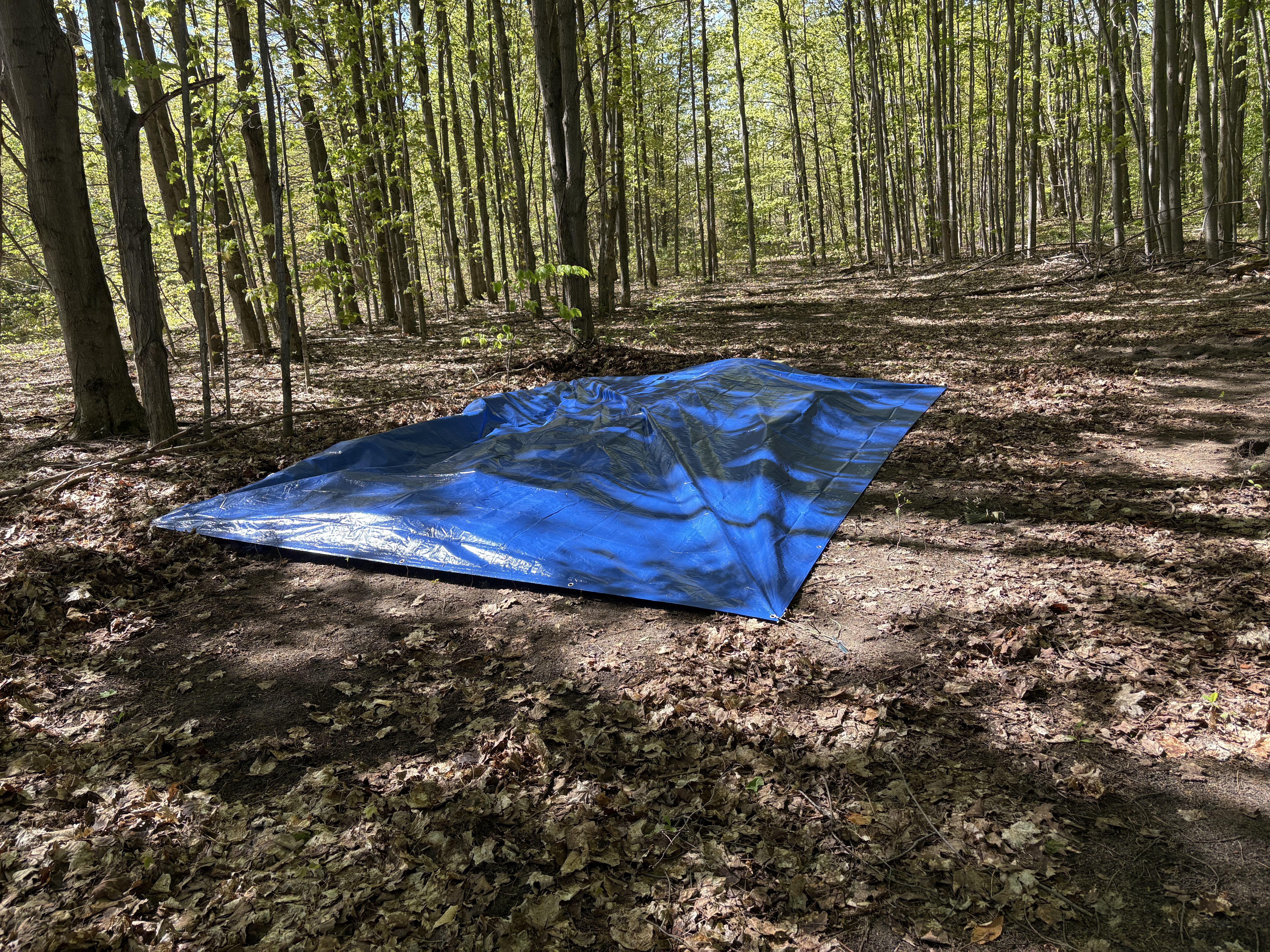
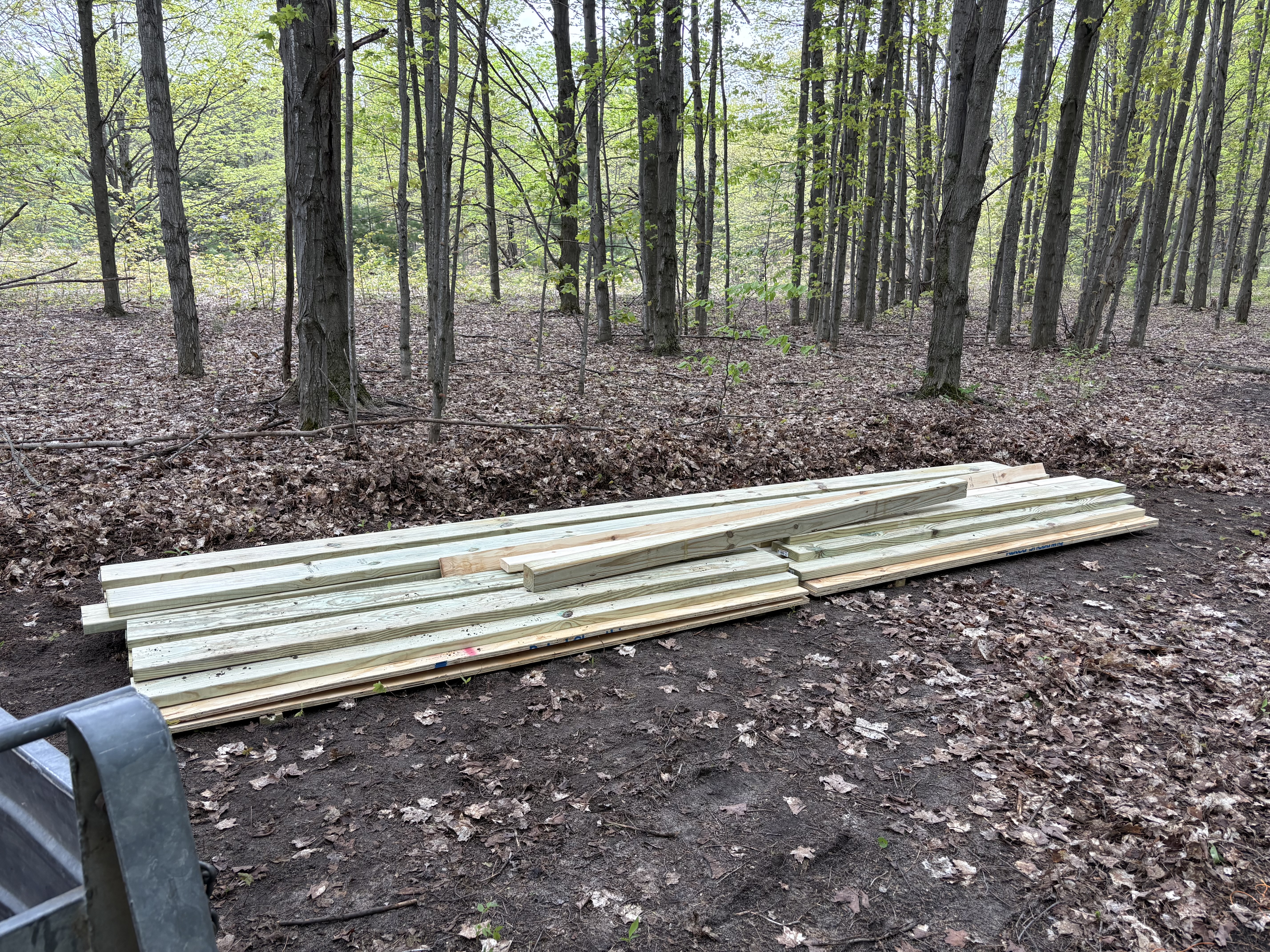
What do you all do for storing lumber outside? I’m currently building on an off-grid property and am early in the process of building my first outbuilding. I don’t have any permanent covered storage and have just been rigging a tarp across my lumber. I try to leave an air gap to let air run longitudinally and keep stuff dry. The lumber sits on some plywood which in turn sits on some scrap stickers. Does anyone have any better methods?
IMG_9164.jpeg
My lumber pile tarped over
IMG_9149.jpeg
Lumber stacked up
Lumber stacked up
 
Posts: 919
Location: Sierra Nevada foothills, 350 m, USDA 8b, sunset zone 7
220
  • Likes 6
  • Mark post as helpful
  • send pies
    Number of slices to send:
    Optional 'thank-you' note:
  • Quote
  • Report post to moderator
The moisture from the soil will affect the wood from the bottom, especially when it rains. Digging rodents will disperse the soil and throw it on your lumber.
I store everything outside.
Masonry and steel I just store on pallets.
Cements, insulating firebricks, adobe, lumber I store on double pallets or double pallets separated with plastic.
 
Jeff Bigelow
Posts: 12
1
  • Mark post as helpful
  • send pies
    Number of slices to send:
    Optional 'thank-you' note:
  • Quote
  • Report post to moderator

Cristobal Cristo wrote:The moisture from the soil will affect the wood from the bottom, especially when it rains. Digging rodents will disperse the soil and throw it on your lumber.
I store everything outside.
Masonry and steel I just store on pallets.
Cements, insulating firebricks, adobe, lumber I store on double pallets or double pallets separated with plastic.


What do you mean by “separated by plastic”?
 
Cristobal Cristo
Posts: 919
Location: Sierra Nevada foothills, 350 m, USDA 8b, sunset zone 7
220
  • Likes 3
  • Mark post as helpful
  • send pies
    Number of slices to send:
    Optional 'thank-you' note:
  • Quote
  • Report post to moderator
As plastic, I mean plastic sheeting - the same that I use for covering materials and machines. I buy the black version - more resistant to sun than translucents.
That plastic layer between two pallets prevents the moisture penetration from below, but because of the second pallet, it still provides the bottom ventilation.
 
pollinator
Posts: 6124
Location: Bendigo , Australia
575
plumbing earthworks bee building homestead greening the desert
  • Likes 2
  • Mark post as helpful
  • send pies
    Number of slices to send:
    Optional 'thank-you' note:
  • Quote
  • Report post to moderator
Jeff, I think that timber may get damaged by its environment.
Timber needs air around it to prevent damage.
You may find it will twist.
I would not have te timber there until what you are installing it on is in place?
What is next?
What are the foundations?
What are these please?

scrap stickers

 
pollinator
Posts: 593
95
  • Likes 9
  • Mark post as helpful
  • send pies
    Number of slices to send:
    Optional 'thank-you' note:
  • Quote
  • Report post to moderator
John , the small rough cut scrap wood we see in a lumber yard. Half inch by two inch are called stickers
 
Posts: 13
Location: New Hampshire, USA
2
  • Likes 6
  • Mark post as helpful
  • send pies
    Number of slices to send:
    Optional 'thank-you' note:
  • Quote
  • Report post to moderator
How's the drainage on the site? Is it sloped at all? I think you are probably fine, but if you wanted to kick it up a notch, I'd ditch the stickers for some downed logs or sacrificial lumber under the plywood, then get the stickers down on top of the plywood, below your lumber. You can lash your lumber together to help it resist warping but really the best thing to protect your wood out on a remote site like that is to use it quickly, followed by reducing its contact points that can trap moisture.. There are plenty of lumber yards that store their lumber under a roof but largely exposed to the air. The pallets are also a great idea, but they can degrade over the course of a year, leaving nails and leaching chemicals into your soil.  
 
master pollinator
Posts: 2159
Location: Ashhurst New Zealand (Cfb - oceanic temperate)
751
duck forest garden fungi trees chicken cooking solar sheep wood heat woodworking rocket stoves
  • Likes 4
  • Mark post as helpful
  • send pies
    Number of slices to send:
    Optional 'thank-you' note:
  • Quote
  • Report post to moderator

Rico Loma wrote:John , the small rough cut scrap wood we see in a lumber yard. Half inch by two inch are called stickers

In NZ they're called fillets. Possibly in AU too.
 
Posts: 10409
Location: a temperate, clay/loam spot on planet earth, the universe
3644
4
  • Likes 6
  • Mark post as helpful
  • send pies
    Number of slices to send:
    Optional 'thank-you' note:
  • Quote
  • Report post to moderator
We store lumber on a base of a few concrete blocks.
....enough pairs of them to add cross pieces to support the lumber.
Each layer of boards is then separated by stickers...using plenty to support the boards.

These piles are topped off with roofing tin, (paying attention to how rain will run off) and some blocks or rocks or stumps for weight to hold in place.

plastic breaks down too quickly and doesn't allow the wood to breath...it also allows rain to puddle in places unless fully supported.

Air flow is the most important thing here where humidity is high.

I'll try to get some pictures later today.

Our son runs a bandsaw mill so 'stickers' are easy for us to come by.
and that's how he stores lumber at the mill although sometimes in piles with no cover since it sells almost as quickly as he cuts.
Cover is often wide boards, never plastic, and often tin as in this picture I found from his mill.....

IMG_20260308_131805_476-2.jpg
[Thumbnail for IMG_20260308_131805_476-2.jpg]
 
Posts: 1573
127
  • Likes 7
  • Mark post as helpful
  • send pies
    Number of slices to send:
    Optional 'thank-you' note:
  • Quote
  • Report post to moderator
I dont know where you are but around here lumber left on the ground in the woods will quickly be taken over by mycelium unless it is stored up off the ground. it is best to keep stored lumber dry. common available tarps dont last very long.
you might think of taking a little time and put up a little pole barn like structure with some trees you can cut off your property. with corrugated metal for a cover and stack the lumber off the ground on some old metal pallet racking or something that will create a mycelium barrier between the ground and your lumber.
 
I agree. Here's the link: http://stoves2.com
reply
    Bookmark Topic Watch Topic
  • New Topic