• Post Reply Bookmark Topic Watch Topic
  • New Topic
permaculture forums growies critters building homesteading energy monies kitchen purity ungarbage community wilderness fiber arts art permaculture artisans regional education skip experiences global resources cider press projects digital market permies.com pie forums private forums all forums
this forum made possible by our volunteer staff, including ...
master stewards:
  • Carla Burke
  • Nancy Reading
  • paul wheaton
  • John F Dean
  • r ransom
  • Jay Angler
stewards:
  • Timothy Norton
  • Tereza Okava
  • Pearl Sutton
master gardeners:
  • Christopher Weeks
  • M Ljin
gardeners:
  • Jeremy VanGelder
  • Megan Palmer
  • Thekla McDaniels

Water management on foot paths

 
Posts: 6
Location: Richmond, Va
  • Likes 4
  • Mark post as helpful
  • send pies
    Number of slices to send:
    Optional 'thank-you' note:
  • Quote
  • Report post to moderator
The foot paths on my site in Central Virginia have become quite muddy and waterlogged recently from all of the summer storms. They are currently covered with a few grass species, clover, and plantain (none of which were planted intentionally). Are there any species that function well as a groundcover while also having deep roots that allow water to penetrate more?

If not, what would be the best way to manage the water on the paths? My thought is to create a swale that borders the paths and use the excavated earth to raise the level of the paths.
 
master gardener
Posts: 2847
Location: Zone 5
1654
ancestral skills forest garden foraging composting toilet fiber arts bike medical herbs seed writing ungarbage
  • Likes 3
  • Mark post as helpful
  • send pies
    Number of slices to send:
    Optional 'thank-you' note:
  • Quote
  • Report post to moderator
My favorite thing to do is add lots of sawdust. It adds drainage and water retention at the same time as making the worms very happy around the sides. A mud/sawdust mixture is able to soak up plenty of water while maintaining its structural integrity.
 
Steward of piddlers
Posts: 8095
Location: Upstate New York, Zone 5b, 43 inch Avg. Rainfall
4727
monies home care dog fungi trees chicken food preservation cooking building composting homestead
  • Likes 3
  • Mark post as helpful
  • send pies
    Number of slices to send:
    Optional 'thank-you' note:
  • Quote
  • Report post to moderator
I have never had any luck getting anything meaningful to grow in my foot paths where I live. The soil tend to get compacted, compared to the soil around the pathways, and it becomes more apparent when it rains with pooling. I transitioned a majority of my pathways to wood chips/sawdust/chop and drop now.

I like utilizing chipped pathways because it mitigates moisture, builds soil health through decomposition and reduces soil compaction underneath. Worms and other bugs appear attracted to my woodchip pathways which is just another added benefit.
 
steward
Posts: 19399
Location: USDA Zone 8a
4892
dog hunting food preservation cooking bee greening the desert
  • Likes 2
  • Mark post as helpful
  • send pies
    Number of slices to send:
    Optional 'thank-you' note:
  • Quote
  • Report post to moderator
My suggestion would be to add wood chips as Timothy suggests.

Trenching both sides of the paths would drain the water and speed up getting rid of the mud.
 
pollinator
Posts: 149
Location: Central Iowa, Zone 5b
69
personal care foraging urban chicken bike bee
  • Likes 4
  • Mark post as helpful
  • send pies
    Number of slices to send:
    Optional 'thank-you' note:
  • Quote
  • Report post to moderator
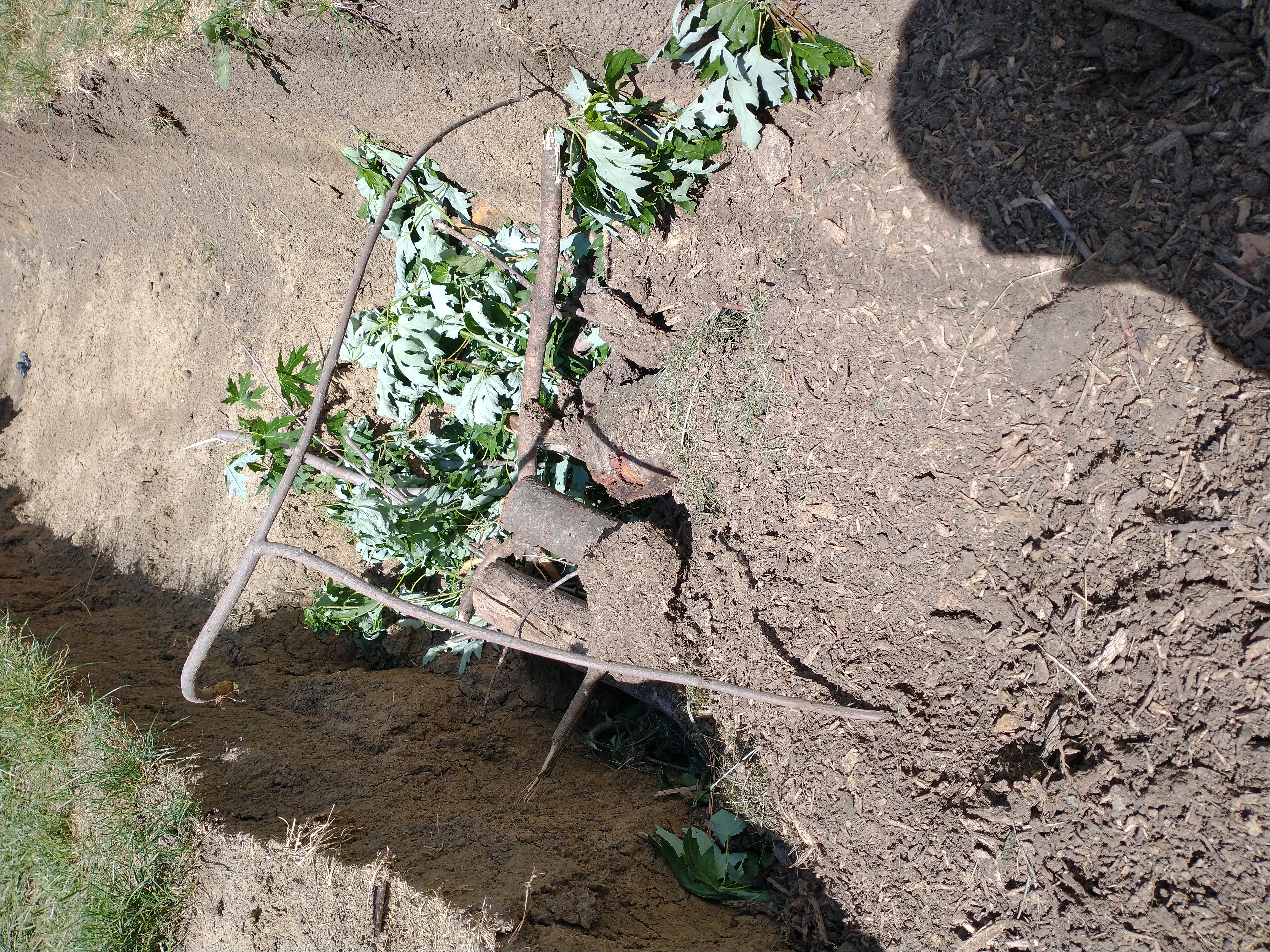
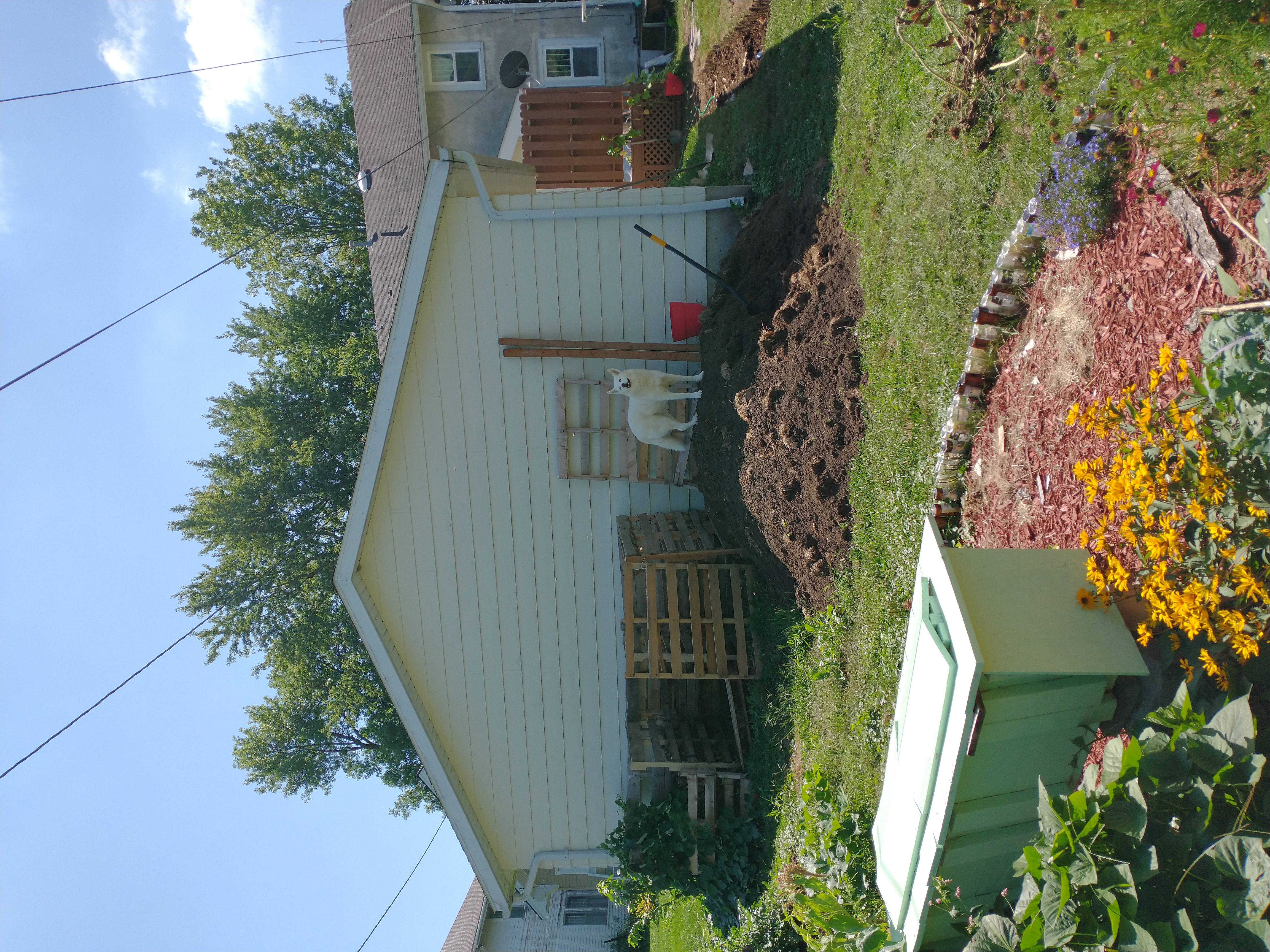
My old place had a problem with the path turning into ankle deep mud due to how the driveway and garage roof ran off into it. The whole yard would wash out after a big ran event and it was the only path to the back yard that Id take at least three times a day. So we made a inverted huglemound.  We dug it about 3-4 feet deep the whole way. Then added dead logs and branches and topped it off with free mulch. Its alot of work but the path way still works and that was 5 years ago now. I have a couple pictures of us making it.  It dose need a couple inches of mulch added to it once a year or it likes to sink down. We put fruit trees and garden beds along it where we could so they could benefit from the water in the pathway hopefully. The peach trees grow best along it to this day so I think it helps. Il see if I can remember to take any pictures of it now next time we visit.

P.S I thought I had more pictures but I must have them on another account.
IMG_20210816_145203075.jpg
This was a shallow part that led to the rabbit pen but it shows the layers of logs, then branches and lastly mulch.
IMG_20210825_123351865.jpg
From when we first strated digging, There was alot of dirt, I ended up mixing it with compost and adding it to raised beds. Wish I had built the beds first and then added it directly to them so we didnt have to move the pile twice!
 
I agree. Here's the link: http://stoves2.com
reply
    Bookmark Topic Watch Topic
  • New Topic