|

|
|
|
|

|

|

|

|

|
 2


 4
4
Leaftide - garden planner w/ 1228 plant types. Need permaculture testers for fruit trees & perennials. Free Pro month for detailed feedback, even just suggesting plants
5
How permies.com works
What is a Mother Tree ?


 9
Invasive plants are Earth's way of insisting we notice her medicines. Stephen Herrod Buhner
Everyone learns what works by learning what doesn't work. Stephen Herrod Buhner
6
Creating edible biodiversity and embracing everlasting abundance.
5
sow…reap…compost…repeat
4
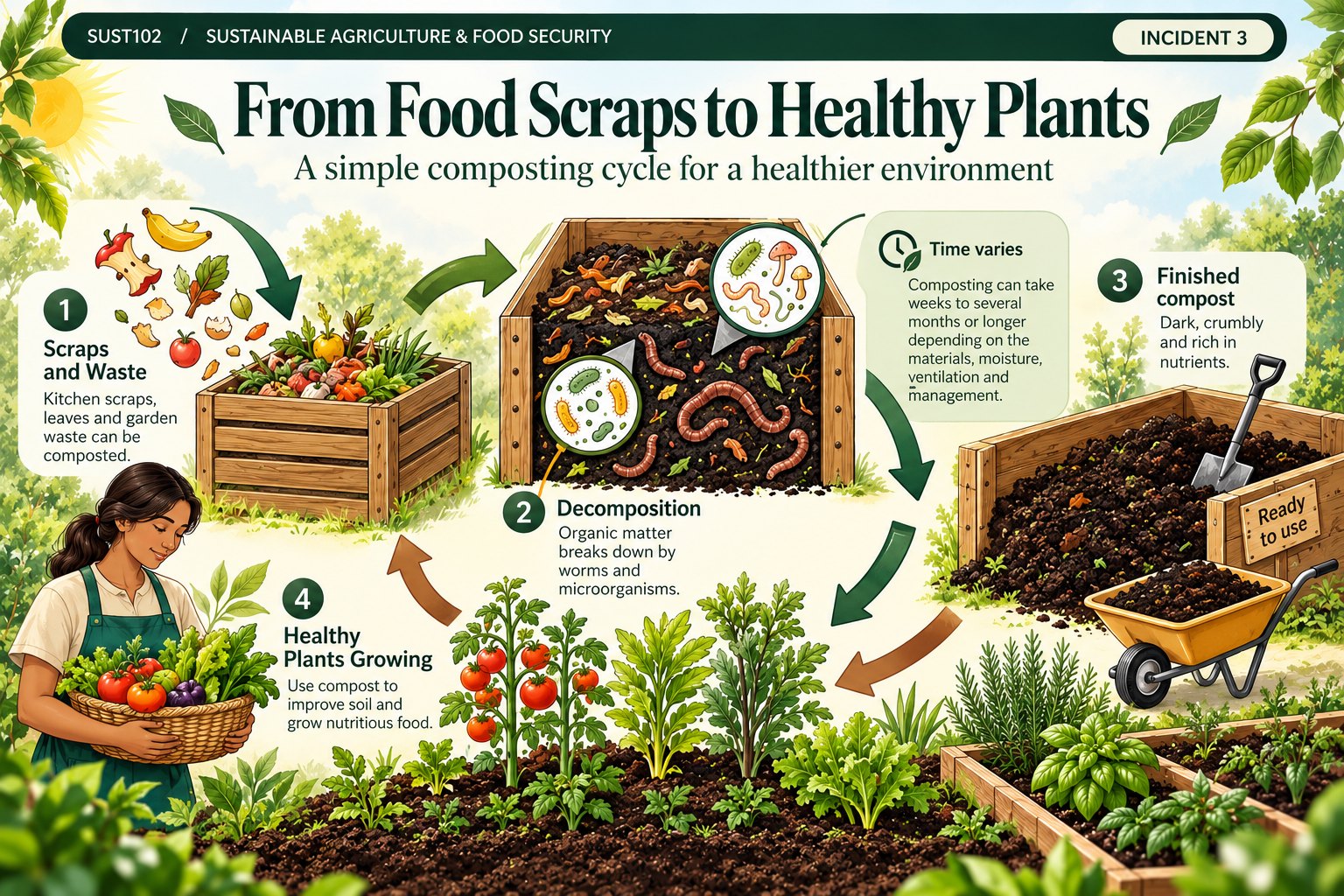
Anne Miller wrote:Nice infographic though it does not look like it is for a desert climate that is one of the problems using AI.
1
Amy Gardener wrote:It has been a hot dry summer here in New Mexico, USA. Despite the difficult weather, I have an ongoing compost pile that works well for my needs. It is a mound shape about 4' tall now. It is constructed in layers of 1:1 carbon rich: nitrogen rich material plus a bucket of water or compost tea. After adding about 1 - 5 gal bucket of each type of material, I cover the top of the mound with an inch or so of sandy silt OR charcoal bits if available (burning brush piles is possible for only 2 months here in winter) for an odor cap. I repeat this process about 2x weekly - all seasons - using what is available for each bucket: carbon, nitrogen, liquid. Like Anne mentioned, (and your situation in UAE), earthworms would have to be imported and supported so I don't use them. The upper interior of the pile gets very hot from microbial activity with new material plus high altitude sun. I harvest the soil (mix of sand, biochar*, and compost) from the bottom of the pile.
If bioactivity stalls, I add a bucket layer of locally sourced compost before capping to jump start the pile.
To summarize:
1. How do you keep compost from drying out in very hot weather? Cap the moistened new contents with sand &/or tiny charcoal bits (which will become biologically activated over time inside the pile and help hold moisture
2. What's the best way to prevent bad smells and insects? Same as above
3. Is there anything you'd change or add to my infographic? Replace earthworm images with magnified images of soil microbes
Good luck with your hands-in-the-soil learning Maryam!
*When the compost microbes fill (activate) the tiny charcoal bits, the combination is called biochar. Biochar helps retain moisture.
1
Anne Miller wrote:Nice infographic though it does not look like it is for a desert climate that is one of the problems using AI.
Worms don't live in my desert as it is too dry.
I don't compost because it is too hot and dry so I give all my veggie scraps to the wildlife.
Best wishes for your composting try.
1
Douglas Alpenstock wrote:
Anne Miller wrote:Nice infographic though it does not look like it is for a desert climate that is one of the problems using AI.
That was my first impression as well. Are people actually growing food in UAE? I wouldn't be surprised -- humans are adaptable -- it's not like the surface of another planet. If they grow plants, they have plant waste. Do they find a way to recycle it into their growing system? Seek them out, and hear their wisdom. My 2c.
1
Joao Winckler wrote:Honestly I'd second what Joseph says about not building a proper pile out there. A heap in full sun in the UAE would bake dry in a day. Burying scraps in a trench under mulch or a bit of shade sounds a lot less hassle for a beginner, and the smell and flies mostly sort themselves out if it's covered.

| I agree. Here's the link: https://woodheat.net |