
• Post Reply Bookmark Topic Watch Topic
  • New Topic
permaculture forums growies critters building homesteading energy monies kitchen purity ungarbage community wilderness fiber arts art permaculture artisans regional education skip experiences global resources cider press projects digital market permies.com pie forums private forums all forums
this forum made possible by our volunteer staff, including ...
master stewards:
  • Carla Burke
  • Anne Miller
  • Nancy Reading
  • John F Dean
  • r ransom
  • paul wheaton
  • Timothy Norton
stewards:
  • Jay Angler
  • Pearl Sutton
  • AndrĂ©s Bernal
master gardeners:
  • Christopher Weeks
gardeners:
  • M Ljin
  • Thekla McDaniels
  • May Lotito
 
steward
Posts: 16291
Location: Northern WI (zone 4)
5411
9
hunting trees books food preservation solar woodworking
  • Likes 3
  • Mark post as helpful
  • send pies
    Number of slices to send:
    Optional 'thank-you' note:
  • Quote
  • Report post to moderator
PEP = Permaculture Experience according to Paul.  He lives in a place where it grows and he loves black locust so that's why it's in here.

PEM = Permaculture Experience according to Mike (me).  I don't love black locust and it's illegal to plant in my area so it won't be in my badge program.
 
Apprentice Rocket Scientist
Posts: 1371
Location: 4a, high mountain dessert
687
5
kids foraging rabbit fiber arts medical herbs bee
  • Likes 1
  • Mark post as helpful
  • send pies
    Number of slices to send:
    Optional 'thank-you' note:
  • Quote
  • Report post to moderator
Approved submission
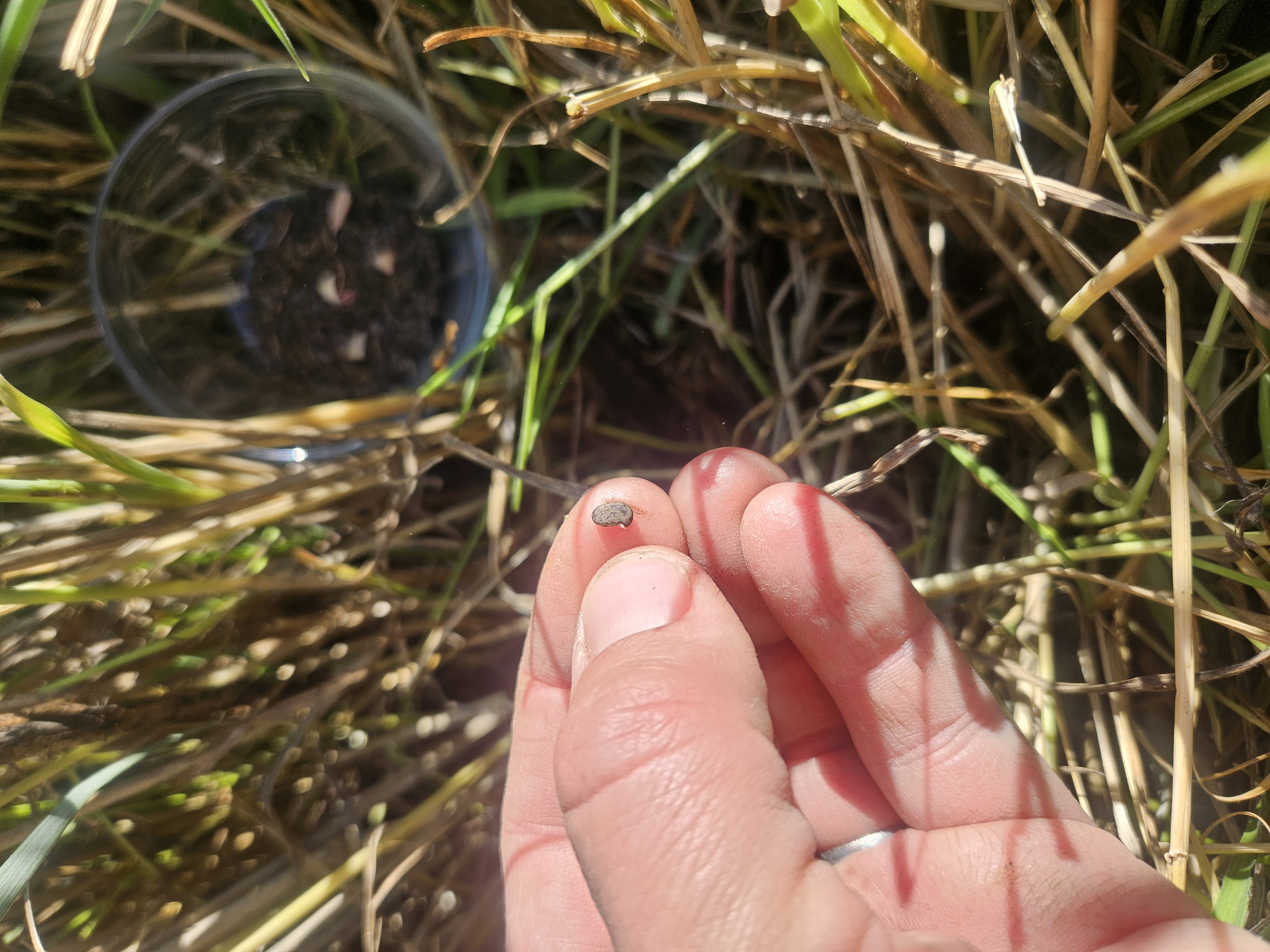
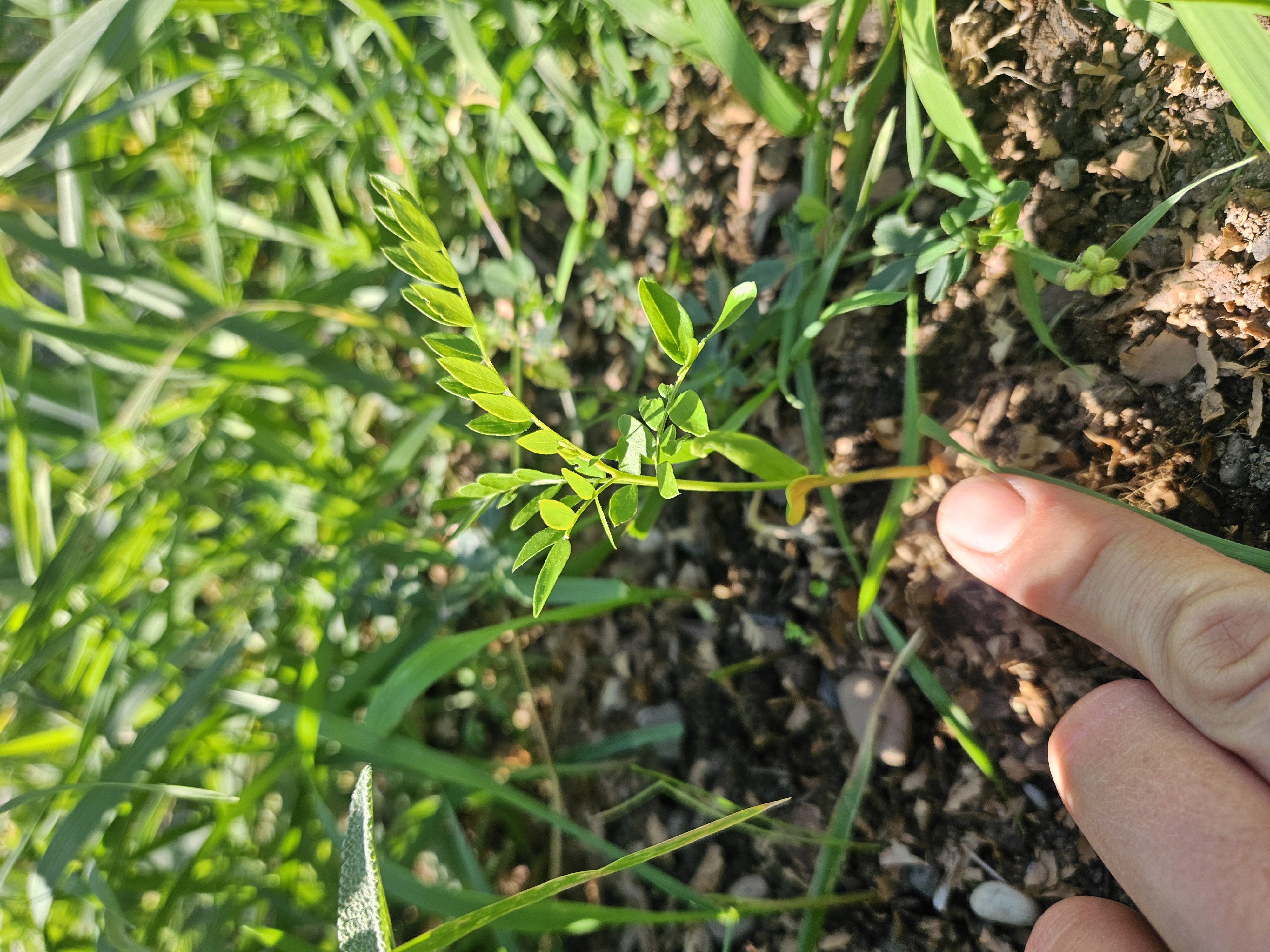
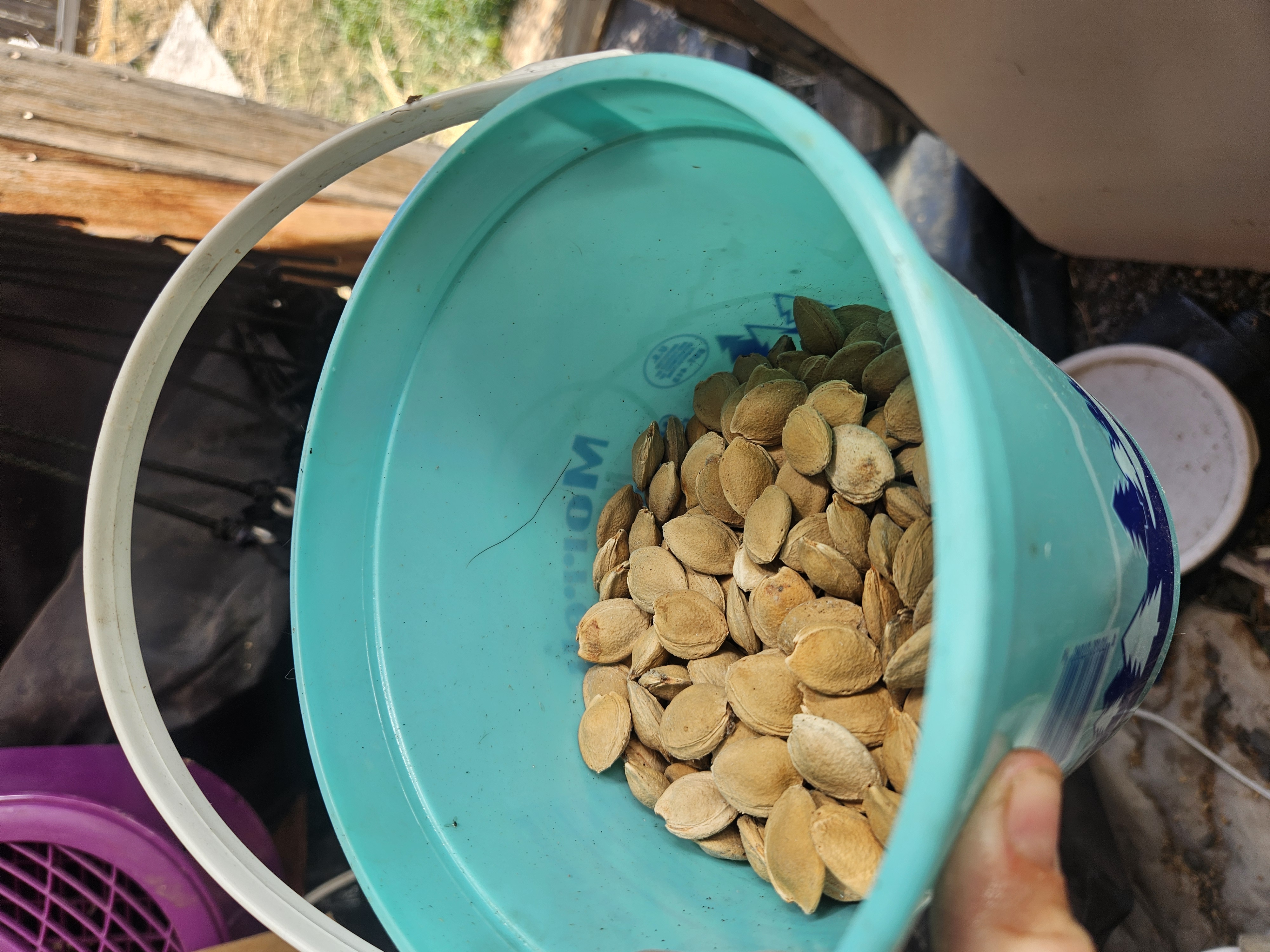
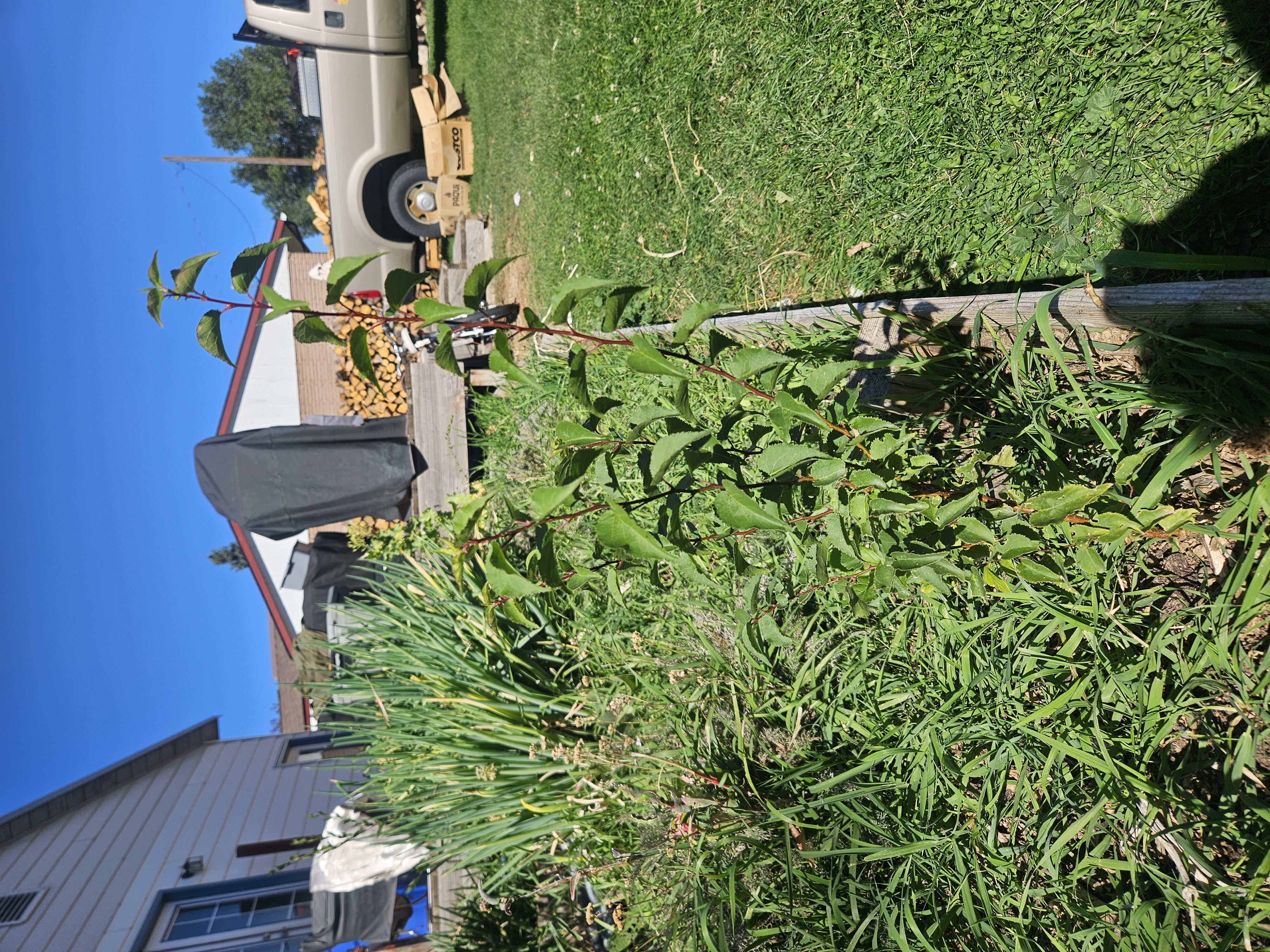
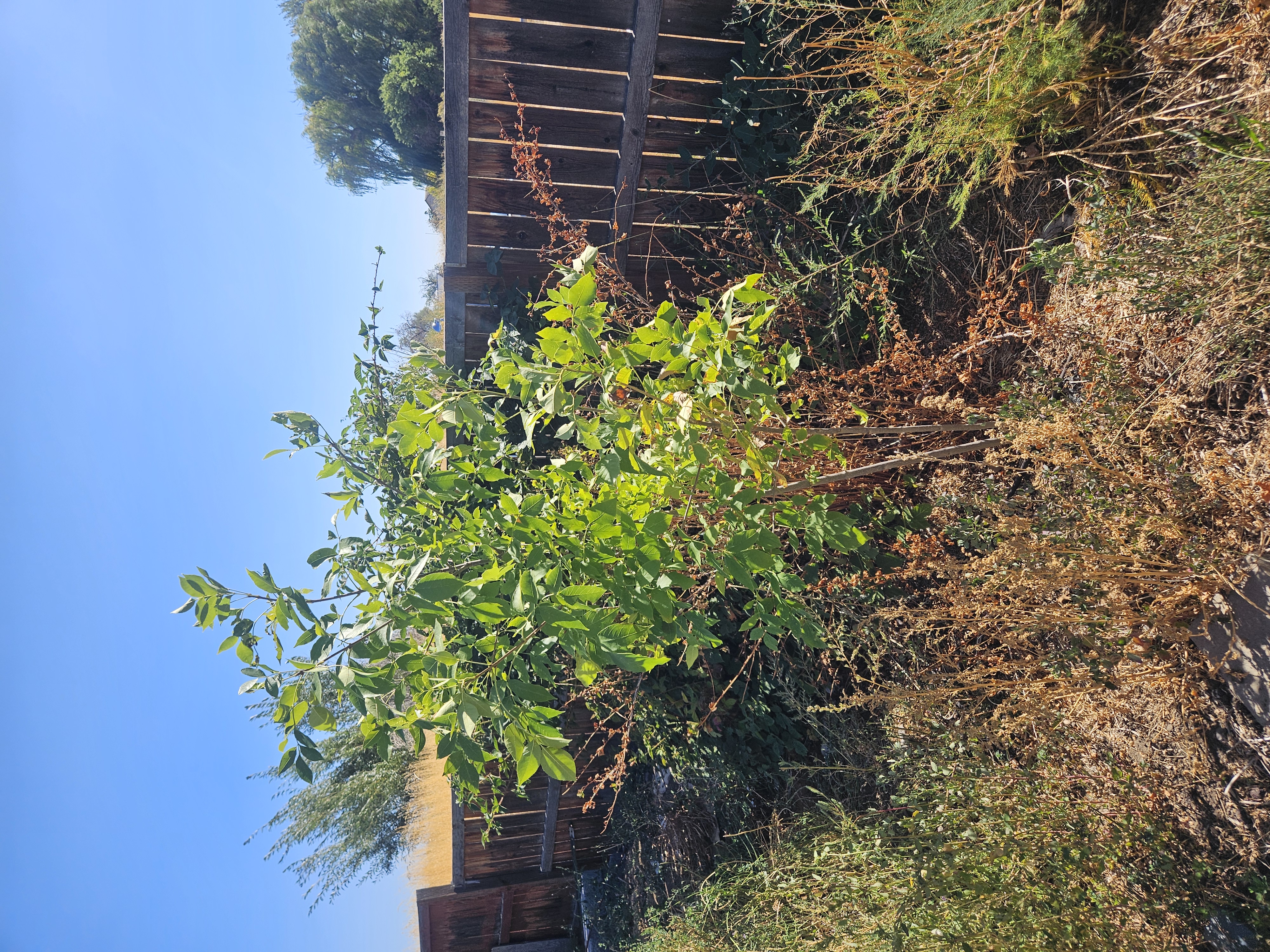
I chose black locust, apricot and black walnut for this bb. I had saved the seeds last year, and planted them this spring. Several of the plants are impressively large!
20240929_212948.jpg
Over 50 black locust seeds
20241002_110824.jpg
Planting black locust
20240926_135101.jpg
Successful sprout, black locust
20240926_135438.jpg
Apricot pits, hundreds
20241002_113403.jpg
Planting an apricot pit
20240926_135134.jpg
Over 3 feet tall her first season
20240926_135403.jpg
Black walnut seeds, over 50
20241002_113043.jpg
Planting a black walnut seed
20240926_135525.jpg
I'm so proud of this monster! I think she did well because of the Ruth Stout soil prep I did the year before
Staff note (gir bot) :

Someone approved this submission.

 
gardener
Posts: 715
Location: 6a; BSk; Suburbia; 0.35 acres
428
6
kids forest garden foraging bike medical herbs rocket stoves
  • Mark post as helpful
  • send pies
    Number of slices to send:
    Optional 'thank-you' note:
  • Quote
  • Report post to moderator
Approved submission

How to Certify That Your BB is Completed

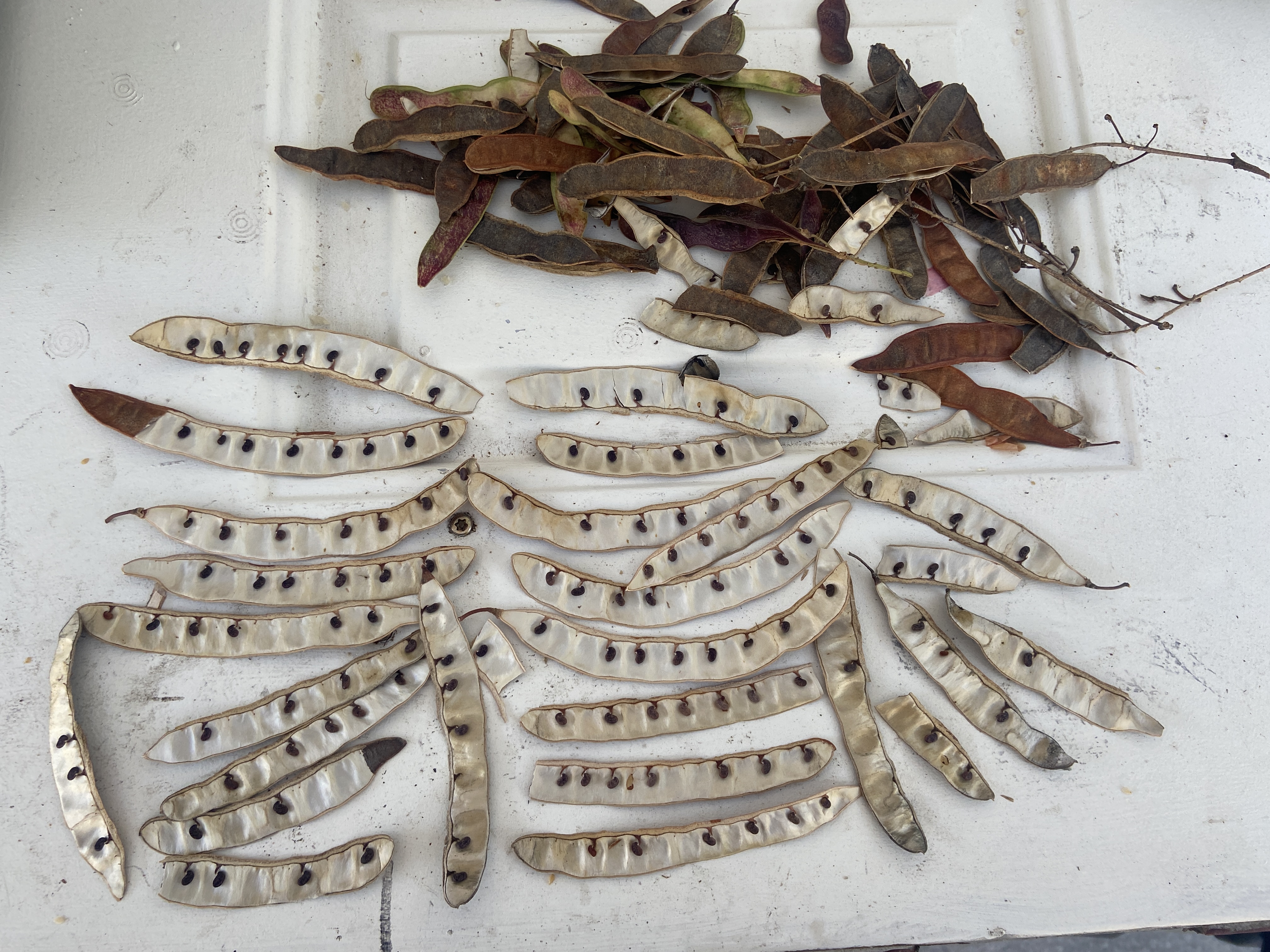
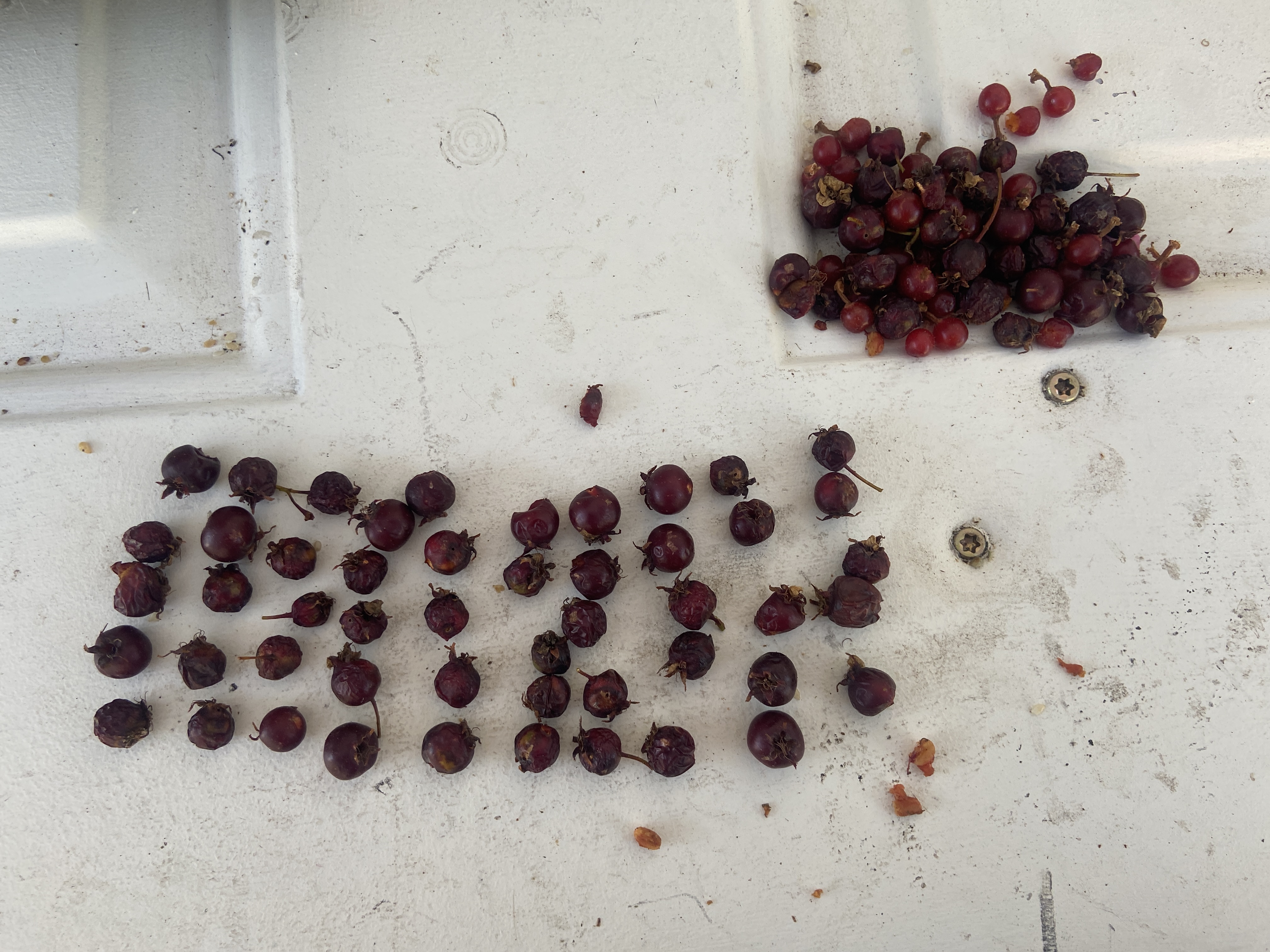
- Post a picture showing your 50 fruit tree seeds, 50 black locust seeds, and 50 nut tree seeds.
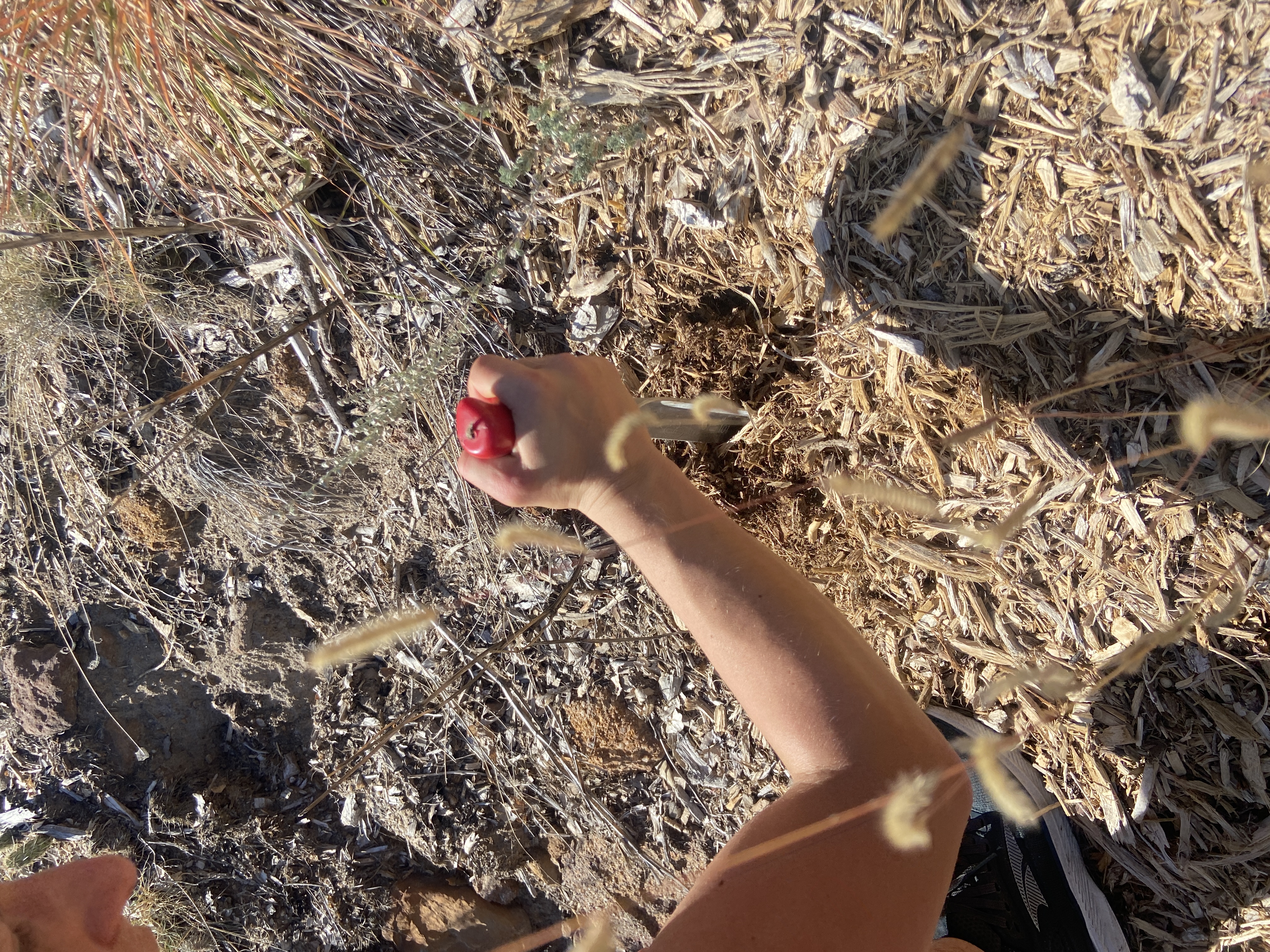
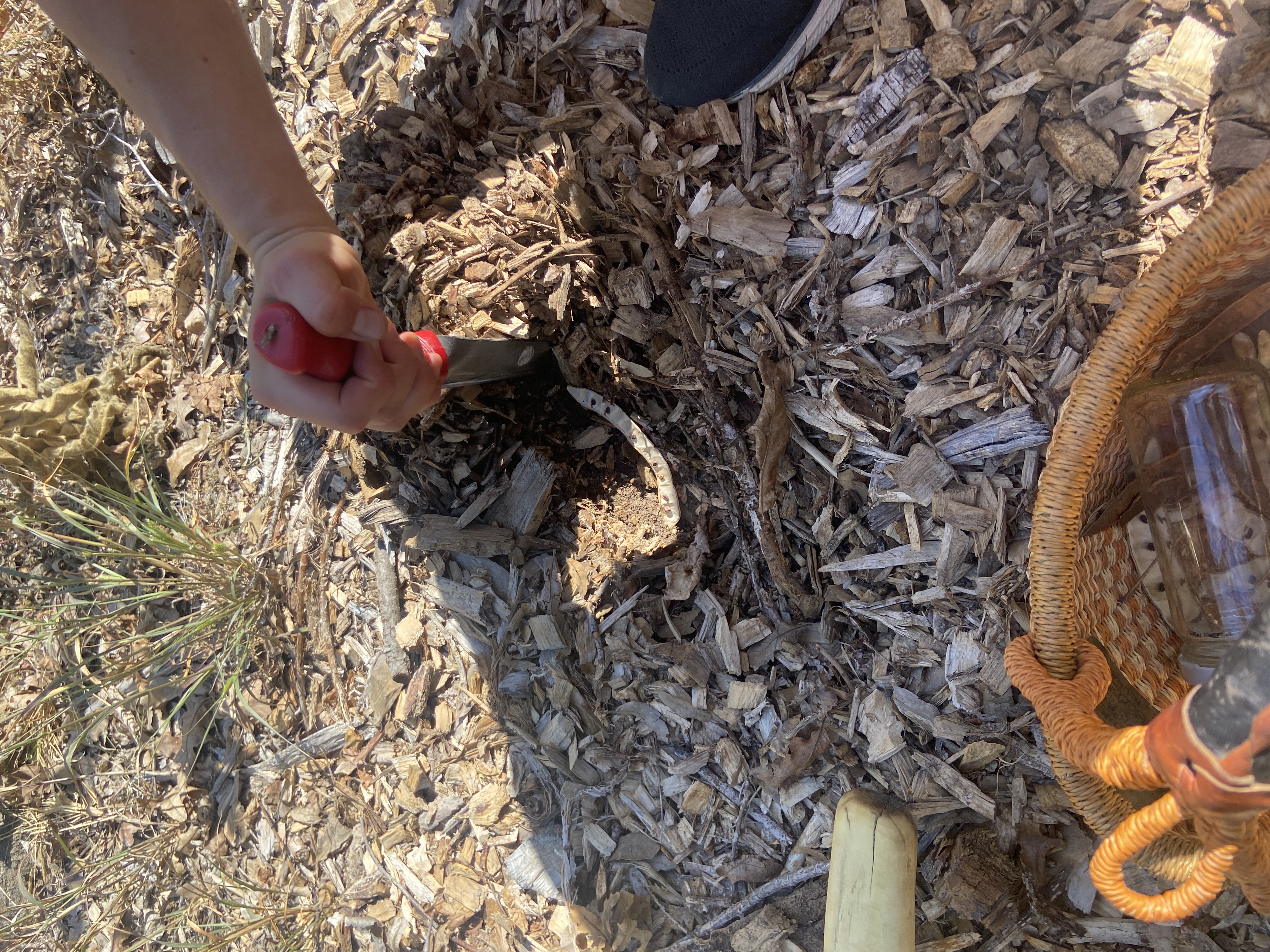
- post three action pics of the seeds being planted
- Post a picture showing at least one tree.  It must be clearly identifiable.  
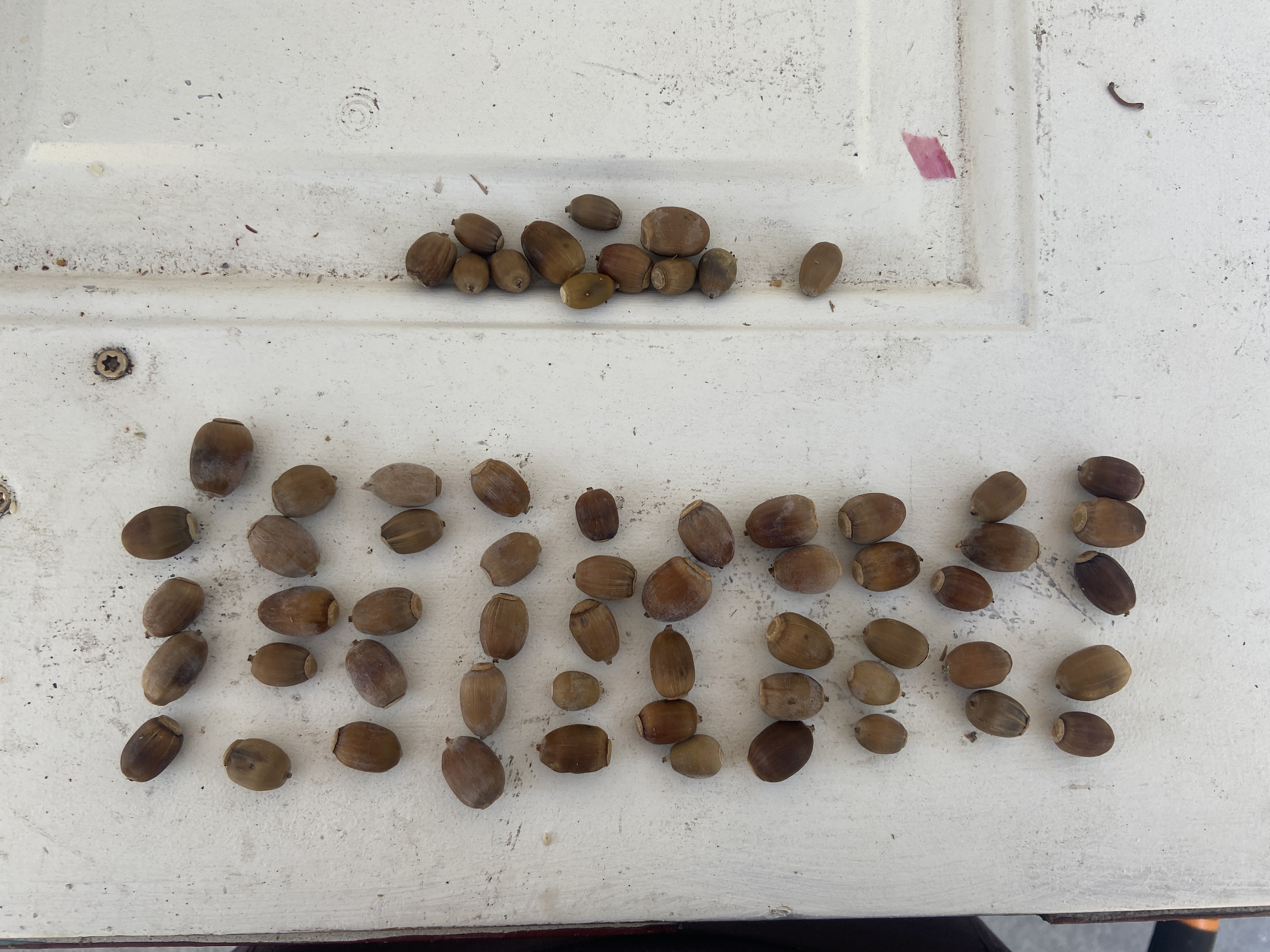


I planted 50 each of the following in the Fall of 2024:
1) gamble oak acorns
2) black locust
3) hawthorn berries

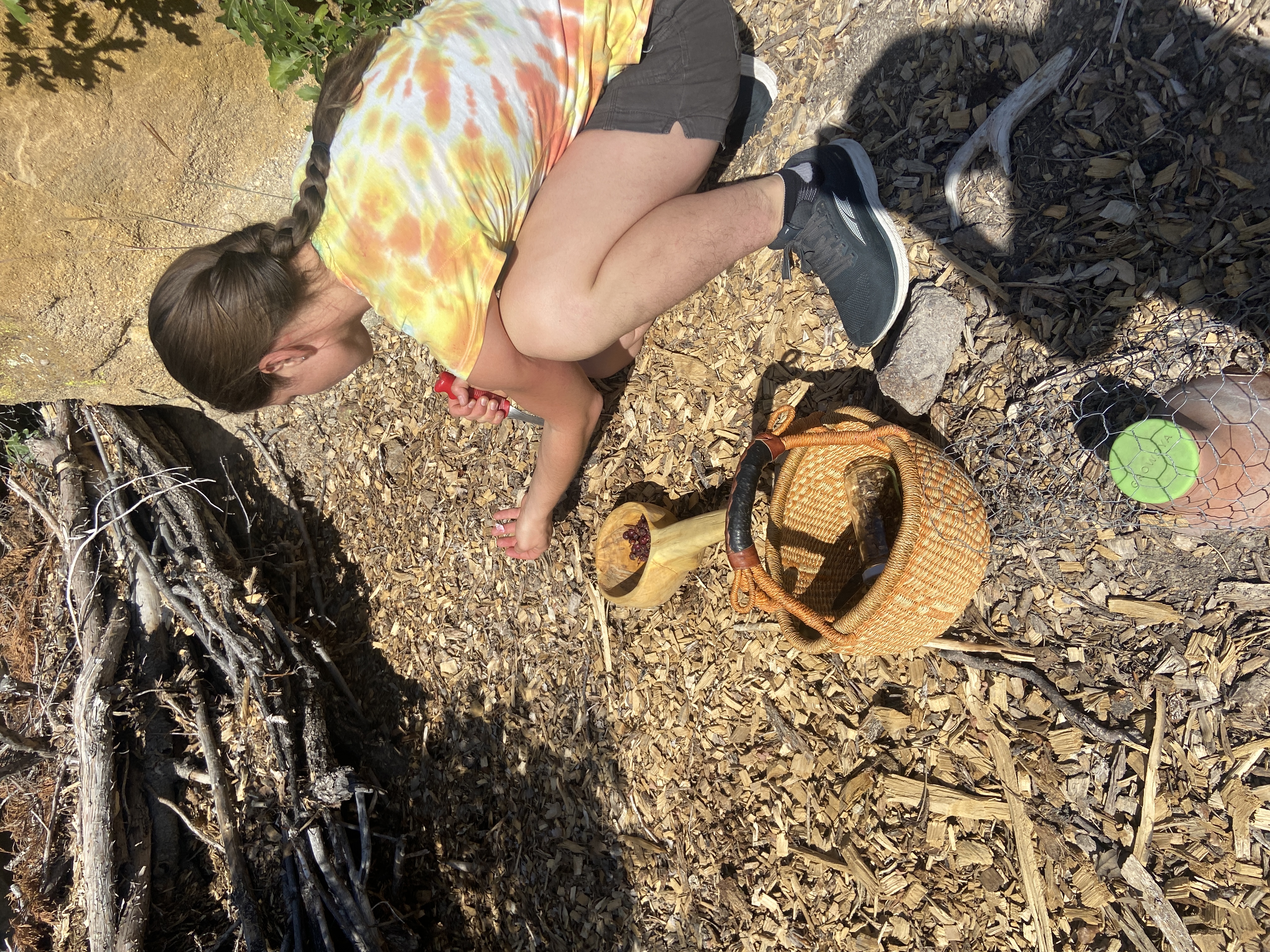
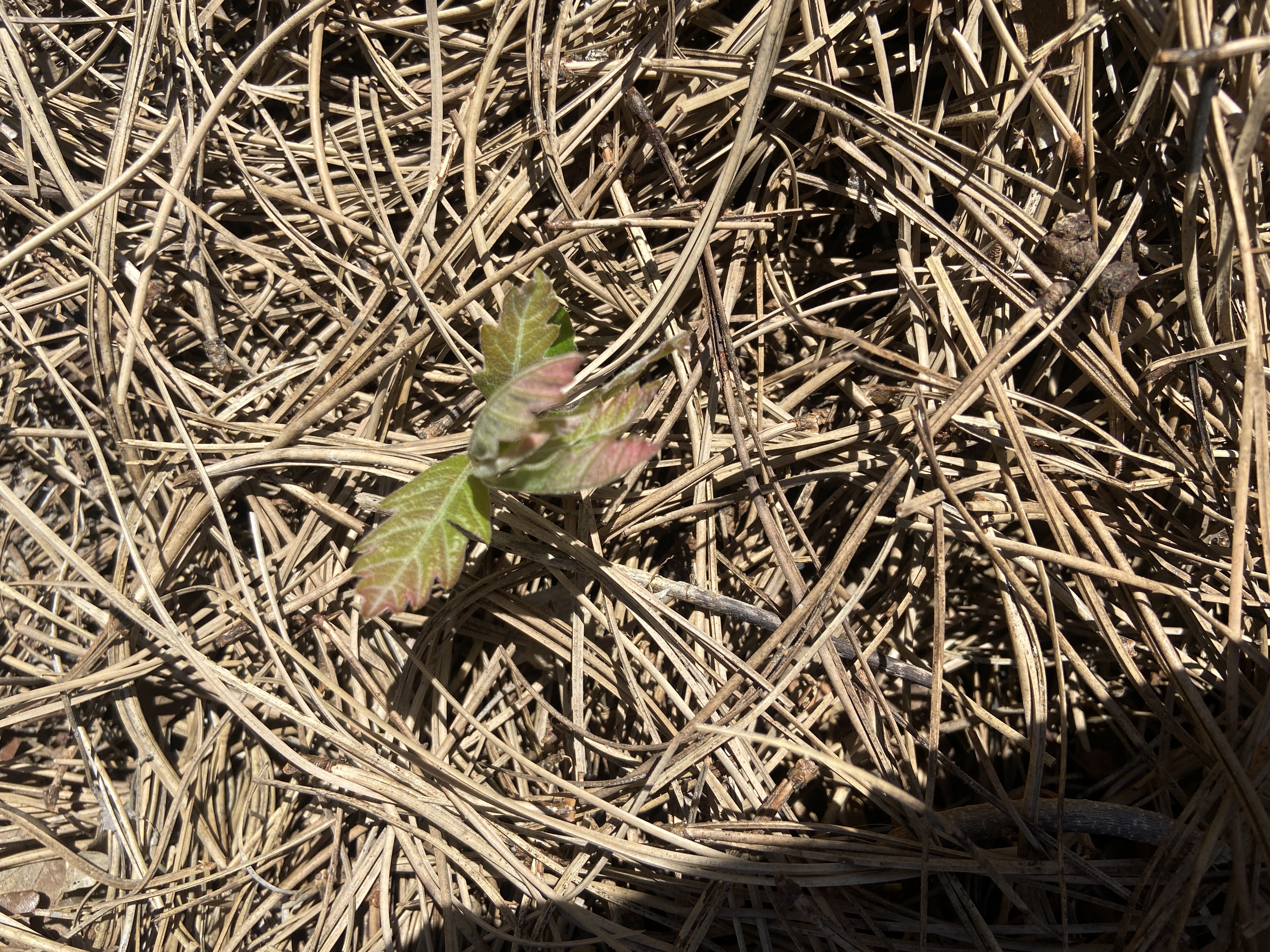
I spotted a gamble oak acorn that sprouted in the spring of 2025.
acorns_more-than-50-seeds.JPG
[Thumbnail for acorns_more-than-50-seeds.JPG]
black-locust_more-than-50-seeds.JPG
[Thumbnail for black-locust_more-than-50-seeds.JPG]
hawthorn_more-than-50-seeds.JPG
[Thumbnail for hawthorn_more-than-50-seeds.JPG]
action-shot-planting-acorns.JPG
[Thumbnail for action-shot-planting-acorns.JPG]
action-shot-planting-black-locust.JPG
[Thumbnail for action-shot-planting-black-locust.JPG]
action-shot-planting-hawthorn-berries.JPG
[Thumbnail for action-shot-planting-hawthorn-berries.JPG]
acorn-sprouting-gamble-oak.JPG
[Thumbnail for acorn-sprouting-gamble-oak.JPG]
Staff note (gir bot) :

Someone approved this submission.

 
Posts: 81
39
homeschooling art hugelkultur kids foraging chicken food preservation medical herbs seed wood heat composting
  • Likes 1
  • Mark post as helpful
  • send pies
    Number of slices to send:
    Optional 'thank-you' note:
  • Quote
  • Report post to moderator
   I do find the highly specific tree choices here a bit odd, aren't we supposed to be learning to work WITH nature? Many people live in regions black locust is not native, or even can't grow. Most of us could find a native edible nut tree, but limiting the type of acceptable nut really makes this badge limited to people who grow in similar growth regions. I would really expect this wonderful cite leaned towards helping people to learn about their environment and the specific ecology of where they are and how to work with it, to be willing to make acceptable substitutions appropriate to location?
   For instance black locust isn't native here, and hasn't naturalized here either, given the damage that can be caused by spreading non native species it seems like something I should avoid. But we do have honey locust. I know its night quite as useful in some ways, but I would say it's more so in others, and is also a nitrogen fixer. It seems very "permaculture" to make such acceptable substitutions if the plant is present in the area and has similar growth/benefits.
 
Steward of piddlers
Posts: 8570
Location: Upstate New York, Zone 5b, 43 inch Avg. Rainfall
5228
monies home care dog fungi trees chicken food preservation cooking building composting homestead
  • Likes 1
  • Mark post as helpful
  • send pies
    Number of slices to send:
    Optional 'thank-you' note:
  • Quote
  • Report post to moderator

R Grier wrote:    I do find the highly specific tree choices here a bit odd, aren't we supposed to be learning to work WITH nature? Many people live in regions black locust is not native, or even can't grow. Most of us could find a native edible nut tree, but limiting the type of acceptable nut really makes this badge limited to people who grow in similar growth regions. I would really expect this wonderful cite leaned towards helping people to learn about their environment and the specific ecology of where they are and how to work with it, to be willing to make acceptable substitutions appropriate to location?
   For instance black locust isn't native here, and hasn't naturalized here either, given the damage that can be caused by spreading non native species it seems like something I should avoid. But we do have honey locust. I know its night quite as useful in some ways, but I would say it's more so in others, and is also a nitrogen fixer. It seems very "permaculture" to make such acceptable substitutions if the plant is present in the area and has similar growth/benefits.


The reason for the BB being shaped the way it is. is explained earlier in the thread. For PEP (Permaculture Experience according to Paul) the tree selection makes sense for where he is located. I live in different climate, more like Mike Haasl where he doesn't utilize black locust, so I would likely conduct the BB for the PEM (Permaculture Experience according to Mike) program instead.
 
Mike Haasl
steward
Posts: 16291
Location: Northern WI (zone 4)
5411
9
hunting trees books food preservation solar woodworking
  • Likes 4
  • Mark post as helpful
  • send pies
    Number of slices to send:
    Optional 'thank-you' note:
  • Quote
  • Report post to moderator
Link to PEM
 
I agree. Here's the link: https://woodheat.net
reply
    Bookmark Topic Watch Topic
  • New Topic