|

|

|

|

|

|
|
|
|
|
|
|
|

|

|

|

|

|
 6
6


"We're all just walking each other home." -Ram Dass
"Be a lamp, or a lifeboat, or a ladder."-Rumi
"It's all one song!" -Neil Young


 9
9
Judith Browning wrote:so happy to hear that May!
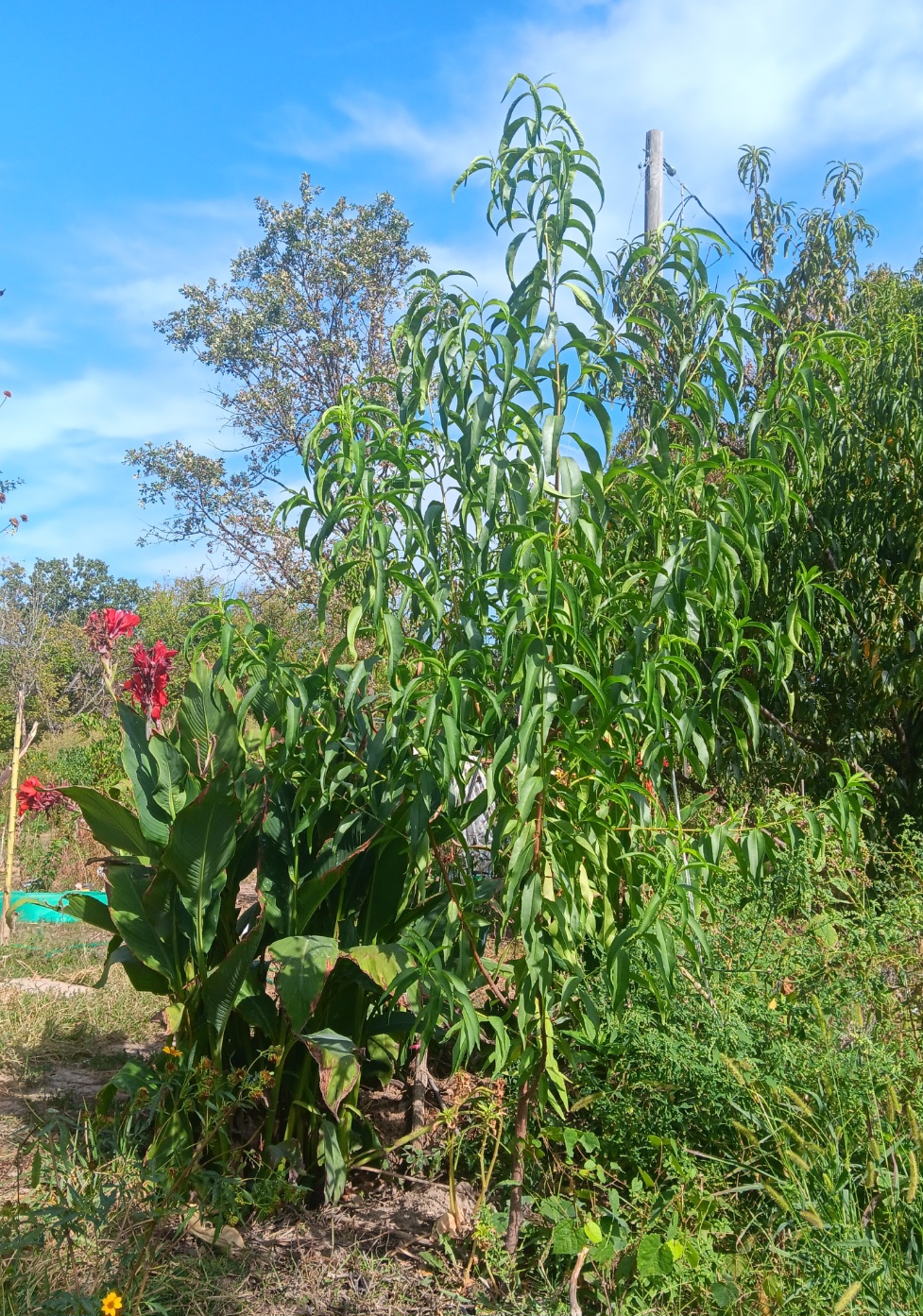
My peach seedlings are popping up also...more than I need but it doesn't look like my bearing trees will have many fruits this year and I'll need some replacements for the ones I expect to die soon from bore damage...I'm determined to get out ahead of the borers one day.
It will be interesting to see how your pears turn out...maybe you'll have a winner!
Our last apple died from borer damage. The pippin I started from seed ten years ago and had hopes it would make it but I didn't take any proactive measures. It does have three nice sprouts at the base and I have three tiny trees from last years seeds so the 'trip apple' is still in the works.
I have way too much elephant garlic planted but I really love it to 'mark' young plants visually and the blooms are so striking and popular with the pollinators.
 8
8
"We're all just walking each other home." -Ram Dass
"Be a lamp, or a lifeboat, or a ladder."-Rumi
"It's all one song!" -Neil Young
10
8
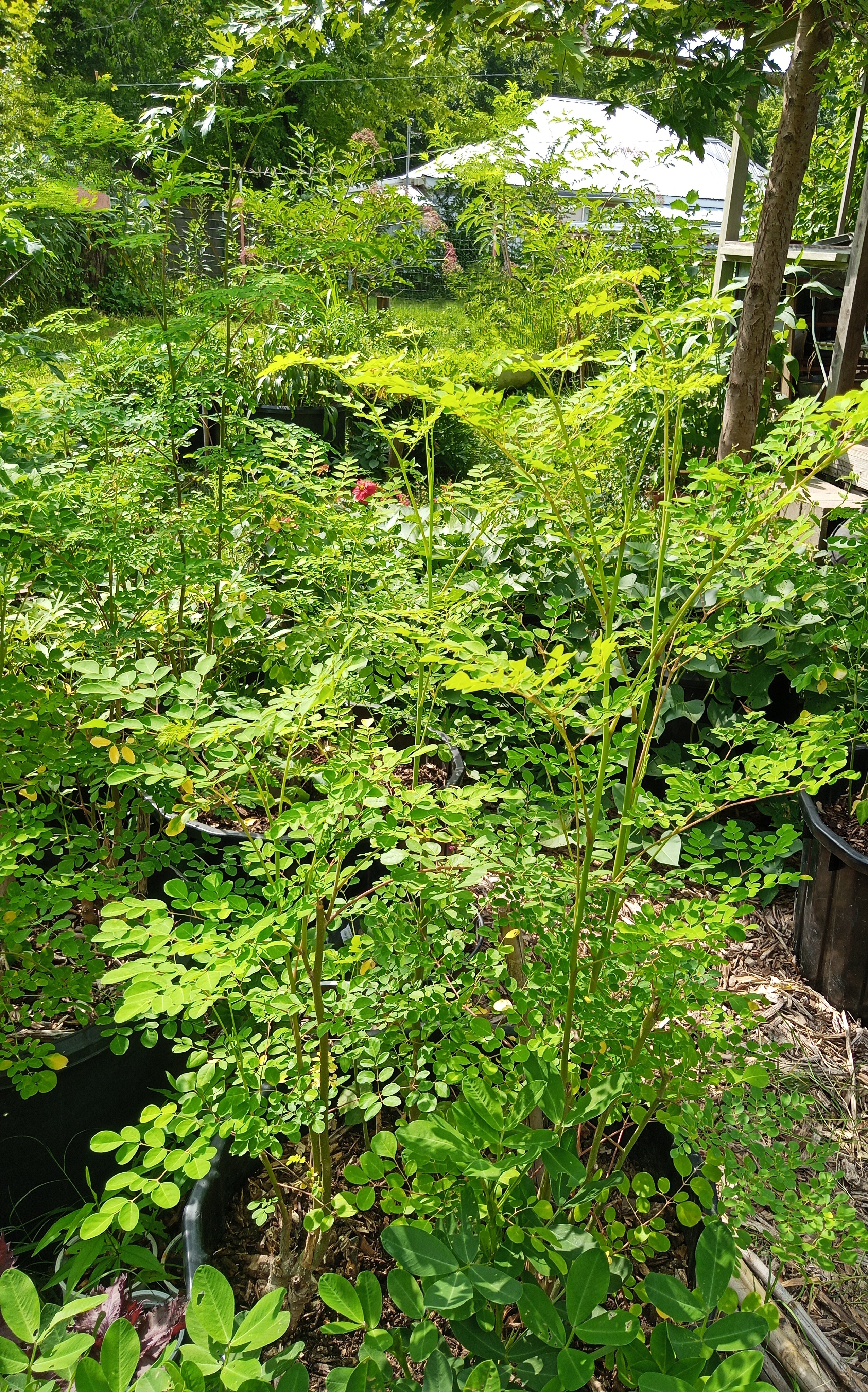
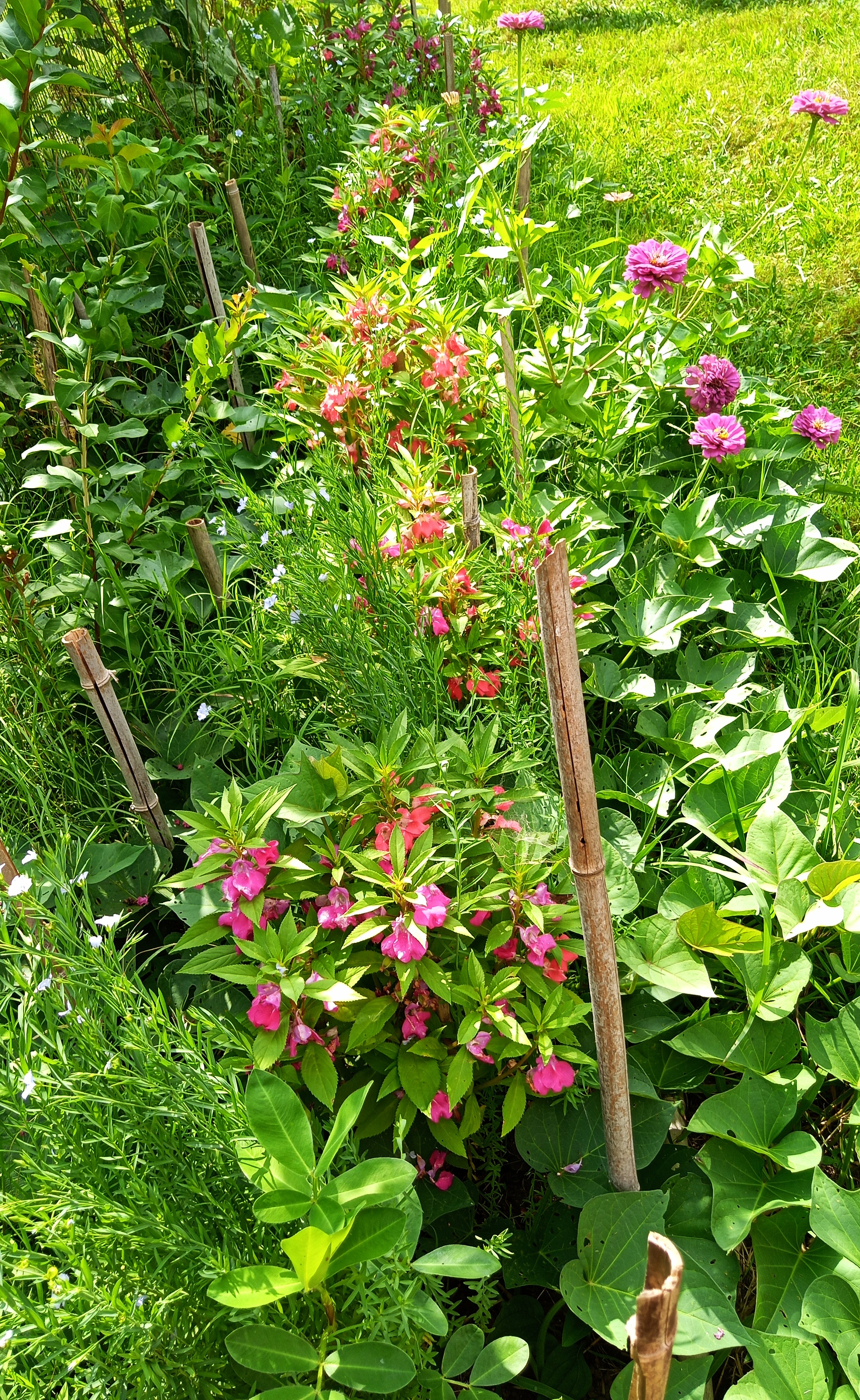
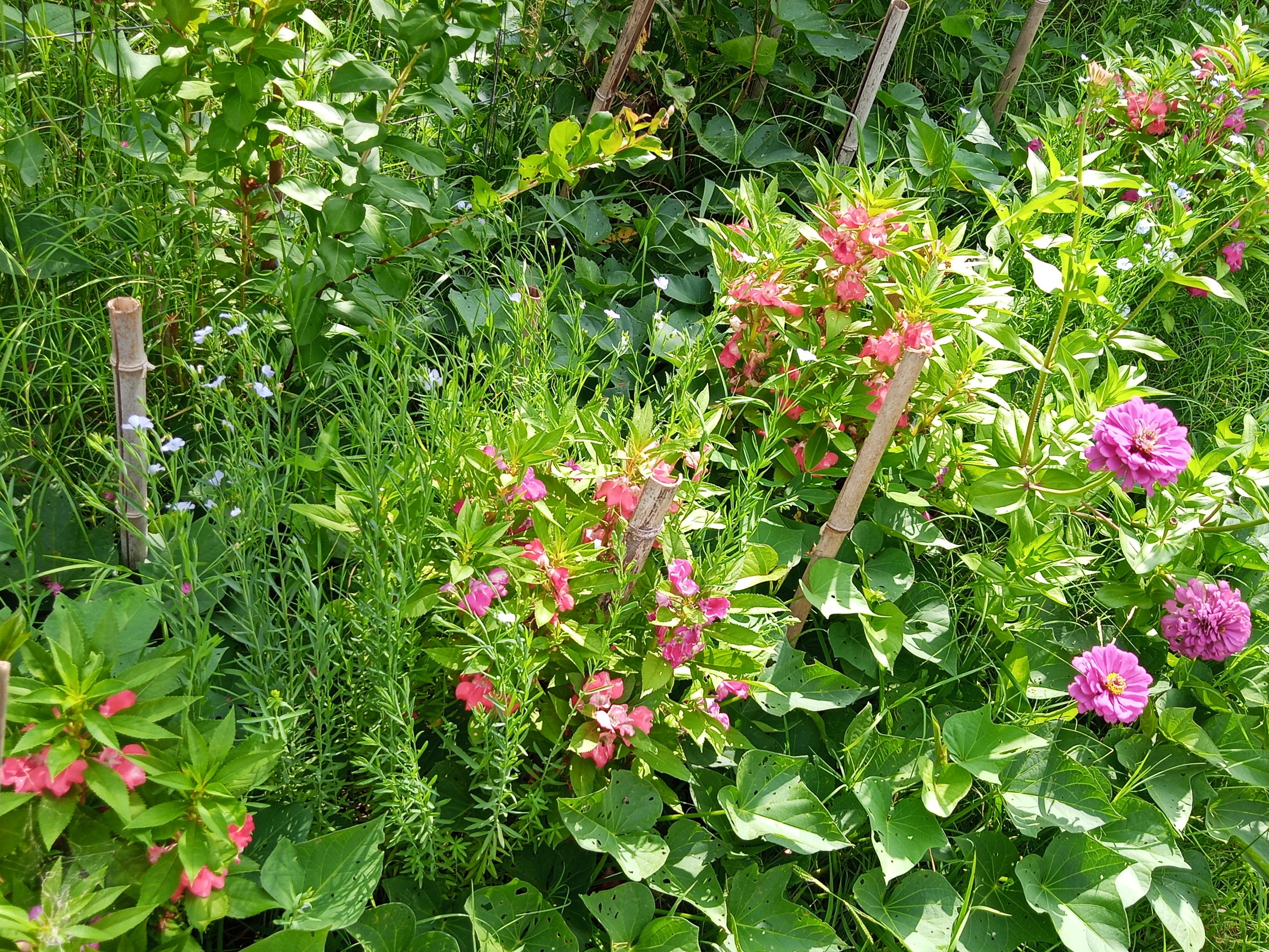
"We're all just walking each other home." -Ram Dass
"Be a lamp, or a lifeboat, or a ladder."-Rumi
"It's all one song!" -Neil Young
8
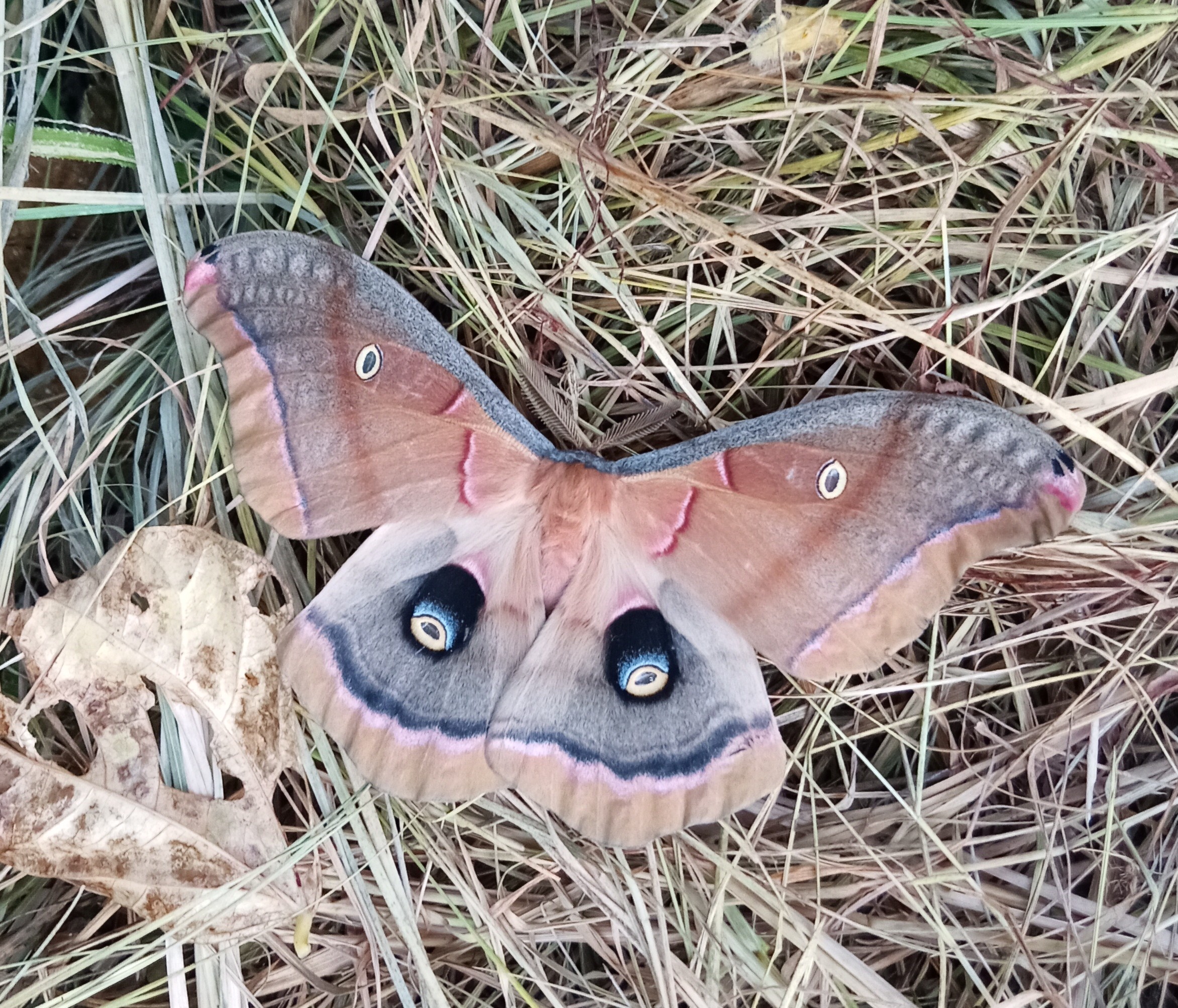
Polyphemus moths inhabit deciduous hardwood forests, orchards, urban areas, and wetlands.[3] The caterpillar can eat a total of 86,000 times its weight in the first eight weeks after it emerges.[4] Polyphemus moths are considered to be very polyphagous, meaning they eat from a wide variety of plants.[5]
"We're all just walking each other home." -Ram Dass
"Be a lamp, or a lifeboat, or a ladder."-Rumi
"It's all one song!" -Neil Young
6
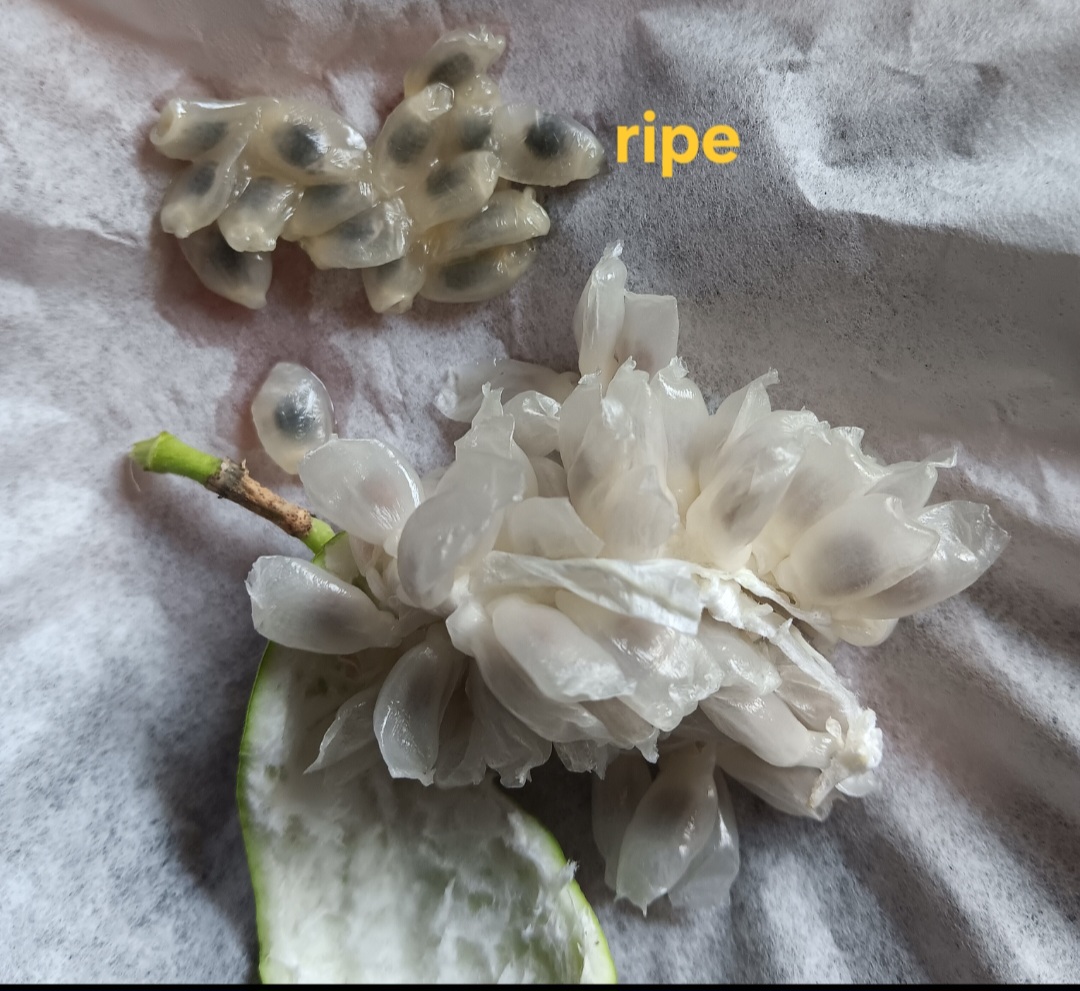
Zone 6, 45 inches precipitation, hard clay soil


 7
7
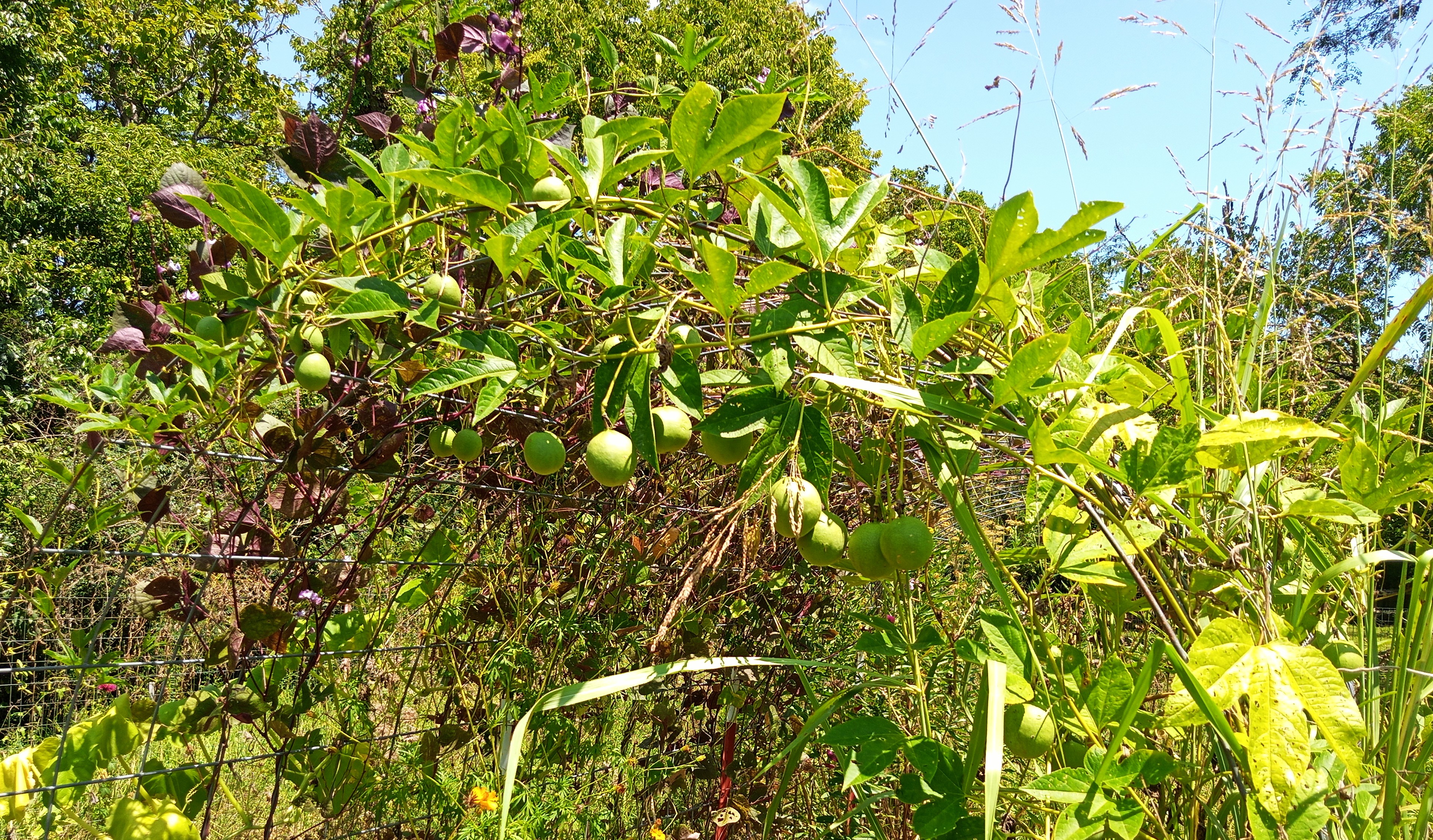
"We're all just walking each other home." -Ram Dass
"Be a lamp, or a lifeboat, or a ladder."-Rumi
"It's all one song!" -Neil Young
6
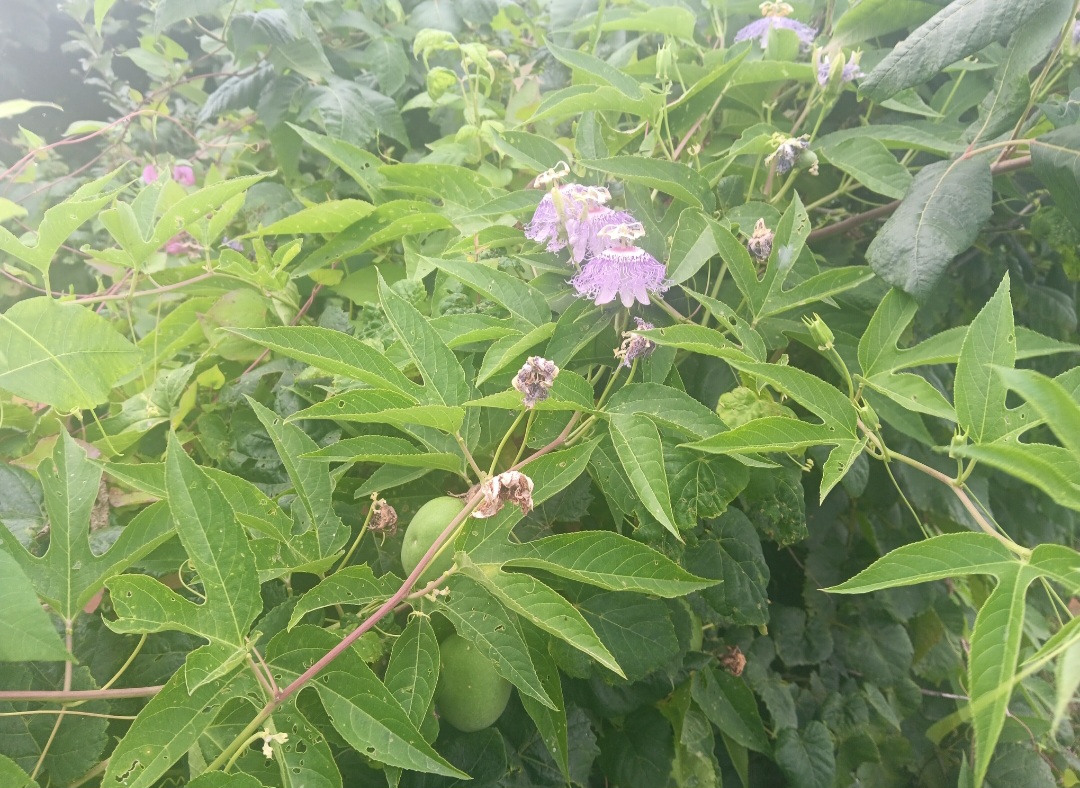
Zone 6, 45 inches precipitation, hard clay soil
8
Celtic/fantasy/folk/shanty singing at Renaissance faires, fantasy festivals, and other events in OR and WA, USA.
RionaTheSinger on youtube.
Pop-up garden/vintage+ yard stand owner.
4
"We're all just walking each other home." -Ram Dass
"Be a lamp, or a lifeboat, or a ladder."-Rumi
"It's all one song!" -Neil Young
8
Celtic/fantasy/folk/shanty singing at Renaissance faires, fantasy festivals, and other events in OR and WA, USA.
RionaTheSinger on youtube.
Pop-up garden/vintage+ yard stand owner.
4
"We're all just walking each other home." -Ram Dass
"Be a lamp, or a lifeboat, or a ladder."-Rumi
"It's all one song!" -Neil Young
5
![[Thumbnail for IMG_20260818_080541_940-2.jpg]](/t/273988/a/294577/IMG_20260818_080541_940-2.jpg "Filename: IMG_20260818_080541_940-2.jpg
Description:")
![[Thumbnail for IMG_20260818_080401_244-2.jpg]](/t/273988/a/294578/IMG_20260818_080401_244-2.jpg "Filename: IMG_20260818_080401_244-2.jpg
Description:")
![[Thumbnail for IMG_20260818_080517_338-2.jpg]](/t/273988/a/294579/IMG_20260818_080517_338-2.jpg "Filename: IMG_20260818_080517_338-2.jpg
Description:")
![[Thumbnail for IMG_20260818_080526_106-2.jpg]](/t/273988/a/294580/IMG_20260818_080526_106-2.jpg "Filename: IMG_20260818_080526_106-2.jpg
Description:")
![[Thumbnail for IMG_20260818_080335_309-3.jpg]](/t/273988/a/294581/IMG_20260818_080335_309-3.jpg "Filename: IMG_20260818_080335_309-3.jpg
Description:")
"We're all just walking each other home." -Ram Dass
"Be a lamp, or a lifeboat, or a ladder."-Rumi
"It's all one song!" -Neil Young
9
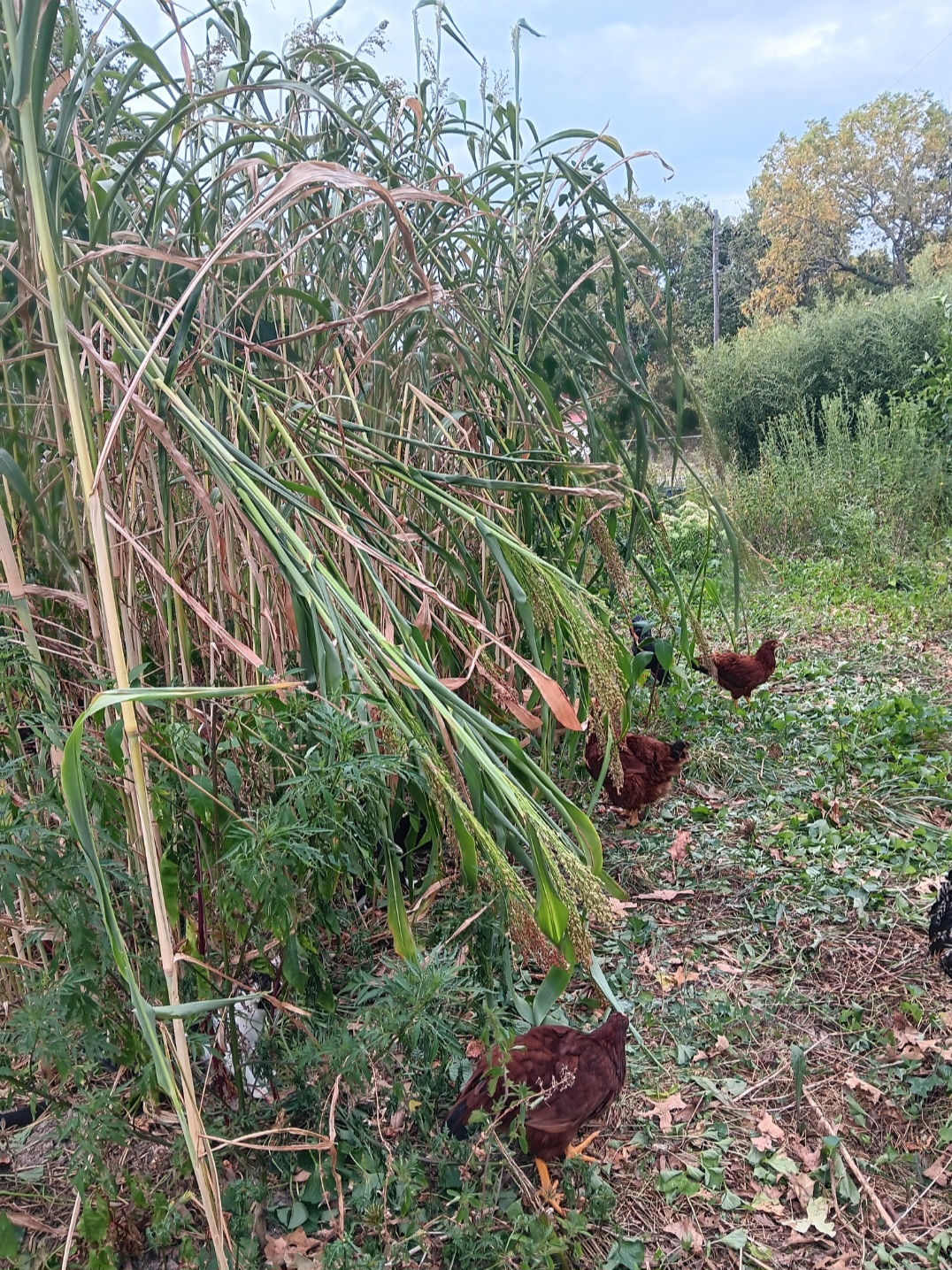
Zone 6, 45 inches precipitation, hard clay soil
6
"We're all just walking each other home." -Ram Dass
"Be a lamp, or a lifeboat, or a ladder."-Rumi
"It's all one song!" -Neil Young
7
"We're all just walking each other home." -Ram Dass
"Be a lamp, or a lifeboat, or a ladder."-Rumi
"It's all one song!" -Neil Young
5
Celtic/fantasy/folk/shanty singing at Renaissance faires, fantasy festivals, and other events in OR and WA, USA.
RionaTheSinger on youtube.
Pop-up garden/vintage+ yard stand owner.
4
Riona Abhainn wrote:Purple please.
"We're all just walking each other home." -Ram Dass
"Be a lamp, or a lifeboat, or a ladder."-Rumi
"It's all one song!" -Neil Young
7
"We're all just walking each other home." -Ram Dass
"Be a lamp, or a lifeboat, or a ladder."-Rumi
"It's all one song!" -Neil Young
8
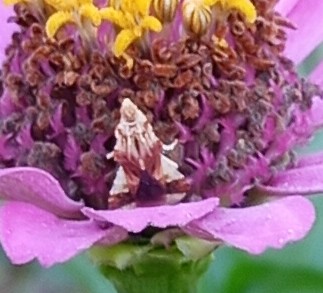
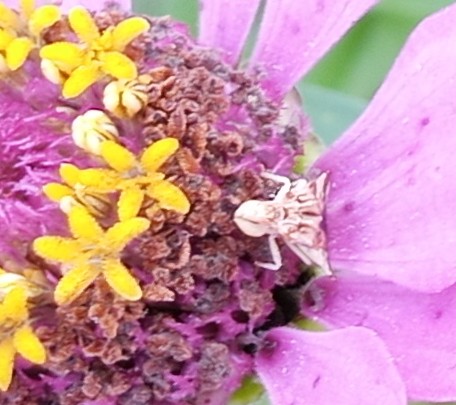
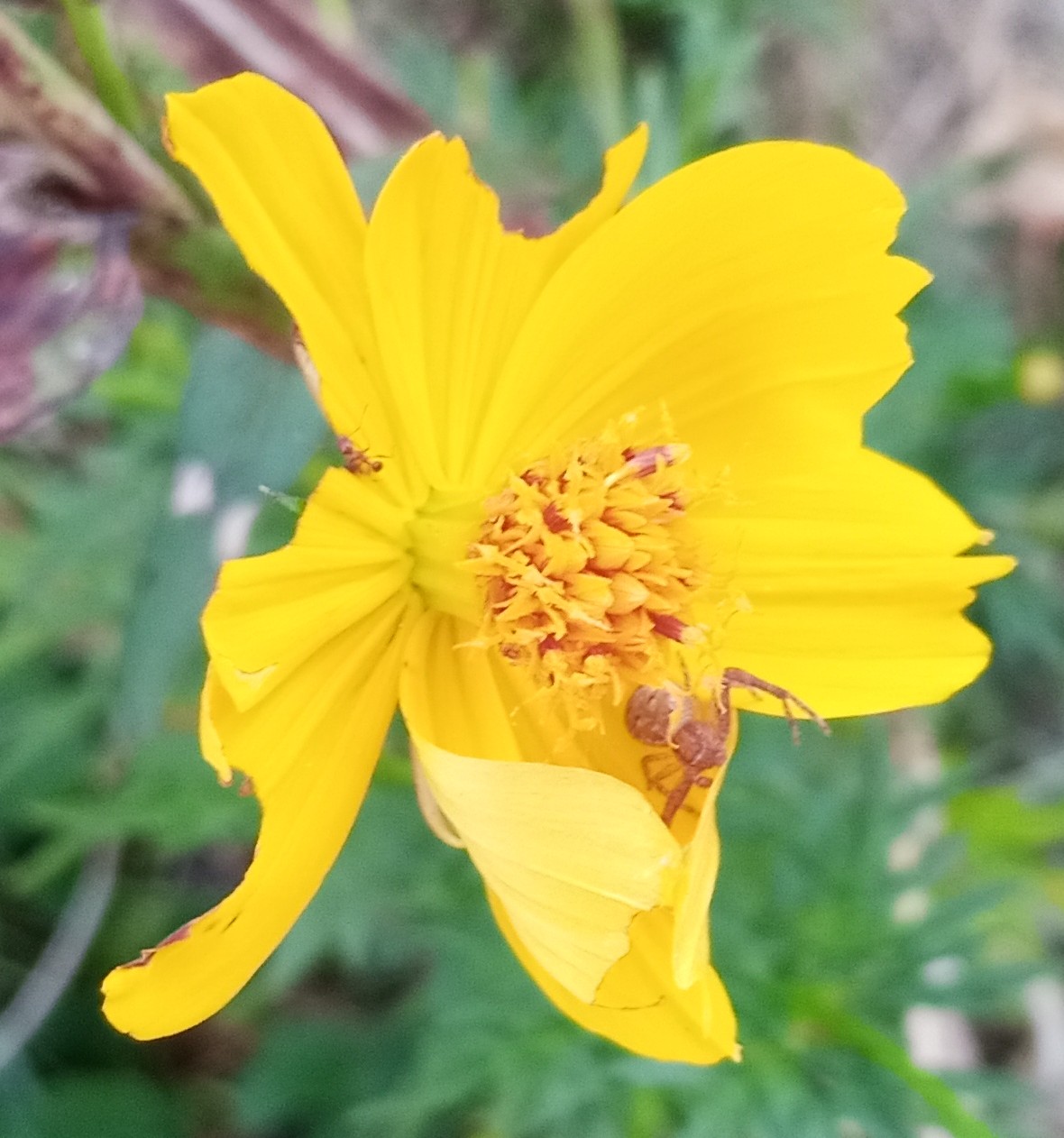
Ambush bugs occupy a similar niche to that of the crab spider, camouflaged with their host plant and lying in wait for pollinators and other invertebrate prey to come within range. These hemipterans often attack prey many times larger than themselves, which they subdue with an immobilizing venom.[14]
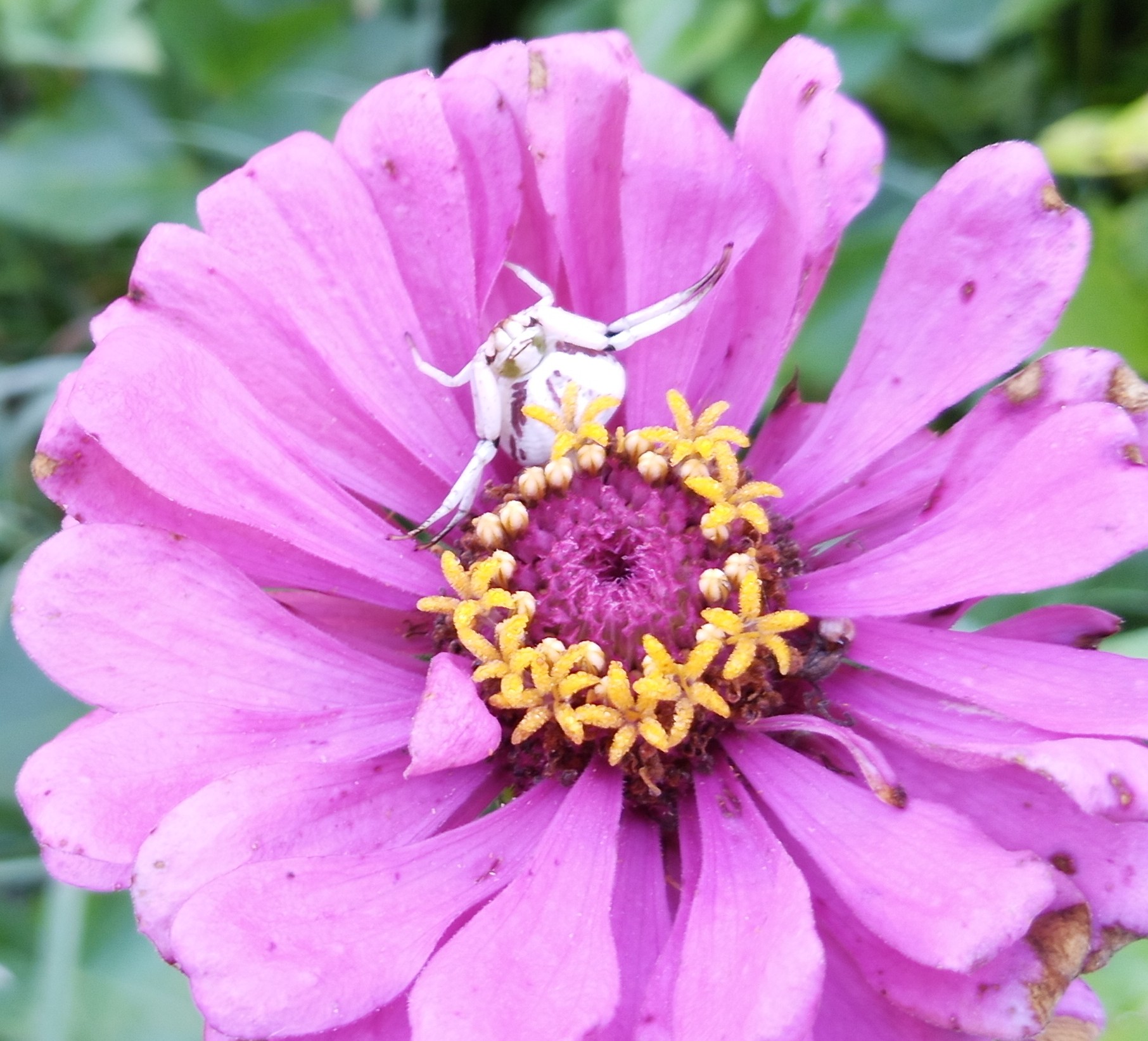
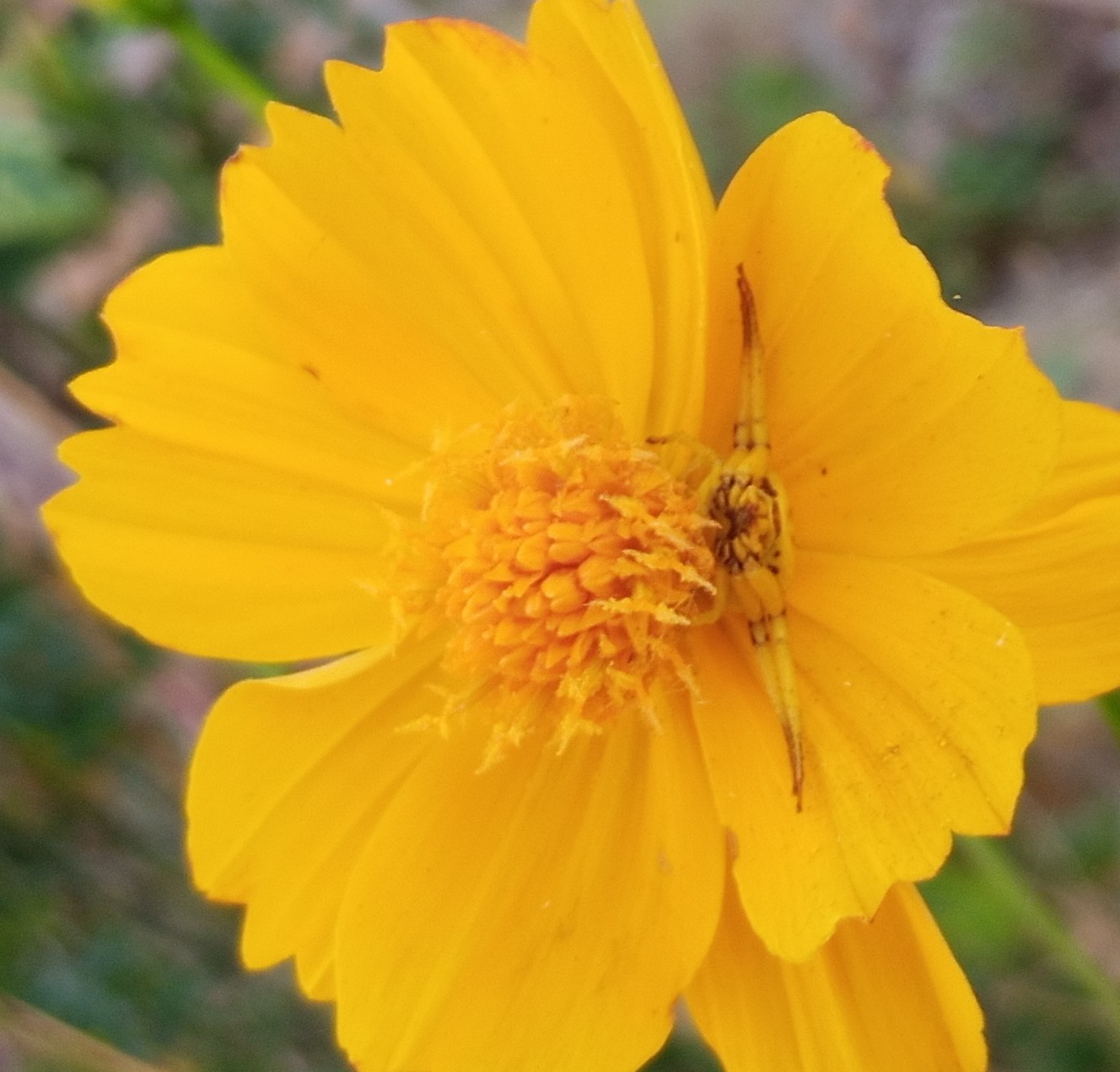
Members of this family of spiders are ambush predators and do not spin webs. The two front legs are usually longer and more robust than the other legs. The back two legs are smaller, and are usually covered in a series of strong spines.[7] Their coloration may be dull with colors such as brown or grey, or very bright green, pink, white or yellow to match their flower. These spiders are quite easy to identify, though can occasionally be confused with the usually larger huntsman spiders.
"We're all just walking each other home." -Ram Dass
"Be a lamp, or a lifeboat, or a ladder."-Rumi
"It's all one song!" -Neil Young
9
Zone 6, 45 inches precipitation, hard clay soil
9
 7
7
"We're all just walking each other home." -Ram Dass
"Be a lamp, or a lifeboat, or a ladder."-Rumi
"It's all one song!" -Neil Young


 7
7
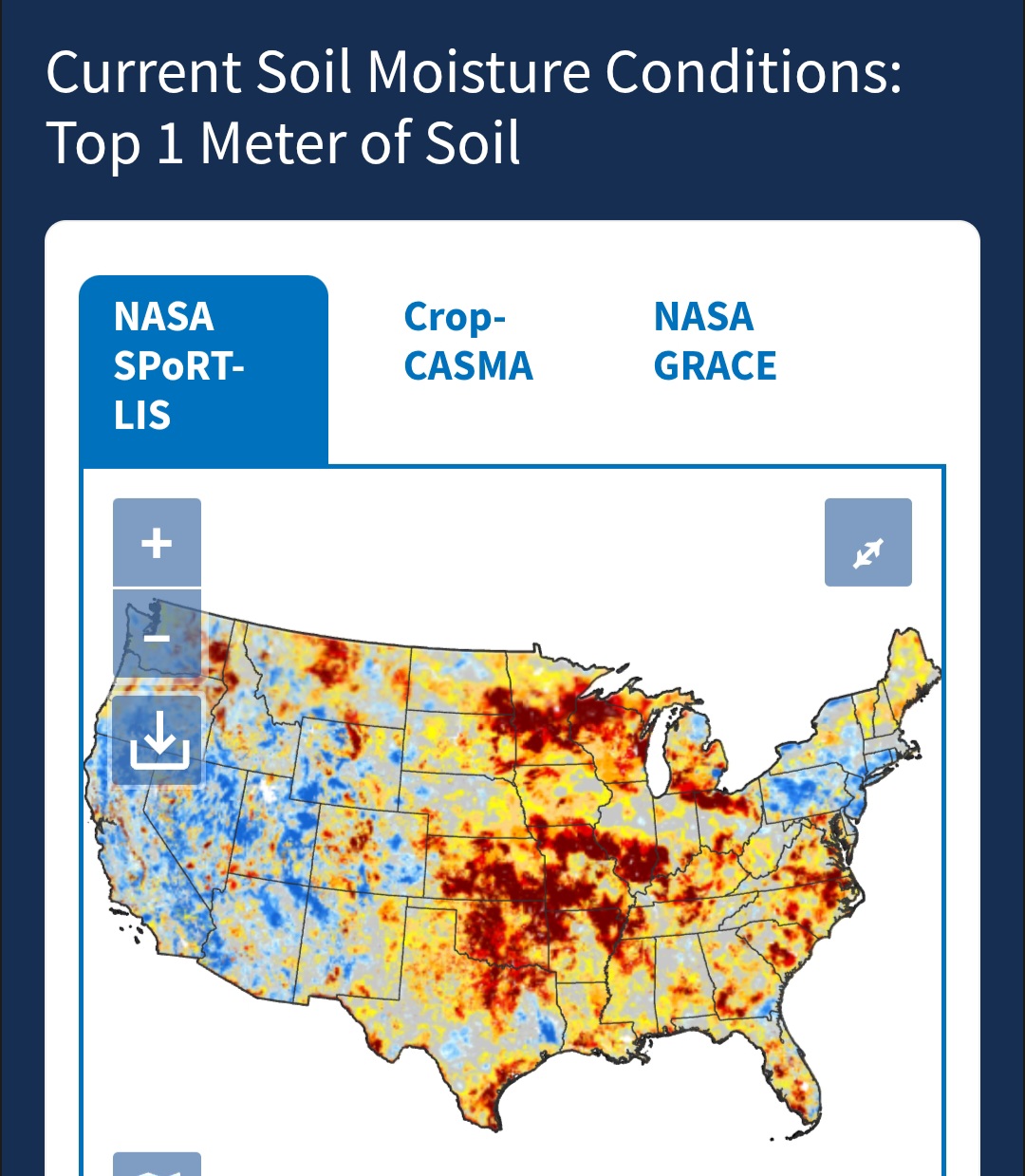
May Lotito wrote:This flash drought in the Ozarks is really bad. My SIL is commenting how we are hotter and drier than Arizona. Year to date rainfall total might not be low but check out the soil moisture....
'What we do now echoes in eternity.' Marcus Aurelius
How Permies Works Dr. Redhawk's Epic Soil Series
7
"We're all just walking each other home." -Ram Dass
"Be a lamp, or a lifeboat, or a ladder."-Rumi
"It's all one song!" -Neil Young
7
![[Thumbnail for sdohomeweb.png]](/t/273988/a/295564/sdohomeweb.png "Filename: sdohomeweb.png
Description:")
"We're all just walking each other home." -Ram Dass
"Be a lamp, or a lifeboat, or a ladder."-Rumi
"It's all one song!" -Neil Young
5
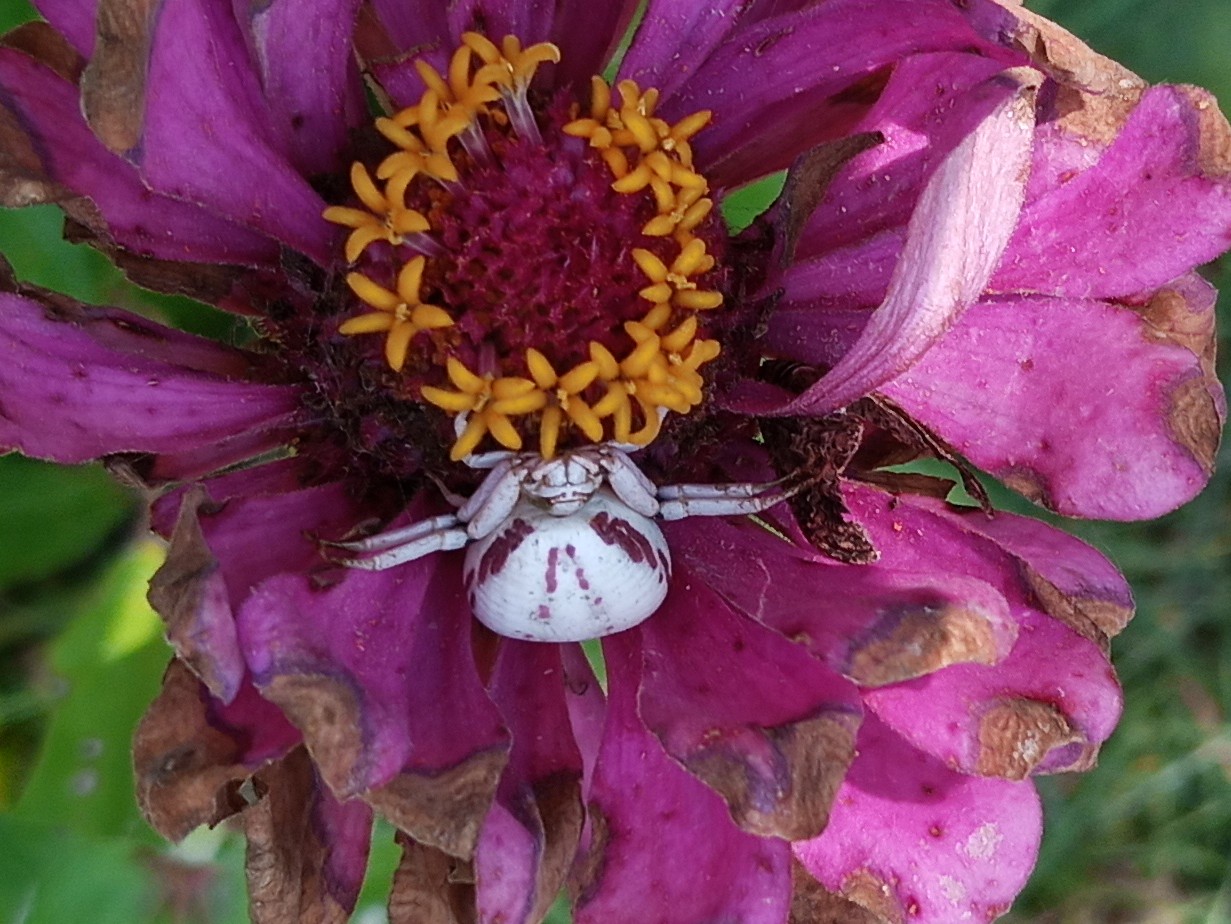
Misumenoides formosipes is a species of crab spiders (Thomisidae), belonging to the genus Misumenoides ("crab" or "flower" spiders). The species' unofficial common name is white banded crab spider, which refers to a white line that runs through the plane of their eyes. This species is a sit-and-wait predator that captures pollinators as they visit the inflorescences on which the spider sits.
![[Thumbnail for IMG_20260909_065339_617-2.jpg]](/t/273988/a/295808/IMG_20260909_065339_617-2.jpg "Filename: IMG_20260909_065339_617-2.jpg
Description: moth caught by crab spider in zinnia")
![[Thumbnail for IMG_20260909_065305_248-2.jpg]](/t/273988/a/295809/IMG_20260909_065305_248-2.jpg "Filename: IMG_20260909_065305_248-2.jpg
Description: moth caught by crab spider in zinnia")
![[Thumbnail for IMG_20260909_070025_677-2.jpg]](/t/273988/a/295810/IMG_20260909_070025_677-2.jpg "Filename: IMG_20260909_070025_677-2.jpg
Description: moth caught by crab spider in cosmos")
"We're all just walking each other home." -Ram Dass
"Be a lamp, or a lifeboat, or a ladder."-Rumi
"It's all one song!" -Neil Young
9
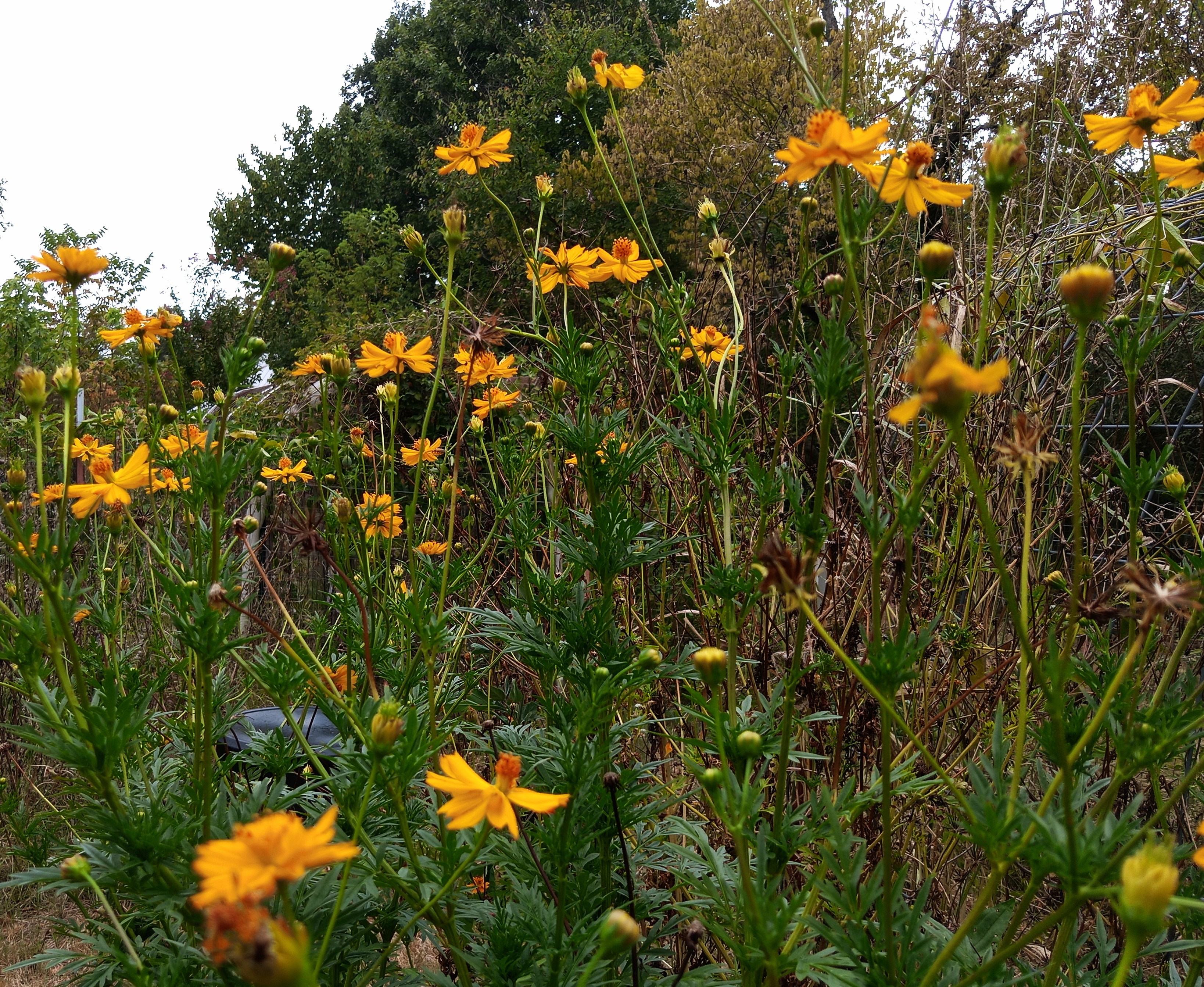
The Noctuidae, commonly known as noctuid moths or owlet moths, and their caterpillars as cutworms or armyworms, are a family of moths.
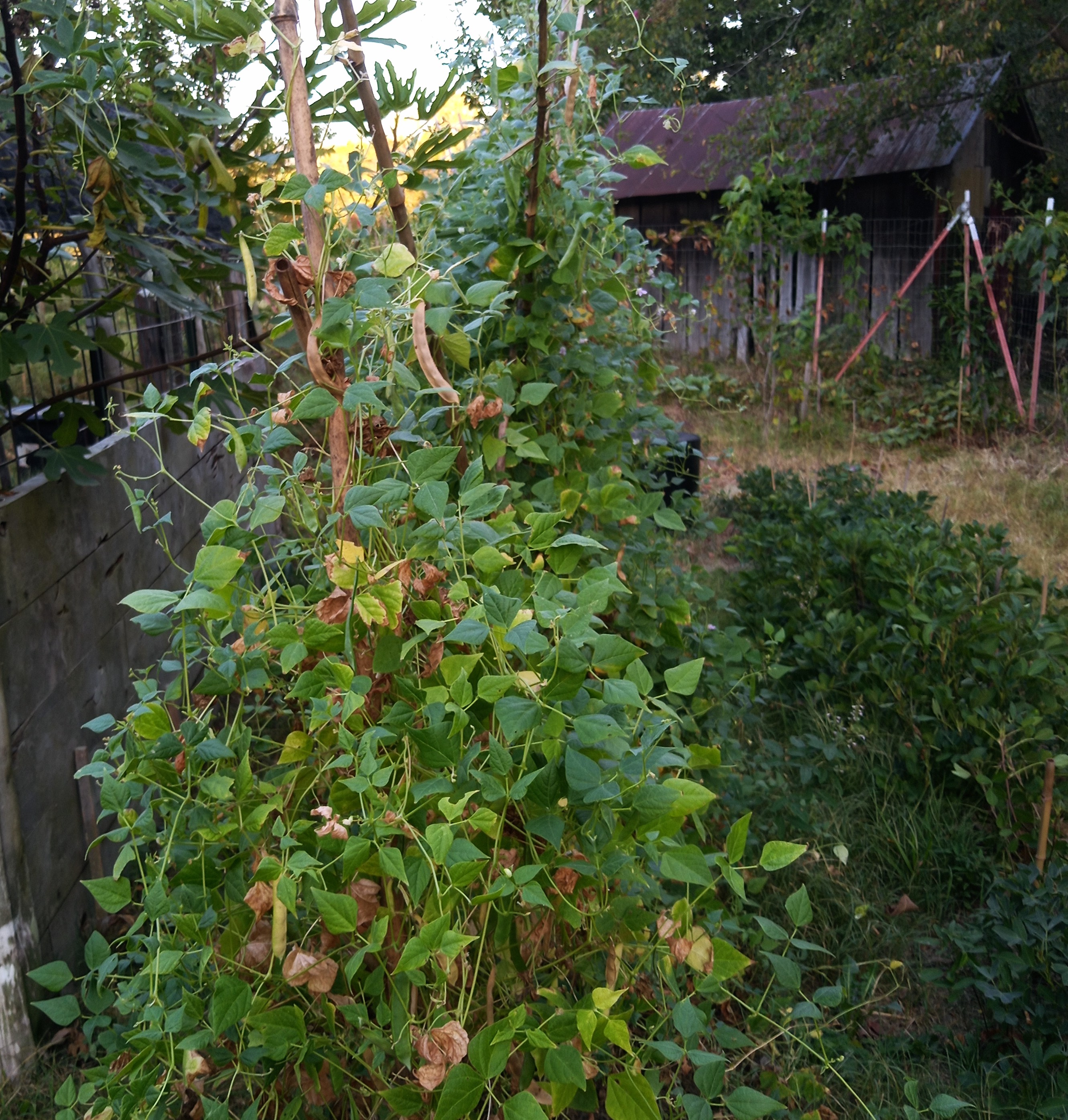
"We're all just walking each other home." -Ram Dass
"Be a lamp, or a lifeboat, or a ladder."-Rumi
"It's all one song!" -Neil Young
8
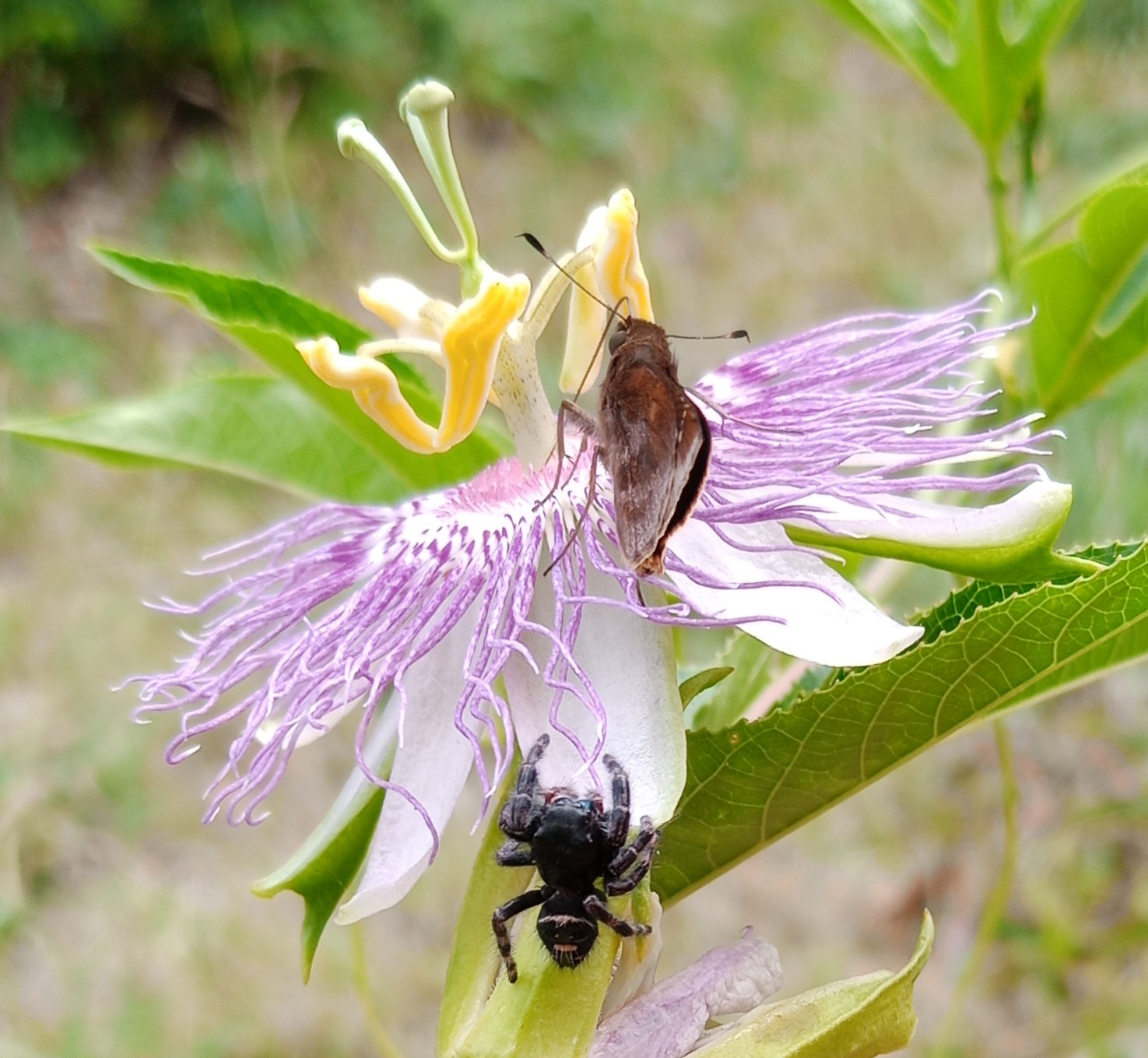
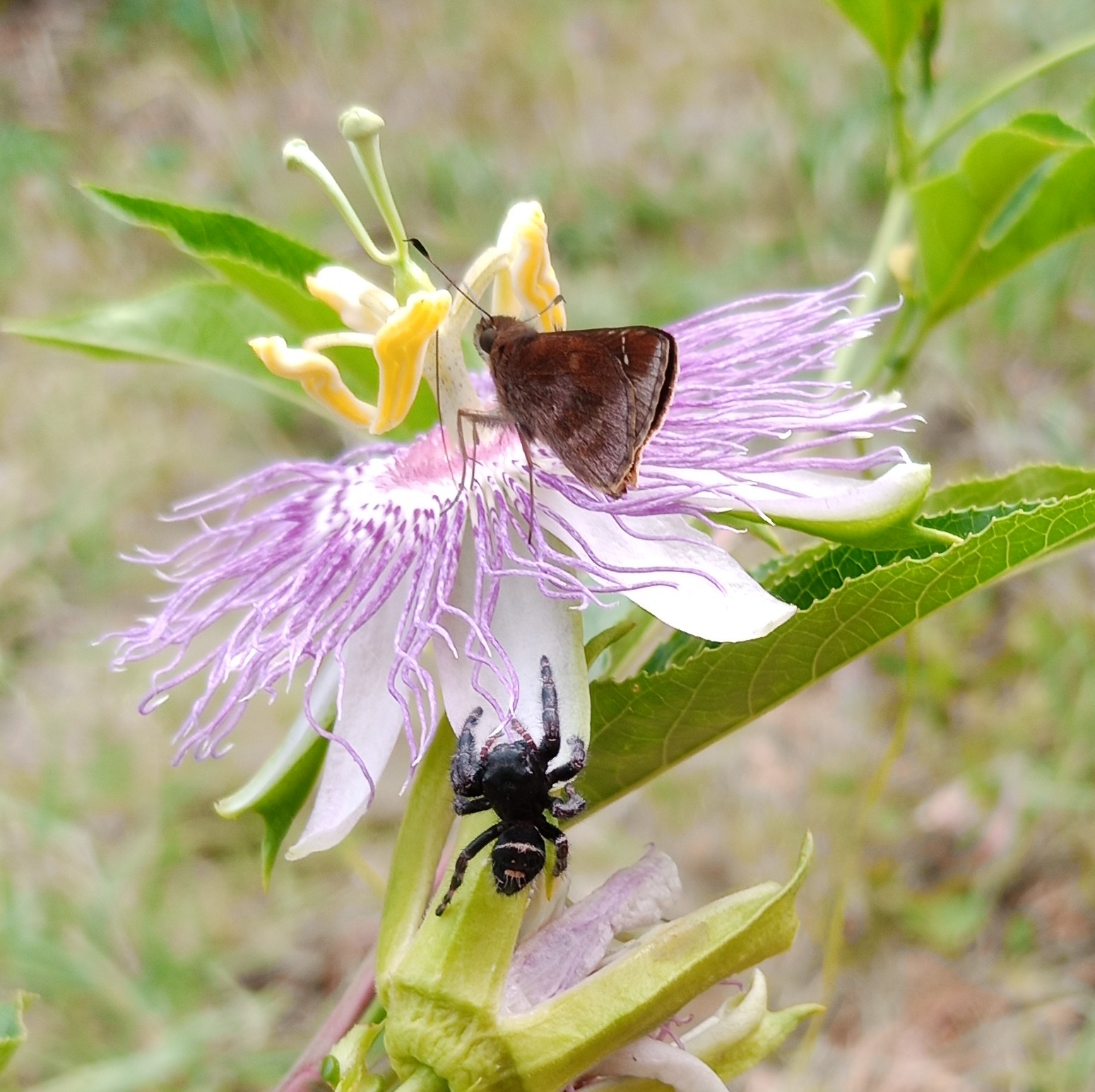
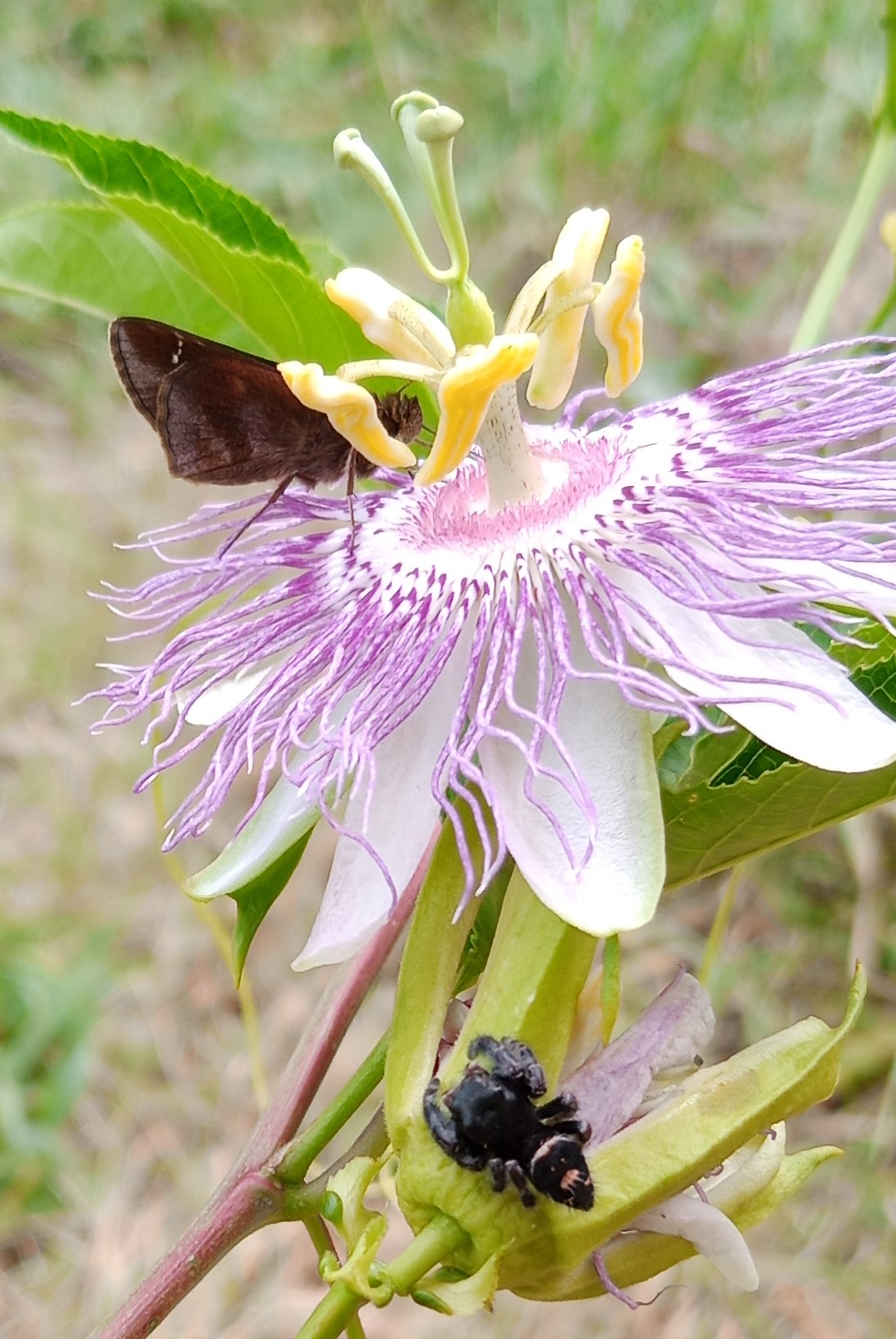
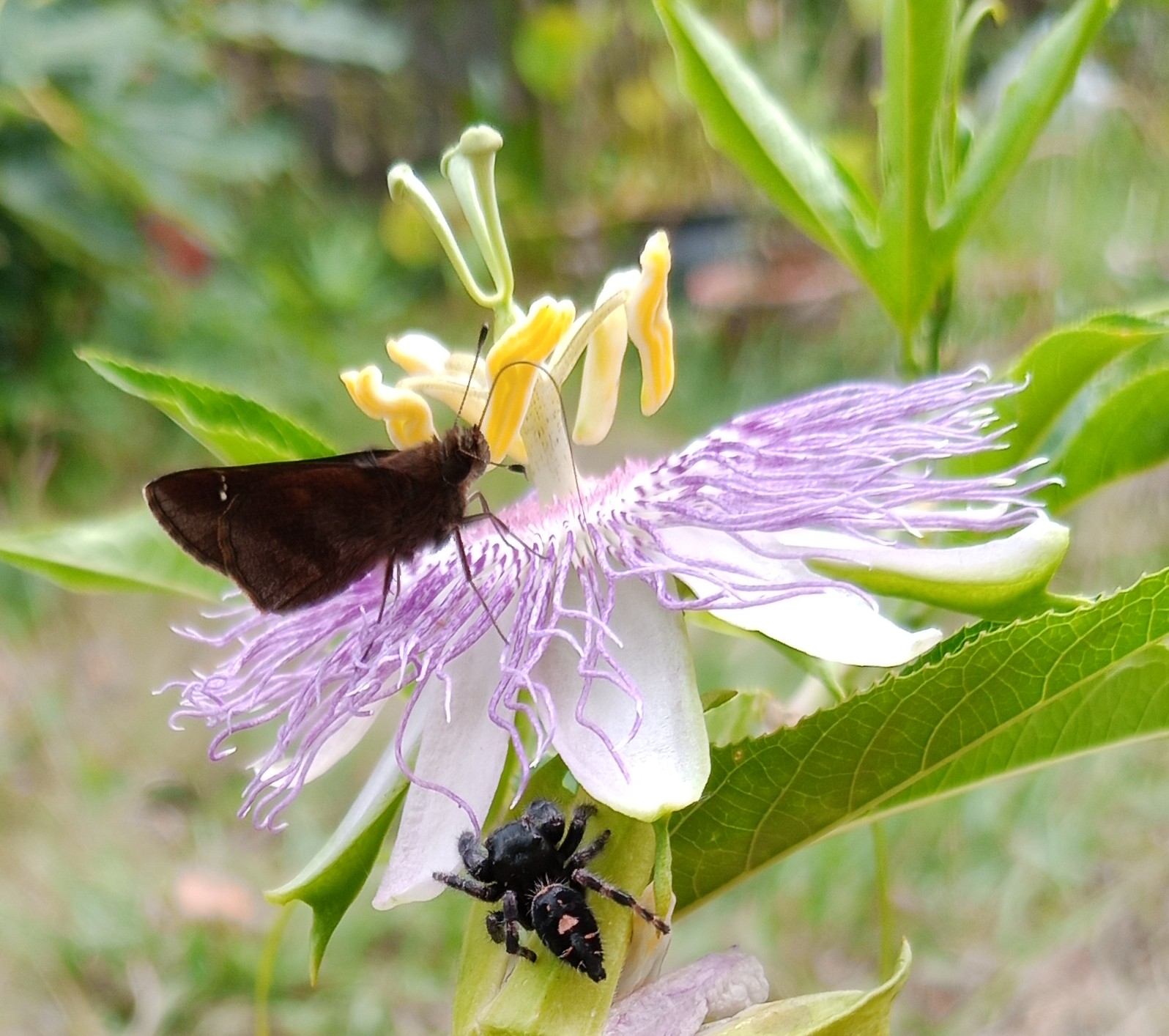
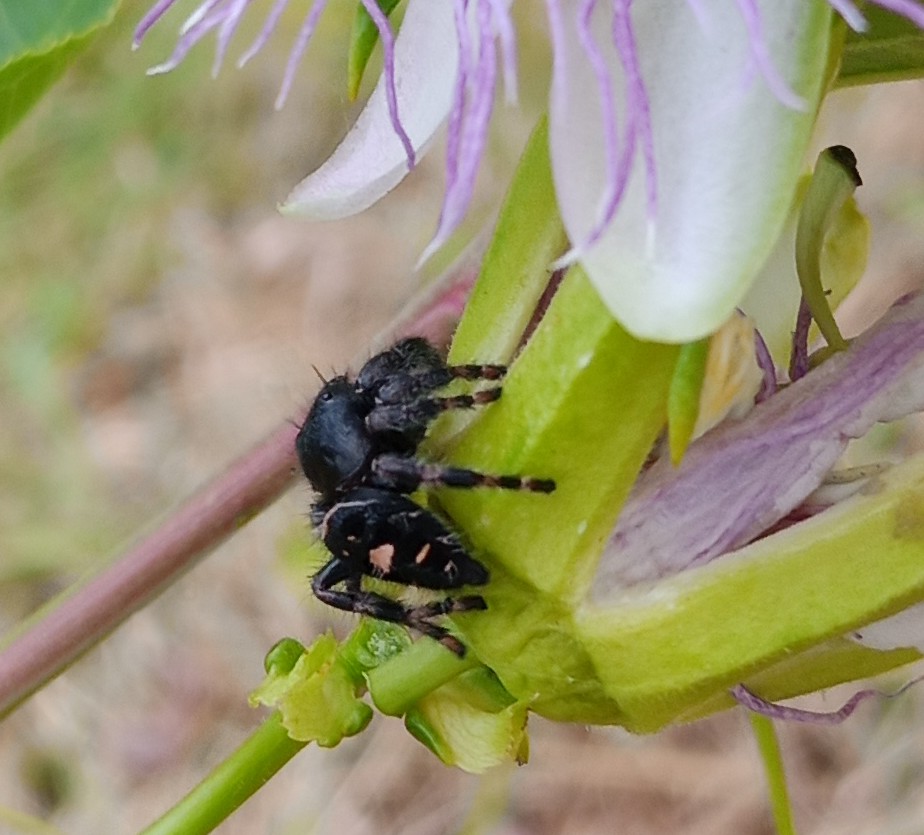
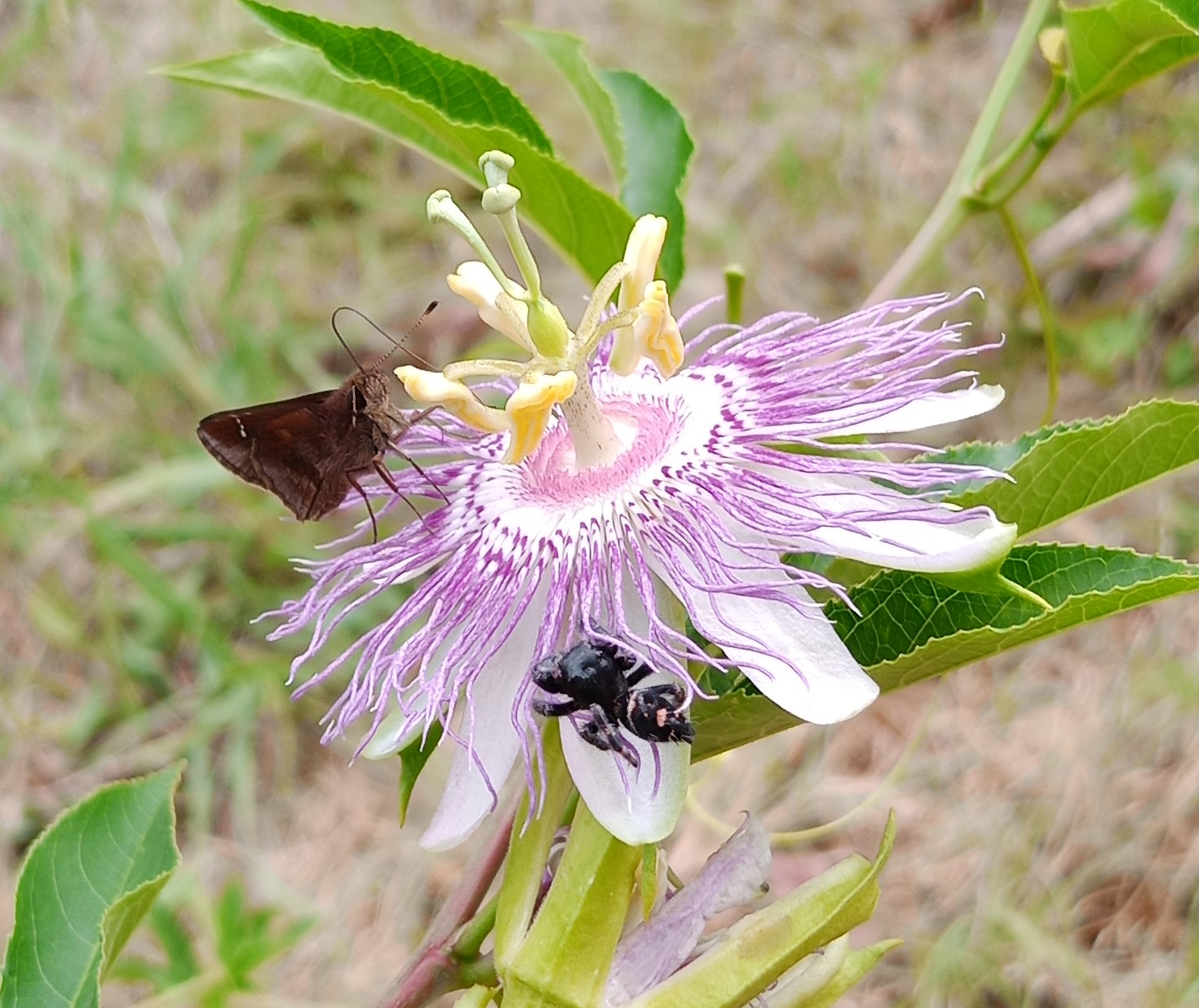
"We're all just walking each other home." -Ram Dass
"Be a lamp, or a lifeboat, or a ladder."-Rumi
"It's all one song!" -Neil Young
8
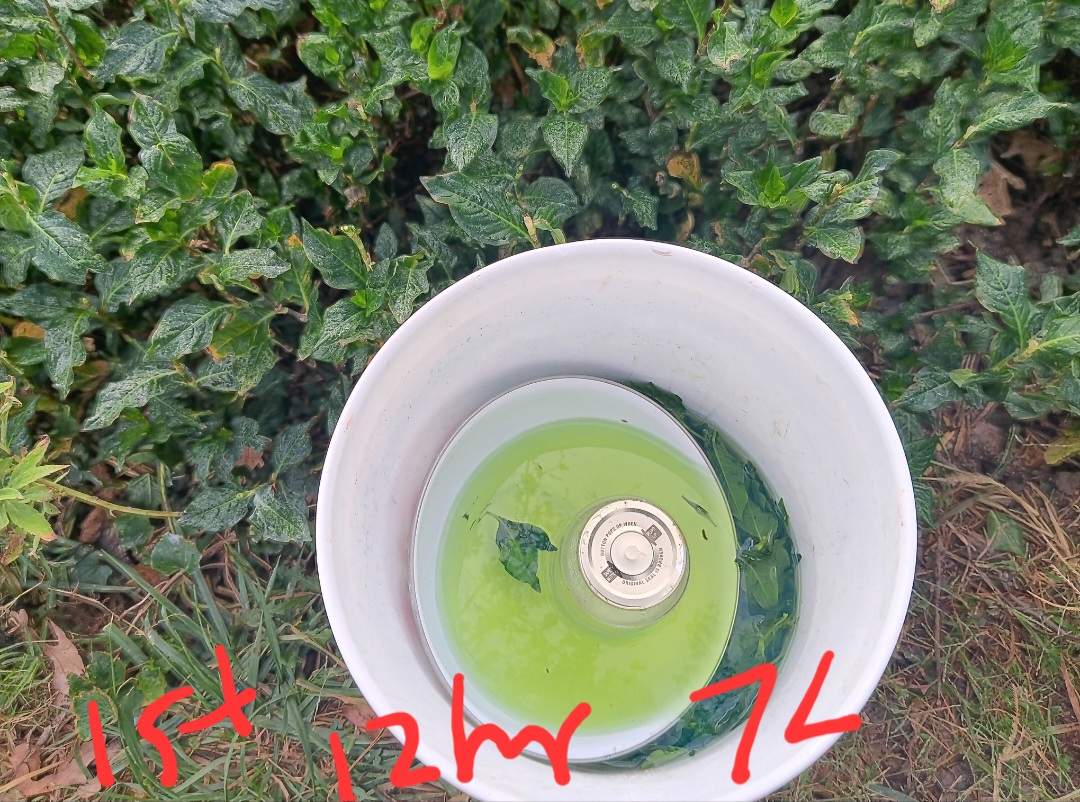
Zone 6, 45 inches precipitation, hard clay soil
7
"We're all just walking each other home." -Ram Dass
"Be a lamp, or a lifeboat, or a ladder."-Rumi
"It's all one song!" -Neil Young
7
![[Thumbnail for current_ar_text-(1).png]](/t/273988/a/296600/current_ar_text-(1).png "Filename: current_ar_text-(1).png
Description:")
"We're all just walking each other home." -Ram Dass
"Be a lamp, or a lifeboat, or a ladder."-Rumi
"It's all one song!" -Neil Young
9
Judith Browning wrote:I'm not sure I notice much difference between 'abnormally dry' and 'moderate drought' but according ro this map we are slightly less dry than much of the state.
Visit Redhawk's soil series: https://permies.com/wiki/redhawk-soil
How permies.com works: https://permies.com/wiki/34193/permies-works-links-threads


 5
5
Zone 6, 45 inches precipitation, hard clay soil
9
"We're all just walking each other home." -Ram Dass
"Be a lamp, or a lifeboat, or a ladder."-Rumi
"It's all one song!" -Neil Young
11
Zone 6, 45 inches precipitation, hard clay soil
10
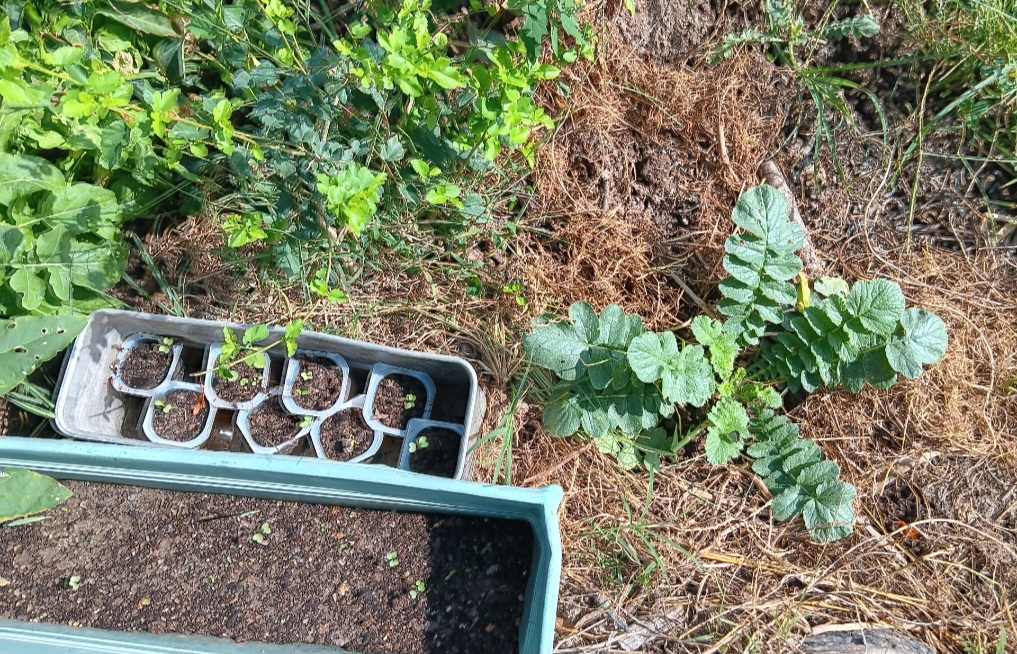
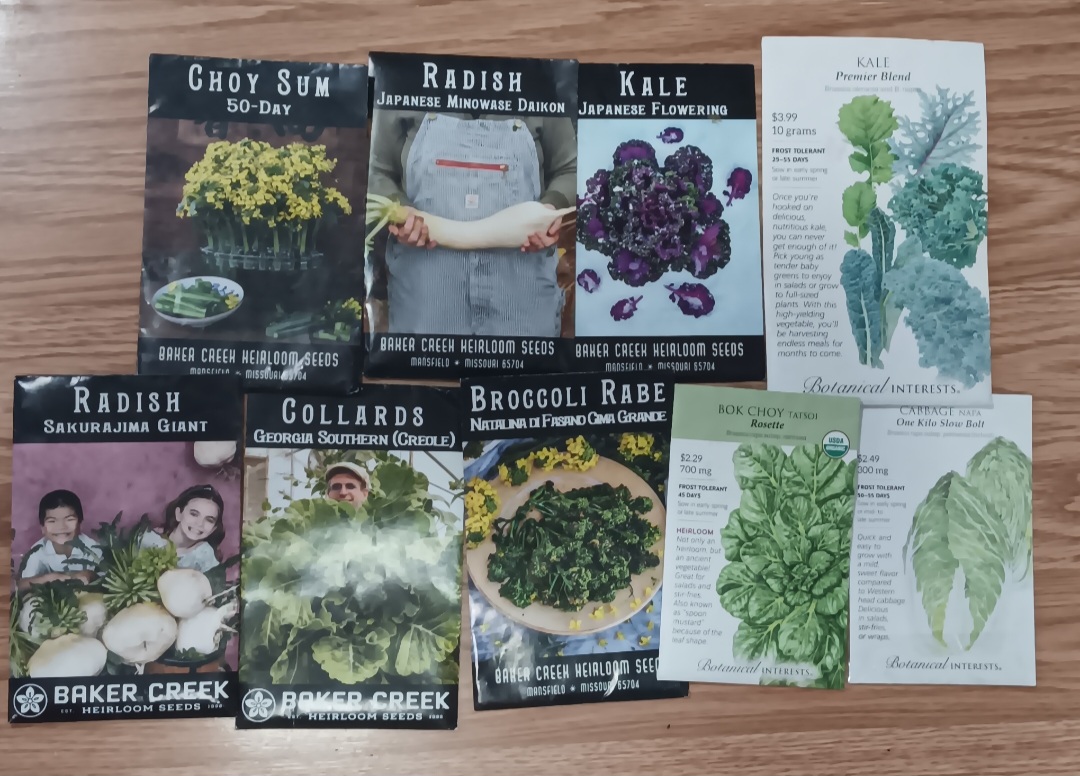
You can still plant daikon seeds now since hard freeze is still over 2 months away. The roots will be fine in light frost, especially with some mulch near the base.
"We're all just walking each other home." -Ram Dass
"Be a lamp, or a lifeboat, or a ladder."-Rumi
"It's all one song!" -Neil Young
3
'What we do now echoes in eternity.' Marcus Aurelius
How Permies Works Dr. Redhawk's Epic Soil Series

|
I once met a man from Nantucket. He had a tiny ad
A book about better recipes for green living
https://greenlivingbook.com/
|