• Post Reply Bookmark Topic Watch Topic
  • New Topic
permaculture forums growies critters building homesteading energy monies kitchen purity ungarbage community wilderness fiber arts art permaculture artisans regional education skip experiences global resources cider press projects digital market permies.com pie forums private forums all forums
this forum made possible by our volunteer staff, including ...
master stewards:
  • Carla Burke
  • Nancy Reading
  • John F Dean
  • r ransom
  • paul wheaton
  • Jay Angler
  • Timothy Norton
stewards:
  • Pearl Sutton
  • Tereza Okava
  • Nicole Alderman
master gardeners:
  • Christopher Weeks
gardeners:
  • M Ljin
  • Megan Palmer
  • Pete Podurgiel

Pepper seed blues - How to grow peppers from seed?

 
Posts: 21
  • Likes 3
  • Mark post as helpful
  • send pies
    Number of slices to send:
    Optional 'thank-you' note:
  • Quote
  • Report post to moderator
Last year I planted cayenne and jalapeno and had more plants survive than I expected (and that I knew what to do with). I saved the seed from the fruits and saved some of the original packet seed. It seemed growing peppers was idiot-proof. This year I planted both seed types and nothing... not one sprouted. So I went to the store and bought new seed (figuring maybe pepper seed doesn't last long). Again. Nothing. Not one sprout from 2 packets of seed.

As proof I'm not a total novice, I saved my tomato seeds from last year and near 100% are now growing and are big enough that I can officially say they survived. The cucumbers, about 50% sprouted. 75% for peas and close to 90% for green beans. Corn is near 100%. Onions and garlic are kickin butt and potatoes are doing ok.

I can't figure out the peppers. Any ideas? What is the textbook perfect way to grow peppers from seed? How is growing peppers from seed different from anything else? If I could just get a sprout...
 
Posts: 145
4
  • Likes 2
  • Mark post as helpful
  • send pies
    Number of slices to send:
    Optional 'thank-you' note:
  • Quote
  • Report post to moderator
Try a heating pad, peppers like 80-85 degrees F to germinate.

Also remember that home gardeners are sold the "floor sweepings" as opposed to commercial farmers.
 
steward
Posts: 7926
Location: Currently in Lake Stevens, WA. Home in Spokane
365
  • Likes 2
  • Mark post as helpful
  • send pies
    Number of slices to send:
    Optional 'thank-you' note:
  • Quote
  • Report post to moderator

Bob Dobbs wrote:Try a heating pad, peppers like 80-85 degrees F to germinate.


Agreed. And that 80-85 degree range is for the soil, not air temp.

 
Randy Fisher
Posts: 21
  • Likes 2
  • Mark post as helpful
  • send pies
    Number of slices to send:
    Optional 'thank-you' note:
  • Quote
  • Report post to moderator
So I should try to plant them again in the summer? Makes me wonder how I did so well last year. I put all my pepper plants in the ground at the beginning of april last year. It was spring break for the kids.
 
John Polk
steward
Posts: 7926
Location: Currently in Lake Stevens, WA. Home in Spokane
365
  • Likes 2
  • Mark post as helpful
  • send pies
    Number of slices to send:
    Optional 'thank-you' note:
  • Quote
  • Report post to moderator
You didn't say where you are located, and that can make a huge difference.
Peppers are tropical plants. They love warmth, detest cold.

I have grown great pepper plants in warm climates.
Here in Seattle, we don't get enough summer warmth to expect a decent crop (even if started early indoors).
Even in warmer climates, I have had better results by starting them early indoors - in warmed soil.

Another thing peppers don't seem to like is constantly damp soil.
My best luck has always been when I allow the plants to dry out enough that the leaves begin to curl/shrivel.
Then I give them a good, deep soaking, and wait for the leaves to curl again.
Water stressing them seems to make them thrive...and produce hotter peppers.

 
Randy Fisher
Posts: 21
  • Likes 2
  • Mark post as helpful
  • send pies
    Number of slices to send:
    Optional 'thank-you' note:
  • Quote
  • Report post to moderator
I've heard that to be the case with onions too... that you will get a stronger onion flavor with less watering.

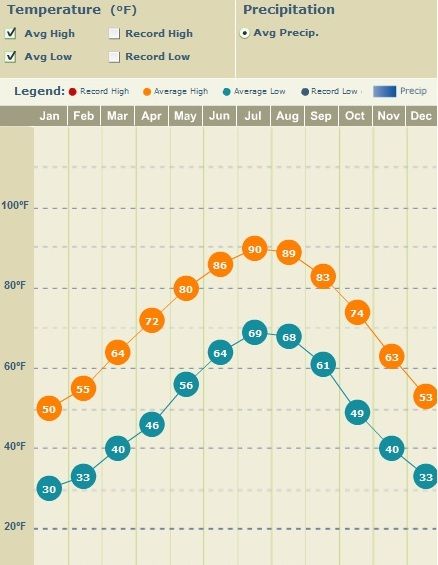
I'm in North GA


Aren't tomatoes and cucumbers tropical plants as well? Why are peppers so much harder to sprout?

Where can I find more information on where plants come from? You know... their native environment.
 
Posts: 42
Location: Costa Rica 100 meters above sea level, Tropical dry forest
1
  • Likes 2
  • Mark post as helpful
  • send pies
    Number of slices to send:
    Optional 'thank-you' note:
  • Quote
  • Report post to moderator
Sometimes I germinate seeds in a moist paper towel, then put in covered plastic dish. Check and when sprouted plant in dirt.
 
John Polk
steward
Posts: 7926
Location: Currently in Lake Stevens, WA. Home in Spokane
365
  • Mark post as helpful
  • send pies
    Number of slices to send:
    Optional 'thank-you' note:
  • Quote
  • Report post to moderator

Aren't tomatoes and cucumbers tropical plants as well? Why are peppers so much harder to sprout?


Yes. Cucumbers originally came from India, and tomatoes from South America (where chile peppers came from).
But, chiles were from a specific region (Andean Bolivia), whereas tomatoes & cucumbers were from wider regions (anywhere tropical).
Some plants can do well out of their native habitat, while others need to be 'tricked'.

Before 1492, tomatoes had been traded along the commerce trail as far as parts of northern Mexico & the Caribbean.
The peppers hadn't (successfully) gone beyond their 'comfort zone'.

After 1492, Europe was a hot spot for selling new, exotic foods, and growers began trying their damned best to make them grow locally.

Okra originated in west Africa, and was brought to America on the slave ships.
In their west African native language, they were called 'gumbo'.

A very small percentage of our diets is 'native'.

 
steward
Posts: 3999
Location: Wellington, New Zealand. Temperate, coastal, sandy, windy,
125
  • Likes 2
  • Mark post as helpful
  • send pies
    Number of slices to send:
    Optional 'thank-you' note:
  • Quote
  • Report post to moderator
Aside from the picky temperature thing, are you confident that you gave them enough time to germinate? Chillies can take ages.

Off topic, but unless you did some fancy fiddling, it's quite likely the cayenne and jalapeno crossed, as they're both C. Annum
 
Randy Fisher
Posts: 21
  • Likes 2
  • Mark post as helpful
  • send pies
    Number of slices to send:
    Optional 'thank-you' note:
  • Quote
  • Report post to moderator

Leila Rich wrote:Aside from the picky temperature thing, are you confident that you gave them enough time to germinate? Chillies can take ages.

Off topic, but unless you did some fancy fiddling, it's quite likely the cayenne and jalapeno crossed, as they're both C. Annum


I just repeated what I did the year before. I planted tomatoes and peppers at the same time. When the tomatoes were big enough to move to the garden, the peppers still hadn't sprouted.

I planted jalapenos from the original seed pack for 2012
I planted cayenne from the original seed pack for 2012
I planted saved seed from the jalapeno fruit of 2012
I planted saved seed from the cayenne fruit of 2012

I planted both saved and new tomato seed. The tomatoes took off right away. Not one pepper sprouted.

So I bought new jalapeno seed marked for 2013. Not one of them sprouted.

I might try again with the old seed, since I have plenty of it. If tomato and cucumber seed can last 1 season, surely pepper seed can too.
 
Posts: 10693
Location: a temperate, clay/loam spot on planet earth, the universe
3872
4
  • Likes 2
  • Mark post as helpful
  • send pies
    Number of slices to send:
    Optional 'thank-you' note:
  • Quote
  • Report post to moderator
All good advice here...the only thing I would add is planting depth...I just cover pepper seeds lightly...I read that somewhere and it seems to matter. Soil temperature is the big one though. My tomatoes germinate in three days at 80 degrees where the peppers have taken as long as two weeks. I've had occasional volunteer peppers show up in the garden but here by the time the soil has warmed enough there isn't enough time for them to mature... volunteer tomatoes do great. Usually my seed is 1 to 3 years old.
I'm not getting a clear picture of how you grew them the first time?
 
Randy Fisher
Posts: 21
  • Likes 2
  • Mark post as helpful
  • send pies
    Number of slices to send:
    Optional 'thank-you' note:
  • Quote
  • Report post to moderator

Judith Browning wrote:I'm not getting a clear picture of how you grew them the first time?


The first time, I bought a bag of dirt and a pack of those styrofoam cups from the dollar store. I filled each cup with dirt, put a seed on top and covered with a small amount of dirt. I think I did 20 cups for each jalapeno and cayenne and set them on cafeteria trays. I just kept the dirt moist and it seemed easy.... they just popped up. I think maybe 2 or 3 cups didn't sprout, but out of 40 pepper plants, 37-38 was more than I expected or wanted. Seems like the peppers and tomatoes grew at the same time. Its hard to remember as I had no reason to make a mental note of it. No heating pads or anything like that. And its impossible for me to have had them at 80 degrees because I would never keep the house that warm.

The only difference this year was the dirt and possibly the position of the moon.
 
Judith Browning
Posts: 10693
Location: a temperate, clay/loam spot on planet earth, the universe
3872
4
  • Likes 2
  • Mark post as helpful
  • send pies
    Number of slices to send:
    Optional 'thank-you' note:
  • Quote
  • Report post to moderator
By 'dirt' I assume you mean a potting soil or what's called seed starter? and your tomatoes sprouted in the same soil? This is becoming a interesting mystery. The 80 to 85 degree temp. is optimum but as low as 70 will work. Absolutely no germination from different seed sources is sounding like seed that has been stored in too hot an environment...above 110 or 115 I think will do it. Or maybe the seed got damp and then froze? Freezing dry seed is good but if it is not completely dry it can damage it for germination.
 
Randy Fisher
Posts: 21
  • Likes 2
  • Mark post as helpful
  • send pies
    Number of slices to send:
    Optional 'thank-you' note:
  • Quote
  • Report post to moderator
I'm glad you like mysteries

By dirt I mean the bags of stuff they sell at the dollar store. They have a couple kinds and I can't remember what it was, but I do remember having to sift it through 1/4 inch mesh to get the chunks of bark out, so I'm thinking it probably wasn't potting soil.

I know Paul makes a distinction between dirt and soil, with dirt being devoid of anything nourishing. Me, when I say dirt, I'm just trivializing the process, ie: "Just slap it in some dirt... its easy".

I can say with fair certainty that it didn't get above 110 or below freezing in my house lol. I store the seeds in envelopes in a drawer. I figured the paper would let it breathe some and its dark in a drawer.
 
Judith Browning
Posts: 10693
Location: a temperate, clay/loam spot on planet earth, the universe
3872
4
  • Likes 2
  • Mark post as helpful
  • send pies
    Number of slices to send:
    Optional 'thank-you' note:
  • Quote
  • Report post to moderator
Well, I am back to suspecting the bag of 'dirt'. If you had to sift out bark it could be all it was was bark dust with some kind of miracle grow added. The seeds stored in paper in the dark should be fine..but a bit better would be in paper in jars. If the seed is completely dry it can be sealed up. I hope someone has more ideas for you. I cant think of any more variables.
 
Randy Fisher
Posts: 21
  • Mark post as helpful
  • send pies
    Number of slices to send:
    Optional 'thank-you' note:
  • Quote
  • Report post to moderator
The only other variable would be the moon. Do you subscribe to that line of thinking?
 
Judith Browning
Posts: 10693
Location: a temperate, clay/loam spot on planet earth, the universe
3872
4
  • Mark post as helpful
  • send pies
    Number of slices to send:
    Optional 'thank-you' note:
  • Quote
  • Report post to moderator

Randy Fisher wrote:The only other variable would be the moon. Do you subscribe to that line of thinking?


Yes, I do but I am kind of shot loose about it in practice. I believe it can make a difference but I thought it would be in plant health and productiveness not necessarily germination...I don't know and I guess I wouldn't rule it out...esp. if you planted in some barren sign in the fourth quarter.
I would like to think it was the dirt because I like speaking out against bagged dirt and soil with synthetic fertilizers added and compost that can contain municipal sewer sludge, My homemade potting mix is sifted compost and or leaf mold and sand...a little heavy but works good for me.
 
pollinator
Posts: 3830
Location: Massachusetts, Zone:6/7 AHS:4 GDD:3000 Rainfall:48in even Soil:SandyLoam pH6 Flat
561
2
forest garden solar
  • Likes 1
  • Mark post as helpful
  • send pies
    Number of slices to send:
    Optional 'thank-you' note:
  • Quote
  • Report post to moderator
Last year was super warm. I live in the New England and it was freaky that New Years Eve (17months ago) was 60F. vs the usual 20F.
And all my trees bloomed early. I started eating peaches 3.5 weeks early.

I think I might have even saw some type of citrus growing from my compost pile this time last year, but the seeds could have been weeks old vs from the previous year.

I just threw some cherry tomatoes outside yesterday. Hopefully I get a few tomatoes from them.
 
Randy Fisher
Posts: 21
  • Likes 2
  • Mark post as helpful
  • send pies
    Number of slices to send:
    Optional 'thank-you' note:
  • Quote
  • Report post to moderator
Bob, half of that is greek to me lol. This is the part of the article I thought was profound:

"Thus when decay has proceeded to the point where the carbon-nitrogen ratio is significantly decreased, a residue of a more stable nature is produced. Thereafter the carbon-nitrogen ratio is narrower and remains more constant. This corresponds more nearly to the condition that holds in the case of the organic matter in virgin soils. Its further decay, which is slow because of the relatively low level of carbon, liberates nitrogen in place of storing or preserving it. Because of its high carbon content, the decomposition of fresh organic matter requires additional soluble nitrogen to be used as building material by the micro-organisms, which obtain it from the soil, often exhausting the supply to a degree that is damaging to a growing crop. The amount of increase in organic material corresponds, in the main, to the amount of nitrogen available. The extra carbon in the fresh material is lost from the soil. Thus when soils are given straws, fodders, and similar crop residues of low nitrogen content, only small increases in soil organic matter can result--in the main, only as large as the added nitrogen will permit. Many tons of common farm residues and wastes per acre are needed to produce a single additional ton of organic matter in the soil.

The restoration of soil organic matter, then, is a problem of increasing the nitrogen level or of using nitrogen as a means of holding the carbon and other materials. This is the basic principle behind the use of legumes as green manures. In building up the organic content of the soil itself, it will often be desirable to use legumes and grasses rather than to add organic matter, such as straw and compost, directly. If legumes and grasses are to be successfully grown on many of the soils of the humid regions of this country it will be necessary, first, to properly fertilize and lime the soil. Legumes use nitrogen from the air instead of the soil, and thus serve to increase the amount in the soil when their own remains are added to it. Commercial nitrogen used as treatment on straw for the production of artificial manure in compost piles, or when plowing under straw in the field after the combine, may be considered in the same category. Small amounts of added nitrogen may in this way make possible the use of large amounts of carbonaceous matter in restoring the soil. Thus the European farmer first "makes" his manure by composting the fresh straw-dung mixture from the barn and then treats it intermittently with the nitrogen-bearing liquid manure or urine from the same source and the nitrogen-rich leachings from the manure pit. He does not consider the fresh, strawy barn waste manure in the strictest sense until the surplus carbon has been removed through the heating process, and the less active manure compounds become similar to those of the soil organic matter. In a similar way, it should be understood that the soil organic matter can be "made" or built up only as the nitrogen supply is raised and combined with carbonaceous material in a more narrow ratio."


So now the question is: Would it be more efficient to stuff our fresh grass clippings in the ground quickly before they lose their green instead of wasting that nitrogen burning carbon off of brown leaves? Invariably there is going to be some anaerobic decomp going on in the compost bin. Oxygen levels fall to that point in 15 min. So unless you turn your pile every 15 min, you're losing nitrogen. I guess the same could be said of them in the ground too. I can't figure out which way would be better.

Benji, yes last year was a hot one. I remember everything blooming early too. It seems like my blueberries are ready earlier and earlier every year. It used to be a 4th of july thing. Now by the 4th, they're all gone.
 
master gardener
Posts: 6836
Location: Carlton County, Minnesota, USA: 3b; Dfb; sandy loam; in the woods
4244
8
forest garden trees books chicken food preservation cooking fiber arts seed woodworking homestead ungarbage
  • Likes 5
  • Mark post as helpful
  • send pies
    Number of slices to send:
    Optional 'thank-you' note:
  • Quote
  • Report post to moderator
I have great luck getting chiles to germinate in either bagged organic compost or soil from my garden (or rock-wool cubes) if they're on a heat mat. But sometimes a packet just doesn't work out. Also, if you save seeds from green fruit, they may not be viable yet (though sometimes they are). I'm sure to keep them moist as well. Peppers like dryish soil, but not for germination.
 
Posts: 169
Location: South Florida
9
  • Likes 8
  • Mark post as helpful
  • send pies
    Number of slices to send:
    Optional 'thank-you' note:
  • Quote
  • Report post to moderator
I scrape pepper seeds into the dish water we collect in the kitchen and use to water the garden. I get a few volunteer hot peppers coming up here and there, not so much bell peppers. I just take the seeds from a pepper that's started to go bad on the plant and mash them into a pot. I get excellent germination. It is hot here.
 
gardener
Posts: 3888
Location: Western Slope Colorado.
1012
5
goat dog food preservation medical herbs solar greening the desert
  • Likes 7
  • Mark post as helpful
  • send pies
    Number of slices to send:
    Optional 'thank-you' note:
  • Quote
  • Report post to moderator
I don’t think we’re ever going to know for certain what happened to the OPs peppers 13 years ago.  It seems like a weird set of circumstances.  Peppers have been pretty straightforward for me.  I have germinated them on a sunny windowsill and on a heat mat.  I prefer the heat mat.
 
Posts: 2
  • Likes 5
  • Mark post as helpful
  • send pies
    Number of slices to send:
    Optional 'thank-you' note:
  • Quote
  • Report post to moderator
This is so helpful! I planted a jalepeno plant and it’s been doing surprisingly well. I was assuming it would die like some of my other plants, (I’m new to gardening) but it’s the one thriving! I appreciate learning about the water stressing tactic. I think I over water mine. Is that the case for lunch box peppers too? Thanks!!
 
Posts: 228
Location: Payson, Utah, US of A - Zone6B/High Desert/4500' /14" Rainfall
133
  • Likes 3
  • Mark post as helpful
  • send pies
    Number of slices to send:
    Optional 'thank-you' note:
  • Quote
  • Report post to moderator
Pepper seeds are really susceptible to fungal rot.

I picked up a tip from the lady that used to run Amishland Seeds to put a drop of bleach in a cup of water and soak your seeds in that for 15 minutes.

Helps kill off some spores. I did a side-by-side comparison one year, and the bleach seeds had around 20% better germination, and germinated more quickly and across a shorter span of time.

Your starting media is important, for the same reason. Pepper seeds don't like excess water, they only want soil of a similar dampness to what you'd use for cold stratifying seeds in the fridge, like a moist sponge that doesn't drip until you squeeze it tightly.

The heat is important, as has been mentioned, and on top of the fridge works pretty well if you don't have a heating pad. A heat lamp at an appropriate distance works fine too, you can use a thermometer to make sure you're not overheating your future plant buddies.

The paper towel method (or the seed roll method) works well for peppers in particular, because of the fungal sensitivity, as a basically sterile and inert media which holds moisture well.

Happy planting, friends. Hope that helps.
 
Chance Lunceford
Posts: 228
Location: Payson, Utah, US of A - Zone6B/High Desert/4500' /14" Rainfall
133
  • Likes 3
  • Mark post as helpful
  • send pies
    Number of slices to send:
    Optional 'thank-you' note:
  • Quote
  • Report post to moderator
Oh, hey, one more thing, pepper radicles/plumules (the first little root and growth sprouts) can be finicky.

Make sure you plant your seeds with the micropyle (opening where radicles emerge) facing downward, so your radicles don't have to grow at radical angles.

Also, sometimes, a seedling can use some help removing the seed coat. Pepper seeds are thick and tough, so sometimes the little buddies can use some help. Tweezers, patience and caution are the tools to use in this scenario. Or, you can say, "Sorry, little buddy, but you're not strong enough for my garden, thanks for your effort," and then cull that one.
 
Chance Lunceford
Posts: 228
Location: Payson, Utah, US of A - Zone6B/High Desert/4500' /14" Rainfall
133
  • Likes 4
  • Mark post as helpful
  • send pies
    Number of slices to send:
    Optional 'thank-you' note:
  • Quote
  • Report post to moderator
Also, I have a rule with stubborn germination:

NOPE.

If I have peppers that reliably germinate within 3 weeks or less, and I have peppers that sporadically germinate across 3-8 weeks, I'm not interested in the seeds germinating between, say, weeks 4-8. They're out, I don't have time to wait on lethargic germination.

Over time, if you select only early germinators, you'll remove genetic components responsible for sluggish sprouts, and then it's simply up to you to hone your process.

Not everybody's approach, and if, for example, all you have is 15 seeds and you want as many peppers as possible, then rejoice at your earlier germinators, but don't give up hope on the laggards until either 10 weeks have transpired or you're already well into spring and there's 0 chance of ripe fruit. When seedling 11, the final seedling you're able to germinate from the 15 seeds, pops at week 8 and begins to rapidly grow, you can marvel at the resilience of seeds and the joy of the garden as you pop your last little buddy into your raised bed and cross your fingers in hopes that, since it's almost May, you've got 110 days of good heat left.
 
I don't always make ads but when I do they're tiny
12 Better World books +12 SKIP books +12 Cob Style DVDs
https://permies.com/wiki/380865/World-books-SKIP-books-Cob
reply
    Bookmark Topic Watch Topic
  • New Topic