|

|

|

|

|

|
|
|
|
|
|
|
|

|

|

|

|

|
 14
14


~Permies FAQ ~ Dragons, Fairies and even a Mini-Paul! ~ You Know You're a Permie When...~ All About Permies, including tutorials ~Herbal Hugel Spiral of Randomness!~Tricks to Keep the Dirt from Sliding off a Hugel~List of Cascadia Bloggers and Facebook Pages!~


 5
5
Celtic/fantasy/folk/shanty singing at Renaissance faires, fantasy festivals, and other events in OR and WA, USA.
RionaTheSinger on youtube.
Pop-up garden/vintage+ yard stand owner.
6
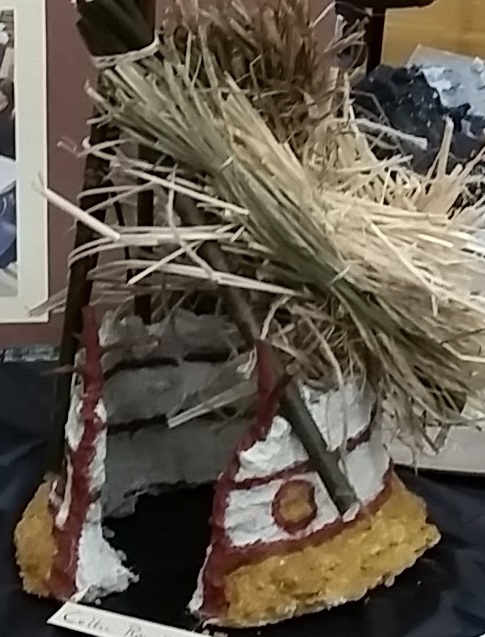
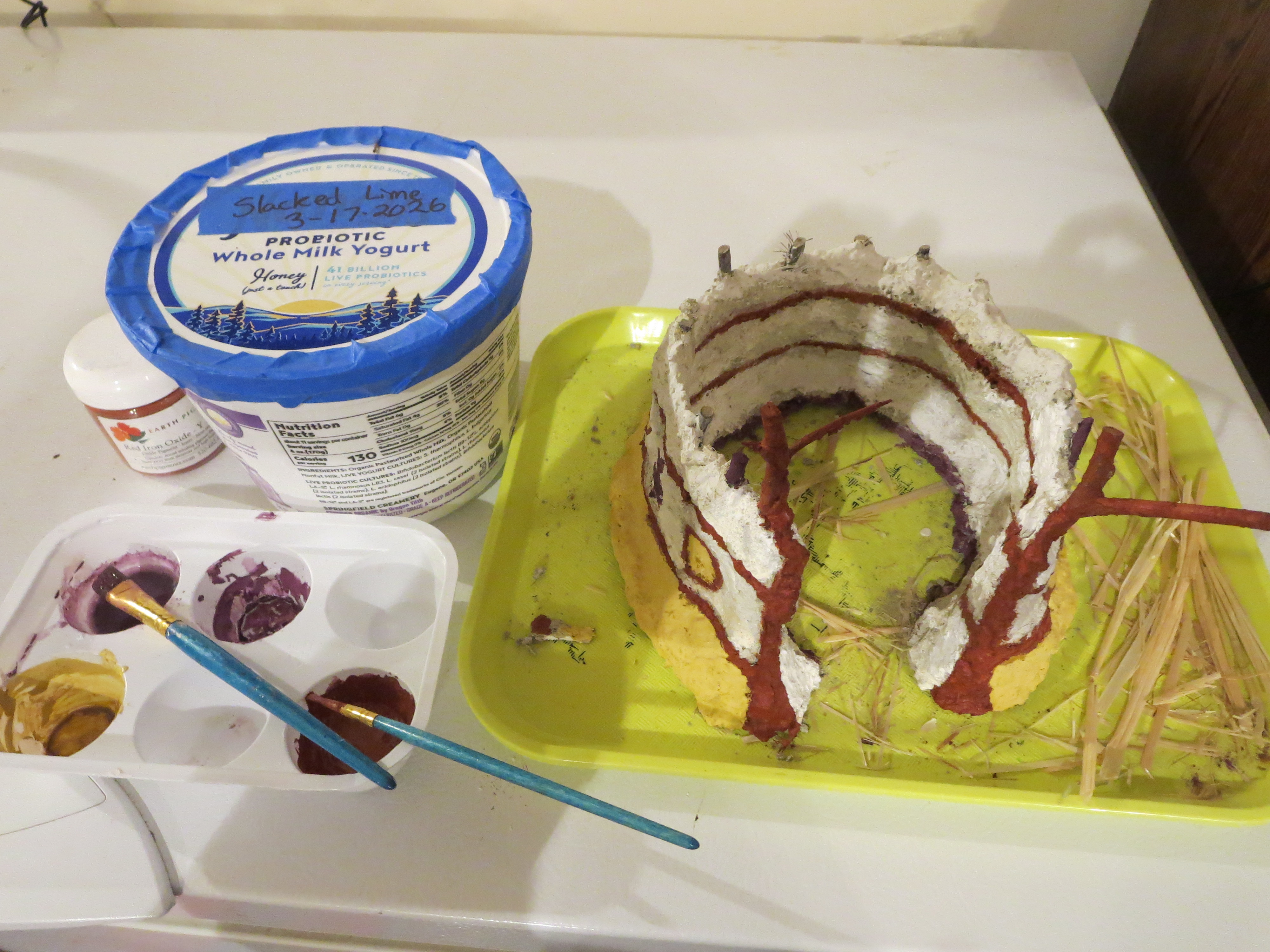
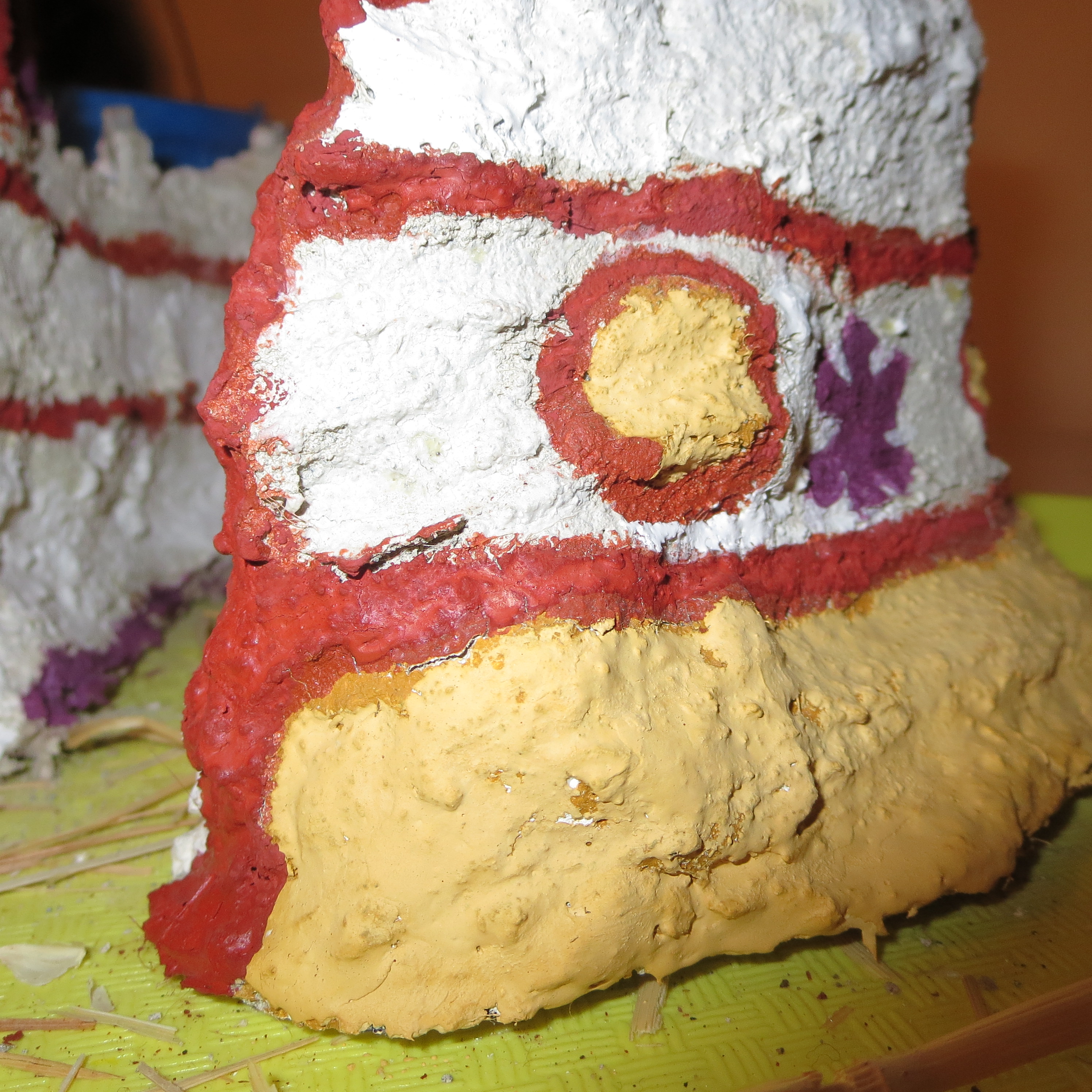
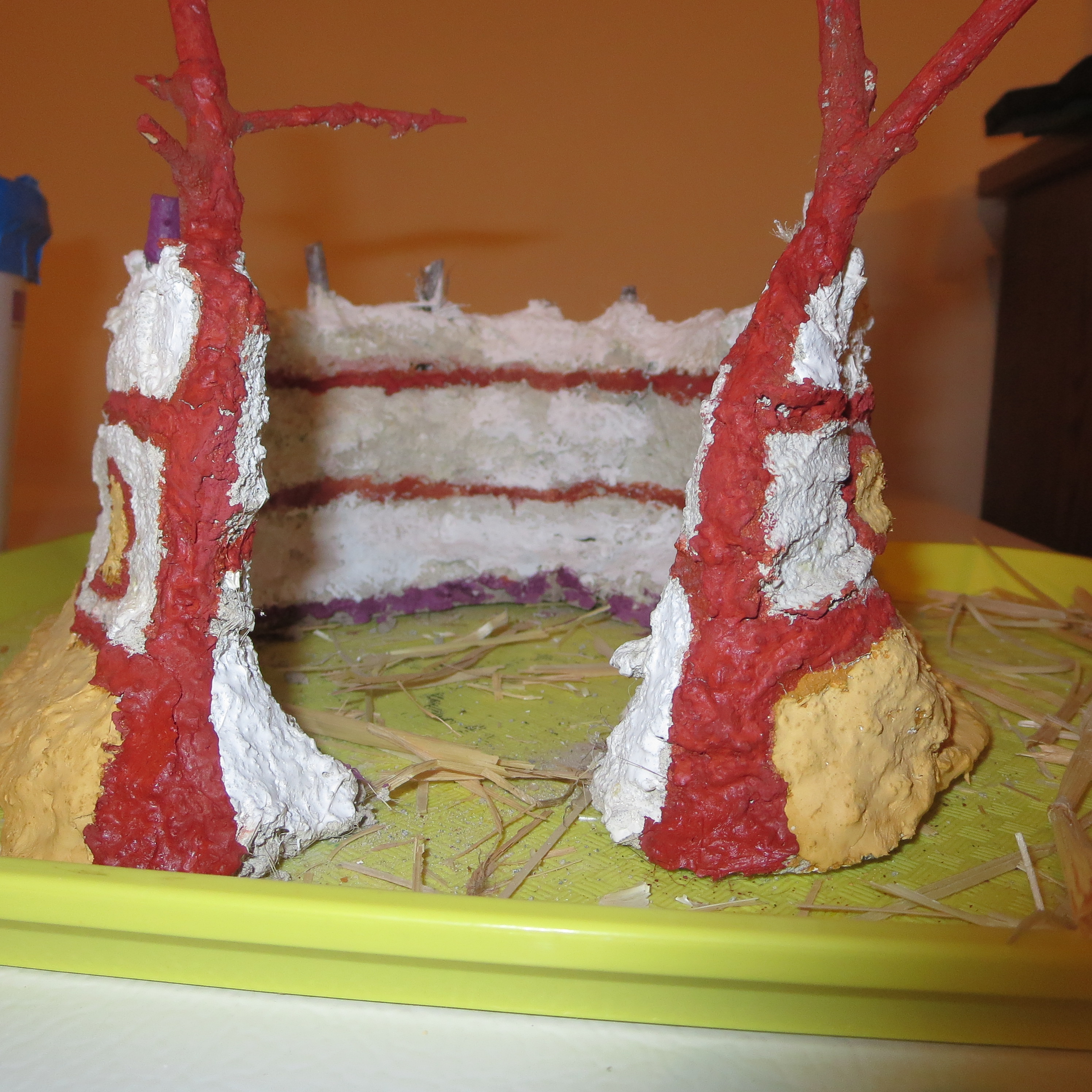
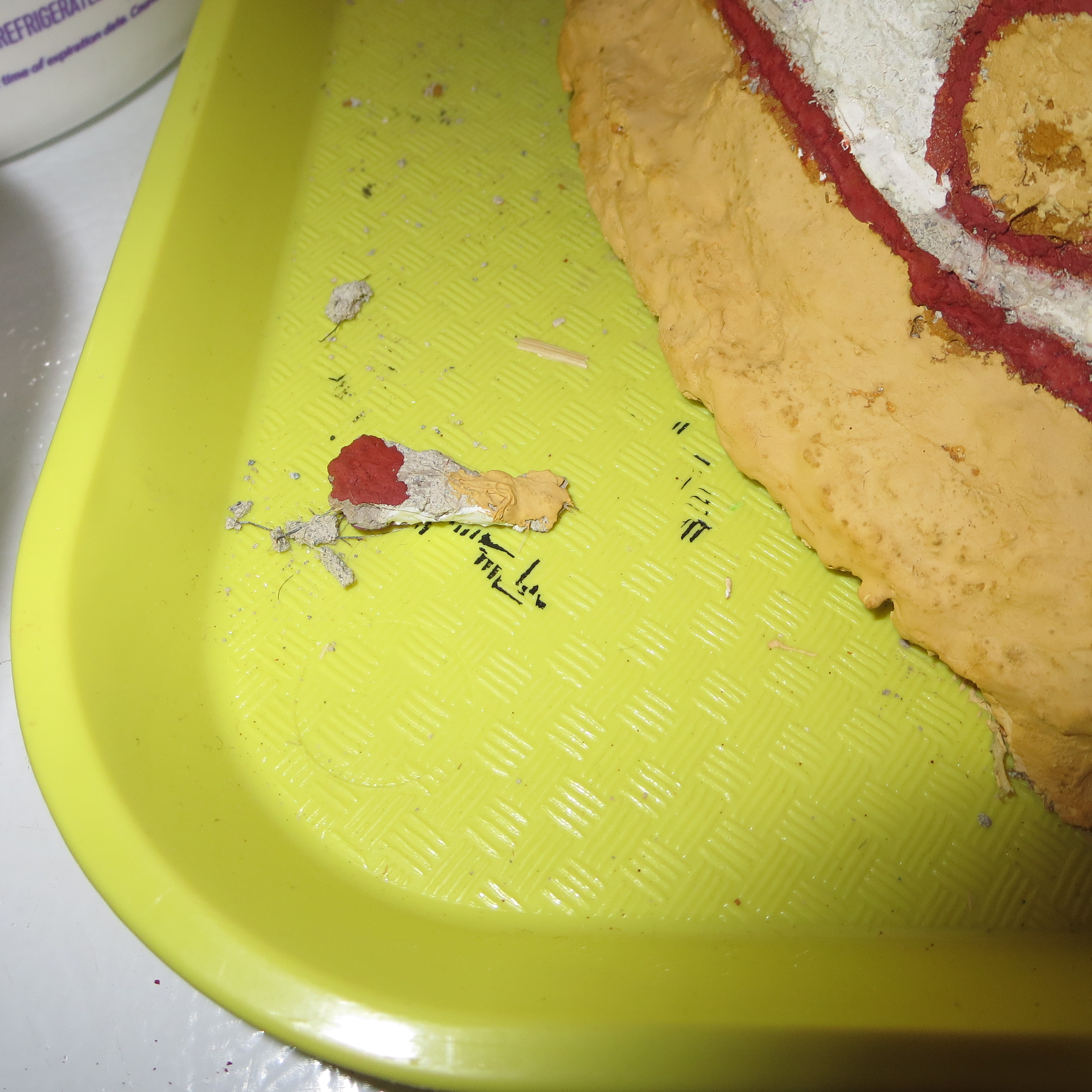
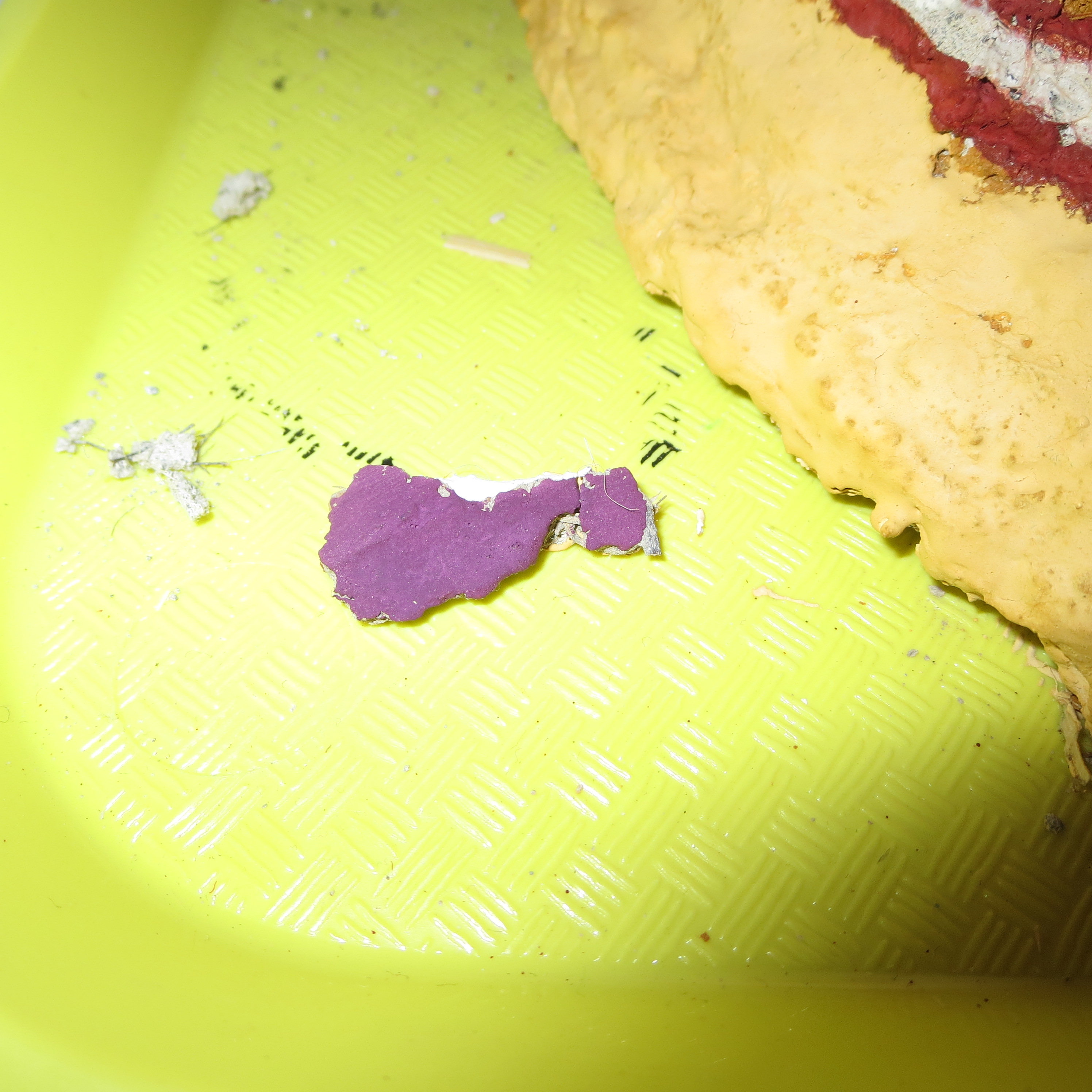
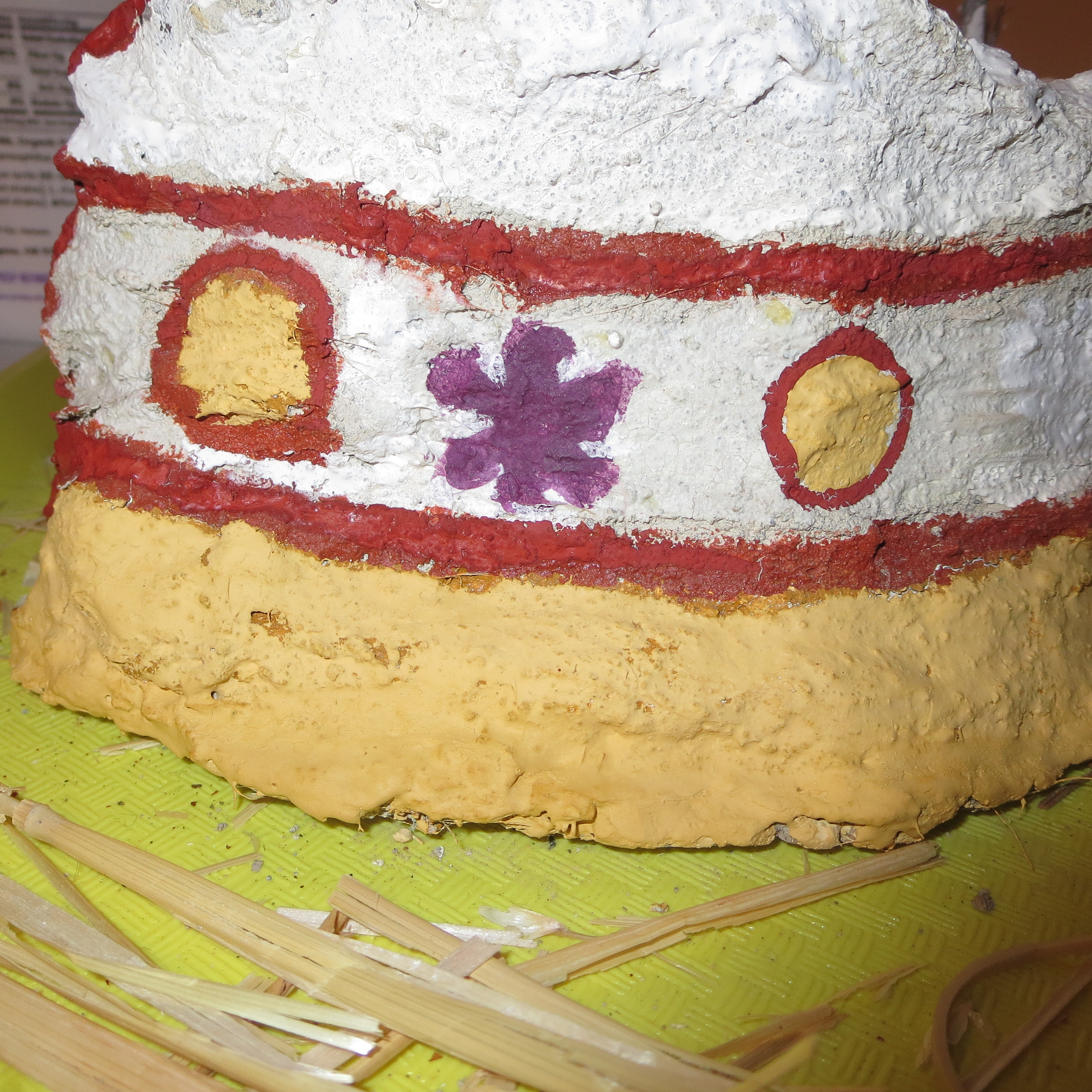
~Permies FAQ ~ Dragons, Fairies and even a Mini-Paul! ~ You Know You're a Permie When...~ All About Permies, including tutorials ~Herbal Hugel Spiral of Randomness!~Tricks to Keep the Dirt from Sliding off a Hugel~List of Cascadia Bloggers and Facebook Pages!~
4
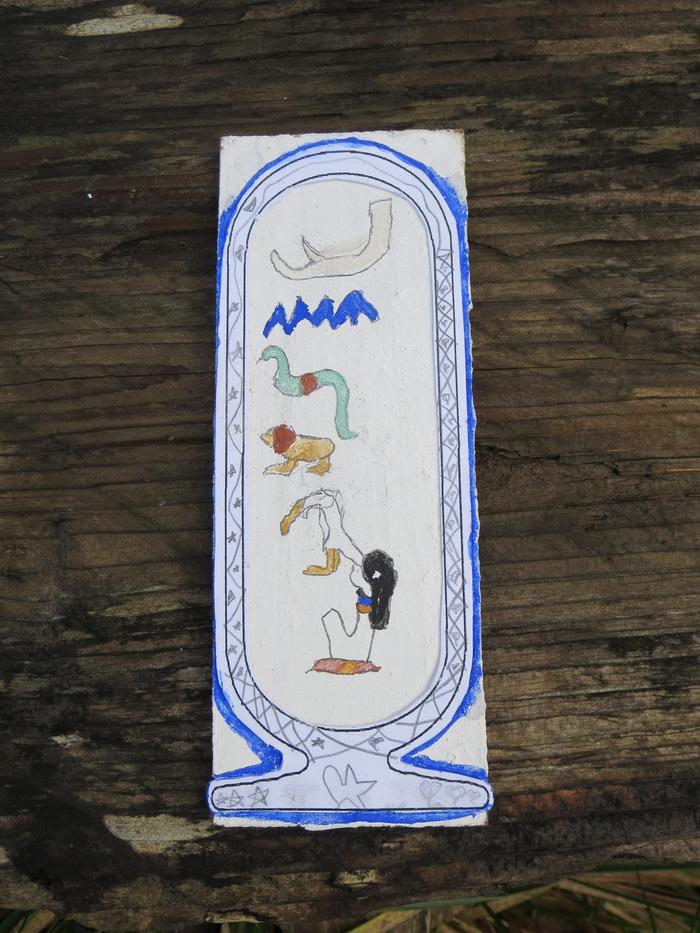
~Permies FAQ ~ Dragons, Fairies and even a Mini-Paul! ~ You Know You're a Permie When...~ All About Permies, including tutorials ~Herbal Hugel Spiral of Randomness!~Tricks to Keep the Dirt from Sliding off a Hugel~List of Cascadia Bloggers and Facebook Pages!~
4
The Mud Home wrote:Note: You need a binder like wheatpaste or casein to help seal the limewash, otherwise your whitewash may remain dusty, and can leave marks on clothes. If you can source good quality mature lime putty, a binder may not be necessary.
~Permies FAQ ~ Dragons, Fairies and even a Mini-Paul! ~ You Know You're a Permie When...~ All About Permies, including tutorials ~Herbal Hugel Spiral of Randomness!~Tricks to Keep the Dirt from Sliding off a Hugel~List of Cascadia Bloggers and Facebook Pages!~
2
John Daley Bendigo, Australia The Enemy of progress is the hope of a perfect plan
Benefits of rainfall collection https://permies.com/t/88043/benefits-rainfall-collection
GOOD DEBT/ BAD DEBT https://permies.com/t/179218/mortgages-good-debt-bad-debt
2
John C Daley wrote:Is Milk Paint the stuff you speak of?
'Milk paint is an ancient, eco-friendly, and non-toxic paint made from milk protein (casein), lime, and natural pigments.
Sold as a powder, it is mixed with water for a durable, matte finish ideal for furniture restoration, "shabby chic" rustic looks, and children's toys.
It is zero-VOC, breathable, and provides a unique matte look. '
~Permies FAQ ~ Dragons, Fairies and even a Mini-Paul! ~ You Know You're a Permie When...~ All About Permies, including tutorials ~Herbal Hugel Spiral of Randomness!~Tricks to Keep the Dirt from Sliding off a Hugel~List of Cascadia Bloggers and Facebook Pages!~

|
You don't know me, but I've been looking all over the world for. Thanks to the help from this tiny ad:
Infographic to consider the best heat - all costs
https://permies.com/w/heat
|