|

|
|
|
|

|

|

|

|

|


 11
11


- Tim's Homestead Journal - Purchase a copy of Building a Better World in Your Backyard - Purchase 6 Decks of Permaculture Cards -
- Purchase 12x Decks of Permaculture Cards - Purchase a copy of the SKIP Book - Purchase 12x copies of Building a Better World in your Backyard


 16
16
13
13
16
16
13
13
Timothy Norton wrote:
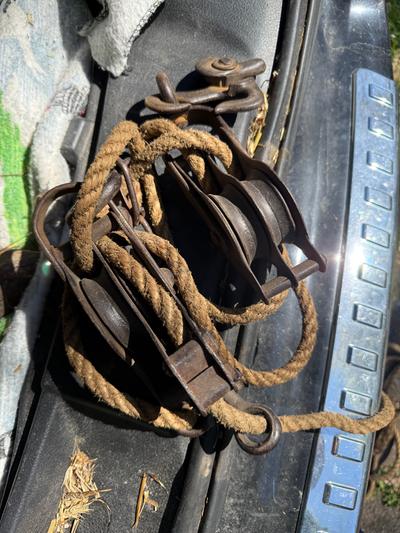
What/how do you folks utilize this kind of gear. Is there a modern alternative that you utilize?
 11
9
7
4
11
9
7
4
That IS a great video! Destin's favorite pulley seems to be the snatch block, the one that opens up and fits over the rope, rather than having to thread it through. (He does spend a lot of time on the block and tackle though.) Relevant to this thread, I like that he builds models (2:52 - 6:03) to demonstrate and understand how they work.
7
peace
brian
6


 5
5
So many plants, so little time

|
Ever since I found this suit I've felt strange new needs. And a tiny ad:
A book about luxuriant recipes for green living
https://greenlivingbook.com/
|