• Post Reply Bookmark Topic Watch Topic
  • New Topic
permaculture forums growies critters building homesteading energy monies kitchen purity ungarbage community wilderness fiber arts art permaculture artisans regional education skip experiences global resources cider press projects digital market permies.com pie forums private forums all forums
this forum made possible by our volunteer staff, including ...
master stewards:
  • Carla Burke
  • John F Dean
  • Nancy Reading
  • r ransom
  • Jay Angler
  • Timothy Norton
stewards:
  • paul wheaton
  • Pearl Sutton
  • Anne Miller
master gardeners:
  • Christopher Weeks
  • M Ljin
gardeners:
  • Jim Garlits
  • thomas rubino
  • William Bronson

Grocery Prices Growing New Gardeners?

 
pollinator
Posts: 96
Location: Half acre on a hill in Central Alabama, Zone 8a and 8b
92
hugelkultur art forest garden fungi foraging food preservation cooking writing composting
  • Likes 13
  • Mark post as helpful
  • send pies
    Number of slices to send:
    Optional 'thank-you' note:
  • Quote
  • Report post to moderator
One can easily imagine that current issues with grocery prices and even availability getting worse before they get better. Some of my friends and SM contacts are reaching out to me confidentially about putting in a garden, with no idea how to start. Some are genuinely concerned about being able to feed themselves in the months ahead.

Like most things, gardening is easy enough for a six-year-old to do, after twenty years of practice. So how might we advise beginners or hobbyists to effectively negotiate future caloric challenges - assuming they have a strip of land (or a spread of porch containers) available for cultivation?

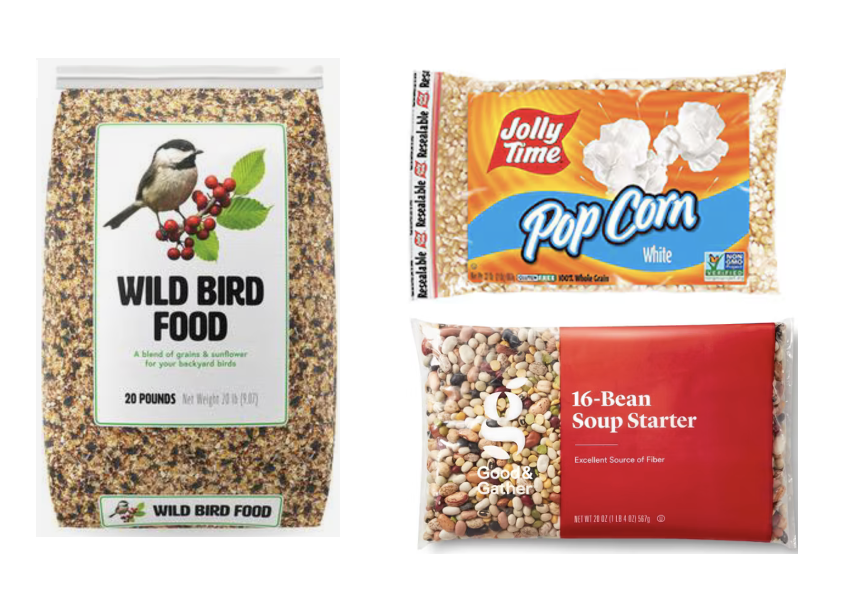
My advice always begins with saving seeds and re-rooting store-bought produce. When it comes to buying seeds, I find many confidential inquirers are baffled by the wide selection on the seed rack, and the soaring prices of mostly-empty garden seed packets. After nearly a decade of conversation and experimentation, I've started telling everyone who asks (and a few who don't) to go out now and buy the big bags of seeds - the ones not typically found in the garden section. Nothing fancy. Just the basics:

Popcorn.
Beans.
Bird Seed.

To my way of thinking, the 16-bean Soup bag is the best protein starter kit out there. They're all easy to plant. They grow fast. They start feeding you at the green bean stage, and all of them make dry beans for easy storage.

Popcorn sounds silly, but it grows remarkably well and grinds easily into grits and corn meal. (And it makes popcorn!) And while we're on the subject of corn, those fifty pound bags of  deer corn also germinate just fine, and can grind directly into meal as well.

A cheap brand of mixed wild bird seed offers a bounty of produce. From a single bag, you can grow sunflower seeds, wheat, barley, millet, and even milo. Pick the individual seeds out, or simply broadcast the mix over minimally prepared soil. Plant in the fall, and you'll get a crop of winter wheat and summer millet.

Cheap. Easy. Almost naive-proof, and the potential for growing real food in a short time. And who knows, if the beans and sunflowers are successful, folks might be encouraged to try some of the tomato or watermelon seeds they might have saved.


CheepSeeds.png
Pictures nabbed randomly off the interwebs, for illustration purposes only.
 
out to pasture
Posts: 13325
Location: Portugal
4476
goat dog duck forest garden books wofati bee solar rocket stoves greening the desert
  • Likes 14
  • Mark post as helpful
  • send pies
    Number of slices to send:
    Optional 'thank-you' note:
  • Quote
  • Report post to moderator
I grow couve galega, which is a perennial kale that seeds freely.

I like to grow extras and keep them in a plug-tray so if anyone shows any interest I can supply them with plants quickly and easily - all they need to do is prepare a bit of ground, which can be as easy as sticking some cardboard over it for a few weeks to clear the weeds and maybe putting dried grass clippings over it to mulch it, then bodge a hole into the cleared land and stick a young plant in and keep it watered until it's found its feet.

I also offer out prickly pear pads so people can grow nopales and fruit.

At the moment I also have spare young lovage plants which will flavour soups and stews for them for the next decade or so.

I usually have a couple of fruit-tree species propagating too, either from seed or cuttings. At the moment I have spare young apple and quince babies that I could donate to anyone showing any interest. I'll probably take fig cuttings this winter, and maybe a few of my favourite plum.

And of course I send them home with basic planting and care advice, and instructions to come back and get more if the first lot don't work or if they want to expand.
 
steward
Posts: 19165
Location: USDA Zone 8a
4830
dog hunting food preservation cooking bee greening the desert
  • Likes 7
  • Mark post as helpful
  • send pies
    Number of slices to send:
    Optional 'thank-you' note:
  • Quote
  • Report post to moderator
Since 2020 the grocery prices have slowly increase with this year being the highest.

Luckily, I have a cupboard full of food storage items so I only buy a few frozen foods.

Your half acre in Alabama might have edible plants that you might learn to identify.
 
Yeardly Arthur
pollinator
Posts: 96
Location: Half acre on a hill in Central Alabama, Zone 8a and 8b
92
hugelkultur art forest garden fungi foraging food preservation cooking writing composting
  • Likes 13
  • Mark post as helpful
  • send pies
    Number of slices to send:
    Optional 'thank-you' note:
  • Quote
  • Report post to moderator

Anne Miller wrote:
Your half acre in Alabama might have edible plants that you might learn to identify.


Indeed!

We allowed the yard to grow on its own for most of the first year to give natives a chance to declare themselves. Since then we have 'domesticated' native onions, garlic, ground cherries, dewberries, dandelion, curly dock, narrow and broadleaf plantains, desert chicory, passon vine, muscadines, and several wild sunflowers, along with at least five species of edible fungi, mainly by either staying out pop their way, or transplanting them into garden beds.

We've also relocated a number of volunteer peach, black cherry and pecan trees from the yard to the surrounding woods, and brought in plants to re-establish blueberries, elderberries and Chickasaw plums in areas where we cleared away invasive species.

We're constantly putting in new garden beds. So far, he easiest, cheapest way we've found to beat the heavy clay soil into submission is to cover it with leaves and sawdust (free from the mill down the road), then add bird seed, popcorn and beans.
 
Posts: 1587
131
  • Likes 15
  • Mark post as helpful
  • send pies
    Number of slices to send:
    Optional 'thank-you' note:
  • Quote
  • Report post to moderator
for the past couple years ive donated surplus stuff from my garden to a local church. last year it was probably about 300- 400 pounds of veggies. this week I started off with a banana box overflowing with squash. the report I got back was most people have their own gardens this year but the box was emptied by those with no garden in a short time after choir practice Wednesday. The flying saucer squash/patty pan just started producing and these plants are super productive. I'm guessing this year if everything goes well in the garden donations may be double of last year.
I think this year more people than ever have survival gardens with the cost of groceries being so high.
 
pollinator
Posts: 281
86
kids urban seed
  • Likes 14
  • Mark post as helpful
  • send pies
    Number of slices to send:
    Optional 'thank-you' note:
  • Quote
  • Report post to moderator
Perennial veg is probably the most underrated advice for beginners. Once it's in you barely have to think about it. Comfrey, sorrel, perennial onions, good king henry — they just come back every year and are pretty hard to kill. Easier to stay motivated when you're not starting from scratch every spring.
 
Yeardly Arthur
pollinator
Posts: 96
Location: Half acre on a hill in Central Alabama, Zone 8a and 8b
92
hugelkultur art forest garden fungi foraging food preservation cooking writing composting
  • Likes 10
  • Mark post as helpful
  • send pies
    Number of slices to send:
    Optional 'thank-you' note:
  • Quote
  • Report post to moderator

Joao Winckler wrote:Perennial veg is probably the most underrated advice for beginners. Once it's in you barely have to think about it. Comfrey, sorrel, perennial onions, good king henry — they just come back every year and are pretty hard to kill. Easier to stay motivated when you're not starting from scratch every spring.


Hard to beat bean seeds, though. In my experience, almost every perennial food source requires a lot of explanation and that extra mile of dedication trying to find a source of seeds or plants, and still not knowing if you did it right - or what to do if you did. If my neighbor hadn't given me a bundle of walking onions twenty years ago, the idea of perennial veg would still be a mystery to me. (It took me more than a decade to learn how to grow asparagus, and that's a long time to wait for a meal.)

The people I'm talking about haven't grown a thing since they planted a pinto in a paper cup in kindergarten. The idea that they can find bulk food seeds in the supermarket is a revelation. Once we jump that hurdle, we can talk about good kings and rhubarb. Baby steps...
 
bruce Fine
Posts: 1587
131
  • Likes 7
  • Mark post as helpful
  • send pies
    Number of slices to send:
    Optional 'thank-you' note:
  • Quote
  • Report post to moderator
perennials are very good idea, asparagus, blueberries are two that like that will most likely grow no matter what if soil conditions are correct and it rains every week or so till they get established. this the reason I have invested time and effort into chestnuts so heavily. once established you just get more and more every year and they dont have quite so many pests like other crops can have.
 
master pollinator
Posts: 5833
Location: Canadian Prairies - Zone 3b
1677
  • Likes 11
  • Mark post as helpful
  • send pies
    Number of slices to send:
    Optional 'thank-you' note:
  • Quote
  • Report post to moderator

Yeardly Arthur wrote:...Some are genuinely concerned about being able to feed themselves in the months ahead.

Like most things, gardening is easy enough for a six-year-old to do, after twenty years of practice. So how might we advise beginners or hobbyists to effectively negotiate future caloric challenges - assuming they have a strip of land (or a spread of porch containers) available for cultivation?


I say keep it simple, focused on calories and nutrition that's easy to grow and store: potatoes, carrots, beets. The pioneer staples. I would also add various pole beans (scarlet runner beans, blue lake pole beans) for the amount of food they produce throughout the season, in a small area.

Growing the bean soup mix has merit, if only for green beans at their various stages. Add to that growing dried field peas for easy greens (there is a great thread somewhere on this).

Personally I wouldn't bother with corn or bird seed. It's exceedingly unlikely that people with zero experience in growing anything will graduate to milling their own grains.

Taking a step back, I would argue that the more realistic solution is in the kitchen, not in the garden. We are not even remotely facing a food shortage. It's just that the luxurious foods we are accustomed to are potentially being priced out of reach. Canadian and American farmers produce massive quantities of lentils, chickpeas, field peas and export almost all of it. Our population is not familiar with the wonderful, tasty, filling dishes that can be made from these items. People in India, for example, know the value and know exactly what to do with these items. We are facing a shortage of kitchen experience with these highly affordable and nutritious foods. My 2c.
 
Anne Miller
steward
Posts: 19165
Location: USDA Zone 8a
4830
dog hunting food preservation cooking bee greening the desert
  • Likes 8
  • Mark post as helpful
  • send pies
    Number of slices to send:
    Optional 'thank-you' note:
  • Quote
  • Report post to moderator
Douglas mentioned "Bean Soup Mix".

For folks concerned about grocery prices, beans are easy to grow.

Growing several varieties offer a lot of different ways to eat them.

Fresh beans are good, dry beans store well and "Bean Soup Mix" can be as simple as just gather up a bunch of different varieties of beans and cook them together.
 
pollinator
Posts: 128
Location: Central Iowa, Zone 5b
53
personal care foraging urban chicken bike bee
  • Likes 11
  • Mark post as helpful
  • send pies
    Number of slices to send:
    Optional 'thank-you' note:
  • Quote
  • Report post to moderator
I have a starter pack of sorts Iv been giving out to friends who'v asked this year. Our gardens are finally coming in nicely again after moving a couple years ago so I have strawberries, thornless blackberries, asparagus, potatoes, walking onions and lots of herbs that have self seeded and came up this year that are free game to take. As well as extra starts of tomatoes, mints and peppers. I tell people a green thumb is hiding the compost pile of dead victims of previous plants and to not feel bad if they kill them all and then want to try again next year. Most of the plants I give out are weeds for me anyways!
I choose the plants I do because they do grow like weeds in my area with very little love and are familiar enough to normies for use in the kitchen continuously thru the year. Seeds are a gamble to give to a new person due to the learning curve is to likely to cause a failure that will discourage them from the journey in my area. I also have them come out to grab the plants so they can see how I grow them and maybe get them into thinking about getting chickens later. There fresh brains are easily moldable to permaCULTure as long as we don't overwhelm them lol  
 
Yeardly Arthur
pollinator
Posts: 96
Location: Half acre on a hill in Central Alabama, Zone 8a and 8b
92
hugelkultur art forest garden fungi foraging food preservation cooking writing composting
  • Likes 9
  • Mark post as helpful
  • send pies
    Number of slices to send:
    Optional 'thank-you' note:
  • Quote
  • Report post to moderator

Sam Potter wrote:I have a starter pack of sorts Iv been giving out to friends who'v asked this year. Our gardens are finally coming in nicely again after moving a couple years ago so I have strawberries, thornless blackberries, asparagus, potatoes, walking onions and lots of herbs that have self seeded and came up this year that are free game to take. As well as extra starts of tomatoes, mints and peppers. I tell people a green thumb is hiding the compost pile of dead victims of previous plants and to not feel bad if they kill them all and then want to try again next year. Most of the plants I give out are weeds for me anyways!
I choose the plants I do because they do grow like weeds in my area with very little love and are familiar enough to normies for use in the kitchen continuously thru the year. Seeds are a gamble to give to a new person due to the learning curve is to likely to cause a failure that will discourage them from the journey in my area. I also have them come out to grab the plants so they can see how I grow them and maybe get them into thinking about getting chickens later. There fresh brains are easily moldable to permaCULTure as long as we don't overwhelm them lol  


Brilliant.
There is a growing (and in my opinion, justified) concern among 'normies' about food availability in the near future. Anything we can do to bridge the gap will help, and will help grow our own  cross-cult-ural community.
 
Posts: 17
Location: Canada
3
  • Likes 4
  • Mark post as helpful
  • send pies
    Number of slices to send:
    Optional 'thank-you' note:
  • Quote
  • Report post to moderator
I started attending seed swaps a few years ago and haven't had to purchase very many seeds at all since then - and I agree with the previous comments about the high prices for retail seed packets, especially if you haven't grown before and are trying to assemble enough variety to grow. I've found some really interesting and unusual seeds as well as standard varieties of things at the swaps, everything from veg, to herbs, to native flowers and other ornamentals.
 
Posts: 72
Location: Zone 9a, foothills California, 2500 ft elevation
27
2
  • Likes 3
  • Mark post as helpful
  • send pies
    Number of slices to send:
    Optional 'thank-you' note:
  • Quote
  • Report post to moderator
Seed swaps have been very helpful the last couple of years, along with a Facebook homestead swap group for our area. I not only have gotten a lot of different seeds to try, but gotten rid of some of my excess seed that was fairly fresh. The swaps have also included plant starts, fruit tree scions, fresh herbs, a ton of bay leaves, and I've been able to trade strawberry plants and other starts such as calendula and aloe vera for eggs. Some of the seeds are in copious amounts and with good germination, so I don't feel so bad about the plants that don't make it. I have been saving my own seeds from plants for several years now and was able to give my daughter enough starts last fall for a successful winter garden. It seems that the freshest seed often does the best. In addition, things improved for me after I got a free Seedtime.org account and did some rudimentary planning over the winter as far as when to direct seed or sow seeds for transplanting. Even with the back and forth temperatures we've had this spring, things have done noticeably better than my haphazard guesswork in the past.
 
Douglas Alpenstock
master pollinator
Posts: 5833
Location: Canadian Prairies - Zone 3b
1677
  • Likes 2
  • Mark post as helpful
  • send pies
    Number of slices to send:
    Optional 'thank-you' note:
  • Quote
  • Report post to moderator
I have no doubt connections are the key.

I have a ton of small potatoes left over from last year. All sprouting madly, suitable for growing food. But I asked around -- nobody wants them. So I am cooking them to add to my composters.

In a zombie apocalypse I could have provided seed potatoes for a dozen families. It seems like a waste but so it goes.

Not to worry, next year I'll have a few hundred more fertile potatoes for seed in case the bottom drops out of the world.
 
Posts: 14
Location: Bavarian Alps / Northern Alps / Europe - equal to zone 7a
7
hugelkultur medical herbs homestead
  • Likes 2
  • Mark post as helpful
  • send pies
    Number of slices to send:
    Optional 'thank-you' note:
  • Quote
  • Report post to moderator
I think over here in Europe the price situation is still by far not so severe as over the great pond in your area. But general political climate, one crisis after the other, high energy and fuel prices, and yes also some inflation in food prices etc has made a lot of new people think about how to make ends meet.
And gardening, also in my experience, is one of the first things people want to try out. Also combined with the wish for a healthier lifestyle and diet.

I can absolutely second on what has been said about this topic in this thread so far. And I would like to add one aspect.
The learning curve. So much can go wrong growing your own food without any experience.

I am often asked on what to grow, where to get seeds , what would be a money saver and yet good , healthy sustaining food. And a lot of the answers have been given in this thread.
But more often than not, the beginner (in my area we lovingly call it "the city folk") gets overwhelmed and frustrated with plants just not working out.

We need to keep in mind, that modern life is completely away from natural growing cycles (everything is always available everywhere at any time) , routine work - daily - to keep your vegetables, beans, corn, etc growing means changing your way of daily living (your job, your family, social life, hobbies etc) so that yuor plants thrive. But foremost it also means changing your eating habits and cycling back into the rythm of nature. At least for some items, when you get started.

Most skills that still existed abundantly 2 generations - heck even 1 generation ago - have disappeared in the fundus of common knowledge of modern day people. So seeds is one thing, having a balcony, a terrace, some land is another - but having the skills, the discipline, and the passion to keep up what is need for growing your own food - thats where it often fails.

What I found really helps is letting new people interested in gardening help out on my land. Learn from seed to harvest how things are done. And then as a personal reward take some of the harvest with them, or the seeds for their small garden, or some plantlings in the beginning etc.

I can only encourage all of you , interested in helping out new garderners, also with teaching them skills. And best is not explaining but actually learning by doing.


I agree. Here's the link: http://stoves2.com
reply
    Bookmark Topic Watch Topic
  • New Topic