• Post Reply Bookmark Topic Watch Topic
  • New Topic
permaculture forums growies critters building homesteading energy monies kitchen purity ungarbage community wilderness fiber arts art permaculture artisans regional education skip experiences global resources cider press projects digital market permies.com pie forums private forums all forums
this forum made possible by our volunteer staff, including ...
master stewards:
  • Carla Burke
  • Nancy Reading
  • paul wheaton
  • John F Dean
  • r ransom
  • Jay Angler
stewards:
  • Timothy Norton
  • Tereza Okava
  • Pearl Sutton
master gardeners:
  • Christopher Weeks
  • M Ljin
gardeners:
  • Jeremy VanGelder
  • Megan Palmer
  • Thekla McDaniels

Questions about acorns for eating

 
master gardener
Posts: 6775
Location: Carlton County, Minnesota, USA: 3b; Dfb; sandy loam; in the woods
4200
8
forest garden trees books chicken food preservation cooking fiber arts seed woodworking homestead ungarbage
  • Likes 9
  • Mark post as helpful
  • send pies
    Number of slices to send:
    Optional 'thank-you' note:
  • Quote
  • Report post to moderator
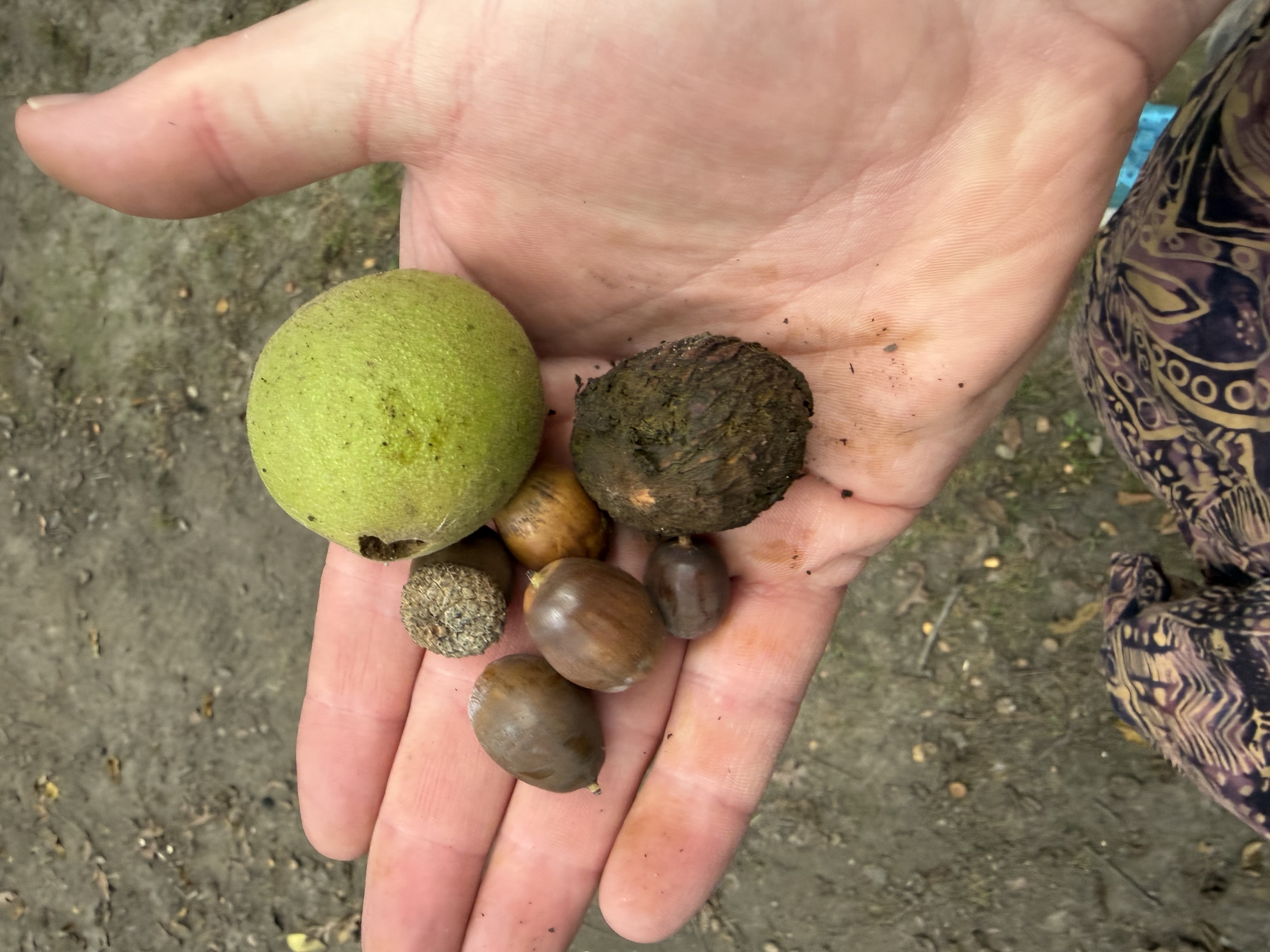
Red oaks are dropping acorns *right now* at my place in northern Minnesota. The squirrels and chipmunks are going hog-wild. I don't have much history of eating acorns but I'm looking to rectify that. And I have some questions. Also, as an interesting aside, after picking up a bunch of acorns, my hands have a distinct odor that's unfamiliar but must be acorn-smell.

Which ones do you gather?

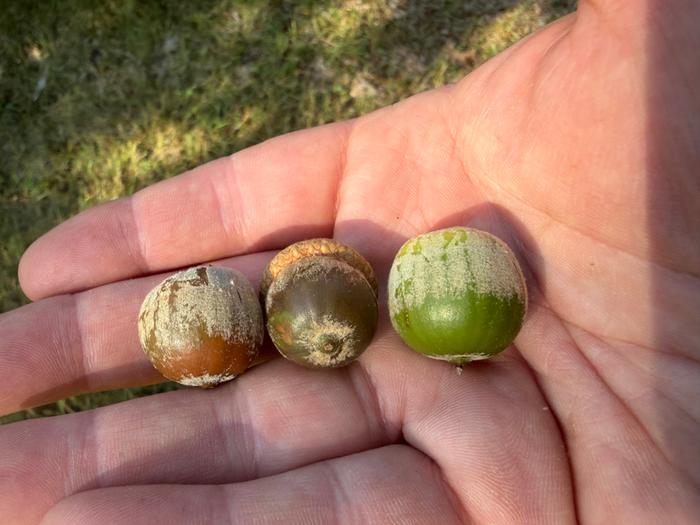
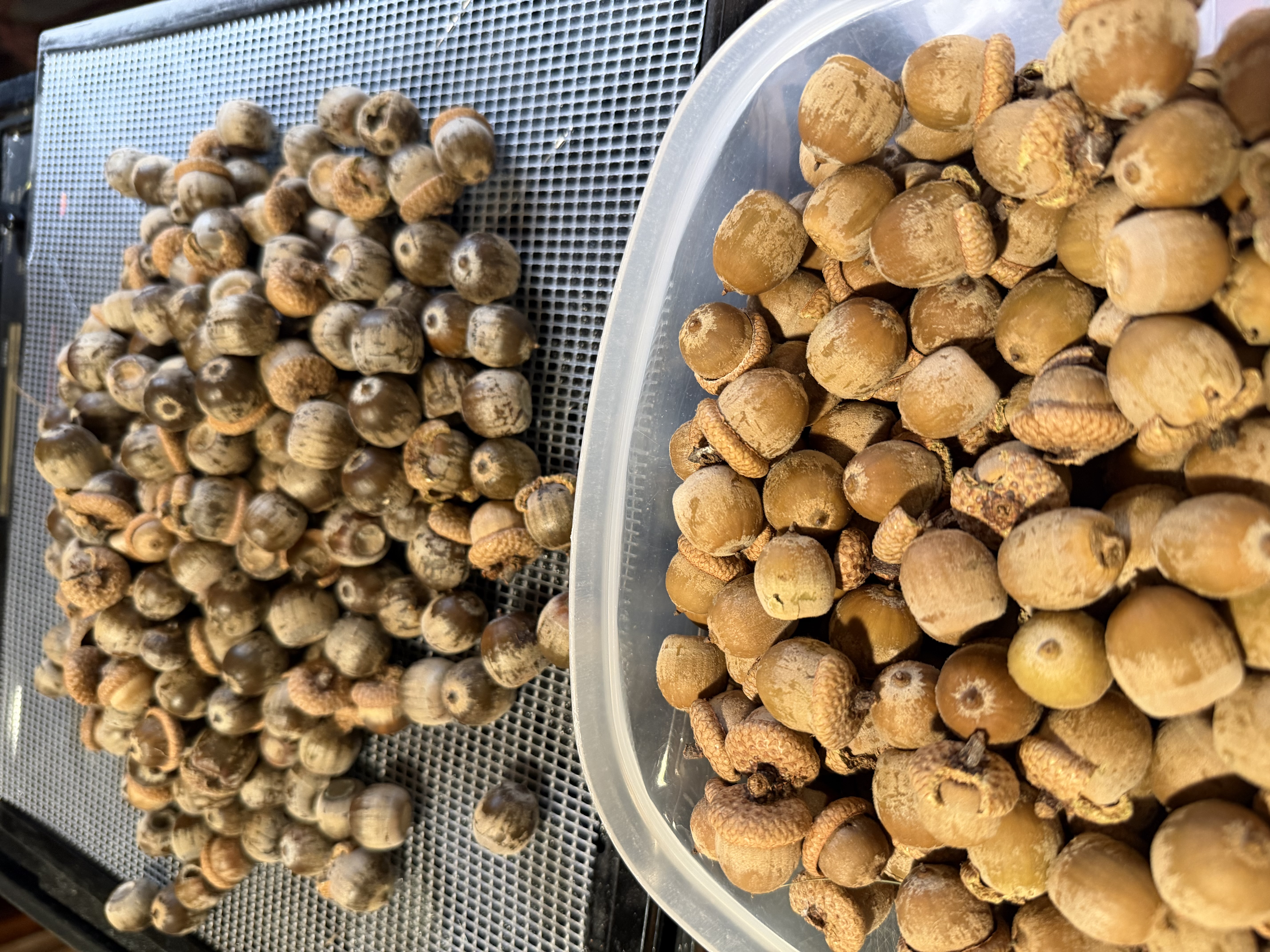
Most of the best looking ones are fat and green. Some are brown. Some are stunted and most of those are brown. Does any of that matter? Have brown ones been sitting there all year?


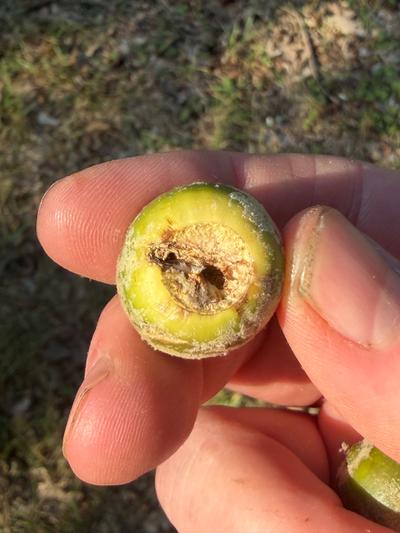
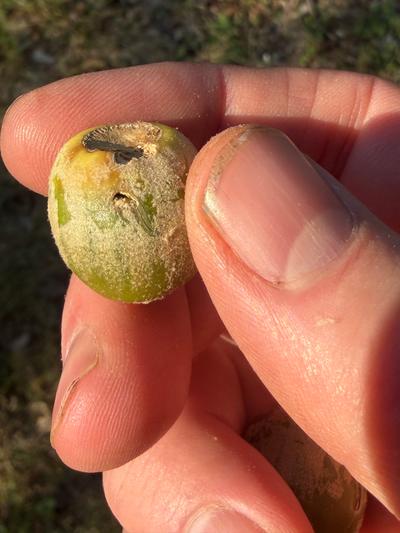
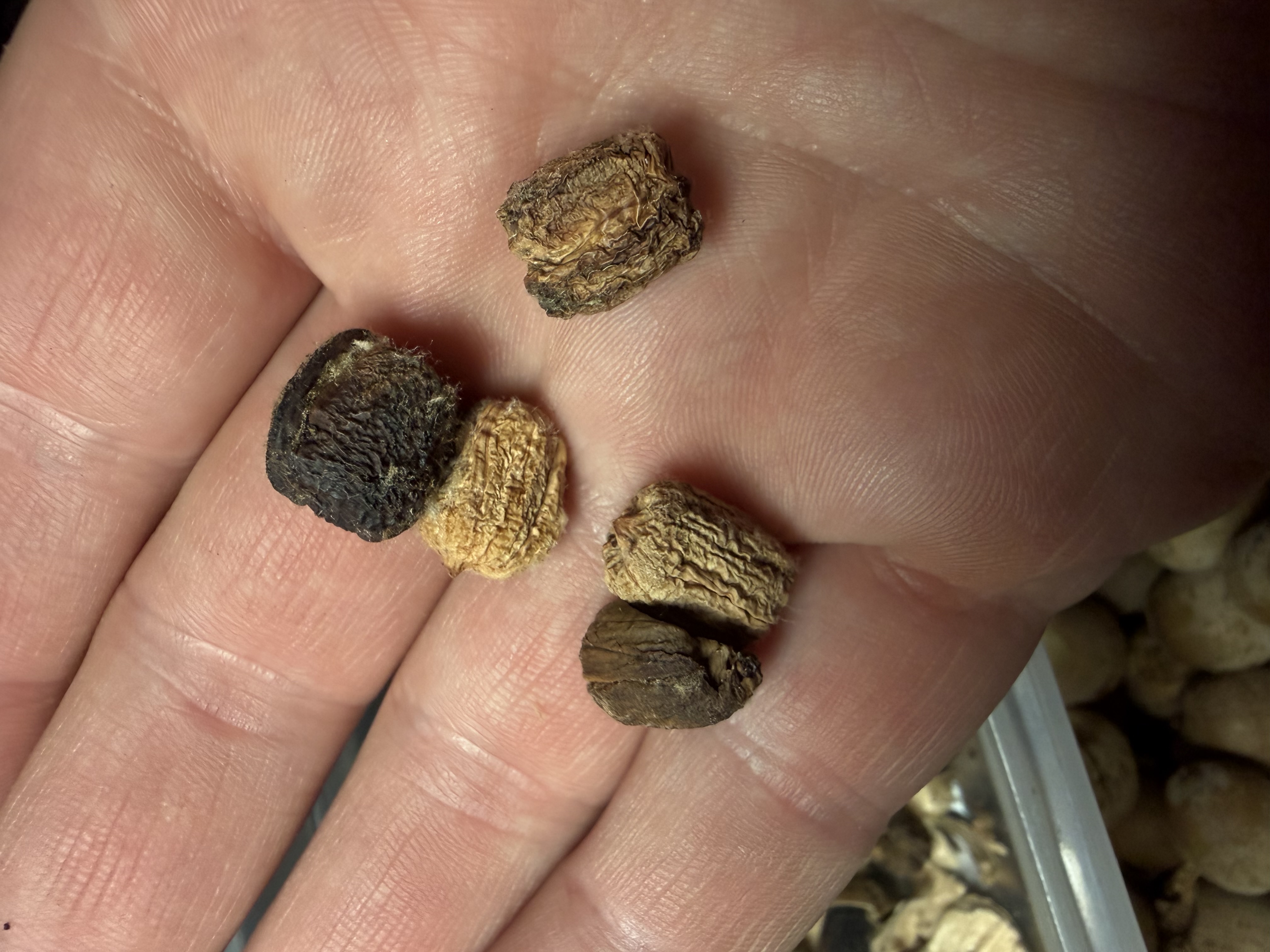
So then, they're sitting under the tree in a wide variety of conditions. Some are obviously at least a year old and spongey. Others are variously quite open and gross. I know to leave those be. But what about the ones that seem fresh but aren't entirely intact?

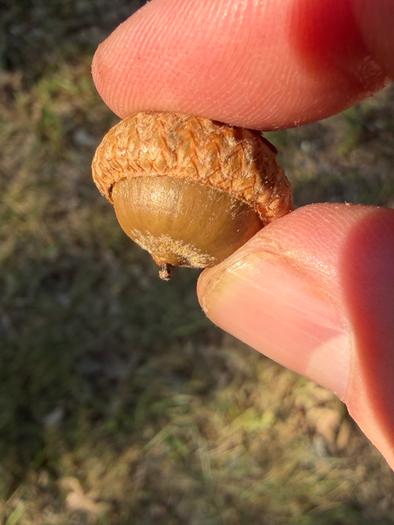
Some are cracked and if you pinch it, you can get it to softly open up:


Some have a chunk of the shell gone, but the nut doesn't seem particularly bothered:


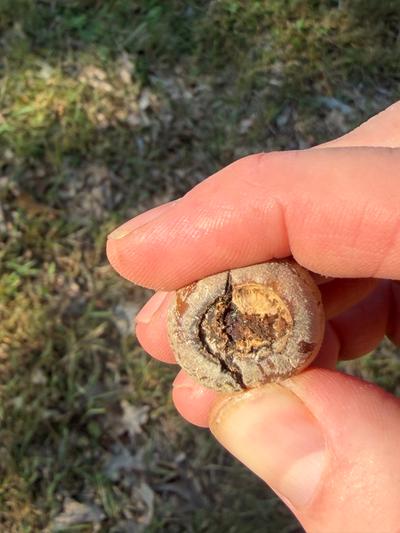
Some have a hole in the top where the cap used to be that might be the result of rot or infestation:


Some have a tiny little hole or dent in the hard shell:


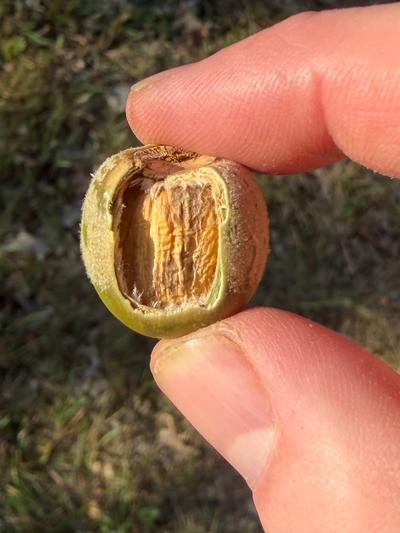
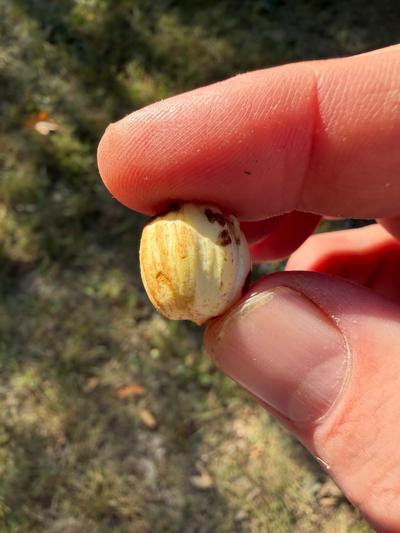
And a few seem to have been peeled and left uneaten -- I'm not sure what phenomenon leads to that:


So, what do you gather to eat?

I'm don't eat animals for the most part and I'm grossed out at the idea of a spoon full of maggots, but if I'm going to boil these, I doubt I'd notice a few larva, so I'm willing to err on the side of gathering slightly wormy nuts.

How do you process?

From here: https://permies.com/t/371410/permaculture/Foraging-Calories-Species#3762678 I'm looking at this as my default approach:

M Ljin wrote:1.Harvest and dry the acorns

2. Crack and set shells aside (good for mulch)

3. Bring a large pot of boiling water w/ acorns to a boil, leave heat off & wait 12-24hrs, pour off liquid (may contain fat, so maybe scrape it off if there’s enough?) and then repeat until they taste good. Typically takes a week give or take depending on how frequently it’s changed/boiled.

Sam Thayer sets it on top of a woodstove, which would be good too. Unfortunately there is no such sophisticated wood heat in this house.

This particular method (hot leaching of whole or halved acorns) tends to be used wherever oaks of the red oak group are numerous, and I consider it the method I know of for red oak acorns. I haven’t gotten anything edible from any other method. I tried cold leaching a meal ground from the acorns, but the grinding was more effort and it seemed like the fat in them prevented the tannins from leaving in that case. Even then it seems like more of the fat may be lost.


If you have something different to suggest, I'm all ears.

Also, is there a trick to cracking/shelling?

How do you preserve?

Can I do the leaching and then dehydrate them again? Do I store them as nuts/halves/chunks or grind it?

How do you prepare and eat?

Do you eat them as an out-of-hand snack like peanuts? Are they only good ground and mixed into stuff? Bread? Porridge?
 
master pollinator
Posts: 398
Location: UK
148
kids urban seed
  • Likes 9
  • Mark post as helpful
  • send pies
    Number of slices to send:
    Optional 'thank-you' note:
  • Quote
  • Report post to moderator
The smell is wild isn't it, very tannic. Brown and fully dropped is what I go for, the green ones still filling out tend to need even more leaching. Red oaks have way more tannins than white oak so expect to change the water a fair few times before they're really palatable, but worth the effort.
 
master gardener
Posts: 2873
Location: Zone 5
1667
ancestral skills forest garden foraging composting toilet fiber arts bike medical herbs seed writing ungarbage
  • Likes 7
  • Mark post as helpful
  • send pies
    Number of slices to send:
    Optional 'thank-you' note:
  • Quote
  • Report post to moderator
Acorns do smell so delicious!

Pick ones that have no caps, or the caps fall off easily; ideally don’t if they have conspicuous dark patches or other major blemishes. Also avoid ones with small holes in them. If in doubt, crack open with your teeth (the shells are very soft) or two stones to see what is going on inside. Some of them are mostly poop, others are mostly acorn, some are in between. I pick the grubs out and put them outside.

Let them dry in a warm, dry place safe from rodents, and when you are ready, I crack them with my teeth or between two stones, and pick out any blemished pieces or worms.

The ones that were nibbled by squirrels—who knows? Maybe they tried and thought them too bitter to eat.

Small ones on fallen branches are fine—if they are just immature instead of prematurely dropped.


One person did compare them to boiled peanuts or chestnuts. In my method, I’d compare them to beans—add to soups, fry, eat as a snack, and so on. Soup seems one of the better options because they are a “dry” (slightly tannic) food.
 
Christopher Weeks
master gardener
Posts: 6775
Location: Carlton County, Minnesota, USA: 3b; Dfb; sandy loam; in the woods
4200
8
forest garden trees books chicken food preservation cooking fiber arts seed woodworking homestead ungarbage
  • Likes 8
  • Mark post as helpful
  • send pies
    Number of slices to send:
    Optional 'thank-you' note:
  • Quote
  • Report post to moderator
Oh, and if I wanted to press them for a homestead oil, does that happen after leaching or without? Would the Piteba press be good for them? (It seems like they don't want to say so: https://piteba.com/en/content/50-how-much-oil-can-you-press-from-one-kilo-oil-seeds-or-nuts)
 
gardener
Posts: 2287
Location: Zone 6b
1495
forest garden fungi books chicken fiber arts ungarbage
  • Likes 9
  • Mark post as helpful
  • send pies
    Number of slices to send:
    Optional 'thank-you' note:
  • Quote
  • Report post to moderator
Is it earlier than usual to see acorns dropping now? Maybe these are damaged ones and the good ones are still up in the trees? Greg showed a picture of acorn flour here and the nuts definitely looked dark brown. permies.com/t/154413/SALE-high-quality-cold-leached#1209578
He also mentioned some details I guess would be critical for making quality flour: separate acorns by species, cold leaching, change water seven times, etc.

 
Christopher Weeks
master gardener
Posts: 6775
Location: Carlton County, Minnesota, USA: 3b; Dfb; sandy loam; in the woods
4200
8
forest garden trees books chicken food preservation cooking fiber arts seed woodworking homestead ungarbage
  • Likes 6
  • Mark post as helpful
  • send pies
    Number of slices to send:
    Optional 'thank-you' note:
  • Quote
  • Report post to moderator
I have three oaks in eyesight of my deck. One of them has dropped a *ton* of seed and the other two not much. But they also don’t seem to have as much seed aloft. I’m not really sure of this is premature but I years past they’ve been mostly green.
 
gardener
Posts: 1869
Location: the mountains of katuah, southern appalachia
623
forest garden trees foraging chicken food preservation wood heat
  • Likes 9
  • Mark post as helpful
  • send pies
    Number of slices to send:
    Optional 'thank-you' note:
  • Quote
  • Report post to moderator
i agree that acorns smell amazing - and most species smell different from each other!

northern red oak is kinda borderline oily enough to press for oil, and i wouldn’t expect a piteba to do much against them, even if you could find a way to grate them up into fine threads. the tannins are water-soluble, not oil-, so one can press unleached acorns and get good non-tannic oil, but it’s super fiddly, even using an originally $10,000 press like we do at the nuttery. there’s so much starch in them and amount of oil is so low (as opposed to the more commonly pressed nuts like walnuts and hickories) that it’s easy to accidentally scorch them just from the heat that builds up without all that much pressure. and they’re pretty hard, so it takes a fair amount of pressure. southern reds have more oil (and generally have an orange-colored kernel because of it) but i can’t imagine that’s what you’re dealing with.

collecting them green definitely the way - they just turn brown when dried for storage.
 
M Ljin
master gardener
Posts: 2873
Location: Zone 5
1667
ancestral skills forest garden foraging composting toilet fiber arts bike medical herbs seed writing ungarbage
  • Likes 8
  • Mark post as helpful
  • send pies
    Number of slices to send:
    Optional 'thank-you' note:
  • Quote
  • Report post to moderator
Usually there is a first drop which is smaller and may or may not be more wormy, late August. Then later in September through November (coincides unfortunately with regular deer season, ugh—perhaps on purpose?) is the main mast.

I’ve heard that the common way to extract oil is to crush, then boil, and then skim the oil off as it floats to the surface.
 
Are you okay? You look a little big. Maybe this tiny ad will help:
earth skills program
https://wheaton-labs.com/bootcamp
reply
    Bookmark Topic Watch Topic
  • New Topic