
|

|

|

|

|

|
|
|
|
|
|
|
|

|

|

|

|

|
 7
7


 8
8
John Daley Bendigo, Australia The Enemy of progress is the hope of a perfect plan
Benefits of rainfall collection https://permies.com/t/88043/benefits-rainfall-collection
GOOD DEBT/ BAD DEBT https://permies.com/t/179218/mortgages-good-debt-bad-debt


 11
11


 10
10
Invasive plants are Earth's way of insisting we notice her medicines. Stephen Herrod Buhner
Everyone learns what works by learning what doesn't work. Stephen Herrod Buhner
14


 10
10

- Tim's Homestead Journal - Purchase a copy of Building a Better World in Your Backyard - Purchase 6 Decks of Permaculture Cards -
- Purchase 12x Decks of Permaculture Cards - Purchase a copy of the SKIP Book - Purchase 12x copies of Building a Better World in your Backyard


 8
8
How Permies works: https://permies.com/wiki/34193/permies-works-links-threads
My projects on Skye: The tree field, Growing and landracing, perennial polycultures, "Don't dream it - be it! "
7
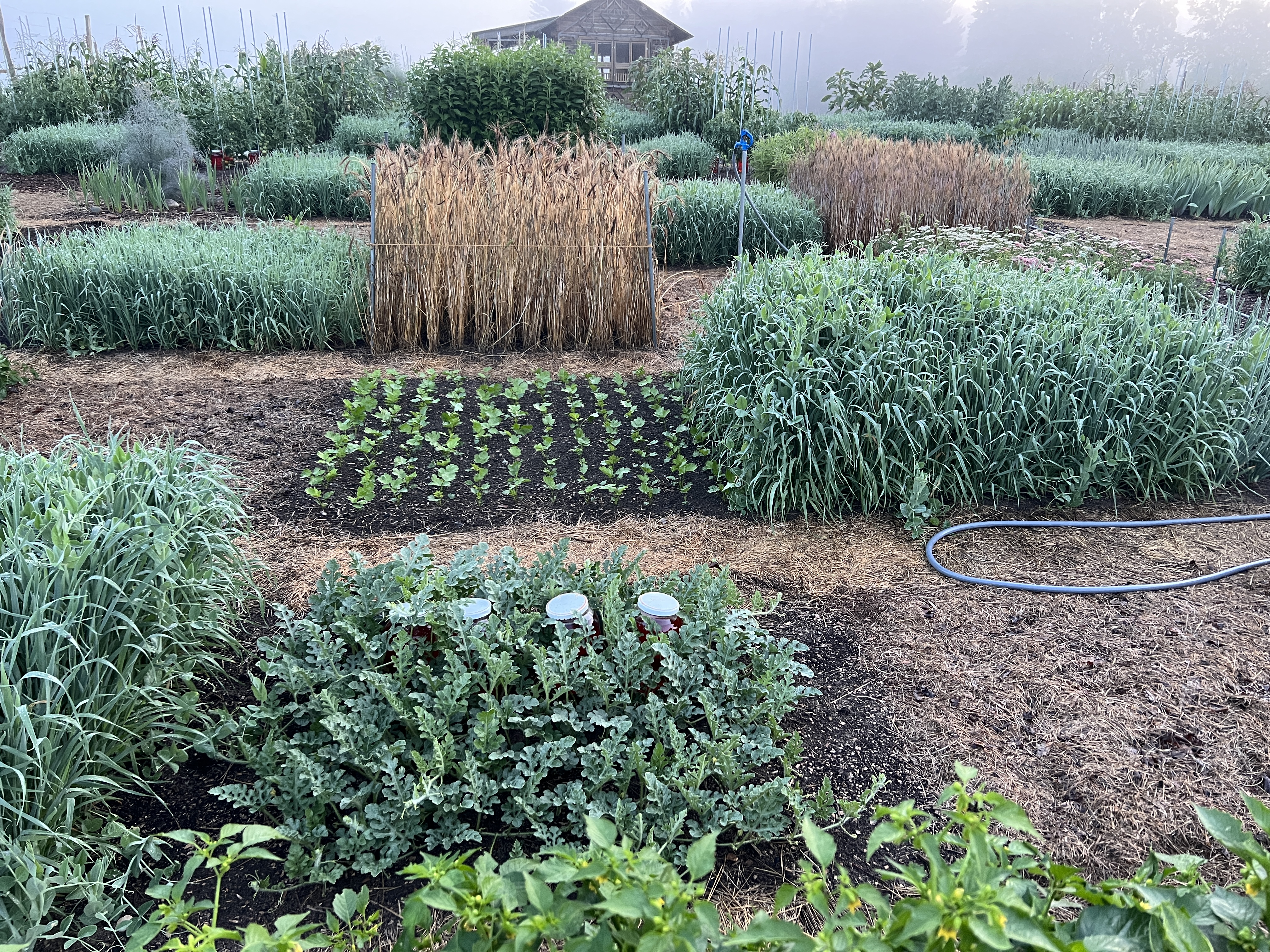
Timothy Norton wrote:What a beautiful garden!
I'm still 'new' to successful gardening and working on learning how to grow an assortment of plants. Some feel easier than others but I am seeing that the soil is a large factor in success. I'm a fan of deep mulches and composting pathways currently.
How much space are you cultivating for your veggies? I'm envious.
7
Nancy Reading wrote:I don't know much about the possibilities of improving the microorganism diversity on the plant's surface. I've read a bit about soil microorganisms and how they help a make healthy soil, but how can we encourage leaf biota too to make plants more disease resistant perhaps?

|
I don't get it. A whale wearing overalls? How does that even work? It's like a tiny ad wearing overalls.
grow your own garden and build your own home in the gardening gardeners program
https://wheaton-labs.com/bootcamp
|